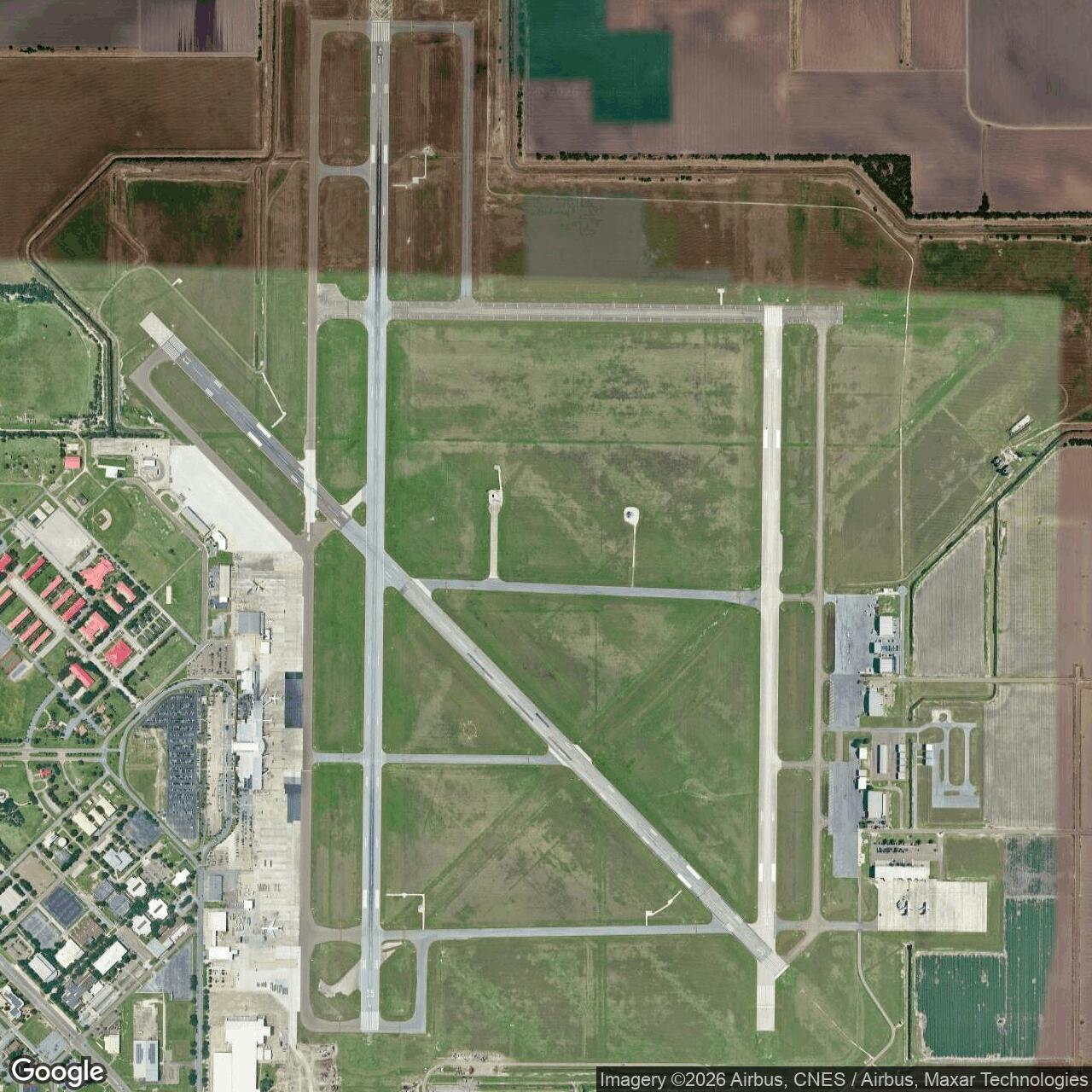
Harlingen Air Force Base, Texas
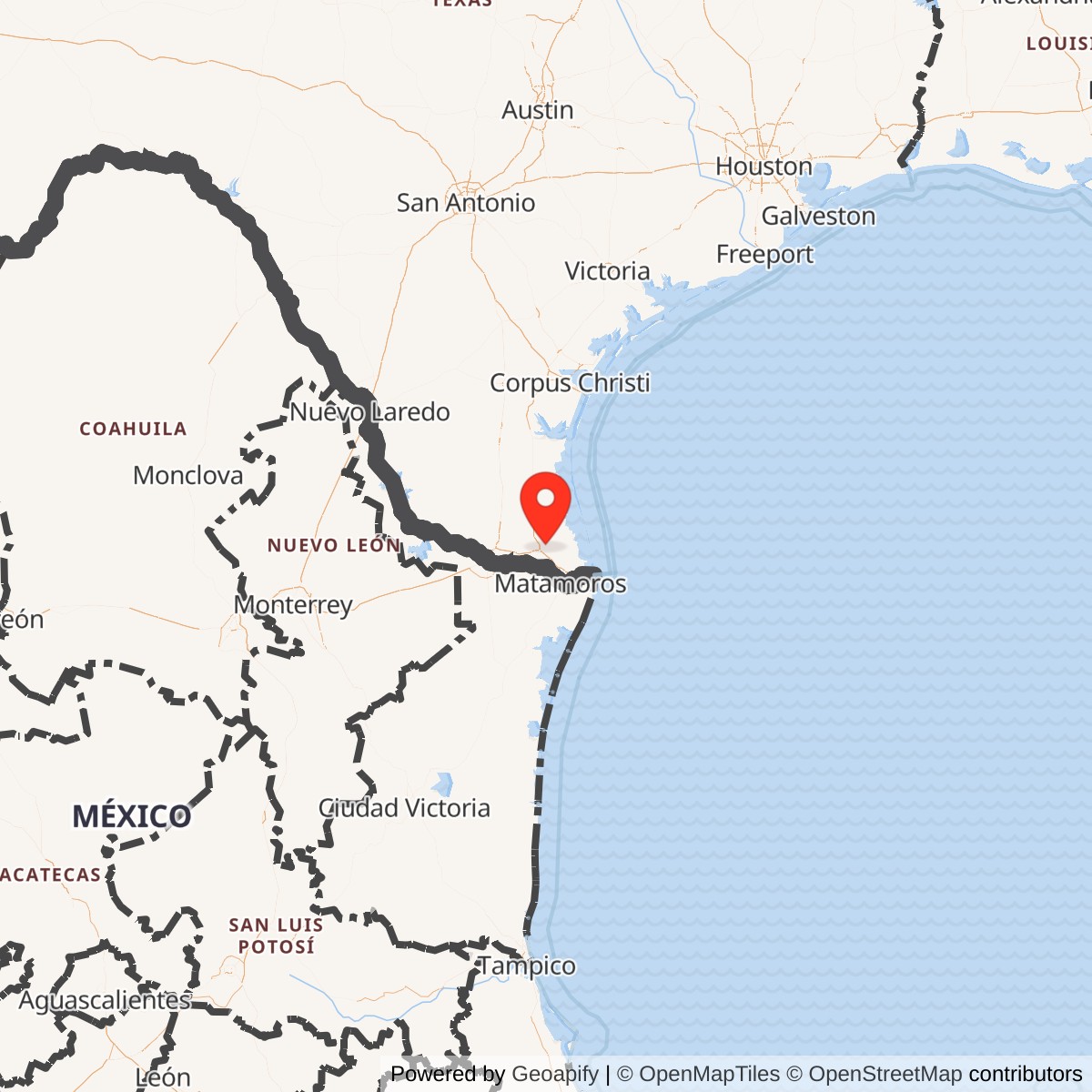
Longitude: -97.6544
Harlingen Army Air Field (AAF) was a major United States Army Air Forces training base located near Harlingen, Texas, during World War II. It was established as part of the U.S. effort to train aerial gunners and support air combat operations, playing a crucial role in preparing personnel for overseas deployment.
Constructed in 1941, Harlingen AAF was one of several gunnery schools created to meet wartime demands for trained aircrew. It provided instruction in weapons handling, turret operation, and marksmanship, with both ground and flight training exercises. Its strategic position in South Texas offered favorable flying weather year-round and access to the nearby Gulf of Mexico for aerial range use.
At its wartime peak, the base trained thousands of gunners for bomber aircraft such as the B-17 Flying Fortress and B-24 Liberator. Trainees practiced with aircraft-mounted machine guns and camera guns to simulate combat scenarios. The facility helped standardize aerial gunnery instruction, contributing significantly to U.S. Army Air Forces readiness.
Following the end of World War II, Harlingen AAF was deactivated in 1945 but reactivated in 1952 as Harlingen Air Force Base during the Cold War. It then hosted navigation and radar observer training until its final closure in 1962. Portions of the former base were later repurposed for civilian use, forming the core of today's Valley International Airport and associated industrial areas.