
Atlas F Site 551-9 Missile Silo, Wilber Nebraska
Longitude: -97.088233
Site Type: Atlas F vertical silo launch facility
Missile Type: SM-65F Atlas
Missile Assigned to this Silo: GD mfg 40F; GD serial 61-2526; AF tail 526
Number of Launchers/Missiles: 1
Parent Base: Lincoln AFB
Missile Wing: 98th Strategic Aerospace Wing
Missile Squadron: 551st Strategic Missile Squadron
Approximate Base Size: 245 acquired acres; 18.5-acre fenced launch area
Current Site Use: Abandoned former missile silo; surrounding land used for farm equipment / vehicle storage, farming, cattle grazing, and FUDS groundwater monitoring / bioremediation.
Site Ownership: Likely private or non-federal ownership after GSA disposal; exact deed/property-transfer date not verified.
Accessible: No public access / private or restricted property
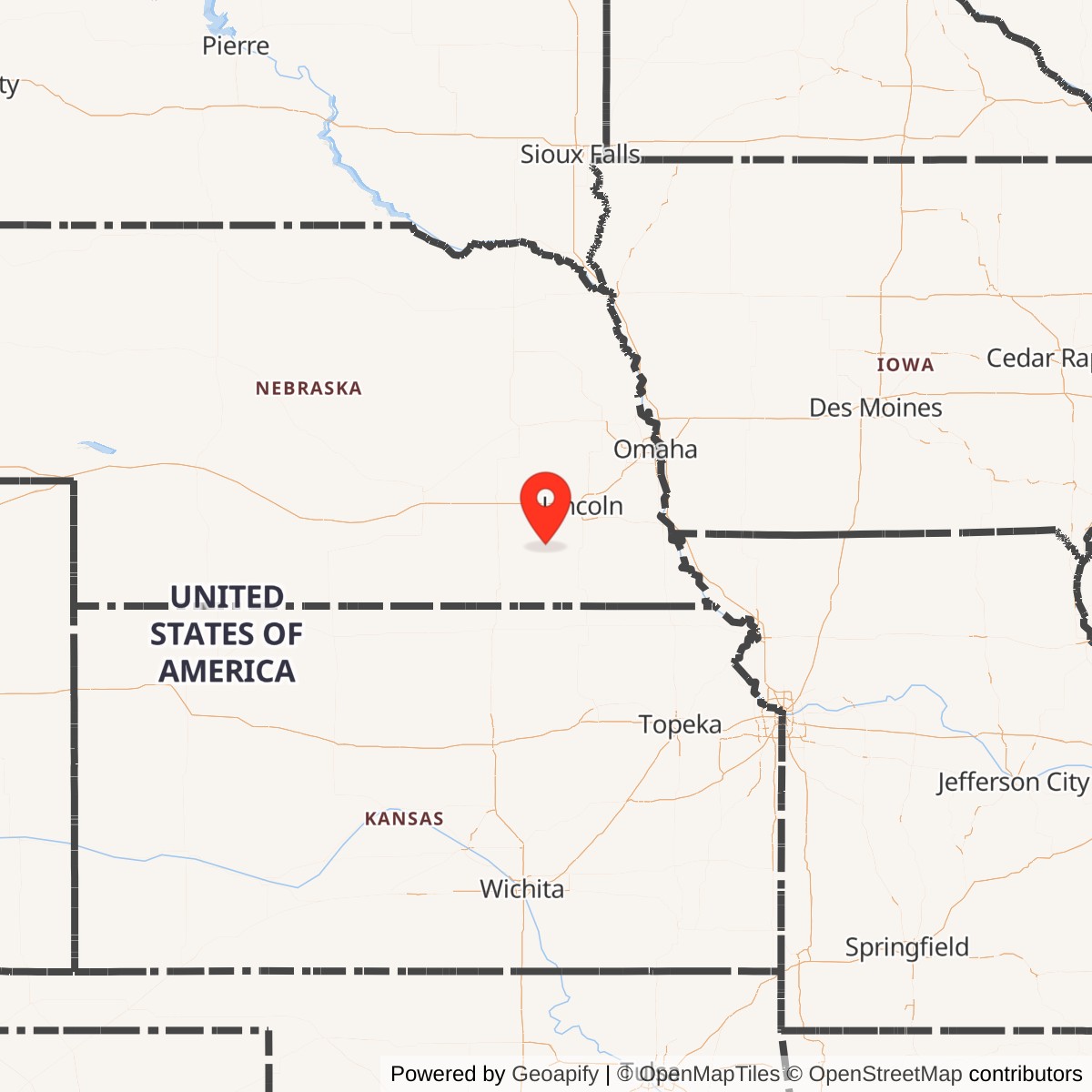
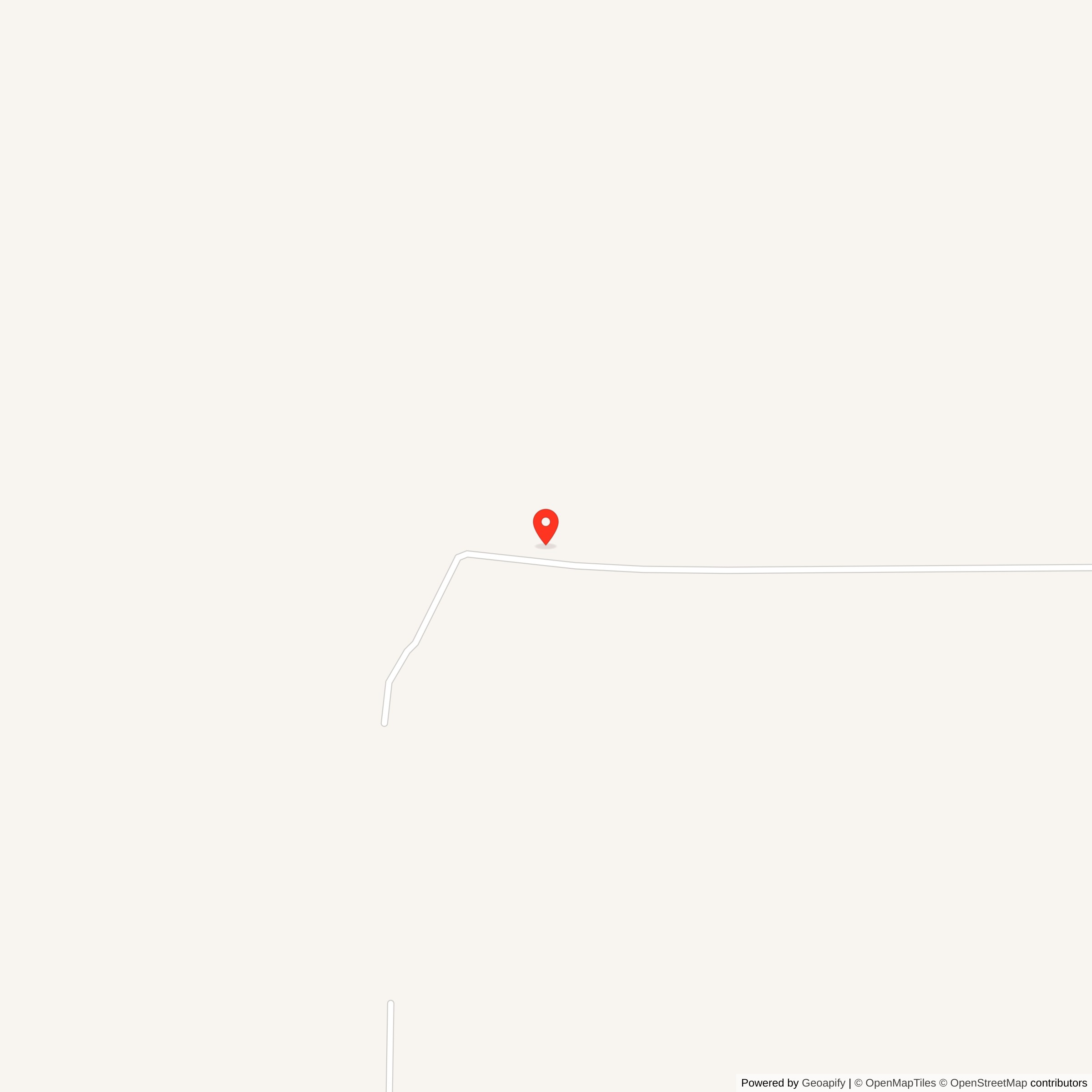
Six miles west of Wilber, Nebraska, the remains of Atlas F Site 551-9 sit in farm country as the concrete afterimage of a short, dangerous moment in American nuclear history: a missile base built fast, manned around the clock, stripped after only a few years of service, and still tied decades later to groundwater cleanup records. The site was never a famous launch pad and its assigned missile never flew in a later space mission; that is part of what makes it useful. Site 551-9 shows the ordinary working reality of the Atlas F force: a single buried missile, a small crew, a fenced rural compound, and a Cold War mission that ended almost as quickly as it arrived.
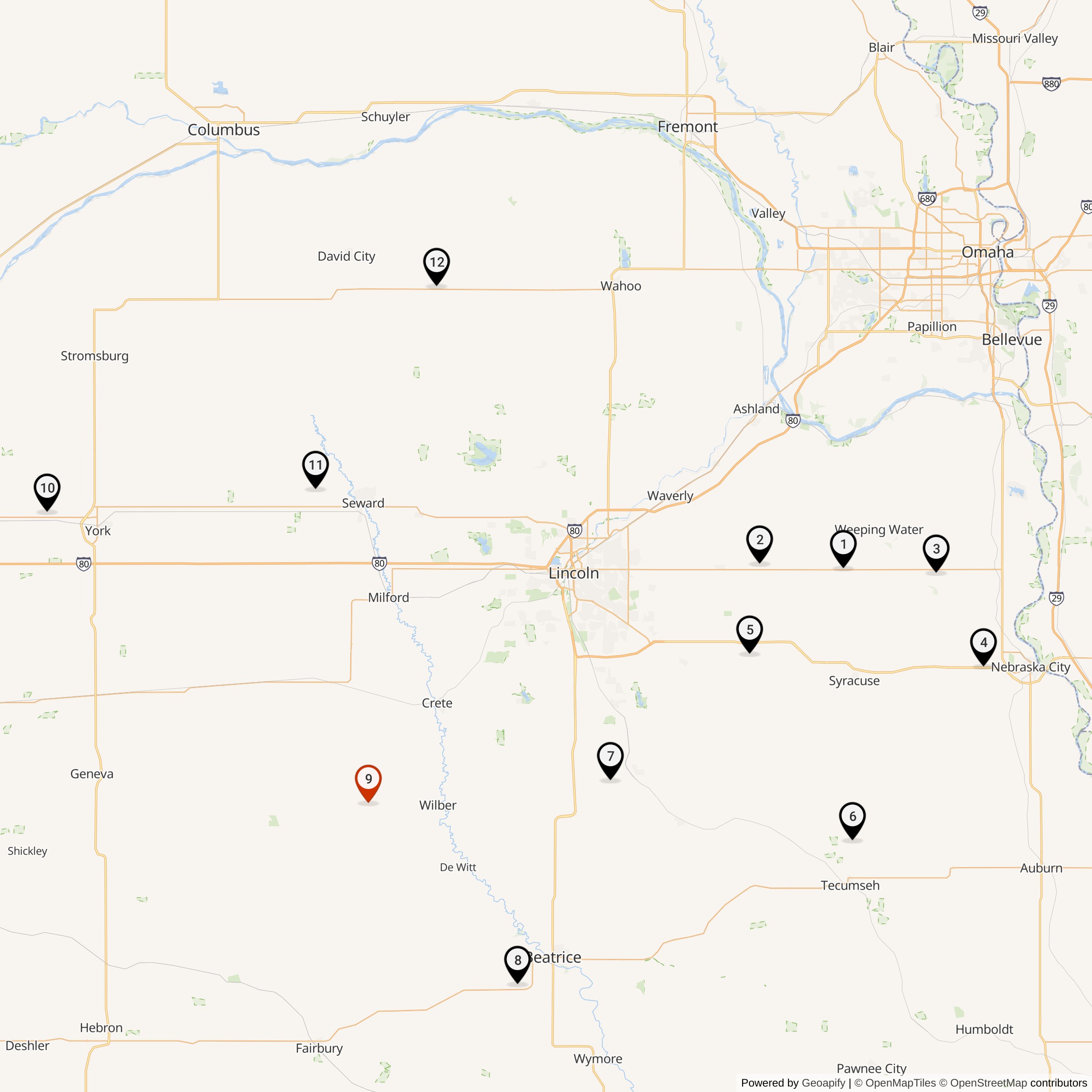
Atlas F Site 551-9 was a single-missile SM-65F Atlas launch complex assigned to the 551st Strategic Missile Squadron at Lincoln Air Force Base, Nebraska. The site was located near Wilber in Saline County, Nebraska. It was one of twelve Atlas F sites arranged around Lincoln AFB. The parent unit was the 551st Strategic Missile Squadron, assigned during its missile period to Strategic Air Command and later associated with the 98th Strategic Aerospace Wing. Because Atlas F complexes were self-contained missile launch complexes rather than Minuteman-style Launch Facilities controlled by a remote Launch Control Center.
The site is inactive and decommissioned. 551st Squadron records show the last Atlas F missiles at Lincoln removed from alert by 1965-04-12 and the squadron inactivated on 1965-06-25. The former launch complex is not an active military installation. It is an abandoned former missile site with documented Formerly Used Defense Sites / environmental-cleanup history.
Location, Landscape, and Site Description
Site 551-9 is in rural Saline County, west of Wilber, in an agricultural landscape of crop fields, grazing land, farm roads, and dispersed rural properties. The U.S. Army Corps of Engineers describes the former Lincoln AFB Atlas Missile Site 9 as located approximately six miles west of Wilber.The former missile property was larger than the fenced launch compound. USACE states that the Department of Defense acquired approximately 245 acres of launch area and surrounding grounds through purchase and condemnation procedures between 1960 and 1964. The fenced launch area itself comprised about 18.5 acres and contained the empty abandoned missile silo and associated structures. USACE also notes that land surrounding the silo has been used primarily for storage of farm equipment, abandoned automobiles, and miscellaneous items, while open land outside the fence has been used for farming and cattle grazing.
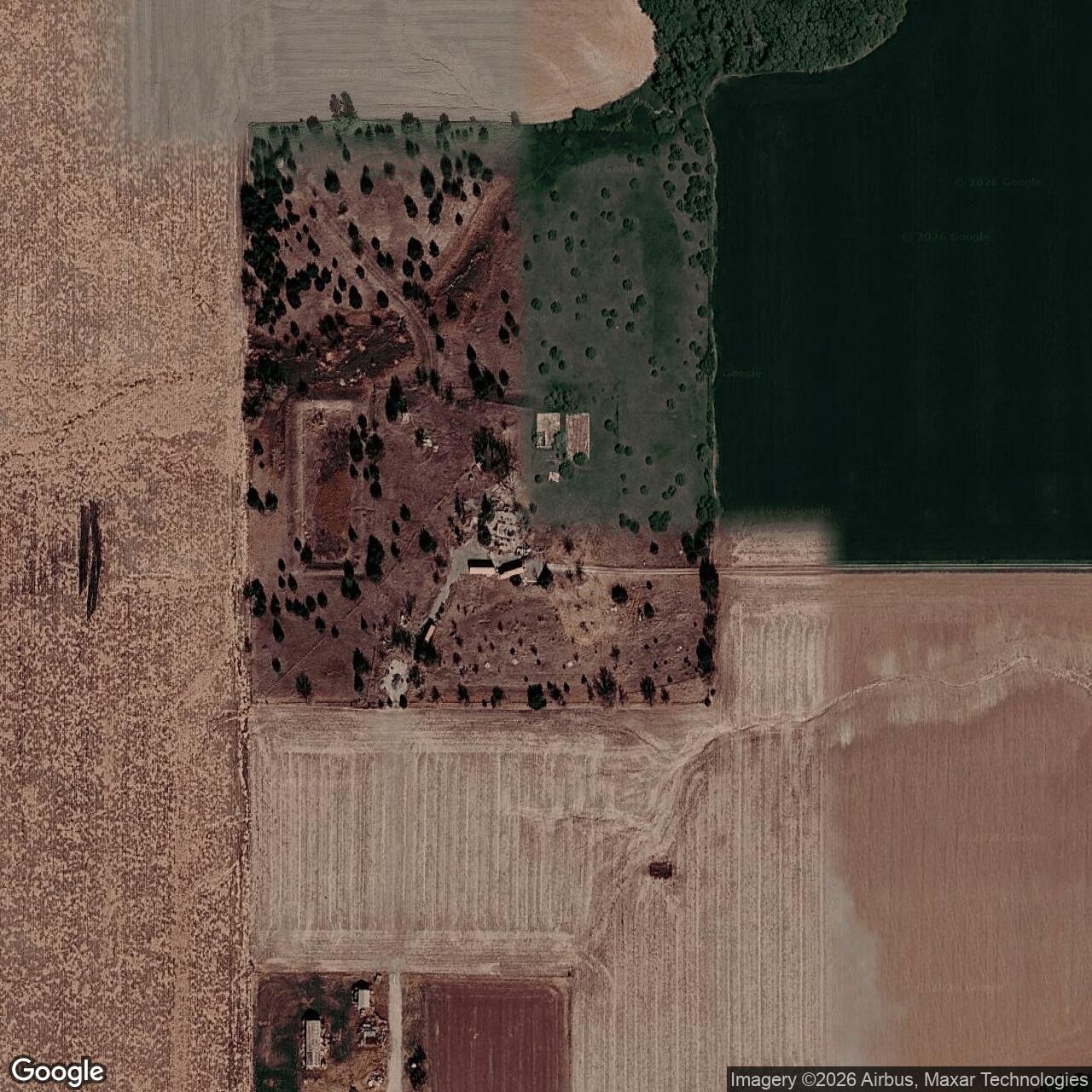
The Atlas F design placed the missile in a hardened underground silo with a connected underground control/support area at the individual complex. Unlike later Minuteman Launch Facilities, which were unmanned missile silos controlled from separate Launch Control Centers, Atlas F complexes were crewed sites. The crew was present at the launch complex itself, and surface security personnel protected the installation. Today, the site is described publicly as abandoned. USACE states that all aboveground structures except pump houses for two production wells have been demolished. Publicly available aerial and site photographs show the former compound as a scarred concrete and access-road complex embedded in surrounding agricultural land.
Strategic and Cold War Context
Atlas F Site 551-9 existed because the United States was trying to make its first generation of nuclear intercontinental ballistic missiles harder to destroy and faster to bring to launch readiness. Atlas was the Air Force's first operational ICBM. The Atlas D and Atlas E generations had introduced the system into service, but the Atlas F represented the most protected Atlas deployment form: a vertical, silo-lift missile housed underground in a hardened launch complex.The strategic concept was simple and grim. A nuclear missile kept in a visible surface launcher or lightly protected shelter was vulnerable to a Soviet first strike. A dispersed network of hardened sites forced an attacker to target many separate locations, each with a chance of survival. At Lincoln AFB, twelve Atlas F sites formed a ring around the parent base, placing the missile force deep into the Nebraska countryside rather than concentrating it on the base itself.
The system was still a transitional weapon. Atlas F used storable RP-1 kerosene fuel, but it required liquid oxygen before launch. It was not continuously raised above the silo and it was not continuously loaded with liquid oxygen. During normal alert, the missile remained protected in its underground silo, supported by crews, power, communications, security, and readiness procedures. In a launch order or launch exercise, the crew would open the heavy silo doors, raise the missile on its elevator, load liquid oxygen, complete final checks, and launch. This gave Atlas F a faster response than earlier Atlas versions, but it still exposed the missile during the final countdown and required careful handling of a large liquid-fueled vehicle.
Construction and Activation
Planning for the Lincoln Atlas F field began as the Air Force accelerated first-generation ICBM deployment after Sputnik and after the decision to make Lincoln one of the Atlas F missile bases. Public 551st Squadron histories state that an initial construction plan called for nine silos, with three more later added to make twelve, the standard Atlas F squadron size. Site 551-9 was part of that ring of twelve sites around Lincoln AFB.USACE states that the Department of Defense acquired the Site 9 launch area and surrounding grounds between 1960 and 1964, a reminder that land acquisition, construction, and final disposal records do not always align neatly with the missile's operational dates.
The broader Lincoln Atlas F program moved quickly. A 551st Squadron history states that construction occurred at the twelve silo sites from 1959 to 1962, that peak work involved about 1,900 workers operating around the clock, and that the sites became operational in late 1962. The same history lists turnover to SAC and operational status on 1962-09-15. Site-specific sources identify Site 551-9's operational life within that larger squadron pattern rather than providing a separate complete activation package for the individual complex.
Missile System and Technical Role
Site 551-9 housed one SM-65F Atlas missile. The Atlas F was a liquid-fueled, one-and-a-half-stage ICBM built by General Dynamics / Convair and deployed in an underground silo-lift launch complex. Public sources describe Atlas F as the most advanced operational Atlas variant. It used all-inertial guidance, carried a thermonuclear warhead, and had intercontinental range. The Atlas F was equipted with the W-38 warhead and Mark IV reentry vehicle.The assigned missile for Site 551-9 was General Dynamics manufacturing number 40F, General Dynamics missile serial number 61-2526, and Air Force missile tail number 526. The missile acceptance date was 1961-11-294. Missile 40F was not later launched after its operational ICBM service and is listed as salvaged as scrap.
Operational History
The 551st Strategic Missile Squadron operated the Lincoln Atlas F sites during the short operational life of the force. Site 551-9 was part of the squadron's dispersed nuclear-alert network. A 551st Squadron history states that the squadron maintained and operated part of America's first-generation ICBM family and stood on constant guard in eastern Nebraska. It describes the Atlas F sites as crewed complexes in which five-person missile crews worked 24-hour shifts, with two surface guards protecting the site against sabotage or trespassers.The work at a site like 551-9 was demanding because the missile was large, thin-skinned, and liquid-fueled. The Atlas airframe relied on internal pressure for structural stability; crews had to manage a missile whose fuel and oxidizer systems made it both powerful and hazardous. The crew did not simply sit in a remote office waiting for orders. At an Atlas F launch complex, they lived and worked in direct relationship with the missile, its silo elevator, its power systems, its communications, and its hazardous launch-support equipment.
During the Cuban Missile Crisis in October 1962, the Lincoln Atlas F force was still new. The 551st Squadron history states that by the crisis most Lincoln Atlas F missiles were operational, and that members of the squadron pulled long two-day shifts because only a limited number of crews were trained on the system. For Atlas F, an operational launch-ready alert posture meant that the site, missile, crew, power, communications, security, and propellant-support systems were prepared for rapid launch procedures if ordered. It did not mean that the missile was continuously raised out of the silo or continuously loaded with liquid oxygen.
Deactivation and Disposal
Squadron records show the 551st's first ICBM off alert on 1965-03-10, last ICBM off alert on 1965-04-12, last ICBM shipped on 1965-04-20, and squadron inactivation on 1965-06-25. Those dates show the distinction between site decommissioning, missile alert removal, final missile shipment, and unit inactivation.Atlas F deactivation was not driven by a later arms-control treaty demolition program in the way many post-Cold War Minuteman and Peacekeeper removals were. It was primarily a strategic and technological replacement. Minuteman's solid-fueled, faster-reacting, more maintainable, and more survivable alert force made the Atlas F obsolete. By 1965, the first-generation Atlas missile force was removed from SAC operational service.
The post-military property history for Site 551-9 has one unresolved public-source issue. The USACE fact sheet states that the site was deactivated and turned over to the General Services Administration in 1996. That date conflicts with the known 1965 deactivation and the disposal pattern for other Lincoln Atlas sites, and may be a typographical error for 1966 or may refer to a later administrative action not explained in the fact sheet.
Current Status and Site Use
Site 551-9 is a decommissioned, inactive former Atlas F missile launch complex. It is not open to the public. The Lincoln AFB Online Museum describes the site today as abandoned. USACE describes the area around the silo as used primarily for storage of farm equipment, abandoned automobiles, and miscellaneous items, with open land outside the fence used for farming and cattle grazing. USACE further states that aboveground structures, except pump houses for two production wells, have been demolished.The site is also an environmental cleanup location. USACE describes Site 9 as in the groundwater Monitoring Natural Attenuation long-term management phase, with annual groundwater sampling and a bioremediation groundwater project intended to reduce lingering concentrations of trichloroethylene, or TCE. EPA's Superfund search listing identifies the site as LINCOLN (EX) ATLAS "F" FAC S-9, EPA ID NEN000703244, Wilber, Saline County, Nebraska, and Not NPL.
Chronology
- 1959 The Air Force designated Lincoln AFB for missile-base development, with plans that evolved into a twelve-site Atlas F field.
- 1960-1964 The Department of Defense acquired approximately 245 acres for the launch area and surrounding grounds by purchase and condemnation procedures.
- 1961-04-01 The 551st Strategic Missile Squadron was activated for the Atlas F mission at Lincoln AFB.
- 1961 Assigned missile 40F / AF tail 526 was accepted by General Dynamics.
- 1962-03-14 Assigned missile 40F / AF tail 526 was delivered for the Lincoln AFB Atlas F force.
- 1962-09-15 The 551st Strategic Missile Squadron is listed as turned over to SAC and operational.
- 1962-10 During the Cuban Missile Crisis, most Lincoln Atlas F missiles were operational, and 551st crews pulled extended shifts because trained crews were limited.
- 1965-03-10 The 551st Strategic Missile Squadron's first Atlas F ICBM was removed from alert.
- 1965-04-12 The last Atlas F ICBMs at the 551st Strategic Missile Squadron were removed from alert, completing the operational phaseout of the Atlas F weapon system.
- 1965-04-20 The last Series F Atlas ICBM to leave a SAC operational base was shipped from the 551st SMS at Lincoln AFB to storage for future use as a launch vehicle.
- 1965-06-25 Headquarters SAC inactivated the 551st Strategic Missile Squadron.
- 2015 USACE described Site 551-9 as in groundwater Monitoring Natural Attenuation long-term management, with annual sampling and a planned groundwater bioremediation project for lingering TCE.
Read about the Atlas at Lincoln AFB
All Atlas Missile Silo Locations