
Atlas D Site 576-B Missile Silo, Lompoc / Vandenberg California
Longitude: -120.595020929988
Site Type: Atlas D three-missile aboveground coffin launch complex / Vandenberg test and training facility
Missile Type: SM-65D Atlas
Number of Launchers/Missiles: 3
Parent Base: Vandenberg AFB
Missile Wing: 704th Strategic Missile Wing; 1st Missile Division; 392nd Strategic Missile Wing; 1st Strategic Aerospace Division
Missile Squadron: 576th Strategic Missile Squadron
Current Site Use: Former Atlas D three-launcher coffin/test complex within Vandenberg Space Force Base; all coffins decommissioned and stripped of equipment.
Site Ownership: U.S. Government / Vandenberg Space Force Base
Accessible: Restricted / active military installation; no general public access
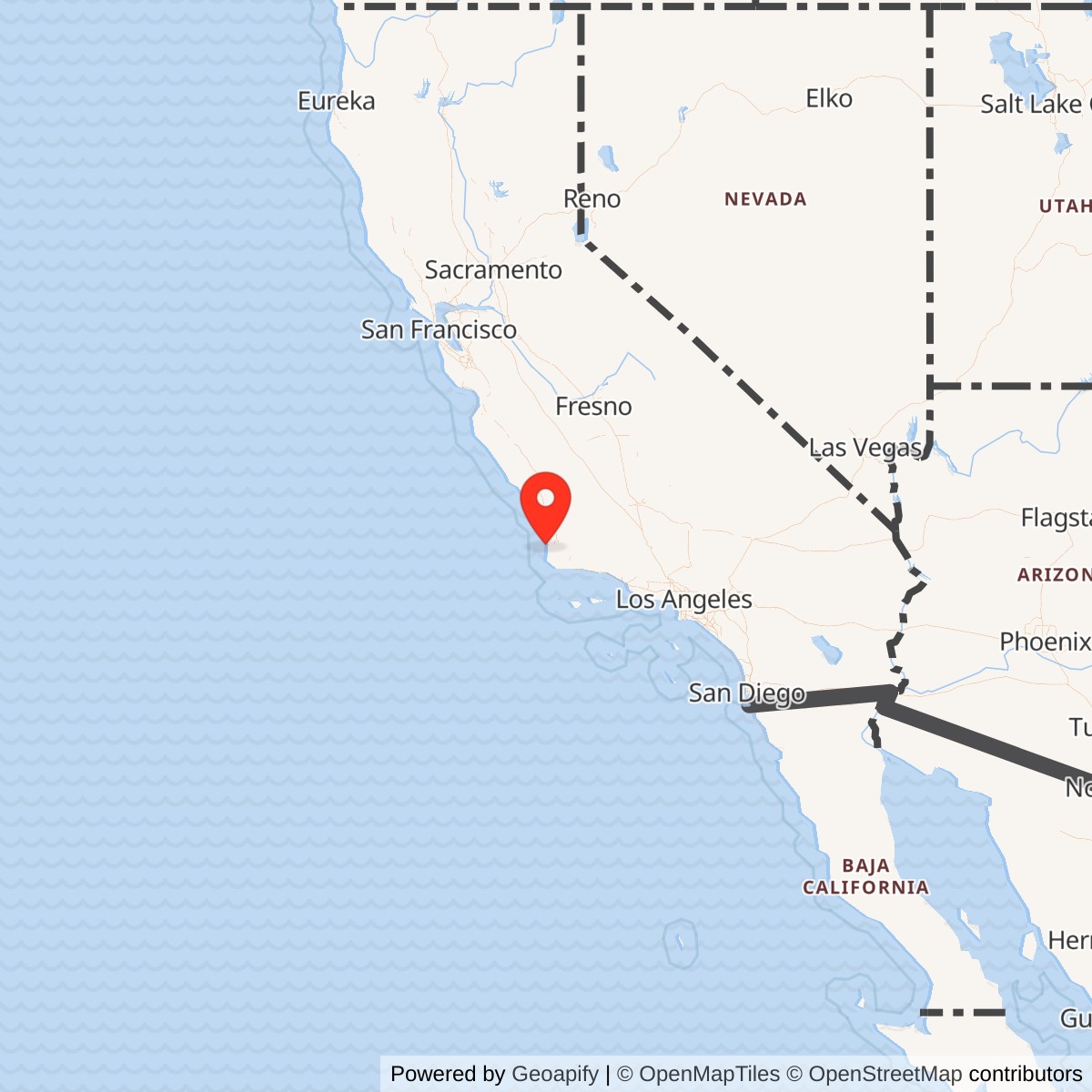
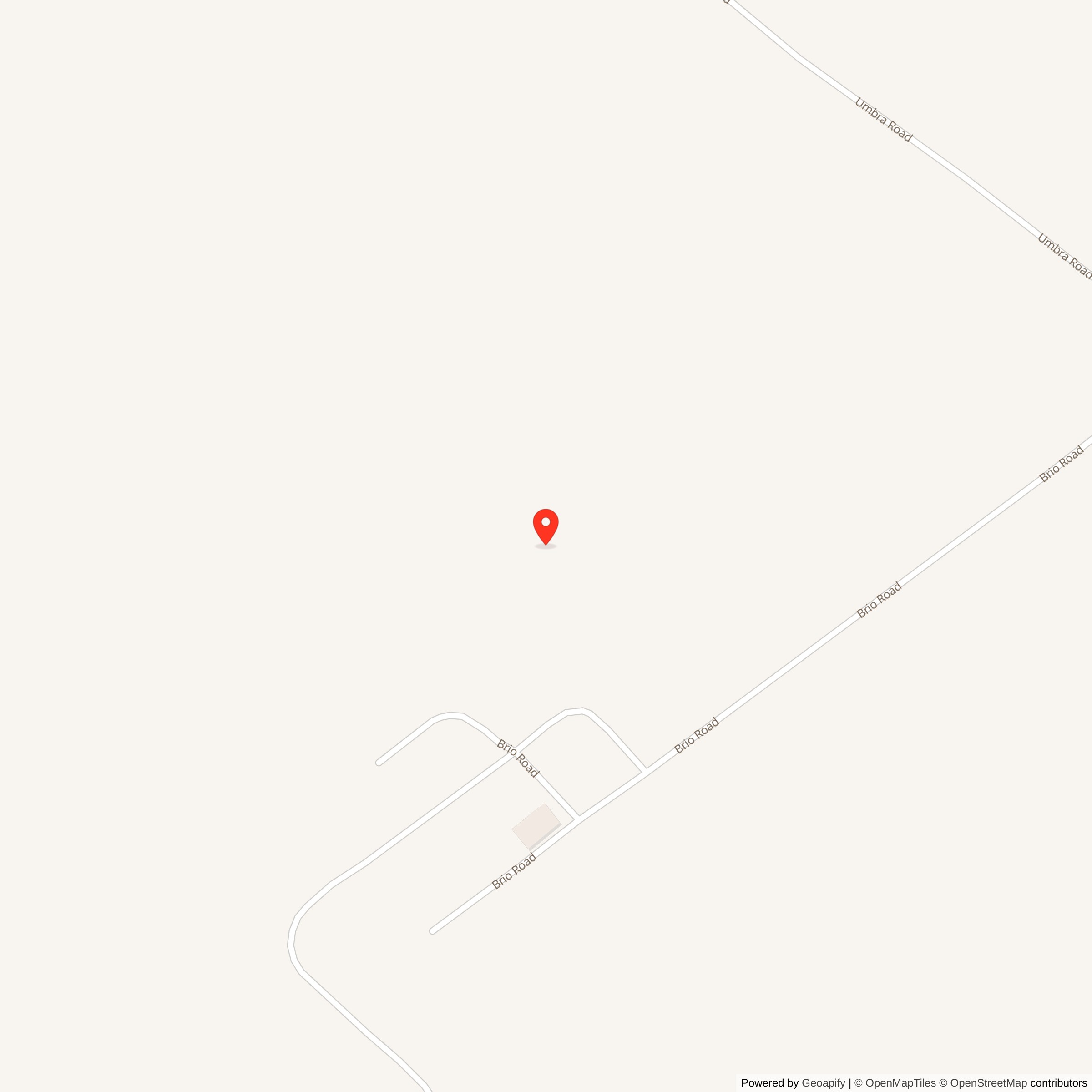
Atlas D Site 576-B, also known as Site B or 576 Baker, was an early Strategic Air Command Atlas D launch complex at Vandenberg Air Force Base, now Vandenberg Space Force Base, near Lompoc in Santa Barbara County, California. It was operated by the 576th Strategic Missile Squadron, SAC's first Atlas intercontinental ballistic missile squadron. Like the neighboring 576-A complex, 576-B belonged to the first operational and training generation of the Atlas ICBM program at Vandenberg, but it differed physically from 576-A because it used aboveground "coffin" launchers rather than open gantry launchers.
576-B became one of the most important early Atlas D test and training locations because it demonstrated the aboveground coffin-launcher arrangement later used at the first operational Atlas D field sites. The first attempted launch from the complex occurred from B-2 on 1960-04-22. Site B's Atlas D missiles were taken off operational alert in May 1964 during the phaseout of Atlas from active ICBM service, but the physical launchers continued to support later test, ABRES, Nike-Zeus target, reentry-vehicle, and related missions. The last launch from the complex occurred from B-2 on 1967-11-07. The Cape Canaveral Space Force Museum states that all three 576-B coffins have been decommissioned and stripped of equipment.
Location, Landscape, and Site Description
Site 576-B lies within the north-coastal launch-range landscape of Vandenberg Space Force Base. Vandenberg's coastal location was central to its role: missiles and launch vehicles could be fired over the Pacific Ocean, allowing long-range ballistic-missile testing, crew training, reentry-vehicle work, and later space and target missions without overflying populated continental areas. The site was therefore not a dispersed rural combat site in the same sense as the Atlas D complexes near Cheyenne, Wyoming, or the Atlas E and Atlas F fields across the interior United States. It was a launch-range complex where operational training, weapon-system evaluation, and test activity overlapped.The complex consisted of three aboveground coffin launchers. In an Atlas coffin launcher, the missile was stored horizontally in a protective shelter, then raised to a vertical firing position for fueling and launch. This arrangement was more protected and more operationally representative than an open gantry pad, but it was still far less survivable than the later Atlas F silo-lift configuration or the solid-fueled Minuteman silos that followed. The 576th Flight Test Squadron lineage/history summary states that 576-B had three aboveground coffin launchers and that each of the two initial Atlas D complexes at Vandenberg, 576-A and 576-B, had one launch control center.
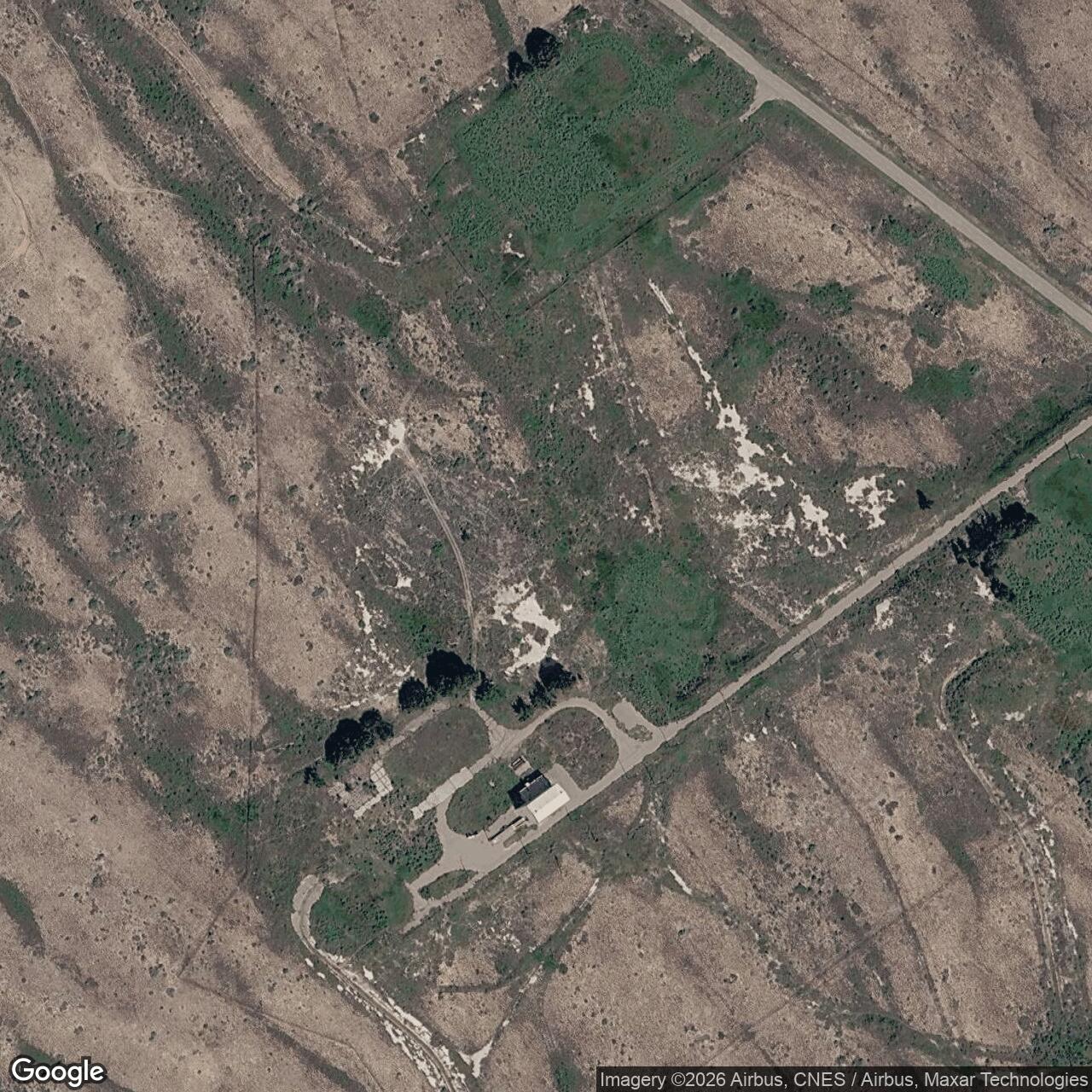
Site B's three launch positions were separated within one integrated complex. Present-day and historical imagery show an internal road network, individual pad or coffin areas, support buildings, paved hardstands, and a common launch-complex landscape. The Cape Canaveral Space Force Museum identifies the three pads as 576 B-1, 576 B-2, and 576 B-3 and notes that all three later carried ABRES designations.
The July 1960 issue of Aerospace Safety provides unusually vivid operational detail for 576-B. It describes Atlas 576-B-2 as a coffin launch emplacement and follows a missile-safety team during a countdown and propellant-loading operation. The article mentions the launch complex, fallback area, powerhouse, pump station, water storage, ground-support equipment, fire-fighting lines, CO2 bottles, LOX storage, gaseous-oxygen storage, nitrogen and helium manifold storage bottles, the upper "mezzanine" area of the missile hangar used for terminal boxes and electronics, the lower pressure-control equipment that kept the thin-skinned Atlas pressurized, RP-1 fuel-transfer equipment, high-pressure pads, bottle skids, ordnance checks, roadblocks, communications checks, and launch-control safety-console procedures. That description shows why a Site B launch was not simply a missile firing; it was a complex hazardous operation involving propellants, pressurization, ordnance, safety teams, fire and medical crews, security controls, and launch-control coordination.
Strategic and Cold War Context
Site 576-B belonged to the period when the United States was still learning how to make an intercontinental ballistic missile force operational. The Atlas was the first U.S. Air Force ICBM, but it was technologically demanding: it used liquid oxygen and RP-1 propellants, required pressurization to keep its thin stainless-steel structure rigid, and needed careful checkout, fueling, guidance, and safety procedures before launch. Vandenberg was the place where Strategic Air Command crews could train, test, and evaluate those procedures while the missile force was being introduced.The official Vandenberg history states that on 1958-01-01, Strategic Air Command assumed responsibility for achieving initial operational capability for the U.S. land-based strategic deterrent missile force and for training missile launch crews, while Air Research and Development Command retained responsibility for construction of launch facilities and launch-vehicle research and development. That divided responsibility explains Site B's hybrid character. It was a SAC launch complex associated with ICBM alert and crew training, but it was also part of the broader Pacific Missile Range and continued to support weapon-system and reentry-system testing after its original Atlas D alert role ended.
The 576th Strategic Missile Squadron was activated at Cooke Air Force Base on 1958-04-01. Cooke was redesignated Vandenberg Air Force Base on 1958-10-04. The 576th history describes the unit as training crewmen and testing and evaluating Atlas missiles from 1958 to 1966. It also states that the squadron's initial Atlas D missiles were deployed at complexes 576-A and 576-B, with 576-A having three aboveground gantries and 576-B having three aboveground coffin launchers. Because Site B used coffin launchers of the type later constructed at operational sites, it was especially important as a proving ground for a launch configuration that bridged the earliest soft gantry pads and the later hardened silo-lift systems.
Construction and Activation
Facilities for the early Atlas program were already under construction when SAC activated the 576th Strategic Missile Squadron in 1958. The first Atlas D missile arrived for the squadron in February 1959. The squadron's first Atlas D launch occurred from 576-A-2 on 1959-09-09, after which SAC Commander in Chief General Thomas S. Power declared Vandenberg's Atlas missile operational. Within that same early Atlas fielding period, construction and activation work moved forward at 576-B.Site B is best understood as the second of the initial Vandenberg Atlas D complexes. The 576th history says the squadron's initial Atlas D missiles were deployed at 576-A and 576-B and that 576-B used three aboveground coffin launchers. The first attempted launch from B-2 was on 1960-04-22.
That first launch was significant beyond the individual mission. The first attempted launch of an Atlas D from a coffin-style complex occurred on 1960-04-22 with Atlas 25D from launcher B-2. After that successful flight, Major General David Wade, commander of the 1st Missile Division, declared the coffin-type launcher system operational. The same site notes that this launcher arrangement was the prototype for the coffin launchers used at the first operational Atlas ICBM squadron at F.E. Warren Air Force Base.
By 1960, all three Site B launch positions were active in some form. The Cape Canaveral Space Force Museum lists the first launches as 1960-04-22 for B-2, 1960-07-22 for B-1, and 1960-09-12 for B-3. The Vandenberg launch-history chronology similarly records Atlas D launches from 576 B-2 on 1960-04-22, from 576 B-1 on 1960-07-22, and from 576 B-3 on 1960-09-12. From that point forward, Site B became one of the busiest Atlas D locations at Vandenberg.
Missile System and Technical Role
Site 576-B was built for the SM-65D Atlas, the first operational version of the Atlas ICBM. Atlas D was a liquid-fueled, one-and-a-half-stage missile. Its engines fired at liftoff, with the booster section jettisoned in flight while the sustainer continued toward the target. Unlike later solid-fueled Minuteman missiles, Atlas required prelaunch servicing, pressurization, propellant loading, guidance coordination, and careful ground support. The missile's thin stainless-steel airframe depended on internal pressure for structural rigidity, a feature that gave the missile high performance but imposed substantial operational complexity.The aboveground coffin launcher was central to Site B's technical role. In broad terms, the launcher allowed the Atlas to be stored horizontally inside a protective shelter. For launch, the shelter opened and mechanical equipment raised the missile to vertical position. The missile was then fueled with RP-1 and liquid oxygen, connected to the required ground systems, and launched from the pad. The July 1960 Aerospace Safety article makes clear that a countdown involved much more than a crew throwing switches: safety personnel checked water systems, pump stations, LOX and gaseous-oxygen facilities, nitrogen and helium bottles, pressure-control equipment, fuel-transfer equipment, ordnance connections, fallback-area controls, roadblocks, communications, and emergency crews.
Atlas D was an intercontinental-range nuclear delivery system. The National Park Service describes Atlas D as the first deployed ICBM, 75 feet tall, with a 5,500-mile range and a 1.44-megaton warhead. Because 576-B was both an early alert and test/evaluation complex, the exact missile, warhead, and reentry-vehicle configuration should not be assumed for every launch from the site. The safest site-level statement is that 576-B supported Atlas D ICBM operations and later Atlas D test launches using public-source Atlas D and operational Atlas reentry-system descriptions.
Operational History
Site 576-B's operational history was more launch-intensive than that of most dispersed missile sites. A rural Atlas D, E, or F site might have spent most of its active life on alert with no actual launch from the site. Vandenberg's Site B, by contrast, repeatedly launched Atlas D missiles for ICBM tests, operational missile tests, Nike-Zeus target missions, reentry-system work, ABRES activity, and related programs.The first launch attempt from the complex occurred from B-2 on 1960-04-22. That flight was Atlas 25D and it was the first attempted launch from a coffin-style Atlas D complex. The Cape Canaveral Space Force Museum lists B-2's first launch on the same date and gives B-2 a total of 26 launches through 1967-11-07. B-1 began launching on 1960-07-22 and ultimately supported 13 launches through 1966-06-10. B-3 began on 1960-09-12 and ultimately supported 23 launches through 1967-10-11.
In its original SAC context, Site B supported Atlas D alert, crew training, and missile evaluation. The 576th history records that SAC missile operations were turned over on 1959-01-15, that the squadron's Atlas missiles were placed on alert about one month after the first Atlas launch from 576-A, and that the first ICBM was taken off alert on 1964-05-01. One source states more specifically for Site B that its Atlas D missiles standing alert were taken off operational alert in May 1964 as part of the phaseout of Atlas from active ICBM service.
Site B also helped demonstrate the practical hazards of the early Atlas system. The July 1960 Aerospace Safety article, written while Site B was active, shows how much effort was required simply to prepare safely for propellant loading. Liquid oxygen, RP-1, pressurization equipment, ordnance, destruct systems, umbilicals, engine igniters, fallback zones, communications, roadblocks, and emergency teams all had to be controlled. This kind of daily operational complexity was one reason later solid-fueled ICBMs, especially Minuteman, represented such a major change in alert posture and reaction time.
The Cuban Missile Crisis gave the 576th SMS sites a brief moment of heightened operational relevance. During the crisis all 576th sites were temporarily launch capable and ready to launch Atlas missiles if necessary. The available source does not assign a unique Site B launch order or incident to the crisis, so the event is best treated as a squadron-wide emergency posture rather than a proven Site B-specific launch episode.
Deactivation, Disposal, and Arms-Control Context
Site B's deactivation occurred in stages rather than as a single event. The first stage was the end of operational Atlas D alert service. The 576th unit history records the first ICBM off alert on 1964-05-01. That date marks the end of Site B's original combat-alert role.The second stage was the end of the 576th Strategic Missile Squadron's Atlas-era organization. The unit was discontinued and inactivated on 1966-04-02. However, the individual Site B launchers continued to be used after the squadron inactivation date. The Cape Canaveral Space Force Museum lists B-1's last launch on 1966-06-10, B-3's last launch on 1967-10-11, and B-2's last launch on 1967-11-07. The Vandenberg launch-history chronology also lists an Atlas D ABRES launch from B-2 on 1967-11-07.
The third stage was physical decommissioning and equipment removal. The Cape Canaveral Space Force Museum states that all three 576-B coffins have been decommissioned and stripped of equipment. Unlike rural Atlas sites that became private property or entered former-defense-site environmental programs, 576-B remained on an active federal launch installation.
The physical afterlife of 576-B should therefore be understood as internal range decommissioning rather than public disposal. The Atlas D alert mission ended first, the squadron was inactivated in 1966, the pads continued to support test and ABRES launches until 1967, and the coffin launchers were later stripped of their operational equipment. The remaining structures are former launch-range infrastructure within an active military base.
Current Status and Site Use
The former 576-B complex remains inside Vandenberg Space Force Base. It is decommissioned as an Atlas launch complex and is not open to the public. The broader installation remains active as the Western Range launch and test base for military, civil, and commercial space and missile activity. Vandenberg's official history states that the installation has supported major launch programs including Atlas, Minuteman, Peacekeeper, Titan, Thor, Delta, Scout, Pegasus, Falcon 9, and others.Visible evidence of the former Site B complex remains in aerial imagery and site photographs. The Cape Canaveral Space Force Museum's summary indicates that the major missile-launch equipment has been removed. The site is therefore best described as a decommissioned Atlas D three-launcher coffin complex on restricted federal range property.
Chronology
- 1958-01-01 Strategic Air Command assumed responsibility for attaining initial operational capability of the U.S. land-based strategic deterrent missile force and for missile launch-crew training at Vandenberg.
- 1958-04-01 Headquarters Strategic Air Command activated the 576th Strategic Missile Squadron at Cooke Air Force Base.
- 1958-10-04 Cooke Air Force Base was redesignated Vandenberg Air Force Base.
- 1959-01-15 The 576th unit history records SAC missile operations as turned over to SAC.
- 1959-02 The first Atlas D missile arrived for the 576th Strategic Missile Squadron.
- 1959-09-09 The 576th SMS launched its first Atlas D from 576-A-2; after the launch, SAC declared Vandenberg's Atlas missile operational.
- 1959-10 The 576th SMS Atlas missiles were placed on alert status about a month after the first Atlas launch.
- 1960 AtlasMissileSilo.com lists construction activity for Site B in 1960.
- 1960-04-22 Atlas 25D launched from 576-B-2 in the first attempted Atlas D launch from a coffin-style complex.
- 1960-04-22 After the successful flight from B-2, Major General David Wade declared the coffin-type launcher system operational.
- 1960-07 Aerospace Safety published a missile-safety article using Atlas 576-B-2 as a detailed example of launch-complex safety and propellant-loading operations.
- 1960-07-22 The Cape Canaveral Space Force Museum lists the first launch from 576-B-1.
- 1960-09-12 The Cape Canaveral Space Force Museum lists the first launch from 576-B-3.
- 1961 AtlasMissileSilo.com lists Site B construction completion in 1961.
- 1962-10 During the Cuban Missile Crisis, AtlasMissileSilo.com states that all 576th SMS sites were temporarily launch capable.
- 1964-05-01 The 576th unit history records the first ICBM off alert.
- 1964-05 AtlasMissileSilo.com states that Site B's Atlas D missiles standing alert were taken off operational alert.
- 1966-04-02 The 576th Strategic Missile Squadron was discontinued and inactivated.
- 1966-06-10 The Cape Canaveral Space Force Museum lists the last launch from 576-B-1.
- 1967-10-11 The Cape Canaveral Space Force Museum lists the last launch from 576-B-3.
- 1967-11-07 The Cape Canaveral Space Force Museum and Vandenberg launch-history chronology list the last launch from 576-B-2.
- 2021-05-14 Vandenberg Air Force Base was renamed Vandenberg Space Force Base.
All Atlas Missile Silo Locations