
Atlas E Site 566-9 Missile Silo, Bellvue / LaPorte (Fort Collins area) Colorado
Longitude: -105.203616751
Site Type: Atlas E single-missile coffin launcher complex
Missile Type: SM-65E Atlas
Number of Launchers/Missiles: 1
Parent Base: F.E. Warren AFB
Missile Wing: 389th Strategic Missile Wing
Missile Squadron: 566th Strategic Missile Squadron
Approximate Base Size: 267.30 acquired acres
Current Site Use: Former Atlas E launch complex near Bellvue/LaPorte northwest of Fort Collins; private commercial record-storage facility; CDPHE identifies Atlas 13 as a commercial-use site and says cleanup was closed in 2018 with no further action recommended.
Site Ownership: Private ownership after post-1965 federal excessing/sale; USACE states the site was excessed in August 1965 and later operated by a private company for record storage.
Accessible: No public access / private commercial property; CDPHE warns most former Atlas sites are private property and should not be entered.
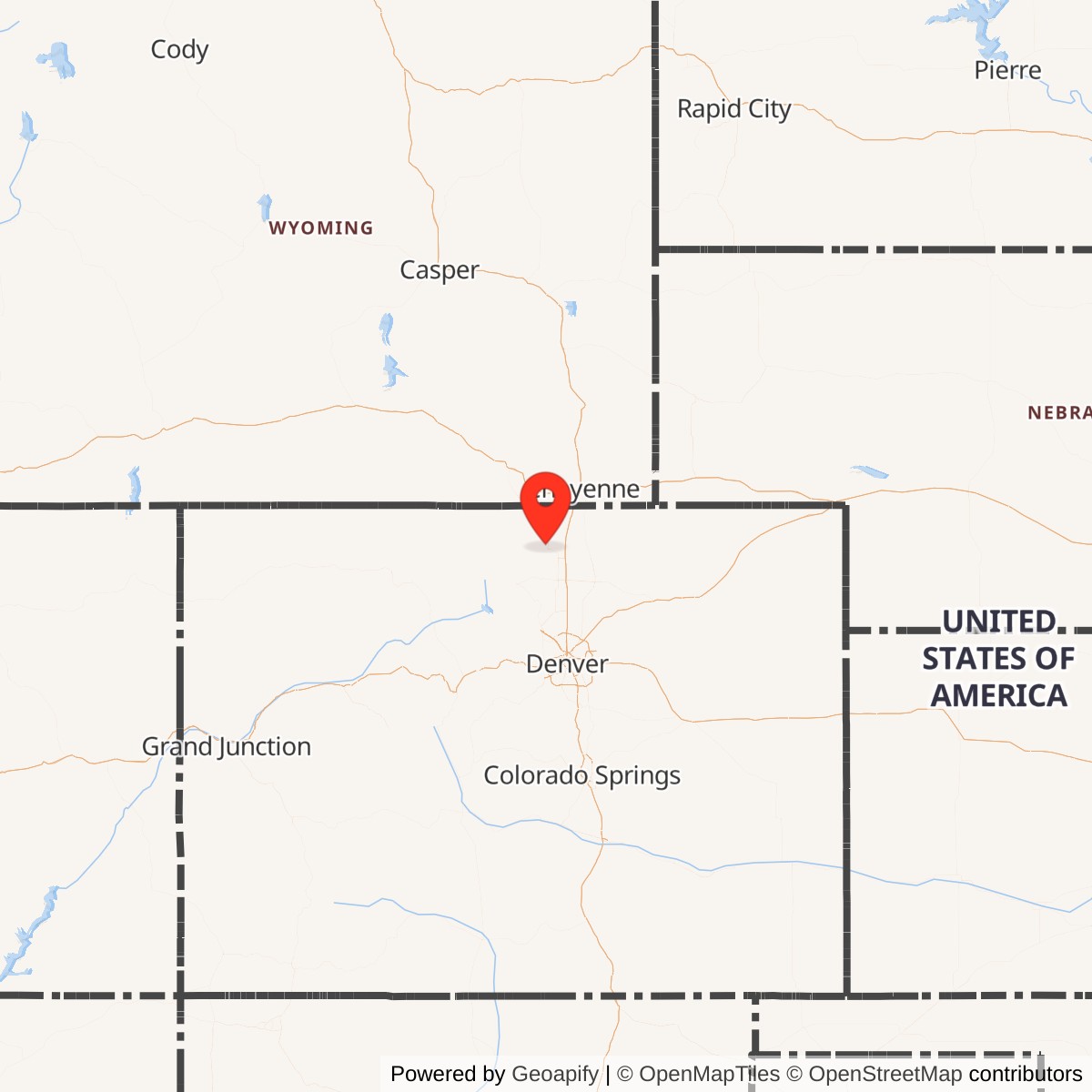
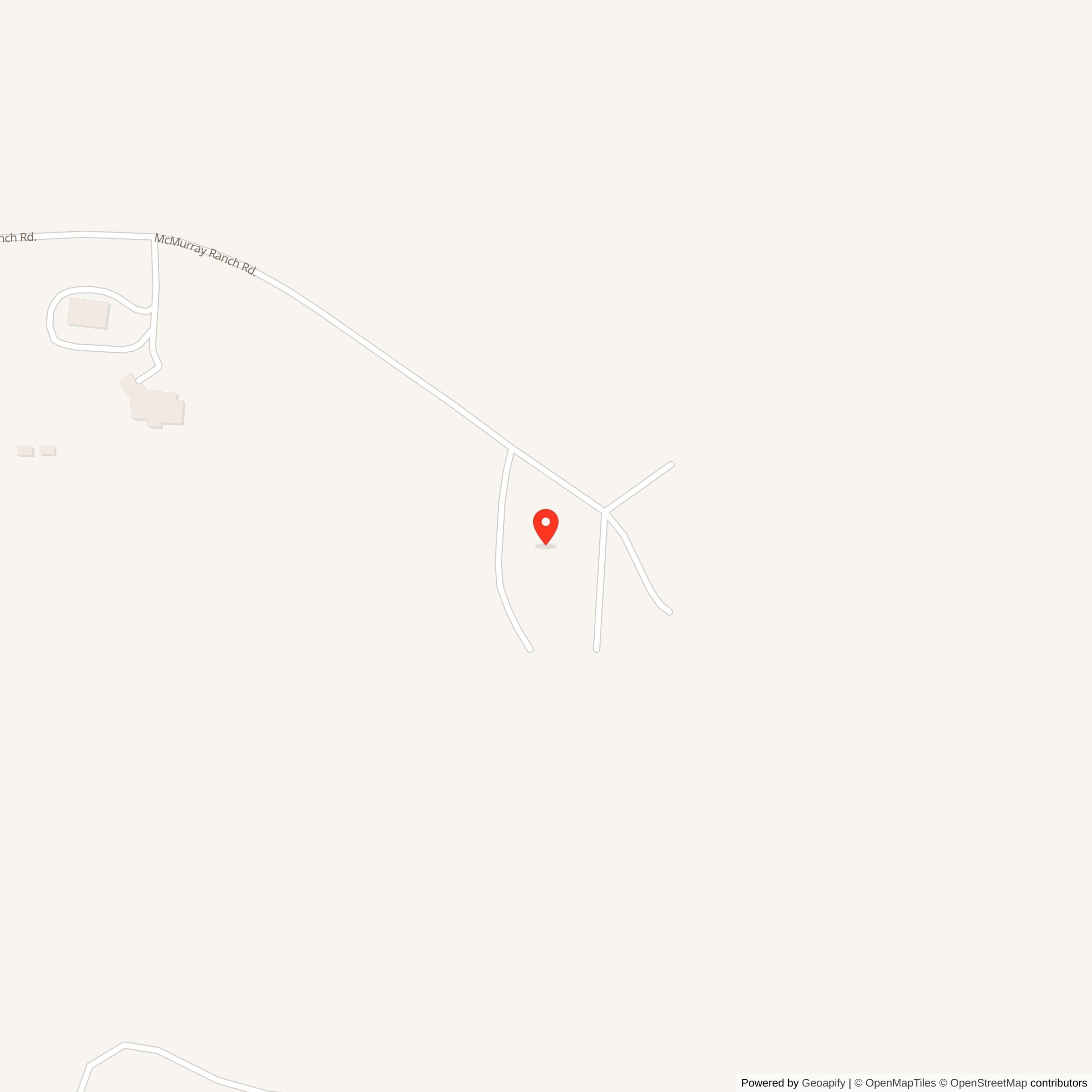
Atlas E Site 566-9 was a single-missile SM-65E Atlas launch complex operated by the 566th Strategic Missile Squadron under the 389th Strategic Missile Wing at F.E. Warren Air Force Base. The site was located in Larimer County, Colorado, in the Bellvue-LaPorte-Fort Collins area northwest of Fort Collins.
The site is best described technically as an Atlas E single-missile coffin-launcher complex rather than a later vertical missile silo. Operational missile-history sources identify it as Atlas E Site 566-9, 566th Strategic Missile Squadron Site 9, or the Fort Collins Atlas E site. Colorado and federal environmental records identify the same former property as Atlas 13, Site #13, or Warren F.E. AFB Atlas "E" Missile Site #13.
Site 566-9 entered the Atlas E era in 1961. Available public sources do not provide a verified exact operational-alert date for this individual site. The site was decommissioned on March 25, 1965. Colorado environmental records independently state that the Colorado Atlas E sites were decommissioned and their missiles removed in 1965. The site is no longer an active missile installation. It is a former missile complex in private commercial reuse as a record-storage facility, with no public access to the former launch complex.
Location, Landscape, and Site Description
Site 566-9 was the westernmost Colorado member of the F.E. Warren Atlas E missile field. It lay northwest of Fort Collins, near Bellvue, LaPorte, and the foothill edge where the plains rise toward the Front Range. The Military Standard lists the nearest town as Fort Collins, while EPA's cleanup profile gives the site address as 6707 McMurry Ranch Road, 3 1/2 miles north-northwest of Bellvue. The U.S. Army Corps of Engineers identifies the site as the LaPorte, Larimer County, Colorado, former Atlas E Missile Site 13. These place names describe the same general setting: a rural Larimer County property outside the urban core of Fort Collins and close to the Poudre River corridor and foothills.The site was one of five former Atlas E complexes in northern Colorado and one of nine Atlas E sites assigned to the F.E. Warren field. The Warren Atlas E sites were not located on the base itself. Instead, they were dispersed across a large area in Wyoming, Nebraska, and Colorado. That dispersal meant that Site 566-9 was operationally tied to F.E. Warren AFB at Cheyenne but physically embedded in the agricultural and foothills landscape of Larimer County. The location gave the missile field separation among launch points, reduced the vulnerability of the squadron to a single attack, and placed each missile complex on a parcel large enough for the launch structure, launch operations building, roads, utility systems, security features, and safety standoff.
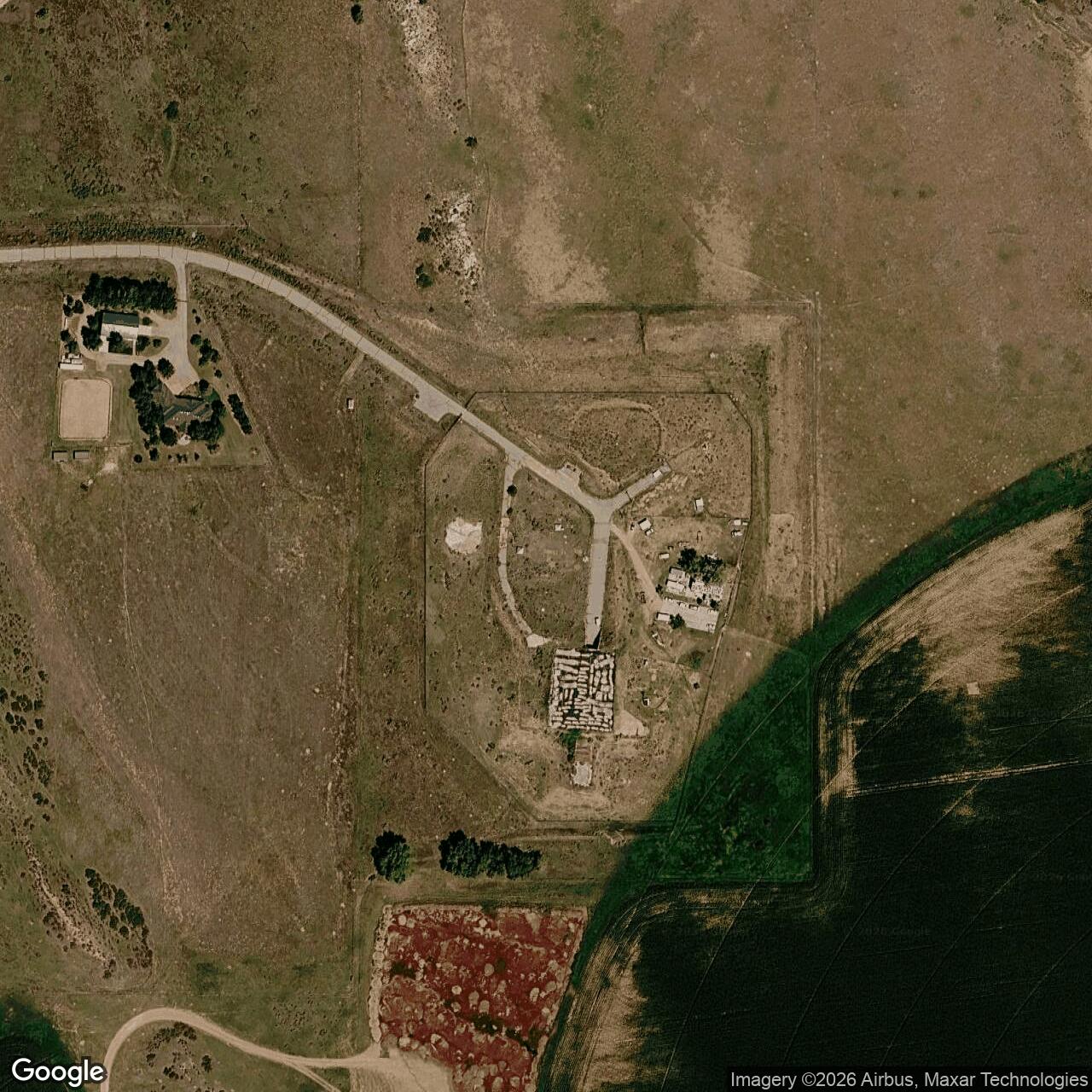
The Army Corps of Engineers fact sheet gives the most useful public description of the site's military-era improvements. It states that the former Site 13 property consisted of 267.30 acres acquired in 1961 and included one underground launch operations building, one launch and service building, a water well and pump station, storage buildings, a sentry house, a helicopter pad, a spray pond, roads, walks, fences, and water, sewer, and electrical systems. This description is valuable because it shows that an Atlas E "missile site" was not just a launcher. It was a self-contained military-industrial facility with the buildings, utilities, access control, emergency response features, and propellant-support infrastructure needed to keep a large liquid-fueled nuclear missile on alert.
The launcher itself followed the Atlas E coffin-launcher pattern. The missile was stored horizontally in a below-grade reinforced launch-and-service structure. In a launch sequence, the protective roof or door would move aside, the missile would be erected to the vertical position, liquid oxygen would be loaded, and the missile would be prepared for launch. This made Site 566-9 different from the later Atlas F and Minuteman vertical silos. It was more protected than the earliest aboveground Atlas arrangements, but it was not a deeply hardened vertical launch silo. The launch structure, access road pattern, and support area remain visible in aerial imagery, and site photographs.
Strategic and Cold War Context
Atlas E Site 566-9 existed because the United States needed an operational intercontinental ballistic missile force quickly during the most intense early years of the Cold War. The Atlas program gave the Air Force its first deployed ICBM, but it did so with technology that still reflected the transitional nature of the late 1950s. Atlas was a large liquid-fueled missile with a thin pressure-stabilized stainless-steel airframe. The missile had to be kept pressurized because the structure depended on internal pressure for rigidity. It required RP-1 fuel, liquid oxygen oxidizer, specialized ground-support equipment, trained missile crews, security, maintenance teams, and continual attention to propulsion, guidance, electrical, and structural systems.The Atlas E variant marked an important step beyond the Atlas D deployments that preceded it. The National Park Service describes Atlas E as similar to Atlas D but based in individual launch complexes, equipped with inertial guidance, and placed in below-ground coffins that improved blast protection. Because Atlas E used inertial guidance rather than the earlier radio guidance arrangement, the Air Force could deploy the missiles as separated single-launcher complexes. For F.E. Warren, that meant that one squadron's Atlas E force could be distributed around Cheyenne and into northern Colorado rather than concentrated at one base.
Site 566-9 was part of this dispersed-deterrent logic. The site was not meant to be a public symbol in everyday life, although the missile's movement through Fort Collins briefly made it one. Its normal purpose was to remain ready, secured, maintained, and connected to Strategic Air Command's command-and-control system. The site stood at the edge of a larger nuclear-alert enterprise: missiles in coffin shelters, crews in launch operations spaces, communications routed back through the squadron and wing, maintenance specialists circulating among sites, and security forces controlling access to isolated installations.
Atlas E's service life was brief because the same strategic pressures that produced it also produced better systems almost immediately afterward. Solid-fueled Minuteman missiles could sit on alert for long periods, launch faster, and required less hazardous propellant preparation. Titan II provided a larger, storable-liquid, hardened silo-based weapon. Atlas E therefore represents a short but historically important stage between the earliest experimental operational ICBM fielding and the more durable missile basing patterns that followed. Site 566-9 is a concrete example of that transitional moment.
Construction and Activation
Site 566-9 was built as part of Warren III, the F.E. Warren Atlas E construction program. Public Air Force unit-history material identifies Martin K. Eby Construction Company of Wichita, Kansas, as the low bidder for the Warren III Atlas E work. The Atlas E field consisted of nine single-missile coffin-launcher complexes: Chugwater, LaGrange, and Pine Bluffs in Wyoming; Kimball in Nebraska; and Grover, Briggsdale, Nunn, Greeley, and Fort Collins in Colorado. The field was deliberately spread over long distances because Atlas E inertial guidance made dispersed individual sites possible.Site 9, Fort Collins, began construction in 1960 and was turned over to the Air Force in 1961. The Army Corps of Engineers states that the former Site 13 property consisted of 267.30 acres acquired in 1961. The Corps description of improvements indicates a major engineered facility: underground operations space, the launch and service building, water systems, storage buildings, sentry house, helicopter pad, spray pond, roads, sidewalks, fencing, sewer, and electrical systems. Those features reflect the specialized construction requirements of an Atlas E site. It had to hold a missile horizontally, move the shelter door, erect the missile, manage cryogenic oxidizer and RP-1 fuel support, supply power and communications, and protect personnel and equipment within a controlled military perimeter.
The local public briefly saw the weapon that would define the site. Fort Collins local-history material records that on July 12, 1961, the Atlas E missile assigned to Site 13, named "The City of Fort Collins," arrived in Fort Collins. The missile was displayed during a brief ceremony before continuing to the launch complex. That event was unusual because the day-to-day reality of the Atlas E field was intentionally remote and restricted. The ceremony connected the abstract national missile program to the city whose name had been painted on the weapon, but after the display the missile moved into a secured launch complex that most local residents would never enter.
The organization responsible for the Warren Atlas E field also changed during the construction-and-activation period. The 549th Strategic Missile Squadron was activated at F.E. Warren on October 1, 1960, as the Atlas E squadron. On July 1, 1961, it was redesignated the 566th Strategic Missile Squadron, and the 389th Strategic Missile Wing assumed F.E. Warren missile command responsibilities as the older 706th Strategic Missile Wing structure was replaced. Because of that transition, some environmental or construction summaries refer to the 549th Strategic Missile Squadron, while operational missile-history sources identify the active Atlas E squadron as the 566th Strategic Missile Squadron.
Missile System and Technical Role
Site 566-9 housed one SM-65E Atlas intercontinental ballistic missile. The Atlas E was a liquid-fueled, ground-launched ICBM using RP-1 kerosene fuel and liquid oxygen oxidizer. It used a pressure-stabilized airframe that required continuous pressurization, and it depended on a launch process that was more labor-intensive than later solid-fueled ICBMs. The National Park Service states that Atlas E used individual launch complexes, inertial guidance, below-ground coffin shelters, and an approximately fifteen-minute launch response time.The site's technical role was to maintain one nuclear-armed Atlas E missile in a protected horizontal launcher, ready for Strategic Air Command alert operations. The missile would have been stored in the coffin launcher rather than exposed vertically. In an emergency launch sequence, the launch crew would open the coffin roof or door, raise the missile into firing position, load liquid oxygen and RP-1, complete the launch sequence, and launch the weapon from the surface. Association of Air Force Missileers material summarizes the Atlas E countdown in the same terms: after emergency war order checklist steps, the crew would open the coffin roof, erect the missile, load LOX and RP-1, and the inertially guided missile could be launched in about fifteen minutes.
Public technical sources identify the Atlas E/F reentry vehicle as the Avco Mark 4 carrying a W-38 thermonuclear warhead. The Smithsonian National Air and Space Museum's public listing for its Mark 4 reentry vehicle states that it was used on Atlas E/F and Titan I ICBMs and carried a W-38 warhead with a yield of about 3.75 megatons.
The site was not a standalone military base in the broader administrative sense. It was one node in a field supported by F.E. Warren AFB, the 389th Strategic Missile Wing, the 566th Strategic Missile Squadron, and maintenance, security, communications, propellant, power-production, and nuclear-weapons support functions. Atlas E sites required more on-site activity than later unmanned Minuteman launch facilities. The 566th sites were manned around the clock during the squadron's active period. Maintenance specialists, missile crews, and security personnel therefore formed part of the site's daily military life, even though the site was geographically separate from the parent base.
Operational History
The operational life of Site 566-9 was short, intense, and characteristic of first-generation ICBM service. The site served during the narrow period when Strategic Air Command was fielding Atlas E missiles while newer Minuteman systems were already beginning to overtake them. The 566th Strategic Missile Squadron was based at F.E. Warren from 1961 through 1965 and controlled nine Atlas E sites. These sites formed the Warren Atlas E ring across Wyoming, Nebraska, and Colorado, with Site 566-9 as the Fort Collins-area site.Daily operations at an Atlas E site involved maintaining a complex liquid-fueled weapon system in a secure, semi-hardened launch complex. The missile had to remain structurally pressurized. Propellant systems, power equipment, guidance and electronics, communications, doors, hydraulic or erection systems, and safety equipment had to be inspected and maintained. Security personnel controlled access to the isolated property. Launch crews and maintenance teams worked in a setting that combined nuclear alert, industrial hazards, cryogenic oxidizer handling, and the discipline of Strategic Air Command checklists.
The Cuban Missile Crisis in October 1962 was the most important broader operational event during the 566th Strategic Missile Squadron's active Atlas E life. During the crisis all 566th sites were at a high level of alert and ready to launch if necessary. This statement applies to the squadron's sites as a group rather than proving a unique event at Site 566-9 alone, but Site 566-9 was one of the nine sites in that squadron. The crisis showed why SAC had accepted the burdens of liquid-fueled missile operations: the sites existed to provide a credible nuclear deterrent during exactly such a confrontation.
The site's operational history also had a local public dimension. The July 1961 movement of "The City of Fort Collins" through Fort Collins turned a strategic weapon into a civic spectacle. Local-history accounts describe the missile being trucked through town, stopping on North Howes Street for a brief ceremony, and then continuing toward Site 13. That episode did not change the site's military mission, but it is unusually site-specific documentation tying the missile to the community whose name it carried. In most cases, early ICBM sites were known locally only as fenced military installations on rural roads; Site 566-9 had a more visible moment of public introduction.
The Atlas E era ended quickly. The Department of Defense's shift away from Atlas and Titan I systems, combined with Minuteman deployment, made the Warren Atlas E field obsolete by the mid-1960s. Site 9 was decommissioned on March 25, 1965. By then the missile had either been removed or was in the process of removal, the operational mission ended, and the site began its long post-military history as a large, specialized underground property.
Site-Specific and Squadron-Specific Events
The best-documented site-specific event for 566-9 occurred on July 12, 1961, when the missile for Site 13 was publicly displayed in Fort Collins. Fort Collins local-history material identifies the missile as "The City of Fort Collins" and states that it stopped on North Howes Street for a brief ceremony before proceeding to Site 13. The caption reproduced in that local-history account says the mayor of Fort Collins made a token acceptance of the Atlas missile, Col. William E. Todd of Warren AFB made the presentation, the missile was accompanied by Warren personnel and state police, and the missile resumed its journey to Site 13 later that morning.A second documented site-specific event appears in Fort Collins Archive imagery from the post-operational period. The same local-history account identifies an interior photograph of the Atlas missile storage bunker during ownership transfer on March 23, 1966. That photograph documents the transition from military use to disposal and reuse. It is especially valuable because it shows the former launch structure during the narrow period after decommissioning but before the site's later commercial adaptation became its dominant identity.
The main squadron-specific operational event was the Cuban Missile Crisis. All 566th Strategic Missile Squadron sites were at a high level of alert during the crisis and ready to launch if necessary. This should be understood as a squadron-level statement for the nine-site Atlas E field rather than as a separate documented incident at Site 566-9 alone. Still, Site 566-9 was one of the nine 566th SMS launch complexes and therefore formed part of that alert posture.
Deactivation and Disposal
Site 566-9 left active missile service in 1965. Colorado environmental records state that Colorado's Atlas E sites were decommissioned and their missiles removed in 1965. The 389th Strategic Missile Wing and 566th Strategic Missile Squadron were inactivated as the Atlas E mission at F.E. Warren ended. Unlike later Minuteman and Peacekeeper sites affected by specific strategic arms-control demolition procedures, Atlas E sites were retired before the major late-Cold War treaty-demolition era. The site therefore appears to have moved through excessing, disposal, private reuse, and environmental cleanup rather than through a treaty-driven silo-implosion program.The Army Corps of Engineers states that Site 13 was excessed in August 1965. The property was then reused rather than obliterated. The Corps' 2015 fact sheet states that the former site was being operated by a private company as a record-storage facility. A 1998 newspaper account similarly described the former missile bunker north of Fort Collins as preserving archives and noted the continuing presence of major missile-era features, including the horizontal launch area and launch tower equipment. Fort Collins local-history material states that after decommissioning the missiles were removed, the sites were sold to public and private buyers, and Site 13 became a record-storage facility.
The site also entered the Formerly Used Defense Sites environmental-cleanup program. The EPA identifies the property as Warren F.E. AFB Atlas "E" Missile Site #13, EPA ID CO0009139026, not on the National Priorities List, under federal facility-lead cleanup, and located in Larimer County. The Army Corps of Engineers states that TCE groundwater contamination led to a Hazardous, Toxic and Radioactive Waste project under the Defense Environmental Restoration Program for Formerly Used Defense Sites. CDPHE explains the broader source mechanism at the Colorado Atlas E sites: trichloroethylene was used during site construction and by missile crews to flush fuel tanks after missile-readiness tests, and spent TCE and residual RP-1 fuel were disposed of through sumps that discharged to the surface and shallow groundwater.
Cleanup at Site 13 eventually reached closure. CDPHE states that Atlas 13 investigations were completed, including determination of the full extent of groundwater contamination; a soil-removal action was conducted in 2006; a feasibility study for groundwater cleanup was completed; and a final site plan was published in 2014 after an Environmental Impact Statement determined that future construction of Glade Reservoir would not adversely affect the selected remedy. CDPHE further states that the selected in-situ chemical oxidation remedy was implemented successfully, the remedy was concluded, and the site was closed in 2018 with a recommendation that no further action was necessary.
The disposal history therefore had several distinct stages. The missile mission ended in 1965. The missile was removed in the 1965 decommissioning period. The property was excessed in August 1965. It later moved into private commercial reuse as a record-storage facility. The site then became subject to FUDS/CERCLA investigation and cleanup because of TCE and related contamination associated with past missile-site practices. The cleanup program eventually produced a no-further-action recommendation in 2018. These stages should not be collapsed into a single statement that the site was simply "decommissioned"; they describe different aspects of the site's post-military life.
Current Status and Site Use
Site 566-9 is inactive and decommissioned. It is not an active missile installation, not a preserved public museum, and not a public park. It is a former Atlas E launch complex in private commercial reuse, documented by the Army Corps of Engineers and local-history sources as a record-storage facility. CDPHE states that Atlas 13 is one of two Colorado Atlas E sites used for commercial purposes and that Atlas 13 has been fully investigated and cleaned up. EPA continues to maintain a public Superfund/CERCLA site profile for the former federal facility property.The site should be treated as private property with no public access. CDPHE notes generally that most of the former Atlas sites are private property and should not be entered. The former launch complex remains visible in aerial imagery and in published photographs, but physical visibility does not mean public accessibility. Any interpretation should rely on public roads, public records, official environmental documentation, and historical photographs rather than attempted entry.
Chronology
- 1959-12-07 Work began on Warren III, the F.E. Warren Atlas E coffin-launcher construction program.
- 1960 Construction began at 566th Strategic Missile Squadron Site 9 near Fort Collinss.
- 1960-10-01 The 549th Strategic Missile Squadron was activated at F.E. Warren as the Atlas E squadron.
- 1961 The Army Corps of Engineers states that 267.30 acres were acquired for former Atlas E Missile Site 13.
- 1961 Site 9 was turned over to the Air Force; exact month and day were not verified in available public sources.
- 1961-07-01 The 549th Strategic Missile Squadron was redesignated the 566th Strategic Missile Squadron.
- 1961-07-01 The 389th Strategic Missile Wing assumed F.E. Warren missile command responsibilities after the earlier Warren missile-wing organization was replaced.
- 1961-07-12 The Atlas E missile for Site 13, named "The City of Fort Collins," arrived in Fort Collins, stopped for a public ceremony, and then continued to the launch complex.
- 1961 The F.E. Warren Atlas E sites entered the operational Atlas E era; the exact alert date for Site 566-9 was not verified in available public sources.
- 1962-10 The 566th Strategic Missile Squadron's Atlas E sites were at a high level of alert during the Cuban Missile Crisis.
- 1965 Colorado environmental records state that the Colorado Atlas E sites were decommissioned and their missiles removed.
- 1965-08 The Army Corps of Engineers states that former Atlas E Missile Site 13 was excessed in August 1965.
- 1966-03-23 Fort Collins Archive imagery documents the Atlas missile storage bunker during the ownership-transfer period.
- 1998 A newspaper account described the former missile bunker north of Fort Collins as an archive/record-storage site.
- 2006 CDPHE reports that a soil-removal action was conducted at Atlas 13.
- 2012 The Army Corps of Engineers states that a remedial-action contract was awarded to begin a performance-based cleanup action at Site 13.
- 2014 CDPHE reports that the Final Site Plan for Atlas 13 was published after an Environmental Impact Statement determined that future Glade Reservoir construction would not adversely affect the selected remedy.
- 2015 The Army Corps of Engineers stated that Site 13 was being operated by a private company for use as a record-storage facility.
- 2018 CDPHE reports that the remedy at Atlas 13 was concluded and the site was closed with a recommendation that no further action was necessary.
- 2026 EPA lists Warren F.E. AFB Atlas "E" Missile Site #13, EPA ID CO0009139026, as not on the National Priorities List and under federal facility-lead cleanup status.
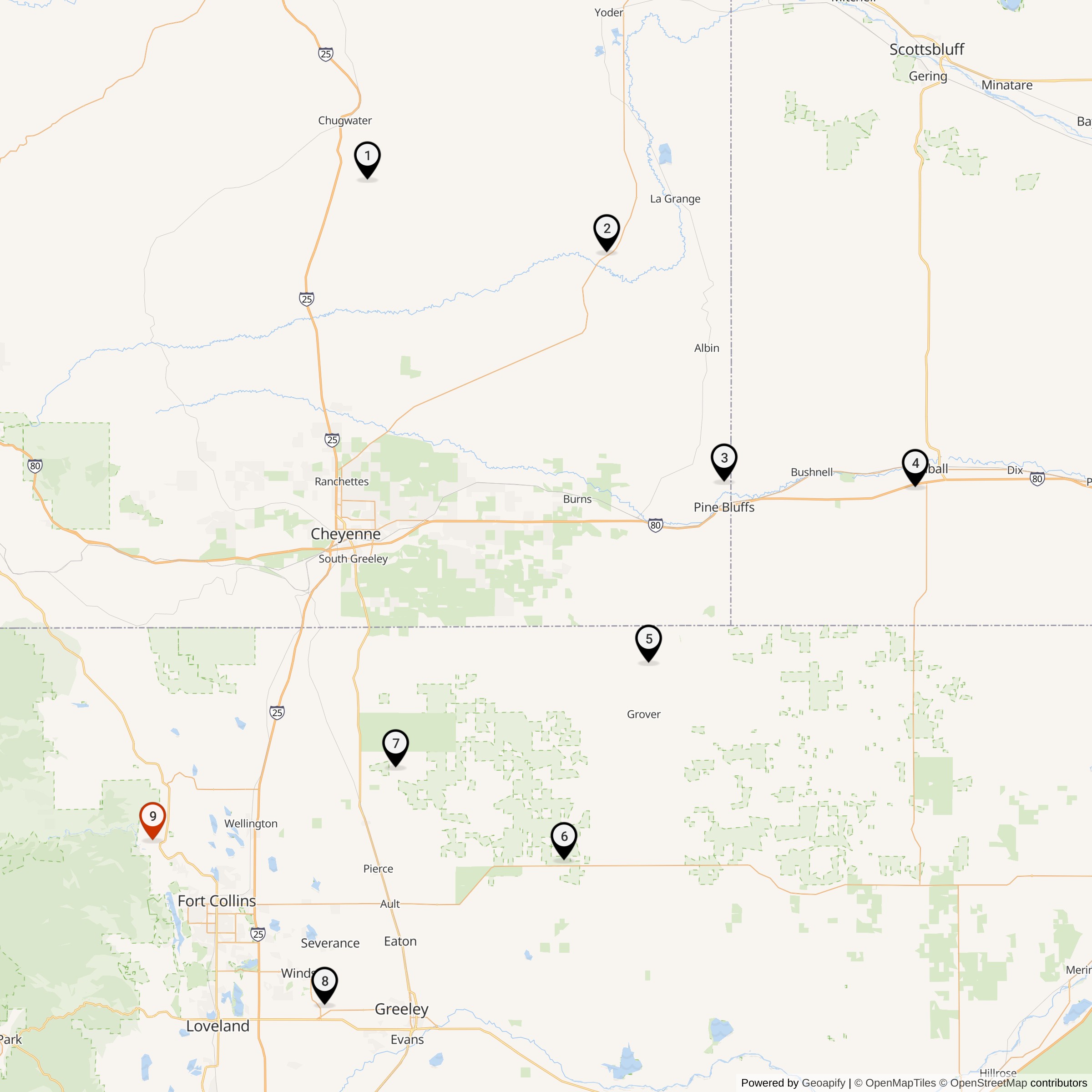
Read about the Atlas at F.E. Warren AFB
All Atlas Missile Silo Locations