
Atlas E Site 576-C Missile Silo, Casmalia / Vandenberg SFB California
Longitude: -120.584733
Site Type: Atlas E above-ground coffin launcher / ICBM test site
Missile Type: SM-65E Atlas
Missile Assigned to this Silo: Multiple Atlas E test missiles launched from Site C: 69E (GD serial 62-12120; AF tail 120; launched 1963-07-03, Operation Go Boy, successful), 70E (GD serial 62-12121; AF tail 121; launched 1963-07-30, Operation Big Flight, successful), 71E (GD serial 62-12122; AF tail 122; launched 1963-09-25, Operation Filter Tip, failure).
Number of Launchers/Missiles: 1
Parent Base: Vandenberg AFB (now Vandenberg SFB)
Missile Wing: 704th Strategic Missile Wing (1958-1959); 1st Missile Division / 1st Strategic Aerospace Division at time of Site C use
Missile Squadron: 576th Strategic Missile Squadron
Current Site Use: Abandoned former ICBM test site within active Vandenberg SFB; 2021 VSFB Commercial Space Master Plan lists Site C - 576 Charlie as abandoned with no operator.
Site Ownership: Department of Defense / U.S. Space Force (Vandenberg SFB)
Accessible: No general public access; within active Vandenberg SFB. Visitor access requires base authorization/pass/tour and does not imply access to Site C.
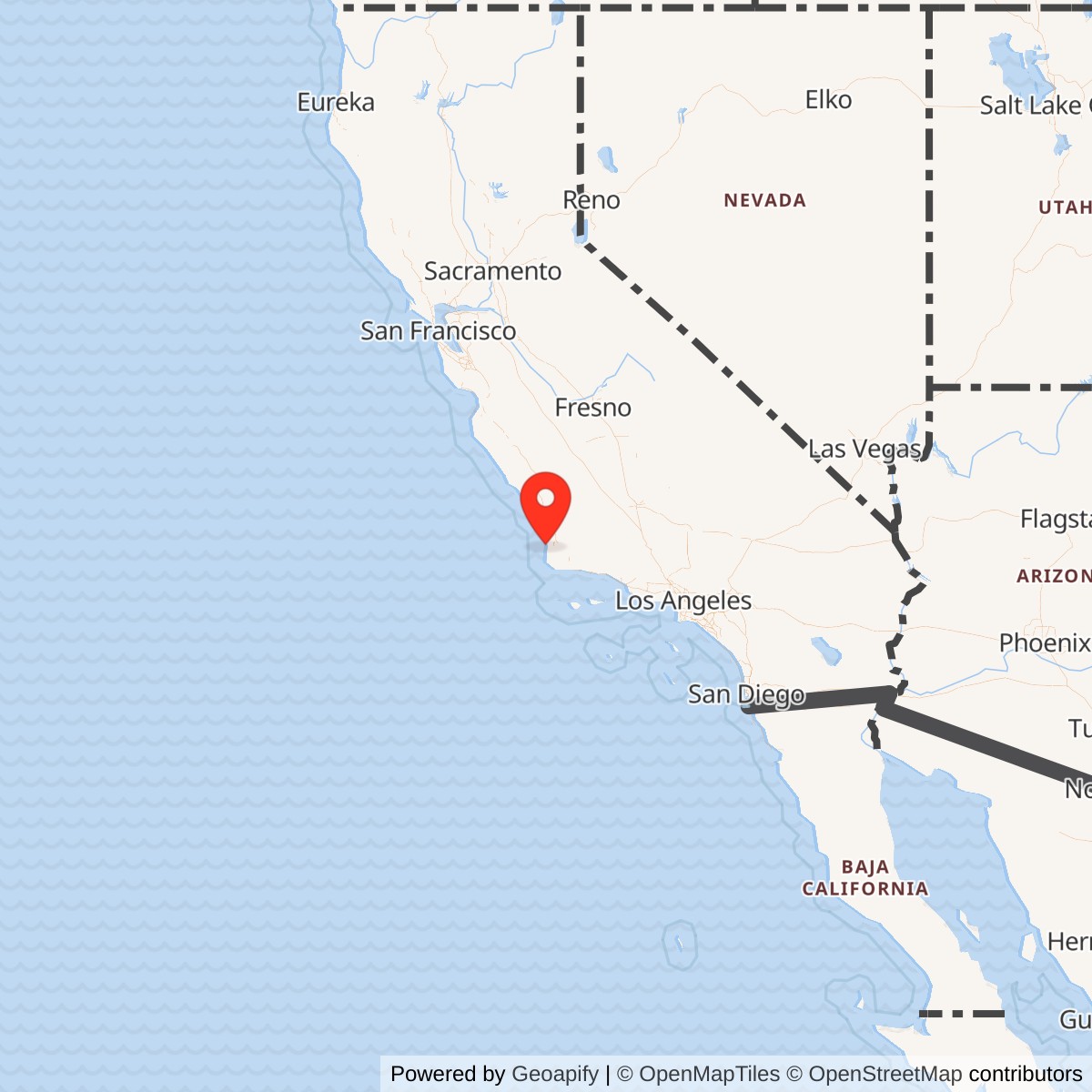
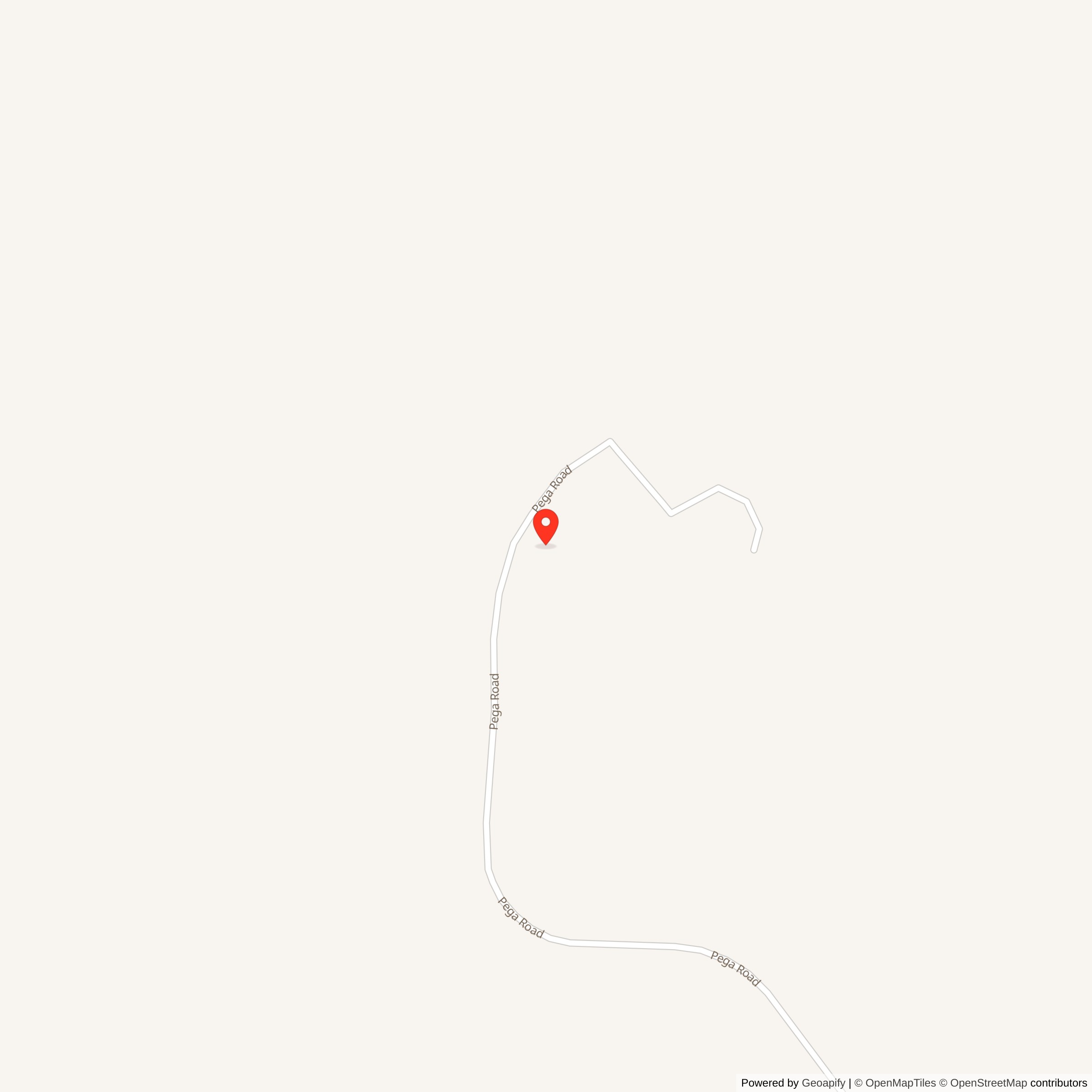
Atlas E Site 576-C, also known as Site C or 576 Charlie, was an SM-65E Atlas intercontinental ballistic missile test and training launch facility at Vandenberg Air Force Base, now Vandenberg Space Force Base, in Santa Barbara County, California. The site was associated with the 576th Strategic Missile Squadron, the Strategic Air Command Atlas unit at Vandenberg that served as the Air Force's first Atlas ICBM squadron and as the principal operational-test organization for early Atlas missile employment.
The site was located on Vandenberg's North Base missile-test range near Casmalia and Lompoc. Site 576-C was an Atlas E single-launcher above-ground coffin facility, not a dispersed combat-alert site like the Atlas E squadrons built around Fairchild, Forbes, or F. E. Warren. Its function was to test, demonstrate, train, and validate Atlas E operations at Vandenberg as part of the larger 576th Strategic Missile Squadron complex of Atlas D, Atlas E, and Atlas F facilities.
The site is no longer an active missile launch facility. It was used for three Atlas E launches in 1963 and was later decommissioned with the 576th Strategic Missile Squadron era at Vandenberg. Today the former Site C area remains inside active Vandenberg Space Force Base and is not open to general public access.
Location, Landscape, and Site Description
Site 576-C stood in the open, hilly coastal terrain of northern Vandenberg. The surrounding landscape is a mixture of chaparral, grassland, service roads, and former missile-test infrastructure, with the Pacific coast and the Western Range to the west and the small community of Casmalia to the east-northeast. The location mattered because Vandenberg allowed ballistic missiles and space vehicles to be launched over the Pacific without overflying populated land for much of the flight path. That geography made the base uniquely useful for missile testing, reentry-vehicle work, and later polar-orbit space launches.The Atlas 576 series at Vandenberg was not a single launch pad but a family of related early ICBM launch sites. The 576th Strategic Missile Squadron used Atlas D gantry and coffin sites, Atlas E coffin sites, and Atlas F silo-lift facilities. Site C was the Atlas E site identified as "576 Charlie."
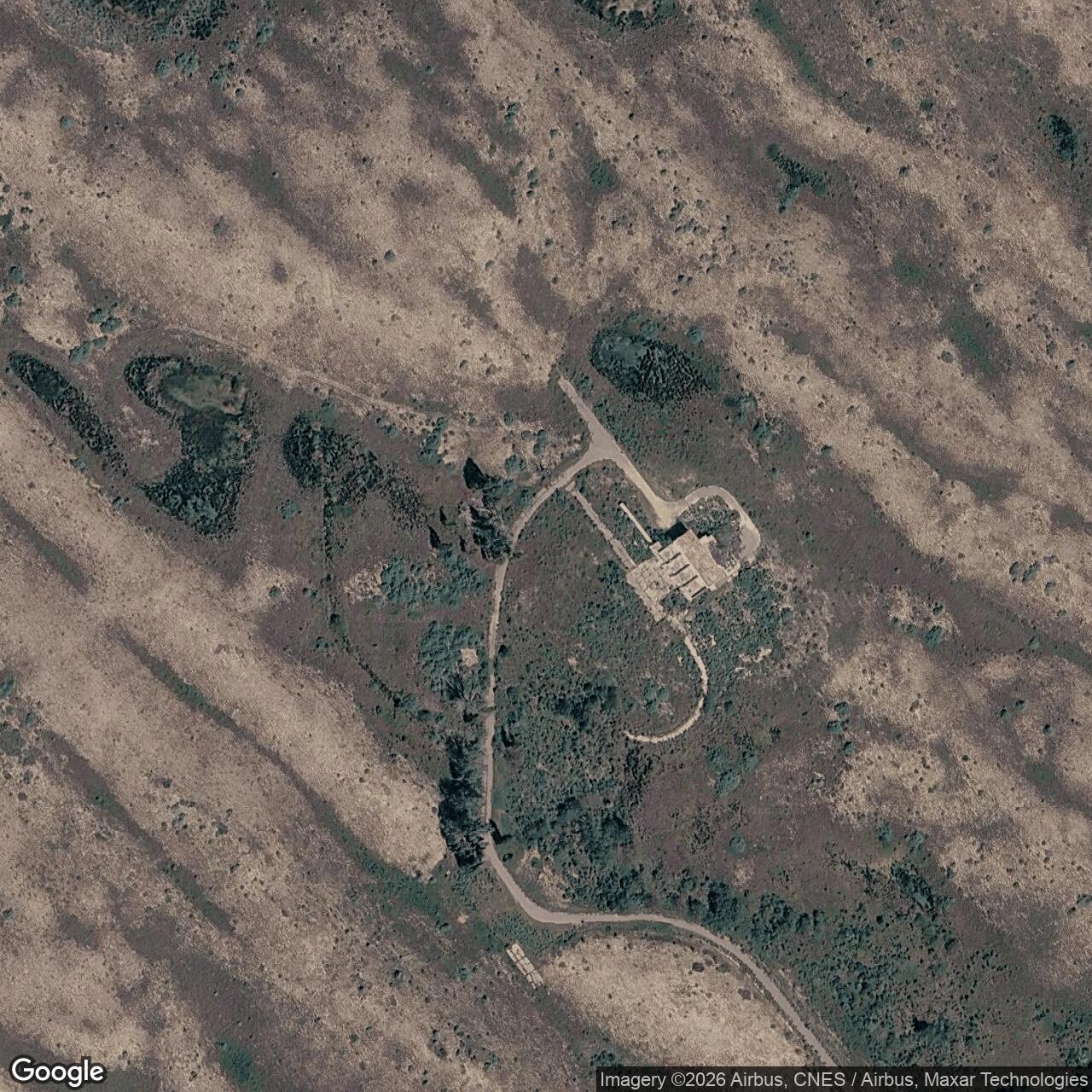
The term "coffin launcher" referred to the horizontal shelter from which an Atlas missile would be prepared. In fielded Atlas E operations, the missile was stored horizontally in a protective launcher structure; for launch, the cover was opened, the missile was raised to vertical, loaded with liquid oxygen and RP-1 fuel, checked, and fired. Site 576-C was an above-ground test example of that concept rather than a privately owned rural missile site. Surviving imagery shows a long rectangular launcher area, an access road, nearby service buildings, and a separate support area, all inside the controlled Vandenberg range.
Strategic and Cold War Context
Site 576-C belonged to the first generation of American intercontinental ballistic missile operations. The Atlas program was developed to give the United States a land-based missile capable of reaching intercontinental targets during the early Cold War, when deterrence depended increasingly on weapons that could respond faster than manned bombers and could complicate Soviet attack planning. Vandenberg was central to that process because it provided a training, test, and demonstration environment where Strategic Air Command crews and missile organizations could prove that Atlas could be moved from engineering development into actual operational service.The Atlas E was part of the progression from early Atlas D operations toward more survivable and more practical missile basing. Atlas D was fielded in both gantry and above-ground coffin configurations, while Atlas E used coffin launchers and all-inertial guidance. Atlas F moved into vertical silo-lift facilities. All Atlas ICBMs remained liquid-fueled systems, which meant the missile could not sit indefinitely with cryogenic liquid oxygen loaded. Crews had to bring the missile through a countdown process, including opening the shelter, erecting the missile, loading propellants, and completing final checks.
Vandenberg's 576th Strategic Missile Squadron therefore served two related purposes. It provided SAC with a place to operate early Atlas missiles under realistic conditions, and it gave the Air Force a bridge between engineering test work and operational missile duty. Site 576-C's short launch record in 1963 should be read in that context. It was not one of hundreds of routine later missile silos; it was a specialized test and training facility used during the narrow window when Atlas E procedures were being proven and compared with the rapidly arriving Titan and Minuteman systems.
Construction and Activation
Construction started in 1960, and construction was completed in 1961. The completion date predates the three documented Atlas E launches from Site C by about two years, which is consistent with Vandenberg's role as a test and training base where launch complexes could be built, checked out, integrated with range instrumentation, and used as needed for demonstration and shakedown operations.The 576th Strategic Missile Squadron itself had been activated earlier. Official Air Force Global Strike Command history states that the squadron was reactivated on 1958-03-06 as the 576th Strategic Missile Squadron and assigned to Cooke Air Force Base, later renamed Vandenberg. A later Vandenberg/Kirtland public-affairs history notes that the squadron was activated under the 704th Strategic Missile Wing at Cooke Air Force Base on 1958-04-01 and served as the nation's first Atlas ICBM unit. By the time 576-C was used in 1963, the 704th Strategic Missile Wing had already given way to the 1st Missile Division, later the 1st Strategic Aerospace Division, as the relevant Vandenberg SAC command structure.
The date of the first Atlas E launch from the site was 1963-07-03, Missile 69E, Operation Go Boy.
Missile System and Technical Role
The missile associated with Site 576-C was the SM-65E Atlas, the Atlas E. Atlas E was a liquid-fueled ICBM that used RP-1 kerosene fuel and liquid oxygen oxidizer. Like other Atlas missiles, it used a "stage-and-a-half" configuration: booster engines were jettisoned during flight while the sustainer continued to burn. The Atlas E and Atlas F variants incorporated all-inertial guidance and improved engines, survivability, and reentry-vehicle arrangements compared with earlier Atlas operational models.The launcher at 576-C was an above-ground coffin launcher. In an Atlas E countdown, the missile would be brought from horizontal storage to launch posture. The Association of Air Force Missileers describes the Atlas E launch process in general terms: after emergency war order checklist procedures, the crew opened the coffin roof, erected the missile, loaded liquid oxygen and RP-1, and then proceeded to launch once the propellants were fully loaded. The same source states that the inertially guided missile could be launched in about fifteen minutes after that process had been completed. That public description is adequate for historical explanation and does not provide modern sensitive operational detail.
The Atlas E/F reentry system is also documented in public museum sources. The Smithsonian National Air and Space Museum identifies the Mark 4 reentry vehicle as used on Atlas E/F and Titan I ICBMs and states that it carried the W-38 nuclear warhead with a yield of about 3.75 megatons. The known Site C launches were operational-readiness or test launches from Vandenberg over the Western Range, using missile test articles and test payload designations rather than operational nuclear warheads.
Operational History
Operationally, Site 576-C was part of the 576th Strategic Missile Squadron's Vandenberg Atlas complex. The squadron's 1958-1966 Atlas period was different from the rural deployed missile squadrons at Forbes, Fairchild, F. E. Warren, Schilling, Altus, Lincoln, Dyess, Walker, and Plattsburgh. Those squadrons maintained dispersed combat sites away from the parent base. The 576th at Vandenberg operated test and training launch sites integrated into the Pacific missile range. Its purpose was to validate procedures, train crews, test equipment, and support missile launches that demonstrated the readiness and performance of Atlas systems.The Site C launch history was short but well documented. It hosted three Atlas E launches, all in 1963. The first was Missile 69E on 1963-07-03, Operation Go Boy. The missile was General Dynamics manufacturing number 69E, Air Force missile tail number 120, delivered to Vandenberg on 1963-05-24, assigned to the 576th SMS Site C, launched from Site C on 1963-07-03, and successful.
The second Site C launch was Missile 70E on 1963-07-30, Operation Big Flight. This missile was General Dynamics manufacturing number 70E, Air Force tail number 121, accepted on 1963-01-17, delivered to Vandenberg on 1963-07-03, launched from Vandenberg Site C on 1963-07-30, and successful.
The third and final Site C launch was Missile 71E on 1963-09-25, Operation Filter Tip. Missile 71E was General Dynamics manufacturing number 71E, Air Force tail number 122, accepted on 1963-03-27, delivered to Vandenberg on 1963-08-16, launched from Site C on 1963-09-25, and unsuccessful. A sustainer hydraulic line ruptured at staging, causing the missile to lose stability at T+140 seconds.
Those three launches define 576-C's known active launch career. The site did not become a long-running operational pad like some other Vandenberg Atlas facilities, nor was it converted into a later orbital launch complex like 576-E. It was a focused Atlas E test/training facility whose useful launch history ended after three 1963 flights.
Deactivation and Disposal
Site 576-C left active launch use after the 1963-09-25 Missile 71E launch. Site C's documented launch-use period ended in September 1963, while formal decommissioning of the facility and the squadron's Atlas-era infrastructure occurred with the end of the 576th SMS Atlas mission in April 1966.This deactivation was not the result of later Strategic Arms Limitation Treaty or START treaty demolition requirements. Atlas was withdrawn because it was an early, labor-intensive, liquid-fueled ICBM superseded by more capable and more practical systems, particularly Titan II and solid-fueled Minuteman. At Vandenberg, some Atlas-related facilities were adapted to later programs, but 576-C was decommissioned or abandoned rather than reused as an active launch complex. A 2021 Vandenberg Space Force Base commercial space master-plan asset inventory lists "Site C - 576 Charlie" as an ICBM Test Site with current status "Abandoned" and user/operator "None."
Chronology
- 1958-03-06 The 576th was reactivated as the 576th Strategic Missile Squadron and assigned to Cooke Air Force Base, later Vandenberg.
- 1958-04-01 The 576th Strategic Missile Squadron was activated under the 704th Strategic Missile Wing at Cooke Air Force Base.
- 1959-07-01 The 704th Strategic Missile Wing was inactivated, and the 576th Strategic Missile Squadron was assigned directly to the 1st Missile Division, later the 1st Strategic Aerospace Division.
- 1959-09-09 The first Atlas missile launched from Vandenberg at Launch Facility 576 A-2.
- 1960 Construction reportedly began on Site 576-C.
- 1961 Construction reportedly was completed on Site 576-C.
- 1963-07-03 Atlas E Missile 69E, Operation Go Boy, launched successfully from Site 576-C.
- 1963-07-30 Atlas E Missile 70E, Operation Big Flight, launched successfully from Site 576-C.
- 1963-09-25 Atlas E Missile 71E, Operation Filter Tip, launched from Site 576-C and failed after a sustainer hydraulic-line rupture at staging.
- 2021-05-14 Vandenberg Air Force Base was renamed Vandenberg Space Force Base.
- 2021-06-03 The Vandenberg Space Force Base Commercial Space Master Plan listed Site C - 576 Charlie as an abandoned ICBM test site with no current operator.
All Atlas Missile Silo Locations