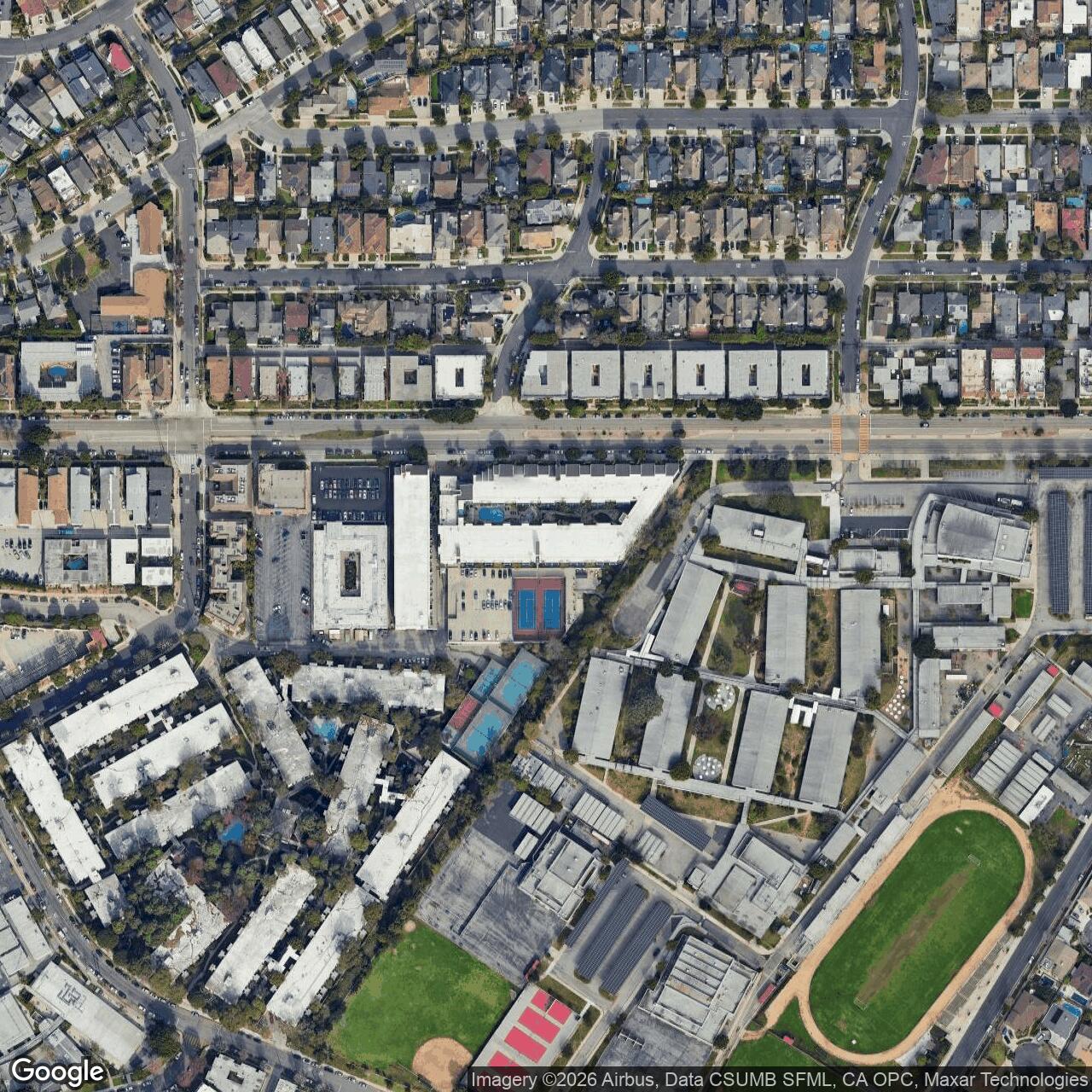
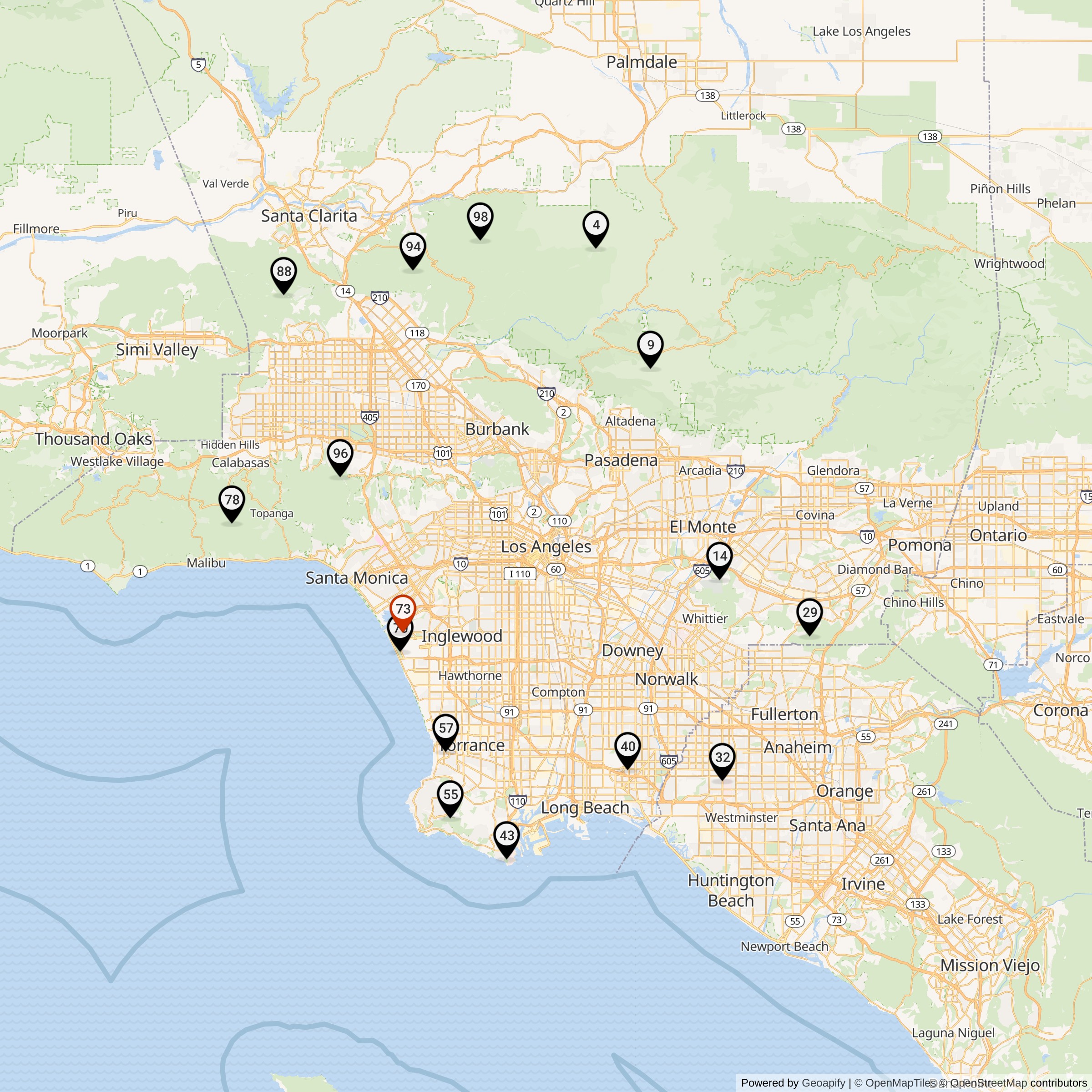
Nike Missile Site LA-73 IFC, Playa del Rey / LAX California
Longitude: -118.43039999951800
This location was part of the Los Angeles Defense Area
Site ID: LA-73
Missile / battery configuration: Nike 1B, 2C/30A/12L-A
This site controlled the missiles at the Launch Area located here.
Site Role: IFC
A typical Nike air defense site consisted of two separate parcels of land. One area was known as the Integrated Fire Control (IFC) Area. This site contained the Nike system's ground-based radar and computer systems designed to detect and track hostile aircraft, and to guide the missiles to their targets.
The second parcel of land was known as the Launcher Area. At the launcher area, Nike missiles were stored horizontally within heavily constructed underground missile magazines. A large, missile elevator brought the Nikes to the surface of the site where they would be pushed across twin steel rails to one of four satellite launchers.
Elaboration on how Nike worked here.
Missile Type: Ajax
The Nike Ajax was the first in the Army's family of guided missiles, and the world's first operational, guided, surface-to-air missile system. Nike Ajax had a burnout speed of Mach 2.3, a range of 25-30 miles, and a ceiling of 65,000 feet.
Designed to carry either nuclear and/or high-explosive warheads, the Nike Hercules missile could attack supersonic aircraft operating at altitudes in excess of 150,000 feet and at a range of more than 87 miles.
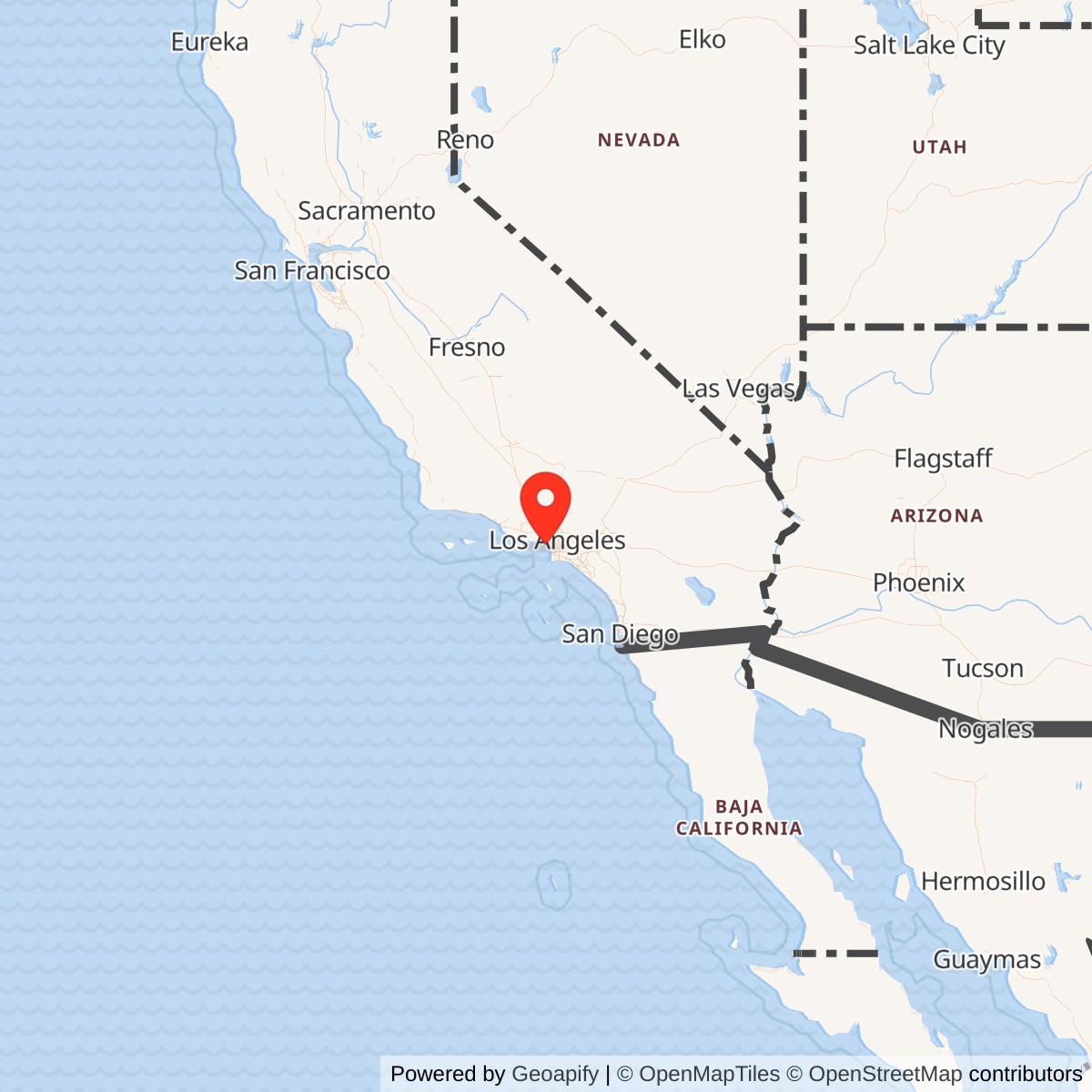
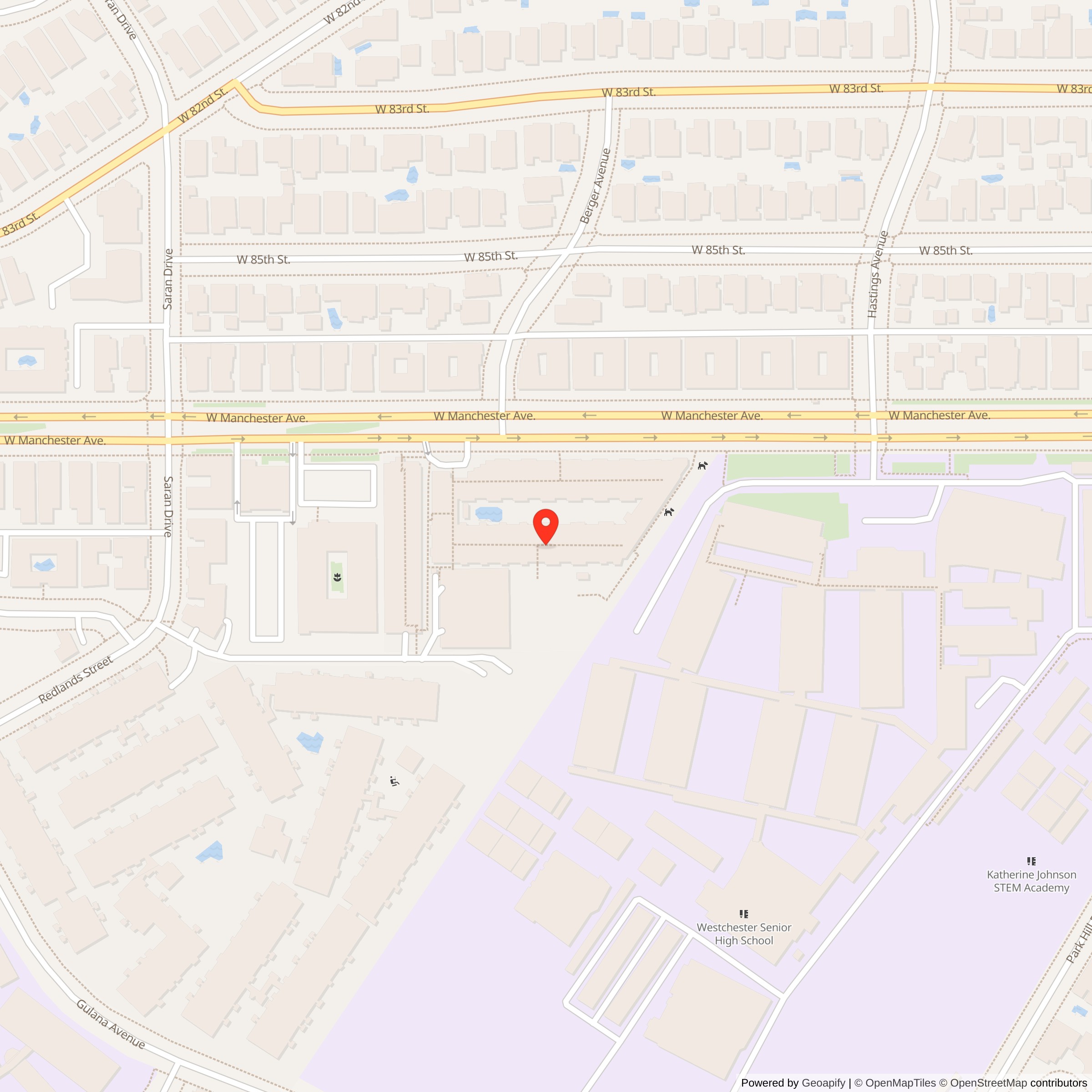
LA-73 was the other half of the Playa del Rey missile puzzle. Its control site watched from the LAX and Westchester edge, while its missiles were tied to the shared LA-70/LA-73 launch complex, one of the clearest examples of how Nike planners squeezed air defense into a crowded Los Angeles coastline.
LA-73 was associated with Playa del Rey and Los Angeles International Airport. The control area was in the Manchester Avenue and Westchester / Playa del Rey setting, while the launch function was shared with LA-70 at the Playa del Rey / LAX launch complex.
The Los Angeles Defense Area was one of the largest and most complex Nike air-defense networks in the United States. By the late 1950s, Los Angeles was ringed by sixteen Nike batteries. The defended area included the port and shipyards, Los Angeles and Long Beach industrial districts, aircraft plants, communications and transportation corridors, nearby military installations, and a major share of the nation's aerospace industry.
Nike batteries were the Army's final layer of continental air defense. Air Force warning radars and interceptor aircraft were supposed to meet enemy bombers farther out. If bombers reached the target region, the Nike batteries around Los Angeles would use ground-based radar, analog fire-control computers, and surface-to-air missiles to attempt an intercept.
Most Los Angeles sites began as Nike Ajax batteries. Ajax was a liquid-fueled, command-guided missile with a conventional warhead. Selected sites were later converted to Nike Hercules, a larger, solid-fueled, longer-range missile that could carry either conventional or nuclear warheads. The Los Angeles Hercules-converted sites were LA-04, LA-29, LA-32, LA-43, LA-55, LA-78, LA-88, LA-94, and LA-96. The Ajax-only sites were LA-09, LA-14, LA-40, LA-57, LA-70, LA-73, and LA-98.
A Nike battery was normally a split installation. The Integrated Fire Control area, or IFC, contained radar, computer, command, communications, and generator equipment. The launch area contained underground magazines, elevators, launchers, missile assembly and test facilities, security structures, roads, utilities, and support buildings.
Site Configuration and Decoded Meaning
Recorded configuration: Nike 1B, 2C/30A/12L-A.Decoded meaning: The launch area had three underground magazines total, one Type B and two Type C. The authorized missile load was 30 Nike Ajax missiles. The 12L-A ending means 12 Ajax launchers.
Site History and Setting
LA-73 was an Ajax-only battery active from 1956 to 1963. Like LA-70, it was not retained for Nike Hercules conversion, which means its importance lies in the early Ajax defense of the LAX and coastal approach rather than in the later nuclear-capable Hercules network.The shared launcher is the key site-specific issue. LA-70/LA-73 was a shared launcher, and Ed Thelen's California notes describe the launcher area as destroyed or obliterated in the early 1990s during Westchester Parkway construction.
Because LA-73's IFC and shared launcher were embedded in a rapidly urbanizing airport and coastal district, its post-closure footprint is mostly redevelopment rather than preserved military fabric. Source notes describe the control area as apartments and commercial or residential use, with the shared launcher/admin area tied to airport authority and Jet Pets-related reuse.
Units and Manning
No specific unit assignment was verified from the sources found. Use Los Angeles Defense Area, U.S. Army Nike Ajax battery, shared launcher with LA-70.Nike duty at LA-73 would have centered on readiness rather than combat action. Crews maintained radar, communications, generators, launchers, elevators, missile test equipment, fuel or missile-handling systems, security fencing, vehicles, and fire-control procedures. The site existed for an emergency that never came, but it had to be able to respond quickly if aircraft penetrated the outer air-defense screen.
Post-Closure and Current Status
The best status is closed, decommissioned, and obliterated or absorbed into airport-area roads, commercial use, and residential development.The closure of LA-73 fits the broader decline of the Nike system. By the late 1960s and early 1970s, the Soviet bomber threat had been overshadowed by intercontinental ballistic missiles, while the cost of maintaining large labor-intensive air-defense batteries became harder to justify. LA-94 closed in 1968, LA-29 closed in 1971, and the remaining Los Angeles Hercules sites were removed from service in 1974. Ajax-only sites such as LA-09, LA-14, LA-40, LA-57, LA-70, and LA-73 had already closed earlier.
Chronology
- Early 1950s The Army and Corps of Engineers selected permanent and alternate Nike sites around Los Angeles while gun batteries still formed part of the regional air-defense system.
- 1953 The Corps of Engineers Los Angeles District was obtaining properties for Los Angeles Nike batteries, using military property where possible and negotiating or acquiring non-DOD sites where necessary.
- 1954 to 1958 The permanent Los Angeles Nike ring came into operation, with Ajax batteries established around the basin, coast, mountains, and inland approaches.
- 1956 LA-73 entered active service.
- Late 1950s and early 1960s Selected Los Angeles batteries were converted to Nike Hercules. LA-73 should be treated according to its specific system type above.
- 1963 LA-73 was deactivated or removed from active Nike service.
- 1974 The remaining Los Angeles Nike Hercules sites were removed from service, ending the regional Nike mission.
List of all Nike Installations in California