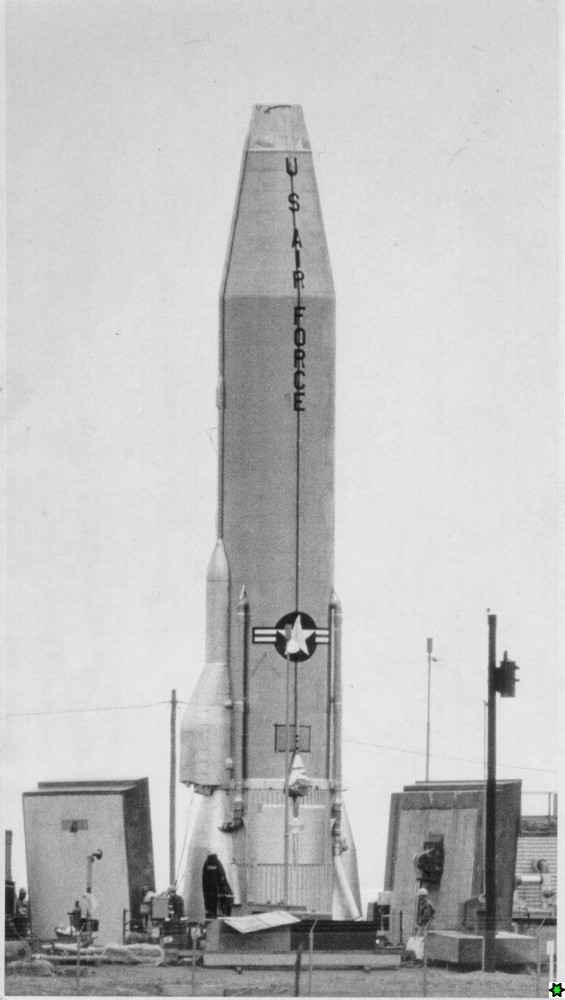
First deployed in September 1959, the Atlas (SM-65), was the nation's first operational
intercontinental ballistic missile (ICBM). The missiles, however, saw only brief service
and the last squadron was taken off operational alert in 1965. Despite its relatively short
life span, Atlas served as the proving ground for many new missile technologies. Perhaps more
importantly, its development spawned the organization, policies, and procedures that paved the way
for all of the later ICBM programs.
Summary of the Atlas Missile Development and deployment.
Here is info on the Atlas F's that were deployed at
Altus Air Force Base
Here is info on the Atlas F's that were deployed at
Dyess Air Force Base
Here is info on the Atlas E's that were deployed at
Fairchild Air Force Base
Here's the History of Missiles at F.E. Warren AFB
in Wyoming, which hosts Atlas, Minuteman, and Peacekeeper Missiles
Here is info on the Atlas E's that were deployed at
Forbes Air Force Base
Here is info on the Atlas F's that were deployed at
Schilling Air Force Base
Here is info on the Atlas F's that were deployed at
Lincoln Air Force Base
Here is info on the Atlas D's that were deployed at
Offutt Air Force Base
Here is info on the Atlas F's that were deployed at
Plattsburgh Air Force Base
Here is info on the Atlas F's that were deployed at
Walker Air Force Base
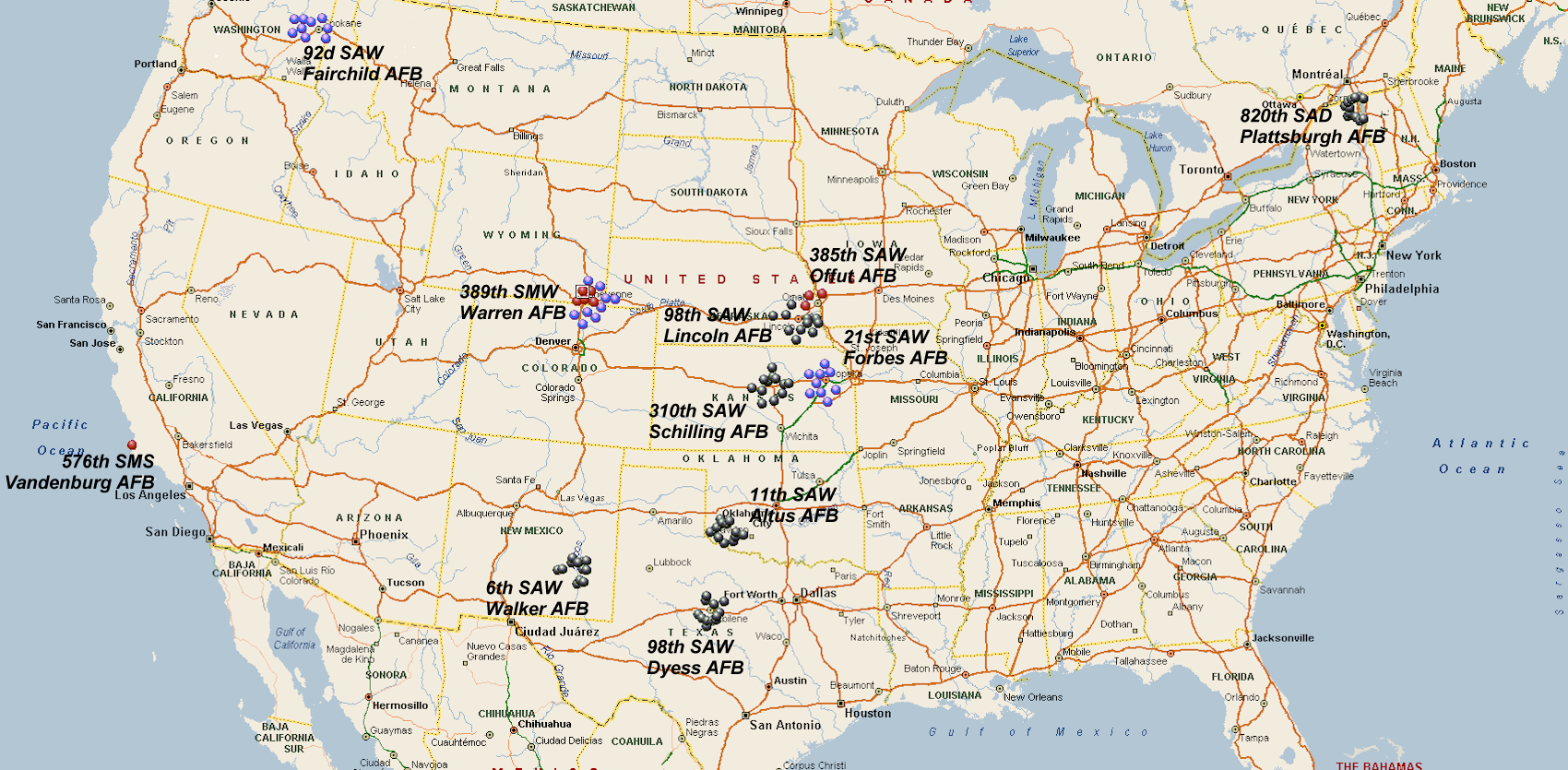
SM-65 Atlas deployment sites: SM-65D (Red), SM-65E (Purple), SM-65F (Black)
Video 1: Atlas The ICBM (1957).
Source: U.S. Air Force 1352nd Photographic Group, Lookout Mountain LaboratoryVideo 2: "On Target, The Atlas ICBM" (1958).
Source: General Dynamics Atlas Missile Flight TestVideo 3: Atlas Ready 1960.
Source: U.S. Air ForceVideo 4: Dr. Courtney Short, 310th Space Wing historian, explores the history of the Atlas F missile, once owned and operated by the 310th SW, while visiting its former missile silo in Wilson, Kansas.
Source: U.S. Air Force video by Master Sgt. Morris and Tech. Sgt. Devon Cole
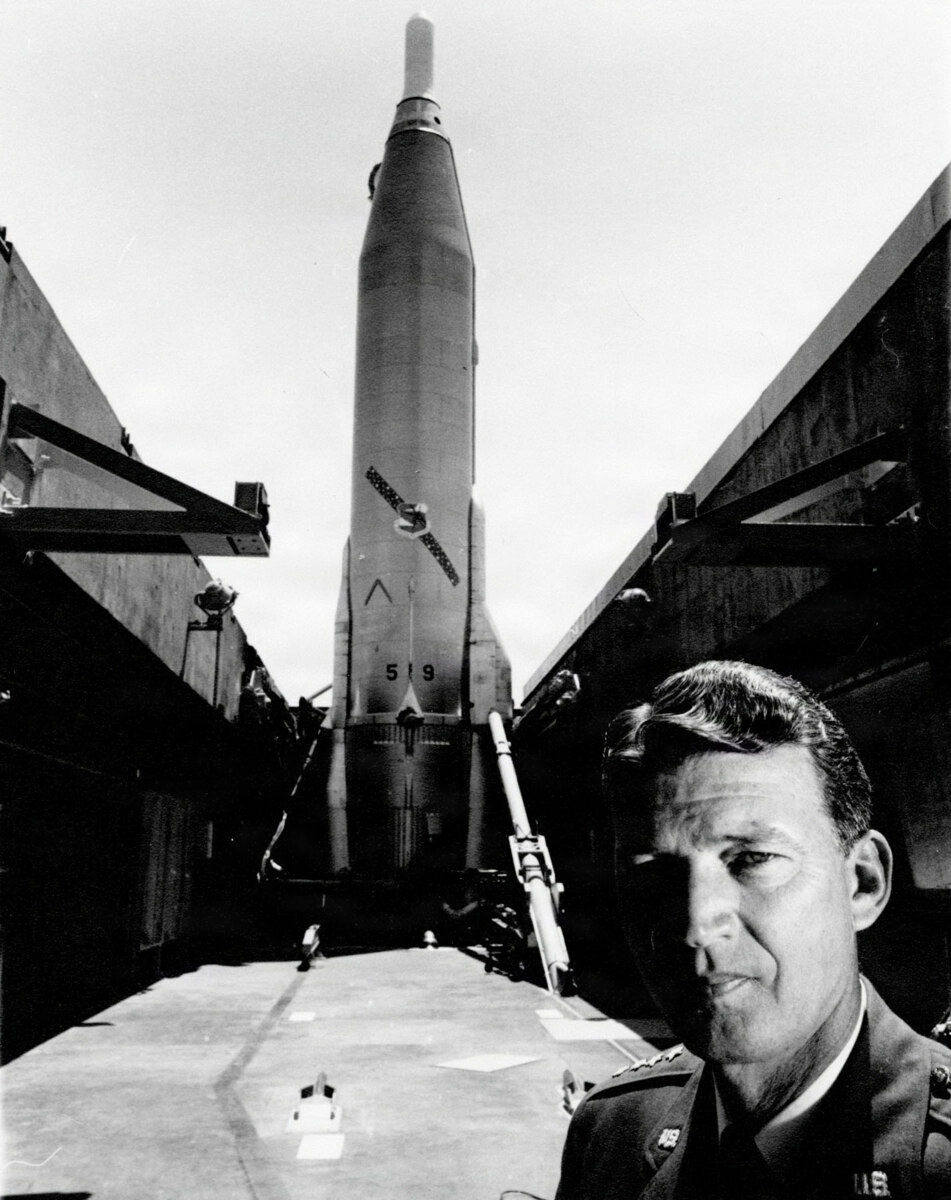
Gen. Bernard Schriever poses for a photo in front of an Atlas Missile, the Air Force's first Intercontinental Ballistic Missile. Known as the "Father of Air Force space and missiles," Schriever led the nation's Intercontinental Ballistic Missile program. Schriever was a regular visitor to Arnold Engineering Development Center during its early years and relied on AEDC for aerodynamic and rocket propulsion data. (U.S. Air Force photo)
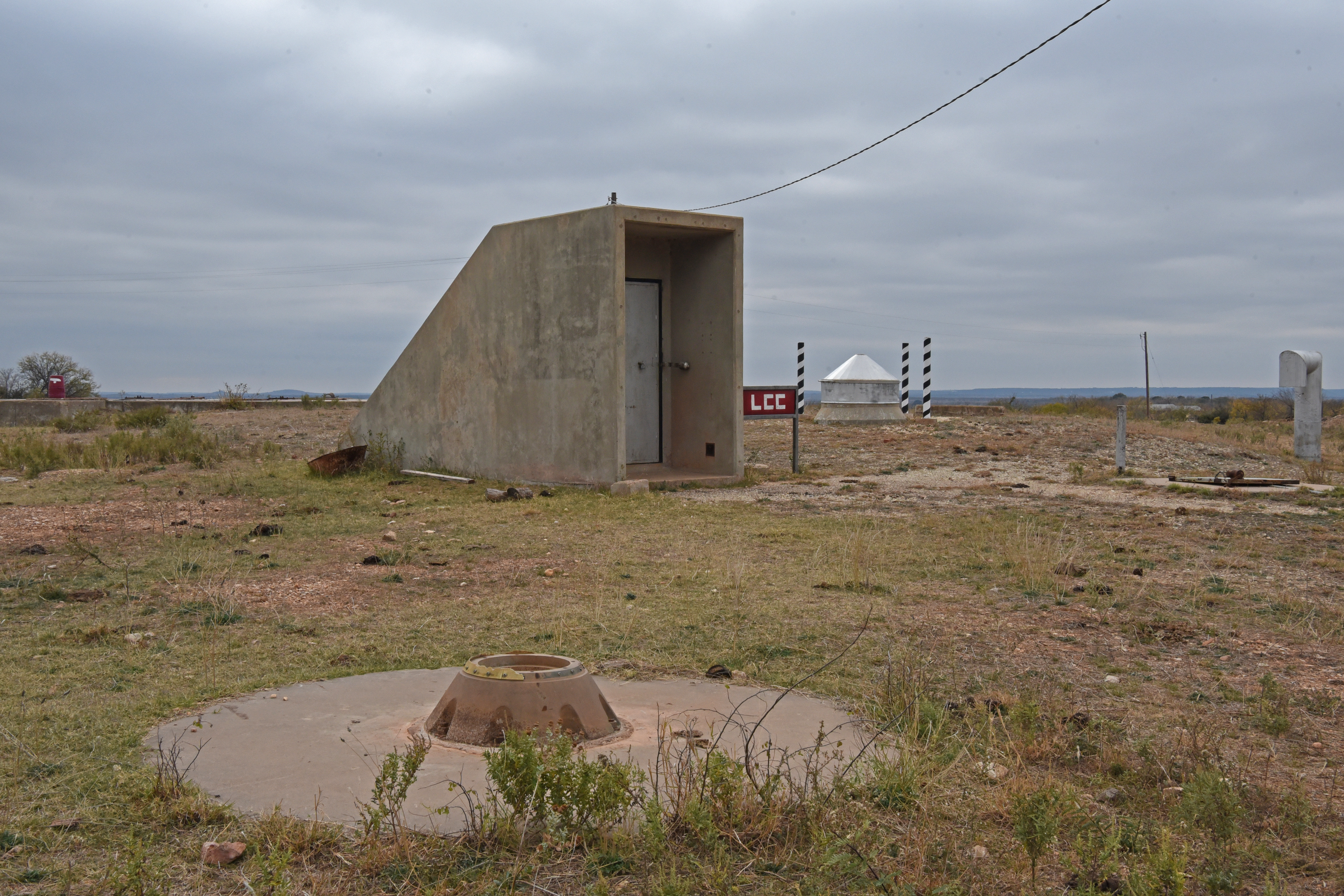
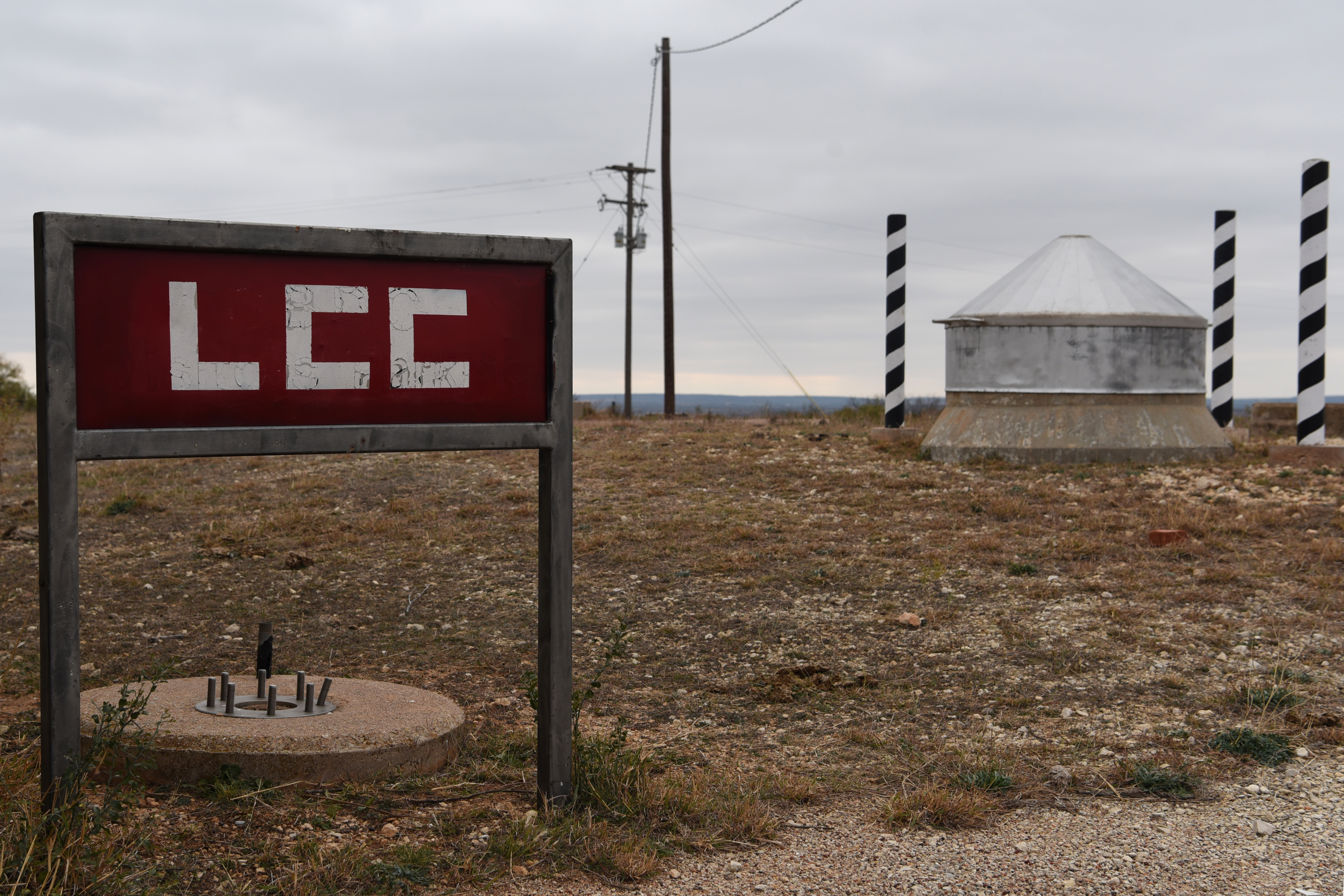
The above ground view at Lawn Atlas Missile Base's missile silo in Lawn, Texas, Dec. 3, 2020. The silo was a storage and launching facility for the Atlas intercontinental ballistic missile F series during the Cold War in 1962. (U.S. Air Force photo by Senior Airman Abbey Rieves)
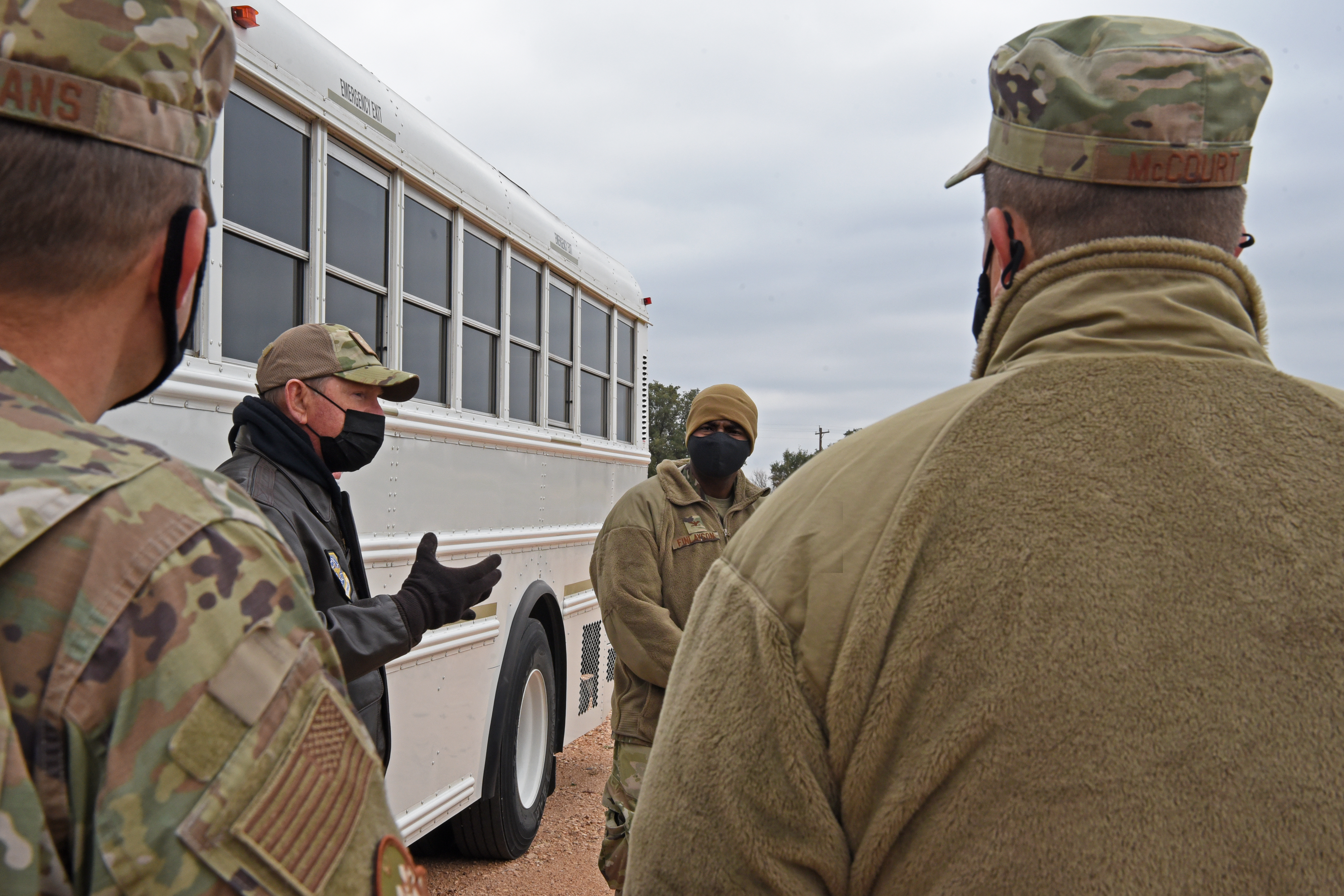
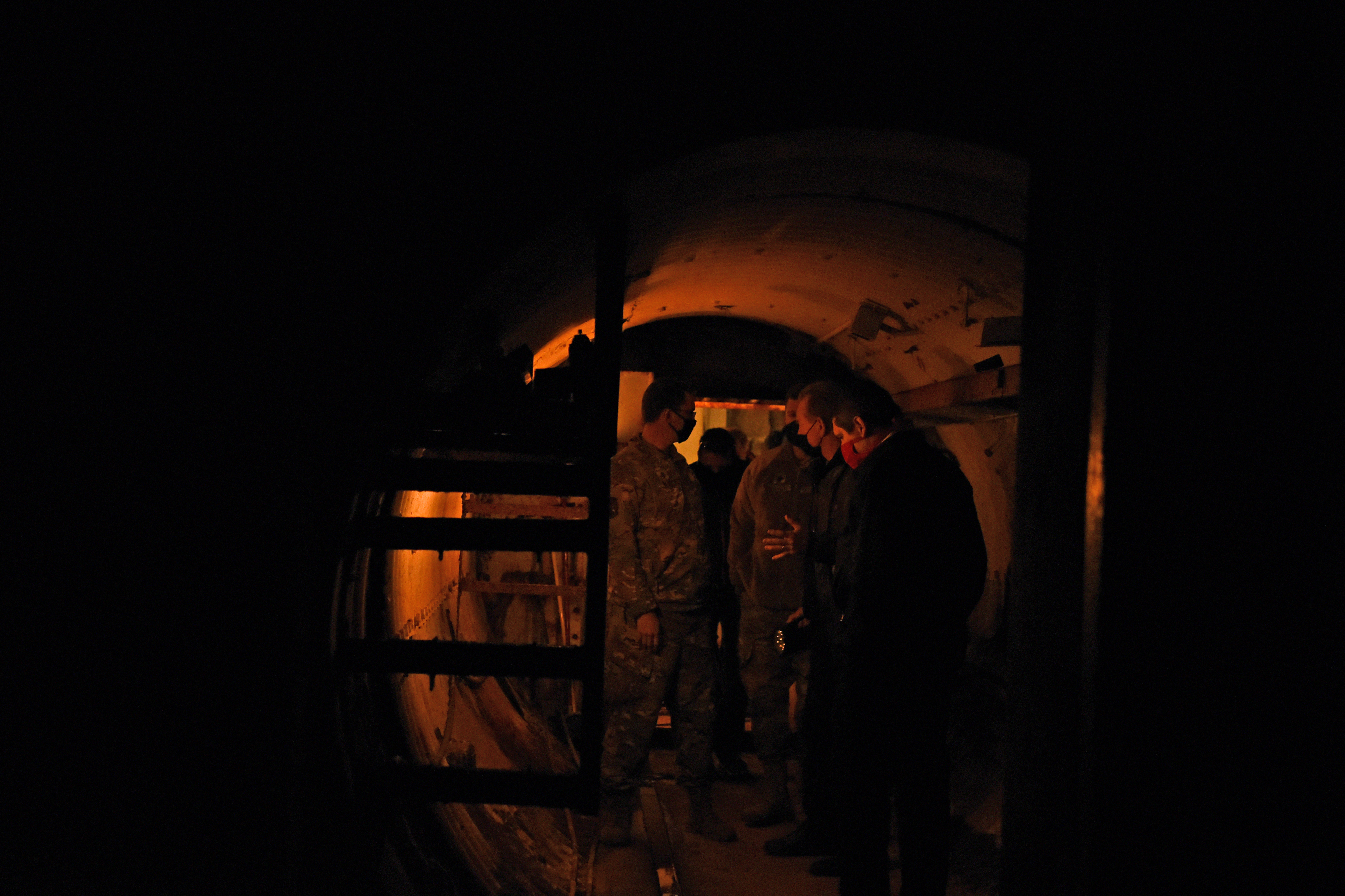
Owner of the Lawn Atlas Missile Base, Larry Sanders, discusses the Lawn Atlas Missile Base's historical value with Col. James Finlayson, 17th Training Wing vice commander and additional base leadership in Lawn, Texas, Dec. 3, 2020. LAMB was a storage and launching facility for the Atlas intercontinental ballistic missile F series during the Cold War in 1962, and was acquired by Sanders in 1999. (U.S. Air Force photo by Senior Airman Abbey Rieves)
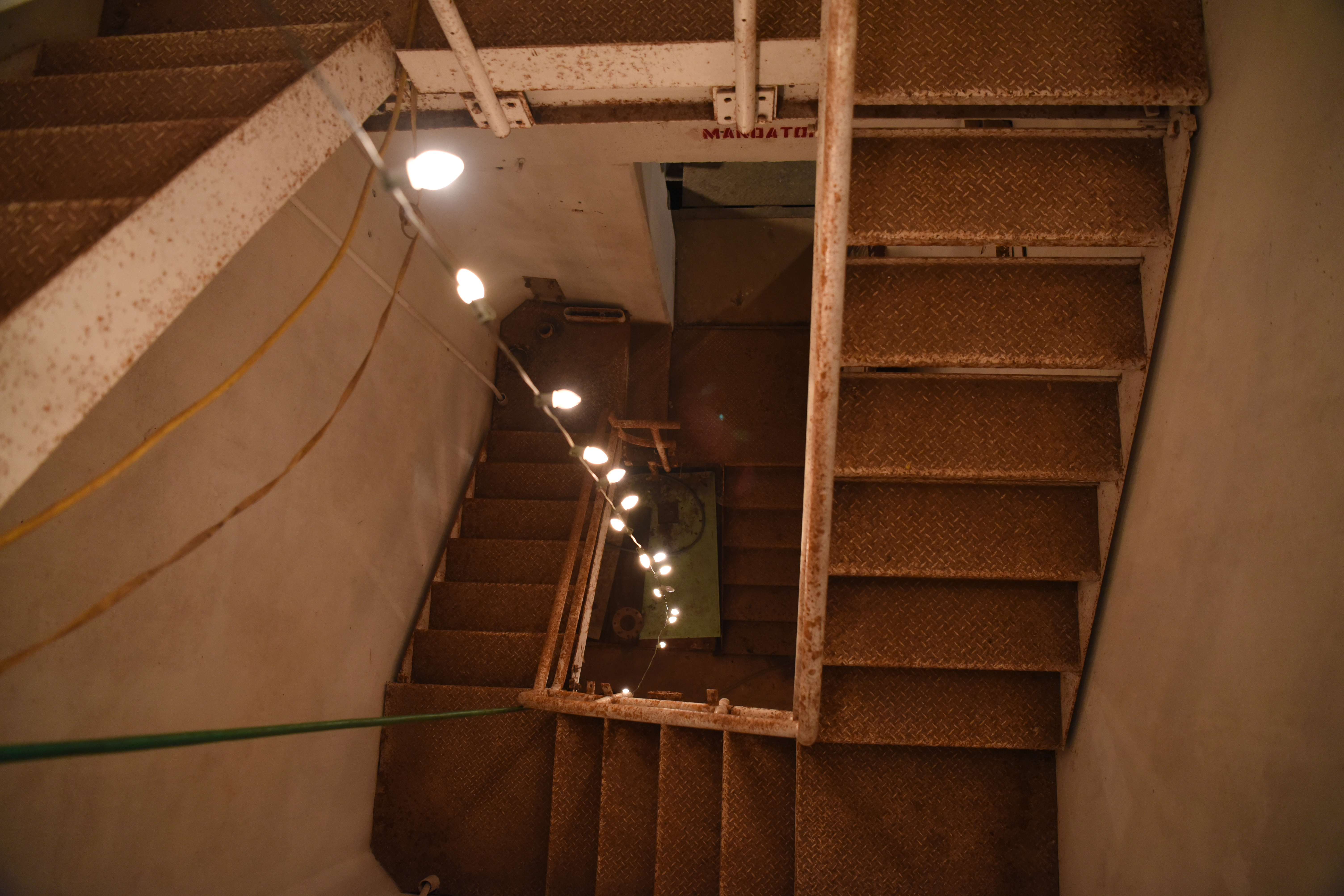
The staircase allows for descending inside the Lawn Atlas Missile Base's missile silo in Lawn, Texas, Dec. 3, 2020. Built during the Cold War in 1962, the silo housed Atlas, a one-and-a-half stage, liquid-fueled rocket, capable of launching low-orbit payloads. (U.S. Air Force photo by Senior Airman Abbey Rieves)
U.S. Air Force Lt Col. John Bergmans, 315th Training Squadron commander, enters the Lawn Atlas Missile Base's missile silo while exploring the narratives of actual personnel deployed to the site during the Cuban Missile Crisis in Lawn, Texas, Dec. 3, 2020. Bergmans attended the Staff Ride to LAMB in support of the 17th Training Wing Heritage Campaign Plan that was founded on Air Force heritage and the Airmen Warrior Ethos among attending personnel.. (U.S. Air Force photo by Senior Airman Abbey Rieves)
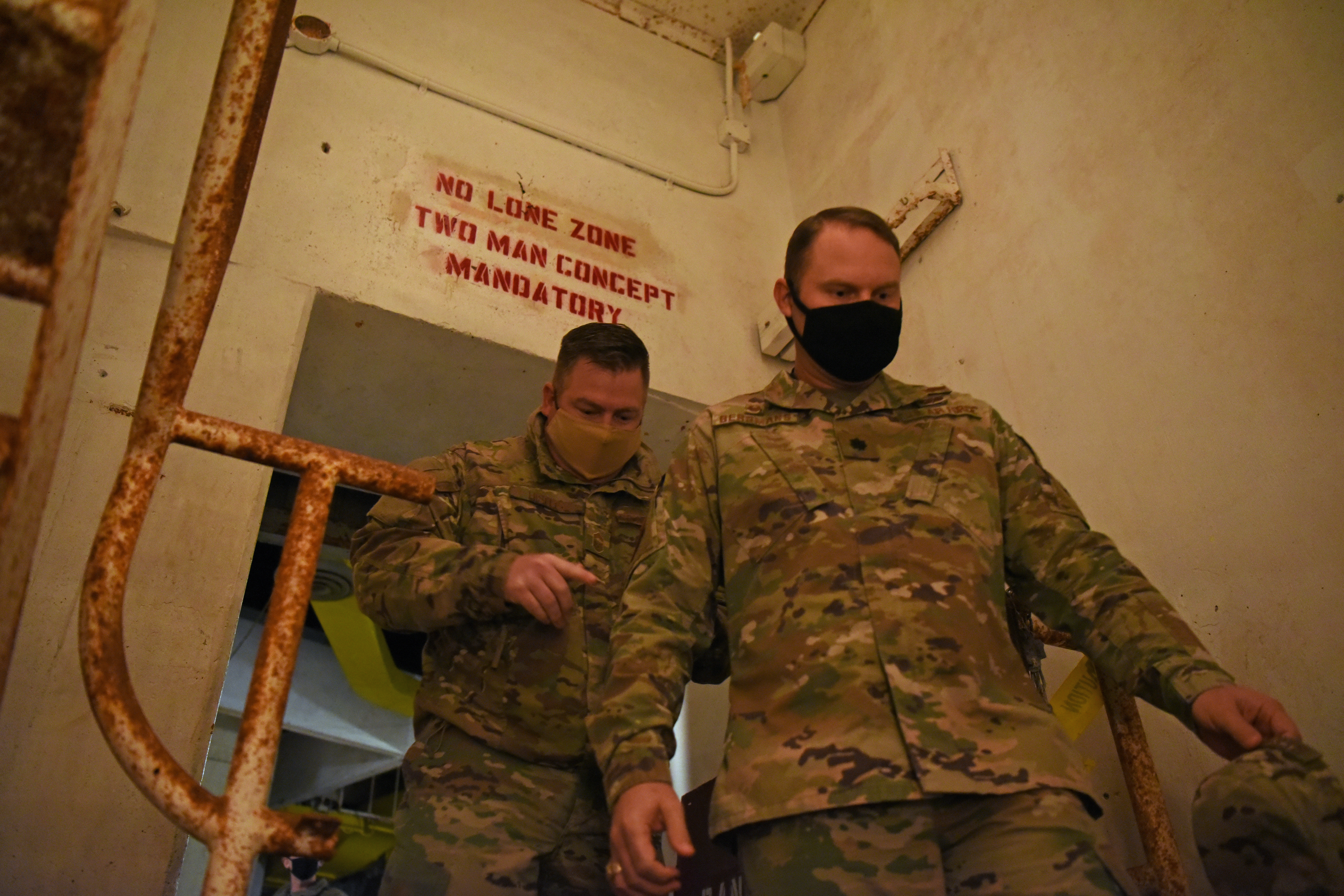
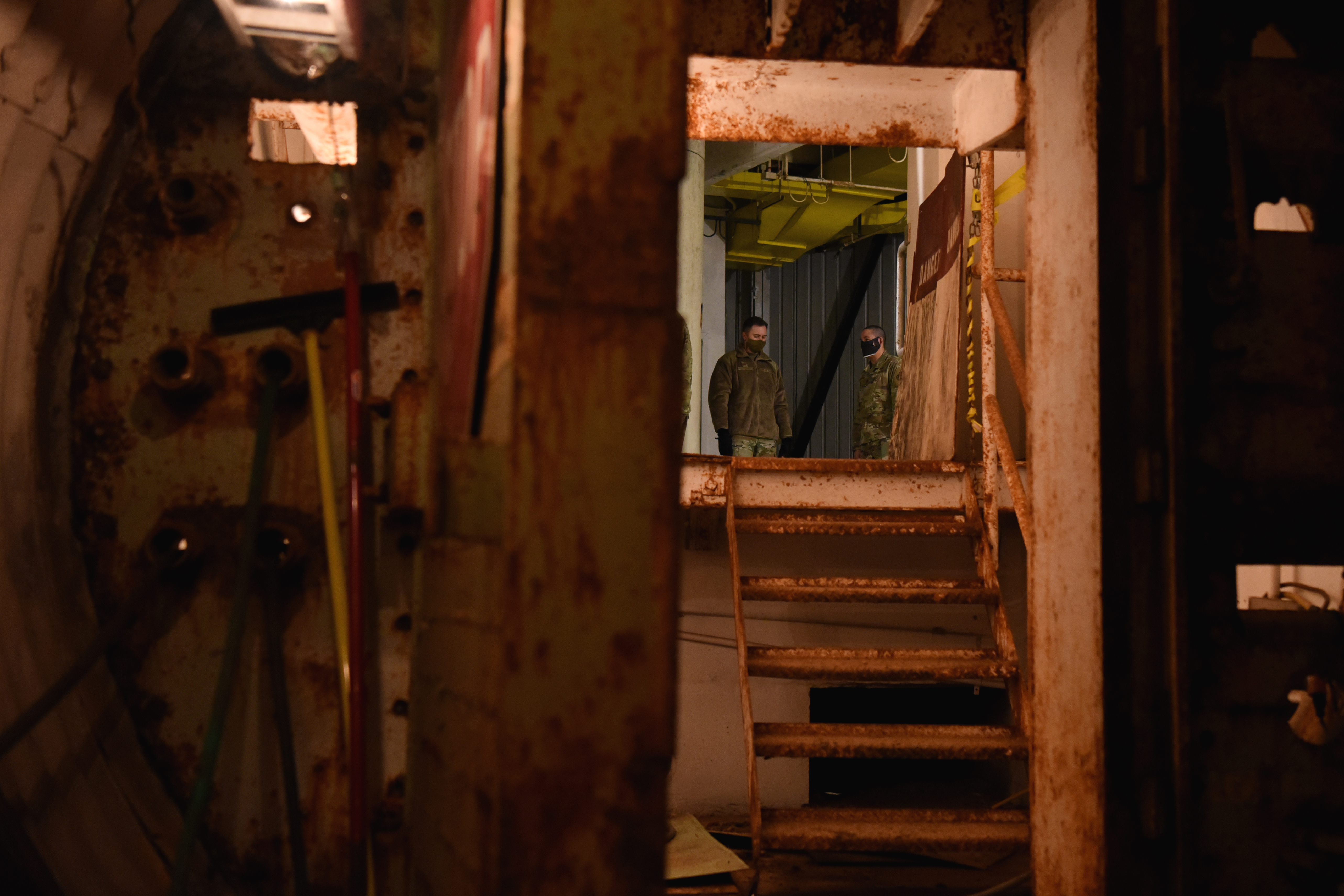
U.S. Air Force Chief Master Sgt. Toby Hiseley, 315th Training Squadron chief enlisted manager, and Lt Col. John Bergmans, 315th Training Squadron commander, descend into the Lawn Atlas Missile Base's missile tunnel to view the silo during an Air Force heritage and values tour of the LAMB site in Lawn, Texas, Dec. 3, 2020. When the Atlas program ended in 1965, the missiles were removed and all 12 sites were demilitarized. (U.S. Air Force photo by Senior Airman Abbey Rieves)
U.S. Air Force Col. James Finlayson, 17th Training Wing vice commander, observes the Lawn Atlas Missile Base's silo, in Lawn, Texas, Dec 3, 2020. The LAMB site was one of twelve built near Dyess Air Force Base, Texas and Finlayson saw how the 185-foot deep silo was lined with walls of concrete, epoxy-based resin and steel rebar, built to withstand a nuclear blast, and was filled with spring water. (U.S. Air Force photo by Senior Airman Abbey Reives)
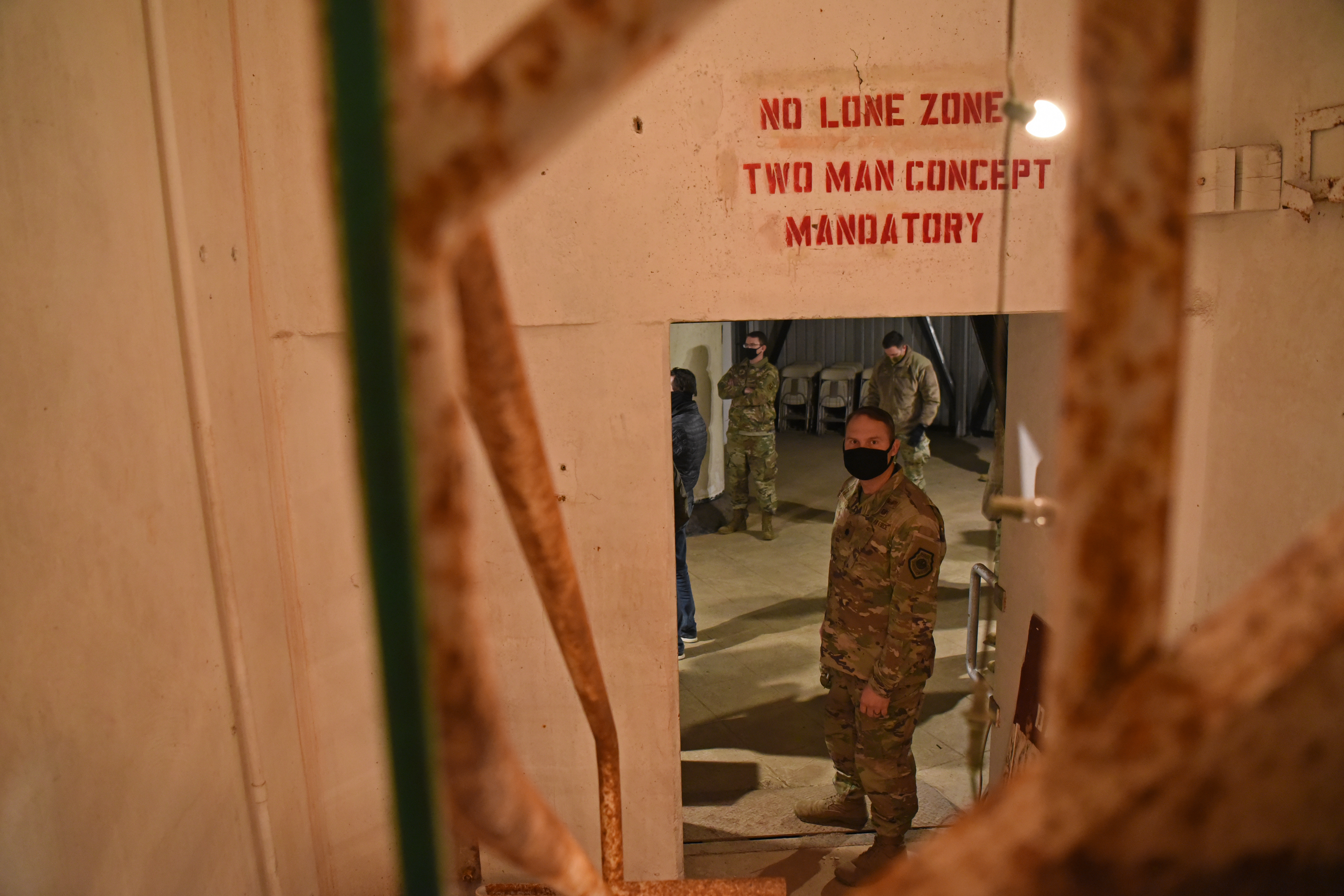
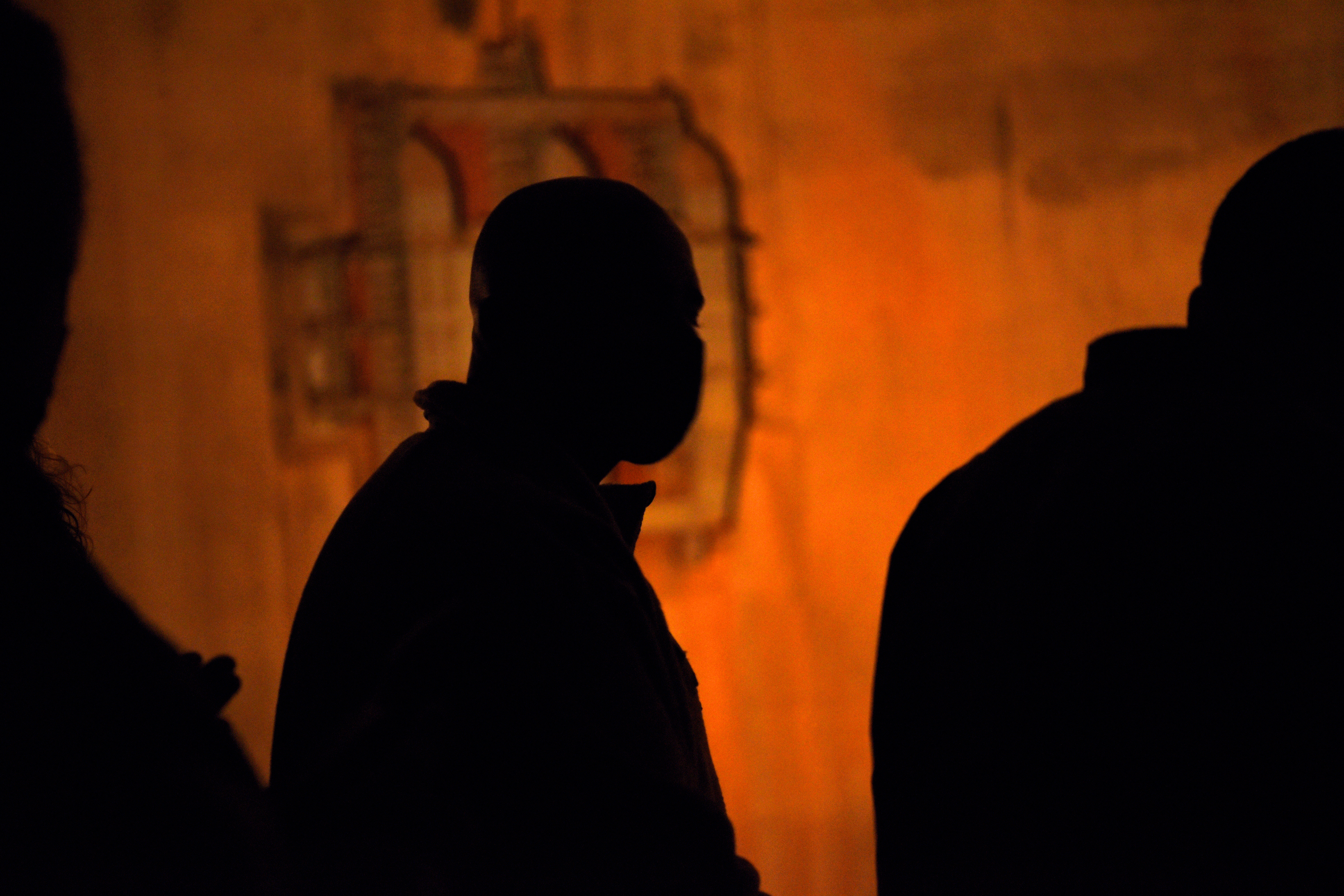
U.S. Air Force members of Goodfellow Air Force Base learn the significance of Lawn Atlas Missile Base's thick blast doors inside the tunnel on the way to the missile silo in Lawn, Texas, Dec 3, 2020. The underground tunnel connected the main missile silo to a launch control center, which was operated by a five-man crew during the Cold War in 1962. (U.S. Air Force photo by Senior Airman Abbey Rieves)
U.S. Air Force members of Goodfellow Air Force Base wait in the second floor of the launch control center for their turn to see the silo inside the underground portion of the Lawn Atlas Missile Base in Lawn, Texas, Dec 3, 2020. In 2008, LAMB was a recorded Texas Historic Landmark. (U.S. Air Force photo by Senior Airman Abbey Rieves)
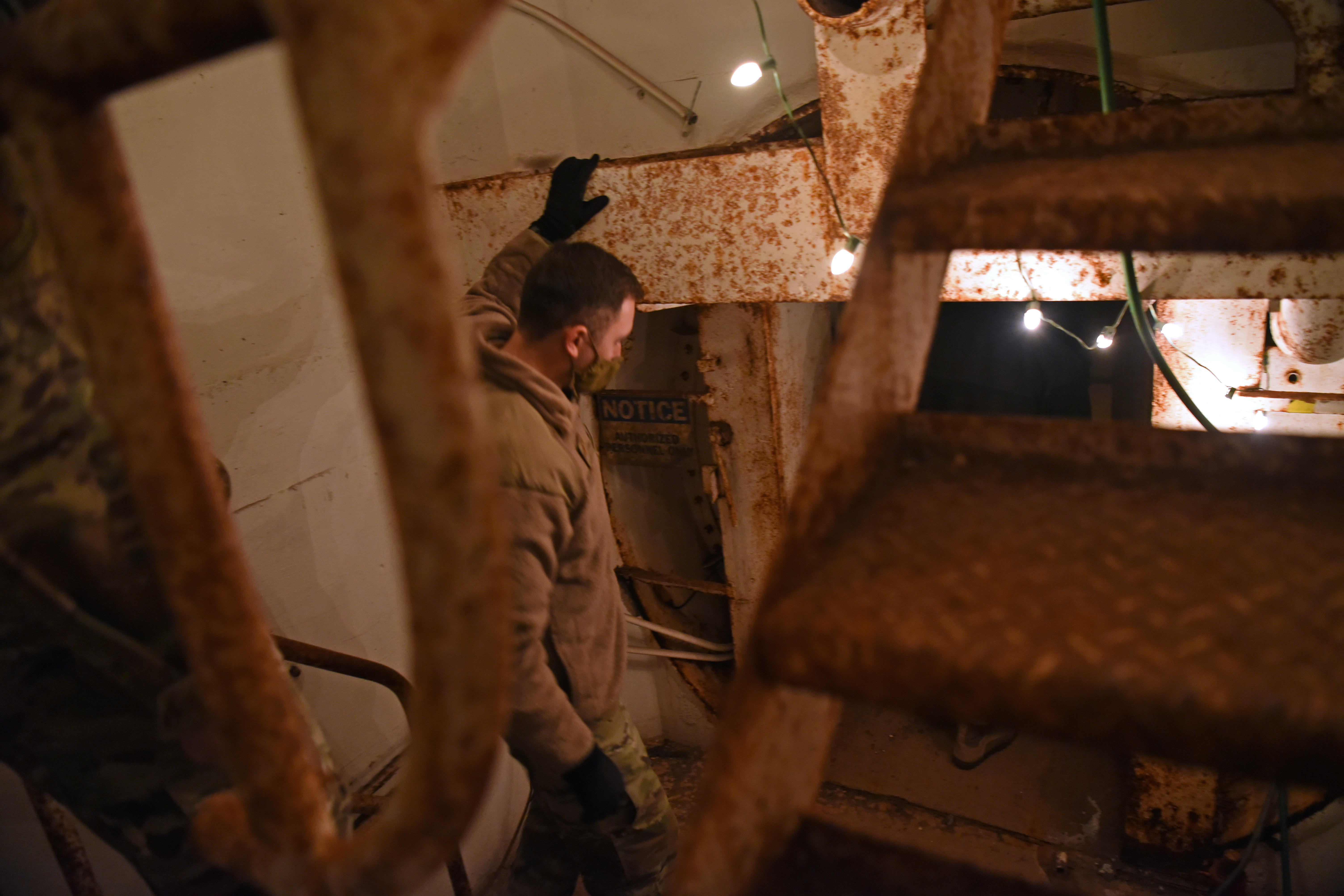
U.S. Air Force Maj. Joseph Newman, 17th Logistics Readiness Squadron commander, feels his way from the second level launch control center to the access tunnel to observe the 185-foot deep silo inside of Lawn Atlas Missile Base in Lawn, Texas, Dec. 3, 2020. The silo was filled with immense amounts of groundwater and rainwater, which flooded the silo over the years after its decommissioning. (U.S. Air Force photo by Senior Airman Abbey Rieves)
The above ground view of the launch control center's access point at Lawn Atlas Missile Base's missile silo in Lawn, Texas, Dec. 3, 2020. The entryway provided access, while support personnel and equipment were housed in two quonset huts for Atlas intercontinental ballistic missile F series during the Cold War in 1962. (U.S. Air Force photo by Senior Airman Abbey Rieves)