
Camp Tulelake / Tule Lake Branch Prisoner of War Camp, California
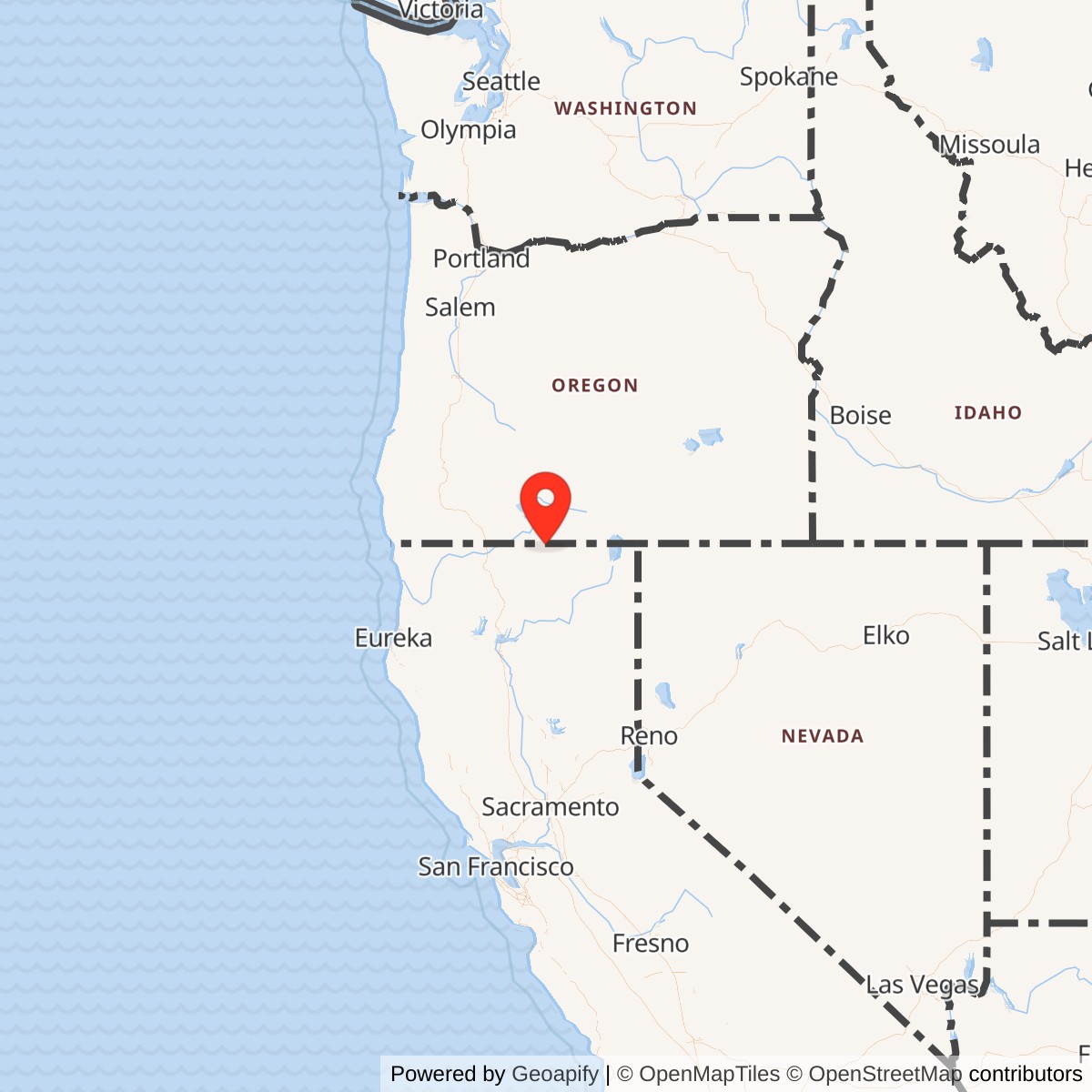
Longitude: -121.5681000
Official Base Website: Camp Tulelake, Tule Lake National Monument
Current Role: Closed former Army prisoner-of-war branch camp preserved within Tule Lake National Monument; U.S. Fish and Wildlife Service owns the Camp Tulelake land and co-manages the historic site with the National Park Service. Interior access is restricted and generally available only through ranger-guided programming when offered; roadside viewing is available outside the fence.
Camp Tulelake is a small surviving federal camp whose importance comes from the number of national programs that successively occupied the same group of utilitarian buildings. The Civilian Conservation Corps built the camp in 1935 for reclamation and wildlife-refuge work in the Tule Lake Basin. In 1943 the War Relocation Authority used the isolated facility to confine Japanese American men and later to house Japanese American farm workers brought from other incarceration centers during a labor strike. In 1944 the War Department converted the camp into a prisoner-of-war labor installation linked to Camp White in Oregon. That Army POW phase, lasting through 1946, is the military installation treated here.
The site must be distinguished from the Tule Lake War Relocation Center and later Tule Lake Segregation Center at Newell. Camp Tulelake stood several miles away on Hill Road and had originated as a CCC work camp before the wartime incarceration center was constructed. National Park Service histories explicitly separate the two sites, even though their histories intersected in 1943 when Japanese American men were moved from the main center to Camp Tulelake. The distinction matters for mapping, acreage, property history, and interpretation. The 66-acre Camp Tulelake site is not the 37-acre preserved portion of the Segregation Center and should never be represented as the same installation.
The Army phase was equally distinct from the camp's earlier civilian and War Relocation Authority uses. In May 1944, 150 Italian prisoners of war arrived in the Tulelake area and prepared Camp Tulelake to hold German prisoners. They installed fences, barbed wire, latrines, water lines, guard towers, and searchlights, converting an aging work camp into a controlled POW compound. German prisoners began arriving from Camp White near Medford, Oregon, in June. By October 1944 the camp held about 800 German POWs, who became an important seasonal agricultural labor force for the surrounding Tulelake Basin.
Camp Tulelake was therefore not a maneuver post, combat-unit cantonment, or independent permanent Army garrison. Its wartime military purpose was custody and labor administration. The Army confined enemy prisoners, guarded and supported them, and made their labor available to local agriculture during a severe wartime manpower shortage. The installation functioned in a larger POW system whose regional hub included Camp White, while the local agricultural demand came from the Tulelake Growers Association and farms dependent on timely onion and potato harvests. Its significance lies in that intersection of military custody, civilian food production, and federal land management.
Landscape and Civilian Conservation Corps Origins
The setting that made Camp Tulelake useful was created by reclamation as much as by military planning. The Tule Lake Basin lies in the Klamath region near the California-Oregon border, where federal reclamation projects transformed large areas of former lake and wetland into irrigated agricultural land. The Tule Lake National Wildlife Refuge, established in 1928, existed alongside this reclaimed agricultural landscape. Water-control structures, canals, dikes, roads, and refuge facilities required constant construction and maintenance. A federal work camp in this relatively isolated basin therefore had practical value years before the Army needed a POW labor site.
Construction of the Camp Tulelake complex began in June 1935. National Park Service documentation describes a 23-building camp laid out for CCC use, while Historic American Buildings Survey research identifies the original Bureau of Reclamation designation as Camp BR-20. The HABS record gives 1935-10-20 as the establishment date for that camp. It was temporarily disbanded in May 1936, reoccupied in October 1936, and continued under the Bureau of Reclamation until July 1938. These dates show that the surviving compound already had a complicated administrative history before World War II.
The CCC mission at Camp Tulelake concentrated on reclamation and refuge improvement rather than military training. Enrollees built water-control structures of timber and concrete, dug and repaired ditches, worked on canal banks, and increased reservoir capacity. They also supported the Tule Lake National Wildlife Refuge by constructing facilities and improving habitat. The work linked two federal goals of the New Deal era: providing employment and vocational discipline for young men, and developing western water and wildlife infrastructure. The camp's location beside Hill Road gave these crews a permanent operational base close to their work areas.
The Army nevertheless had an administrative role in the CCC system, which gives Camp Tulelake an earlier military connection without making the 1930s camp an Army installation in the same sense as the 1944 POW post. HABS documentation of California refuge camps describes Army personnel as responsible for running CCC camps, including commanding officers and support staff, while civilian agencies selected and supervised conservation projects. At Tulelake the Bureau of Reclamation and later the Biological Survey directed the work programs. The camp therefore combined military-style administration with civilian conservation labor long before the War Department assumed it for prisoner custody.
When the Bureau of Reclamation phase ended in July 1938, the camp did not disappear. The Biological Survey took over the property, and in 1939 a CCC organization moved from Clear Lake to Tule Lake and was redesignated Camp BF-3. Under Biological Survey supervision, the camp supported refuge headquarters construction, habitat projects, and other conservation work. This second CCC phase carried the site into the early World War II period. The persistence of the buildings and utilities through several administrative transitions is one reason the compound could later be adapted rapidly for confinement.
The CCC program ended nationally in 1942 as wartime mobilization drew manpower into military service and defense employment. Camp Tulelake closed during the summer of 1942 as its enrollees departed. The buildings remained on federal land, however, and the site's isolation, established utilities, barracks, mess facilities, shop space, and road access made it attractive for temporary wartime uses. What had been a work-relief installation was about to become a confinement site. That shift was possible because the federal government already controlled the ground and possessed a functioning camp framework that could be repaired instead of built from nothing.
War Relocation Authority Confinement in 1943
Camp Tulelake first entered the wartime confinement system in March 1943, before it became an Army POW camp. More than 100 Japanese American men at the nearby Tule Lake Relocation Center refused to complete the War Relocation Authority loyalty questionnaire. They were initially sent to county jails, but a judge determined that they had not violated the law. The WRA then used isolated Camp Tulelake to confine them away from the main center. This episode established the camp's first wartime role as a controlled detention site and gave the buildings a new purpose that would soon be expanded.
The men held at Camp Tulelake were not German or Italian prisoners of war, and their confinement should not be merged with the later Army POW mission. They were Japanese Americans already incarcerated by the federal government under the wartime exclusion and relocation program. National Park Service accounts state that they remained at Camp Tulelake for several months before returning to the main center. During their confinement they performed about $2,500 in repairs, including work on stove pipes, the sewer system, doors, and electrical fixtures. Those repairs materially improved the camp before its subsequent uses.
The physical separation between Camp Tulelake and the Tule Lake Relocation Center was part of the logic of the WRA's decision. The CCC compound stood on Hill Road in a more isolated setting, while the relocation center occupied a much larger purpose-built complex near Newell. Moving the protesters to the former CCC camp removed them from the population whose behavior the WRA feared they might influence. The site therefore functioned as an isolation facility, not simply overflow housing. That distinction is central to understanding why Camp Tulelake appears in both Japanese American incarceration history and Army POW history.
Later in 1943 the camp was drawn into another conflict over labor. After the Tule Lake center was converted into a segregation center, farm workers there went on strike following a fatal farm-truck accident and demanded safer conditions and changes in the disposition of food they produced. The WRA brought 243 Japanese American workers from other incarceration centers to the Tule Lake area to replace the striking workforce. These men were housed at Camp Tulelake rather than in the main center. National Park Service interpretation notes that they were offered substantially higher hourly pay than the normal WRA monthly rate and were not told the full circumstances of the strike.
This second 1943 episode changed the camp from an isolation jail into a labor-support barracks, foreshadowing the Army mission that followed. The same physical features that had made it useful for separating protesters now made it suitable for housing a controlled workforce close to agricultural fields. The labor crisis was not incidental to the site's military future. When local manpower shortages persisted into 1944, Tulelake agricultural interests again turned to the federal government for workers. This time the available labor pool would be enemy prisoners held by the War Department.
The 1943 use also explains why Camp Tulelake cannot be interpreted only through the lens of enemy POWs. The surviving barracks, mess hall, shop, and landscape carried the memory of multiple forms of federal confinement in a short period. Japanese American men were held there by the WRA before German POWs arrived under Army custody. The National Park Service and Fish and Wildlife Service preserve the site precisely because these overlapping histories expose how one utilitarian federal camp could be repeatedly adapted as national policy changed. The Army chapter is therefore inseparable from the camp's immediate wartime predecessor use, even though the legal status of the people confined there was different.
Conversion to an Army Prisoner-of-War Camp
By 1944 the Tulelake Basin faced a labor shortage created by wartime military service and defense employment. Agriculture in the basin depended on large seasonal work forces, particularly for labor-intensive onion and potato crops. The Tulelake Growers Association petitioned the federal government for assistance because local labor was insufficient to bring in the harvest. The War Department's POW system offered a solution already being used elsewhere in the United States. Camp Tulelake's existing federal buildings made it possible to create a branch labor camp close to the farms without constructing an entirely new installation.
The first POW group connected to the conversion consisted of 150 Italians sent to the Tulelake area in May 1944. National Park Service accounts describe these men as preparing the former CCC camp to receive German prisoners. They erected or improved fences and barbed wire, installed latrines and water lines, and constructed guard towers and searchlights. The Italian prisoners themselves lived in tents in the town of Tulelake while carrying out the work. Their labor effectively transformed the earlier work camp and WRA detention site into a military POW compound with the security features required for enemy prisoners.
German POWs began arriving in June 1944 from Camp White, the large Army installation near Medford, Oregon. This transfer is the strongest direct evidence for Camp Tulelake's operational connection to the Camp White prisoner system. Camp White had the administrative, transportation, medical, and guard infrastructure of a major wartime Army post, while Tulelake supplied a smaller labor site close to agricultural demand. Camp Tulelake thus functioned as a branch installation in a regional POW network rather than as an independent strategic prison. The prisoners moved outward from the larger Army system to where civilian labor requirements were most acute.
The exact U.S. Army guard unit assigned to Camp Tulelake has not been established in the official and archival sources. Federal histories clearly document Army control, POW transfers, physical security, labor, and the 1946 return of the camp to the Fish and Wildlife Service, but they do not name a local military police or guard company. That gap should be preserved rather than filled by inference from units known to have served at Camp White. The installation can be described confidently as an Army POW branch camp while leaving the guard detachment's formal designation unresolved.
The German prisoner population grew quickly during the 1944 agricultural season. By October the camp held approximately 800 German POWs, the peak figure given by the National Park Service. The rapid increase shows that Tulelake was not a token holding facility. It became a substantial seasonal labor installation whose prisoner population exceeded that of many small Army posts. The compound's security improvements, existing barracks, mess facilities, and proximity to farm transportation routes allowed the Army to sustain that population while assigning prisoners to field work across the basin.
Camp White Relationship
Camp Tulelake's relationship with Camp White is one of the defining facts of its Army history. The National Park Service states directly that the German prisoners who began arriving in June 1944 came from Camp White near Medford. Camp White was a major wartime Army installation in southern Oregon with a large troop and prisoner infrastructure, while Tulelake lay roughly to the southeast in California's agricultural basin. Moving prisoners from the larger post to Tulelake matched the national POW labor-camp model, in which branch camps placed prisoners near work sites that were too distant for efficient daily transport from a base camp.
Camp Tulelake was a separate physical compound with its own fences, guard towers, barracks, utilities, labor assignments, and local operational purpose. A prisoner housed at Tulelake lived and worked in a different military environment from one retained at Camp White. The site's mission was tied to specific agricultural shortages in the Tulelake Basin, and its property history followed the Fish and Wildlife Service rather than Camp White's postwar disposal. Administrative linkage does not erase installation-level distinctness.
The wording "branch camp under Camp White" is well supported by POW-camp rosters and the documented movement of prisoners from Camp White, but the federal public histories do not reproduce the War Department activation order that would establish every administrative detail. For that reason, the history treats Camp White as the parent POW system with high confidence while qualifying the exact command paperwork. This distinction matters because prisoner transfers can prove operational connection without necessarily proving every element of command authority.
Operationally, the two installations complemented one another. Camp White provided the larger Army framework, while Camp Tulelake solved a localized labor problem. The branch model reduced the distance between prisoners and agricultural work, limited transportation requirements during critical harvest periods, and let the Army support civilian food production without turning Tulelake into a permanent Army base. This relationship is a useful example of how World War II installations formed networks of main camps and temporary branches. Small sites like Tulelake were strategically modest individually but important to the efficiency of the larger wartime system.
Prisoner Labor and Daily Operations
The central Army mission at Camp Tulelake was to guard enemy prisoners while making their labor available to agriculture. German POWs planted, tended, and harvested onions and potatoes in the Tulelake Basin. These crops had narrow seasonal windows, which made labor shortages particularly dangerous to local production. The camp's success depended on moving prisoners from the compound to farms, supervising work, returning them under custody, feeding and housing them, and maintaining security throughout the agricultural season. Army administration therefore operated as both a custody system and a labor-distribution system.
The local need was directly connected to World War II mobilization. Men and women who might otherwise have worked in local agriculture had entered military service or defense employment, reducing the available civilian workforce. Tulelake farmers could not simply postpone harvesting until labor returned. Crops had to be handled before weather and field conditions ruined them. The Growers Association's appeal to the government turned the POW population into a wartime economic resource, and Camp Tulelake became the physical node through which that labor was organized.
The installation's peak of about 800 German prisoners in October 1944 coincided with the harvest period. This timing shows how closely the population was shaped by agricultural demand rather than by military training cycles. The Army did not need 800 prisoners at Tulelake because of a tactical threat or a large permanent garrison. It needed that capacity because hundreds of workers had to be available when crops required them. The site was thus a military installation whose operational tempo was determined partly by the agricultural calendar.
The prisoner labor mission continued through two growing seasons. National Park Service interpretation states that German POWs lived at the camp for roughly the next eighteen months after their arrival and that POW labor continued until the camp closed in 1946. The Army's responsibilities extended beyond field assignments because the prisoners remained enemy military personnel under U.S. custody. The compound needed reliable water, sanitation, food service, barracks space, perimeter control, guards, lighting, and transportation. The former CCC infrastructure provided a foundation, but the 1944 conversion added the security layer necessary for military confinement.
The Italian POW role was shorter and functionally different. They were the first prisoners sent to prepare the facility in May 1944, and their work made the subsequent German occupancy possible. Because they lived in tents in town while altering the compound, they occupied an unusual transitional position between construction labor and prisoner population. Their presence should not be represented as a long-term Italian branch camp of the same scale as the later German installation. The best-supported interpretation is that 150 Italian prisoners formed the conversion workforce before German POWs became the principal confined population.
No evidence located in the federal sources links Camp Tulelake itself to a prisoner escape, riot, combat action, or major security incident. That absence is historically meaningful because the camp's story centers on routine custody and labor rather than crisis. It would be wrong, however, to infer that daily operations were casual. Barbed wire, guard towers, searchlights, and controlled movement were built specifically because the men were prisoners of war. The absence of a documented dramatic incident does not change the camp's status as a guarded military confinement installation.
The camp also did not host an identified U.S. combat formation. The Army presence consisted of the command, guard, administrative, transportation, and support functions necessary to manage prisoners and work details, although the exact unit designation remains unresolved. No evidence shows a division, regiment, battalion, or comparable tactical unit assigned to Camp Tulelake as its home station. This is consistent with the branch-camp mission. The installation existed to support the POW system and civilian labor requirement, not to train an American combat unit.
Facilities and Physical Layout
Camp Tulelake's physical form originated in the standardized architecture of the Civilian Conservation Corps. Construction began as a 23-building camp arranged in a utilitarian plan that separated barracks, mess, maintenance, administrative, and service functions. Historic American Buildings Survey documentation emphasizes that the surviving property retains the recognizable design characteristics of a CCC camp. Those simple buildings later proved adaptable because they could house groups, feed them centrally, store equipment, and support maintenance. The Army inherited a functional camp framework rather than an empty tract of land.
The 1944 POW conversion changed the perimeter and security system more than the basic internal camp logic. Italian prisoners installed fences and barbed wire, latrines, water lines, guard towers, and searchlights. These features transformed a work-relief campus into a secure Army compound while allowing the existing barracks, kitchen, mess hall, garage, shop, and service areas to continue performing familiar functions. Security additions were therefore layered over a New Deal-era layout. The result was a military prison whose built environment visibly combined two federal periods.
The best-supported present acreage is 66 acres. The National Park Service General Management Plan identifies Camp Tulelake as a 66-acre component of the Tule Lake unit, owned by the U.S. Fish and Wildlife Service and co-managed with the National Park Service. That figure provides a reliable modern footprint for the surviving historic camp property. It is not proof that the 1944 fenced POW compound enclosed exactly 66 acres, because no surveyed War Department boundary map establishing that equivalence was located in the reviewed sources.
Only a fraction of the original buildings survives. The current National Park Service Camp Tulelake page identifies a barracks, kitchen and mess hall, garage and storage shop, and paint shop among the surviving structures. The 2018 management plan classifies the mess hall, shop, and barracks as contributing historic buildings and identifies the pump house and paint shop as noncontributing resources for preservation planning. This difference reflects preservation evaluation rather than a contradiction about physical survival. The remaining buildings demonstrate enough original fabric and setting for the HABS record to call Camp Tulelake a rare surviving CCC camp.
The landscape itself retains interpretive value beyond the surviving buildings. The management plan calls for attention to former roads, parking, circulation, the historic flagpole area, parade-ground features, and remnants or locations associated with the wartime security system. Even where fences and towers no longer stand, their documented locations explain how the Army changed movement through the camp. The surviving compound can therefore be read as both architecture and controlled space. Its value lies in the relationship among buildings, perimeter, roads, and the agricultural landscape that generated the POW mission.
Units, Organizations, and Systems
The U.S. Army and War Department controlled the camp during its 1944-1946 prisoner-of-war phase. The Army was responsible for custody, security, administration, movement, and transfer of enemy prisoners, and it returned the property to the Fish and Wildlife Service when the POW mission ended. No exact local guard-company designation was verified in the reviewed official record. That unresolved point should remain explicit, because naming a military police company by analogy with Camp White would convert an inference into a false assignment.
Camp White was the principal identified Army installation connected to Camp Tulelake. German POWs were transferred from Camp White beginning in June 1944, and Camp Tulelake functioned as a smaller labor branch positioned closer to the Tulelake Basin's farms. This made the two sites part of a shared prisoner system even though they were separated by state lines and had different local missions. Camp White's role was that of the larger military node. Tulelake's role was local confinement and agricultural labor support.
The Tulelake Growers Association was not a military organization, but it was essential to the reason the Army installation existed. Its petition for federal labor assistance responded to a wartime workforce shortage that threatened harvests. Local farms then became the principal work destinations for German prisoners. The relationship illustrates how civilian economic demand could shape the creation and operation of a temporary Army branch camp. Camp Tulelake was military in custody and command but agricultural in the work it enabled.
The U.S. Fish and Wildlife Service and National Park Service define the postwar and present institutional framework. The Army transferred the site back to the Fish and Wildlife Service in 1946. Decades later the property became part of a federally protected historic landscape, with USFWS retaining ownership and NPS sharing management and interpretation responsibilities. That succession makes Camp Tulelake unusual among former POW branch camps. Instead of disappearing entirely into private development, it retained federal ownership and enough original fabric to preserve multiple layers of national history.
Role in the Wider Military Network
Camp Tulelake belonged to the nationwide system that brought hundreds of thousands of Axis prisoners to the continental United States during World War II. Large base camps provided the principal administrative and security structure, while branch camps placed prisoners near farms, forests, factories, and other labor sites. Tulelake fit this model closely. Its prisoners came from Camp White, and its location placed them near seasonal agricultural work that could not be supported efficiently from a distant main camp. The installation's value came from its position in that distributed network.
The camp also linked the military POW system to the civilian food economy. Agricultural production was a national wartime requirement because the United States had to feed civilians, military forces, Allies, and overseas populations while millions of workers shifted into military or defense roles. Local onion and potato harvests were not strategic weapons, but failed crops added pressure to an already strained wartime labor system. Camp Tulelake converted military custody into controlled labor at the point of need. That is why a relatively small branch camp mattered beyond its fence.
A second federal network overlapped the military one. The same ground had been part of the CCC, Bureau of Reclamation, Biological Survey, War Relocation Authority, and Fish and Wildlife Service systems. Each agency used the buildings for a different purpose, but all depended on federal land control and the site's infrastructure. The Army's POW mission therefore did not create Camp Tulelake from scratch. It temporarily inserted a military custody function into a federal landscape already shaped by conservation, reclamation, and wartime incarceration policies.
The nearby Tule Lake Segregation Center added another connection without becoming the same installation. Japanese American men from that center were confined at Camp Tulelake in 1943, and workers from other WRA centers were housed at the camp during the farm strike. One year later, enemy POWs occupied the converted site under Army control. This sequence makes Camp Tulelake a rare place where the histories of the New Deal, Japanese American incarceration, enemy POW confinement, and wartime agricultural labor physically overlap. Its wider significance comes from that convergence rather than from combat operations.
Closure and Transfer
The Army POW mission ended in 1946. Current National Park Service sources verify the year but do not provide a day-level closure order. Some secondary references provide a more exact spring date, but the federal histories do not reproduce the underlying Army order.
By the time the camp closed, the German prisoners had been removed from the Tulelake labor system and the wartime manpower emergency was ending. The Army no longer needed a branch compound dedicated to seasonal farm labor. Unlike a permanent post, Camp Tulelake had little independent reason to remain under War Department control once the POW mission disappeared. Its land and buildings had originated in civilian federal programs and stood on a wildlife-refuge landscape. Returning the property to the Fish and Wildlife Service was therefore a restoration of the site's longer administrative relationship.
The Army transferred Camp Tulelake back to the Fish and Wildlife Service in 1946. At that time three barracks were moved to the Sacramento National Wildlife Refuge for staff quarters. This transfer is an important piece of the installation's physical disposition because it explains both the reduced building count at Tulelake and the survival of CCC structures elsewhere. Other facilities remained for federal reuse. The postwar history was therefore not a single demolition event but a mixture of relocation, adaptation, storage, and gradual loss.
The former POW security system largely disappeared as military custody ended. Barbed wire, searchlights, and guard towers no longer had an operational purpose, while barracks, mess, shop, and service structures could still support refuge work. This selective survival changed how the camp looked without erasing its basic plan. The Army's most visibly military additions were among the least useful features after 1946. The more ordinary CCC buildings endured because they could be converted to storage, housing, maintenance, and later interpretive purposes.
No post-World War II Army unit is documented as returning to Camp Tulelake for a new operational mission. The site had no Korean War, Vietnam War, Cold War training, mobilization, or later contingency role comparable to active military reservations. Its military history effectively ended with the POW transfer and 1946 property return. Later federal activity belonged to wildlife management, maintenance, preservation, and interpretation. This distinguishes Camp Tulelake from installations that survived World War II through Reserve, National Guard, or other defense reuse.
Fish and Wildlife Service Reuse
During the 1950s the Fish and Wildlife Service used many of the remaining Camp Tulelake buildings for storage, and the former mess hall was converted to temporary housing. This reuse kept portions of the compound occupied even as the military perimeter vanished. Federal ownership prevented immediate subdivision or private redevelopment. The camp's survival was therefore partly accidental, the product of practical refuge needs rather than an early decision to preserve a POW site. Buildings remained because they were useful.
One of the more unusual postwar adaptations involved a section of a building converted into a muskrat skinning shed. In 1963 that space became a covered lumber-drying shed. These changes reveal how thoroughly the site had moved away from military use. A structure that had supported a wartime confinement complex became part of ordinary wildlife-refuge maintenance and resource work. Such adaptations also altered historic fabric, complicating later preservation efforts. Camp Tulelake survived not as a frozen 1944 landscape but as a working federal property repeatedly modified for new functions.
A regional sign shop became the most important long-term postwar operation. The National Park Service states that sign production began in May 1960 in the north end of the remaining barracks. The shop produced signs for wildlife refuges across California, Oregon, Washington, Idaho, Nevada, and Hawaii. More than 6,000 wood, metal, and colored signs were produced before the operation closed in December 1974. The former barracks thus became a service facility for a broad western refuge network, giving the site another system-level role after the Army departure.
As refuge operations changed, the surviving camp again lost a regular working mission. Buildings deteriorated, and some were moved or removed over the decades. The fact that the compound had never been designed for permanence made preservation especially difficult. Wood-frame CCC buildings were inexpensive and functional, not monumental. By the end of the twentieth century the surviving structures were historically significant precisely because so many comparable camps had vanished. Camp Tulelake became rare through attrition.
Preservation and National Monument Status
Historic American Buildings Survey documentation in the 1990s created an important architectural record before further loss could occur. The Library of Congress survey, HABS CA-2683, includes seven large-format photographs, thirty-three data pages, and a caption sheet. It identifies the site as a rare surviving CCC camp and emphasizes both its original design characteristics and its later military significance. The HABS work is especially valuable because it records the relationship among the barracks, mess hall, shop, and Hill Road landscape rather than treating each building in isolation.
Preservation activity accelerated in 2006 when the Klamath Basin Wildlife Refuge Association received a Preserve America grant. Volunteers contributed more than 800 hours to stabilize part of the barracks, relevel thousands of square feet of floor, protect the roof, reinstall windows, and remove some later alterations. This work was stabilization rather than complete restoration. It recognized that the first task was preventing the loss of historic fabric. The effort also marked a change in how the property was valued, from aging refuge infrastructure to a nationally significant historic site.
In 2008 Camp Tulelake became part of the Tule Lake unit of World War II Valor in the Pacific National Monument. Federal reorganization in 2019 separated the Tule Lake component into the standalone Tule Lake National Monument. The National Park Service now interprets Camp Tulelake together with the Segregation Center and the Peninsula while preserving their separate geography and histories. U.S. Fish and Wildlife Service ownership of Camp Tulelake continues, with NPS and USFWS sharing management responsibilities. This arrangement reflects the site's dual identity as both refuge property and nationally important cultural resource.
The 2018 General Management Plan identified the mess hall, shop, and barracks as contributing historic buildings requiring stabilization. It also proposed future work on circulation, landscape features, and interpretation of the CCC and World War II periods. The plan listed a hazardous-materials survey among recommended data needs for Camp Tulelake. That planning item should not be confused with evidence of an active Army cleanup program.
Current Status
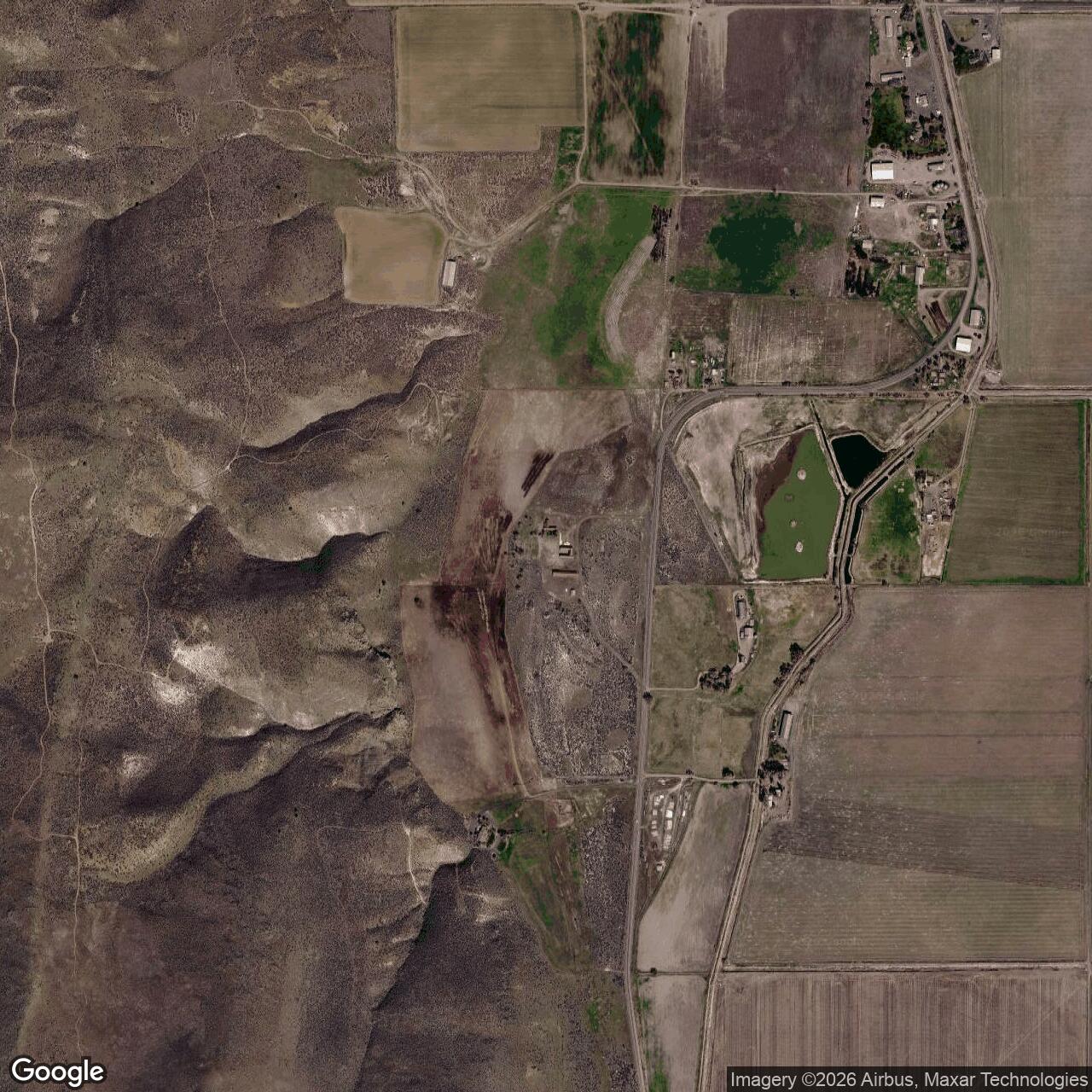
Camp Tulelake today is a closed former Army POW installation preserved within Tule Lake National Monument. The site remains on land owned by the U.S. Fish and Wildlife Service and is co-managed with the National Park Service. It is reached from Hill Road near the Klamath Basin National Wildlife Refuge Visitor Center. Current federal visitor information restricts interior access, with entry dependent on ranger-guided programming when available. Visitors can view and photograph the surviving buildings and roadside exhibits from outside the fence.
The 66-acre Camp Tulelake site is one of several separate landscapes used to interpret the wider Tule Lake story. It should not be mapped at the Segregation Center visitor center or at Newell. The surviving camp occupies the Hill Road location documented by the Library of Congress and federal preservation plans.
The principal surviving historic resources are the barracks, mess hall, and shop complex, with additional structures reflecting later modifications and changing preservation classifications. Their physical condition has required stabilization and long-term planning. The site retains enough original fabric and setting for the HABS documentation to emphasize its rarity as a surviving CCC camp. Its significance is amplified because the same buildings witnessed CCC life, Japanese American confinement, POW custody, agricultural labor administration, and postwar Fish and Wildlife Service reuse.
Chronology
- 1928 Tule Lake National Wildlife Refuge was established, creating the federal refuge landscape in which Camp Tulelake would later operate.
- 1935-06 Construction began on the 23-building Camp Tulelake complex for Civilian Conservation Corps use.
- 1935-10-20 Camp Tulelake was established as Bureau of Reclamation Camp BR-20.
- 1936-05 Camp BR-20 was temporarily disbanded.
- 1936-10 The Civilian Conservation Corps reoccupied Camp Tulelake.
- 1938-07 The Bureau of Reclamation CCC operation ended and its personnel transferred to the Orland Project.
- 1938 The Biological Survey took over the former BR-20 camp property.
- 1939 A CCC organization moved from Clear Lake to Tule Lake and was redesignated Camp BF-3 under Biological Survey supervision.
- 1939-1942 Camp BF-3 supported refuge headquarters construction, habitat improvements, water-control work, and related conservation projects.
- 1942-06 Congress terminated the Civilian Conservation Corps program during wartime mobilization.
- 1942 summer Camp Tulelake closed as CCC enrollees departed for military service and wartime employment.
- 1943-03 More than 100 Japanese American men who refused to complete the WRA loyalty questionnaire were confined at Camp Tulelake.
- 1943 spring The men confined at Camp Tulelake repaired utilities, doors, electrical fixtures, stove pipes, and other camp features.
- 1943 The confined Japanese American men were eventually returned from Camp Tulelake to the main Tule Lake center.
- 1943 late A farm-labor strike at the Tule Lake center created another federal use for Camp Tulelake.
- 1943 late The WRA housed 243 Japanese American workers brought from other incarceration centers at Camp Tulelake during the harvest dispute.
- 1944-05 The federal government sent 150 Italian POWs to the Tulelake area to prepare Camp Tulelake for Army prisoner-of-war use.
- 1944-05 Italian POWs installed or improved fencing, barbed wire, latrines, water lines, guard towers, searchlights, and other security infrastructure.
- 1944-06 German POWs began arriving at Camp Tulelake from Camp White near Medford, Oregon.
- 1944 summer German prisoners began agricultural labor supporting onion and potato production in the Tulelake Basin.
- 1944-10 Camp Tulelake reached a documented peak of approximately 800 German POWs.
- 1945 German POW agricultural labor continued through another growing season under Army custody.
- 1945 Camp Tulelake remained part of the Camp White-linked regional POW labor system as the European war ended.
- 1946 POW operations ended and Camp Tulelake closed as an Army prisoner-of-war installation.
- 1946 The Army transferred Camp Tulelake back to the U.S. Fish and Wildlife Service.
- 1946 Three former Camp Tulelake barracks were moved to Sacramento National Wildlife Refuge for staff quarters.
- 1950s Remaining Camp Tulelake buildings were used for storage and the former mess hall served as temporary housing.
- 1960-05 The Fish and Wildlife Service began regional sign production in the north end of the surviving barracks.
- 1963 A former muskrat-skinning shed at the camp was converted into a covered lumber-drying shed.
- 1974-12 The regional sign shop closed after producing more than 6,000 signs for western wildlife refuges.
- 1997 Historic American Buildings Survey photography and documentation recorded Camp Tulelake as HABS CA-2683.
- 2006 Preserve America grant work and volunteer labor began stabilizing the surviving barracks.
- 2008 Camp Tulelake became part of the Tule Lake unit of World War II Valor in the Pacific National Monument.
- 2018 The Tule Lake General Management Plan identified Camp Tulelake as a 66-acre USFWS-owned site co-managed with NPS and established preservation priorities.
- 2019 Federal legislation reorganized the Tule Lake unit as the standalone Tule Lake National Monument.
- Present Camp Tulelake remains a closed former Army POW installation and preserved historic site with restricted interior access and federal interpretation.
Information sources (14)
- WEBNational Park Service, Camp Tulelake
Primary source for Camp Tulelake history, 1943 confinement, 1944 POW conversion, Camp White transfers, peak POW population, 1946 transfer, postwar reuse, and restoration.
- WEBU.S. Fish and Wildlife Service, Camp Tulelake
Current federal source for ownership context, co-management, Hill Road location, historic uses, and visitor access.
- WEBNational Park Service, Camp Tulelake Pamphlet
Federal interpretive source for the CCC, Japanese American confinement, Italian POW conversion work, German POW labor, and surviving camp history.
- WEBNational Park Service, Tule Lake Unit General Management Plan and Finding of No Significant Impact
Primary planning source for the 66-acre Camp Tulelake footprint, USFWS ownership, NPS co-management, contributing resources, and preservation priorities.
- WEBLibrary of Congress, Historic American Buildings Survey, Camp Tulelake HABS CA-2683
Federal architectural record for the camp's location, physical survival, historic significance, seven HABS photographs, and National Register identification.
- PDFLibrary of Congress, HABS Sacramento National Wildlife Refuge Headquarters Complex
Federal HABS contextual source for the CCC refuge system, Camp BR-20 establishment on 1935-10-20, 1938 transition, and Camp BF-3 phase.
- WEBNational Park Service, The American Home Front During World War II
Context source for the national prisoner-of-war system and the use of POW camps throughout the United States.
- WEBNational Park Service, Basic Information for Tule Lake National Monument
Current source for monument operations and restricted access to Camp Tulelake.
- WEBNational Park Service, Tule Lake National Monument
Current federal source for the monument that preserves and interprets Camp Tulelake with the other Tule Lake landscapes.
- WEBU.S. Fish and Wildlife Service, Tule Lake National Wildlife Refuge
Current federal source for the surrounding refuge complex and visitor-center location on Hill Road.
- WEBLibrary of Congress, Camp Tulelake HABS Photo Gallery
Federal photo collection containing seven large-format views of the surviving Camp Tulelake buildings and landscape.
- PDFLibrary of Congress, Camp Tulelake HABS Data Pages
Detailed federal architectural and historical documentation for the surviving Camp Tulelake complex.
- PDFLibrary of Congress, Camp Tulelake HABS Caption Pages
Federal caption record identifying the seven HABS photographic views of Camp Tulelake.
- WEBNational Park Service, Camp Tulelake Museum Self Guided Tour
Federal interpretive source describing Italian and German POW use and the farm-labor purpose of the camp.