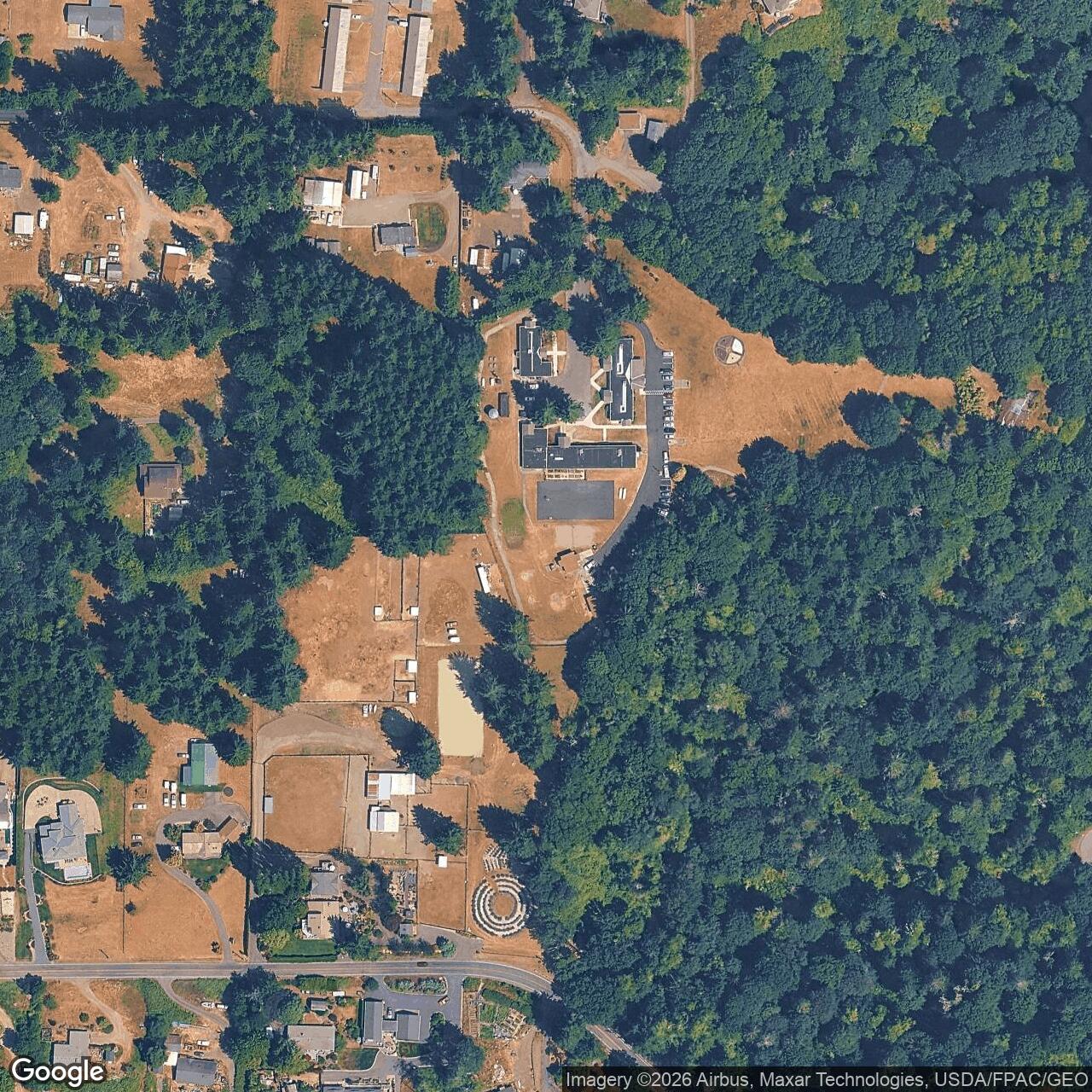
Nike Missile Site S-62 IFC, Olalla Washington
Longitude: -122.54166663328200
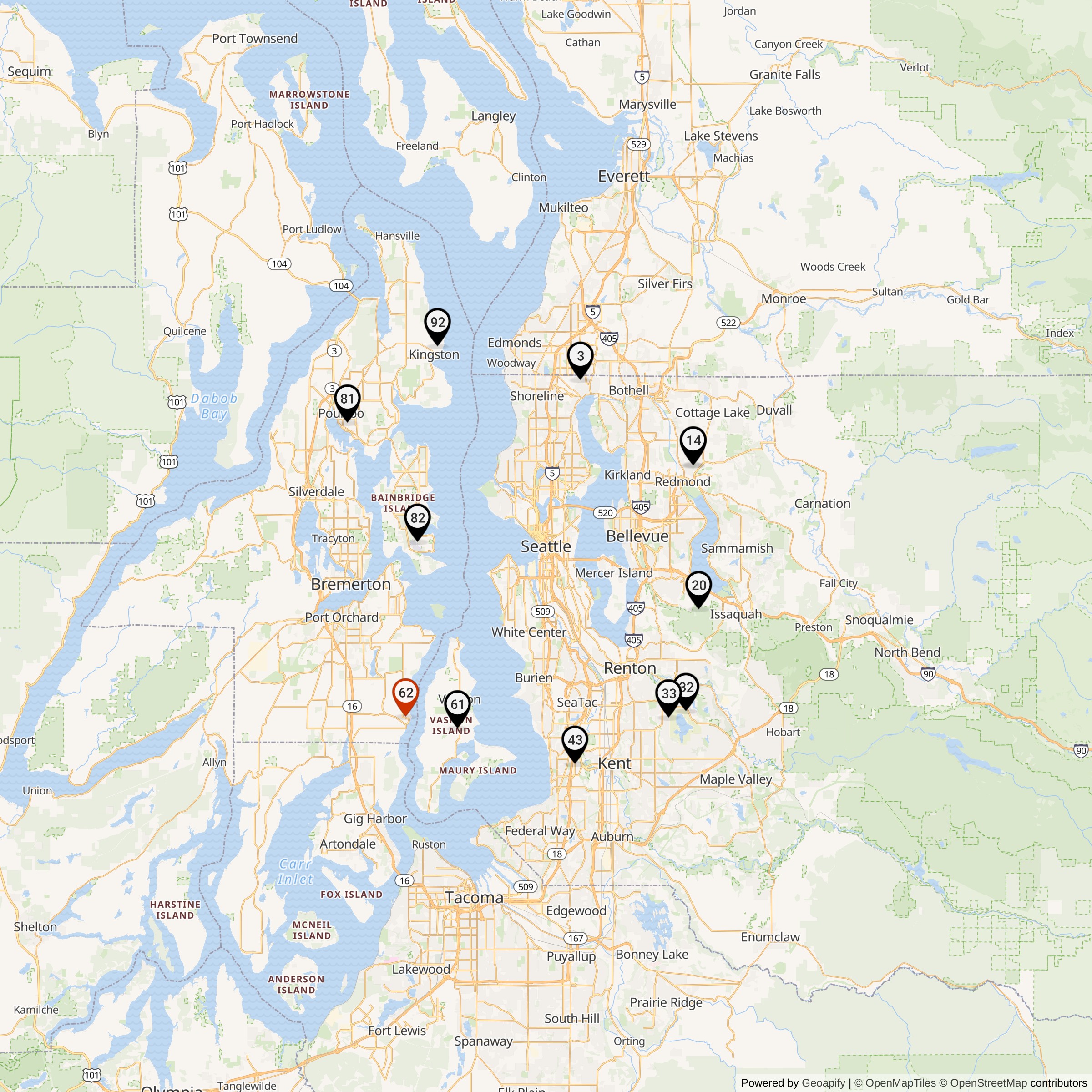
This location was part of the Seattle Defense Area
Site ID: S-62
This site controlled the missiles at the Launch Area located here.
Site Role: IFC
A typical Nike air defense site consisted of two separate parcels of land. One area was known as the Integrated Fire Control (IFC) Area. This site contained the Nike system's ground-based radar and computer systems designed to detect and track hostile aircraft, and to guide the missiles to their targets.
The second parcel of land was known as the Launcher Area. At the launcher area, Nike missiles were stored horizontally within heavily constructed underground missile magazines. A large, missile elevator brought the Nikes to the surface of the site where they would be pushed across twin steel rails to one of four satellite launchers.
Elaboration on how Nike worked here.

Nike site S-62 was the Olalla Nike Ajax missile battery in the Seattle Defense Area. It was a Cold War U.S. Army air-defense installation built to help protect the Seattle-Puget Sound target complex from enemy bomber attack. The site formed part of the ring of Nike missile positions around Seattle and Puget Sound, a region that included Boeing aircraft and aerospace facilities, the Puget Sound naval complex, Fort Lewis, McChord Air Force Base, port and industrial facilities, and a major urban population center.
S-62 was an air-defense site, not an intercontinental ballistic missile site. Its missiles were defensive surface-to-air weapons designed to intercept hostile aircraft. The site operated with Nike Ajax missiles only. It was not one of the Seattle-area batteries converted to Nike Hercules. The final Seattle Hercules positions were Redmond S-13/S-14, Vashon Island S-61, and Kingston S-92. Olalla was one of the Ajax batteries phased out when the Army consolidated the Seattle defense around fewer, longer-ranged Hercules batteries.
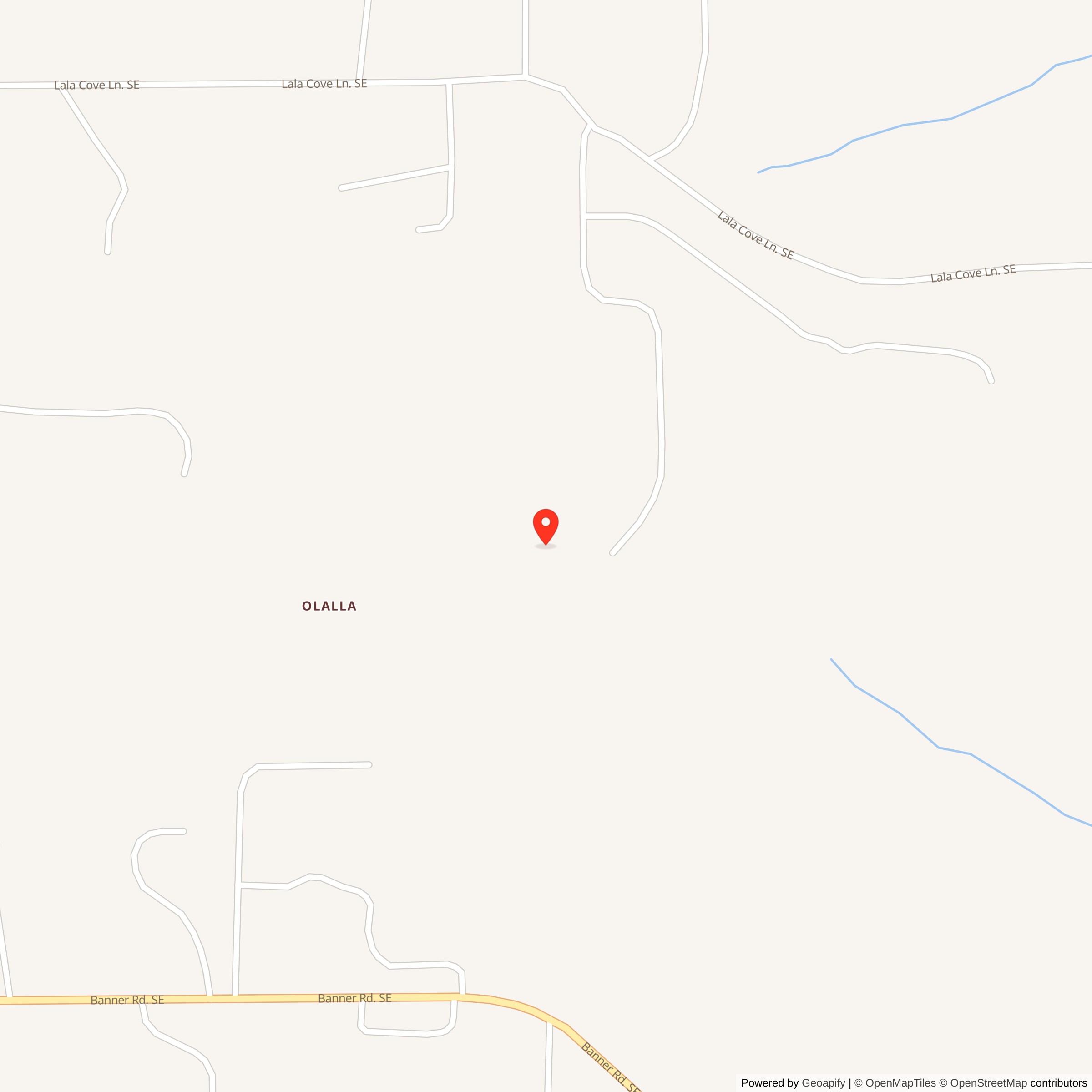
The launch site was south/southwest of the control area, off Nelson Road; the control/IFC area was north of town on or near Lala Cove Lane. The two areas sat on opposite sides of the Olalla lagoon/waterfront landscape, with the IFC on higher ground and the launch area across the lagoon.
The Seattle Defense Area was created because Puget Sound was one of the nation's important Cold War industrial and military regions. Seattle and its surrounding communities contained aircraft production, shipyard activity, airfields, naval installations, port infrastructure, and a dense civilian population. In Cold War planning, a Soviet bomber attack against the Pacific Northwest could have targeted the region's aviation and naval infrastructure as well as Seattle itself.
Nike missile defenses were designed to supplement the larger North American air-defense system. Long-range radars, interceptor aircraft, command-and-control centers, and surface-to-air missile batteries worked together. If attacking bombers penetrated outer defenses, Nike batteries formed the last fixed missile-defense layer around high-value targets.
S-62 filled the southwest/south Kitsap portion of the Seattle defensive ring. Its Olalla position gave coverage across the west/southwest approaches to the Seattle-Puget Sound target area and complemented other Seattle-area Nike positions on Vashon Island, Bainbridge Island, Kingston, Kent/Midway, Lake Youngs, Redmond, Cougar Mountain, and Kenmore/Bothell. The site's placement also reflected Nike siting rules: the IFC needed line-of-sight radar coverage, and the launcher needed a separate tract large enough for magazines, launchers, assembly/checkout operations, fuel/oxidizer safety, security fencing, and clear firing arcs.
Physical Layout and Site Components
S-62 followed the normal Nike pattern: a control/IFC area, a launch area, and a nearby family-housing/support area.The IFC/control area was the radar and command heart of the battery. It housed the acquisition radar, target-tracking radar, missile-tracking radar, fire-control electronics, communications systems, and administrative/support functions. From this area, soldiers detected and tracked targets, tracked the missile after launch, computed the intercept, and sent steering commands to the missile in flight.
The launch area held the missiles, underground magazines, launch elevators, launcher rails and launchers, missile assembly/check-out facilities, generator and utility support, security fencing, and related equipment. Local reporting and veteran recollections describe the launch area as holding twelve Nike Ajax missiles, with missiles stored below grade and raised to the surface on an elevator during alert and drill procedures. After being raised, a missile could be moved along rails to the launcher, connected electrically, and elevated for firing. No Nike missiles were fired from the operational battery itself; crews traveled to McGregor Missile Range in New Mexico for live-firing practice.
Nike Ajax was a two-stage missile with a solid booster and a liquid-fueled sustainer. The Ajax missile used conventional high-explosive warheads rather than the nuclear W31 warhead associated with Nike Hercules. Ajax operations therefore required careful handling of liquid fuel and oxidizer. Local accounts from Olalla veterans specifically mention missile fueling duties involving red fuming nitric acid and JP-4, a hazardous job that required protective equipment.
Operational History
The broader Seattle Nike system began taking shape in the mid-1950s. Army surveyors selected Seattle-area sites in 1954, and Nike exhibits appeared at Fort Lawton and Mount Rainier Ordnance Depot open houses that year as the Army prepared the public for the new missile defense system. The first Seattle missile sites were activated in 1956, and by 1959 the region had a mature ring of Nike batteries.S-62 was the Olalla battery in that network. The active-service date was 1958 to March 1963, based on site-specific Nike coordinate/listing sources and local reporting that says the base's activation by Regular Army personnel in 1958 made nearby older antiaircraft batteries obsolete.
The site was first operated by Regular Army personnel. In 1959, Washington Army National Guard personnel took over four Seattle-area sites: Kent, Kenmore, Cougar Mountain, and Olalla. Olalla veterans later recalled that the site remained relatively secretive in the surrounding community. Local residents noticed uniformed Guardsmen in town, but details about the site's mission and readiness status were not freely discussed.
S-62 was operated by Battery C, 3rd Missile Battalion, 205th Artillery during the early 1960s. Local reporting identifies Maj. James W. Root as commander beginning in 1961. Under that Guard-era command, the Olalla battery performed exceptionally at annual service practice. Olalla personnel traveled to McGregor Missile Range in New Mexico for Short Notice Annual Practice firing exercises, where the battery won the Army Air Defense Command Commander's Trophy in 1962 with a 99.5 score described by veterans as the highest in the nation.
The Cuban Missile Crisis in October 1962 came near the end of the site's active life. Veteran recollections in local reporting state that Olalla Guardsmen spent roughly two weeks in the silos during the crisis, reflecting the heightened alert posture during the confrontation over Soviet missiles in Cuba. S-62 was still an Ajax site at that point, so the alert posture concerned conventional Nike Ajax air-defense readiness rather than nuclear-tipped Hercules missiles.
The site closed in March 1963 as the Army phased out Seattle-area Ajax positions. This was part of a larger national transition. Nike Hercules offered greater range, greater altitude capability, solid-fuel handling advantages, and nuclear capability against bomber formations. Because Hercules could cover a larger area, the Army did not need to retain every Ajax battery. In the Seattle Defense Area, Redmond, Vashon Island, and Kingston remained as Hercules sites, while Olalla and most other Ajax-only batteries closed.
Post-Closure and Reuse
After closure, the Olalla complex stood vacant for several years. HistoryLink states that the complex remained vacant until 1969, when a rehabilitation group leased and then purchased the compound. The former control/IFC compound on Lala Cove Lane became associated with Olalla Guest Lodge / Olalla Recovery Centers, and the former military buildings at the control area remained in reuse. Local reporting states that the treatment center bought the fire-control parcel in 1969 and continued to occupy several Army-built structures. It also notes that ranch-style duplex housing built for Nike soldiers in 1957 later became private rental housing.The launch area off Nelson Road also passed into private ownership. Local reporting describes the launch site as across the lagoon from the control area, stripped after closure, and later explored by curiosity seekers. It reported that a large concrete-block building and a Quonset hut remained. Other site summaries describe the launch area as partially intact and private, with the former military landscape altered by later private use.
Chronology
- 1949 The Soviet Union's first successful atomic test accelerated U.S. concern about continental air defense.
- 1950 The Korean War increased defense urgency and helped accelerate Nike missile deployment planning.
- 1951 The first successful Nike missile test took place in November.
- 1954 Army surveyors were selecting Seattle-area Nike locations; the Army displayed Nike missile exhibits at Fort Lawton and Mount Rainier Ordnance Depot open houses.
- 1956 The first Seattle-area Nike missile sites were activated; HistoryLink's general Seattle list gives 1956 as the operational start for S-62, though site-specific sources use 1958.
- 1957 Ranch-style duplex housing for Nike soldiers was built near the Olalla control area, later reused as private rentals.
- 1958 Site-specific listings and local reporting identify S-62 as activated in 1958; Regular Army personnel initially operated the Olalla battery.
- 1959 Washington Army National Guard personnel took over Olalla and several other Seattle-area sites.
- 1961 Maj. James W. Root took command of Battery C, 3rd Missile Battalion, 205th Artillery at Olalla.
- 1962 The Olalla Nike team won the Army Air Defense Command Commander's Trophy at annual firing exercises in New Mexico, with a reported 99.5 score.
- October 1962 During the Cuban Missile Crisis, Olalla Guardsmen reportedly spent about two weeks in the missile area as the battery remained on heightened readiness.
- March 1963 S-62 was deactivated as an Ajax-only site.
- 1969 A rehabilitation group leased and then purchased the former control compound.
- Post-1969 The former control area continued in institutional reuse associated with Olalla Guest Lodge / Olalla Recovery Centers; nearby former housing became private rentals.
- 2022 Gig Harbor Now published a local-history article based on veteran recollections and site memory, helping document the Olalla Nike story.
- Present S-62 is inactive and closed. The former IFC/control area and launch area are private/institutional properties and should not be treated as open public sites.
List of all Nike Installations in Washington