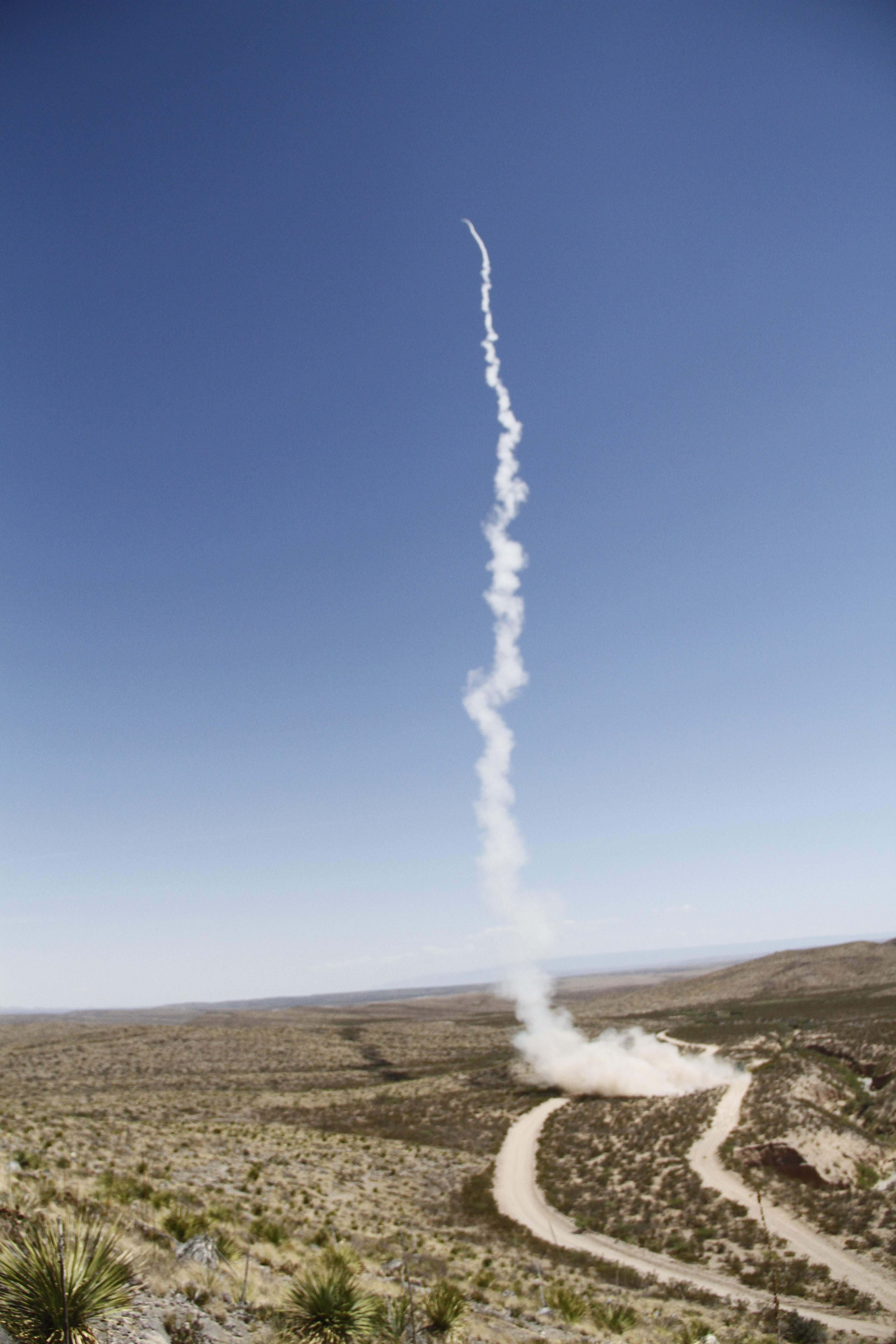
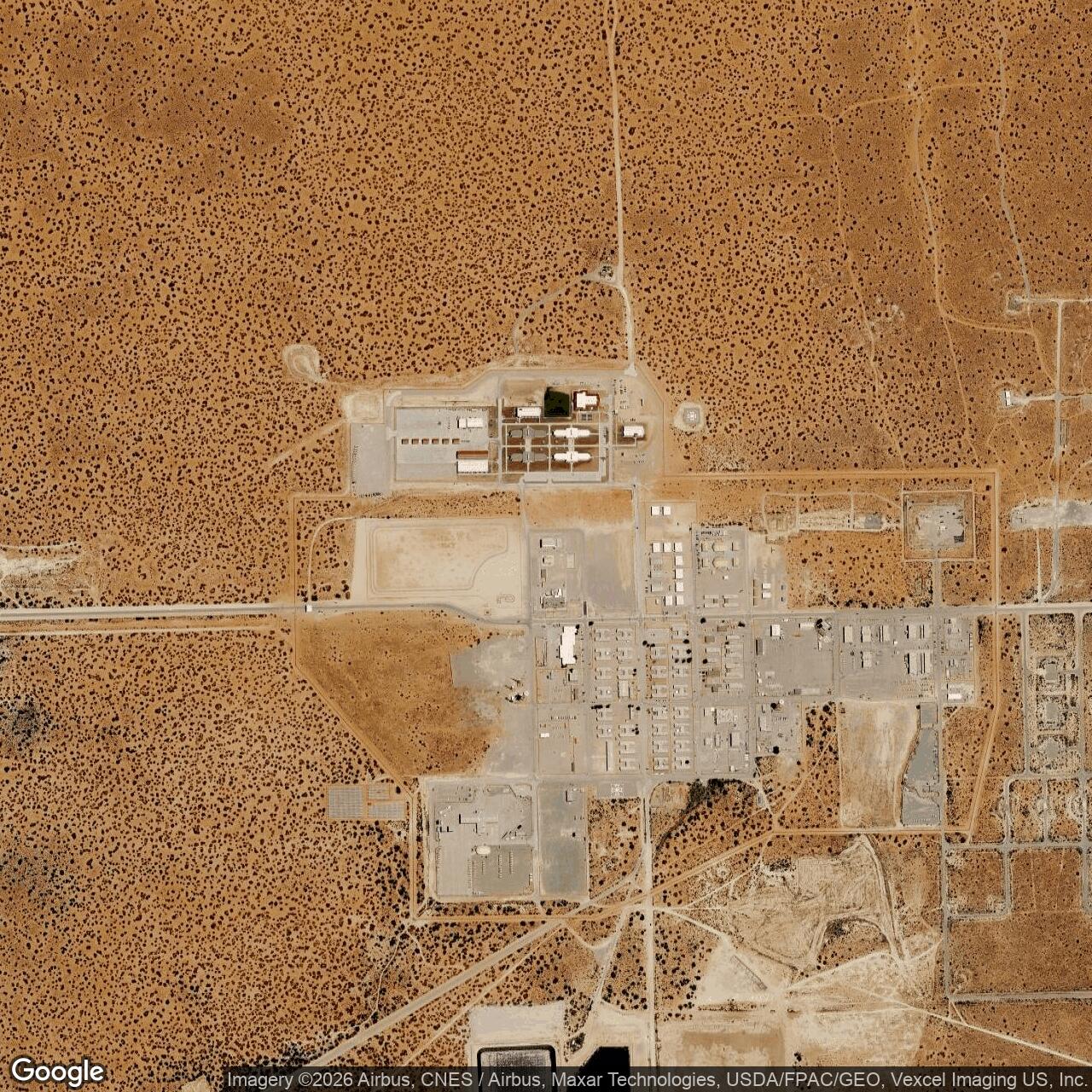
McGregor Range, Fort Bliss Training Complex New Mexico
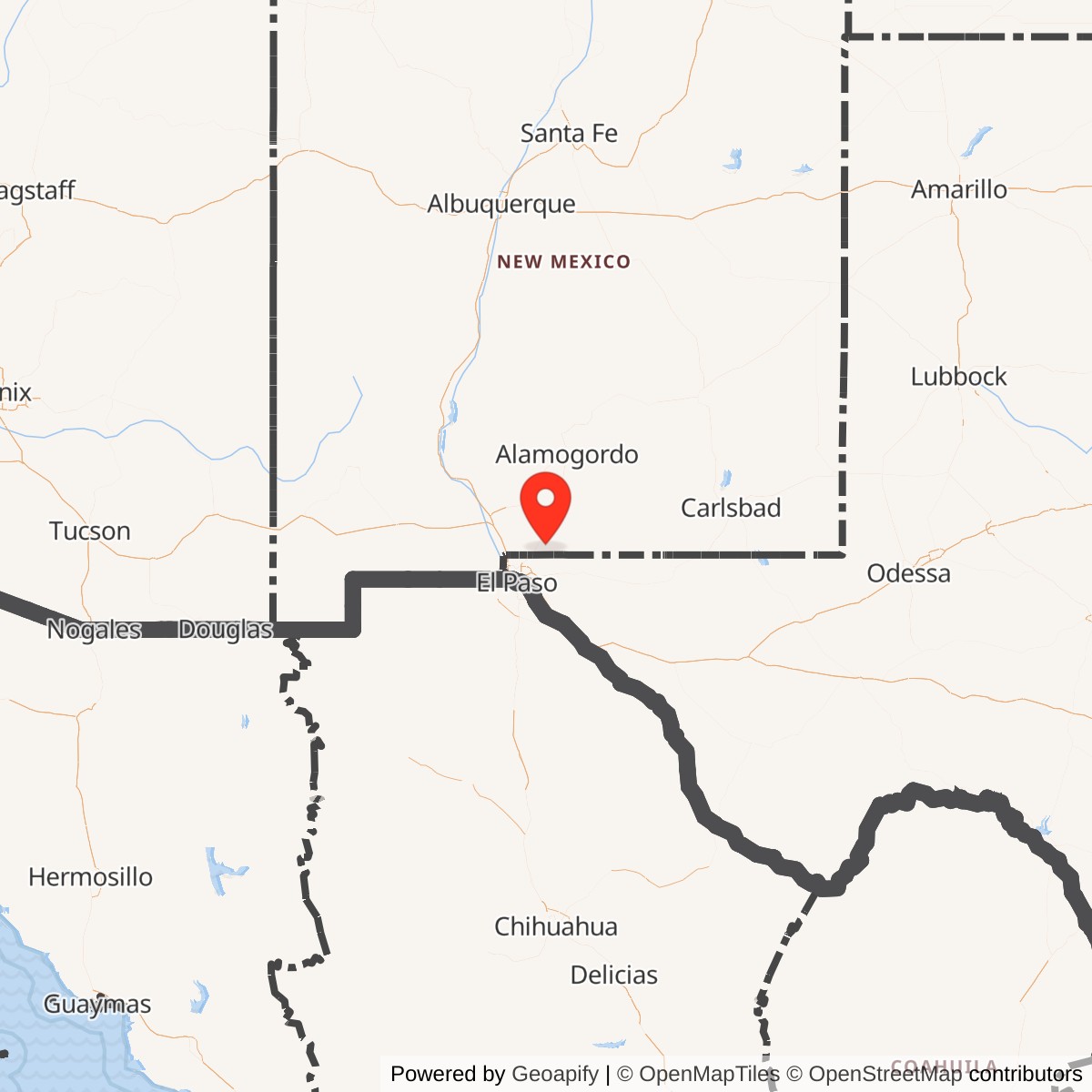
Longitude: -106.1807
Current Role: Active Fort Bliss range complex / withdrawn public land used for Army, joint, allied, missile, air-defense, maneuver, live-fire, testing, and mobilization training
Active Fort Bliss sub-installation and range complex in Otero County, New Mexico. Distinct missile-range identity began in 1956 when McGregor Range Headquarters and Service Battery was activated under the U.S. Army Antiaircraft Artillery and Guided Missile Center; initial facilities supported Nike Ajax live-fire training, and the first McGregor missile launch was fired by the 495th Guided Missile Battalion (SAM) on 1957-05-03. The range evolved from Nike and Cold War air-defense live fire into Patriot, SHORAD, HAWK/Chu-SAM allied training, GMLRS, counter-UAS, armor/artillery maneuver, aviation, joint and multinational live-fire, mobilization, and pre-deployment training. Current Army withdrawal documents describe McGregor as part of the Fort Bliss Training Complex with 26 of Fort Bliss's 33 training areas, 40 ranges, 21 training facilities, and 32 launch sites; land status is primarily withdrawn public land co-managed by the Army and BLM.
Location: Otero County, New Mexico, north of the New Mexico-Texas state line, east and northeast of El Paso, and within the Fort Bliss Training Complex. McGregor Range occupies land in the Tularosa Basin, Otero Mesa, the Otero Mesa escarpment, the Sacramento Mountain foothills, and the Hueco Mountains area. The range is commonly associated with Chaparral and Orogrande, New Mexico, and with Fort Bliss, Texas.
McGregor Range is an active U.S. Army range complex and Fort Bliss sub-installation in southern New Mexico. It is best understood as the New Mexico missile, air-defense, maneuver, live-fire, and training-range component of Fort Bliss rather than as a separate permanent Army post. The installation has also been known as McGregor Missile Range, McGregor Range Camp, McGregor Base Camp, McGregor Range Complex, and Fort Bliss McGregor Range. Its operational identity is tied to Fort Bliss's long air-defense and missile-training mission and, in the modern era, to the 1st Armored Division, Army air and missile defense organizations, joint-force training, allied live-fire programs, mobilization training, and large-scale field and gunnery exercises.
The range is active. It should not be treated as a closed Cold War missile site. Its earliest distinct missile-range identity dates to the mid-1950s, when the Army acquired and developed land near Fort Bliss to create a surface-to-air guided-missile firing range for the Army Antiaircraft Artillery and Guided Missile Center. Current Army environmental documentation states that McGregor Range has supported live-fire and maneuver training associated with the Fort Bliss mission since the 1940s, but the named McGregor Range Camp and missile-range complex became a distinct Cold War facility in 1956-1957. The range remains in use today for missile training, heavy and light maneuver, individual and collective firing ranges, airspace-supported training, mobilization and pre-deployment training, and testing.
McGregor Range matters because it gives Fort Bliss something its main cantonment cannot provide: a vast, remote, instrumentable, high-hazard training landscape where missiles, artillery, armor, aviation, air defense systems, ground maneuver, restricted airspace, and range camps can operate together. The range lies within a broader military geography that includes Fort Bliss, White Sands Missile Range, Holloman Air Force Base, and the southern New Mexico / west Texas desert training corridor. That geography is central to its purpose. The land is open enough for surface danger zones, missile trajectories, aerial targets, live fires, convoy routes, maneuver corridors, restricted airspace, and weapons effects that would be impossible near a dense urban cantonment.
The land status is unusual and important. McGregor Range is made up primarily of public land withdrawn for military use. Current Army documentation describes the range as including about 608,385 to 608,835 acres of withdrawn public land, plus 71,083 acres of Army fee-owned land and 18,004 acres of U.S. Forest Service land used by the Army under agreement. The small discrepancy between 608,385 and 608,835 appears in current Army withdrawal documents and related public notices, the active proposed-withdrawal figure of 608,835 acres is the most useful single value, with the additional Army and USFS acreage noted separately. BLM's public page summarizes the same landscape as more than 606,000 acres of withdrawn public lands jointly managed by BLM and the Army.
Mission Evolution
McGregor Range evolved out of Fort Bliss's transformation from a cavalry and border post into one of the Army's principal antiaircraft, air-defense, missile, and later armored-force training installations. During World War II, Fort Bliss became a major antiaircraft artillery training center. After the war, the Army's air-defense mission changed rapidly as radar, guided missiles, jet aircraft, Soviet bomber threats, and nuclear-age defense planning made gun-based antiaircraft training insufficient by itself. Fort Bliss and the nearby White Sands missile environment became increasingly important because the Army needed places to train missile crews, fire new surface-to-air missiles, track aerial targets, and integrate radar, communications, missile assembly, launch, and range control.By the mid-1950s the Army was negotiating for and acquiring land for a surface-to-air guided missile range in the Fort Bliss area. The White Sands Missile Range Museum's history of the 1st Guided Missile Brigade states that by 1955 acquisition of the necessary land was under way and McGregor Range Camp was becoming a reality. The selected range was described as about twenty by forty-five miles, generally parallel to U.S. Highway 54, with impact areas in New Mexico and a base camp about twenty-seven miles northeast of Fort Bliss and six miles north of the New Mexico-Texas state line. That location gave the Army access to open desert range space while keeping the range close enough to Fort Bliss to support the Air Defense Center, training battalions, ordnance support, and students moving between the main post and the missile range.
The formal Cold War McGregor Range mission began in 1956. On July 13, 1956, McGregor Range Headquarters and Service Battery was activated by general order of the U.S. Army Antiaircraft Artillery and Guided Missile Center. Construction of the initial range facilities began on September 1, 1956. Those facilities included roads, a missile assembly building, range headquarters, barracks, a mess hall, a range-control building, fire-control sites, and launching sites. McGregor Range was not simply a patch of desert where missiles happened to be fired. It was built as a complete support system for missile-unit training: troops had to be housed, fed, controlled, communicated with, supplied, and supervised; missiles had to be assembled and handled; targets had to be launched or flown; telemetry and range safety had to be controlled; and firing units had to learn a complete tactical sequence rather than only press a launch button.
The initial mission was Nike Ajax training. Nike Ajax was the Army's first operational guided surface-to-air missile system, and the Army needed to train newly organized Nike battalions to occupy firing positions, operate radars, handle missiles, track targets, and execute live engagements. McGregor Range gave the Fort Bliss air-defense school and guided-missile organizations the space to conduct those live fires. The first missile launched at McGregor was fired by the 495th Guided Missile Battalion (SAM) on May 3, 1957. From that point, the range became one of the Army's central live-fire environments for surface-to-air missile training.
The mission did not stop with Nike Ajax. As Army air defense evolved, McGregor supported broader antiaircraft and air-defense weapon training. The Fort Bliss air-defense world moved through Nike Hercules, HAWK, Chaparral, Redeye, Stinger, Avenger, Bradley Linebacker, Patriot, and other systems or system families over time. Current Army land-withdrawal documents specifically identify the need to support training for Patriot, Avenger, Stinger, Bradley Linebacker, and other advanced weapons systems. The range's mission therefore evolved from a single early surface-to-air missile training range into a flexible air and missile defense, maneuver, testing, gunnery, and mobilization landscape.
During the late Cold War and post-Cold War periods, McGregor also became part of a larger joint and multinational training architecture. Exercises such as Roving Sands placed Army, Air Force, Navy, Marine, and allied elements into large air-defense field training environments. Japanese Ground Self-Defense Force air-defense units used McGregor for HAWK and later Chu-SAM annual service practice because Japan lacked comparable live-fire range space for those missile systems. In the twenty-first century, Fort Bliss's mission changed again with BRAC-driven growth, the arrival of the 1st Armored Division, expanded mobilization-force generation requirements, and the growing importance of counter-UAS and multi-domain operations. McGregor's mission expanded accordingly. It now supports not only air-defense missiles but armor, artillery, infantry, aviation, convoy live-fire, counter-UAS, joint fires, allied live-fire events, range instrumentation, and pre-deployment validation.
Operational Role
McGregor Range's operational role is to convert weapons, units, and doctrine into practiced readiness under realistic desert conditions. It is not a cantonment in the normal sense and not a historical missile pad preserved as a relic. It is a working range complex where military units conduct live-fire exercises, field training exercises, missile engagements, air-defense drills, maneuver, gunnery, target tracking, range-control operations, and pre-deployment training.The earliest operational pattern was surface-to-air missile firing. In 1956-1957 the range's base camp, launch sites, fire-control positions, missile assembly building, range-control structure, target support, communications, and administrative staff were built around the needs of Nike training packages. Missile units came to McGregor to complete live-fire training after receiving classroom, equipment, and tactical instruction at Fort Bliss. Range personnel provided launching and missile-handling equipment, housing, messing, range control, communications, and administrative support. Radio-controlled aerial targets and aircraft tow-target missions gave missile crews the moving targets they needed to learn radar tracking and missile engagement. Public demonstrations in 1957, including Armed Forces Day and Air Defense Center Organization Day programs, turned McGregor into a showcase for the Army's new guided-missile capability.
The range later took on broader air-defense duties. McGregor became a place where U.S. and allied missile crews could conduct live engagements that were impossible in smaller national training areas. Japanese Ground Self-Defense Force HAWK units used the range for recurring live fire because their home-country range limitations did not allow comparable missile firing. A 2012 Army article described forty-eight years of U.S.-Japan live-fire cooperation at McGregor and noted that Chu-SAM and HAWK annual service practice allowed seventeen Japanese fire units to test equipment, validate training, and gain confidence in their systems. The range thus became part of allied military readiness, not only U.S. Army training.
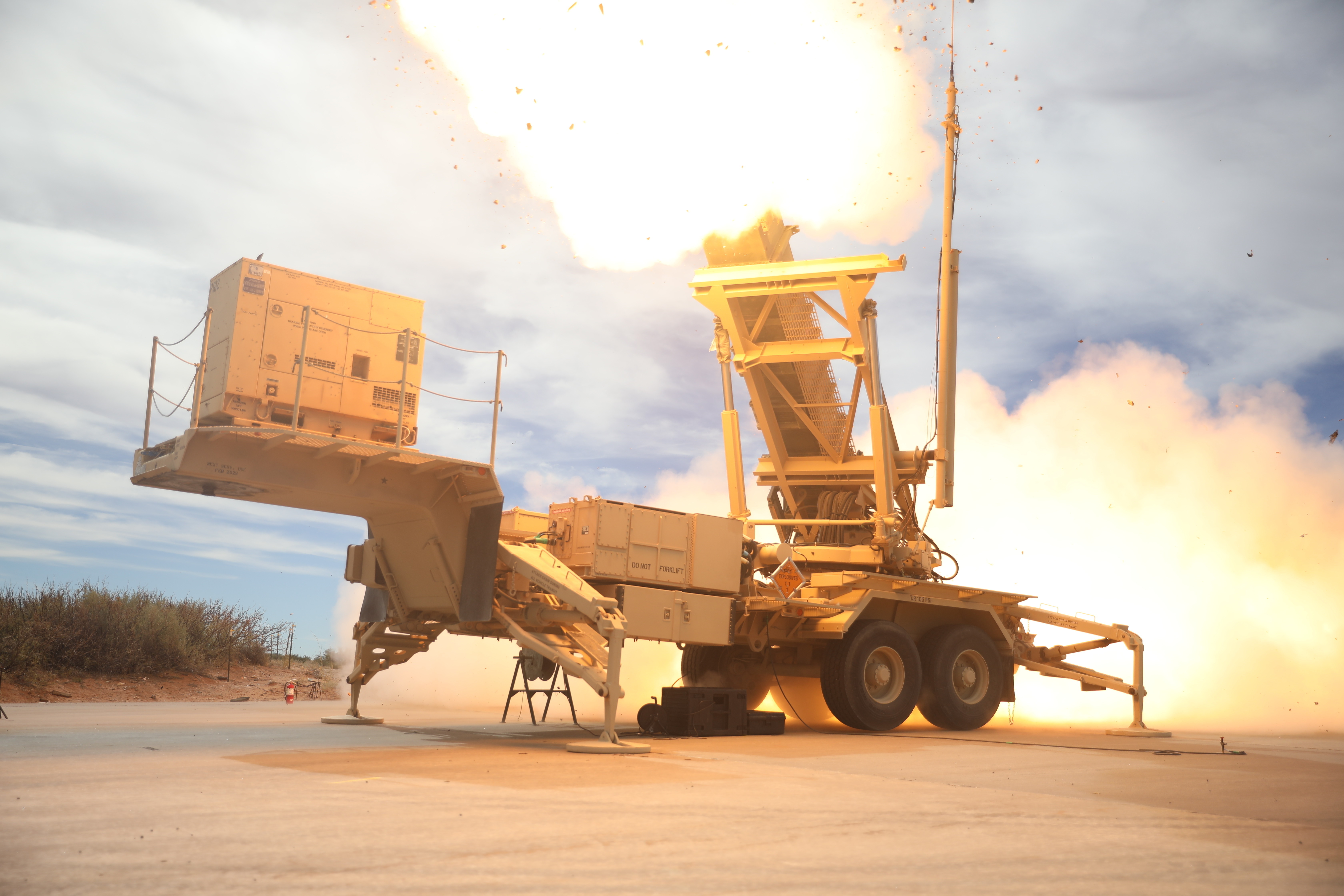
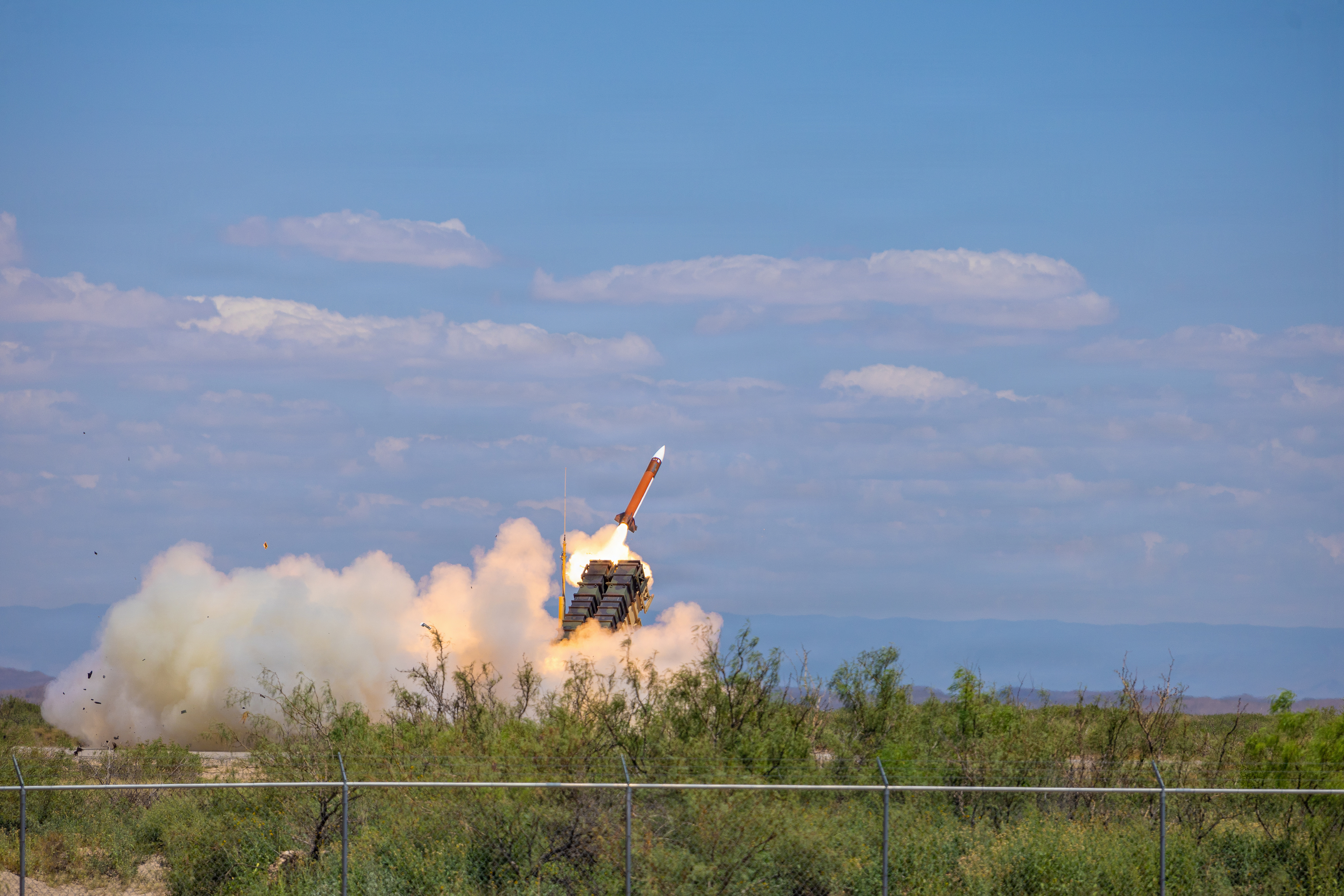
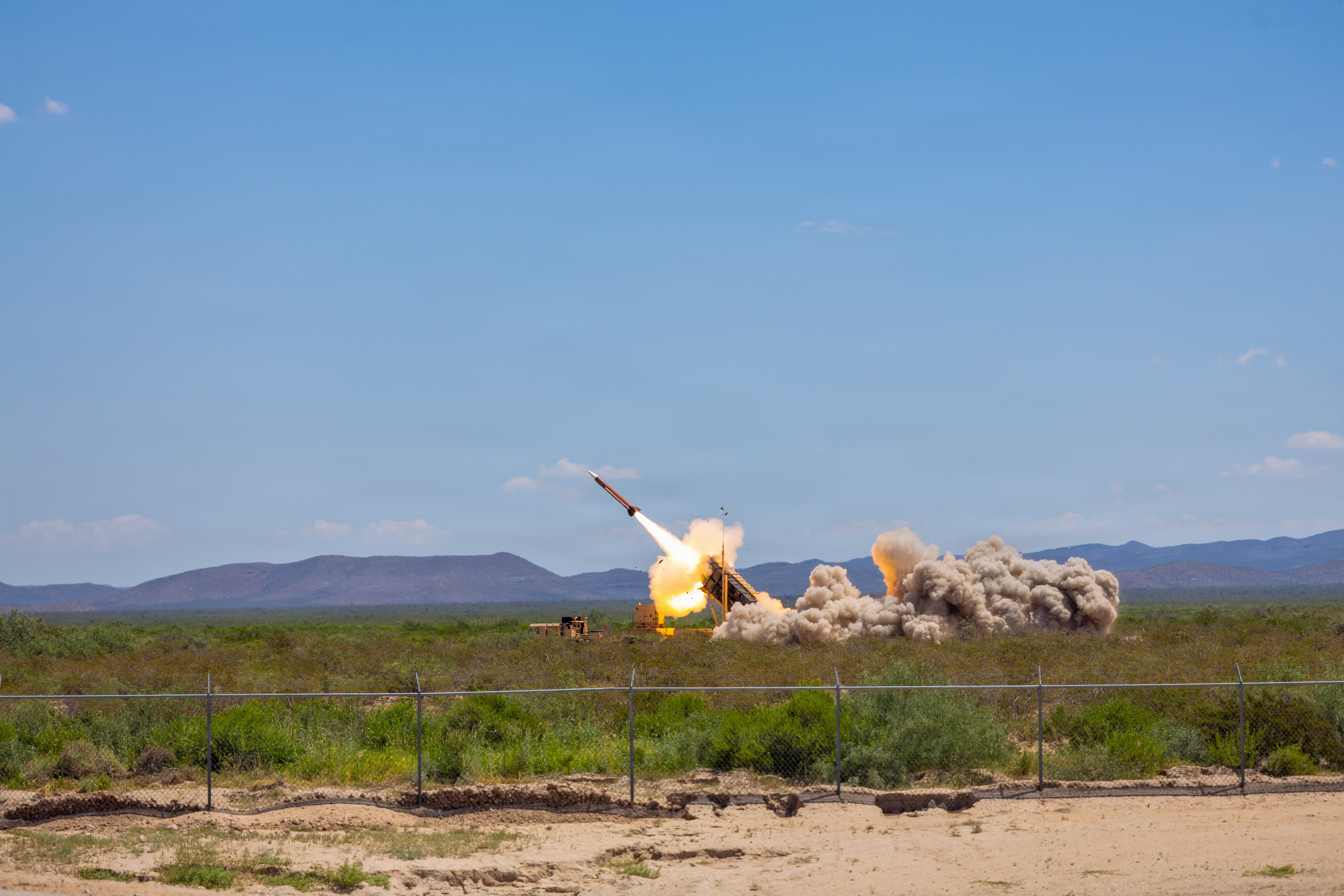
Modern Patriot live fire continues that air-defense lineage. U.S. Army and allied Patriot units use the range to validate crew proficiency, system reliability, target engagement, and tactical coordination. Recent public material shows the 11th Air Defense Artillery Brigade conducting Patriot live-fire exercises at McGregor, and a 2024 DVIDS record documents a bilateral Patriot live-fire exercise with the Royal Netherlands Ground-based Air Defense Command. These events show continuity with the original Nike mission: McGregor remains a place where air-defense crews bring launchers, radars, command-and-control procedures, interceptors, targets, safety systems, and range control together in actual firing events.
McGregor's modern operational role is not limited to air defense. Army land-withdrawal documentation describes a full range of current uses: intercepting missiles and aircraft in flight, conducting maneuver and live-fire training, conducting mobilization and pre-deployment training at Fort Bliss, protecting U.S. forces, and safeguarding civilian populations. Training areas support guided missiles, automatic weapons, tank weapons, conventional artillery, aerial gunnery, small arms, aerial target launch and control, and explosive-ordnance activities. McGregor contains twenty-six of the Fort Bliss Training Complex's thirty-three numbered training areas.
The 1st Armored Division's presence at Fort Bliss gives McGregor a heavy-force role. The range supports tanks, Bradleys, artillery, attack aviation, sustainment activities, and combined-arms training associated with the division and other Fort Bliss units. Fort Bliss official material describes the 1st Armored Division as an active armored division of about 17,000 soldiers, with tanks, artillery, attack helicopters, Bradley Fighting Vehicles, transport helicopters, and sustainment capabilities. McGregor and the rest of the Fort Bliss Training Complex provide the physical ground on which those capabilities can be practiced at scale.
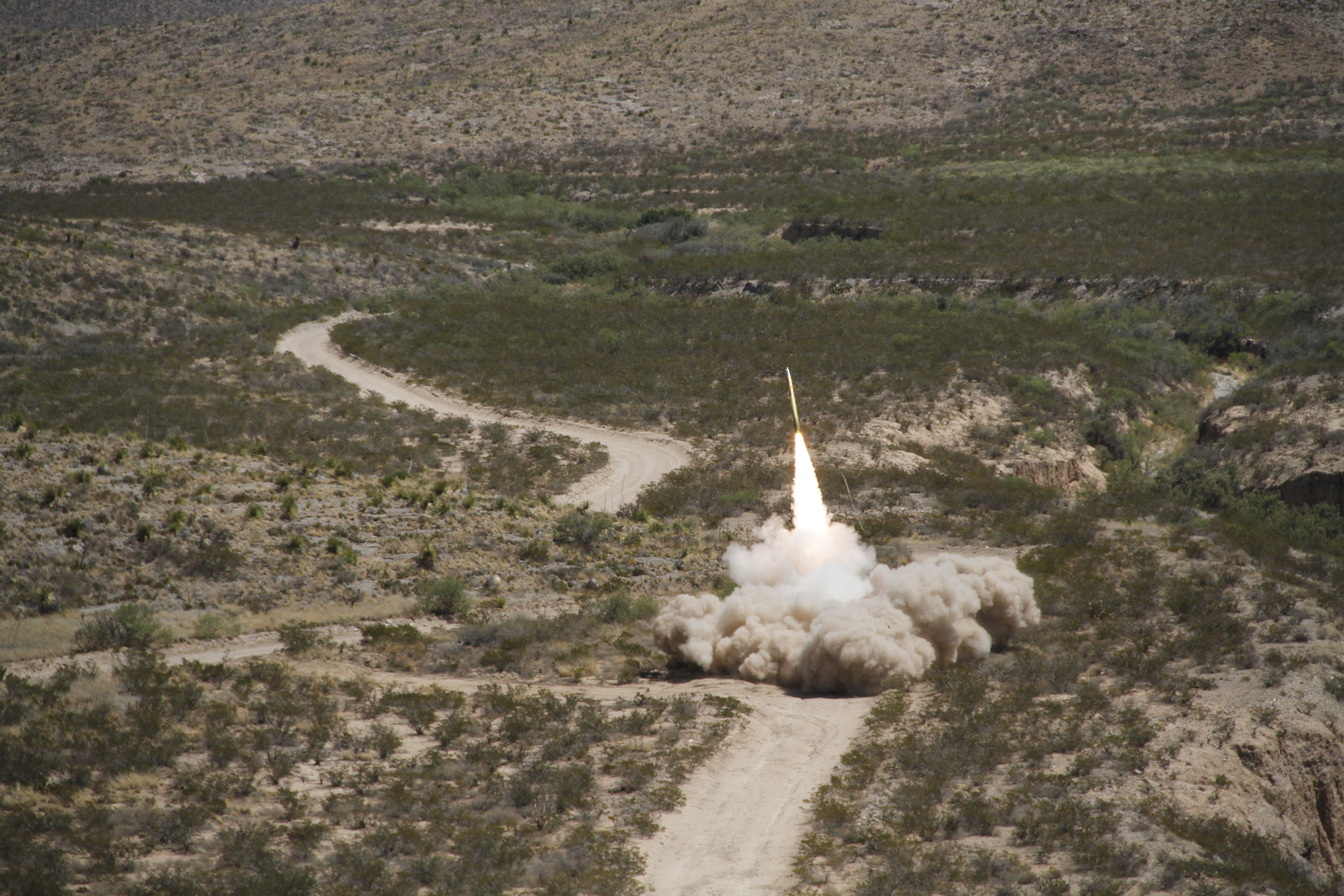
McGregor also supports joint fires and long-range artillery training. In 2016, Exercise Iron Rage brought 1st Armored Division and Marine Reserve elements together at McGregor for a Guided Multiple Launch Rocket System live fire. The Army article on the event emphasized that the expansive Fort Bliss training areas allow everything from handguns to missiles and that the GMLRS rocket flew about thirty kilometers to its target. The event was described as the first time a Guided Multiple Launch Rocket System munition was successfully fired on an Army installation other than White Sands Missile Range or the National Training Center. That event illustrates why McGregor matters in the modern Army: space, range safety, joint command-and-control, and distance still determine whether advanced weapons can be fired realistically.
Pre-deployment and mobilization training is another major part of the modern mission. Fort Bliss is a mobilization force-generation installation, and McGregor gives mobilizing Active, Reserve, and National Guard units access to convoy live-fire, counter-UAS, base-defense, route-security, weapons qualification, field medical, and live-fire rehearsal environments. In 2025, First Army public material described Illinois Army National Guard soldiers from 2nd Battalion, 130th Infantry Regiment training at McGregor Range in counter-UAS, quick-reaction-force techniques, tactical combat casualty care, and convoy operations before a Middle East deployment connected to Operation Inherent Resolve force protection. That kind of training is a direct post-9/11 and post-drone-warfare extension of McGregor's original purpose: units come to the range because the threat environment has changed, and the range has enough space and flexibility to train against new threats.
Facilities and Physical Layout
McGregor Range is a range system rather than a single compact post. Its physical layout includes range camps, impact areas, firing complexes, missile launch sites, air-defense sites, maneuver training areas, restricted airspace, target areas, airstrip facilities, support buildings, roads, communications links, and environmental-management zones. Its current form reflects several generations of use: early missile-range construction in the 1950s, Cold War air-defense expansion, post-Cold War mobilization training, 1st Armored Division heavy-force training, and twenty-first-century counter-UAS and joint fires requirements.McGregor Range Camp / McGregor Base Camp is the administrative and support core of the range. The original 1956 construction included range headquarters, barracks, mess hall, missile assembly building, range-control building, roads, fire-control sites, and launching sites. In current Army documentation, McGregor Range Camp continues to appear as a mission-support location associated with range control and organizational support facilities. It is the settlement-like portion of the range, but it exists to support the range mission rather than to function as a full independent post.
Two firing-range complexes dominate the modern layout. The Orogrande Range Complex, east of Orogrande, is a multi-echelon training complex focused on platoon qualification and company- or battalion-level collective tasks. It includes a Digital Multi-Purpose Range Complex, a Digital Air/Ground Integration Range, a Combined Arms Collective Training Facility, an urban assault course, a machine-gun range, a light-demolition range, and a live-fire shoot house. The Army Operational Test Command Air Defense Artillery Test Directorate uses the Orogrande complex for operational tests and experiments, and the complex can instrument aerial and ground systems, collect precise performance data, process data, and produce analytical reports.
The McGregor/Meyer Range Complex sits adjacent to McGregor Base Camp north of the Texas-New Mexico state line. It supports individual qualification, basic skills training, crew and squad drills, convoy live-fire, breach training, shoot-house and urban assault training, and mobilization tasks. Current Army documentation describes eighteen firing ranges for small-arms familiarization and qualification, two ranges equipped with Remote Electronic Target Systems, grenade ranges, a nuclear-biological-chemical gas chamber, a light anti-tank range, an individual tactical training range, a pistol qualification range, and a Short-Range Air Defense range with sixteen firing points for forward-area air defense and laser weapon systems. A training detention facility also supports detainee-operations training within the complex.
McGregor's airspace is as important as its ground. Current Army documentation identifies Restricted Areas R-5103A, R-5103B, and R-5103C over McGregor Range. Typical missions in that airspace include aerial gunnery, paradrop missions, and low-altitude tactical navigation by day or night. R-5103A supports operations from the surface to 17,999 feet above mean sea level, while R-5103B and R-5103C support operations from the surface to unlimited altitude. This airspace structure is one of the reasons McGregor can support missile, air-defense, aviation, and air-to-ground work in ways ordinary training lands cannot.
Two major joint-use assets are also part of the range's physical system. Centennial Range, about 5,200 acres on Otero Mesa south of New Mexico County Road A506, is used by Holloman Air Force Base and Fort Bliss for air-to-ground target training. Wilde Benton Airstrip, in the northern portion of McGregor Range, is a 7,800-foot hard-packed dirt airstrip capable of handling aircraft up to and including C-130 and C-17 aircraft. These assets connect the Army range to Air Force training and joint aviation operations.
The landscape also contains surface impact areas, controlled field-training-exercise areas, heavy and light vehicle maneuver zones, dismounted-only zones, mission-support facilities, range camps, and environmental-management areas. Approximately half of McGregor Range is used for heavy off-road vehicle maneuver. Military activity in sensitive areas such as the Culp Canyon Wilderness Study Area and Black Grama Grassland Area of Critical Environmental Concern is limited to dismounted maneuver, reflecting the ongoing tension between military use and resource stewardship on withdrawn public land.
Units, Organizations, and Systems
McGregor Range has never been defined by a single permanent troop unit in the way a division cantonment might be. Its "assigned" identity is institutional and functional: Fort Bliss Garrison, range control, the Fort Bliss Training Complex, air-defense schools and commands, 1st Armored Division, Army Operational Test Command elements, mobilization brigades, allied missile units, and visiting Active, Reserve, National Guard, Marine, Air Force, and foreign military organizations use it for training and testing.The first distinct range organization was McGregor Range Headquarters and Service Battery, activated on July 13, 1956, under the U.S. Army Antiaircraft Artillery and Guided Missile Center. Its mission was to support missile firing packages with housing, messing, missile handling, range control, communications, launch support, and administrative functions. The 495th Guided Missile Battalion (SAM) fired the first missile at McGregor on May 3, 1957.
The range's early missile systems included Nike Ajax and later surface-to-air missile families associated with Fort Bliss air-defense training. Fort Bliss and McGregor became part of the Army's broader Cold War air-defense system, training units and personnel for air-defense missions at home and overseas. HAWK, Patriot, Stinger, Avenger, Bradley Linebacker, SHORAD, aerial target, and related air-defense systems all belong to that long systems lineage.
The 32d Army Air and Missile Defense Command and 11th Air Defense Artillery Brigade are central to the modern air-defense context at Fort Bliss, and public imagery and articles show 11th ADA Brigade Patriot live fires at McGregor in recent years. The 1st Armored Division is central to the modern ground-force context. Its brigades, artillery, combat aviation, and sustainment formations require range space for tanks, artillery, aviation, maneuver, and live-fire exercises. The 5th Armored Brigade and First Army organizations use the Fort Bliss / McGregor training environment for mobilization, pre-deployment, and observer-controller/trainer functions, including counter-UAS and force-protection training for deploying reserve-component units.
Allied users are historically important. Japanese Ground Self-Defense Force air-defense units have used McGregor for HAWK and Chu-SAM annual service practice for decades because Japan lacks comparable live-fire range space for those systems. Recent Dutch Patriot live-fire training at McGregor demonstrates that the allied training role continues. McGregor is therefore not merely a domestic Army range; it is a coalition air-defense range.
Land Withdrawal, Public Access, and Environmental Management
McGregor Range is both a military range and a withdrawn public-land landscape. That dual identity shapes its management. BLM's public page states that the range includes more than 606,000 acres of withdrawn public lands on the west side of Otero Mesa and that these lands are jointly managed by BLM and the U.S. Army under the Military Lands Withdrawal Act of 1999 and the McGregor Range Resource Management Plan. Army documentation explains that the lands are owned by the federal government, reserved by Congress for Army use, and administered by the Army and BLM.The Army's 2024 legislative environmental assessment process concerns extension of the public-land withdrawal. The current withdrawal expires on November 6, 2026 unless Congress extends it. The Army seeks extension for another twenty-five years, to November 6, 2051, with no change to the range boundary. The need is stated plainly in Army documentation: the range provides a safe and secure location to train soldiers and military personnel and test equipment to meet nationally directed missions and requirements. The Army argues that land the size and configuration of McGregor is needed for realistic distances, air and ground space, varied terrain, simulated threats, and surface danger zones.
Public access is possible but subordinate to the military mission. BLM states that the range is open to the public when authorized by the Army through a Fort Bliss Training Complex Recreational Access Permit, but closed to the public during training exercises. Visitors must receive case-by-case and day-by-day permission to enter, and public travel without a permit is limited to State Road 506 and county roads. Off-road public travel is not authorized. Hunting and limited recreation occur under agency-permit systems, but military training has priority.
The environmental and safety burdens are inseparable from the range's mission. McGregor contains surface impact areas, unexploded-ordnance risk, restricted access zones, live-fire areas, sensitive biological and cultural resources, grazing areas, utility corridors, wilderness-study and grassland-management areas, and areas where public access would require cleanup or controls if military use stopped. This does not make the range inactive or unsafe for its intended purpose; it means the range is a highly managed military landscape where land use, safety, public access, grazing, wildlife, cultural resources, munitions risk, and operational readiness have to be balanced continuously.
Post-World War II Activity and Conflict Connections
McGregor Range was born from the Cold War rather than from World War II mobilization, but its post-World War II activity is directly connected to U.S. and allied conflicts. During the Cold War it supported missile crews, air-defense units, and allied military readiness during the period when the United States and its partners faced Soviet bomber and missile threats. McGregor's early Nike mission was part of the continental and allied air-defense system that defined much of the Army's Cold War identity at Fort Bliss.Since the Cold War, the range has supported Gulf War-era, post-9/11, Iraq, Afghanistan, Operation Inherent Resolve, and broader contingency-force readiness indirectly through training. The range itself is not a battlefield, but it is a place where soldiers, Marines, reservists, National Guardsmen, air-defense crews, artillery units, and allied forces prepare for deployment or maintain warfighting proficiency. The 2016 Iron Rage GMLRS live fire connected McGregor to long-range precision fires and joint Army-Marine training. The 2025 counter-UAS training for Illinois Army National Guard soldiers preparing for Middle East deployment connected McGregor directly to the modern drone-threat environment in Iraq and Syria. Recent Patriot live fires by U.S., Dutch, and other allied air-defense forces show McGregor's continued role in deterrence and coalition air-defense readiness.
Current Status
McGregor Range remains active as part of Fort Bliss. It is a major component of the Fort Bliss Training Complex and contains most of the installation's numbered training areas. The range supports missile training and testing, Patriot and other air-defense live fire, SHORAD training, heavy and light maneuver, individual and collective firing ranges, gunnery, convoy live fire, urban assault and shoot-house training, air-to-ground training, restricted airspace operations, range camps, and mobilization and pre-deployment training. It is used by active-duty, reserve, and National Guard units of all U.S. military branches, and by allied forces when authorized.The range is not open public land in the ordinary sense, even though much of it is withdrawn public land managed in partnership with BLM. Public access is controlled by permit and is always subordinate to training safety and mission requirements. The continuing withdrawal process matters because, without congressional renewal, the Army states that major McGregor missions could not simply be relocated elsewhere on Fort Bliss. Current Army documentation notes that McGregor constitutes approximately sixty-two percent of the total Fort Bliss land area and includes twenty-six training areas, forty ranges, twenty-one training facilities, and thirty-two launch sites. Loss of that land would remove key space for missile live fire, maneuver, combined-arms live fire, range camps, air-defense training, air-to-ground training, and mobilization support.
Chronology
- 1940s Current Army documentation states that McGregor Range has supported live-fire and maneuver training exercises associated with the Fort Bliss mission since the 1940s.
- 1955 Land acquisition for a Fort Bliss-area surface-to-air guided missile range was under way, and McGregor Range Camp was becoming a reality.
- 1956-07-13 McGregor Range Headquarters and Service Battery was activated by general order of the U.S. Army Antiaircraft Artillery and Guided Missile Center.
- 1956-09-01 Construction began on the initial McGregor Range facilities, including roads, missile assembly building, range headquarters, barracks, mess hall, range-control building, fire-control sites, and launching sites.
- 1957-05-03 The 495th Guided Missile Battalion (SAM) fired the first missile launched at McGregor Range.
- 1957-05-18 McGregor Range hosted an Armed Forces Day program where the public observed Nike training firings.
- 1957-07-06 McGregor Range hosted a large U.S. Army Air Defense Center Organization Day event featuring missile firings and public activities.
- Cold War McGregor Range expanded from its initial Nike Ajax mission into broader air-defense, missile, range-control, aerial target, and training support for the Fort Bliss air-defense mission.
- 1960s-1970s Japanese Ground Self-Defense Force air-defense units began and continued recurring missile live-fire training at McGregor because comparable HAWK and later Chu-SAM live-fire opportunities were not available in Japan.
- 1986 The Military Lands Withdrawal Act framework applied to McGregor and other military lands, placing the range within a long-term public-land withdrawal context.
- 1990s Roving Sands and related large joint and coalition air-defense exercises used the southwestern U.S. training environment, including McGregor and Fort Bliss range space.
- 1999 The Military Lands Withdrawal Act of 1999 renewed and restructured the public-land withdrawal authority for McGregor Range.
- 2006 The McGregor Range Resource Management Plan / BLM Record of Decision established a modern resource-management framework for the withdrawn public lands.
- 2007-12-07 The Army and BLM signed a memorandum of agreement governing land-use planning and resource-management responsibilities on McGregor Range; the agreement was tied to the withdrawal term expiring November 6, 2026 unless renewed.
- 2007-10-04 Japanese Ground Self-Defense Force soldiers conducted HAWK missile live fire at McGregor Range.
- 2011-05-13 The 1st Armored Division officially uncased its colors at Fort Bliss, increasing the importance of the Fort Bliss range complex for heavy-force training.
- 2012-11 U.S. Army reporting described forty-eight years of U.S.-Japan missile live-fire cooperation at McGregor during Japanese Chu-SAM and HAWK annual service practice.
- 2016-06 Exercise Iron Rage used McGregor Range for a joint Army-Marine Guided Multiple Launch Rocket System live fire, described as the first successful GMLRS firing on an Army installation other than White Sands Missile Range or the National Training Center.
- 2022-11-05 Department of Defense imagery recorded Patriot missile live-fire training at McGregor Range Complex.
- 2024-05-11 U.S. and Dutch forces conducted a bilateral Patriot live-fire exercise at McGregor Range.
- 2024-10 The Army released a draft Legislative Environmental Assessment for extension of the McGregor Range public-land withdrawal.
- 2025-02 to 2025-03 First Army and Illinois Army National Guard soldiers conducted counter-UAS, quick-reaction-force, tactical combat casualty care, and convoy operations training at McGregor before a Middle East deployment connected to Operation Inherent Resolve force protection.
- 2025-08-23 Soldiers from the 11th Air Defense Artillery Brigade conducted a Patriot missile live-fire exercise at McGregor Range.
- 2026-11-06 The current public-land withdrawal term is scheduled to expire unless Congress extends it.
- 2051-11-06 The Army's proposed withdrawal extension would carry the McGregor public-land withdrawal to this date.
- Present McGregor Range remains an active Fort Bliss range complex supporting missile live fire, air-defense training, maneuver, gunnery, mobilization training, joint and allied live fire, counter-UAS training, restricted airspace operations, and military equipment testing.