
Paxson Lake Radio Relay Station, Alaska
A small White Alice microwave station carried Clear missile-warning communications between Aurora and McCallum.
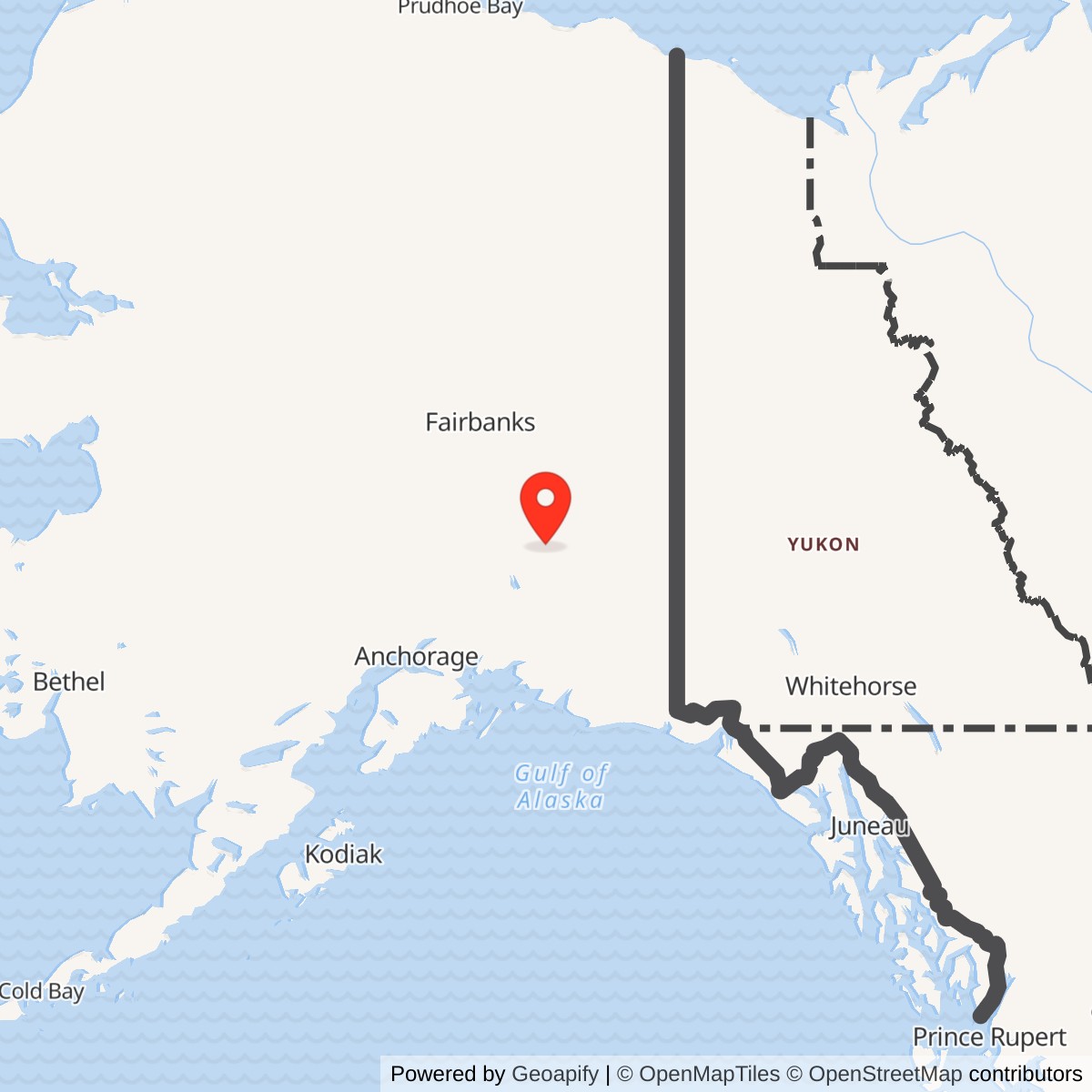
Longitude: -145.469634
Paxson Lake Radio Relay Station was an unattended U.S. Air Force microwave repeater near Richardson Highway mile 181. It belonged to the White Alice Communications System A Route serving the Ballistic Missile Early Warning System (BMEWS) at Clear. Paxson linked Aurora to the south with McCallum to the north. It passed communications traffic rather than detecting aircraft or missiles. [1] [2]
- Military role
- Unattended White Alice BMEWS A Route microwave repeater.
- Equipment class
- TD-2 line-of-sight microwave.
- Direct links
- Aurora, 40 miles; McCallum, 20 miles.
- Location
- Near Richardson Highway mile 181, Paxson area, Alaska.
- Map point
- 62.968056 N, 145.468333 W, a 1976 licensed radio point, not a parcel survey.
Construction and Mission
The Air Force extended White Alice with rearward communications routes for the missile-warning mission at Clear. The Army Corps of Engineers dates construction of that BMEWS segment to 1960 and places station openings in 1960 or 1961. Paxson was one of the short-hop TD-2 microwave relays on the coastal A Route. Its precise commissioning day is not established. [1] [2]
The A Route continued toward Southeast Alaska and the Ketchikan-Seattle submarine cable before reaching NORAD in Colorado. The separate B Route ran east through Canada. Paxson therefore belonged to a long-distance military warning path, not merely a telephone link for the nearby settlement. Short line-of-sight microwave hops crossed the road-accessible interior, while larger White Alice sites handled switching and longer-distance troposcatter links. [1]
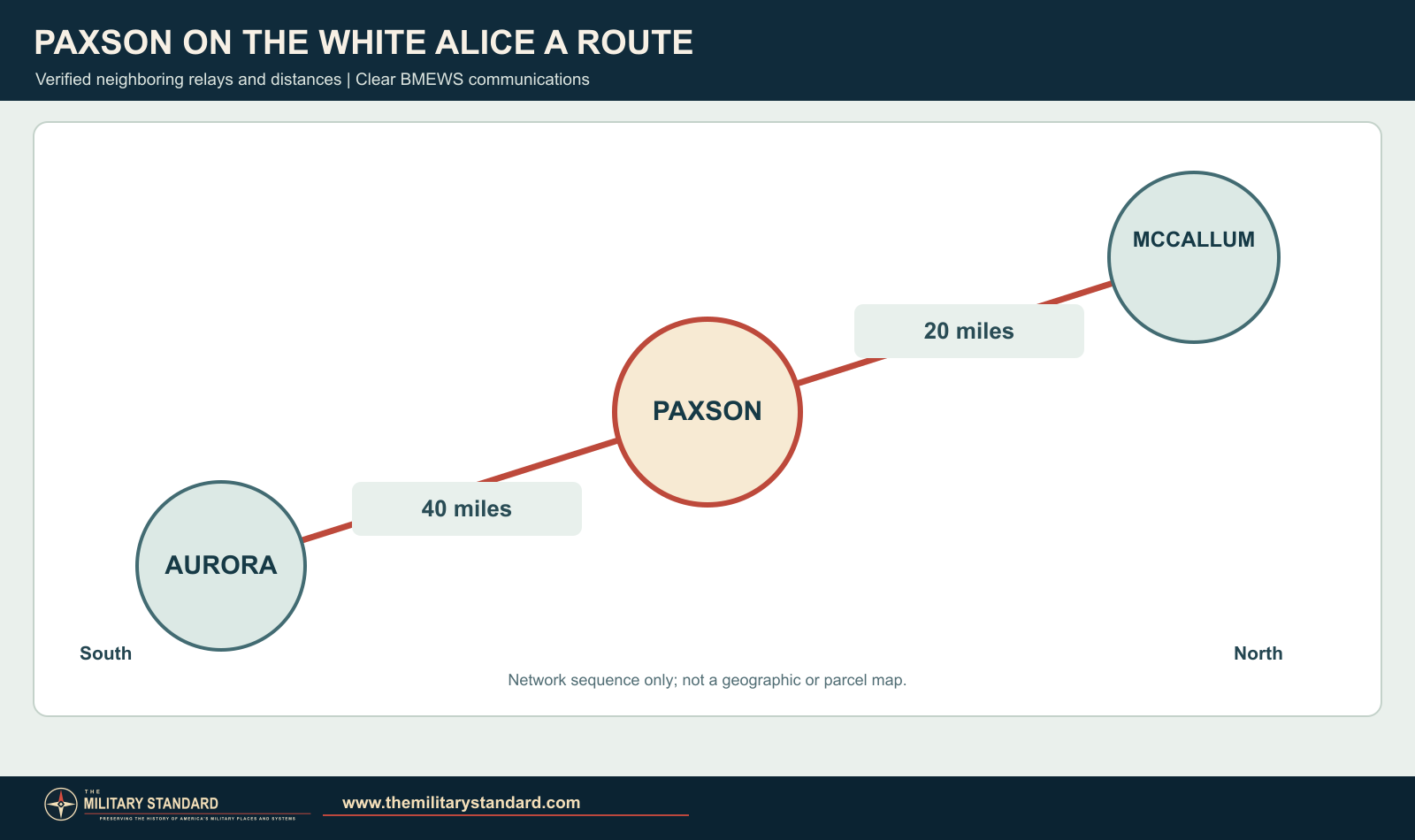
Aurora to McCallum
The Corps gives Paxson a 40-mile microwave path to Aurora and a 20-mile path to McCallum. The Air Force's 1983 study calls Paxson an unattended two-way repeater between the same stations. A chain of such relays carried signals onward across Alaska's mountainous terrain. [1] [2]
North of Paxson, the chain continued from McCallum to Black Rapids and Donnelly Dome. Each intermediate station received, amplified and retransmitted the signal to the next hop. Paxson's role was small in physical scale but essential to continuity along this portion of the Clear communications route. [1] [2]
A December 1976 federal notice lists RCA Alaska Communications microwave paths from Paxson toward Aurora and McCallum. It gives the licensed radio location as 62°58'05" N, 145°28'06" W. That is the approximate map point above, not a survey of the former Air Force property. [3]
Station and Maintenance Annex
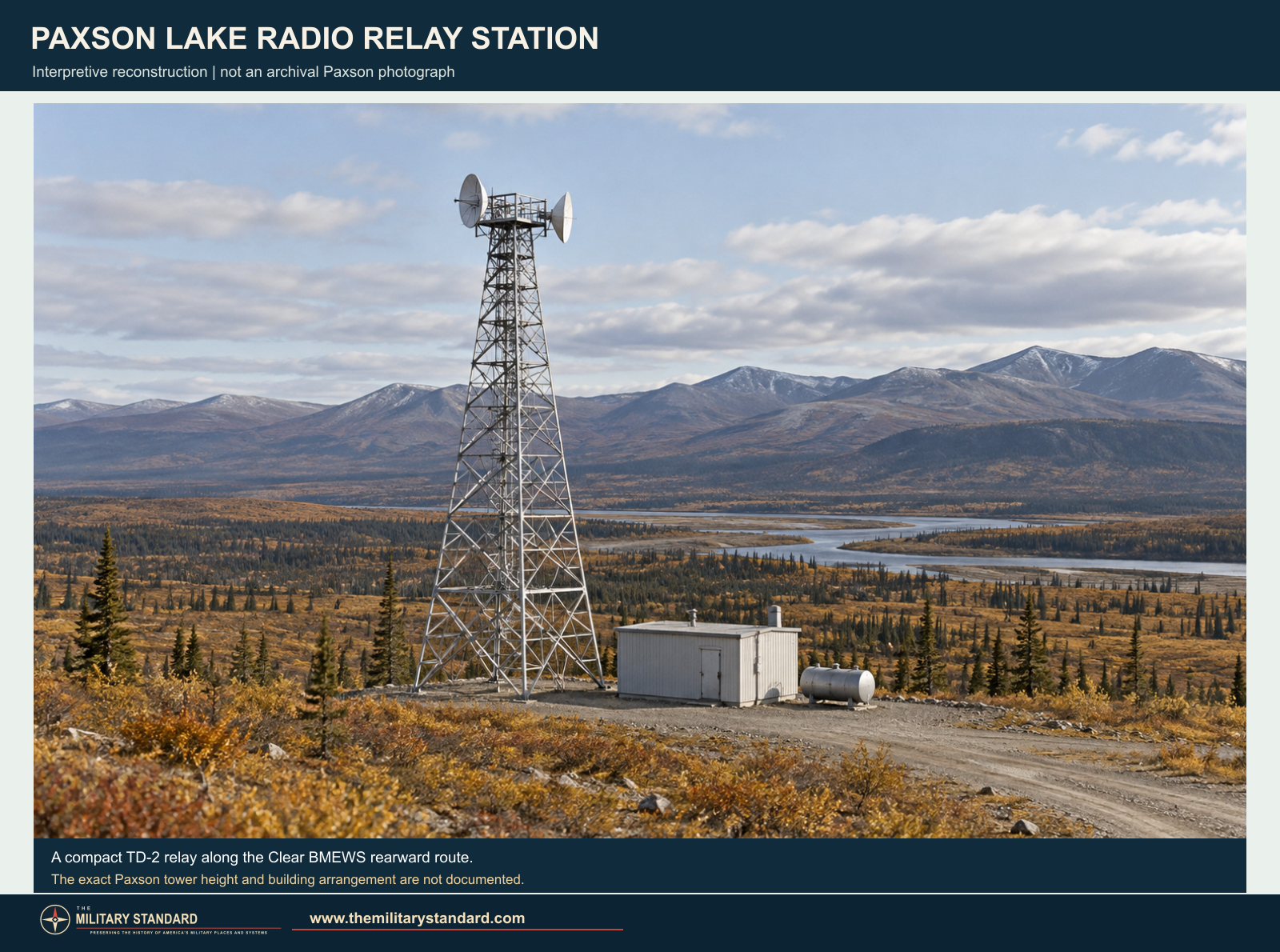
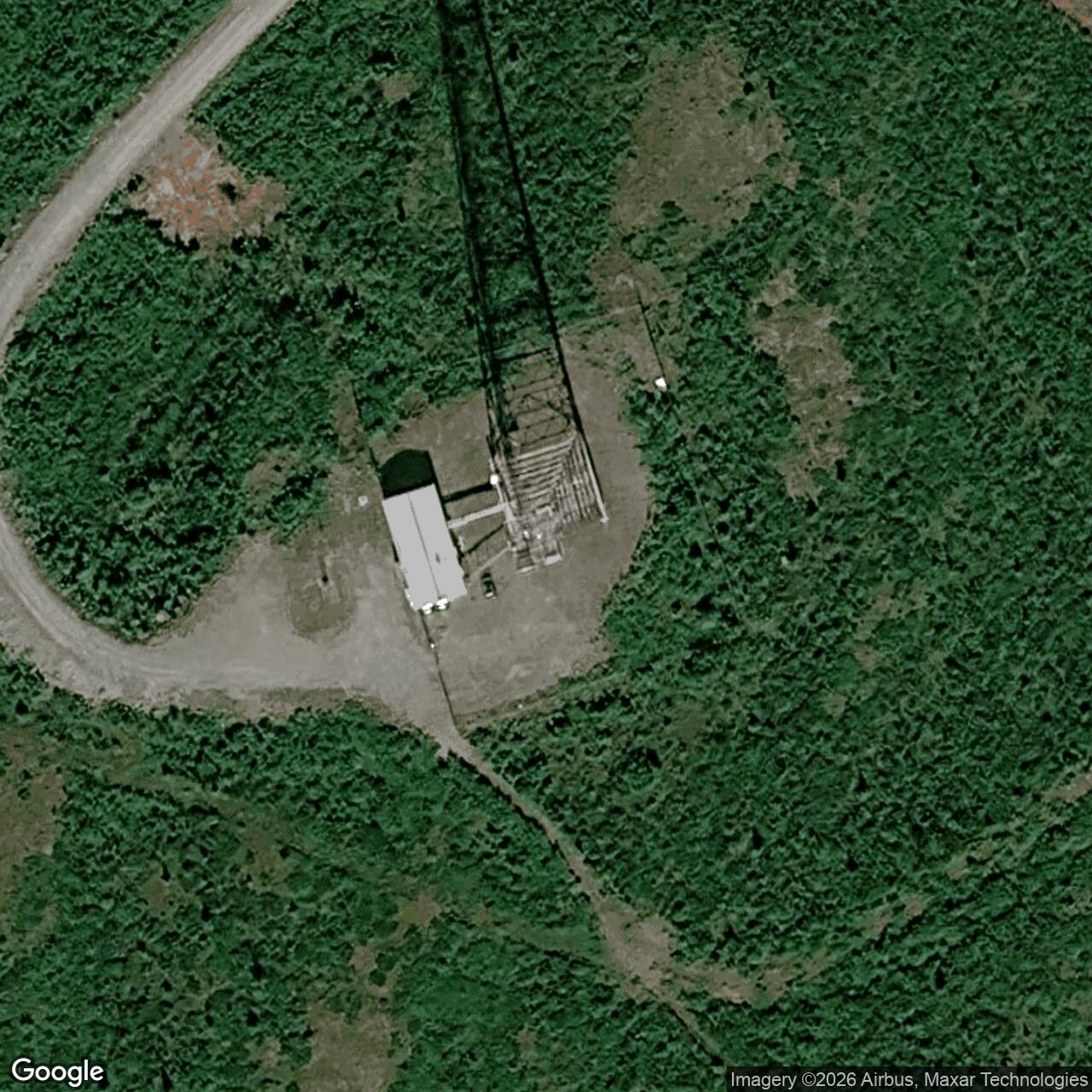
The Air Force placed the relay near Richardson Highway mile 181. The Corps describes this BMEWS repeater class as having a TD-2 tower, radio-relay building and fuel storage. A reconstruction below conveys that small station type in a Paxson-area setting. It is not an archival photograph or an exact as-built layout. [1] [2]
An unattended microwave relay still needed transmitters, waveguides, power equipment, fuel and periodic maintenance. The Corps' detailed photographic record of Rabbit Creek, another TD-2 station, shows how receiver and transmitter cabinets, batteries and standby generation supported that task. [1]
The separate Paxson Lake Maintenance Annex stood near the Richardson and Denali highway junction, several highway miles from the relay. It had heavy-equipment and automotive shops with an attached power plant and supported unmanned repeaters along the Richardson Highway. A 1977 federal notice proposed a 0.93-acre withdrawal for this vehicle-maintenance annex, not for the relay station. [2] [4]
The two properties reveal the division of labor behind White Alice's unattended sites: the relay carried the radio circuit, while the annex provided maintenance capacity for unmanned stations along the highway. Its shops and power plant were not rooms inside the radio-relay building. [2]
Commercial Transition
RCA Alascom began operating White Alice under a system-wide lease in 1976. The company expressed interest in buying TD-2 properties along Alaska's road network in 1977, and the Air Force commissioned a broad appraisal in 1978. Its 1983 sale study lists the Paxson relay and maintenance annex separately. The Bureau of Land Management later recorded termination of the proposed maintenance-annex land withdrawal in 1989. [2] [7]
Historical Images
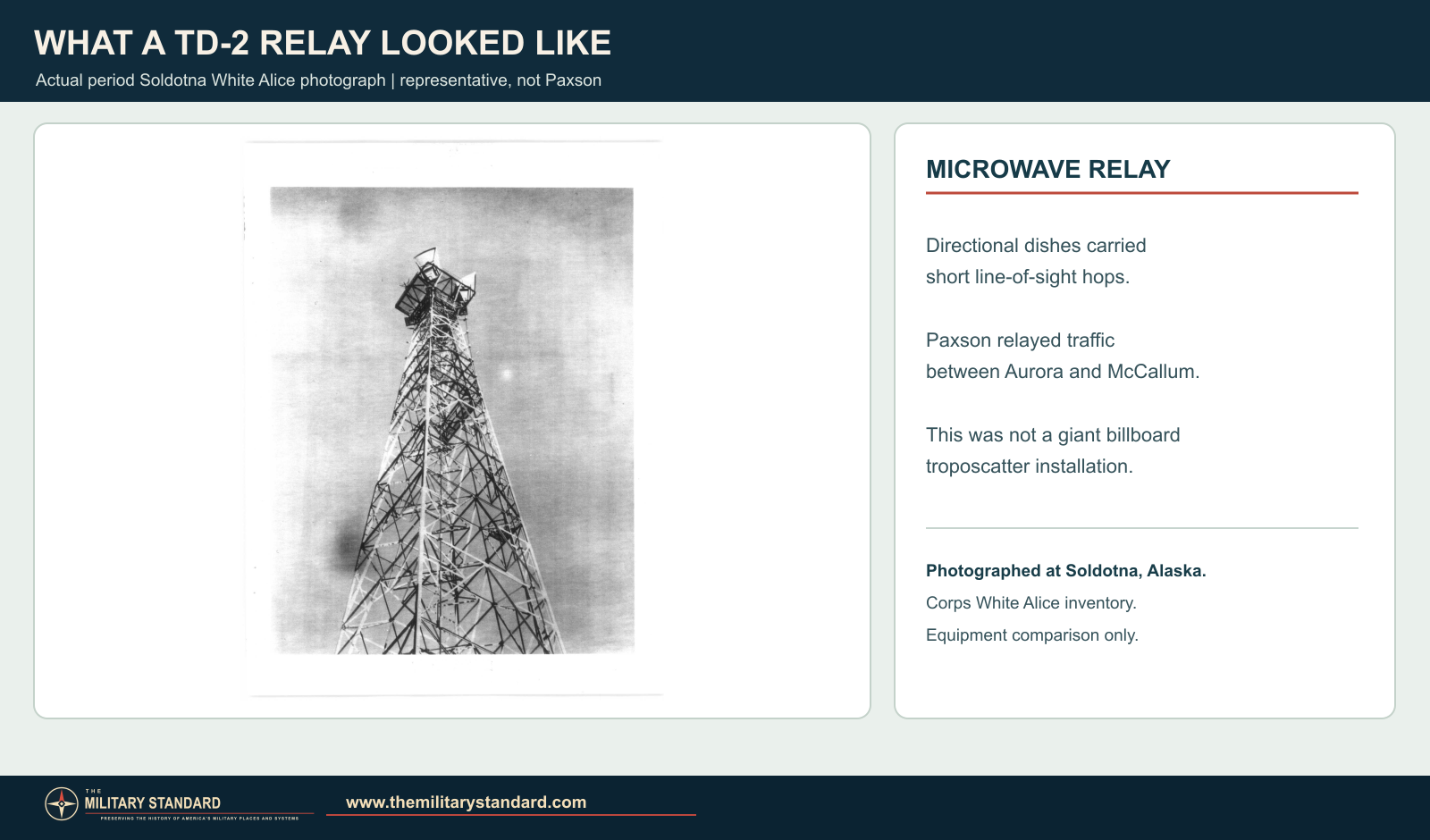
The University of Alaska Anchorage holds original Air Force real-property photographs of Paxson Lake in the William F. McDowell papers, but the collection is not digitized. The actual period Soldotna TD-2 tower below is a representative equipment comparison, not a photograph of Paxson. [6] [1]
Chronology
- 1960-1961 The White Alice BMEWS rearward route, including Paxson, is constructed and placed in service.
- 1976 RCA Alascom begins operating White Alice under a system-wide lease.
- December 13, 1976 A federal notice lists Paxson microwave paths toward Aurora and McCallum.
- June 24, 1977 A federal notice identifies the separate Paxson Lake Maintenance Annex near the Denali Highway junction.
- 1978 Paxson appears among TD-2 microwave properties in the Air Force appraisal program.
- October 1983 An Air Force study describes the unattended Paxson relay and separate maintenance annex.
- June 26, 1989 A federal notice terminates the proposed maintenance-annex land withdrawal.
Information sources (7)
- PDF[1] Historical Overview and Inventory: White Alice Communications System, U.S. Army Corps of Engineers (1988)
Source for: Clear BMEWS A Route, 1960-1961 construction and opening period, Paxson's Aurora and McCallum links and distances, and typical TD-2 repeater components.
- PDF[2] A Special Study of the Sale of the White Alice Communications System, U.S. Air Force (1983)
Source for: Paxson's unattended two-way relay role, Richardson Highway mile 181, system transition, and separate maintenance-annex equipment shops and power plant.
- PDF[3] Federal Register, December 13, 1976, RCA Alaska Communications microwave applications
Source for: Paxson licensed point and radio paths toward Aurora and McCallum.
- PDF[4] Federal Register, June 24, 1977, proposed withdrawal AA-12404
Source for: separate Paxson Lake Maintenance Annex location, vehicle-maintenance function and proposed 0.93-acre tract.
- WEB[5] U.S. General Accounting Office, Alaska Formerly Used Defense Sites Inventory
Source for: separate Paxson Lake Radio Relay, Maintenance Annex and Research Annex property identifiers; research-annex physical identity remains under review.
- WEB[6] William F. McDowell Papers, University of Alaska Anchorage Archives and Special Collections
Source for: cataloged but undigitized Air Force photographs of Paxson Lake and station generator equipment.
- PDF[7] Bureau of Land Management, Alaska Orders Index
Source for: 1989 termination of the proposed Paxson Lake Maintenance Annex withdrawal, distinct from the relay site.