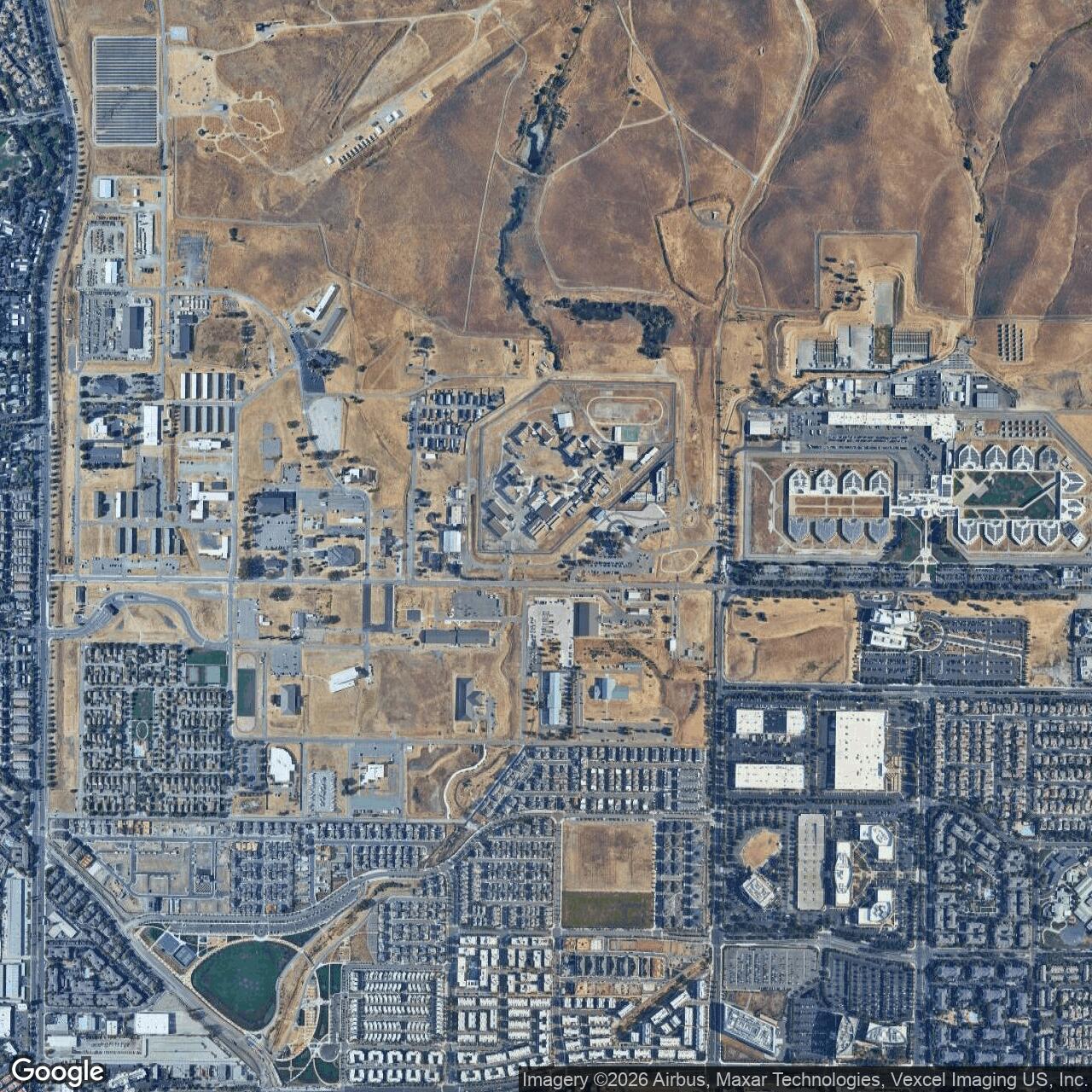
Parks Air Force Base, Dublin California
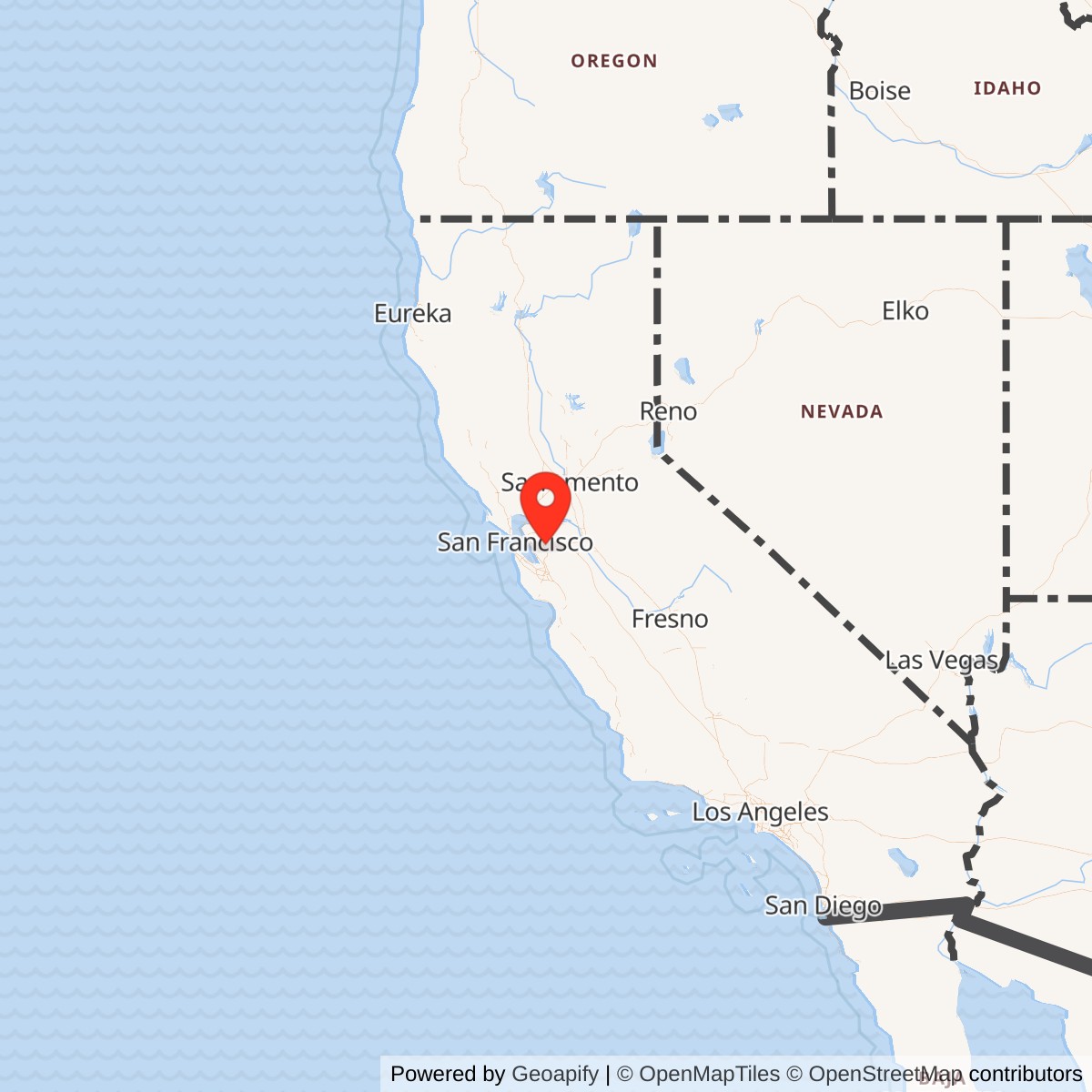
Longitude: -121.897511
Official Base Website: Parks Reserve Forces Training Area
Current Role: Parks Reserve Forces Training Area / Camp Parks, an active U.S. Army Reserve training area and sub-installation of U.S. Army Garrison Fort Hunter Liggett; also supports joint-force training, military intelligence, medical training, mission command, mobilization support, and emergency-response planning.
Parks Air Force Base was a Korean War-era United States Air Force installation built on a military landscape that had already lived one wartime life and would later return to the Army. The ground is now known as Parks Reserve Forces Training Area, or Camp Parks, an active U.S. Army Reserve training installation in Dublin, California.
That dual identity is the key to understanding Parks. It was not a fighter field like Hamilton, a depot like Norton, or a missile site like later Cold War air-defense installations. It was a personnel, training, processing, and support base. During World War II the area formed part of the Navy's Fleet City complex, including Camp Parks, Camp Shoemaker, and Naval Hospital Shoemaker. During the Korean War, the Air Force reused and rebuilt the former Navy base as Parks Air Force Base, a basic military training center, overseas replacement depot, personnel-processing point, and air base defense training area. After the Air Force period, the installation moved back toward Army control and ultimately became Parks Reserve Forces Training Area.
The site mattered because of its location. Dublin sat close enough to the San Francisco Bay Area, Oakland, San Francisco, Alameda, and the wider Pacific embarkation and logistics network to support mass personnel movement. It also had enough former federal land and temporary wartime infrastructure to be reactivated quickly when the Korean War strained Air Force training capacity. In the early 1950s, the young U.S. Air Force faced a manpower surge that overwhelmed Lackland Air Force Base, then the principal enlisted indoctrination base. Parks answered that pressure by adding another West Coast training and processing node to the Air Force system.
Mission Evolution
The first major military identity on the site was Navy, not Air Force. In 1943, the Navy commissioned Camp Parks as one of the major components of Fleet City, a wartime complex in the Dublin area that also included Camp Shoemaker and Naval Hospital Shoemaker. Camp Parks was named for Rear Admiral Charles W. Parks of the Navy Civil Engineer Corps and served the Navy's Seabee system. The Navy built a vast temporary installation of barracks, Quonset huts, training buildings, support structures, roads, utilities, and parade grounds. It was designed for the movement, training, medical processing, reorganization, and redeployment of naval construction forces and other personnel during the Pacific war.
In 1946, after World War II ended, the Secretary of the Navy disestablished the facility. For several years the former base entered a local and transitional phase. The Navy leased land to Alameda County for use as a rehabilitation center, and large amounts of wartime temporary construction were dismantled or reused. The former Navy landscape did not disappear, but it lost the urgent mass-mobilization mission that had created it.
The Air Force phase began in 1951. The Korean War placed sudden pressure on the Air Force personnel pipeline. Lackland AFB in Texas was heavily overloaded, and the Air Force needed additional places to receive, train, house, process, and prepare airmen. Camp Parks sat in an ideal position for reuse: federally controlled, already built around mass housing and training logic, and located near major West Coast transportation and military networks. The Air Force established a basic training center at the former Camp Parks and renamed the installation Parks Air Force Base.
Parks AFB's first Air Force mission was basic military training. The Air Force rebuilt much of the base because the Navy's wartime temporary buildings had been stripped, dismantled, or left unsuitable for immediate reuse. Early Air Force personnel reportedly lived in temporary conditions and ate from field mess arrangements while the new base came online. Mass training began in 1952. Parks became one of the Air Force installations associated with the 1950s basic training expansion, and the official USAF Basic Military Training photo archive lists Parks AFB among the bases that conducted Air Force basic training.
The base also developed a specialized defense-training and replacement-processing mission. The City of Dublin's Camp Parks Military History Center material describes Parks Air Force Base as a basic training center, overseas replacement depot, and air base defense training area during the Korean War. That combination is important. Parks was not just a place where new airmen learned military fundamentals. It also helped prepare and process personnel moving into the global Air Force system, including men headed toward overseas service.
By 1956 and 1957 the mission began to change. Air Force basic military training consolidated back toward Lackland as the Korean War surge eased and the Air Force reorganized its training system. Parks shifted toward personnel processing and Continental Air Command / Fourth Air Force associations. Public historical summaries identify the 2349th Air Base Wing and 2349th Personnel Processing Group as important late-1950s organizations at Parks. In this phase, the base functioned less as a mass basic-training center and more as a processing, support, and reserve-oriented installation.
The closing date is a source-sensitive point. City of Dublin museum material uses the period 1951 to 1959 for Parks Air Force Base, and common Air Force-veteran and training-history summaries also describe the base as closing in 1959. The current Army Camp Parks history page gives a broader statement that the U.S. Air Force used PRFTA from 1951 until 1969 before the installation was transferred back to the Army in standby status, while the Corps of Engineers describes the former Parks AFB area as having Navy, Army, and Air Force use at various times between 1943 and 1973 and notes transfers of portions between 1957 and 1972.
After the Air Force period, the Army determined that the site remained useful as a reserve-component mobilization and training area. By 1980 it was redesignated as Parks Reserve Forces Training Area. It later became linked administratively to Fort Hunter Liggett and now supports Army Reserve, National Guard, joint-force, medical, intelligence, mission-command, and emergency-response training.
Air Force Mission and Operations
The Air Force did not use Parks primarily as a flying field. Its value was the ability to absorb and process people. During the Korean War, the Air Force needed fast personnel expansion, disciplined training, and a way to move airmen from civilian life into the service and then onward to schools, units, and overseas assignments. Parks AFB existed to do that work on the West Coast.
Basic military training was the base's most visible early Air Force mission. Recruits learned discipline, physical conditioning, military customs, inspections, drill, barracks order, basic field skills, and the identity of a newly independent Air Force. Parks was part of a broader Air Force training expansion that included Lackland and other temporary or supplemental basic training locations. The fact that USAF BMT archival material preserves Parks AFB flight-photo history matters because it confirms that Parks was part of the institutional memory of Air Force enlisted training, not merely a minor leased support site.
The overseas replacement and personnel-processing mission gave Parks another layer of importance. The base helped move airmen through administrative, medical, training, assignment, and deployment channels. During the Korean War and early Cold War, personnel pipelines were a strategic system. Aircraft, squadrons, and overseas bases depended on the orderly flow of trained people. Parks AFB supported that flow from the Bay Area, a region with deep connections to Pacific transport, shipping, and military logistics.
The air base defense training mission is also significant. The Korean War and early Cold War forced the Air Force to think seriously about the defense of its own installations. Air bases were no longer safe rear-area support points. They were potential targets for sabotage, airborne attack, commando raids, air attack, and later missile-age threats. Air base defense training at Parks helped airmen learn the ground-defense and security skills needed to protect Air Force installations, especially overseas or forward bases. In that sense, Parks connected the personnel system to base-defense doctrine.
Parks AFB's operational rhythm would have looked different from an airfield. Its daily life centered on barracks, classrooms, drill areas, mess halls, processing offices, medical screening, records, inspections, ceremonies, buses, trucks, and administrative movement. The base's products were trained and processed airmen, not sorties. That does not make it less important. The Air Force of the 1950s could not expand, deploy, or sustain global commitments without installations like Parks.
Units, Organizations, and Systems
The most important Air Force organization associated with the early Parks mission was the Air Force basic training establishment that operated there during the Korean War surge. Public summaries commonly associate mass training at Parks with the 3275th Air Indoctrination Wing and later Air Force training organizations. By 1956 the Air Force was already moving toward consolidation of basic military training and air base defense instruction away from Parks.
In the late 1950s, public historical summaries identify the 2349th Air Base Wing and the 2349th Personnel Processing Group as key Parks organizations. Their names fit the base's shifting mission. An air base wing provided the command, service, support, and operating structure needed to run the installation. A personnel processing group matched the replacement and movement mission that remained after the basic training role declined.
Parks also belonged to larger command systems. During the Air Training Command period, it was part of the Air Force's basic military training network. In the later 1950s, Continental Air Command and Fourth Air Force connections placed Parks within the reserve, mobilization, and processing side of the Air Force.
The post-Air Force Army organizations are part of the site's continuing story. Parks Reserve Forces Training Area is now tied to U.S. Army Garrison Fort Hunter Liggett. Public Army Reserve and MilitaryINSTALLATIONS pages describe Fort Hunter Liggett and PRFTA as one garrison on two installations that supports Army Reserve and other Department of Defense partners. Current training functions include facilities, ranges, mission-command systems, medical training, intelligence training, and base support for reserve-component readiness.
Facilities and Physical Layout
Parks was built for people before it was built for aircraft. The World War II Navy base had large-scale troop housing, administration, medical, training, and support space. That physical inheritance made Air Force reuse possible, even though the Air Force had to rebuild much of the installation after postwar dismantling. The base's 1950s Air Force mission required barracks, classrooms, drill areas, parade grounds, dining facilities, medical facilities, processing centers, storage, roads, utilities, and administrative headquarters.
The modern PRFTA footprint is much smaller and more specialized than the World War II Fleet City landscape. A 2016 Military Asset List fact sheet lists Camp Parks Reserve Forces Training Area at 2,468 acres in Dublin. It describes the installation as a major Army Reserve training center in the San Francisco Bay Area, home to more than thirty reserve units, and the only local training facility for U.S. Army Reserve units in the Bay Area. It also identifies facilities such as the Battle Projection Center, Regional Training Site-Medical, and Regional Training Site-Intelligence.
USACE environmental documentation shows that the former Parks AFB property is not a single uncomplicated parcel. Portions of the former base were transferred to private and municipal owners between 1957 and 1972, and the Corps' Formerly Used Defense Sites work focuses on eligible properties transferred out of federal control. This explains why "Parks AFB" can appear in environmental records even while the active retained installation is now an Army Reserve training area.
Role in the Wider Military Network
Parks Air Force Base was a node in the Korean War Air Force training and personnel network. Its purpose was shaped by pressure elsewhere. Lackland's overload, the draft and volunteer surge, the expansion of the young independent Air Force, and the demand for airmen in Korea, Japan, the Pacific, Europe, and the continental United States all created the need for supplemental basic training and personnel-processing capacity. Parks helped meet that requirement from the West Coast.
The base also sat in a wider Bay Area military system. Nearby installations and facilities included major Navy, Army, Air Force, depot, port, hospital, arsenal, shipyard, and air-defense sites across the San Francisco Bay region.
Parks' later Army Reserve identity continued the same basic logic of regional support. Rather than closing permanently after the Air Force period, the installation survived because reserve-component readiness, mobilization, joint training, medical training, intelligence support, and emergency-response planning still needed a Bay Area military campus. Fort Hunter Liggett and PRFTA now operate as one garrison on two installations, with PRFTA serving the dense urban reserve-force population of the San Francisco Bay Area.
Current Status
Parks Air Force Base is closed as an Air Force installation. The retained federal military installation is now Parks Reserve Forces Training Area / Camp Parks, an active U.S. Army Reserve training area in Dublin, California. It is administered as a sub-installation of U.S. Army Garrison Fort Hunter Liggett. Current Army public descriptions emphasize training, readiness, mission command, military intelligence, medical training, reserve-component support, joint-force support, and emergency planning.
Former Parks AFB lands outside the retained installation are also part of the site's present-day status. USACE identifies a Former Parks AFB FUDS project in Dublin and describes ongoing environmental investigation work in selected areas of interest. The Corps notes that the former property had Navy, Army, and Air Force use at different times and that much of the original property has operated since 1980 as an active Army Reserve Forces Training Area. That environmental and land-transfer history is a continuing consequence of the site's layered military use.
Chronology
- 1943-01-19 The Navy commissioned Camp Parks as a naval base named for Rear Admiral Charles W. Parks, CEC, USN, as part of the wider Fleet City complex in the Dublin area.
- 1943-1946 Camp Parks, Camp Shoemaker, and Naval Hospital Shoemaker operated as major World War II Navy facilities supporting Seabees, personnel distribution, medical care, training, deployment, and redeployment.
- 1946 The Secretary of the Navy disestablished the facility after World War II.
- 1946-1951 The Navy leased portions of the former installation to Alameda County for use as a rehabilitation center, while many wartime temporary buildings were dismantled or removed.
- 1951 The U.S. Air Force established a basic training center at the former Camp Parks site during the Korean War and renamed it Parks Air Force Base.
- 1952 Mass Air Force training began at Parks, commonly associated with the 3275th Air Indoctrination Wing / later training organizations.
- 1953 Air base defense instruction became part of the Parks mission as the Air Force adjusted its base-defense training system.
- 1956 Basic military training and air base defense functions began shifting away from Parks as the Air Force consolidated training at Lackland and adjusted post-Korean War training capacity.
- 1957 Public summaries identify the 2349th Air Base Wing and 2349th Personnel Processing Group as beginning operations at Parks, reflecting the base's shift toward personnel processing and support.
- 1957-1972 USACE notes that various portions of the former Parks AFB property were transferred to multiple private and municipal owners during this broader disposal and reuse period.
- 1959 Common public historical summaries identify 1959 as the closure date for Parks Air Force Base as an active named Air Force base.
- 1959-1973 The installation operated in a standby or transitional status under Army jurisdiction in public historical summaries, with retained federal land continuing to serve military and related functions.
- 1965 Army Camp Parks history states that the installation was declared excess except for 1,600 acres retained for National Guard and Navy use. Coast Guard small-arms training for Vietnam-era deployment is also associated with the range facilities in this broader period.
- 1973 The Army determined that Camp Parks was needed as a mobilization and training center for reserve components in the event of war or natural disaster.
- 1980-12-11 The Army designated the retained installation as a semi-active installation and renamed it Parks Reserve Forces Training Area.
- 1992 PRFTA became a sub-installation of Fort Lewis in Army administrative history.
- 1993 Command and control moved from Forces Command to Army Reserve Command, and PRFTA became a direct-reporting installation of Fort McCoy, Wisconsin.
- 2005 PRFTA became a sub-installation of U.S. Army Garrison Fort Hunter Liggett, supporting active Army, Army Reserve, National Guard, Coast Guard, Navy, Air Force, and Army ROTC users.
- 2016 The Military Asset List described Camp Parks Reserve Forces Training Area as a 2,468-acre Army training center in Dublin and the only local training facility for U.S. Army Reserve units in the San Francisco Bay Area.
- Present Parks Air Force Base remains closed as an Air Force base; the retained federal installation operates as Parks Reserve Forces Training Area / Camp Parks, an active U.S. Army Reserve installation.