
Atlas E Site 567-9 Missile Silo, Reardan Washington
Longitude: -117.831007923156
Site Type: Atlas E single-missile coffin launcher complex
Missile Type: SM-65E Atlas
Number of Launchers/Missiles: 1
Parent Base: Fairchild AFB
Missile Wing: 92d Bombardment Wing; 92d Strategic Aerospace Wing after 1962-02-15
Missile Squadron: 567th Strategic Missile Squadron
Approximate Base Size: 20-acre rural site; approx. 5-acre historic core
Current Site Use: CDC/NIOSH Reardan Auxiliary Site / Reardan Missile Silo Laboratory; NRHP-listed former Atlas E launch complex reused for mine-safety research support and testing.
Site Ownership: Public-federal; U.S. Department of Health and Human Services / CDC-NIOSH.
Accessible: No public access / secured federal research property.
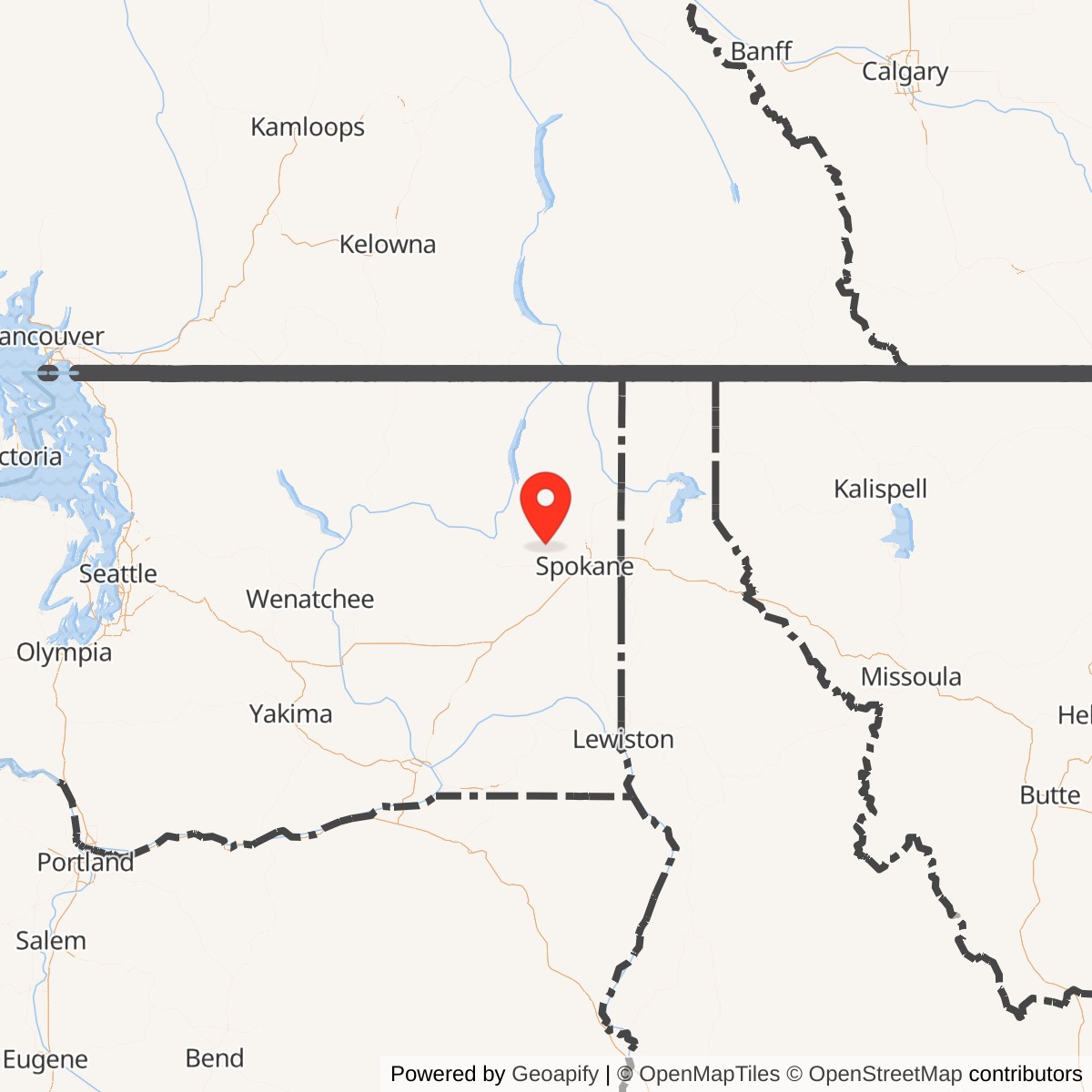
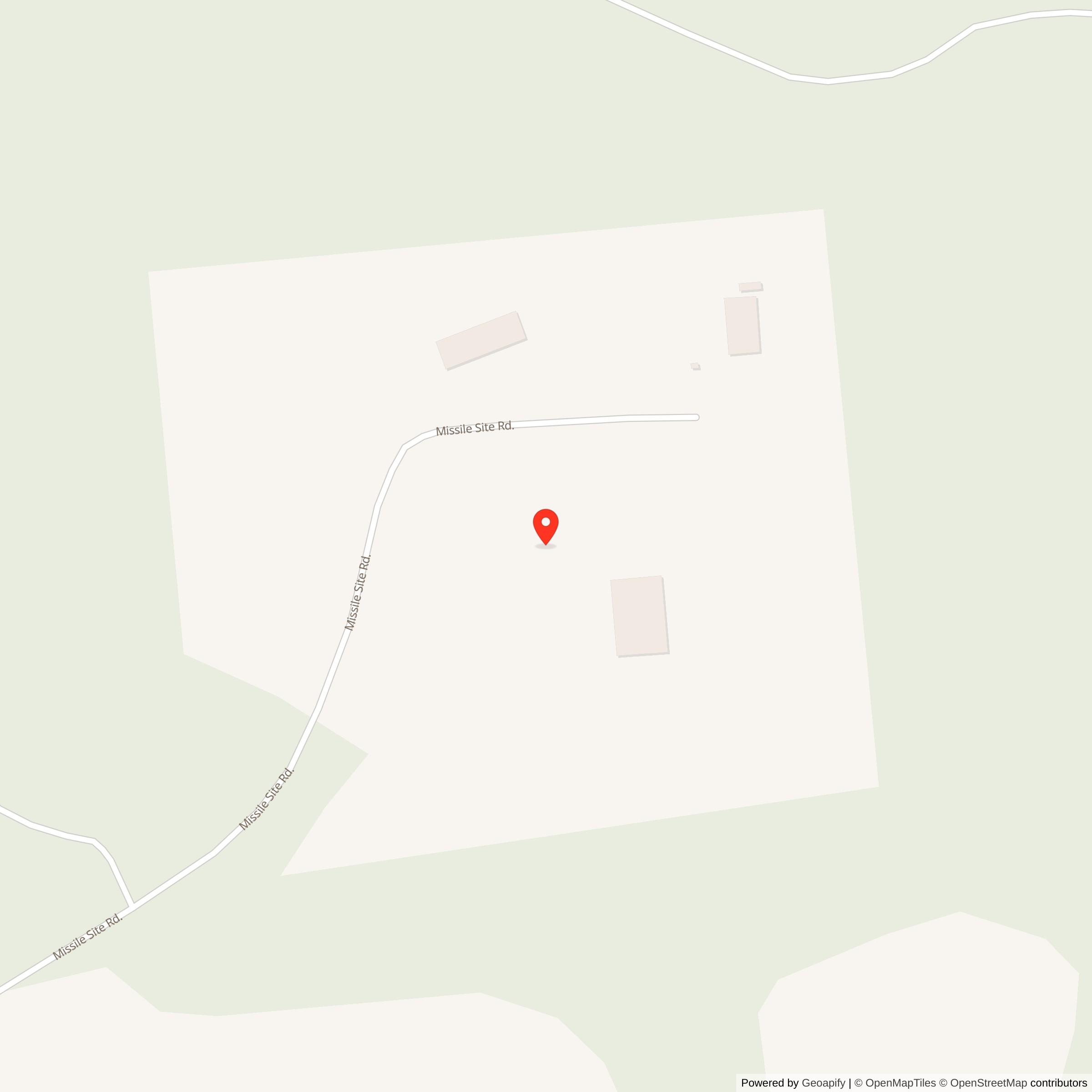
Atlas E Site 567-9 was a single-missile SM-65E Atlas intercontinental ballistic missile launch complex operated by the 567th Strategic Missile Squadron in the Fairchild Air Force Base missile field. It was one of nine Atlas E "coffin launcher" complexes dispersed around Fairchild Air Force Base near Spokane, Washington. Its parent base was Fairchild Air Force Base. Its parent wing was the 92d Bombardment Wing during the initial Atlas E deployment period and the 92d Strategic Aerospace Wing after the wing was redesignated on 1962-02-15. The operating squadron was the 567th Strategic Missile Squadron. The site did not have a separate parent Launch Control Center in the later Minuteman sense. Atlas E launch-control functions were located at each individual launch complex.
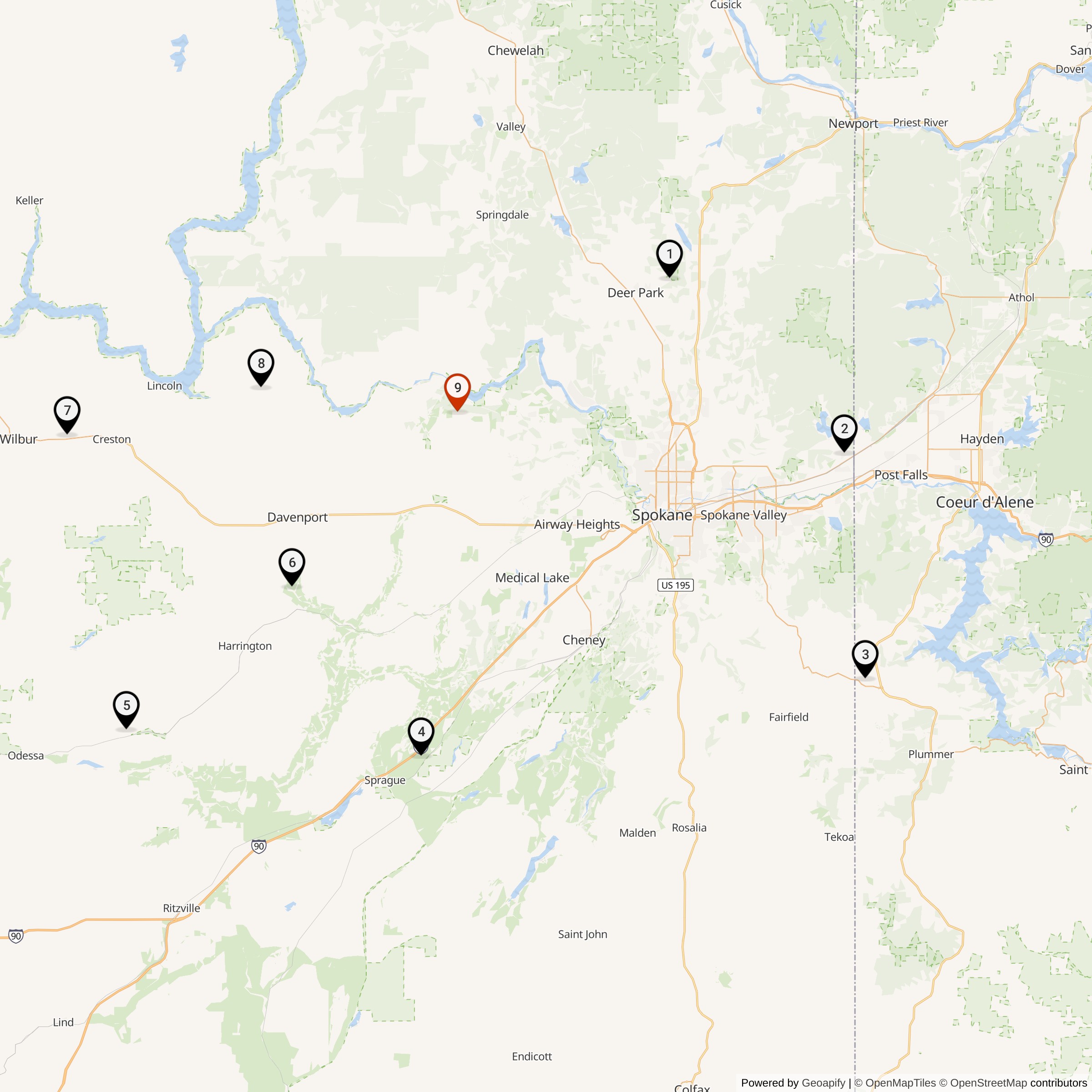
The site was Air Force Operational Site Number 9 of the 567th Strategic Missile Squadron and is best identified as Atlas E Site 567-9, Atlas E Missile Site 9, or the Reardan Missile Silo Laboratory. It is located near Reardan in Lincoln County, Washington. The National Register of Historic Places form identifies the same property as Atlas E Missile Site 9, also known as the Reardan Missile Silo Laboratory, at 36000 Crescent Road N. near Reardan, Lincoln County, Washington.
The site is inactive and decommissioned as a missile launch complex. The 567th Strategic Missile Squadron was organized at Fairchild Air Force Base on 1960-04-01 and was inactivated on 1965-06-25. Strategic Air Command declared the squadron operational on 1961-09-28, the first Fairchild Atlas E missile went on alert on 1961-10-01, and most of the missile field was on alert by November 1961. Public Air Force history states that the last Series E Atlas ICBMs at Fairchild were removed from alert on 1965-03-31, while the National Register documentation states that the 567th was called off alert in March 1965 and that Site 9 was decommissioned by May.
Unlike most of the other Fairchild Atlas E sites, Site 567-9 remained in federal ownership after its Air Force missile mission ended. The U.S. Bureau of Mines purchased the former launch complex in 1966 and reused it for mine-safety research. After the Bureau of Mines closed in 1996, the former launch complex and the Spokane Research Laboratory were acquired by the National Institute for Occupational Safety and Health. The site is now best documented as the CDC/NIOSH Reardan Auxiliary Site or Reardan Missile Silo Laboratory, a federal research-support property. It was listed in the National Register of Historic Places on 2009-07-31 as Atlas E Missile Site 9, NRIS ID 09000579. Public access is not available.
Location, Landscape, and Site Description
Atlas E Site 567-9 occupies a rural location in northeastern Lincoln County, Washington, just west of the Spokane County line and north of the town of Reardan. EPA identifies the CERCLA site as the USDHHS NIOSH Former Atlas E Missile Facility S-9 Site, in T27N R39E Section 36, approximately nine miles north of Reardan off Highway 231. The National Register documentation places the site at 36000 Crescent Road N. and describes it as an approximately five-acre historic core within a larger twenty-acre rural property. The surrounding landscape is agricultural and lightly wooded, with farmland to the south and woodland to the north. The site is not on Fairchild Air Force Base itself; it was one of the dispersed off-base launch complexes that surrounded the Spokane-area support base.The site's isolation was central to its military purpose. Fairchild's Atlas E missiles were not grouped on one base or in one launch yard. They were placed at individual rural locations so that a single attack on Fairchild Air Force Base, or on one missile site, would not necessarily eliminate the entire missile force. In the Fairchild field, Site 9 stood near Reardan while the other Atlas E complexes were associated with Deer Park, Newman Lake, the Rockford/Worley area, Sprague, Lamona, Davenport/Bluestem, Wilbur, and Egypt. The Atlas E design called for roughly twenty-mile spacing between launch complexes where geography and land availability allowed.
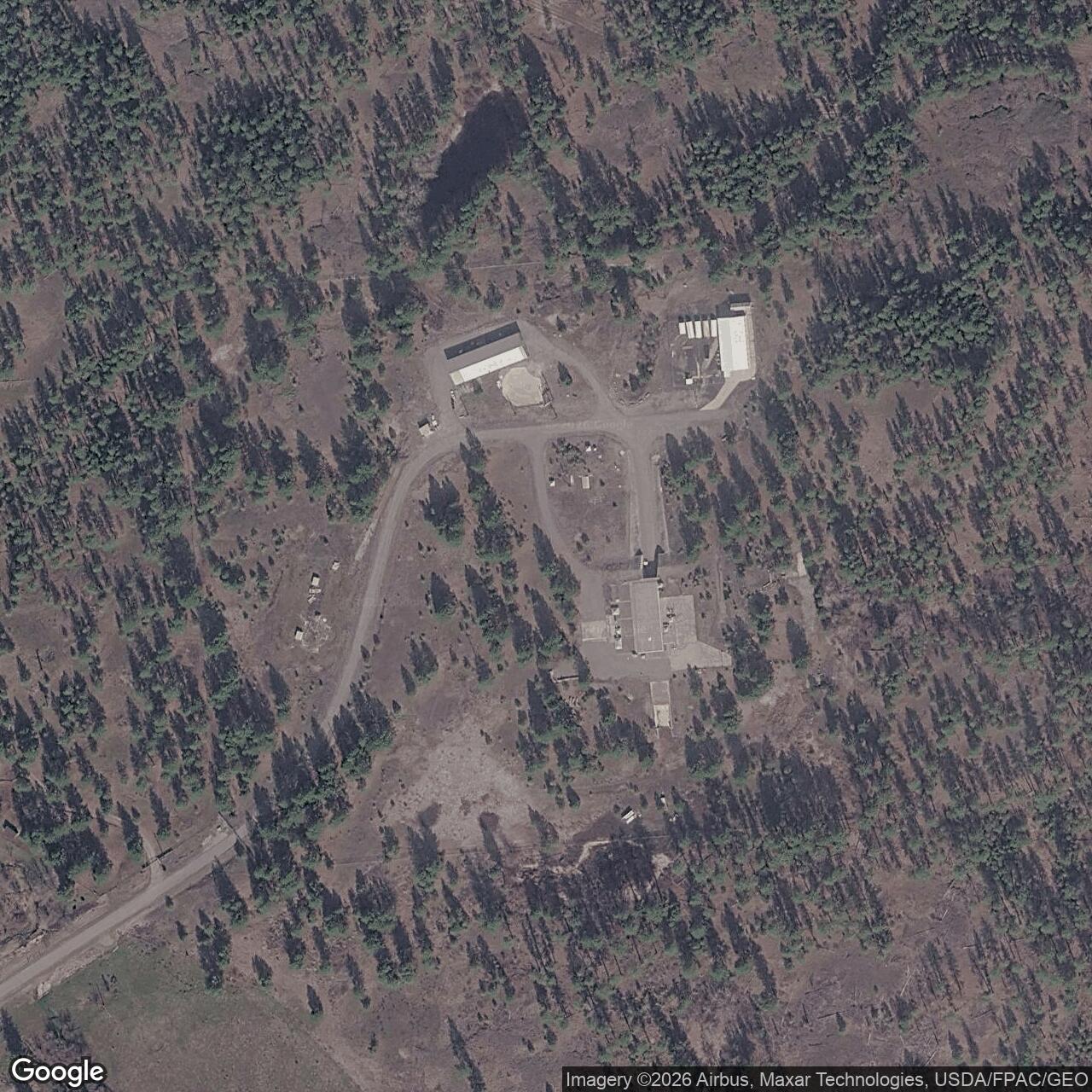
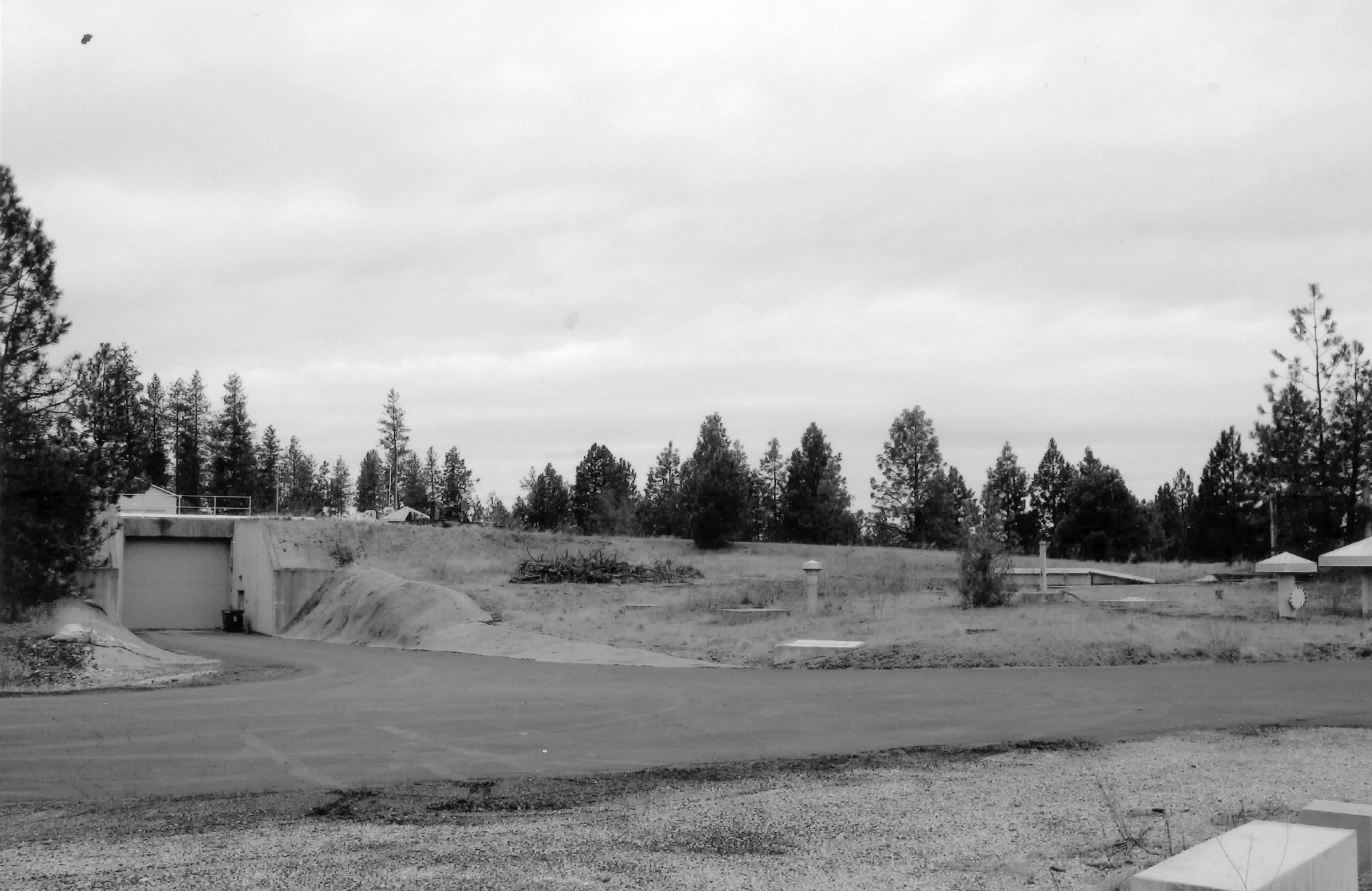
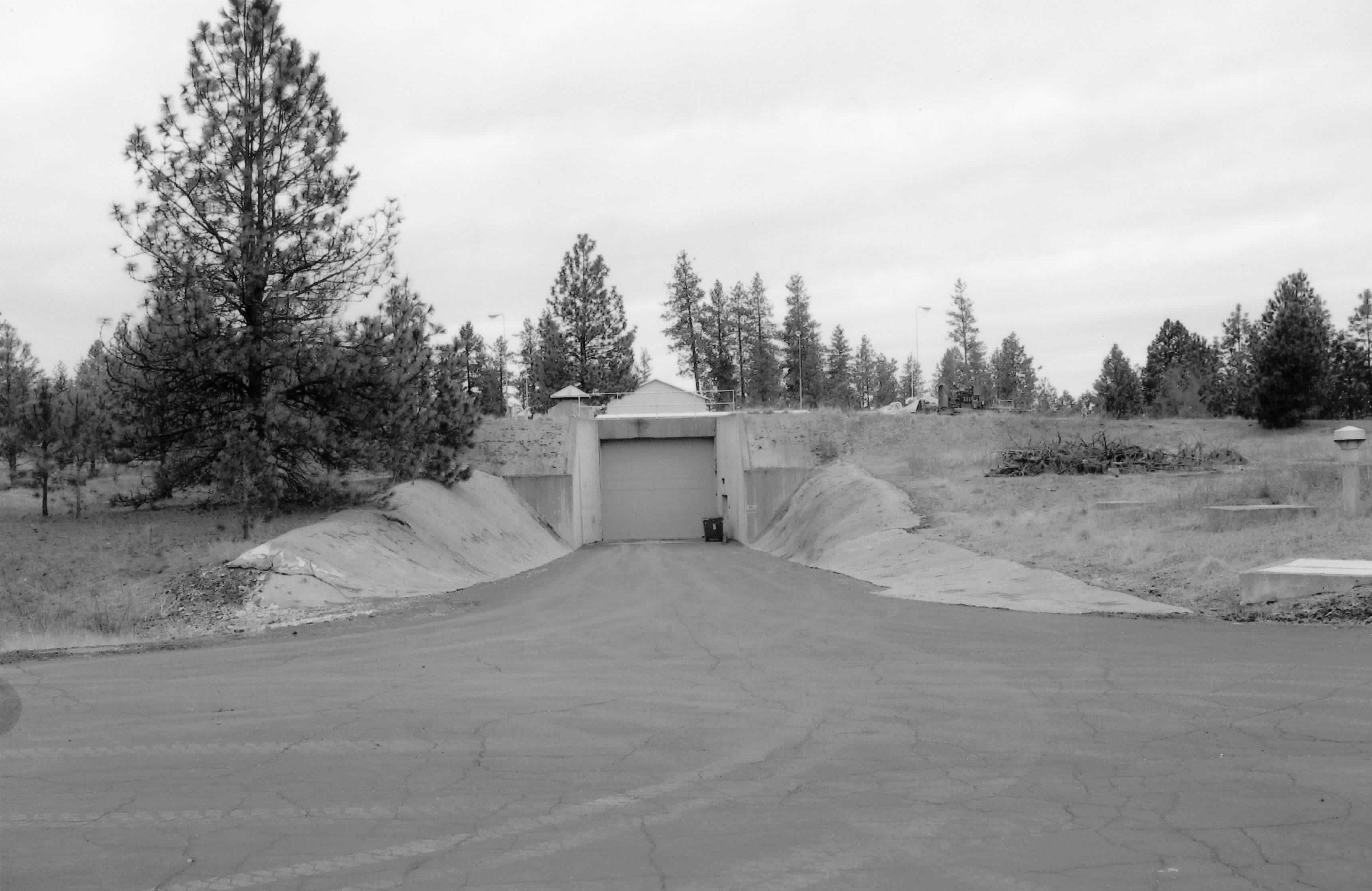
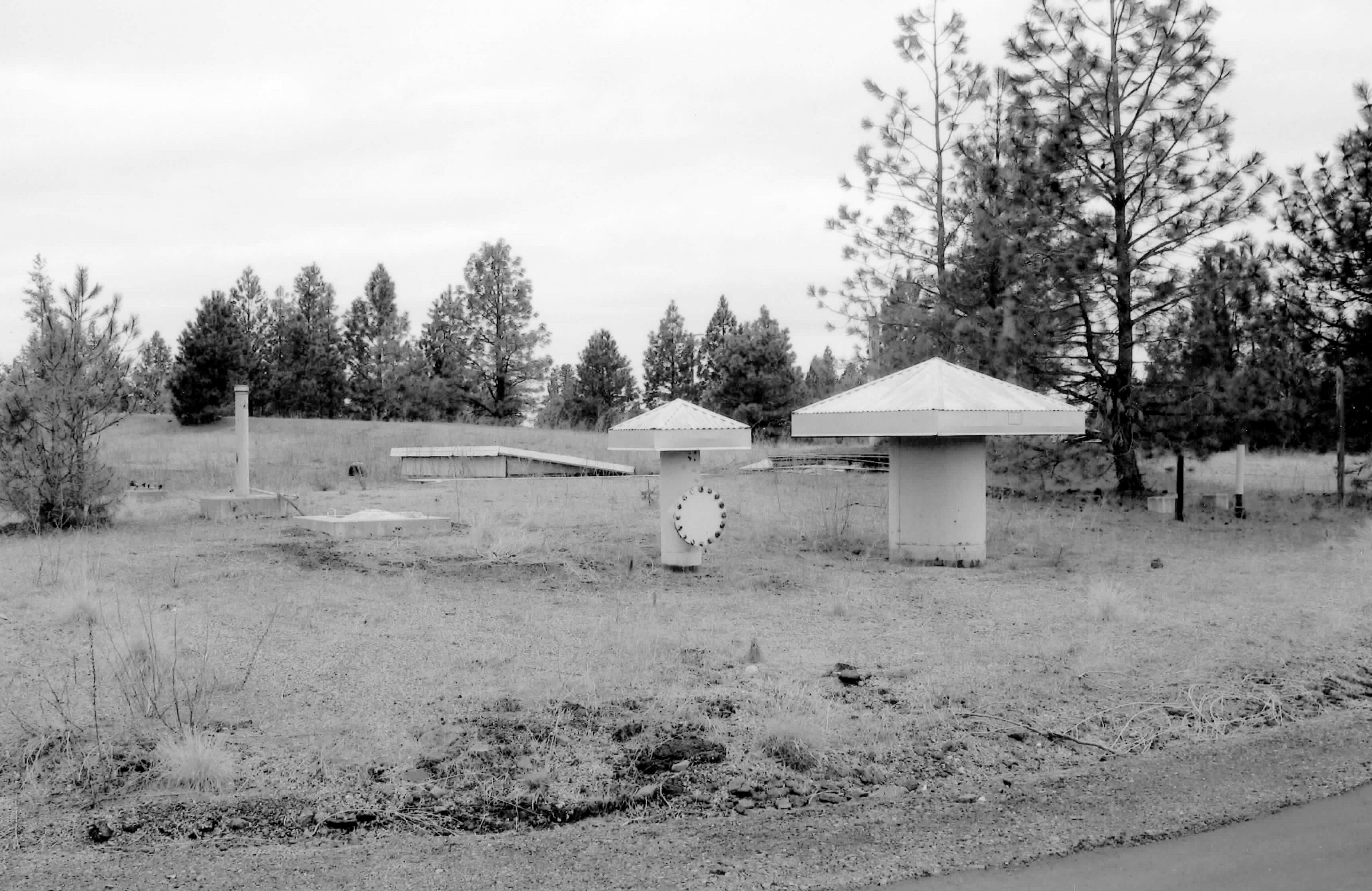
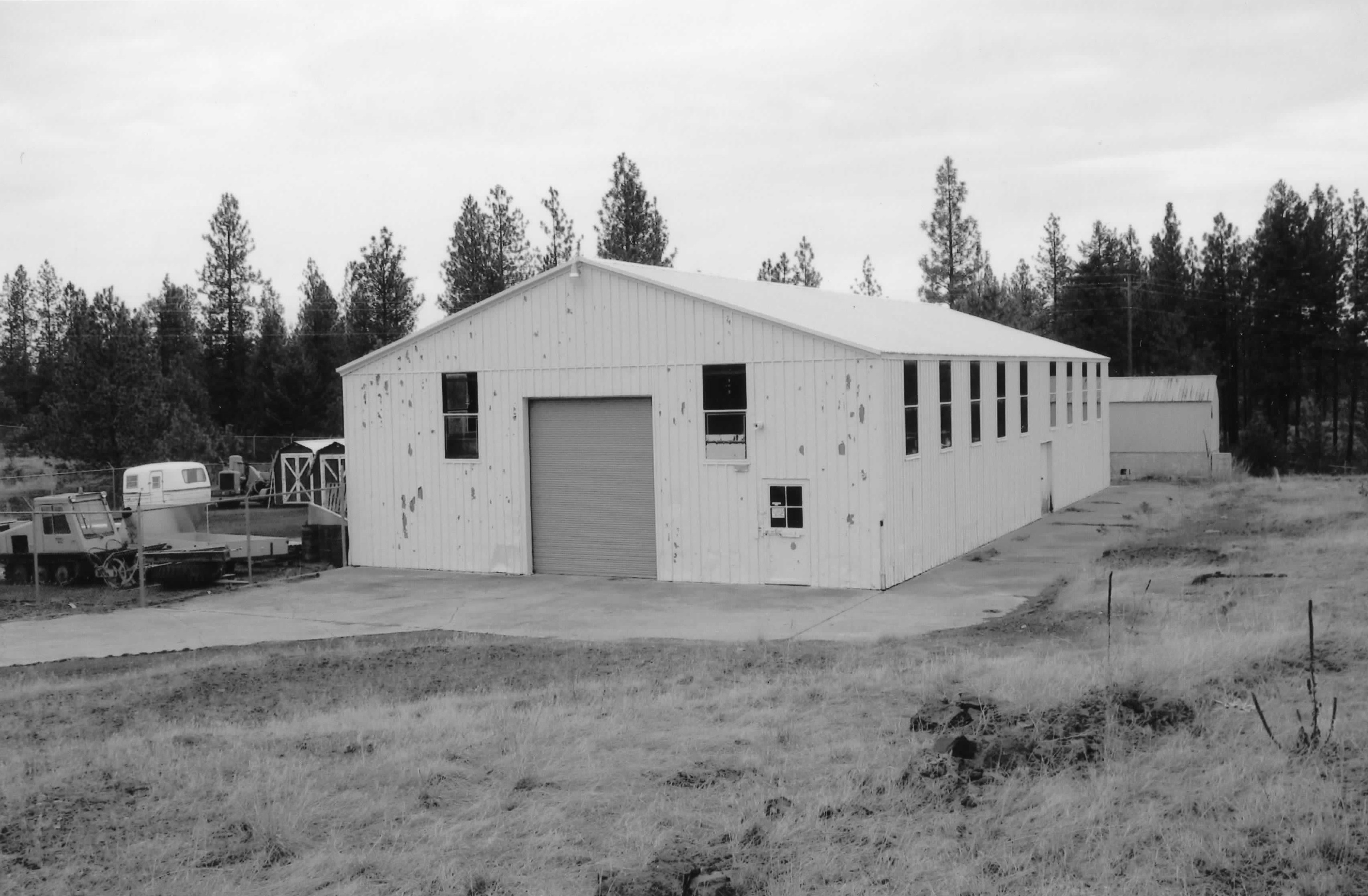
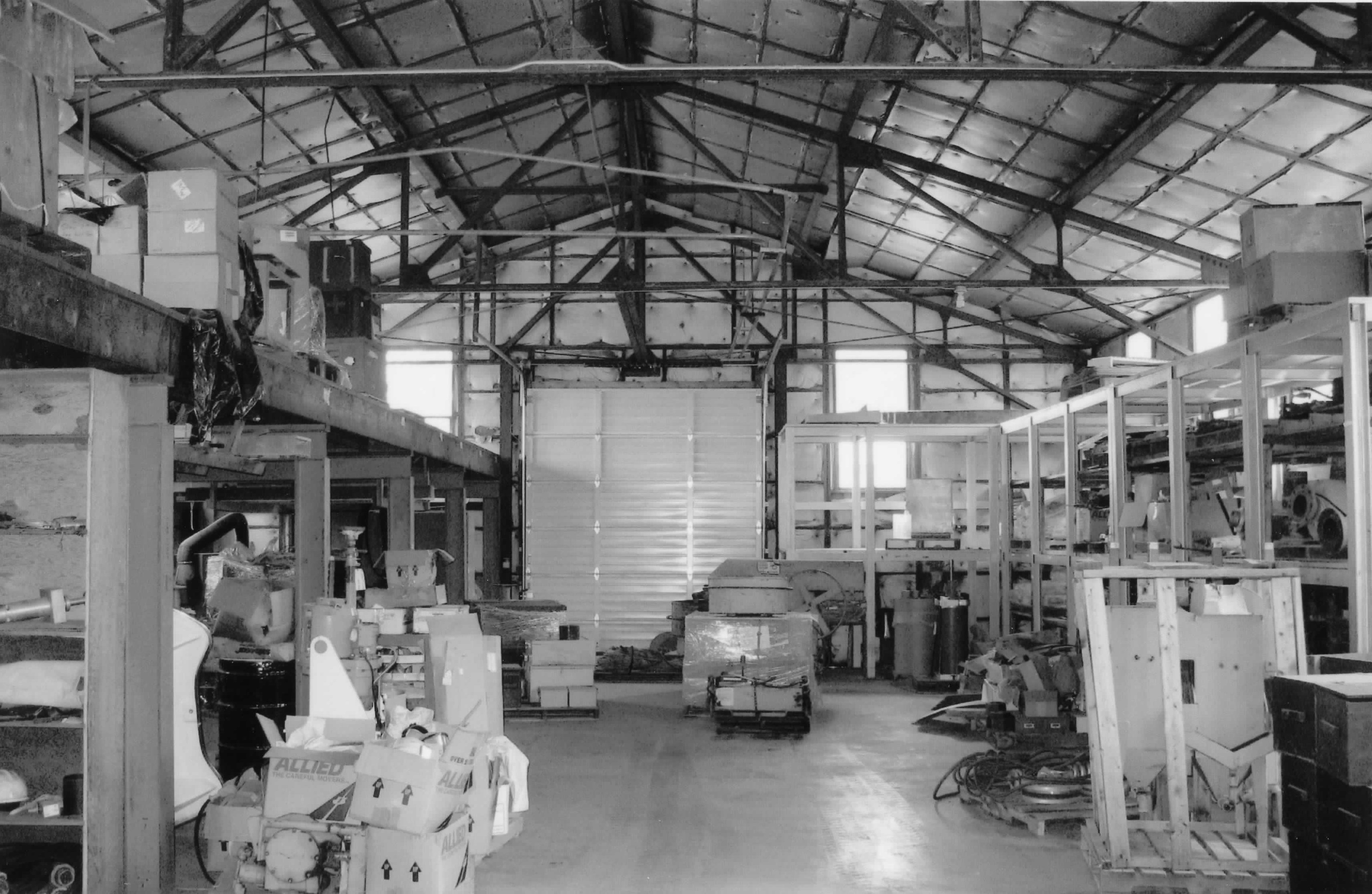
The preserved Reardan site is the best publicly documented Fairchild Atlas E complex because it was nominated to the National Register. Its historic core includes the Upper Missile Bay, the Launch Operations Building, and the Butler Building. The original five-acre missile area was once surrounded by a seven-foot chain-link security fence. The original inner security fence was later removed and replaced by a fence around the larger twenty-acre boundary. The National Register documentation states that the five-acre portion retained all of the original buildings associated with the Atlas E missile site and that Site 9 remained the only one of the original nine Fairchild Atlas E sites still owned by the federal government when the nomination was prepared.
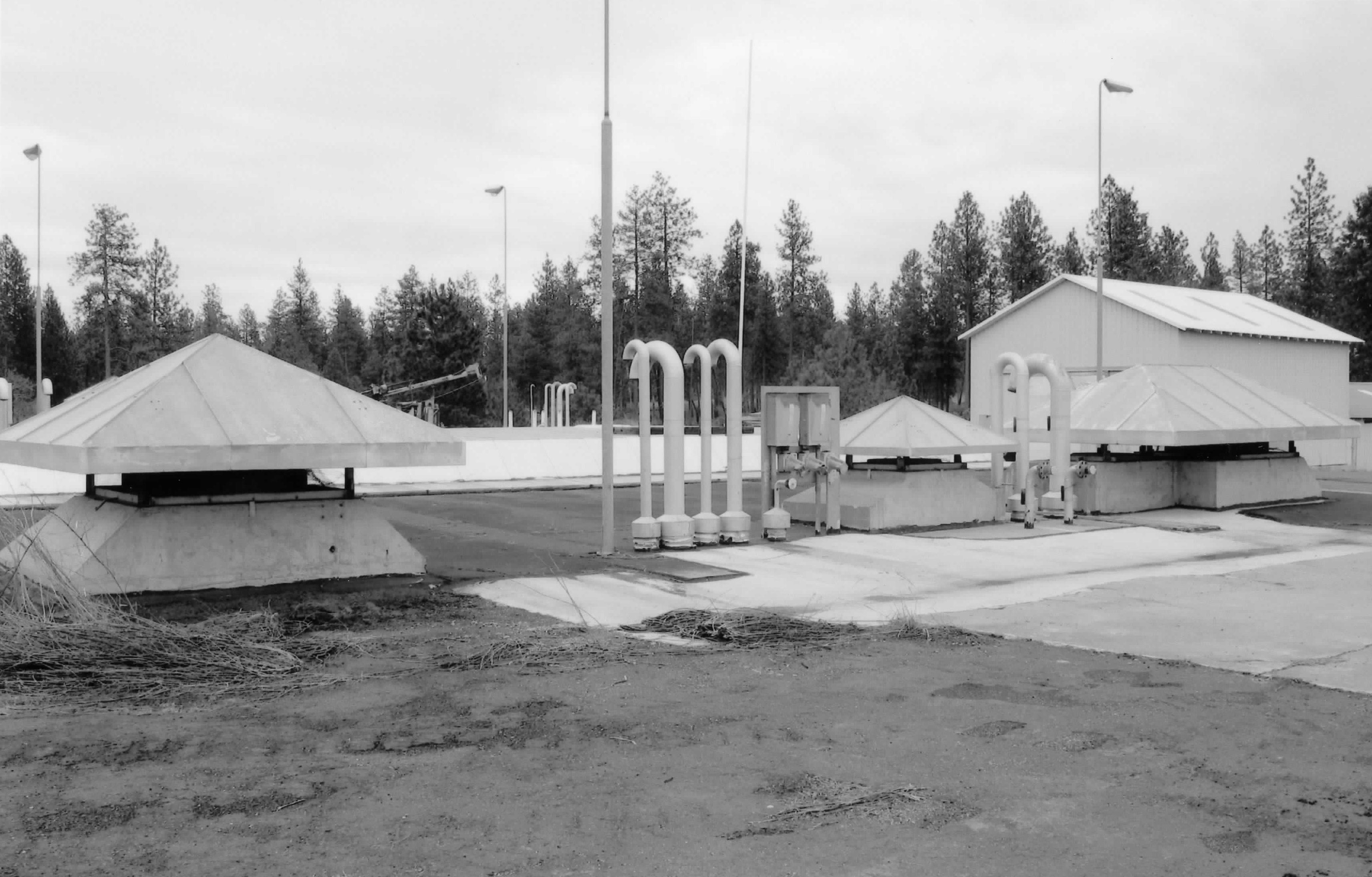
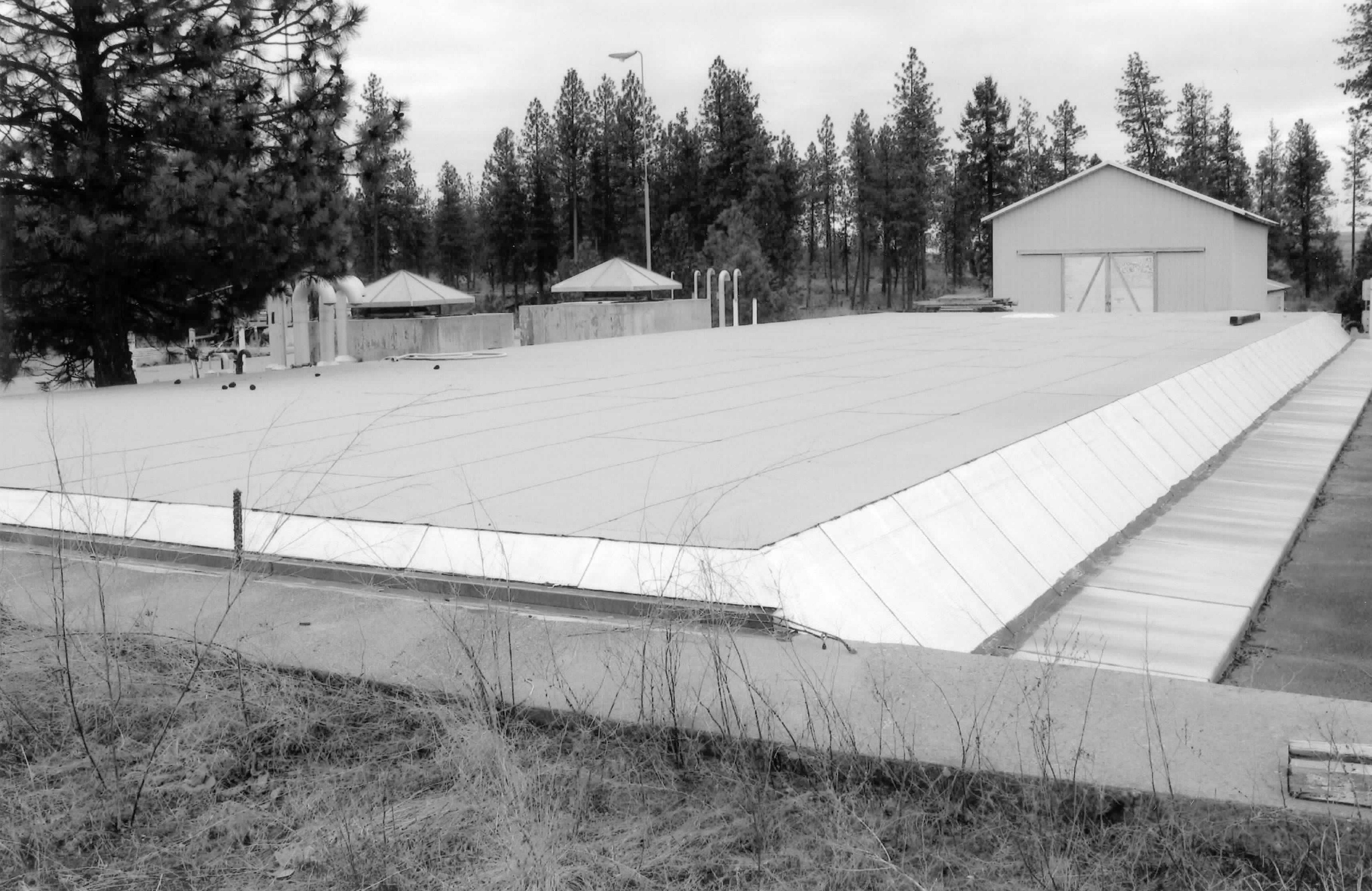
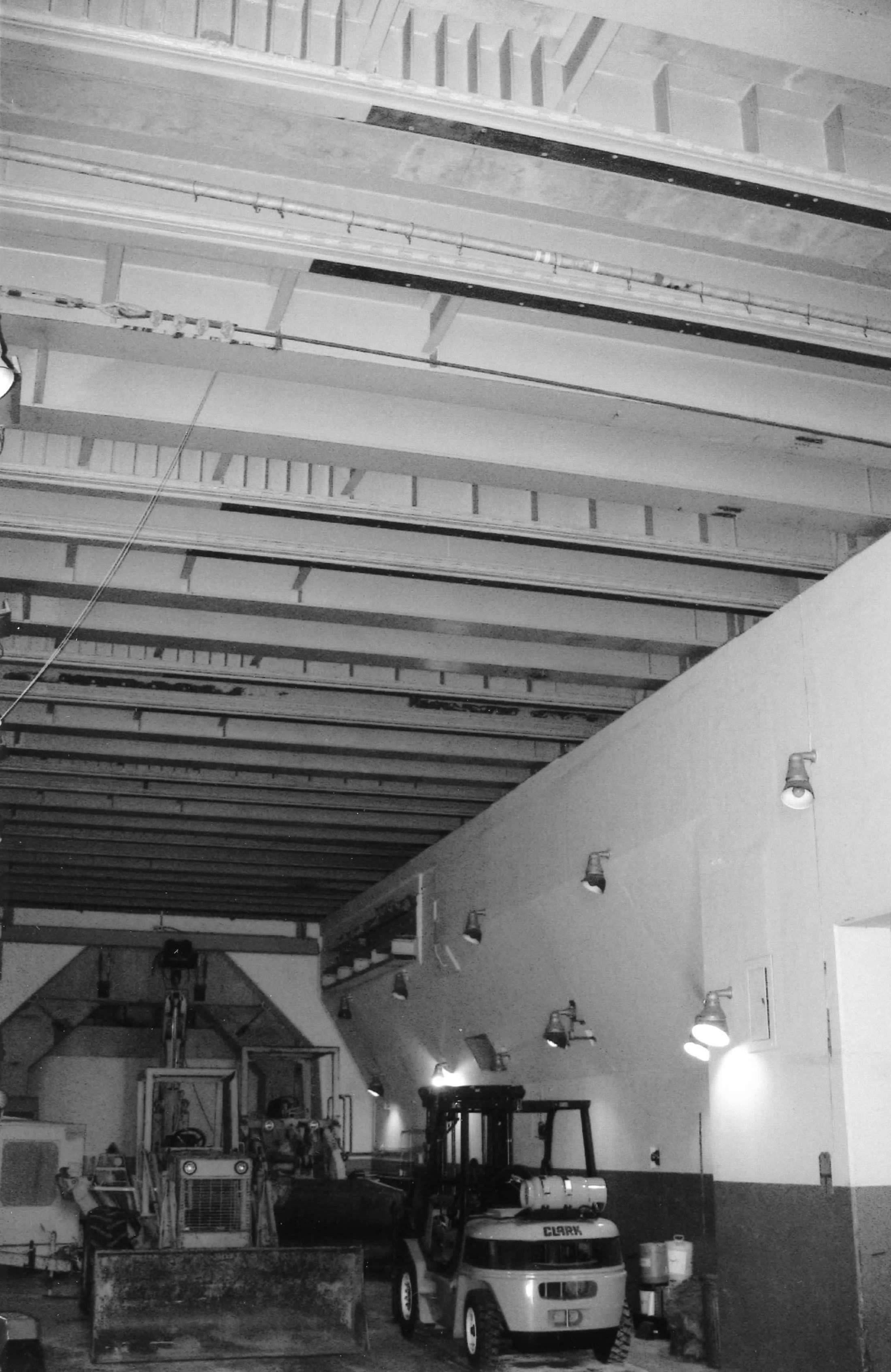
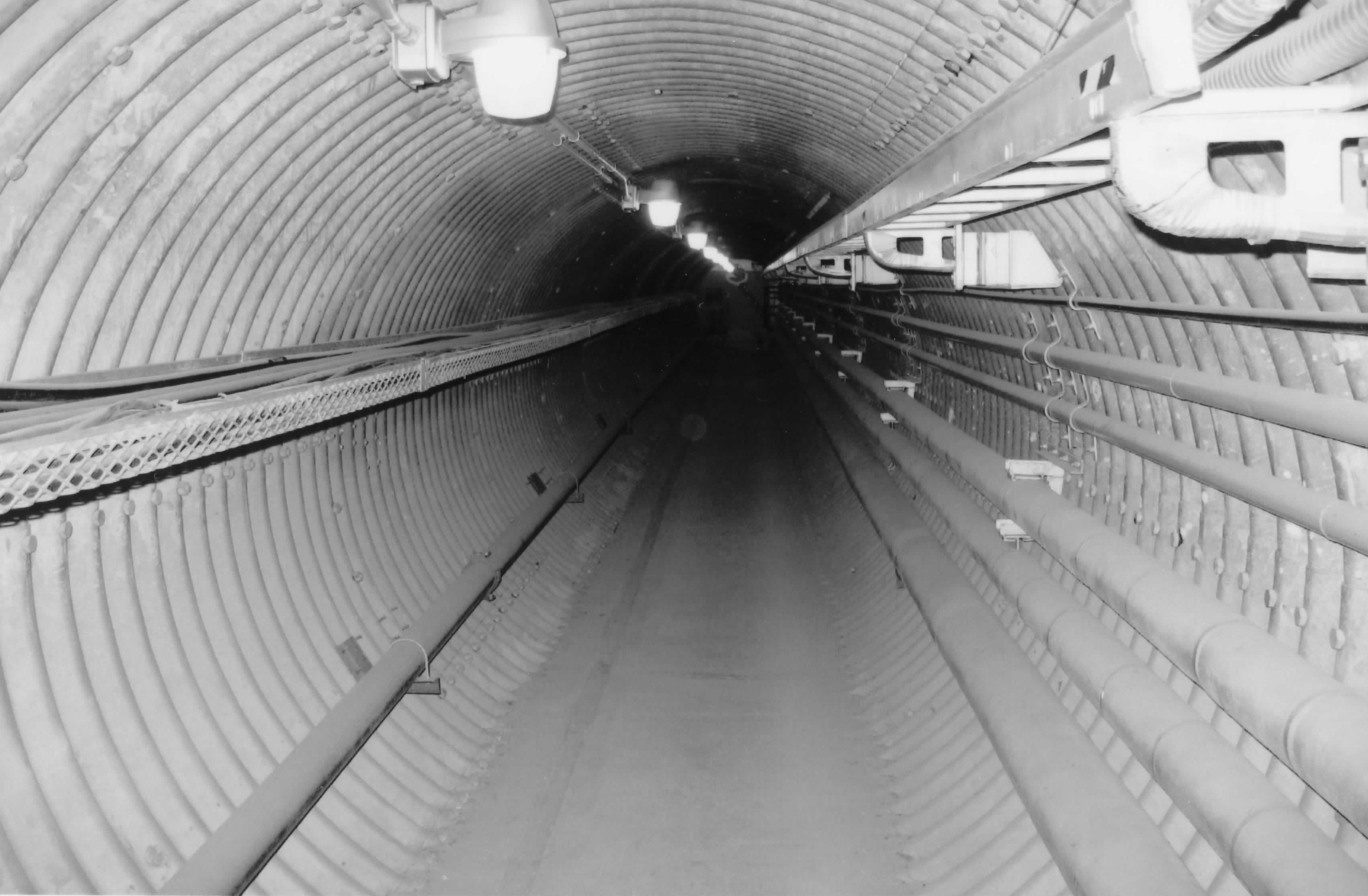
As an Atlas E complex, Site 567-9 used a semi-hardened horizontal "coffin" launcher rather than the later vertical Atlas F silo. The missile was stored horizontally inside a reinforced concrete missile bay. The launch operations building stood about 150 feet away and was connected to the missile bay by an underground passageway. The launch operations building housed launch-control spaces, crew living quarters, the site power plant, and support functions. The missile bay had a heavy retractable roof. In a launch sequence, the crew would open the roof, raise the missile to a vertical position, load liquid oxygen and RP-1 kerosene, complete the countdown, and launch from the exposed launcher. The National Register form describes the Atlas E facility as "semi-hard" and able to protect the missile against overpressures of up to 25 psi, enough to provide blast resistance but not the survivability of later, deeper, vertical silos.
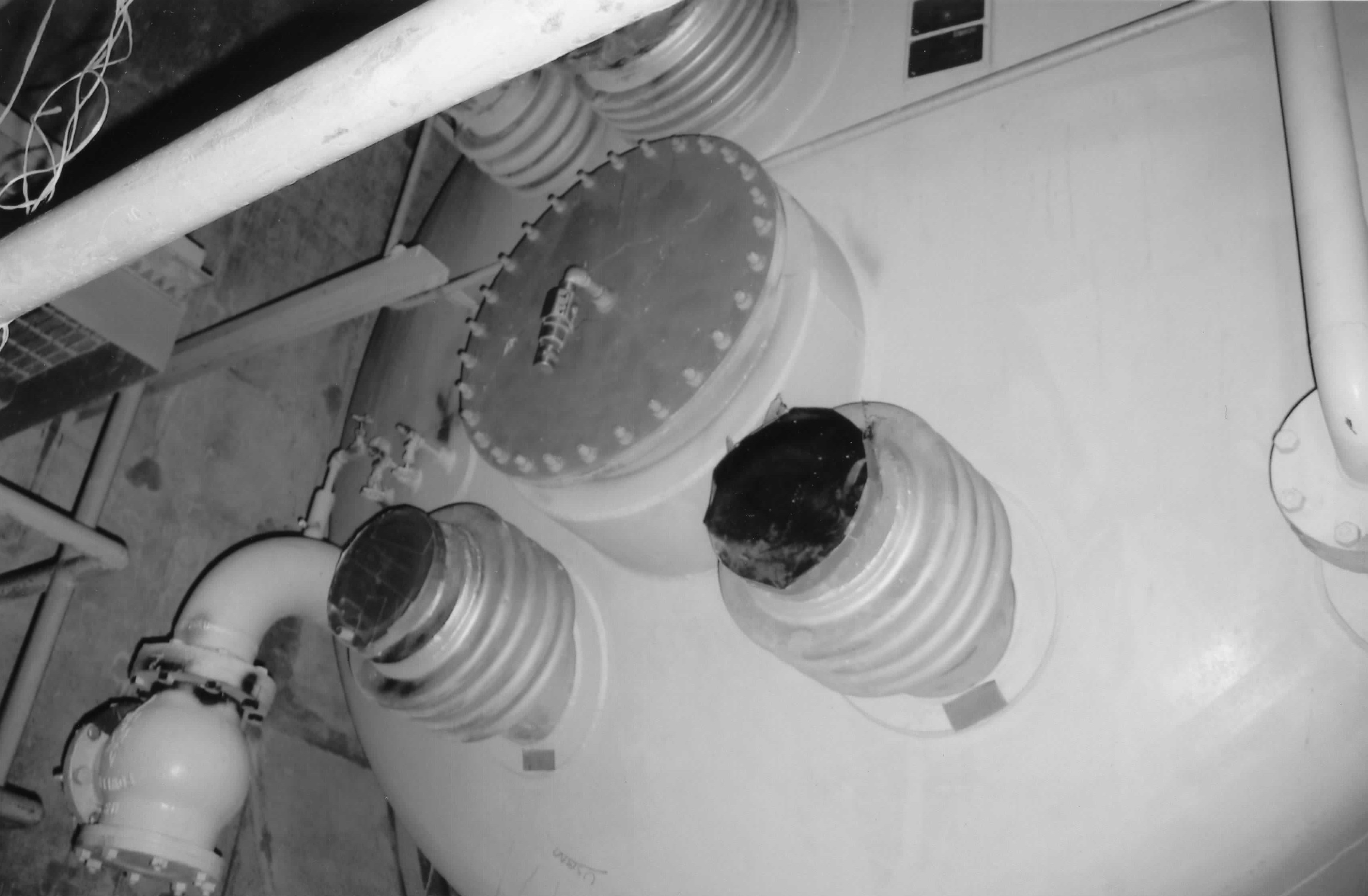
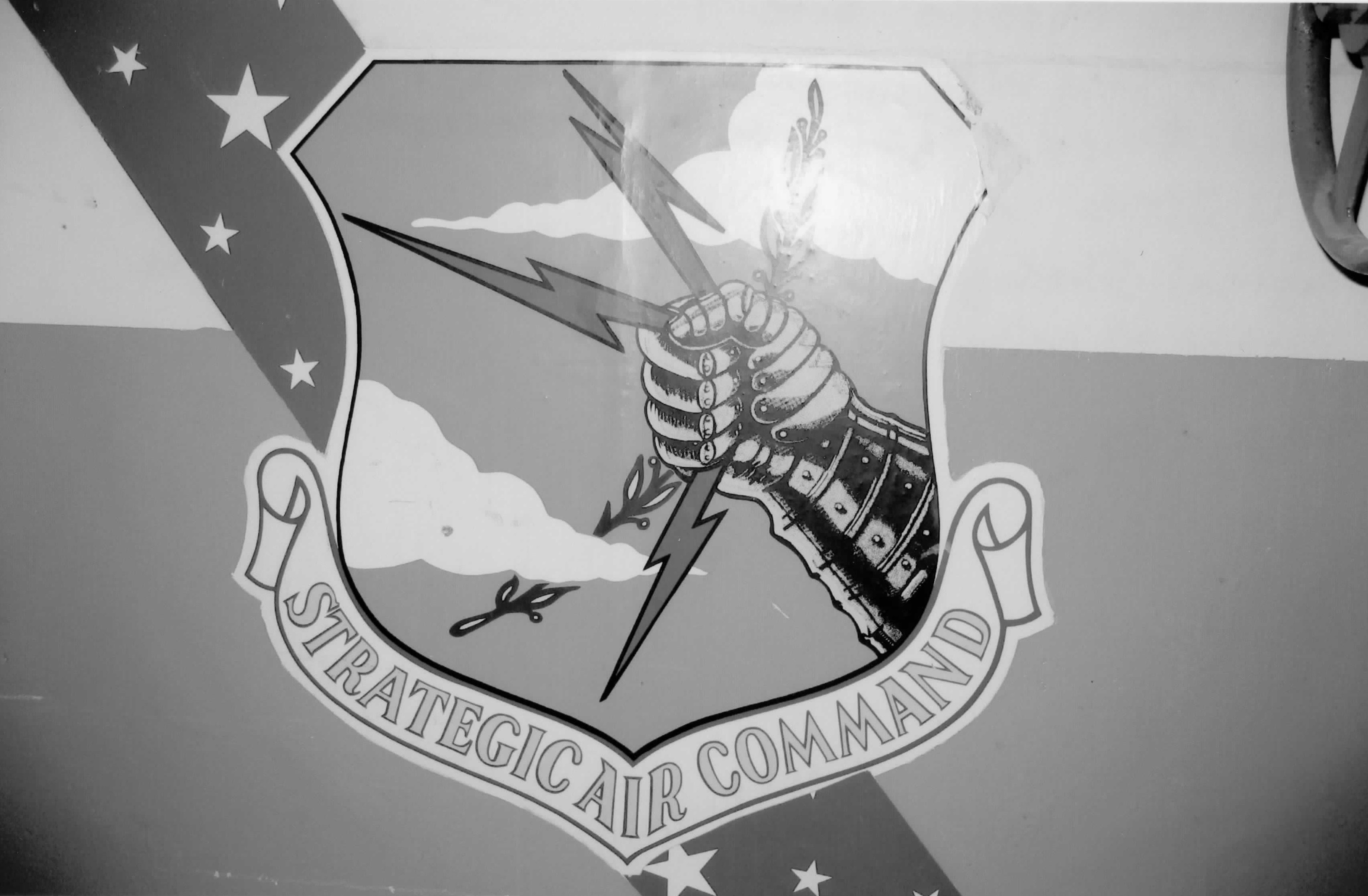
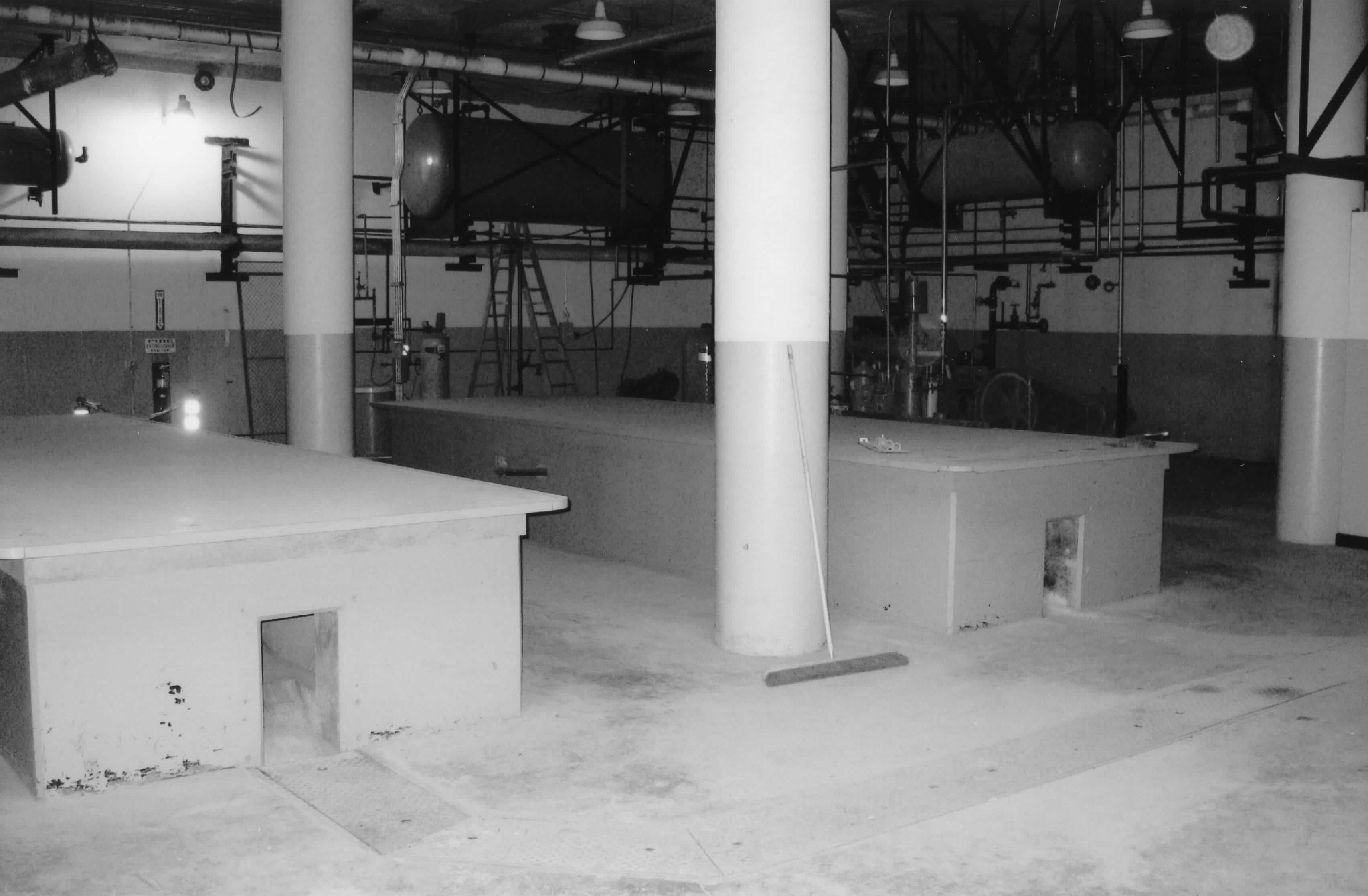
The site retained significant original features after Air Force use. The National Register documentation notes the Upper Missile Bay, flame pit, support rooms, LOX tank rooms, Launch Operations Building, access tunnel, crew spaces, power systems, and a Strategic Air Command mural in the underground passage. Much of the original launch electronics and missile equipment were removed after decommissioning, but the structural complex survived. Post-1965 research use added additional buildings and features, including metal storage and warehouse buildings and small explosives magazines installed during Bureau of Mines ownership. For historical interpretation, the preferred coordinate identifies the former launcher/upper missile bay area rather than a public road entrance or a generalized parcel center.
Strategic and Cold War Context
Atlas E Site 567-9 existed because the United States moved quickly in the late 1950s and early 1960s to field an operational intercontinental ballistic missile force. Atlas was the first operational American ICBM. It entered service during a period when U.S. defense planners feared that Soviet long-range missile capability might outpace American deployment. Strategic Air Command therefore pushed to place the earliest ICBMs on alert even while missile technology, hardened-site design, guidance systems, communications, and launch procedures were changing rapidly.The Fairchild Atlas E deployment reflected that urgent transition. Fairchild Air Force Base already had a Strategic Air Command bomber and tanker mission. The addition of the 567th Strategic Missile Squadron turned the base into an early "aerospace" installation with both aircraft and ballistic missile responsibilities. The site near Reardan was one launch point in that broader field, but its mission was national rather than local. If the National Command Authority transmitted a valid and authenticated launch order through Strategic Air Command channels, the Site 9 crew would prepare and launch its assigned Atlas E missile against a preplanned target.
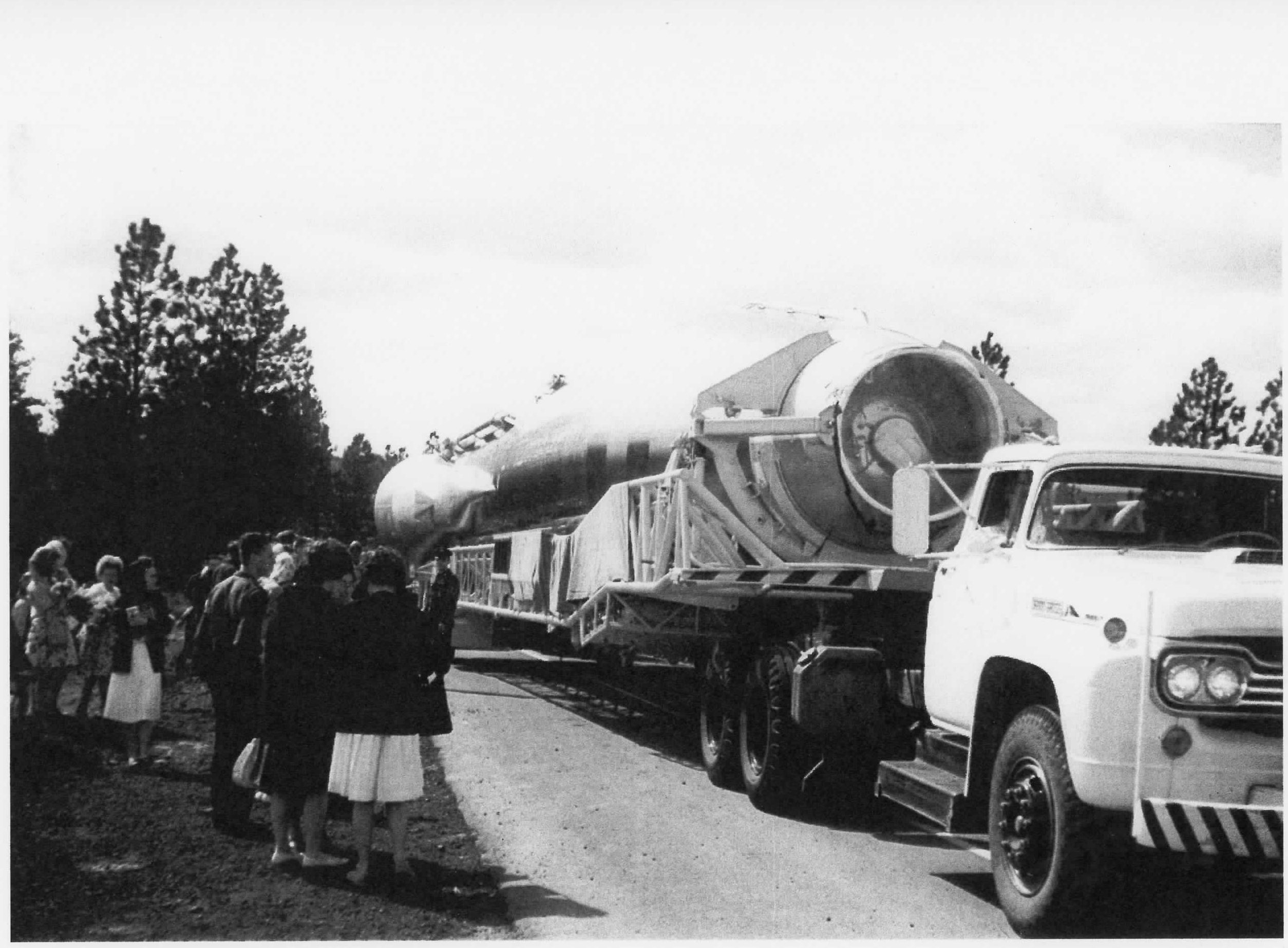
The Atlas E was more advanced than the earliest Atlas D configuration because it used an inertial guidance system and was deployed singly in independent launch complexes. Each Atlas E site had its own crew and launch-control facilities. That arrangement reduced dependence on a central launch-control complex and helped disperse the missile force across a wider landscape. At the same time, the Atlas E remained a first-generation liquid-fueled missile. It could not sit continuously fueled with liquid oxygen aboard. A launch required the missile to be exposed, raised, loaded with liquid oxygen, checked, and fired. Public historical sources commonly describe this sequence as taking about fifteen to twenty minutes. That delay, combined with the limited hardening of Atlas E sites, made the system vulnerable compared with later solid-fueled Minuteman missiles.
Eastern Washington was well suited to the early Atlas E field. The area around Fairchild had existing Strategic Air Command infrastructure, military support services, available rural land, road access, and enough distance inland to meet contemporary strategic siting requirements. The Reardan site placed a national nuclear-alert installation into an agricultural landscape of county roads, fields, and small communities. That combination of rural setting, national strategic mission, and short-lived first-generation missile technology is one of the defining features of the Fairchild Atlas E field.
Construction and Activation
Construction of the Fairchild Atlas E field began during the crash program to deploy the first operational American ICBMs. The U.S. Army Corps of Engineers Seattle District began planning and mapping work for Fairchild's Atlas E installations in 1958. The initial concept reportedly called for three sites with three missiles each, but the Air Force changed the plan to nine individual launch complexes as a safety and defensive measure. The nine sites were arranged in an oval around the Spokane area and Fairchild Air Force Base.The notice to proceed for all nine Fairchild missile sites was issued in May 1959, and construction was completed in December 1960. National Register documentation describes the work as a "crash schedule" intended to get the missiles operational as quickly as possible because of the perceived missile gap. The U.S. Army Corps of Engineers Seattle District Construction Division provided survey and engineering work and served as the project's government construction authority. The design firm was Bechtel Corporation, and the builders identified in the National Register form were Henry George & Sons and MacDonald-Patti-Scott-Leavell.
Site 9 was built in 1960 as one of the nine identical Atlas E missile complexes attached to Fairchild Air Force Base. Construction involved far more than digging a hole for a missile. The complex required reinforced concrete missile and launch-operations structures, a retractable missile-bay roof, an underground tunnel, power generation, mechanical and electrical systems, tanks, communications, access roads, sanitary sewer and wastewater systems, gas storage, fencing, and security features. The National Register documentation states that many original utility and infrastructure elements remained intact at Site 9, including buried tanks and other systems, even after post-missile reuse.
Site 9 was turned over to the 567th Strategic Missile Squadron at the beginning of 1961, after which missileer and support-staff training began. The first Atlas E missile arrived at Site 9 in December 1960, and the site was declared operational in September 1961. Fairchild Air Force Base history states that the first Atlas E missile arrived at Fairchild on 1960-12-03, that Strategic Air Command accepted the first Atlas E complex on 1961-07-29, and that the squadron became operational on 1961-09-28. Because the first accepted complex is repeatedly identified in Air Force and Atlas histories as the Reardan complex, Site 567-9 is especially important in the Fairchild field.
Missile System and Technical Role
Site 567-9 was built for the SM-65E Atlas, a one-and-a-half-stage liquid-fueled intercontinental ballistic missile. Fairchild Air Force Base history describes the Atlas E as an 82-foot missile with a self-contained automatic inertial guidance system and a nuclear warhead far more powerful than the Nagasaki atomic bomb. The Smithsonian National Air and Space Museum identifies the Mark 4 reentry vehicle as carrying the W-38 nuclear warhead with a yield of about 3.75 megatons. Public Atlas sources identify the Mark IV/Mark 4 reentry vehicle and W-38 warhead combination as the Atlas E/F-era payload. The Atlas E's strategic role was to deliver a thermonuclear warhead across intercontinental range under authenticated Strategic Air Command orders.The Atlas E launcher at Reardan was a "coffin" site. The missile rested horizontally in a buried, semi-hardened launcher. The reinforced concrete launcher and support structures gave the missile more protection than an exposed pad, but the missile still had to be raised and fueled before launch. Liquid oxygen could not remain stored aboard the missile during routine alert because it boiled off and was difficult to handle safely. RP-1 kerosene and liquid oxygen therefore shaped nearly every aspect of the site's operations. Crews had to maintain the missile, the launcher, the liquid-oxygen systems, the fueling equipment, the site power plant, communications, security systems, and the control equipment needed to receive and authenticate orders.
Unlike later Minuteman launch facilities, which were normally unmanned and controlled from separate Launch Control Centers, an Atlas E site was a self-contained launch complex. Site 567-9 had its own crew on site. Oral-history material in the National Register documentation identifies the typical crew as five squadron members: two officers and three enlisted airmen. Crew positions included the Missile Combat Crew Commander, Missile Combat Crew Deputy Commander, Electric Power Production Technician, Missile Maintenance Technician, and Ballistic Missile Analyst Technician. The Missile Combat Crew Commander had overall responsibility for launch operations, site safety, communications, maintenance, and security. The deputy commander managed communications and crew accountability and could assume command if necessary. The electric-power technician maintained the diesel generator that powered the site, while missile and ballistic-missile technicians handled the missile, launcher, and analytical functions needed for alert operations.
The site's technical role also depended on communications and targeting. National Register oral histories describe land-line, radio, microwave, and secure procedures for receiving and authenticating orders. The crew did not simply "push a button." They had to decode messages, confirm valid authority, comply with two-person control, complete launch preparation, insert or verify required data, and coordinate the launch sequence. Targeting and precision were especially important for Atlas E because the system used inertial guidance. National Register documentation notes that the 1964 Alaska earthquake led crews to check whether the locations of Fairchild's Atlas E sites had shifted enough to require coordinate updates for targeting calculations.
Operational History
Site 567-9's operational life was brief but historically important. The 567th Strategic Missile Squadron was activated for the Atlas E mission at Fairchild on 1960-04-01. The first missile arrived at Fairchild on 1960-12-03, Site 9 received its first Atlas E in December 1960, and the site was declared operational in September 1961. Strategic Air Command declared the squadron operational on 1961-09-28. The first Fairchild Atlas E missile went on alert on 1961-10-01, and most of the missile field was on alert by November.During active service, Site 567-9 was a manned nuclear-alert installation. The crew lived and worked inside the launch operations building while the missile remained in its protected horizontal launcher. The site had to be capable of independent operation, including diesel-generated power, secure communications, security monitoring, crew living functions, missile support, and launch preparation. Security was a continuous part of operations. National Register oral histories state that Fairchild Atlas E sites used security police, fences, site-entry controls, monitoring systems, and armed guards. These measures reflected both the strategic value of the missile and the danger of the materials and equipment on site.
Routine operations at the Reardan site would have included readiness checks, communications checks, generator and electrical maintenance, missile pressure and mechanical checks, launcher maintenance, security inspections, training, and periodic exercises. The crew had to be ready to move from alert monitoring to launch preparation under strict command procedures. Atlas E operations were practical, repetitive, and highly technical: liquid oxygen handling, missile erection, target-data integrity, message authentication, emergency power, and launch-control systems all had to work correctly under time pressure.
The Cuban Missile Crisis in October 1962 was the most dramatic operational episode for the Fairchild Atlas E field, although the public record does not single out Site 9 alone as the location of a unique incident. National Register oral-history material states that Fairchild Atlas E missiles were targeted on Cuba during the crisis and that targeting teams went to the individual sites to install new target boards. One former member recalled witnessing that work at Site 2. Standardization crews were posted at various missile sites for the duration of the thirteen-day crisis to assist if something went wrong.
The squadron also became known for operational performance during its short life. Fairchild's official history states that in April 1963 the 567th Strategic Missile Squadron became the first Strategic Air Command missile squadron to pass an Operational Readiness Inspection and that it was the only missile squadron never to fail one. The same official history lists several safety, maintenance, and missile-unit awards for the squadron. These were squadron-level achievements, not proof of a unique event at Site 9, but Site 9 was one of the operational complexes that made those results possible.
Site 9 also provides unusually detailed evidence of how an Atlas E complex functioned because many of the oral histories and site-description passages in the National Register nomination were tied to the Reardan property. Those sources describe the crew structure, site communications, targeting boards, power-generation practices, security arrangements, and the physical layout of the launch operations building and missile bay. As a result, Site 567-9 is not merely another coordinate in the Fairchild field. It is the best-preserved and best-documented example of how the Fairchild Atlas E system worked on the ground.
Site-Specific and Squadron-Specific Events
The first Atlas E missile arrived at Site 9 in December 1960. That event distinguished the Reardan complex as an early operational focus of the Fairchild Atlas E program.Strategic Air Command accepted the first Fairchild Atlas E complex on 1961-07-29. Public Air Force history identifies the first accepted complex as the Reardan-area complex, making Site 567-9 a key milestone in the operational acceptance of the Atlas E system at Fairchild.
The Cuban Missile Crisis in October 1962 affected the Fairchild Atlas E missile field. Public National Register oral-history material states that Fairchild missiles were targeted on Cuba, that targeting teams went to the sites with new target boards, and that standardization crews remained posted at the sites for the crisis. This is documented as a missile-field event rather than a uniquely documented Site 9-only incident.
In April 1963, the 567th Strategic Missile Squadron passed its first Operational Readiness Inspection and received broader recognition in Fairchild histories for readiness, safety, maintenance, and missile-unit performance. This was a squadron-level event involving the Fairchild Atlas E force, including Site 9 as one of the operational launch complexes.
After the 1964 Alaska earthquake, Fairchild Atlas E crews used theodolite positioning and coordinate-verification procedures to determine whether site positions had shifted enough to affect targeting data. The National Register documentation ties this issue to the Fairchild Atlas E field and to the technical importance of precise site coordinates.
In 2009, Atlas E Missile Site 9 was listed in the National Register of Historic Places as NRIS ID 09000579. That listing recognized the site's historical significance as the most intact Fairchild Atlas E launch complex and as the only one of the original nine remaining in federal ownership at the time of nomination.
Deactivation and Disposal
Site 567-9 left active missile service as part of the rapid phaseout of first-generation liquid-fueled ICBMs. By the mid-1960s, solid-fueled Minuteman missiles and more advanced systems made the Atlas E less desirable for alert duty. Liquid oxygen handling, the need to raise and fuel the missile before launch, limited site hardening, and a fifteen-to-twenty-minute launch-preparation period all reduced survivability compared with later solid-fueled missiles. National Register documentation states that the 567th was called off alert in March 1965 and that Site 9 was decommissioned by May. The 567th SMS Site 9 historical page gives 1965-03-25 as the site decommissioning date. Fairchild Air Force Base history states that the last Series E Atlas ICBMs at the 567th Strategic Missile Squadron were removed from alert on 1965-03-31 and shipped to storage. The squadron was inactivated on 1965-06-25.The Reardan site's disposal history was different from most privately sold Atlas E sites. In 1966, the U.S. Bureau of Mines purchased Site 9 after it had been declared excess Air Force property. The Bureau removed most of the original missile-site equipment, except for some mechanical pieces such as air compressors and sewage pumps, which the National Register documentation described as still operational. The missile, nuclear components, and military launch-control equipment were removed before or during post-military conversion. The reinforced concrete missile bay, launch operations building, tunnel, and associated structural features remained.
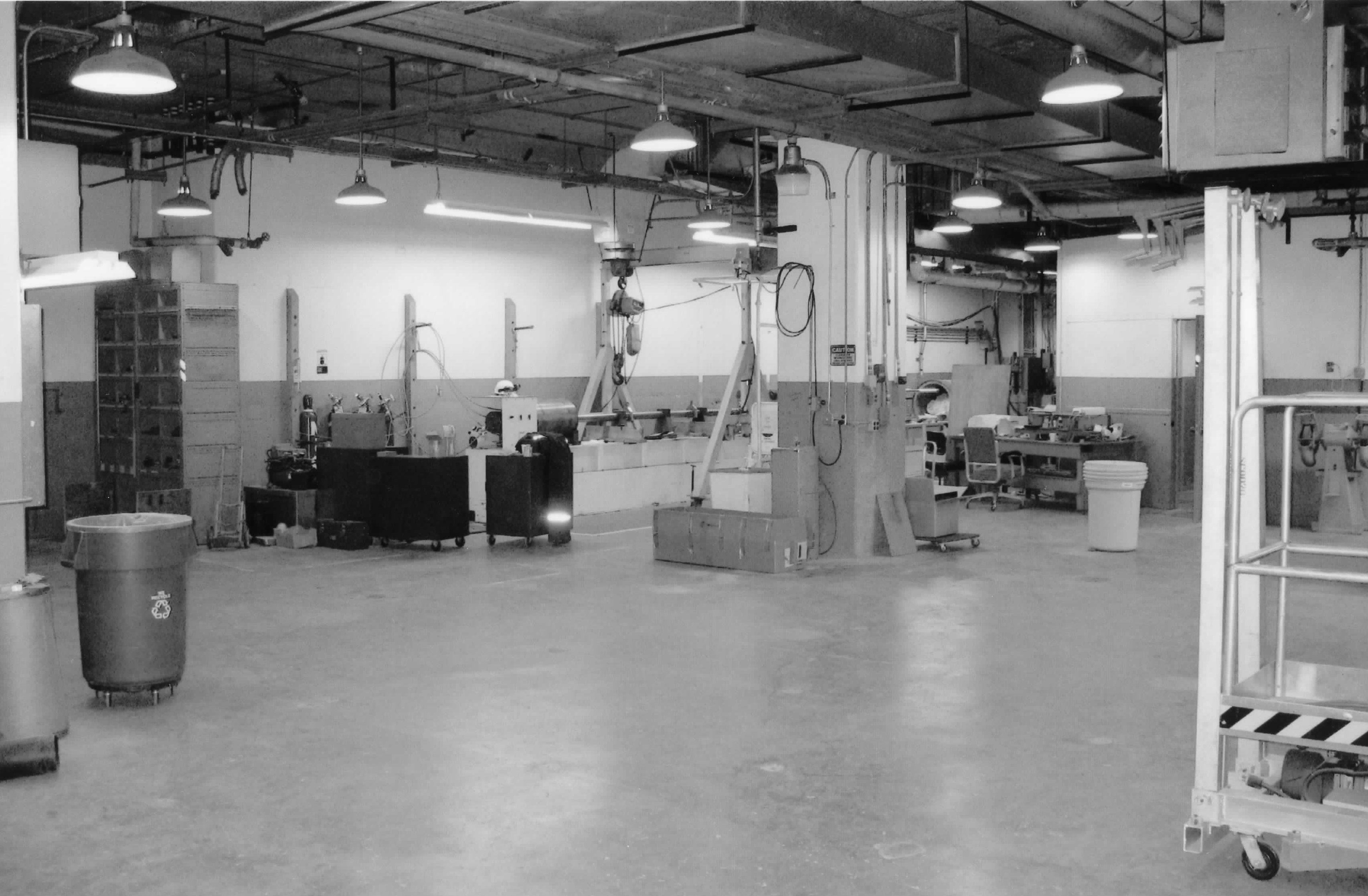
The Bureau of Mines reused the former launch complex as a supporting research laboratory for mining-related work. In 1973, the Bureau moved into the newly built Spokane Research Laboratory in northeast Spokane and continued to conduct mine-safety research at the former Reardan launch complex. Around 1980, Bureau ownership brought new metal storage and warehouse buildings and other surface changes, and two small explosives magazines were installed at the site's northwest corner. These changes altered the surface appearance but did not erase the original launch-complex layout.
When the U.S. Bureau of Mines closed in 1996, the former launch complex and the Spokane Research Laboratory passed to NIOSH. NIOSH continued to use the site as the Reardan Missile Silo Laboratory or Reardan Auxiliary Site in support of mine-safety and health research. CDC Stacks material published in 2022 describes the NIOSH Reardan Auxiliary Site as a decommissioned Atlas nuclear missile silo about twenty miles west of Spokane and notes that the Zero Emissions Utility Solution, a hydrogen-powered mine utility vehicle, was tested there before field testing in Montana. This post-missile research use is part of the site's history: the former nuclear-launch complex became a federal occupational-safety research property.
The site's decommissioning was not a START-era or treaty-demolition case. Atlas E Site 567-9 left service before the later arms-control verification regimes that shaped the demolition of many Minuteman and Peacekeeper facilities. Its post-closure history therefore involved Air Force excessing, equipment removal, federal transfer, adaptive reuse, and historic preservation rather than treaty-driven silo implosion. The launch structures survived because the site found a second federal mission after the missile era.
EPA identifies the property as the USDHHS NIOSH Former Atlas E Missile Facility S-9 Site, EPA ID WA0002340230, and lists it as a federal facility, not on the National Priorities List, and NFRAP, meaning it did not qualify for the NPL based on existing information. Public EPA material reviewed did not provide a detailed cleanup chronology comparable to some other Atlas sites. The environmental record is therefore recorded as a CERCLA/NFRAP federal-facility listing, with no more specific cleanup milestones verified.
Current Status and Site Use
The former Atlas E Site 567-9 remains federally owned and reused. The National Register documentation identifies the owner as the National Institute for Occupational Safety and Health and classifies the current function as government/research facility. The site is also identified by EPA as a federal facility associated with USDHHS/NIOSH. CDC Stacks material identifies the Reardan Auxiliary Site as a NIOSH facility used for testing a hydrogen-powered mine utility vehicle. Current public information does not prove the frequency or full scope of present-day site use, so the safest description is that the property remains a secured federal CDC/NIOSH research-support property associated with the Spokane mining-safety research mission.The site is not open to the public. It is a secured research property, not a museum or public historic park. The historic launcher, launch operations building, tunnel, and support structures are significant surviving features, but access requires federal authorization.
Visible and documented remains include the former missile bay, launch-operations building, tunnel, original structural elements, and post-Air Force research buildings. The site's survival is unusually important because many other Atlas E properties were sold into private ownership, heavily modified, stripped, or used for storage.
Chronology
- 1958 The U.S. Army Corps of Engineers Seattle District began initial planning and mapping work for the Atlas E installations around Fairchild Air Force Base.
- 1959-05-12 Work began on the Fairchild Atlas E missile complex program, according to Fairchild Air Force Base historical material.
- 1959-12-15 The unit was redesignated the 567th Strategic Missile Squadron and activated for the Atlas E mission.
- 1960 Site 9 was built as an Atlas E ICBM launch complex attached to Fairchild Air Force Base.
- 1960-04-01 The 567th Strategic Missile Squadron was organized at Fairchild Air Force Base; Strategic Air Command activated its first E-series Atlas missile squadron.
- 1960-12-03 The first Atlas E missile arrived at Fairchild Air Force Base.
- 1960-12 The first Atlas E missile arrived at Site 9.
- 1960-12 Construction of the nine Fairchild Atlas E sites was completed.
- 1961 Site 9 was turned over to the U.S. Air Force at the beginning of the year, and missileer and support-staff training began.
- 1961-02-10 Work on the last of the nine Fairchild Atlas E launch sites was completed, according to Fairchild Air Force Base historical material.
- 1961-07-29 Strategic Air Command accepted the first Fairchild Atlas E complex; public Fairchild history identifies this as the Reardan-area complex.
- 1961-09 Site 9 was declared operational.
- 1961-09-28 Headquarters Strategic Air Command declared the 567th Strategic Missile Squadron operational.
- 1961-10-01 The first Fairchild Atlas E missile went on alert.
- 1961-11 Most of the Fairchild Atlas E missile force was on alert.
- 1962-02-15 The 92d Bombardment Wing was redesignated the 92d Strategic Aerospace Wing.
- 1962-10 The Fairchild Atlas E missile field was placed in a high-alert posture during the Cuban Missile Crisis.
- 1963-04 The 567th Strategic Missile Squadron passed its first Operational Readiness Inspection and was recognized in public Fairchild histories for its readiness performance.
- 1964 Fairchild Atlas E crews used coordinate-verification procedures after the 1964 Alaska earthquake to determine whether site positions had shifted enough to affect targeting data.
- 1965-03 The 567th Strategic Missile Squadron was called off alert as part of the Atlas E phaseout.
- 1965-03-31 Public Air Force history states that the last Series E Atlas ICBMs at the 567th Strategic Missile Squadron were removed from alert.
- 1965-05 National Register documentation states that the Site 9 complex was decommissioned by May.
- 1965-06-25 The 567th Strategic Missile Squadron was inactivated.
- 1966 The U.S. Bureau of Mines purchased Site 9 after it had been declared excess Air Force property.
- 1973 The U.S. Bureau of Mines moved into the new Spokane Research Laboratory and continued mine-safety research at the former Reardan launch complex.
- 1980 Around this year, the Bureau of Mines added metal storage and warehouse buildings and made other surface changes at the former missile site.
- 1996 The U.S. Bureau of Mines closed; the Reardan launch complex and Spokane Research Laboratory were acquired by NIOSH.
- 2009-07-31 Atlas E Missile Site 9 was listed in the National Register of Historic Places as NRIS ID 09000579.
- 2022 CDC Stacks material described the NIOSH Reardan Auxiliary Site as a decommissioned Atlas nuclear missile silo used for testing the ZEUS hydrogen-powered mine utility vehicle.
Read about the Atlas at Fairchild AFB
All Atlas Missile Silo Locations