
Nike Missile Site BR-73 Launcher, Westport Connecticut
Longitude: -73.3303973856656
This location was part of the Bridgeport Defense Area
Site ID: BR-73
Missile / battery configuration: Nike 1B,2C/30A/12L-A
The missiles at this Launch Area were controlled by the Integrated Fire Control site located here.
Site Role: Launcher
A typical Nike air defense site consisted of two separate parcels of land. One area was known as the Integrated Fire Control (IFC) Area. This site contained the Nike system's ground-based radar and computer systems designed to detect and track hostile aircraft, and to guide the missiles to their targets.
The second parcel of land was known as the Launcher Area. At the launcher area, Nike missiles were stored horizontally within heavily constructed underground missile magazines. A large, missile elevator brought the Nikes to the surface of the site where they would be pushed across twin steel rails to one of four satellite launchers.
Elaboration on how Nike worked here.
Missile Type: Ajax
The Nike Ajax was the first in the Army's family of guided missiles, and the world's first operational, guided, surface-to-air missile system. Nike Ajax had a burnout speed of Mach 2.3, a range of 25-30 miles, and a ceiling of 65,000 feet.
Designed to carry either nuclear and/or high-explosive warheads, the Nike Hercules missile could attack supersonic aircraft operating at altitudes in excess of 150,000 feet and at a range of more than 87 miles.
One Battery, two very different afterlives
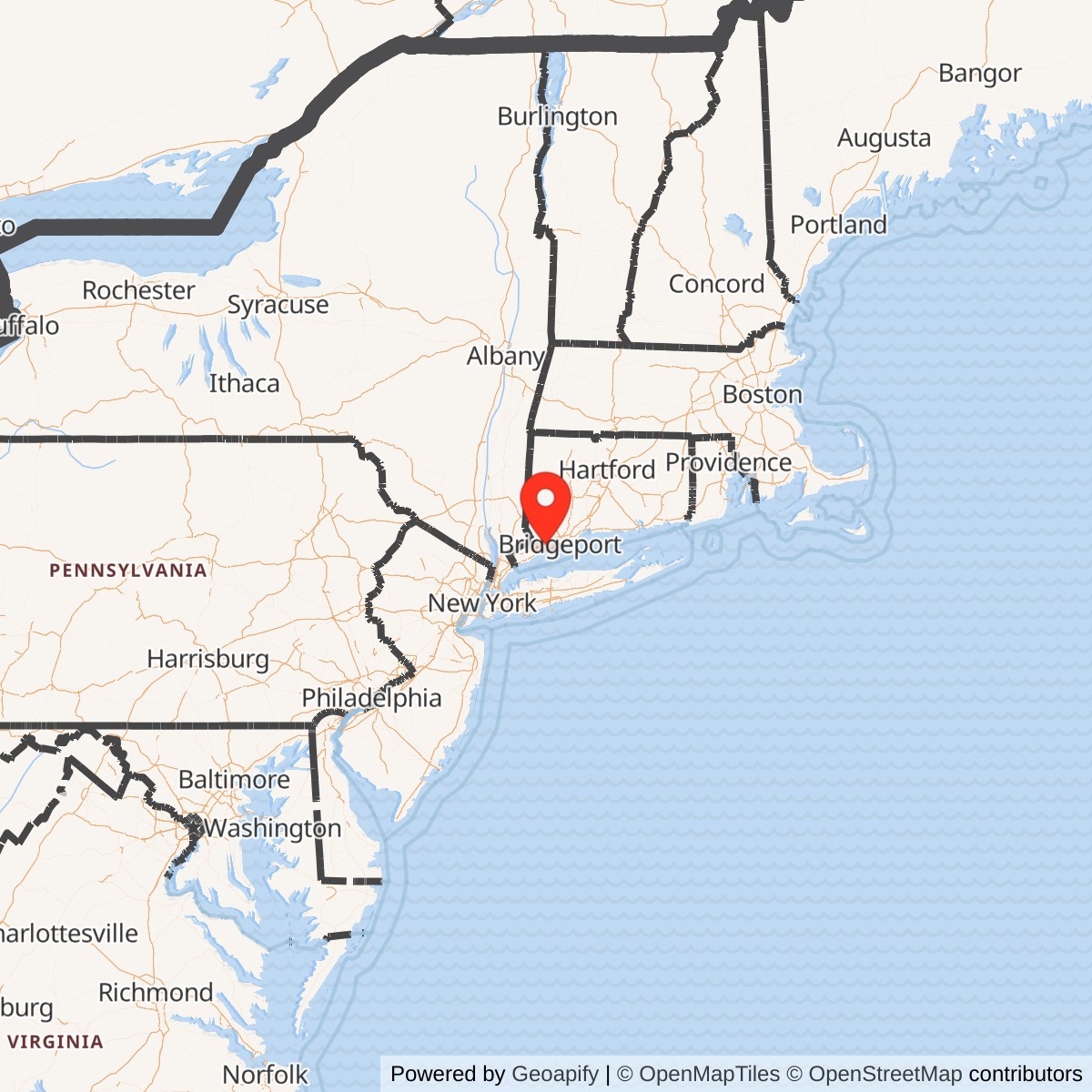
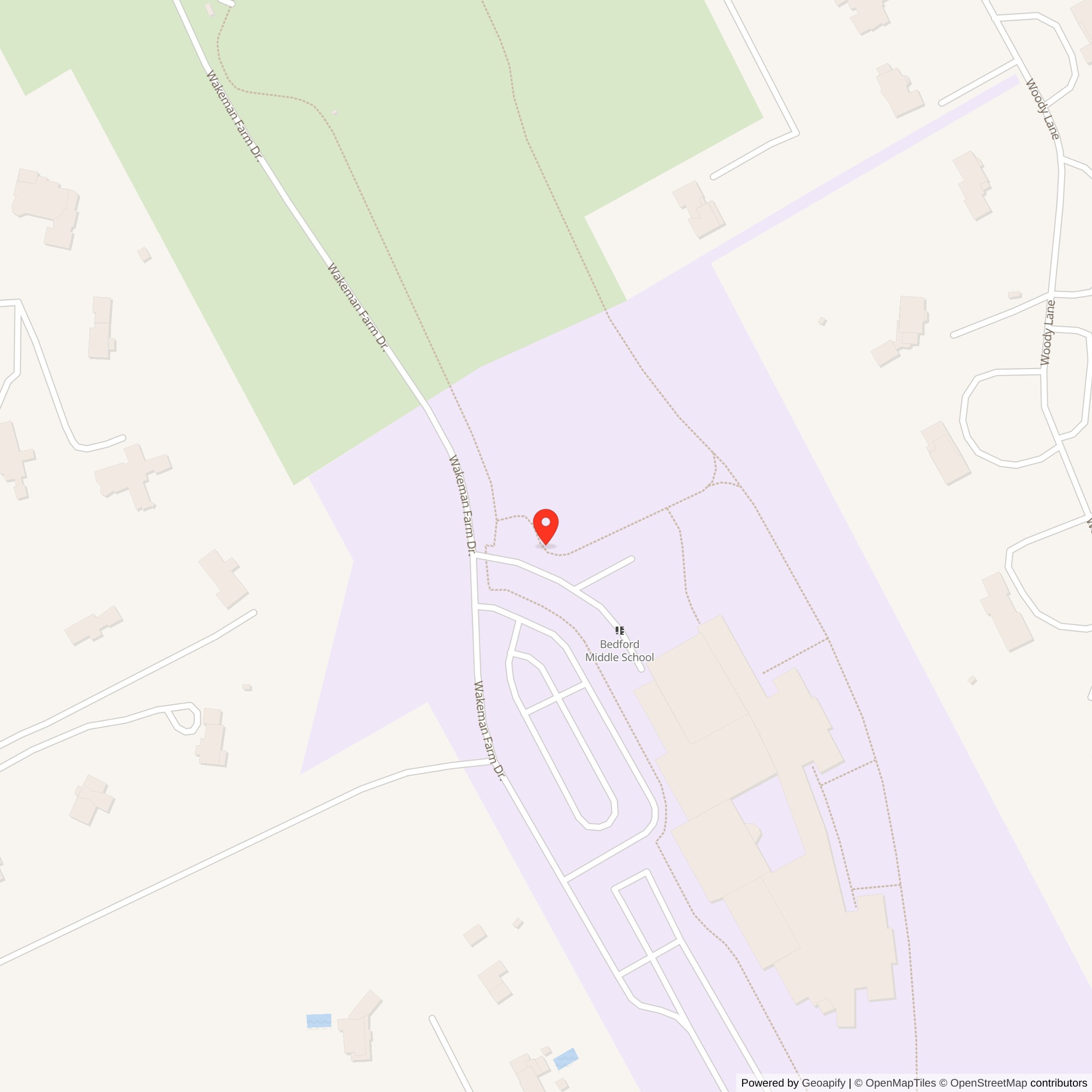
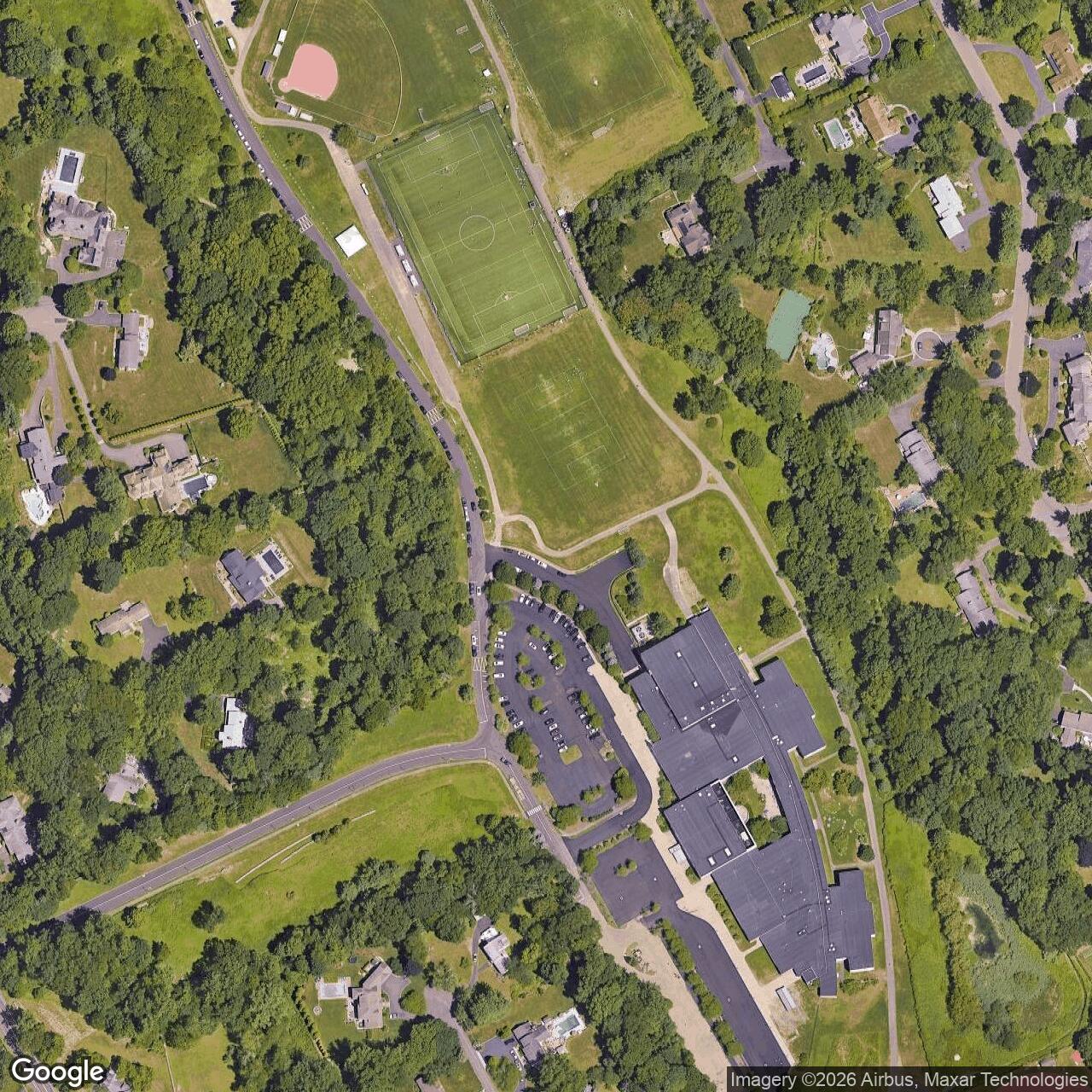
Nike site BR-73 occupied two separated properties in Westport. The launcher stood at 85 North Avenue, on land now incorporated into the Bedford Middle School campus and athletic fields, while the Integrated Fire Control area stood on high ground at 182 Bayberry Lane. The Army designed those components to act as one tactical battery even though roads, woods, and civilian properties lay between them.
Their postmilitary histories diverged dramatically. School construction and site grading removed the visible launcher plant, but the Bayberry Lane radar towers, concrete piers, and several support buildings survived. One former radar tower now supports the Westport Observatory, making BR-73 one of the rare Nike locations where a distinctive military structure acquired a continuing scientific and educational purpose.
That contrast also creates an evidence problem. Modern visitors can readily recognize the observatory tower, yet the absence of visible launcher structures can encourage assumptions about what was demolished, filled, or left below grade. This history therefore separates documented surface redevelopment, completed federal environmental work, and present public use from subsurface conditions that have not been verified by a current engineering survey.
Why Bridgeport received a Nike Defense
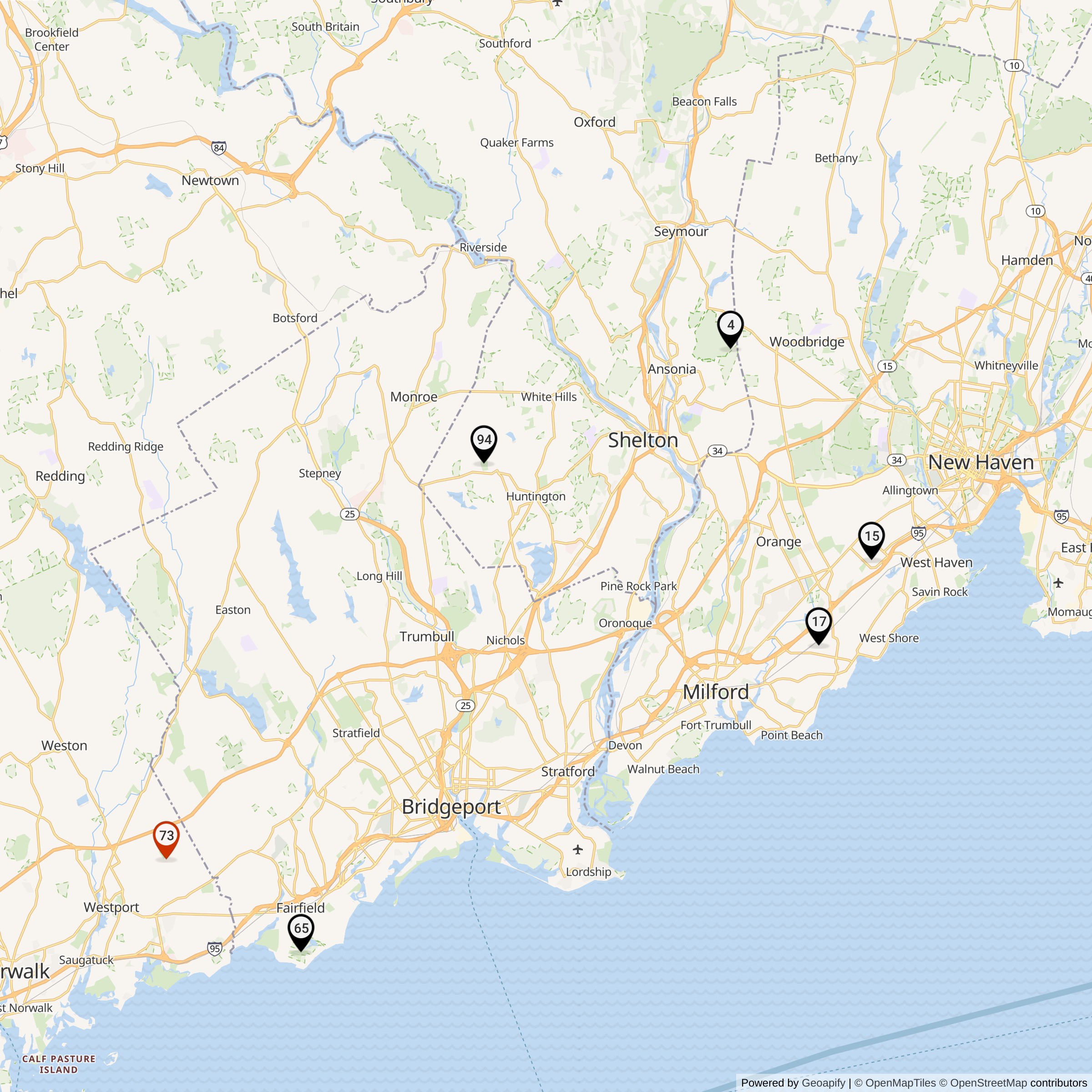
The Army established six Nike batteries around the Bridgeport area during the mid-1950s. They were BR-04 Ansonia, BR-15 West Haven, BR-17 Milford, BR-65 Fairfield, BR-73 Westport, and BR-94 Shelton or Monroe, with defense-area coordination centered in Bridgeport. Their overlapping engagement zones formed a regional air-defense network rather than six independent town installations.
Bridgeport and the southwestern Connecticut corridor combined industrial production, port and rail facilities, utilities, transportation routes, and a dense civilian population. Local histories frequently identify General Dynamics, Remington, and Sikorsky among the industrial concerns that made the region strategically important. No located Army document assigns a specific factory or target list to BR-73, however, so those firms should be treated as regional context rather than formally documented objectives of the Westport battery.
Nike was the local terminal layer of a larger continental system. Air Force warning radars and fighter-interceptors were expected to detect and engage hostile aircraft at greater distances, while Army organizations coordinated missiles nearer defended areas. A BR-73 engagement would have required warning, identification, target assignment, command authorization, reliable communications, a functioning IFC solution, and a ready launcher crew.
Land acquisition and community debate
Westport archival descriptions identify Aaron Rabinowitz as the owner of the Bayberry Lane tract selected for the control installation. A recent Westport Museum finding aid says the federal government purchased 7.35 acres from him for $35,000 in 1955, and it catalogs earlier correspondence about acquiring the property to help protect Bridgeport industrial sites. This archival description is stronger evidence than later recollections that the land was simply donated to the Army for one dollar.
The difference may reflect more than faulty memory. The same finding aid describes later repossession by Rabinowitz and a gift to the town during 1962 to 1964, suggesting a sequence of federal purchase, property reversion, and municipal transfer that could later be compressed into a one-dollar donation story. Complete deeds and federal real-estate files were not reviewed, so the precise legal path and consideration for each transfer remain open questions.
The proposal unsettled parts of Westport. Local oral history remembers Representative Town Meeting member Ralph Sheffer chairing a Nike Site Committee while Army public-relations officers explained the project to residents. The Army's need for restricted land, radar towers, barracks, military traffic, and a hazardous launcher made the installation a conspicuous federal presence in a town of residential neighborhoods and expensive properties.
The split-site design
The launcher and control areas were intentionally separated. Missiles, propellants, elevators, and surface launch positions required a secure plant with room for storage and handling, while acquisition and tracking radars needed an unobstructed location with suitable elevation. Separation also reduced the chance that one attack or accident would disable both the weapons and the equipment that guided them.
The Bayberry Lane site occupied one of Westport's higher points, about 232 feet above sea level according to the Westport Astronomical Society. The Army erected two rectangular radar towers about 40 feet high, each centered on a massive concrete pier that isolated radar or later telescope equipment from the surrounding structure. Several single-story buildings supported power, operations, administration, quarters, and maintenance.
At North Avenue, the launcher contained underground magazines, elevators, rails, launcher positions, fueling and maintenance functions, security facilities, and support buildings. The two sites depended on dedicated communications and synchronized procedures. Radar operators could not complete an engagement without a serviceable missile and launcher crew, and the launcher could not guide Ajax after firing without the IFC radars and computer.
Building the North Avenue Launcher
The official configuration code records one B-type and two C-type horizontal underground magazines. Elevators raised missiles from protected storage to surface rails and launchers, where crews could erect and prepare them for firing. Later accounts often call the magazines silos, but they did not hold missiles vertically in the manner of intercontinental ballistic missile silos.
Ajax launch operations required more than concrete and steel. The missile used a solid-propellant booster and a liquid-fueled sustainer, so the launcher needed specialized servicing, inspection, safety equipment, and trained crews. Generators, communications, maintenance spaces, security posts, and access controls supported a continuous readiness mission that could not be reduced to the visible launch rails alone.
The launcher lay close to Staples High School and residential areas, which made military security and community relations unusually immediate. Local memories describe Army activity as part of everyday North Avenue life, but the operational compound remained restricted. No complete construction drawing set, magazine plan, acceptance report, or first-ready certificate has been located for BR-73.
The Bayberry Lane Control Compound
The IFC area housed the equipment that acquired an aircraft, tracked the target and outgoing missile, calculated an intercept, and sent steering commands. Its principal operational elements included acquisition radar, target-tracking radar, missile-tracking radar, a command-guidance computer, communications, and power. The two tall radar structures became the site's most recognizable features and later made adaptive reuse possible.
Solid concrete piers inside the towers provided stable foundations for sensitive equipment. The surrounding tower framing allowed antennas to operate above nearby obstructions, while support buildings housed crews and machinery. The Westport Astronomical Society's later history identifies the largest surviving building as the former generator building and another Army outbuilding as the structure that became its warm room.
Local accounts also place barracks at Bayberry Lane and military family housing on Wassell Lane. Those facilities help explain the Army's social presence in town, but they should not be confused with the two principal tactical components. A complete map of all supporting parcels and their administrative relationships to BR-73 remains to be assembled from municipal and federal property files.
Activation and the 967th Battalion
The official Department of Defense inventory dates BR-73's active Nike Ajax service from 1956 through 1963. It does not supply an exact activation day, first alert, or site-acceptance date. Construction, equipment installation, calibration, communications tests, training, and evaluation therefore must have preceded full operational duty even though the detailed sequence remains unresolved.
A contemporary Summer 1958 Radio Amateur Callbook identifies Battery C, 967th Antiaircraft Artillery Missile Battalion at Bayberry Lane in Westport. The same source lists the battalion's other firing batteries in Fairfield, Milford, and West Haven and its headquarters in West Haven. This is direct period evidence for BR-73's Regular Army unit and is more reliable than later unsourced site lists.
Army air-defense unit names changed during the late 1950s as the service reorganized older antiaircraft artillery battalions under the Combat Arms Regimental System. Area histories associate the former 967th organization with the 3rd Missile Battalion, 56th Artillery, but a Westport-specific redesignation order has not been located. The documented Battery C, 967th attribution should therefore remain primary, with the later regimental association described as a lineage context rather than a precisely dated local relief.
Nike Ajax at Westport
Nike Ajax was the Army's first operational guided surface-to-air missile in the nationwide Nike network. It used a solid booster and liquid-fueled sustainer, reached supersonic speed, and carried conventional high-explosive fragmentation warheads intended to destroy an aircraft near the calculated intercept. It was command guided, so the ground radar and computer system remained essential throughout flight.
An engagement began when the acquisition radar detected a target or the battery received an assignment from higher command. Target-tracking radar followed the aircraft, missile-tracking radar followed the Ajax, and the computer continually compared both tracks to calculate steering orders. The IFC transmitted those commands and the final burst instruction while launcher crews maintained a missile in a serviceable firing condition.
BR-73 remained an Ajax-only battery. The official Bridgeport history identifies BR-04 Ansonia as the defense area's only Hercules conversion, and no Hercules construction, universal-launcher notation, nuclear custody arrangement, or Hercules operating period has been found for Westport. Because Ajax carried conventional warheads, BR-73 should not be described as a nuclear missile site.
Decoding the configuration
The official notation for BR-73 is "Nike 1B,2C/30A/12L-A." It means one B-type and two C-type horizontal underground magazines, a recorded allowance of thirty Ajax missiles, and twelve Ajax launchers. The code describes authorized or recorded facilities and allowance, not proof that thirty complete missiles were present and ready on every day of the site's life.
Missile allowance and launcher count measured different things. Some missiles could be undergoing maintenance, training use, inspection, issue, or movement, while only selected rounds would be raised and assigned to surface positions during a readiness posture. Without a BR-73 ammunition ledger or daily status board, photographs or memories of a particular display should not replace the official allowance with a day-specific inventory.
The B and C letters refer to Army magazine designs, not missile variants. Both types stored Ajax horizontally below grade and used elevators to serve the surface. Using the correct terminology matters because vertical-silo imagery can distort interpretations of historic photographs, demolition records, filled magazine areas, elevator openings, drainage, and present subsurface conditions.
Daily readiness and training
BR-73 never fired at an enemy aircraft, but a combat alert battery required constant work. Radar operators aligned and checked electronic systems, computer personnel verified solutions, launcher crews inspected missiles and handling equipment, mechanics maintained generators and vehicles, and communications specialists kept the two components connected. Security, supply, mess, administration, and training supported that technical core.
Ajax liquid propellants created distinctive launcher hazards. Personnel had to inspect seals and lines, control fuel and oxidizer handling, use protective procedures, and keep stored missiles serviceable through changing weather and alert conditions. No BR-73 missile explosion, accidental launch, propellant casualty, or combat firing was found in the reviewed record, but absence of a located incident does not mean the work was risk free.
Evaluations tested whether the battery could move from routine duty to a valid engagement posture. Higher headquarters could examine radar tracking, computer accuracy, communications, power, documentation, maintenance, security, and launcher response under timed conditions. Live-fire training occurred at remote Army ranges rather than over Westport, although no complete BR-73 training roster, score sheet, or annual evaluation report was located.
Nike Day and public interpretation
The Bridgeport Defense Area observed Nike Day on 19 April 1958 and honored the 741st Antiaircraft Artillery Missile Battalion during the regional event. Official history says the six sites were dedicated to local war dead, giving each guarded installation a civic commemorative identity. A Westport-specific dedication name or surviving BR-73 plaque text has not been located in the reviewed material.
Open houses and demonstrations helped explain an unfamiliar weapons system to neighboring communities. Visitors could see selected missiles, equipment, or drills under controlled conditions while Army personnel described the protective mission. Such displays supported public relations but did not reveal every operational procedure, war plan, or daily missile status at a working air-defense site.
Westport's relationship with the battery also entered popular culture. Writer Max Shulman's novel Rally 'Round the Flag, Boys! drew on the town's reaction to the Nike installation, and the 1958 film starred Paul Newman and Joanne Woodward. The comedy should not be treated as a documentary, yet it shows how rapidly the missile project became part of Westport's public identity.
Transfer to the Connecticut National Guard
On 16 December 1960 the Army announced that Westport, Milford, Portland, and the Avon or Simsbury position would pass to Connecticut National Guard operation, while other older Ajax sites would close. A detailed Bridgeport chronology dates the mission transfer at Westport to 5 January 1961. This exact date is stronger than local summaries that describe the change generally as occurring in 1960.
Connecticut's Nike force used full-time technicians to sustain continuous readiness and traditional Guardsmen who trained on scheduled duty. The state's organization included the 1st Missile Battalion, 242d Artillery, but the exact lettered Guard battery assigned to Westport has not been confirmed in the reviewed records. It would be unsafe to copy Milford's Battery A designation or infer another letter without a station order, roster, or contemporary directory.
The transfer kept experienced technical work in place while shifting the mission from Regular Army to state Guard administration. Crews still had to meet federal readiness standards, protect restricted equipment, and integrate with regional command. The change was not a conversion to Hercules and did not give Ajax a nuclear role.
The Cuban Missile Crisis
BR-73 remained active when the Cuban Missile Crisis brought United States air defenses to heightened readiness in October 1962. Neighboring Connecticut batteries have documented accounts of continuous battle stations, and Westport's continuing Guard mission places it within the defense network during the crisis. A Westport-specific duty log, veteran account, or order describing its exact posture has not been located, however.
The episode nevertheless represents the operational setting for which Nike crews trained. A credible response depended on round-the-clock personnel, functioning radars, ready missiles, communications, command decisions, and careful identification under extreme political pressure. Westport's participation was one part of a continental readiness posture rather than an isolated local event.
Closure in 1963
The official inventory ends BR-73's active service in 1963. No exact closing month, last-alert day, final ceremony, or equipment shipment list was found. The closure removed one of the surviving Ajax batteries from the Bridgeport ring as the Army concentrated resources at fewer Hercules sites and as the strategic threat increasingly emphasized ballistic missiles.
Missiles, sensitive electronics, and reusable military equipment would have been removed before civilian transfer. A Town of Westport historic-resource description says the launch facility had been demolished before the Army transferred the related property to the town, which helps explain why later school use left so little visible evidence. That statement does not by itself establish the fate of every underground wall, floor, utility, or filled opening.
The Bayberry Lane property followed a different course because its towers and buildings retained useful structural value. Archival descriptions place the property's return or release to local control during 1962 to 1964, while the astronomical society's account says the Army turned it over in 1963.
Early reuse of the Bayberry property
After military closure, the former IFC passed into town and school-system use. Sources identify the former barracks with the Westport Weston Health District and refer to educational uses at Bayberry, but the exact opening date of every tenant has not been established. Municipal possession, school assignment, and active reuse should therefore be distinguished rather than compressed into one unsupported date.
The most clearly documented transformation began with astronomy. Westport resident Gerald Rolnick donated a homemade 12.5-inch Newtonian reflector to the school system in the mid-1960s, and in 1967 the south Nike tower was selected as its home. Workers added interior stairs, fencing, a telescope enclosure, a dome, and a suitable mount above the existing concrete radar pier.
The conversion was an unusually compatible form of adaptive reuse. A pier and tower designed to stabilize and elevate military tracking equipment could also stabilize and elevate a telescope above nearby obstructions. The structure's purpose changed from guiding a weapon toward an aircraft to helping students and residents observe the sky.
Creating the Westport Observatory
The first observatory fell into disuse after the responsible school employee departed, and vandalism damaged the installation. The telescope was moved to Staples High School for safekeeping and remained unused for several years. This interruption shows that physical survival alone did not guarantee sustainable preservation or public access.
In 1975 science teacher Fred Bump, student Dan Lasley, Jerry Lasley, other students, and regional amateur astronomers revived the tower and telescope. They improved security, restored access, and organized a group to operate the facility. The Westport Astronomical Society formed that year and became caretaker of the property.
Public viewing began in spring 1976 on Wednesday evenings. The society added a safer platform beneath the dome and continued improving the equipment. The resulting program gave the former military tower a durable community purpose rather than preserving it as an empty artifact.
Adapting the Army buildings
The astronomical society expanded beyond the tower by reusing surviving Army buildings. In 1977 it renovated an outbuilding as the Clinton B. Ford Warm Room, providing a gathering space, bathroom, library, and photographic darkroom. Before renovation, the shell had also supported an annual amateur-radio Field Day, another technical reuse of the former military property.
In 1991 the society gained exclusive use of the larger former generator building. Volunteers rebuilt it as the Frederick Bump Educational Center and used it for meetings and instruction. The power plant that once supported radar operations thus became a classroom and organizational center for public science.
The society also upgraded its observing equipment over time. The original Rolnick instrument was modified, its optics improved, and later telescopes expanded the site's capabilities. These changes do not diminish the Nike fabric; instead, they demonstrate how continued use helped preserve towers, piers, and buildings that might otherwise have been demolished.
The North Avenue property after closurE
The launcher remained unused or only intermittently used for years after military closure. Local accounts remember an overgrown compound and accessible magazine spaces that attracted children and teenagers, but those recollections do not provide a complete property chronology. The site's derelict condition presented security and safety problems while town and federal officials worked through disposition.
The federal government transferred the North Avenue land to Westport on 1 October 1973 through the Department of Health, Education and Welfare. A public ceremony included First Selectman John Kemish, the Staples High School band, and actor Paul Newman. Kemish presented the land's future as educational and peaceful, but the transfer did not immediately produce a permanent school facility.
The date is important because it marks municipal acquisition, not the first completed reuse. Plans for school-group lodging, workshops, storage, and shared facilities remained unfinished. A later history of the property is therefore more accurate when it distinguishes the 1973 transfer from practical educational activity and eventual campus construction.
Workshop to Nike and Project Adventure
During the 1977-1978 school year, teacher Ed Ljostad led a student effort commonly remembered as Woodshop to Nike or Workshop to Nike. Eleven students worked within a proposed multi-year plan to adapt former military buildings for school and group purposes. The ambitious program contemplated bedrooms, bathrooms, kitchen and dining space, storage, and other facilities, but it was not completed.
Project Adventure also used the property for an alternative physical-education program. A ropes course, high wire, balance beam, and related outdoor challenges temporarily gave the former compound an experiential-education role. That program too was later abandoned, leaving the site again without the intended lasting reuse.
These experiments establish an educational reuse by 1977 even though they did not create the final campus. They also reveal the difficulty of adapting a specialized and deteriorating launcher installation to ordinary school functions.
Bedford Middle School redevelopment
Westport ultimately incorporated the launcher landscape into the Bedford Middle School campus and athletic grounds. The present school at 88 North Avenue opened in 2001, while the missile battery had stood at 85 North Avenue just north of the current building according to the astronomical society. Modern school and field construction removed the visible military character of the launcher area.
Current public sources differ slightly in how they describe the exact spatial relationship. Some say the school occupies the former site, while the astronomical society places the battery just north of the present building and statewide reporting says athletic fields cover the launch area. These accounts can all be consistent within a larger campus, but a parcel-overlay study would be needed to map every former magazine and building against present improvements.
No verified Nike surface feature is identified at the active school campus today. Federal records report completed tank removal and magazine closure, and local sources describe the battery as long gone or obliterated. Below-grade survival should not be inferred from the absence of surface remains, and school access and safety rules govern the property.
Preserving the Bayberry IFC
By 2014, local preservation advocates were drawing attention to the surviving radar towers and Army buildings at Bayberry Lane. A 2016 proposal sought historic recognition for the Nike radar site, but the Representative Town Meeting reduced the proposed area from 7.35 acres to 2.83 acres and returned the matter to the Historic District Commission. The reviewed sources do not establish that a final local landmark designation followed.
The debate showed that preservation and continuing municipal operations had to coexist. The property also accommodated health-district functions, communications or utility installations, and municipal service activities, while part of the former IFC supported the observatory. A carefully bounded historic area could recognize the towers and buildings without treating every later structure or active service zone as a preserved military artifact.
The strongest preservation outcome has been continued use. One tower carries the observatory dome, the other retains a visible radar-era form and concrete pier, and Army buildings support astronomy and health services. Public education can explain the site's missile mission without requiring restoration of the entire compound to a single Cold War date.
Present condition of the IFC
The former IFC remains partly intact at 182 Bayberry Lane. Two radar towers or their principal structural forms and concrete piers survive, one adapted as the Westport Observatory, along with Army-era support buildings used by the astronomical society and health district. Later antennas, fences, utilities, vegetation, and municipal functions make the property a layered working campus rather than a frozen military exhibit.
The Westport Astronomical Society continues to hold public viewing nights and educational programs. Its current directions place the observatory uphill behind the Aspetuck Health District, reflecting the successor name of the regional public-health organization. Access is controlled by current tenants, limited parking, weather, scheduled events, and ordinary municipal rules.
Surviving structures provide unusually legible evidence of the IFC's original function. The height, paired towers, stable piers, and former generator building reveal why the Army selected the site and how radar operations depended on elevation and power. They also show how adaptive reuse can preserve military engineering without preserving a weapon.
Present condition of the Launcher
The former launcher is heavily redeveloped within the Bedford Middle School campus and athletic landscape. Modern school facilities, playing fields, roads, grading, and landscaping have removed the recognizable surface organization of magazines, rails, launchers, and support buildings. It is not an abandoned site and should not be entered or investigated outside school authorization.
The Army Corps' completed tank-removal and magazine-closure summary is the best concise federal statement about environmental response. It should not be expanded into claims that every underground structure was removed or that particular contaminants were found. A current geophysical survey, construction drawings, environmental closeout files, and parcel overlays would be needed to state subsurface conditions more precisely.
This component's historical value now lies chiefly in documentation, mapping, and interpretation. The 1973 transfer ceremony, unfinished educational experiments, and eventual school construction connect the missile site to several generations of Westport civic history. A modest interpretive marker could communicate that story without disrupting an active educational campus or encouraging unsafe exploration.
Community memory and cultural legacy
BR-73 generated memories far beyond its seven years of missile service. Residents recalled soldiers, barracks, military housing, guarded roads, open-house demonstrations, later dereliction, and teenagers exploring the closed launcher. Oral accounts are valuable for social history, but dates and property facts drawn from memory require comparison with archival and official records.
The installation also helped produce a nationally distributed comic image of Cold War suburbia through Rally 'Round the Flag, Boys! Paul Newman and Joanne Woodward's connection to the film became part of Westport lore, and Newman later appeared at the 1973 land-transfer ceremony. Popular culture and civic ceremony therefore link the operational site to the town's postmilitary identity.
The observatory offers the most constructive legacy. A facility built to track targets now introduces the public to planets, stars, and scientific observation, while the former generator building supports lectures and meetings. That reuse makes the BR-73 IFC both a surviving defense artifact and an active educational place.
Chronology
- 1954-1955 Westport and federal records document planning, community discussion, and land acquisition for the Nike installation.
- 1955 The Westport Museum finding aid records a federal purchase of 7.35 Bayberry Lane acres from Aaron Rabinowitz for $35,000.
- 1956 The official Department of Defense inventory begins BR-73's Nike Ajax service.
- 1956 The Army selected high ground at Bayberry Lane and established paired IFC and North Avenue launcher components.
- 1958 A contemporary radio callbook identifies Battery C, 967th Antiaircraft Artillery Missile Battalion at Bayberry Lane.
- 19 April 1958 The Bridgeport Defense Area observed Nike Day and honored the 741st Antiaircraft Artillery Missile Battalion.
- 1958 Rally 'Round the Flag, Boys!, inspired by Westport's reaction to the Nike installation, appeared as a film starring Paul Newman and Joanne Woodward.
- 16 December 1960 The Army announced that Westport and three other Connecticut Nike missions would pass to the National Guard.
- 5 January 1961 A detailed Bridgeport chronology dates transfer of the Westport mission to the Connecticut Army National Guard.
- October 1962 BR-73 remained an active Guard battery during the Cuban Missile Crisis, although a Westport-specific alert log has not been located.
- 1962-1964 Westport archival descriptions place repossession, gift, or release of the Bayberry property to local control in this period.
- 1963 The official inventory ends BR-73's Nike Ajax mission.
- 1963 The astronomical society's history places Army turnover of the Bayberry IFC property to the town in this year.
- Mid-1960s Gerald Rolnick donated a homemade 12.5-inch Newtonian reflector to the Westport school system.
- 1967 The south former Nike radar tower was selected and adapted for the Rolnick telescope.
- 1 October 1973 The federal government transferred the North Avenue launcher land to Westport in a ceremony attended by Paul Newman and First Selectman John Kemish.
- 1975 Fred Bump, students, and local astronomers revived the observatory, and the Westport Astronomical Society became caretaker.
- Spring 1976 The Westport Observatory began regular Wednesday public viewing nights.
- 1977 The astronomical society renovated an Army outbuilding as the Clinton B. Ford Warm Room.
- 1977-1978 Westport students began the unfinished Workshop to Nike educational conversion at the former launcher.
- Late 1970s Project Adventure used part of the former launcher property for an outdoor physical-education course.
- 1991 The former IFC generator building became the Frederick Bump Educational Center.
- 2001 The present Bedford Middle School opened on the North Avenue campus incorporating the former launcher landscape.
- 2014 Preservation reporting documented two surviving radar towers and Army buildings at Bayberry Lane.
- 2016 Westport considered a local historic designation for part of the Bayberry Nike radar property, but the reviewed record does not establish final adoption.
- By 2023 The Army Corps of Engineers listed Westport Nike tank removal and underground magazine closure among completed Connecticut FUDS work.
- 2026 The former IFC continues as an observatory, health-district, and municipal campus, while the launcher remains heavily redeveloped for school and athletic use.
List of all Nike Installations in Connecticut
Information sources (22)
- PDFJohn C. Lonnquest and David F. Winkler, To Defend and Deter: The Legacy of the United States Cold War Missile Program
The official Department of Defense history identifies BR-73, its 1956 to 1963 service, Ajax configuration, component reuse, and Bridgeport Defense Area context.
- WEBB. N. McMaster and others, Historical Overview of the Nike Missile System
The Army-sponsored technical and environmental history provides Nike design, operations, organization, force transition, and system-wide environmental context.
- WEBU.S. Army Aviation and Missile Command History Office, Nike Ajax
The official technical history explains Ajax performance, conventional fragmentation warheads, liquid sustainer, command guidance, and national service.
- WEBConnecticut Guardian, Nike Missiles in Connecticut
The Connecticut National Guard overview explains the paired control and launcher functions and places Westport within Connecticut's Nike network.
- WEBSummer 1958 Radio Amateur Callbook, First District
The contemporary directory identifies Battery C, 967th Antiaircraft Artillery Missile Battalion at Bayberry Lane in Westport.
- WEBNike Historical Society, Bridgeport Site BR-17 Milford
The area chronology dates transfer of the Westport, Milford, Portland, and Simsbury Nike missions to the Connecticut National Guard on 5 January 1961.
- WEBNike Historical Society, Bridgeport Site BR-04 Ansonia
The area history reports the Army's 16 December 1960 announcement that Westport and three other Connecticut positions would pass to Guard operation.
- WEBWestport Astronomical Society, History
The official 2024 history documents the IFC layout, 1967 observatory conversion, 1975 revival, public viewing, and adaptive reuse of Army buildings.
- PDFWestport Museum for History and Culture, RG3 Westport Places Finding Aid
The archival guide summarizes Nike land purchase, federal planning, later repossession or gift, municipal proposals, and cleanup records held in the collection.
- WEBWestport Historical Society, Nike Missile Site Archival Finding Aid
The collection description records the 1955 purchase of 7.35 acres from Aaron Rabinowitz and federal release of the land to Westport in 1964.
- WEBTown of Westport, Golden Shadows and Nike Missile Site Information
The municipal historic-resource page summarizes the accepted 2016 study and states that the launcher was demolished before transfer while the radar property survived.
- WEBTown of Westport, Historic District Commission Agenda, 2 June 2016
The official calendar records consideration of adding the Bayberry Nike Missile Radar Site as a local historic landmark.
- WEBConnecticut Insider, RTM Spooked by Historic Nod
The 2016 report documents the Representative Town Meeting's reduction of the proposed historic area and return of the proposal to the Historic District Commission.
- WEBConnecticut Insider, Effort to Preserve Vestiges of Westport Nike Missile Base
The 2014 report documents surviving towers, observatory and health-district reuse, and the preservation campaign.
- WEBConnecticut Post, Nike Site Ceremony to Recall Last Line of Defense
The 2013 statewide report documents surviving Bayberry features and identifies the Bedford Middle School athletic fields over the former launcher landscape.
- WEB06880, When the Cold War Came to Town
The local history supplies Ralph Sheffer's oral recollections, the cultural connection to Rally 'Round the Flag, Boys!, postclosure conditions, and educational reuse attempts.
- WEB06880, Friday Flashback 318
The retrospective documents the 1 October 1973 land-transfer ceremony and later Workshop to Nike, Project Adventure, and school reuse.
- WEBCold War CT, Nike BR-73 Westport
The specialist survey documents Ajax configuration, paired locations, reported remnants, and modern reuse of both components.
- WEBWestport Public Schools, Bedford Middle School
The official current page confirms the active middle-school campus and its 88 North Avenue address.
- WEBNational Center for Education Statistics, Bedford Middle School
The federal directory confirms the current public school and its North Avenue location.
- PDFU.S. Army Corps of Engineers, Connecticut Update Report
The federal report lists completed Westport Nike tank removal and underground magazine closure and states that Connecticut had no active FUDS projects.
- WEBWestport Astronomical Society, Public Viewing Nights
The current official page confirms continuing scheduled public astronomy at 182 Bayberry Lane behind the Aspetuck Health District.