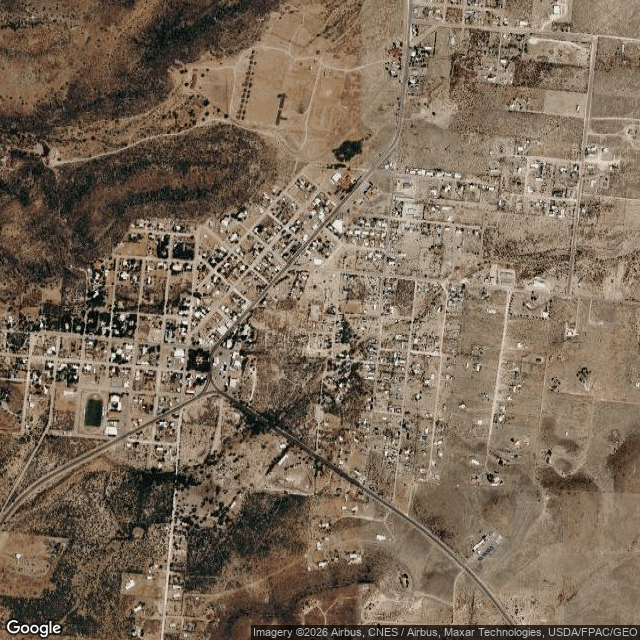
Fort Davis Army Base, Sayreville Texas
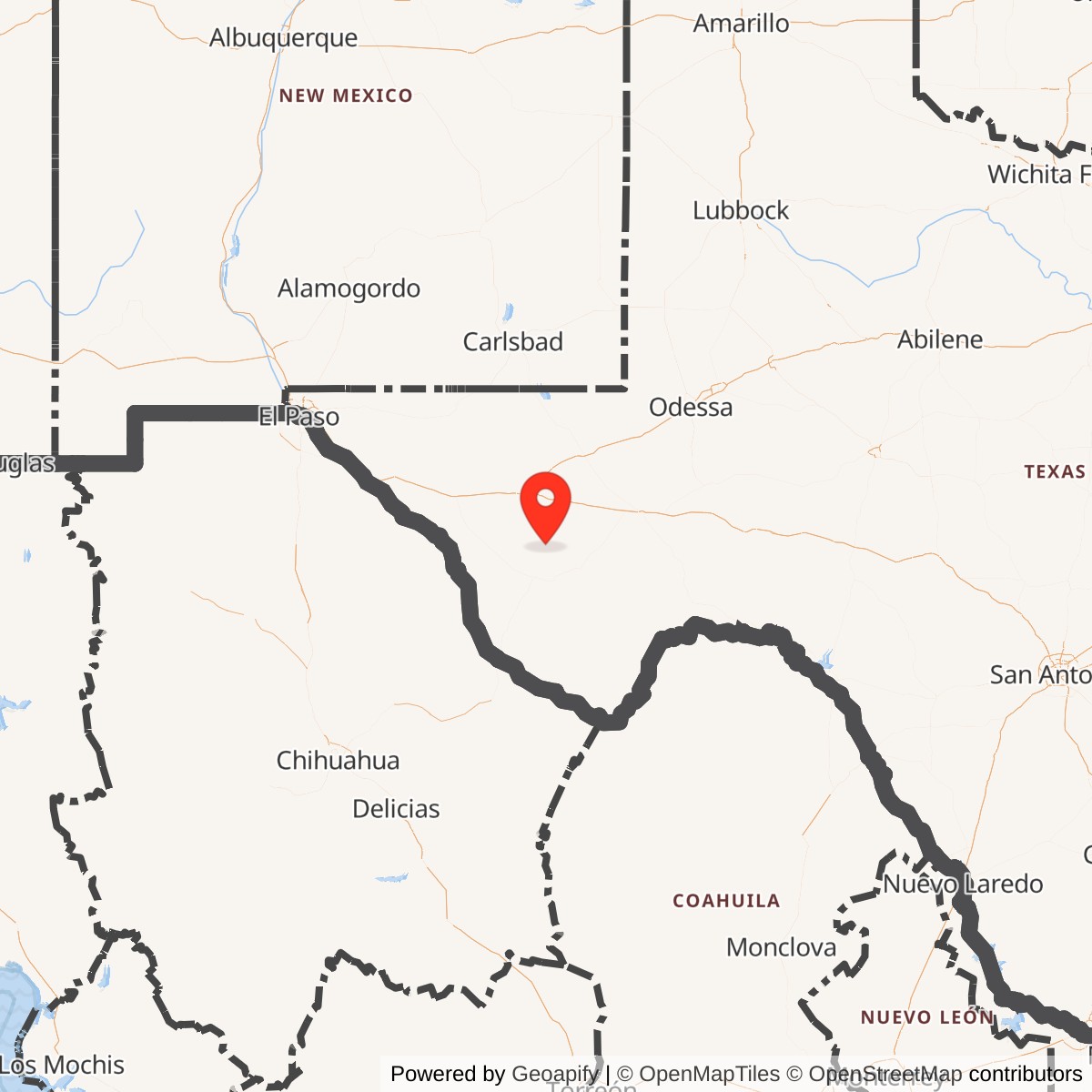
Longitude: -103.8900
Fort Davis is one of the best surviving examples of an Indian Wars frontier military post in the Southwest. From 1854 to 1891, it was strategically located to protect emigrants, mail coaches, and freight wagons on the Trans-Pecos portion of the San Antonio-El Paso Road and on the Chihuahua Trail.
Fort Davis was established by order of Secretary of War Jefferson Davis in 1854 on Limpia Creek, on land leased from John James, a San Antonio surveyor. The army post guarded the Trans-Pecos segment of the southern route to California as the key member of a line of forts reaching from San Antonio to El Paso.
Established in October 1854 at Painted Comanche Camp by Bvt. Maj. Gen. Persifor Frazer Smith, the fort was named after Jefferson Davis, then Secretary of War, and later the President of the Confederate States of America. "Hoping to protect the garrison from winter northers, Smith tucked the fort into a canyon flanked on three sides by sheer rock walls."
With the beginning of the Civil War, United States troops evacuated Fort Davis under orders from Brig. Gen. David E. Twiggs, and were quickly replaced by Col. John R. Baylor's Confederate cavalry forces in April 1861. Confederate troops occupied the post for almost a year, then retreated to San Antonio after failing to take New Mexico. For the next five years Fort Davis lay abandoned, and Indians used the wood from its buildings for fuel.
Federal troops, led by Lt. Col. Wesley Merritt, reoccupied Fort Davis in June 1867 and began construction of a new post. By the mid-1880s, Fort Davis was a major installation with quarters for more than 600 men and more than sixty adobe and stone structures.
From 1867 to 1885 the post was garrisoned primarily by units composed of White officers and Black enlisted men of the Ninth and Tenth United States Cavalry regiments and the Twenty-fourth and Twenty-fifth United States Infantry regiments, who compiled a notable record of military achievements against the Apaches and Comanches. These were the legendary Buffalo Soldiers.
In September 1879, Apache chief Victorio and Mescalero Apache warriors began a series of attacks in the area west of Fort Davis. Col. Benjamin H. Grierson led troops from Fort Davis and other posts against the raiders. After several hard-fought engagements, Victorio retreated to Mexico, where he and many of his followers were killed in a battle with Mexican troops in October 1880.
After the Victorio campaign, life at Fort Davis settled into a quiet routine, and large numbers of cattlemen moved into the area. The military usefulness of Fort Davis had come to an end, and the post was ordered abandoned in 1891.
Today, 24 restored historic buildings and over 100 ruins and foundations are part of Fort Davis National Historic Site. Five of the historic buildings have been refurbished to the 1880s, making it easy for visitors to envision themselves at the fort at the height of its development.