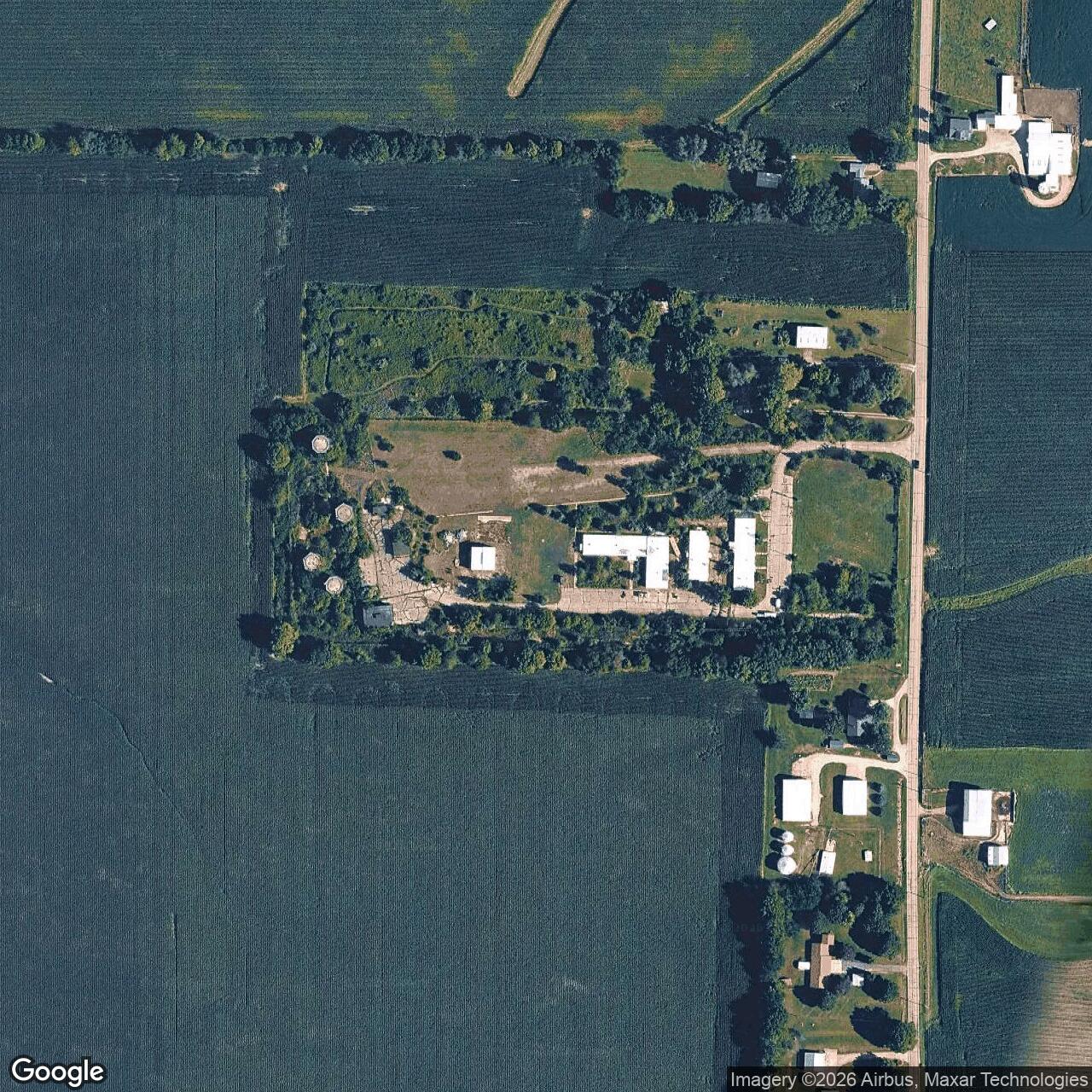
Nike Missile Site CD-78 IFC, Oxford Ohio
Longitude: -84.7727166855975
This location was part of the Cincinnati Defense Area
Site ID: CD-78
This site controlled the missiles at the Launch Area located here.
Site Role: IFC
A typical Nike air defense site consisted of two separate parcels of land. One area was known as the Integrated Fire Control (IFC) Area. This site contained the Nike system's ground-based radar and computer systems designed to detect and track hostile aircraft, and to guide the missiles to their targets.
The second parcel of land was known as the Launcher Area. At the launcher area, Nike missiles were stored horizontally within heavily constructed underground missile magazines. A large, missile elevator brought the Nikes to the surface of the site where they would be pushed across twin steel rails to one of four satellite launchers.
Elaboration on how Nike worked here.
Missile Type: Hercules
The Nike Ajax was the first in the Army's family of guided missiles, and the world's first operational, guided, surface-to-air missile system. Nike Ajax had a burnout speed of Mach 2.3, a range of 25-30 miles, and a ceiling of 65,000 feet.
Designed to carry either nuclear and/or high-explosive warheads, the Nike Hercules missile could attack supersonic aircraft operating at altitudes in excess of 150,000 feet and at a range of more than 87 miles.
Battery Type: single
Current site status: demolished
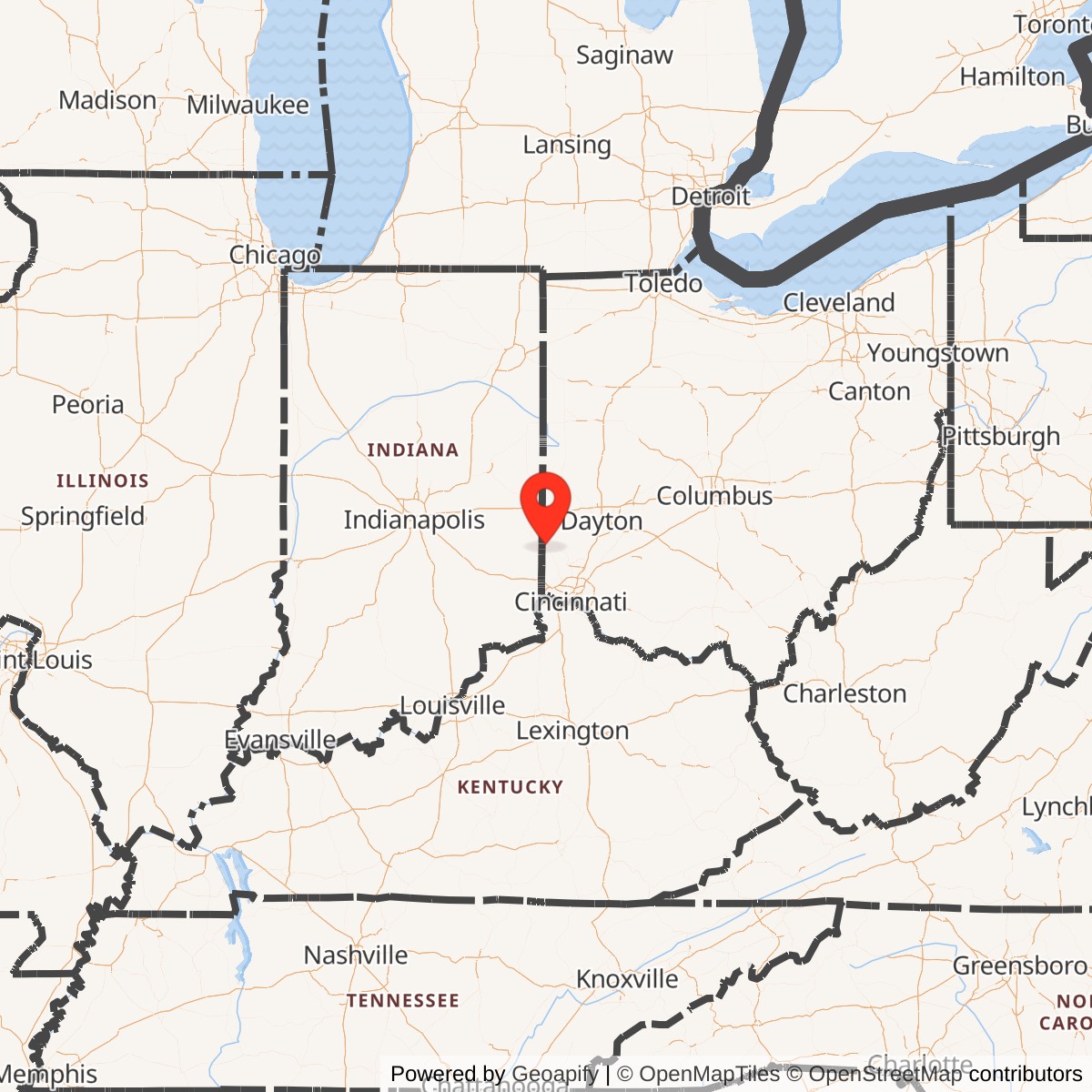
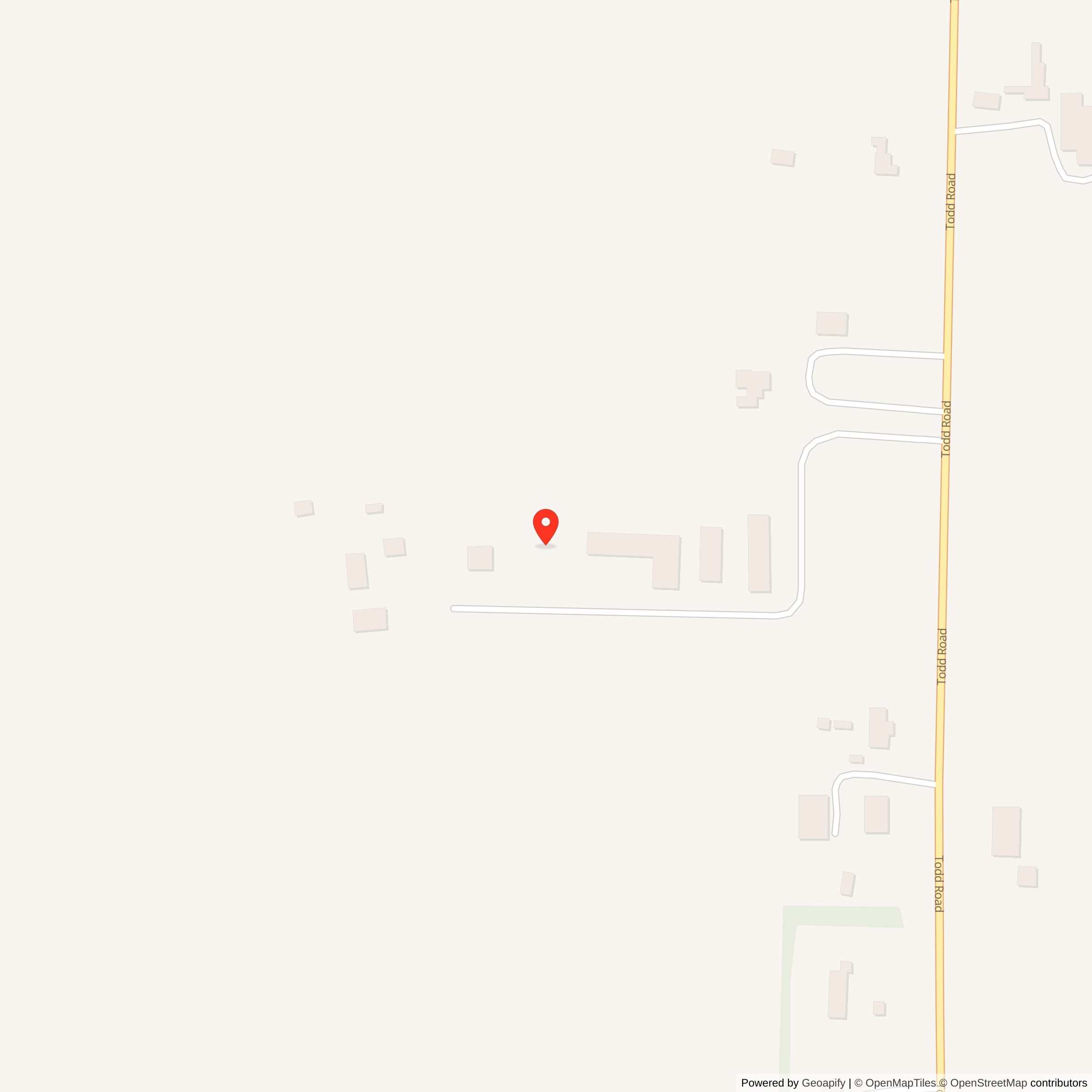
Nike Missile Site CD-78 was a U.S. Army Nike Hercules air-defense missile battery in the Cincinnati-Dayton Defense Area. It was located northwest of Oxford in Butler County, Ohio, near the Indiana state line and west-northwest of the Cincinnati-Dayton industrial corridor it was built to help defend. The "CD" designation identifies the site as part of the Cincinnati-Dayton defense system, not as a separate local installation name.
Federal and Nike inventory sources list it as a Nike Hercules site active from March 1960 to March 1970. U.S. Army Corps of Engineers reporting states that the facility was constructed in 1959, operated as a Nike battery until approximately 1970, and was deactivated in 1970. After deactivation, ownership was transferred to Miami University, which has used the property for teaching and research, storage, small-arms range functions, and transmitting antenna facilities.
CD-78 was a Nike Hercules site, not an Ajax-only site. It is listed in federal Nike inventory data as: Nike 3D/18H/12L-U
That code means the battery had three Type D missile magazines, 18 Nike Hercules missiles, and 12 universal launchers. Type D magazines were Hercules-capable magazines with increased access room. The "12L-U" notation indicates 12 universal launchers.
Because CD-78 was built in the late 1950s and became operational in 1960, it belonged to the later Nike Hercules phase of the U.S. Army's fixed air-defense network. It was not one of the first-generation Nike Ajax batteries later converted to Hercules. Instead, it was part of a new four-site Hercules ring for the Cincinnati-Dayton region.
Nike Hercules was the second-generation Nike surface-to-air missile. It was larger, longer-ranged, and higher-flying than Nike Ajax, and it could carry either a high-explosive fragmentation warhead or a nuclear warhead. The national Hercules program was intended to counter the problem of massed Soviet bomber formations by giving Army air-defense batteries a missile that could destroy aircraft at greater range and altitude and, when armed with a nuclear warhead, engage multiple aircraft within a formation. CD-78 therefore represents the mature Cold War Nike system, when the Army's air-defense mission had shifted from individual bomber interception with Ajax to longer-range, nuclear-capable regional defense with Hercules.
Historical Background
The Cincinnati-Dayton Defense Area grew out of the same Cold War air-defense logic that produced Nike missile rings around New York, Chicago, Philadelphia, Cleveland, Detroit, Los Angeles, San Francisco, Washington-Baltimore, and other major target regions. After the Soviet Union acquired nuclear weapons and long-range bomber forces became the central anticipated delivery threat, the United States built a layered air-defense system. Early-warning radar, interceptor aircraft, command-and-control centers, and Army surface-to-air missile batteries were intended to detect incoming bombers, identify them, and intercept them before they could reach critical urban, industrial, military, and transportation targets.The Army's Nike system was the fixed missile layer of that defense. Each Nike battery was split between a radar/control area and a launch area. The control area detected and tracked targets and guided missiles in flight. The launch area stored and fired the missiles. The two parts were separated for safety and tactical reasons, but they had to remain close enough and properly positioned so that the radars and launchers could function as a single battery.
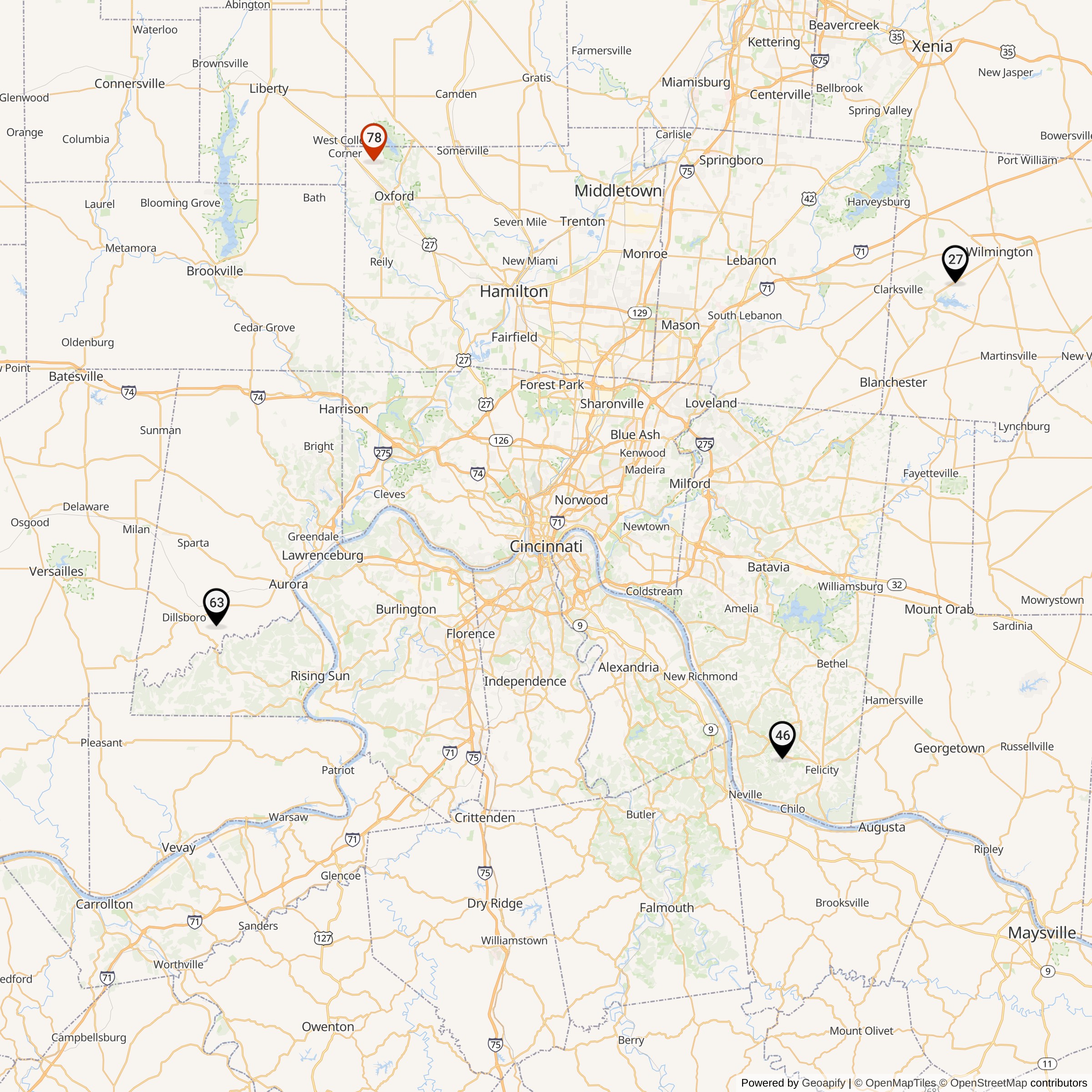
The Cincinnati-Dayton Defense Area was somewhat different from a compact city-defense ring because it protected a broader regional target zone. The defended area included Cincinnati, Dayton, the upper Ohio River Valley industrial corridor, transportation routes, and military or aviation-related assets in southwestern Ohio. The area's Nike Hercules batteries included CD-27 near Wilmington, CD-46 near Felicity, CD-63 near Dillsboro, Indiana, and CD-78 near Oxford. Together, these batteries formed a regional defensive pattern around southwestern Ohio and the adjacent Indiana border region.
CD-78 was the northwest Oxford-area battery in that system. Its position northwest of Oxford gave the Cincinnati-Dayton ring coverage on the western and northwestern approaches to the defended region. The siting also reflects a characteristic pattern in Nike deployment: launch sites often appeared in rural or semi-rural areas outside the urban target itself, where the Army could acquire enough land for missile magazines, launchers, radar clear zones, support buildings, and explosive safety requirements while still maintaining defensive coverage of the metropolitan/industrial region.
Construction and Activation
U.S. Army Corps of Engineers reporting states that the CD-78 facility was constructed in 1959. That date matches the late national Hercules buildout period, when the Army was both converting selected Ajax sites and constructing new Hercules-only sites. The Cincinnati-Dayton sites were among the new Hercules batteries rather than earlier Ajax installations.The site became operational in 1960. The federal Nike inventory lists CD-78 as active from March 1960 to March 1970, and the U.S. Army Corps of Engineers describes it as operational as a Nike battery from 1959 until approximately 1970. The March 1960 date is used here as the preferred operating start because it appears in the site inventory, while 1959 is treated as the construction and pre-operational period.
CD-78's construction would have included the launcher area, the IFC/control area, roads, utilities, fencing, magazines, support buildings, generator facilities, and radar/control infrastructure. U.S. Army Corps of Engineers documentation specifically identifies eight above-ground structures, a bermed former acid refueling station, and three underground missile magazines at the CD-78 property. Although Nike Hercules was a solid-fuel missile and did not require Ajax-style liquid sustainer fueling, the presence of a former acid refueling station reflects the broader Nike-era infrastructure and later environmental investigation focus at the site.
Operational Role
CD-78's mission was to help defend the Cincinnati-Dayton region from hostile aircraft, particularly Soviet bombers. In an attack scenario, the battery would receive warning through the air-defense command network. Its acquisition radar would search for targets, while tracking radars and ground-based computers would generate the data required to guide Nike Hercules missiles toward the target.A Hercules engagement relied on a ground-command guidance system. The missile did not simply home on a target independently. Instead, the battery's radar and computer system tracked both the hostile aircraft and the missile. The computer calculated course corrections and transmitted steering commands to the missile. At the calculated intercept point, the warhead would detonate.
For a Hercules battery such as CD-78, the mission was not merely a local defense of Oxford or Butler County. The battery was positioned there because the geography served a regional air-defense purpose. The target area was the Cincinnati-Dayton and upper Ohio River Valley region. Oxford and the surrounding rural area supplied a place where the Army could build a functional missile battery as part of the larger defended-area geometry.
The site's three Type D magazines and 12 universal launchers gave it the standard layout expected of a new Hercules site. The magazines stored missiles horizontally below grade. In a firing sequence, missile crews could raise missiles to the surface by elevator, move them into launch position, and prepare them for firing. The launch area would have had a security perimeter and explosive-safety controls because it handled missile bodies, boosters, warheads, and related equipment.
Site Layout and Physical Features
CD-78 followed the standard Nike split-site pattern. The launcher area was the missile storage and firing site. The IFC/control area was the radar and command site. The two areas were separated by distance but operated as one battery.The launcher area was northwest of Oxford and is the part most often discussed in environmental and public reporting. It contained the three underground missile magazines, above-ground structures, bermed features, and later antenna/range/storage uses. U.S. Army Corps of Engineers reporting describes the site as containing eight above-ground structures, a bermed area containing the former acid refueling station, and three underground missile magazines. WVXU's 2026 reporting describes the former launch area as a 14-acre area northwest of Oxford.
The IFC/control area stood east-southeast of the launcher. Its function would have been to house acquisition radar, target-tracking radar, missile-tracking radar, radar/control trailers or fixed equipment, generator support, communications links, and personnel work areas. Public coordinate datasets place the IFC/control site at 39.550217, -84.772717, separated from the launcher at 39.558300, -84.792180. The distance between the two locations is consistent with standard Nike practice, where the launch and control areas were often more than a mile apart but functioned as a single battery.
Post-Closure History
CD-78 was deactivated around 1970 as the national Nike system contracted. The immediate reason was not any failure of CD-78 itself, but a broader shift in Cold War air-defense doctrine. By the late 1960s and early 1970s, the principal strategic threat had moved away from manned bomber attack toward intercontinental ballistic missiles and submarine-launched ballistic missiles. Fixed surface-to-air missile rings around U.S. cities were increasingly expensive and less relevant to the dominant nuclear threat. Many Nike sites were closed between the mid-1960s and early 1970s, and by 1975 almost all Nike Hercules batteries in the continental United States had been deactivated.After deactivation, CD-78 was transferred to Miami University. U.S. Army Corps of Engineers reporting states that Miami University maintained the site and used it as a teaching research facility, a storage area for university property, a small-arms firing range for Miami University and City of Oxford security personnel, and the location of transmitting antennae for the Miami University radio station. Later popular and local sources also connect the property with public Halloween or haunted-attraction use under the Area 13 Project name, but the strongest current official post-closure documentation is the Army Corps environmental record and the Miami University ownership/use summary.
Environmental History and FUDS Status
CD-78's post-closure history is especially important because the site remains part of the federal Formerly Used Defense Sites program. The U.S. Army Corps of Engineers Louisville District determined Nike CD-78 eligible for the FUDS program in January 1992. Since 2008, the Corps has monitored and treated groundwater contamination at the site to protect human health and the environment.According to U.S. Army Corps of Engineers reporting, former Nike missile sites were investigated after Law Environmental Services found high levels of volatile organic compounds in groundwater, surface water, and soil around launcher areas. For CD-78 specifically, a Remedial Investigation was completed in 2002, a Feasibility Study in 2003, and a Decision Document in 2007. The remedial objectives included preventing ingestion of or skin contact with contaminated groundwater above remedial levels, restoring groundwater below those levels, managing water in the former missile magazines, and eliminating the potential for the magazines to continue acting as a contamination source.
The Corps completed remedial action construction in 2007-2008 and began remedial action operation in 2008. The approved groundwater remedy has been Monitored Natural Attenuation, meaning the Corps tracks the natural breakdown of contaminants while monitoring that the plume is not spreading in an unsafe way. A Remedial Optimization Study began in 2015 to evaluate whether alternate technologies might achieve cleanup faster. Recent 2026 reporting states that the Corps is still studying ways to speed remediation, that previous investigations did not identify other kinds of soil pollution under current conditions, and that groundwater remains the central environmental concern.
List of all Nike Installations in the Cincinnati Defense AreaList of all Nike Installations in Ohio