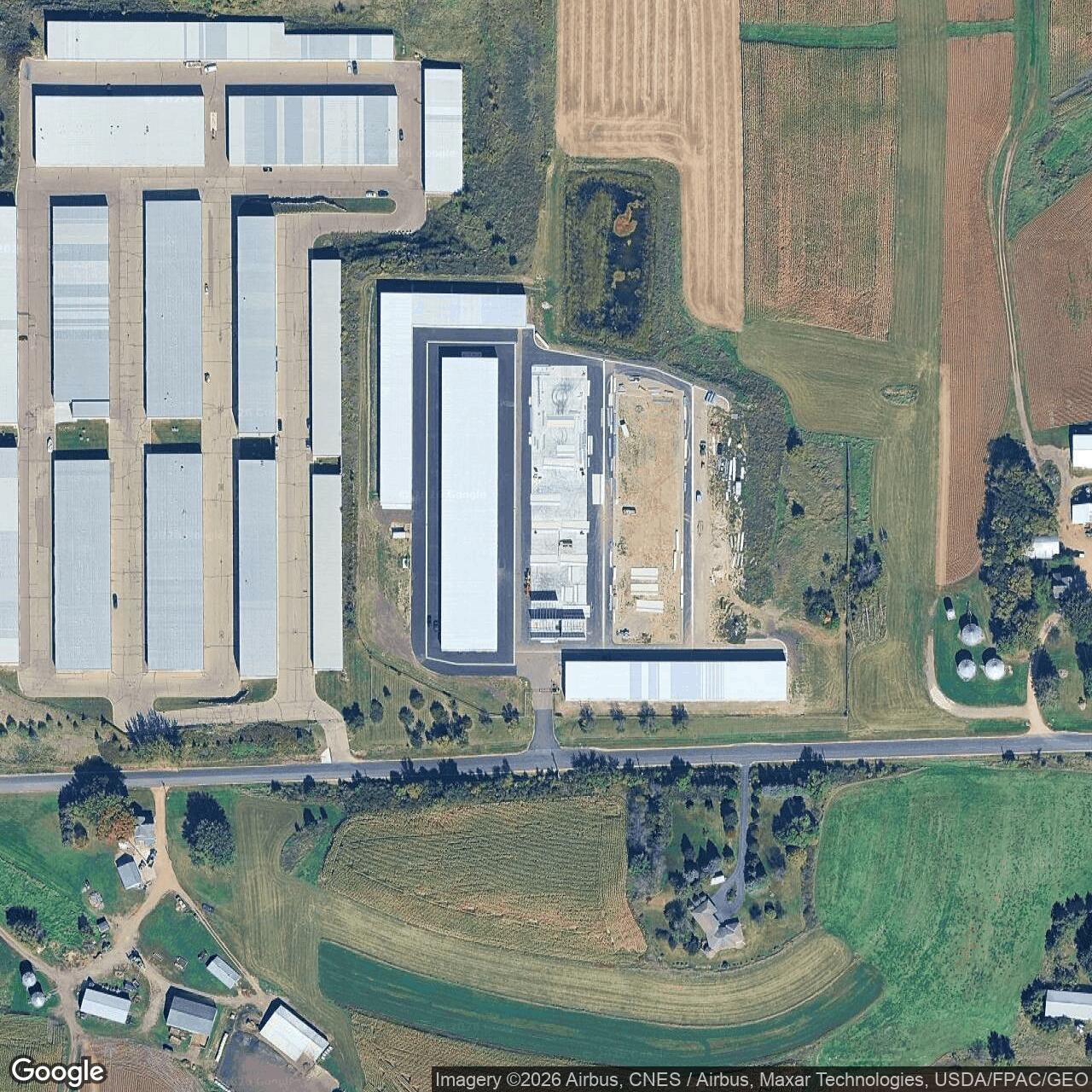
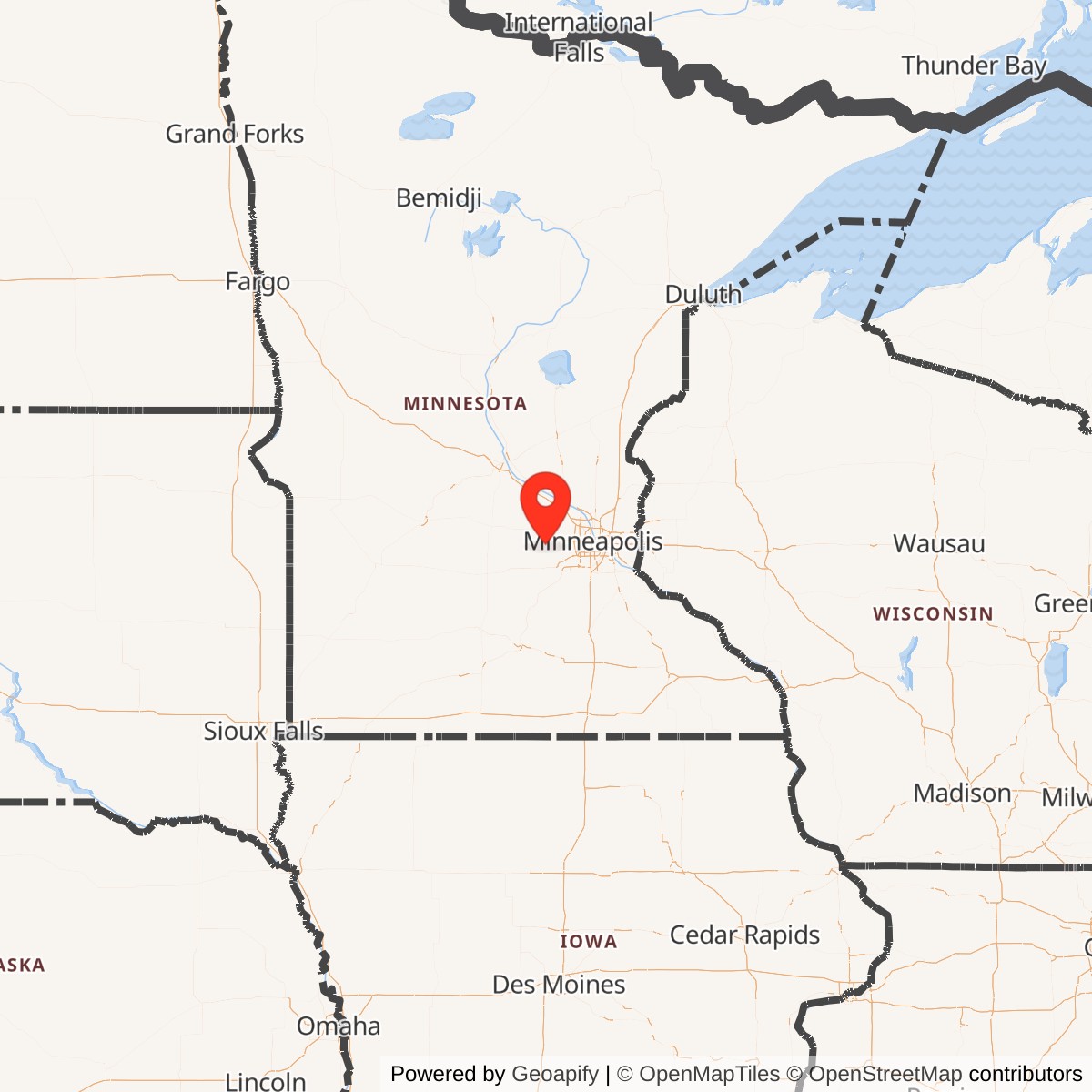
Nike Missile Site MS-70 IFC, Lake Elmo Minnesota
Longitude: -93.7572316570828
This location was part of the Twin Cities Defense Area
Site ID: MS-70
This site controlled the missiles at the Launch Area located here.
Site Role: IFC
A typical Nike air defense site consisted of two separate parcels of land. One area was known as the Integrated Fire Control (IFC) Area. This site contained the Nike system's ground-based radar and computer systems designed to detect and track hostile aircraft, and to guide the missiles to their targets.
The second parcel of land was known as the Launcher Area. At the launcher area, Nike missiles were stored horizontally within heavily constructed underground missile magazines. A large, missile elevator brought the Nikes to the surface of the site where they would be pushed across twin steel rails to one of four satellite launchers.
Elaboration on how Nike worked here.
Missile Type: Ajax/Hercules
The Nike Ajax was the first in the Army's family of guided missiles, and the world's first operational, guided, surface-to-air missile system. Nike Ajax had a burnout speed of Mach 2.3, a range of 25-30 miles, and a ceiling of 65,000 feet.
Designed to carry either nuclear and/or high-explosive warheads, the Nike Hercules missile could attack supersonic aircraft operating at altitudes in excess of 150,000 feet and at a range of more than 87 miles.
Battery Type: single
Date Site Converted to Hercules Missile: October, 1959
Nike Hercules were more powerful and nuclear capable missiles. Many locations originally built for the Ajax were later modified and upgraded to the newer Hercules.
Current site status: demolished
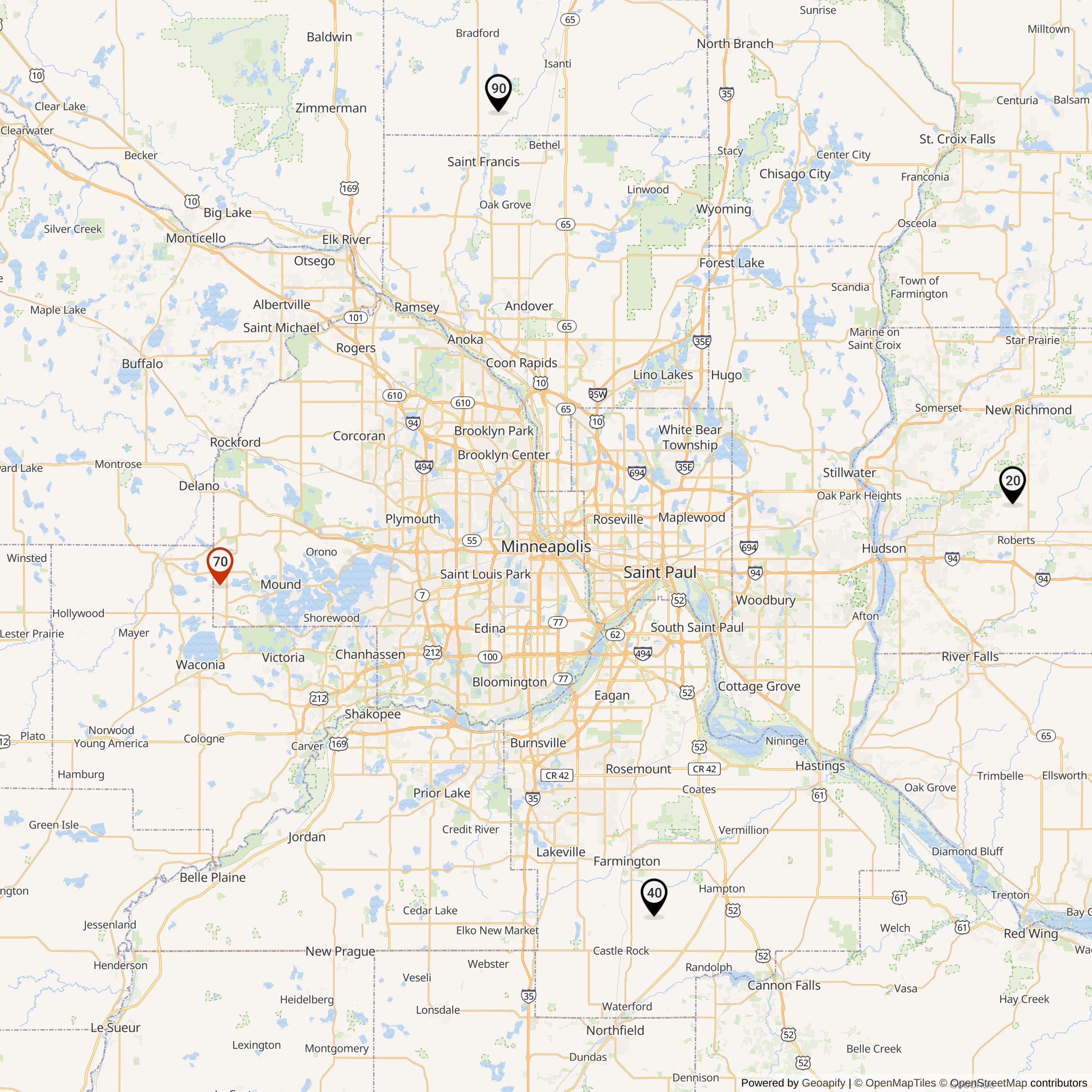
MS-70 (Bonifacius) was one of four Nike Hercules batteries that guarded the Twin Cities from 1959 until 1971, along with MS-20 (Roberts), MS-40 (Farmington), and MS-90 (Bethel/Isanti). The Chicago District of the Corps of Engineers oversaw construction, and the four batteries were manned by Regular Army units. The BIRDIE command and control facility was located at Snelling Air Force Station.
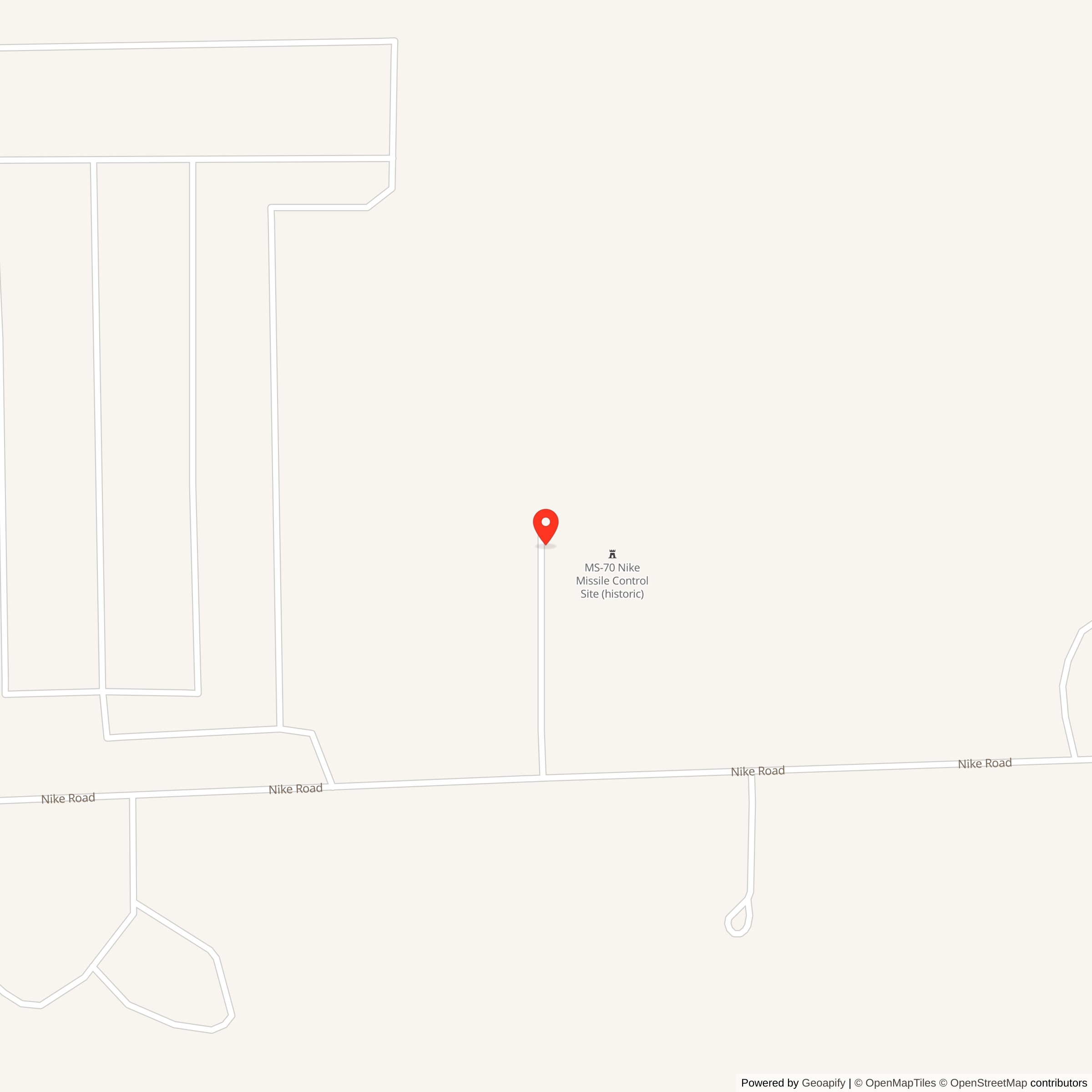
The IFC/control site on Nike Road in Maple Plain is where the radar and guidance systems were located. Due to the limitations of radar and guidance systems at the time, the radar site had to be positioned a mile or two away from the launch site. The missiles were stored underground on rails and were brought to the surface by elevators, meant to intercept long-range enemy bombers.
The launching area's underground magazine was 5 stories below ground, 50 yards wide, and 200 yards long, divided into three sections. Each section had an elevator to carry missiles to the surface, where they were moved to permanently installed above-ground launchers. The Army did not camouflage the batteries, assuming the Soviets would aim directly at cities and industrial complexes rather than missile sites.
St. Bonifacius is the only town in Minnesota with a real Nike-Hercules missile on display in its park, Missile Park at 8822 Wildwood Avenue, commemorating the nearby missile base. This is a rare display, as only 15-20 Nike-Hercules missiles still exist from the thousands once placed around U.S. cities.
List of all Nike Installations in the Twin Cities Defense AreaList of all Nike Installations in Minnesota