Nike Missile Site S-81 Launcher, Poulsbo Washington
Longitude: -122.66175255190100
This location was part of the Seattle Defense Area
Site ID: S-81
The missiles at this Launch Area were controlled by the Integrated Fire Control site located here.
Site Role: Launcher
A typical Nike air defense site consisted of two separate parcels of land. One area was known as the Integrated Fire Control (IFC) Area. This site contained the Nike system's ground-based radar and computer systems designed to detect and track hostile aircraft, and to guide the missiles to their targets.
The second parcel of land was known as the Launcher Area. At the launcher area, Nike missiles were stored horizontally within heavily constructed underground missile magazines. A large, missile elevator brought the Nikes to the surface of the site where they would be pushed across twin steel rails to one of four satellite launchers.
Elaboration on how Nike worked here.
Nike site S-81 was the Poulsbo Nike Ajax missile battery in the Seattle Defense Area. It was a Cold War U.S. Army air-defense installation built to help protect the Seattle-Puget Sound target complex from enemy bomber attack. It formed part of the Puget Sound/Seattle ring of Nike missile defenses that included positions on both sides of Puget Sound and in the eastern and southern approaches to Seattle.
S-81 was an air-defense installation, not an intercontinental ballistic missile site. Its Nike Ajax missiles were defensive surface-to-air missiles intended to intercept hostile aircraft. S-81 was not converted to Nike Hercules and did not remain active into the later nuclear-capable Hercules phase of the Seattle Defense Area. It closed in November 1960, much earlier than the Seattle Hercules sites that remained active until 1974.
The Seattle Defense Area protected one of the most strategically important regions in the Pacific Northwest. Seattle and Puget Sound contained Boeing production and aerospace facilities, naval shipyard and port infrastructure, McChord Air Force Base, Fort Lewis, and other military and industrial targets. In the early Cold War, American planners considered mass bomber attack a serious threat, especially after the Soviet Union developed nuclear weapons and long-range bomber capability.
Nike Ajax sites like S-81 were built as the final fixed missile-defense layer around major target areas. Long-range radars and interceptor aircraft would detect and engage hostile aircraft farther out; Nike batteries were intended to destroy bombers that penetrated those outer defenses. The Poulsbo site helped cover the northwest/western Puget Sound sector of the Seattle defensive ring. Together with other Kitsap-area and island positions, it helped protect approaches around Puget Sound and the target-rich Seattle-Bremerton-Tacoma region.
The site's location near Poulsbo also reflected tactical and engineering needs. The IFC/control area needed radar exposure and line of sight to the launch area. The launch area needed enough land for magazines, elevators, launchers, missile checkout, support buildings, security fencing, and safe separation from civilian activity.
Physical Layout and Site Components
S-81 followed the normal Nike site layout: an IFC/control area, a launch area, and related support/housing functions.The IFC/control area was the radar and command center. It contained the acquisition radar, target-tracking radar, missile-tracking radar, fire-control equipment, communications equipment, and administrative/support buildings. The IFC was responsible for detecting incoming aircraft, tracking the assigned target, tracking the missile, computing an intercept solution, and sending radio-command guidance to the missile after launch.
The launch area was separate from the IFC and located off Finn Hill Road west/northwest of central Poulsbo. Nike Ajax missiles were stored horizontally in underground magazines. During drills or alert operations, missiles could be raised to the surface by elevators, moved to launcher rails, checked, and elevated for launch. Ajax missiles used a solid booster and a liquid-fueled sustainer, so the launch area also required hazardous-material handling and safety procedures associated with missile propellants and oxidizers.
S-81 is listed as a Nike 1B, 2C/30A/12L-A site. In practical terms, that means it was an Ajax-only battery with a configuration built for conventional Nike Ajax missiles, not a later Hercules launcher/magazine arrangement.
Operational History
The Seattle Defense Area began forming in the mid-1950s. Army surveyors selected Seattle-area missile positions in 1954, and the Army used public displays at Fort Lawton and Mount Rainier Ordnance Depot to explain the new missile system as the Seattle network was planned. Temporary Seattle Nike batteries appeared while permanent sites were being constructed, and the permanent regional network grew through the late 1950s.S-81 served the Poulsbo portion of this network. S-81 was operational from 1956 to November 1960.
The site was armed with Nike Ajax missiles. Ajax was the Army's first operational guided surface-to-air missile system. It carried conventional high-explosive warheads and was designed to destroy individual bomber targets. Its range was far shorter than Nike Hercules, and its liquid-fuel sustainer required hazardous handling. As with other Ajax sites, S-81 depended on its IFC radars and analog fire-control equipment to track both target and missile and guide the missile by radio command.
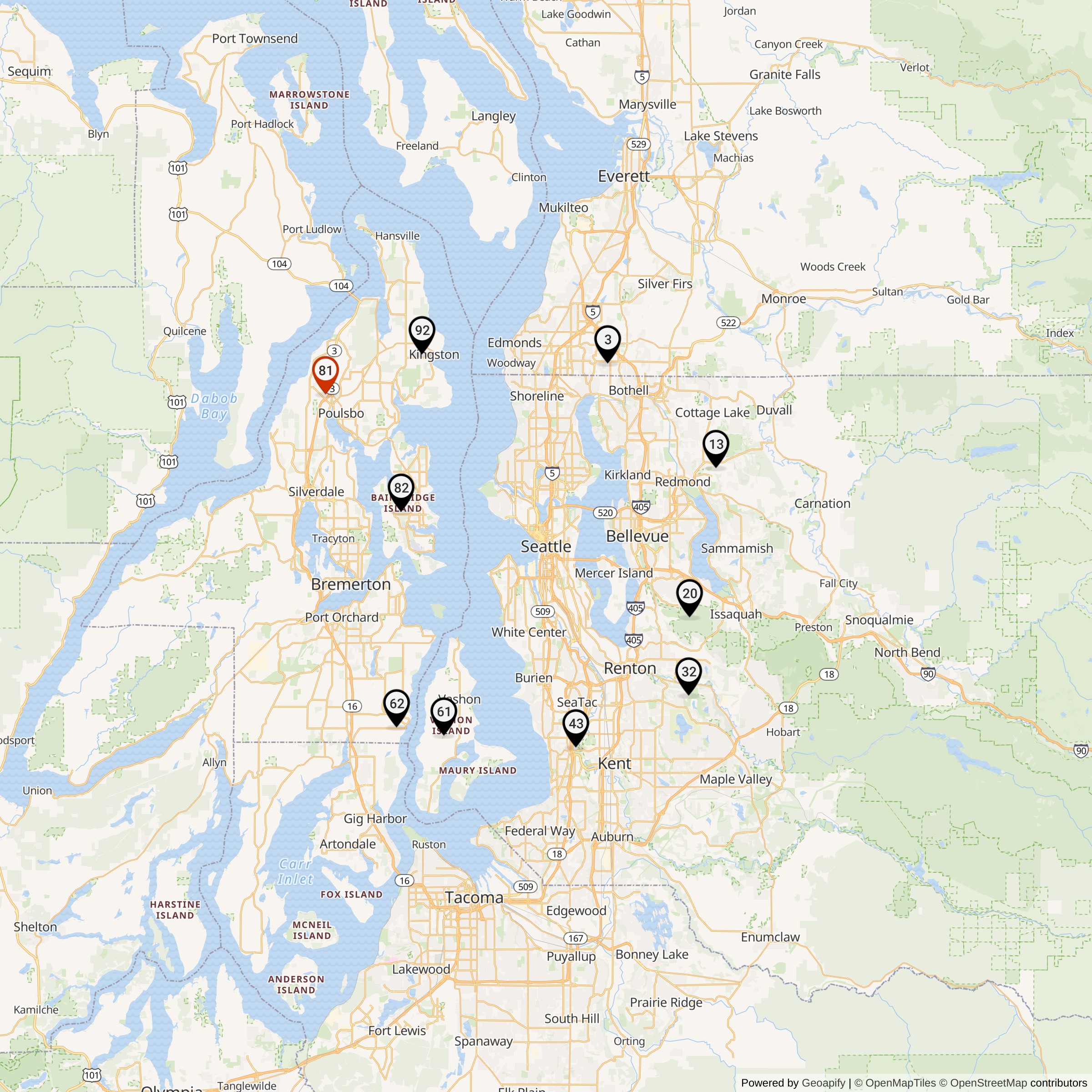
S-81 did not make the transition to Nike Hercules. In the Seattle Defense Area, the Army selected only a few sites for Hercules modernization. Redmond S-13/S-14, Vashon S-61, and Kingston S-92 survived into the later Hercules period. S-81 closed in November 1960, before the Ajax phaseout of many other Seattle-area sites was complete. Its early closure reflects the redundancy created by longer-ranged Hercules coverage and the Army's decision to reduce the number of active Seattle missile batteries.
Command, Control, and Regional Role
S-81 functioned within a coordinated Seattle air-defense system rather than as an isolated installation. The Seattle Defense Area included an area command-and-control structure centered at Fort Lawton. A Missile Master complex was built there to assign targets among batteries and reduce confusion during a mass-raid scenario. After Ajax batteries were deactivated and the network became smaller, a BIRDIE system handled missile-defense coordination for the remaining Hercules batteries.During S-81's active period, Nike batteries in the Seattle region were manned by Regular Army and later Washington Army National Guard units. The Seattle units gained a strong reputation in annual service practice. Federal context notes that Seattle-based Nike batteries earned the Army Air Defense Command Commander's Trophy in 1956, 1957, and 1958 as a result of high annual service-practice scores at McGregor Range. S-81 was part of that broader high-performing Seattle Nike environment, though the currently available sources do not identify a specific S-81 battery unit lineage with the same precision available for some other sites.
Post-Closure and Reuse
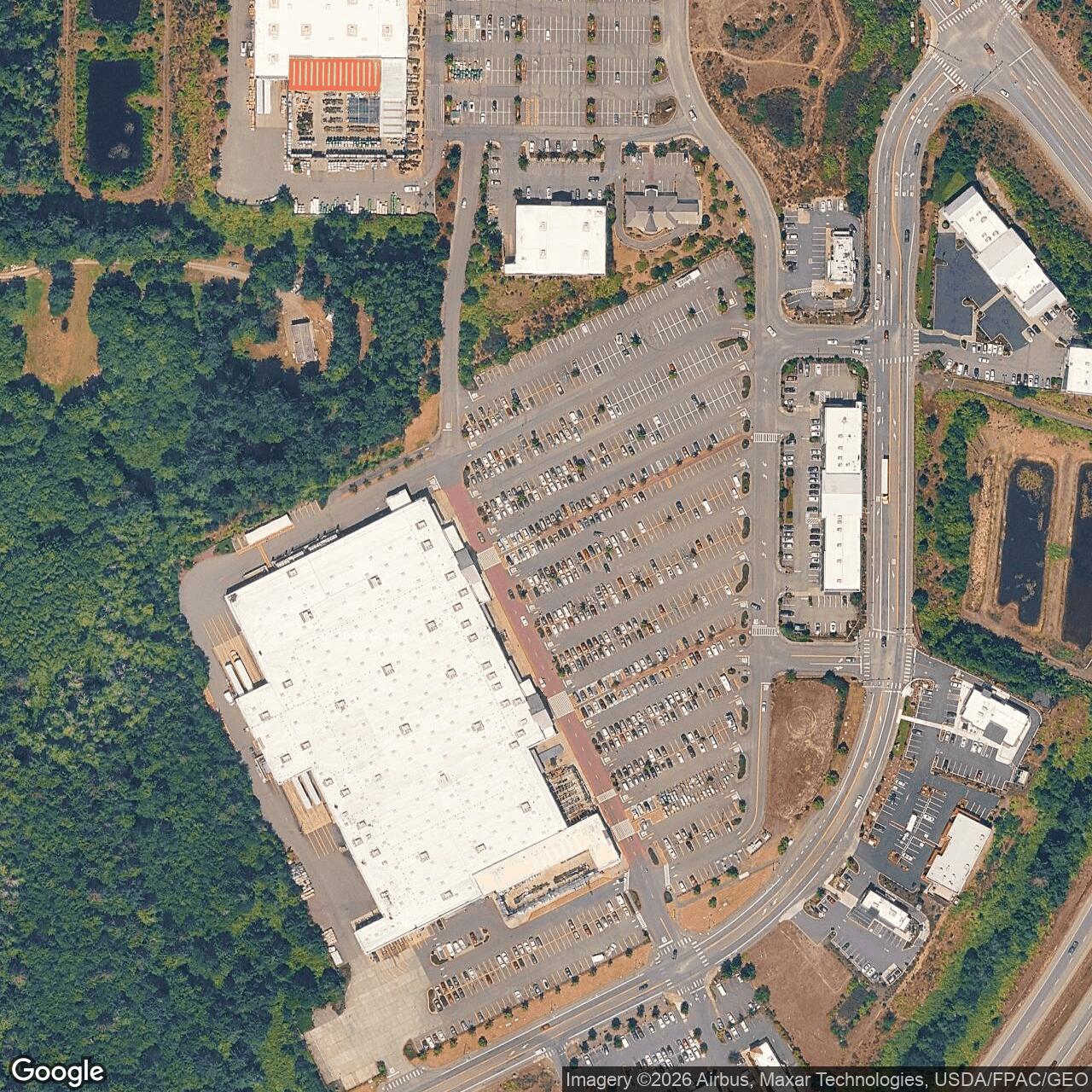
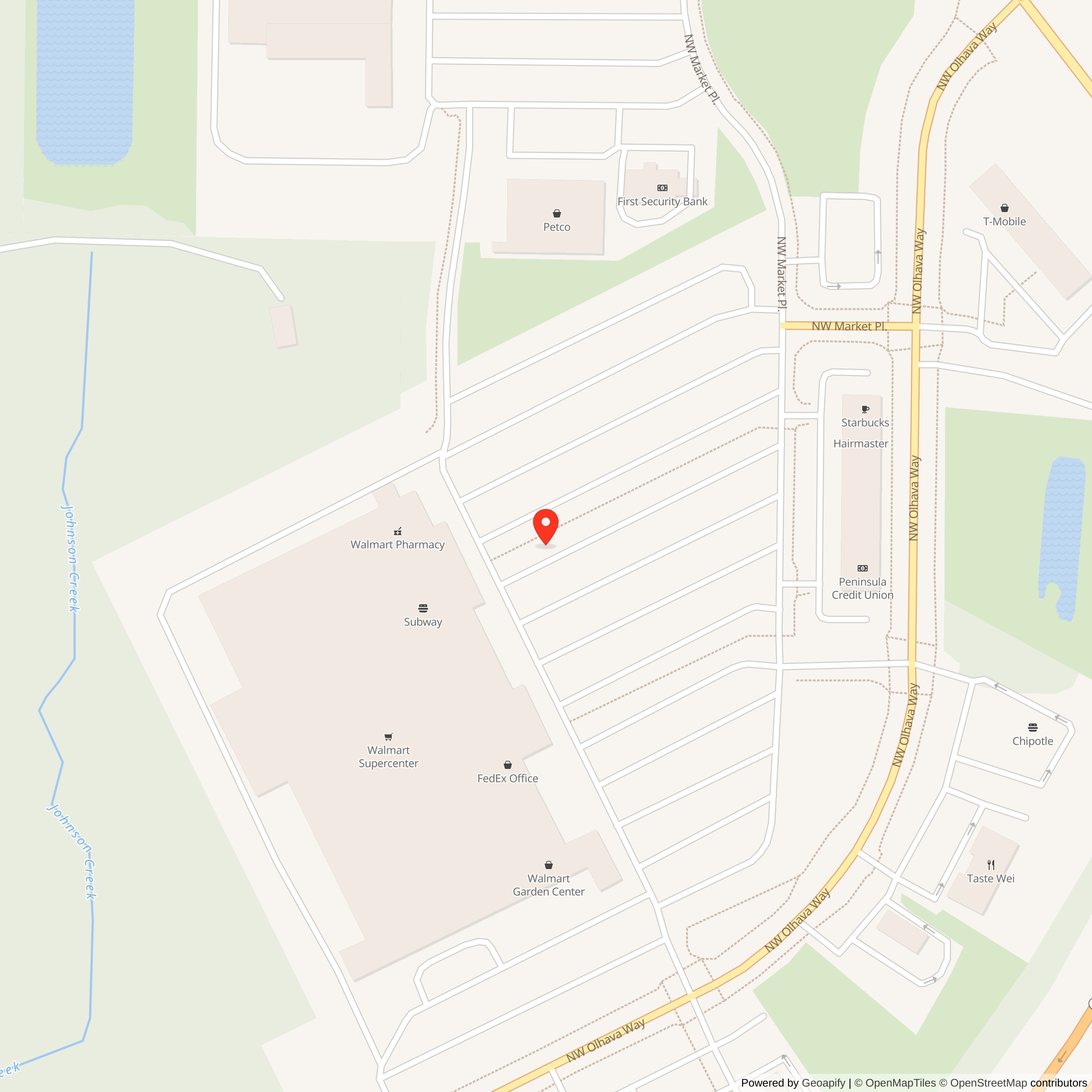
S-81 closed in November 1960 and was removed from the active missile-defense network. The former control/administrative site entered public/institutional reuse. North Kitsap School District used the former administrative buildings as offices and that Frank Raab Municipal Park occupied the remaining control-area site.The launch area on Finn Hill Road was eventually redeveloped when a mall was built on the site.
Chronology
- 1949 The Soviet Union's first atomic test increased U.S. concern about strategic bomber attack and continental air defense.
- 1950 The Korean War intensified defense mobilization and accelerated U.S. guided missile programs.
- 1951 The first successful Nike missile test occurred, and the Nike system moved toward operational deployment.
- 1954 Army surveyors selected Seattle-area Nike locations; the Army used public displays at Fort Lawton and Mount Rainier Ordnance Depot to introduce the missile system to the public.
- 1956 S-81 Poulsbo operational
- 1956-1958 Seattle-area Nike batteries gained a strong national reputation in annual service practice, with Seattle-based units winning the ARADCOM Commander's Trophy in multiple years.
- 1958-1960 Nike Hercules conversion elsewhere in the Seattle Defense Area began changing the battery network and reducing the number of sites needed for coverage.
- November 1960 S-81 was deactivated as an Ajax-only Poulsbo site.
- Post-1960 The former control/administrative area entered school-district and park reuse; the former launch site eventually entered private/commercial redevelopment.
- 1997 Poulsbo's Raab Park Youth Garden began through a partnership involving City of Poulsbo Parks and Recreation and WSU-Kitsap Master Gardeners, illustrating continuing public use at the former control-area park landscape.
- 2025 The Play for All inclusive playground opened at Frank Raab Municipal Park, 18349 Caldart Ave NE, Poulsbo.
- Present S-81 is inactive and closed. The former IFC/control landscape is associated with North Kitsap School District/Frank Raab Municipal Park, while the former launch area on Finn Hill Road is redeveloped commercial/retail property.
List of all Nike Installations in Washington