
Naval Air Station Oakland / Naval Air Reserve Base Oakland, California
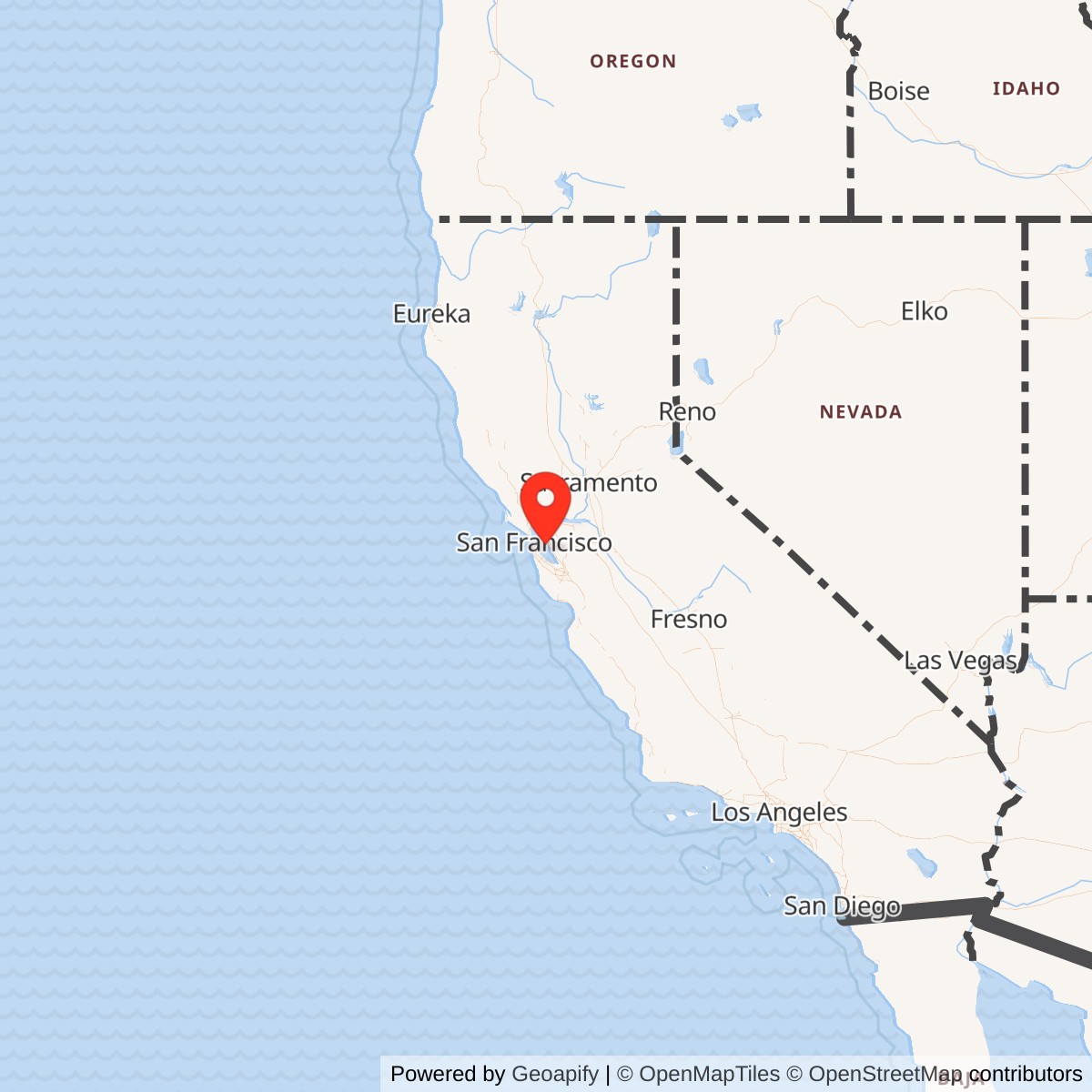
Longitude: -122.2211506
Current Role: Former Naval Reserve Aviation Base, Naval Auxiliary Air Station, and Naval Air Station at Oakland Municipal Airport; wartime primary training shifted to NAS Livermore while Oakland became a Naval Air Transport Service terminal, mechanics-training, cargo/passenger, and command node; closed as a Navy reserve air station in 1961 with the reserve mission moved to NAS Alameda; current successor is Oakland San Francisco Bay Airport (KOAK).
Naval Air Station Oakland was a Navy aviation station embedded inside one of the Bay Area's most important civil airports. That identity is the key to understanding the base. Oakland was never the same installation as Naval Supply Center Oakland, which was a waterfront supply and logistics complex at Middle Harbor and related annexes. NAS Oakland was the Navy airfield operation at Oakland Municipal Airport, a shared aviation field on Bay Farm Island that also carried civilian airline, Army Air Forces, contractor-training, aircraft-processing, and wartime transport missions.
The Navy presence began before World War II. On August 1, 1928, the Navy formed a Naval Reserve Aviation Base at Oakland Municipal Airport with two aircraft and a small leased hangar space. In the 1930s, that reserve base became part of the Navy's aviation-training system, including an elimination training course. After Pearl Harbor, Oakland's prewar reserve-airfield role was overtaken by the Navy's emergency need for primary flight training, air transport, mechanics training, and west-coast transpacific logistics. On January 1, 1943, as the Navy upgraded many Naval Reserve Aviation Bases, Oakland became Naval Air Station Oakland.
The station's status changed more than once because its mission changed quickly. By late 1942, primary flight training had moved east to the newly developed Livermore field because Oakland Municipal Airport had become too crowded with Army interceptors, civil airport functions, transport operations, and Navy uses. When NAS Livermore was commissioned on June 1, 1943, Oakland was reduced to Naval Auxiliary Air Station Oakland under NAS Alameda. Its importance did not disappear. Instead, it became increasingly tied to the Naval Air Transport Service. By 1945, Oakland had become a headquarters and operating node in the Navy's wartime airlift system, and the base again carried Naval Air Station status.
Site Design and Facilities
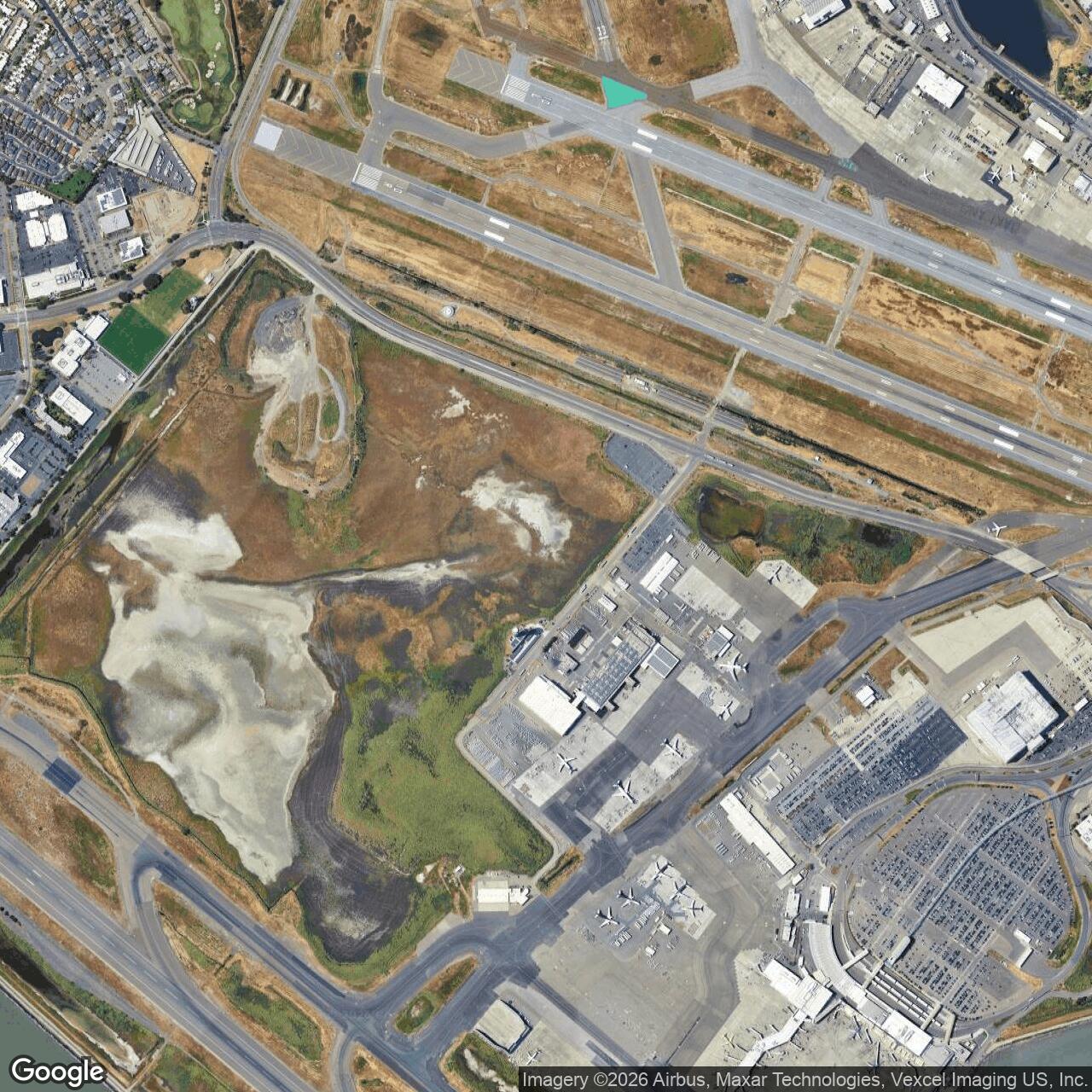
Oakland's military value came from an unusual combination: a long-established municipal airport, water and rail access, Bay Area industry, and immediate proximity to San Francisco Bay's Navy system. The airport itself had begun as a 1927 municipal aviation project on Bay Farm Island. Its long runway, built in the era of the Dole Air Race and early Pacific aviation, made Oakland one of the West Coast's symbolic and practical gateways to long-distance flight before the Navy made it a wartime station.The Navy did not build Oakland as a clean-sheet naval air station in the way it built some wartime fields on open land. It adapted an operating airport. Wartime descriptions place the Navy on a station that shared the airport with Army Air Forces and Air Service Command functions. The field had four asphalt runways, with the longest about 6,500 feet in the late-war inventory. Navy facilities included hangars, barracks, shops, warehouse space, an air-cargo terminal, passenger-terminal functions, training spaces, mechanics-school facilities, and the support infrastructure needed to maintain and operate R4D and R5D transport aircraft.
The real-estate picture was mixed. One contemporary inventory described Oakland as situated on 1,016 acres, with the Navy owning 65 acres and leasing the remainder. A later Corps of Engineers history described the Oakland Municipal Airport property leased from the Board of Port Commissioners as 1,167.71 acres beginning February 1, 1944. The difference reflects the layered and joint-use nature of the field, not a simple contradiction. Oakland was a municipal airport used by multiple military activities, with different leased, permitted, and occupied areas counted differently at different dates and by different agencies.
Mission Evolution
The first Navy mission at Oakland was reserve aviation. The Naval Reserve Aviation Base organized there in 1928 gave Bay Area naval reservists a flying station at a major civil airport. By 1935, the base had begun elimination training with ten aircraft, placing Oakland in the prewar pipeline that screened and prepared aviation candidates before they moved deeper into naval flight training.War transformed the mission. In January 1942, full primary training began at Oakland, but the station was already running into the limits of a crowded joint-use airport. Army interceptors and wartime military traffic made it impossible to expand primary training there indefinitely. Commander R. L. Johnson and his Oakland staff selected a site near Livermore, about 25 miles away, for the new training base. By November 1942, the primary flight activities had shifted to Livermore, although administrative control initially remained at Oakland.
That transfer explains why NAS Livermore and NAS Oakland are tightly linked. Livermore was not an unrelated field that happened to appear in the same region. It was built to relieve the congestion at Oakland and to give the Navy a better primary-training environment inland. Oakland, Livermore, Alameda, and a constellation of outlying fields together formed a Bay Area naval aviation training network. Oakland served as the parent or administrative node during the transition, while Livermore became the primary-training station with its own satellite fields.
After primary training moved, Oakland became more important to the Naval Air Transport Service. In September 1942, VR-3 began scheduled service to the station. On March 4, 1943, VR-4 was commissioned at Oakland with R4D transport aircraft transferred from Alameda's VR-2, while VR-2 became an exclusive seaplane operation. VR-11 was commissioned at Oakland on September 1, 1943, and became part of the South Pacific transport system. VR-13 was commissioned there on June 16, 1944, before later moving forward to Los Negros in the Admiralty Islands. Oakland's mission had shifted from screening and training beginner pilots to sustaining the transport routes that connected the continental United States to the Pacific war.
Operational Role
The work performed at NAS Oakland was practical, urgent, and logistical. During the early-war period, the station handled primary training until that mission could be moved to Livermore. It also retained assembly, repair, and administrative functions after the move. This meant Oakland continued to support aircraft, personnel, and training systems even after the actual beginner flying moved away from the crowded airport.The Naval Air Transport Service became the station's defining wartime role. NATS was the Navy's airlift system, moving personnel, cargo, passengers, aircraft parts, mail, and special cargo over continental and transoceanic routes. At Oakland, that mission had several layers. Transport squadrons operated from the field. Maintenance units serviced R4D and R5D aircraft. Passenger and cargo facilities handled movement in and out of the Pacific pipeline. Mechanics schools and training detachments prepared personnel for the transport fleet. In March 1945, the Naval Air Transport Service was reorganized as a Fleet Command with headquarters at NAAS Oakland, a clear indication that the station had become more than a local auxiliary field.
Oakland's wartime operations also depended on commercial aviation expertise. United Airlines had an aircraft-mechanics school at the airport for the Army, and in 1943 United began training Navy mechanics as well. By the end of the war, that Navy mechanics program had completed 1,281 students. This connection between airline facilities, civilian mechanics expertise, military transport aircraft, and Navy airlift was central to Oakland's role. The station functioned as a hinge between civil airport infrastructure and military air transport.
The station also occupied a crowded joint-use environment. The Army Air Forces used Oakland Municipal Airport for interceptor dispersal, Air Service Command functions, and the processing of aircraft for overseas shipment. The Navy used its own facilities for transport, training, maintenance, and administrative missions. Civil airport and airline functions were displaced, limited, or gradually restored as wartime demands changed. Oakland was not a quiet reserve field during the war. It was a busy aviation logistics node where Army, Navy, contractor, and civil-airport systems overlapped.
Units, Organizations, and Systems
Several Navy transport organizations define NAS Oakland's wartime history. VR-3 began scheduled service to Oakland in September 1942 and connected the station to the developing NATS system. VR-4 commissioned at Oakland on March 4, 1943, as a landplane transport and maintenance-related squadron operating R4D aircraft. VR-11 commissioned at Oakland on September 1, 1943, then maintained a detachment and conducted training even after its headquarters moved to Honolulu. VR-13 commissioned at Oakland on June 16, 1944, and later moved to the Admiralty Islands as the Pacific transport system pushed forward.The Naval Air Transport Service West Coast organization was even more significant than any single squadron. Air Transport Squadrons, West Coast, was established at NAAS Oakland on March 1, 1943, to control NATS squadrons west of the Mississippi except those flying the mainland-Honolulu route. On March 3, 1945, NATS was reorganized as a Fleet Command with headquarters at Oakland. This made Oakland one of the major command centers in the Navy's air transportation architecture.
The station also had training functions. The Navy activity list for World War II identifies a Naval Training School for Air Transport Service at the United Air Lines Training Center in Oakland. It also lists an overseas air cargo terminal at the Naval Auxiliary Air Station. These entries show that Oakland's wartime role was not limited to aircraft parked on a ramp. It included personnel training, cargo handling, maintenance instruction, and organizational control.
Oakland's relationship with NAS Alameda and NAS Livermore was central. Alameda was the major naval air station across the estuary and a powerful carrier-aviation, patrol, support, and rework base. Livermore became the inland primary-training station that relieved Oakland. Oakland sat between them functionally. It could draw on Alameda's Navy infrastructure and Bay Area industrial base, while Livermore absorbed the training workload that Oakland's crowded airport could no longer handle.
Role in the Wider Military Network
NAS Oakland belonged to several wider networks at once. In the late 1920s and 1930s, it was a Naval Reserve aviation node at a prominent civil airport. During the first months of World War II, it became part of the Navy's emergency flight-training expansion. When the field became too congested, it helped generate NAS Livermore and that station's outlying-field network. In that sense, Oakland was the seedbed for the Livermore training system.By 1943-1945, Oakland's larger role was air transport. The Navy needed landplane and seaplane routes that could connect the continental United States to Hawaii, Alaska, the South Pacific, and forward fleet areas. Alameda handled major naval aviation and seaplane functions. Mills Field and other Bay Area sites supported auxiliary aviation work. Oakland handled landplane transport, mechanics training, passenger movement, air cargo, and NATS command functions. This made it a key mainland node in the Pacific logistics chain.
Oakland was also part of a Bay Area joint-use military-aviation system. The Army's Fourth Air Force and Air Service Command used the same municipal airport for air-defense dispersal, transient aircraft, and aircraft-processing activities. The Navy's activities therefore had to fit inside a field shaped by Army and civil requirements as well as Navy needs. That joint-use condition explains why Oakland could be simultaneously important and constrained. Its location and runways made it valuable; its congestion forced the Navy to move primary training elsewhere.
Postwar Reserve Role and Closure
After World War II, the Navy reduced Oakland's wartime transport role. Effective October 1, 1946, NAS Oakland was placed in reduced status. The airport itself returned increasingly to public and commercial use, while the Navy reestablished a reserve-air-station mission at Oakland. This postwar reserve mission preserved a Navy aviation presence at the airport for another decade and a half.In 1961, Naval Air Station Oakland closed and the reserve mission moved to NAS Alameda. The closure ended direct Navy use of Oakland Municipal Airport as a naval air station. The site remained an airport, but its Navy chapter had ended. Unlike NAS Alameda, which became a major BRAC redevelopment landscape after 1997, Oakland's former Navy aviation identity was absorbed back into a continuing civil airport. This makes the site harder to read on the ground today, even though its wartime role was significant.
Current Status
The former NAS Oakland site is now part of Oakland San Francisco Bay Airport, the active public airport operated by the Port of Oakland. The airport retains the OAK identifier and the ICAO code KOAK.
Chronology
- 1927-02-05 The Oakland City Council purchased Bay Farm Island land for development of Oakland Municipal Airport.
- 1927-06-28 Army aviators Lester Maitland and Albert Hegenberger departed Oakland for Hawaii and completed the first nonstop flight from the U.S. mainland to Hawaii.
- 1927-09-27 Charles Lindbergh participated in the dedication of Oakland Municipal Airport, confirming Oakland's early national aviation significance.
- 1928-08-01 The Navy formed a Naval Reserve Aviation Base at Oakland Municipal Airport with two aircraft and leased hangar space.
- 1935 The Navy began an elimination training course at Oakland using ten aircraft.
- 1941-12 After Pearl Harbor, the Navy reviewed expansion of primary training at Naval Reserve Aviation Bases, including Oakland.
- 1942-01 Full primary flight training began at Oakland, even as congestion made a replacement training field necessary.
- 1942-09 VR-3 began scheduled Naval Air Transport Service operations to the station.
- 1942-11 Primary flight activities transferred from Oakland to Livermore, while administrative control initially remained at Oakland.
- 1943-01-01 Oakland became Naval Air Station Oakland as the Navy upgraded many NRABs.
- 1943-03-01 Air Transport Squadrons, West Coast, was established at NAAS Oakland to control NATS squadrons west of the Mississippi, except the mainland-Honolulu route.
- 1943-03-04 VR-4 commissioned at Oakland with R4D aircraft transferred from Alameda's VR-2.
- 1943-06-01 NAS Livermore commissioned, and Oakland was reduced to Naval Auxiliary Air Station Oakland under Alameda.
- 1943-09-01 VR-11 commissioned at Oakland and became part of the South Pacific transport system.
- 1943 United Airlines began training Navy aircraft mechanics at Oakland.
- 1944-06-16 VR-13 commissioned at Oakland.
- 1944-07-19 A new NATS passenger terminal at Oakland reached completion.
- 1945-03-03 The Naval Air Transport Service was reorganized as a Fleet Command with headquarters at NAAS Oakland.
- 1945-05-01 Oakland was upgraded again to Naval Air Station status as its NATS role expanded.
- 1945 Late-war inventories described the station as a joint-use airport with four asphalt runways, extensive Navy barracks capacity, and Army Air Service Command activity.
- 1946-10-01 NAS Oakland was placed in reduced status after World War II.
- 1946 The Navy began postwar reserve activities at Oakland.
- 1961 NAS Oakland closed, and the Naval Air Reserve mission moved to NAS Alameda.
- 2025 The Port of Oakland adopted the current public name Oakland San Francisco Bay Airport.
- Present The former NAS Oakland site remains part of Oakland San Francisco Bay Airport, an active public airport with ICAO code KOAK and no active Navy air-station mission.
Sources & References
- WEB California State Military Museum / Historic California Posts Naval Air Station, Oakland
- WEB U.S. Naval Activities World War Two, By State, California
- WEB AirNav KOAK Oakland San Francisco Bay Airport
- WEB Oakland San Francisco Bay Airport official site
- WEB Port of Oakland Oakland first: OAK adopts 'Oakland San Francisco Bay Airport' name change to reflect local roots and regional reach
- PDF Naval History and Heritage Command United States Naval Aviation 1910-1995, Part 5, World War II 1940-1945
- WEB Airfields Freeman Abandoned & Little-Known Airfields: Oakland area
- WEB Naval Air Transport Service historical summary