
Nike Missile Site BR-94 IFC, Shelton Connecticut
Longitude: -73.1809079533658
This location was part of the Bridgeport Defense Area
Site ID: BR-94
Missile / battery configuration: Nike 2B,1C
This site controlled the missiles at the Launch Area located here.
Site Role: IFC
A typical Nike air defense site consisted of two separate parcels of land. One area was known as the Integrated Fire Control (IFC) Area. This site contained the Nike system's ground-based radar and computer systems designed to detect and track hostile aircraft, and to guide the missiles to their targets.
The second parcel of land was known as the Launcher Area. At the launcher area, Nike missiles were stored horizontally within heavily constructed underground missile magazines. A large, missile elevator brought the Nikes to the surface of the site where they would be pushed across twin steel rails to one of four satellite launchers.
Elaboration on how Nike worked here.
Missile Type: Ajax
The Nike Ajax was the first in the Army's family of guided missiles, and the world's first operational, guided, surface-to-air missile system. Nike Ajax had a burnout speed of Mach 2.3, a range of 25-30 miles, and a ceiling of 65,000 feet.
Designed to carry either nuclear and/or high-explosive warheads, the Nike Hercules missile could attack supersonic aircraft operating at altitudes in excess of 150,000 feet and at a range of more than 87 miles.
From Missile Battery to Nike Site Park
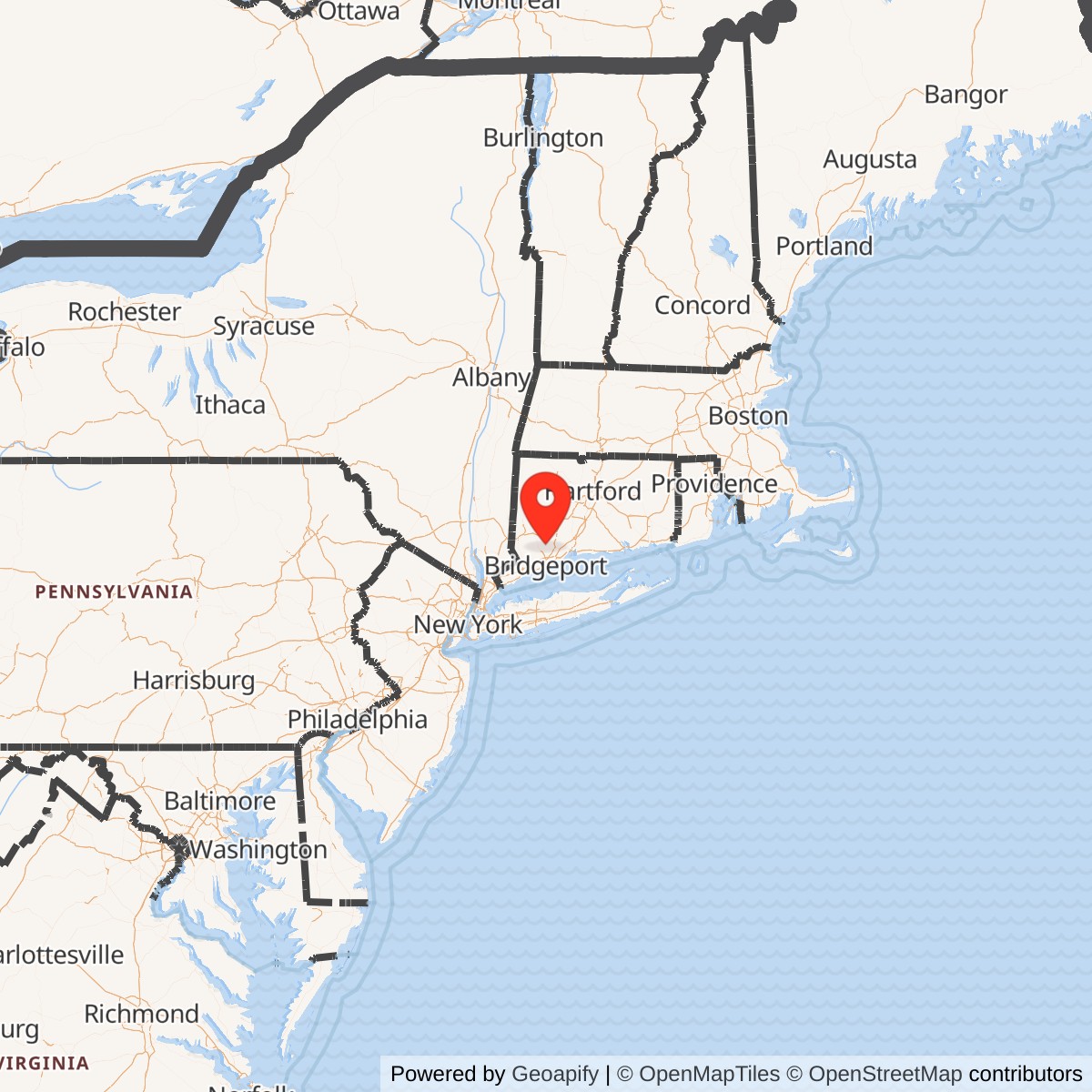
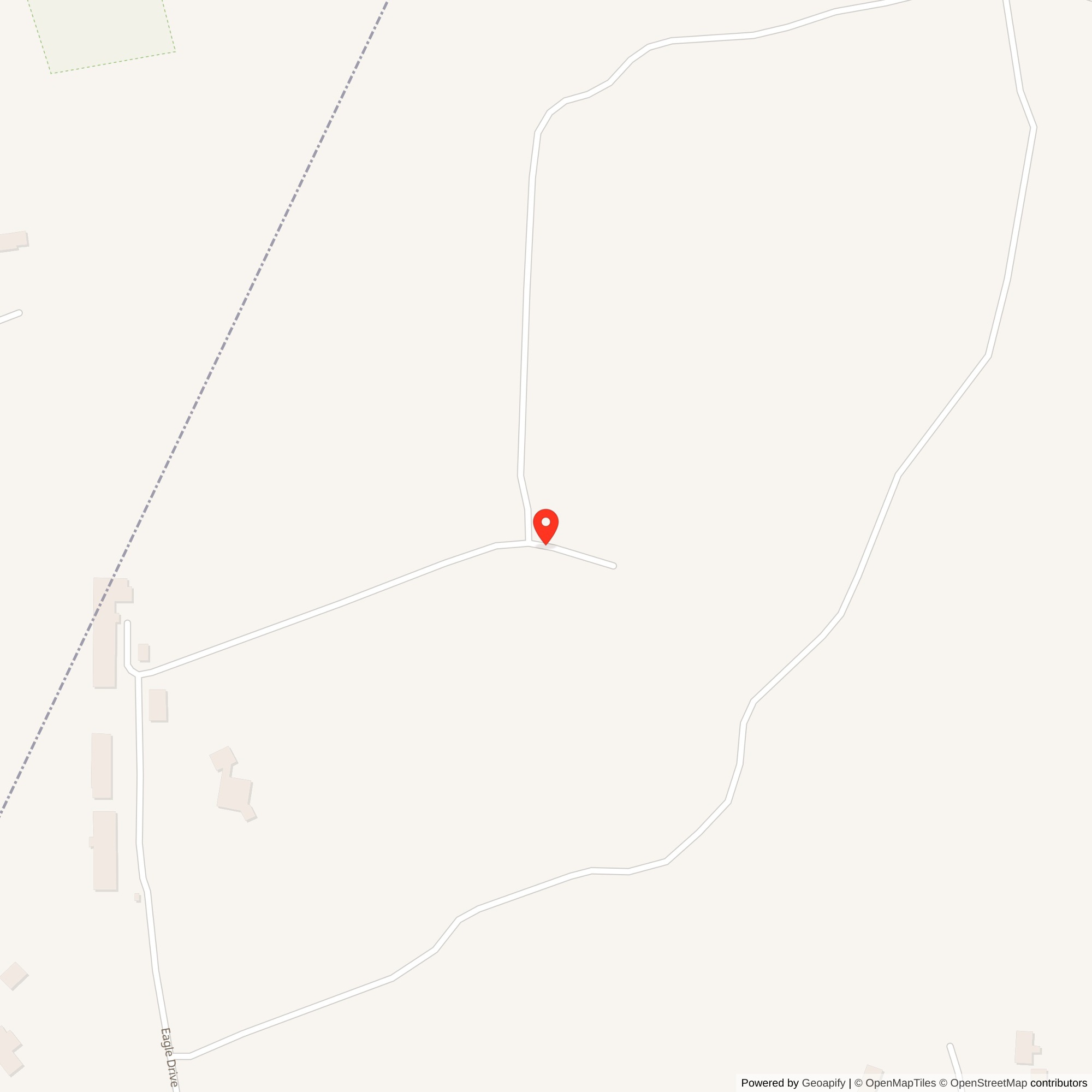
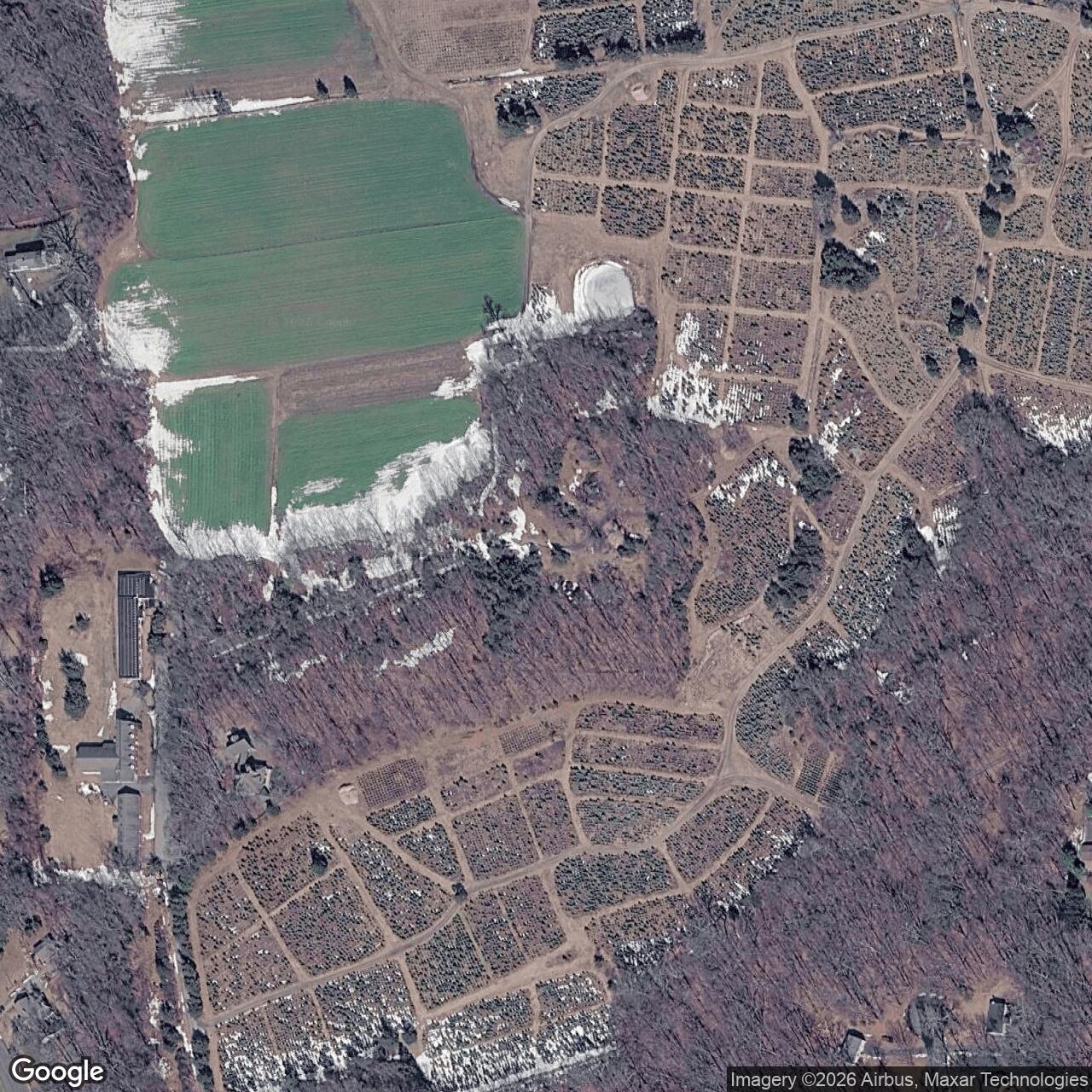
Nike site BR-94 occupied two main tactical properties in Shelton's Huntington section. Its Integrated Fire Control compound and associated housing stood off Eagle Drive near Walnut Tree Hill Road, while its launcher occupied a much larger tract off Mohegan Road. The Army connected these physically separated places by communications, procedures, and a single air-defense mission even though civilian roads and wooded land lay between them.
The former launcher is now Shelton's Nike Site recreation complex, where ball fields, courts, a playground, and reused support buildings have replaced the appearance of a guarded missile battery. The former control area followed a different path through federal support use and private agricultural reuse within the Jones Family Farms landscape. Those contrasting afterlives make BR-94 an unusually clear example of how one Nike battery can survive as several unrelated modern properties.
The public name also requires care. The official Department of Defense inventory identifies the battery location as Shelton, while a later map labels both points Monroe and federal housing records describe acreage in both Shelton and Monroe. The tactical locations and local historical record support Shelton as the nearest town, but the cross-boundary housing tract helps explain why Monroe entered later inventories and memories.
Why the Bridgeport area required Air Defense
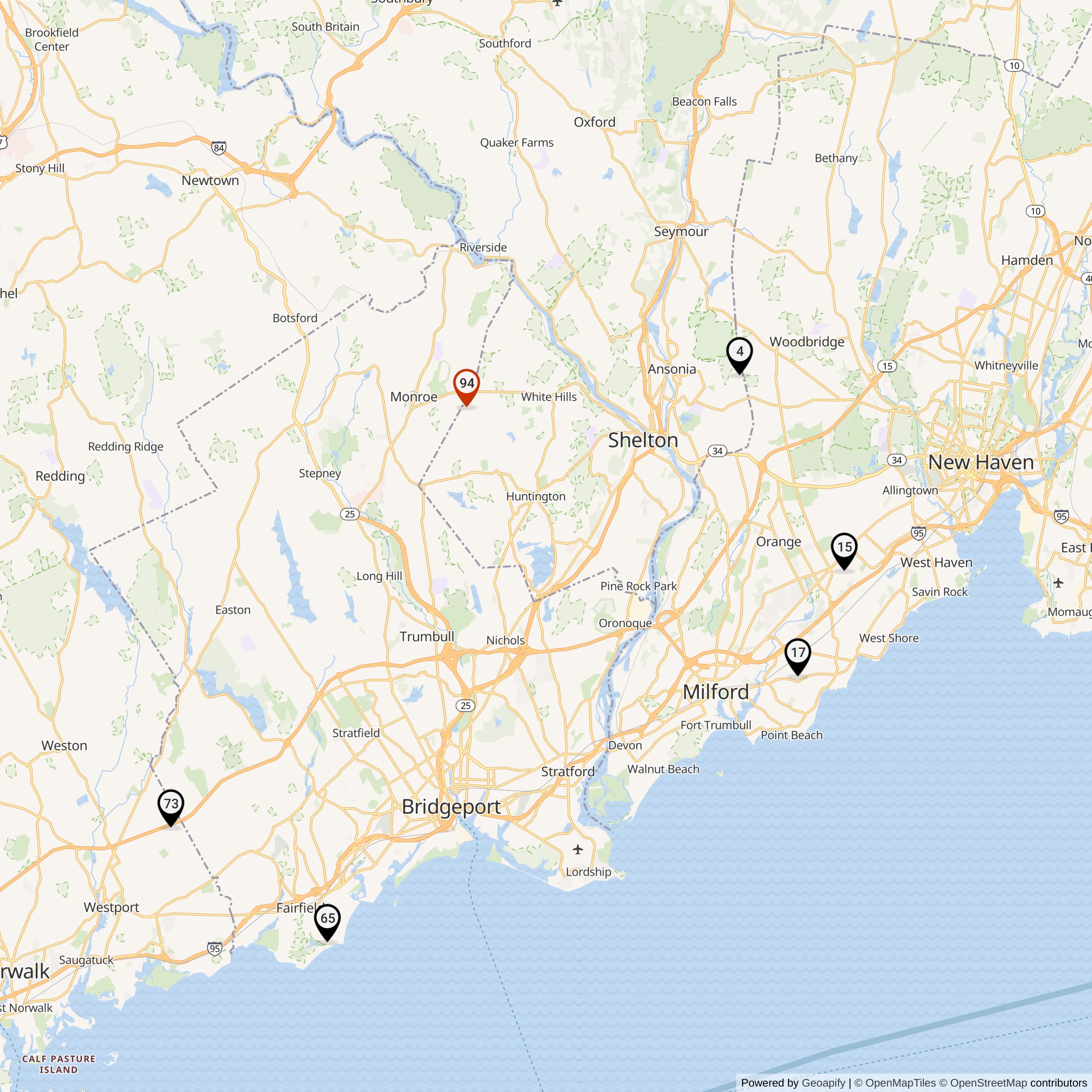
The Army created a six-battery Nike ring around the Bridgeport area during the mid-1950s. The firing sites were BR-04 Ansonia, BR-15 West Haven, BR-17 Milford, BR-65 Fairfield, BR-73 Westport, and BR-94 Shelton. Together they formed overlapping sectors around a heavily populated industrial and transportation corridor rather than six isolated defenses for six separate towns.
Bridgeport and the lower Naugatuck Valley contained factories, transportation routes, utilities, ports, and communities considered vulnerable in an era of long-range bomber threats. Local interpretation often names individual manufacturers, but no located BR-94 war plan assigns the Shelton battery to one factory or target. Its historically defensible mission was the wider protection of the Bridgeport defense area as part of an integrated regional network.
Nike batteries operated as the Army's terminal guided-missile layer within the continental air-defense system. Long-range warning, identification, command decisions, communications, local radar tracking, and a ready missile crew all had to function before a battery could make a valid engagement. BR-94 therefore depended on organizations and equipment far beyond its fences even though its radar and launch crews performed the final local tasks.
Announcement and land selection
The Army publicly announced proposed Nike projects in Ansonia and Shelton on 8 July 1955. Local accounts describe three major elements for Shelton: a launcher, a control and command area, and military housing. That announcement began a period of surveys, acquisition, design, construction, and community adjustment before the battery became operational in 1957.
The Army selected high ground off Eagle Drive for radar and command functions. Elevation and a useful view of the surrounding sky mattered because acquisition and tracking antennas required clear operating horizons, stable foundations, electrical power, and secure access. Housing nearby reduced travel time for assigned personnel and made the military presence a daily part of the surrounding neighborhood.
The Mohegan Road tract provided the larger footprint needed for missile storage, handling, launch positions, internal roads, security, and safety separation. Local histories give the launcher area as about 36.15 acres and the Eagle Drive command and housing area as about 8.82 acres. Later federal records describe a separate 12.25-acre family-housing property crossing Shelton and Monroe, so those acreage figures should not be combined as though they came from one deed or one administrative parcel.
The Split-Site Design
Nike batteries deliberately separated their control and launch functions. The IFC needed an advantageous radar position, while the launcher required protected missile storage, fuel-handling capability, clear surface working areas, and controlled access. Separation also reduced the chance that a single attack or accident would disable both the weapons and the equipment used to guide them.
At Eagle Drive, radar crews would acquire an aircraft, track the target, track the outbound missile, and calculate an intercept. At Mohegan Road, launcher crews stored, inspected, prepared, raised, and erected Ajax missiles for firing. Dedicated communications made the two compounds one tactical system, because neither component could complete the mission by itself.
Support buildings, power equipment, administration, maintenance, quarters, roads, and security posts surrounded the central technical functions. Modern accounts sometimes reduce a Nike site to radar towers or underground magazines, but the battery was a staffed installation that needed logistics and continuous maintenance. The surviving or reused low buildings are therefore part of the historical story even when the most recognizable radar and launcher equipment has disappeared.
Building the Mohegan Road Launcher
The official configuration notation for BR-94 is "Nike 2B,1C." It records two B-type and one C-type horizontal underground magazines. Elevators lifted missiles from protected below-grade storage to surface rails and launchers, where crews could inspect, move, erect, and prepare them under strict operating procedures.
The magazines were not vertical silos. Ajax missiles rested horizontally below grade, and the lettered designations referred to Army magazine types rather than missile models or warheads. Correct terminology matters when interpreting old photographs, park grading, sealed elevator openings, drainage systems, and the uncertain condition of surviving below-grade concrete.
Construction also had to support Ajax's liquid-fueled sustainer and solid-propellant booster. Specialized maintenance areas, protective equipment, power, communications, security, and trained personnel were essential to safe readiness. No complete BR-94 construction drawing set or acceptance inspection has been located, so the exact arrangement of every building, launcher position, and utility remains a research gap.
The Eagle Drive Control Compound
The IFC contained acquisition, target-tracking, and missile-tracking radar functions together with a command-guidance computer. Radar operators followed both the aircraft and the outgoing Ajax while the computer compared their paths and generated steering commands. The missile depended on those transmitted commands throughout flight, making the control compound an active part of every theoretical engagement.
Radar equipment required stable foundations and careful alignment. Towers or elevated platforms helped antennas clear local obstructions, while operations buildings sheltered consoles, communications, power systems, and personnel. The Eagle Drive location's topography made it useful for this purpose, but current vegetation and later development cannot be assumed to reproduce the site's Cold War sight lines.
Connecticut's state historic-resource inventory documents surviving buildings in the former command-center area within the Jones Family Farms property. Some structures have been adapted for storage, office, or farm use, but the reviewed record does not prove the original Nike function of every surviving building. The IFC's present condition is therefore best described as partially intact, with radar structures removed or unverified and several support buildings surviving in altered settings.
Capehart Housing and Support Facilities
The Army planned family housing near BR-94 because a continuously staffed technical battery required personnel close to duty. Local accounts from 1956 and 1957 describe plans for sixteen Capehart houses, and the official Defense Environmental Restoration record says the housing was constructed in 1958 to support the adjacent Nike battery. The residential component outlasted the missile mission and later served other active-duty personnel.
Federal records describe sixteen three-bedroom houses together with headquarters, dining-hall, and barracks functions on a 12.25-acre property in Shelton and Monroe. That cross-town footprint offers a reasonable explanation for later records calling BR-94 a Monroe site even though the launcher, command center, local dedication, and official defense-area listing identify Shelton. The housing history must remain distinct from the tactical battery's March 1961 closure.
The Army also leased a supply depot and maintenance shop at 25 Brooks Street according to local historical accounts. That facility supported the battery but was not one of the two principal tactical components represented by the IFC and launcher records. A complete real-estate map joining the Brooks Street facility, Capehart housing, Eagle Drive compound, and Mohegan Road launcher has not yet been located.
Activation and Battery A, 741ST
The official inventory dates BR-94's Nike service from 1957 through March 1961. It does not provide an exact activation day, first operational alert, construction acceptance date, or final duty shift. Construction, equipment installation, calibration, communications tests, crew training, and readiness evaluation necessarily preceded full operational service even though that detailed sequence remains unresolved.
Local sources identify Battery A, 741st Antiaircraft Artillery Missile Battalion as the unit that manned the Shelton installation. This direct local attribution is stronger evidence than copying a unit from a neighboring Bridgeport battery. It also aligns BR-94 with the battalion honored during the Bridgeport area's 1958 Nike Day observances.
Army air-defense unit designations changed during the late 1950s as the service reorganized battalions under the Combat Arms Regimental System. Army-wide lineage tables associate the former 741st organization with the 3rd Missile Battalion, 44th Artillery, but a BR-94-specific relief or redesignation order has not been located. Battery A, 741st therefore remains the primary documented local designation, while the later regimental association is treated as context rather than a precisely dated Shelton assignment.
Nike Ajax at Shelton
Nike Ajax was the Army's first operational guided surface-to-air missile in the nationwide Nike network. A solid booster accelerated the missile and a liquid-fueled sustainer continued its flight, while conventional high-explosive fragmentation warheads were intended to destroy an aircraft near the calculated intercept. Ajax was command guided, so the ground radar and computer system remained essential after launch.
An engagement began with warning and target assignment rather than an autonomous missile decision. Acquisition radar or higher command supplied a track, the target-tracking radar followed the aircraft, the missile-tracking radar followed the Ajax, and the computer calculated corrections. The IFC transmitted steering orders and the burst command while the launcher crew maintained serviceable missiles and firing positions.
BR-94 remained an Ajax-only battery. The official Bridgeport history says only BR-04 Ansonia converted from Ajax to Nike Hercules, and the Shelton configuration lacks Hercules missile allowance or universal-launcher notation.
Decoding Nike 2B,1C
The notation "2B,1C" decodes to two B-type and one C-type horizontal underground magazines. Unlike fuller configuration codes at some Nike sites, it does not state an authorized missile allowance or a launcher count.
It would be unsafe to borrow a missile quantity or launcher total from another Bridgeport site. Magazine capacity, authorized allowance, missiles physically present, and launchers installed were related but different measures. Without a BR-94 ammunition ledger, engineering plan, or official allowance table, no day-specific inventory or surface launcher count can be asserted.
The B and C designations also do not prove that BR-94 received Hercules equipment. Some magazine designs could be adapted at selected sites, but conversion required broader changes to launchers, electronics, safety procedures, and support facilities. The official history's identification of BR-04 as the Bridgeport area's sole Hercules site resolves the question for Shelton.
Daily Readiness
A Nike battery could remain credible only through continuous technical work. Radar operators aligned and tested electronic systems, launcher crews inspected missiles and handling equipment, mechanics maintained generators and vehicles, and communications specialists kept the separated compounds connected. Supply, security, food service, administration, and training sustained the personnel performing those tasks.
Ajax propellant handling brought particular hazards. Crews needed protective procedures, inspections, maintenance, controlled fueling operations, and disciplined emergency response around the liquid sustainer system. The solid booster, electrical circuits, warhead components, elevators, rails, and launcher mechanisms added their own maintenance and safety demands.
Readiness inspections could examine radar tracking, computer accuracy, communications, power, documentation, security, and launcher response under timed conditions. Live-fire training normally occurred at remote Army ranges rather than over Shelton, while home-station drills tested the steps leading to a simulated engagement. No complete BR-94 evaluation report, firing roster, or annual score sheet has been located.
Lt. Patrick J. Tisi Battery
On 25 May 1958, Battery A received the commemorative name Lt. Patrick J. Tisi Battery. Rain moved the dedication ceremony indoors to Huntington School, linking the active missile unit with a local serviceman killed in the Second World War. Tisi had lived on Coram Avenue and died in 1944 during the Battle of Metz while serving with General George S. Patton's Third Army.
The dedication formed part of a broader effort to connect Nike units with the communities they defended. The Bridgeport Defense Area had observed Nike Day on 19 April 1958, honoring the 741st battalion and associating the sites with local war dead. Shelton's later ceremony gave BR-94 a specifically local memorial identity rather than leaving it known only by a coded military designation.
The name also shows how a secretive or restricted installation could acquire a civic role. Residents could honor a fallen officer and recognize the soldiers assigned nearby without receiving access to every operational procedure or war plan. No surviving original dedication plaque has been verified in the reviewed record, so its current location and condition remain unresolved.
Community Life Around the Battery
The missile site altered everyday life in Huntington. Military families occupied nearby housing, Army vehicles used local roads, soldiers worked at the separated properties, and residents saw the installation's fences, buildings, antennas, and occasional public events. The battery was both a national-defense facility and a visible local employer and neighbor.
Local history records an unusual water-supply episode in 1958. A well serving the Nike site on North Street and Army housing on Palmetto Circle ran dry, and the Huntington Fire Company pumped about 24,000 gallons of water into a tank. The incident illustrates the ordinary infrastructure problems that accompanied a highly technical weapons installation.
On Memorial Day 1958, an unarmed Nike Ajax from the Huntington site appeared in a local parade. Such displays made the missile tangible to the public while keeping warheads and operational practices under military control. They also encouraged later memories that sometimes combine demonstration equipment, planned upgrades, and actual combat capability, which must be separated by documentary evidence.
The 1959 Missile-Smoke Incident
Local historical reporting identifies a missile emergency at the Mohegan Road launcher on 13 August 1959. A short circuit in an Ajax reportedly produced smoke in a launch pit, after which Army personnel controlled the fire condition and disarmed the missile. The Huntington Fire Company stood by while the military crew handled the weapon.
The account is significant because it documents a real home-station hazard without turning it into an unsupported catastrophe. No launch, detonation, fatality, or off-site release is reported in the source. A contemporary Army accident report or newspaper article has not yet been recovered, so technical details beyond the local account should not be invented.
The event also demonstrates why launcher training extended beyond firing procedures. Crews needed to isolate electrical faults, control access, manage propellant and warhead risks, communicate with civil responders, and render equipment safe. BR-94's history includes this documented incident, but it does not generalize the episode into claims of chronic failures or environmental contamination.
Reported Hercules plans that never became a conversion
Local reporting during construction and activation suggested that Shelton might eventually use Nike Hercules. Such statements reflected the Army's rapidly changing missile program and the expectation that some Ajax positions would receive the newer weapon. Planning language, public prediction, and installed operational capability are not the same form of evidence.
The official defense-area history resolves the operational outcome. It identifies BR-04 Ansonia as the only Bridgeport battery converted from Ajax to Hercules, while BR-94 closed in March 1961 with an Ajax configuration. No Hercules allowance, universal launchers, conversion construction, nuclear support arrangement, or Hercules operating period has been documented at Shelton.
BR-94 therefore never acquired the longer-ranged Hercules mission or its possible nuclear role. The distinction prevents a common historical error in which any mention of Hercules plans is treated as proof that the missile arrived. It also explains why Shelton closed early while Ansonia remained active into the later Nike era.
The Decision To Close
On 16 December 1960, the Army announced that the Shelton Nike site would close during the following year. Other Connecticut installations followed different paths, including closure, transfer to the Connecticut National Guard, or continued Hercules service. The decision placed BR-94 among the early Ajax-only batteries removed as the Army concentrated resources at fewer locations.
The official inventory gives March 1961 as the closing month. No exact last-alert day, final formation, equipment-removal schedule, or deactivation order has been located. The month is sufficiently precise to show that BR-94 had already ended its missile mission before the October 1962 Cuban Missile Crisis.
That timing rules out several tempting but inaccurate claims. Shelton did not stand crisis alert during the Cuban Missile Crisis, did not transfer into later Guard Hercules operation, and did not remain a firing battery until the 1970s. Later federal activity at the former control and housing properties represents property reuse or support use, not continued BR-94 missile alert.
March 1961 Deactivation
Closing the battery required more than locking the gates. Missiles, propellants, warhead components, classified electronics, radar equipment, tools, vehicles, and records had to be removed, transferred, disposed of, or accounted for. Buildings and real estate then entered separate federal property-management paths according to their condition and possible reuse.
The tactical mission ended in March 1961, but physical and administrative closure unfolded over a longer period. Some buildings remained useful, family housing continued to support active-duty personnel, and the Eagle Drive area became a storage and maintenance support facility associated with Fort Devens. Those later functions explain why a federal record can describe activity long after the missile battery had closed.
No located source gives a complete inventory of equipment removed from each component. It is reasonable to conclude that sensitive missile and radar systems departed before nondefense reuse, but the fate of every magazine fitting, utility line, foundation, and support building remains unresolved. Current condition statements therefore distinguish visible reuse from unverified subsurface survival.
Post-Nike Military support and Fort Devens
The official Department of Defense inventory described the former control property as still under United States government ownership and used for storage and maintenance support for Fort Devens. That description came decades after BR-94's missile closure and should not be read as evidence of a continuing Shelton air-defense mission. It documents a second federal use for buildings and land that remained serviceable.
Fort Devens oversight also appears in the official family-housing record. Housing remained available to active-duty personnel after the Nike battery closed, and federal administration continued through later closure and disposal. This extended military afterlife helps reconcile sources that otherwise appear to give contradictory end dates.
The distinction is fundamental. March 1961 marks the end of missile operations, while 1990 marks the official closure of the associated family housing in the BRAC record. A federal page's statement that the missile site closed in 1975 conflicts with the official air-defense inventory and local closure chronology, so it is best interpreted as a property or support-use milestone rather than the last Nike alert.
Family Housing Through BRAC
The Defense Environmental Restoration Program identifies the Shelton family-housing property as part of the 1988 Base Realignment and Closure process. Its record says the housing closed in 1990 and that all 12.25 acres were ultimately conveyed, leaving no federal acreage remaining. The record separately lists the houses and support buildings that had served military personnel.
Sixteen Capehart-style, three-bedroom houses formed the residential core. Headquarters, dining-hall, and barracks functions were also associated with the property, although the exact relationship of every building to the original 1958 construction is not fully described. Reuse, demolition, renovation, and parcel subdivision should be traced with local deeds and building permits in a future property study.
BRAC documentation concerns the housing and support property rather than the Mohegan Road launcher park. It confirms continued federal responsibility and eventual disposal but does not extend the Ajax battery's active period. Keeping these records separate prevents the administrative lifespan of housing from being mistaken for the operational lifespan of BR-94.
Conversion of the Launcher to a park
The former launcher eventually became a Town of Shelton park, the condition recorded in the Department of Defense inventory. The sources do not provide an exact park-opening date or a complete deed chain.
Public-benefit conveyance imposed continuing stewardship responsibilities. A 2015 Shelton Parks and Recreation Commission record says a Department of the Interior inspection found the Nike Site well maintained and that required reports could move from a two-year to a five-year cycle under the deed agreement. This establishes continuing federal oversight conditions without supplying the original conveyance date.
Park construction transformed the surface landscape. Athletic fields, courts, access roads, parking, playground facilities, utilities, and reused buildings now define the site, while launch rails and visible missile equipment are absent. The exact condition of the three former underground magazine structures has not been verified by a current engineering or archaeological survey.
The Nike site recreation complex
The City of Shelton lists the Nike Site at 49 Mohegan Road as an active recreation area. Its facilities include two 80-yard flag-football fields, a little league baseball field, a full-size baseball field, a soccer field, four tennis courts, a basketball court, and a playground. The complex generally operates from dawn to dusk during the spring-through-fall season.
The park's modern name preserves the military association even though the property now serves everyday recreation. Families, youth leagues, school groups, and athletes use a landscape once restricted to soldiers and missiles. That continuity of name provides a public memory cue that many more completely redeveloped Nike locations have lost.
Current planning continues to modify the complex. A 2025 state grant supported new pickleball facilities and tennis-court refurbishment, while 2026 municipal minutes discussed proposed dugout work and painting a garage. These records confirm active civic investment, but proposed work should not be described as completed until construction records or current inspection verify it.
Reuse of former support buildings
Statewide historical reporting and local site accounts identify former barracks or support buildings near the recreation fields that received new community uses. One building has been associated with the Hideout preschool and kindergarten, and other structures have supported recreation or maintenance. Adaptive use allowed parts of the Army plant to remain useful even as the launcher surface was rebuilt.
Building identities require caution because terms such as barracks, administration building, and support building are sometimes used loosely in later articles. Without original plans and a building-by-building comparison, a current structure should not be assigned a precise Nike function solely from appearance. The launcher condition is therefore classified as heavily redeveloped with some support-building reuse rather than wholly destroyed or fully intact.
The reused buildings help make the park more than an empty former parcel. They show that disposal involved selective adaptation, not only demolition, and they retain scale, materials, or placement that can support future interpretation. Access to occupied childcare or municipal buildings remains governed by their current users and should not be assumed for historical exploration.
Jones Family Farms and the former IFC
The former Eagle Drive command area lies within the Jones Family Farms landscape at 606 Walnut Tree Hill Road. The Jones family had owned land in the area before Army acquisition, and later accounts describe the property returning to private agricultural use. The exact deed date, consideration, and boundary of the reacquired Nike parcel have not been established.
Connecticut's historic-resource inventory records multiple buildings in the former command-center area. Several appear to date from the Cold War period, and at least one has been renovated for office use, but the property also contains older farm buildings unrelated to Nike construction. Historical interpretation must distinguish the farm's nineteenth-century architecture from military-era support structures.
Jones Family Farms and Jones Winery remain active agricultural and visitor destinations. The winery operates from a renovated nineteenth-century dairy barn, which should not be mislabeled as an Army building. The former IFC survives within a layered working landscape where agricultural history, Cold War construction, and modern business use overlap.
Present condition of the IFC
The IFC is best classified as partially intact. Surviving buildings in the Eagle Drive area document continued use and adaptation, while the original radar antennas, operational electronics, and clearly identified radar towers are absent or unverified. Vegetation, renovations, farm activity, and property changes have altered the Cold War setting.
The former tactical function is not readily legible to an unprepared visitor. A low support building can resemble ordinary agricultural or utility construction, and an altered foundation does not prove a particular radar assignment without plans. The state inventory provides a strong starting point, but a dedicated field survey and comparison with Army drawings would be needed to map surviving Nike fabric confidently.
The property is privately operated and should be understood through normal access rules. Public-facing farm or winery activities do not imply access to every former military building, work area, or private road. Historical research should rely on owner permission, public records, and safe observation rather than unscheduled exploration.
Present condition of the Launcher
The launcher is best classified as heavily redeveloped. Municipal recreation dominates the surface, and no verified launch rail, ready position, missile elevator, or operational Nike equipment is visible in the reviewed current sources. Some former support buildings appear to survive in adapted use, which prevents the site from being described as completely erased.
The underground magazines present the largest unresolved physical question. Landscaping and playing fields can conceal foundations or capped spaces, but surface appearance alone cannot establish what remains below grade. No current structural assessment, ground-penetrating survey, or archaeological report was located for the three recorded magazines.
Active recreational use sets clear limits on field investigation. Playing surfaces, childcare operations, municipal buildings, traffic, and scheduled programs take priority over informal historical access. Any future documentation should coordinate with the City of Shelton and avoid disturbing park facilities or closed subsurface structures.
Environmental record and limits
The United States Army Corps of Engineers' 2015 Connecticut Formerly Used Defense Sites inventory does not list a Shelton BR-94 project. Absence from that inventory does not prove that no environmental issue ever existed or that every area was investigated. It indicates that no matching Corps FUDS entry was identified in that statewide list, while other federal and municipal property programs governed the known parcels.
Ajax service commonly involved fuels, oxidizers, petroleum products, solvents, batteries, generators, transformers, paints, and buried utilities, but those are categories for research rather than findings at Shelton. A defensible environmental account would require property-specific investigations, sampling, closure records, or regulatory files. None was located in sufficient detail to assign contamination, cleanup, or a final environmental status to either tactical component.
Access, safety, and stewardship
The Mohegan Road property is a public park, not an unrestricted historic ruin. Posted hours, athletic schedules, childcare operations, traffic rules, and municipal maintenance govern access. A 2013 report about speeding and nighttime visitors shows that ordinary park management and neighborhood concerns continue to shape how the site is used.
The Eagle Drive property is privately operated. Public business hours or event access do not authorize entry into farm work areas, residences, restricted buildings, or former military spaces. Researchers should seek permission for detailed photography or measurement and should not treat uncertain subsurface features as safe places to enter.
Stewardship has preserved public recreation and working agricultural use rather than reconstructing a missile battery. The park name, surviving buildings, local history, and commemorative record provide interpretive opportunities without requiring restoration of launch equipment. Accurate signs or digital interpretation could explain the separated components, Ajax mission, Patrick J. Tisi dedication, and postmilitary reuse while respecting current operations.
Chronology
- 8 July 1955 The Army publicly announces proposed Nike installations in Ansonia and Shelton.
- 1955-1956 Surveys, acquisition, design, and construction proceed for the Mohegan Road launcher, Eagle Drive control area, support facilities, and planned housing.
- 1956 Local reporting describes plans for sixteen Capehart family houses to support the Shelton battery.
- 1957 BR-94 becomes operational with Nike Ajax as part of the Bridgeport Defense Area.
- 1957 Battery A, 741st Antiaircraft Artillery Missile Battalion is locally documented as the Shelton operating unit.
- 19 April 1958 The Bridgeport Defense Area observes Nike Day and honors the 741st battalion in regional dedication events.
- 25 May 1958 Battery A is dedicated as the Lt. Patrick J. Tisi Battery in a ceremony moved into Huntington School because of rain.
- 30 May 1958 An unarmed Ajax missile from the Huntington Nike site appears in the local Memorial Day parade.
- 1958 Federal records date construction of the associated family housing to this year.
- 1958 Huntington Fire Company pumps about 24,000 gallons into a tank after a well serving the Nike site and Army housing runs dry.
- 13 August 1959 A short circuit reportedly causes smoke in an Ajax missile at the Mohegan Road launcher; Army crews control the condition and disarm the missile while the Huntington Fire Company stands by.
- 16 December 1960 The Army announces that the Shelton Nike site will close during the following year.
- March 1961 BR-94 ends its active Nike Ajax mission.
- After March 1961 Missiles, radar equipment, and other military systems are removed or transferred while the component properties enter separate reuse paths.
- By 1996 The official defense inventory documents the former control property in federal storage and maintenance support use associated with Fort Devens.
- 1990 The associated family housing closes under the 1988 Base Realignment and Closure process.
- By 2009 Local historical reporting documents the former Mohegan Road launcher as Shelton's Nike Site recreation complex.
- 2015 A municipal record reports that a Department of the Interior inspection found the Nike Site park well maintained under its deed agreement.
- 2025 A Connecticut grant supports new pickleball facilities and tennis-court refurbishment at the Nike Site recreation complex.
- 2026 Shelton municipal minutes discuss additional proposed work involving dugouts and garage painting at the park.
List of all Nike Installations in Connecticut
Information sources (21)
- PDFDefend and Deter: The Legacy of the United States Cold War Missile Program, Department of Defense
Official national inventory and historical overview used for BR-94's Shelton location, Ajax service dates, configuration, federal control-area reuse, and municipal park status.
- WEBHistorical Overview of the Nike Missile System, United States Army Construction Engineering Research Laboratories
Army historical context for Nike organization, technology, command guidance, site design, unit lineage, and national deployment.
- WEBNike Ajax, Redstone Arsenal Historical Information
Official Army summary of the Ajax missile's development, propulsion, guidance, and conventional fragmentation warhead.
- WEBSpeaking of History: The Nike Missile Site, Valley Independent Sentinel and Derby Historical Society
Local overview of the 1955 announcement, component acreages, Battery A of the 741st, Brooks Street support facility, and Patrick J. Tisi dedication.
- WEB1958 Local Chronology, Derby Historical Society
Local evidence for the 25 May Tisi dedication, Memorial Day Ajax display, and water-supply assistance involving Huntington Fire Company.
- WEBDefinitions and Valley Chronology, Derby Historical Society
Concise dated entries for the 25 May 1958 Tisi dedication and the 16 December 1960 Army closure announcement.
- WEBNike BR-94 Shelton, Cold War Connecticut
Site-focused compilation for layout, unit attribution, service dates, support facilities, naming, present reuse, and the 13 August 1959 missile-smoke incident.
- WEBNike Site BR-04 Ansonia, Nike Historical Society
Bridgeport-area chronology and comparison supporting the conclusion that Ansonia, not Shelton, received the defense area's Hercules conversion.
- WEBFamily Housing Shelton 74, Department of Defense Environment, Safety and Occupational Health Network and Information Exchange
Official BRAC record for housing construction, later military use, Fort Devens oversight, 1990 closure, acreage, building count, and full conveyance.
- PDFHistoric Resource Inventory, Jones Family Farm, Connecticut State Historic Preservation Office
State architectural survey used to distinguish older farm buildings from surviving or altered structures in the former Nike command-center area.
- WEBNike Site, Shelton Parks and Recreation
Official municipal description of current athletic fields, courts, playground, location, operating season, and dawn-to-dusk hours.
- WEBShelton Recreation Center and Parks, City of Shelton
Official municipal page confirming Parks and Recreation management of the Nike Site among Shelton's public recreation properties.
- WEBParks and Recreation Commission Minutes, City of Shelton, 2015
Official record of the Department of the Interior inspection, satisfactory park maintenance, deed conditions, and reduced stewardship-report frequency.
- WEBShelton receives grant for Nike Site improvements, CT Insider, 2025
Current reporting on the state grant for pickleball facilities and tennis-court refurbishment at the municipal recreation complex.
- WEBMunicipal Meeting Minutes, City of Shelton, June 2026
Official current discussion of proposed dugout improvements and garage painting at the Nike Site park.
- WEBShelton winery adds electricity to sun's power, CT Insider
Current reporting on Jones Family Farms and the relationship of the active farm landscape to the former Nike launcher and command properties.
- WEBJones Winery, Jones Family Farms
Official current information used to identify active agricultural and visitor use without mislabeling the nineteenth-century winery barn as Nike construction.
- WEBNike site ceremony to recall last line of defense, Connecticut Post
Statewide historical reporting used for modern Shelton building reuse and the relationship between former military facilities and community activities.
- WEBWhere missile sites once stood in Connecticut, CT Insider
Statewide follow-up used for the present appearance of the former Shelton launcher and reuse of support buildings near the recreation fields.
- WEBSpeeders and night visitors a concern at Nike site, Connecticut Post
Local reporting on 2013 traffic, nighttime use, neighborhood concerns, and municipal management of the recreation access road.
- PDFFormerly Used Defense Sites Inventory, Connecticut, United States Army Corps of Engineers, 2015
Statewide official inventory checked for a Shelton BR-94 FUDS entry; no matching project appears in the reviewed list, a limited finding that does not establish environmental clearance.