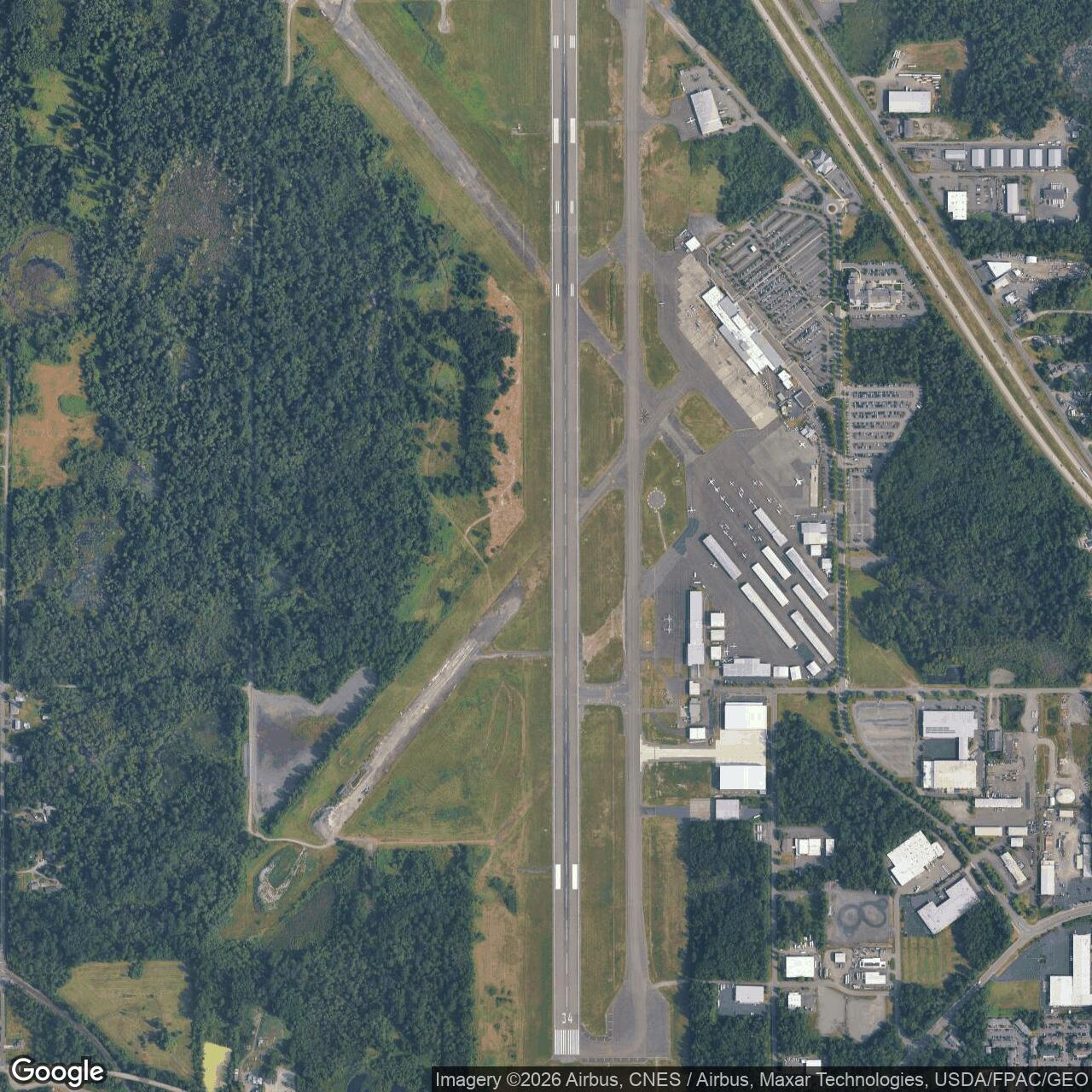
Bellingham Army Air Field, Washington
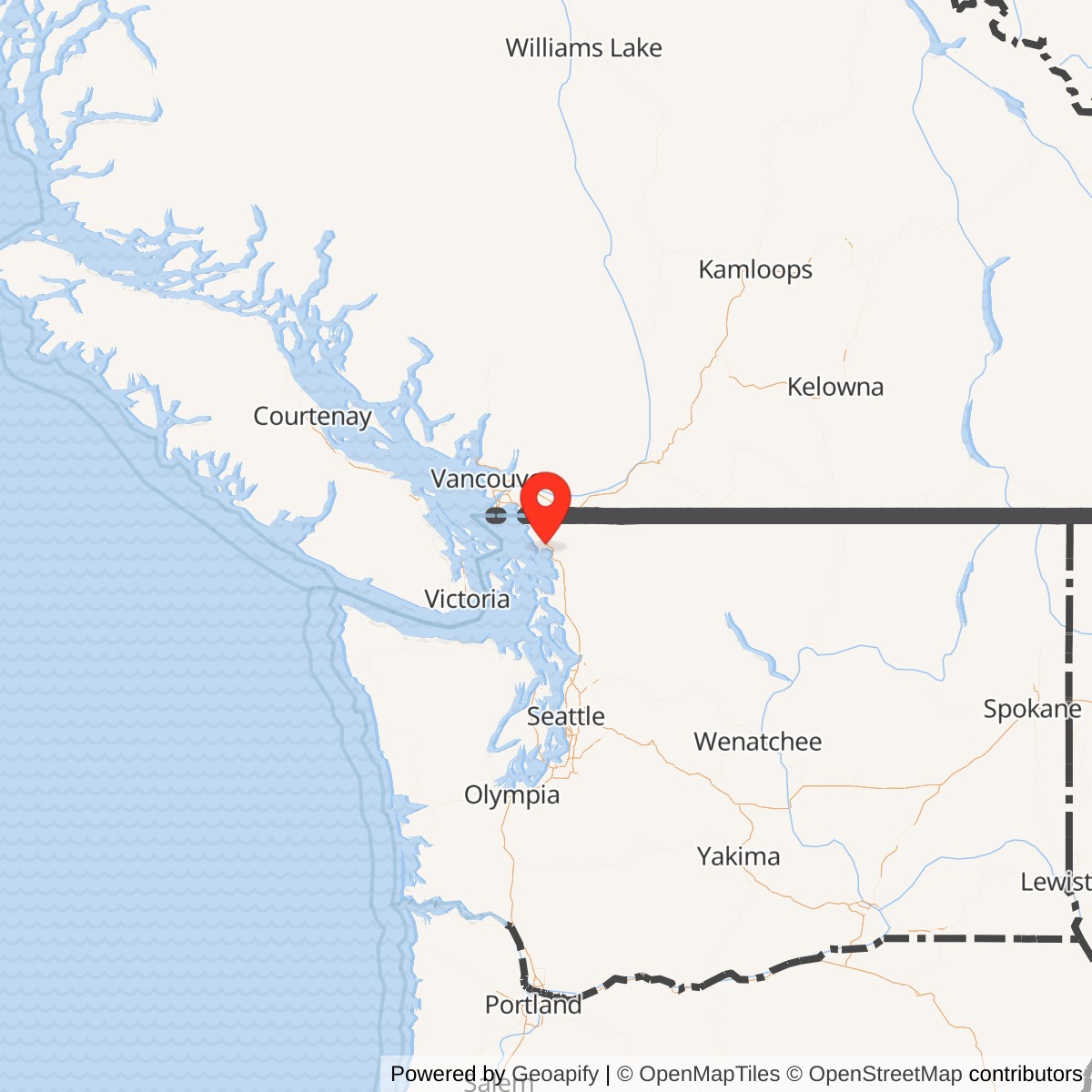
Longitude: -122.538
Bellingham Army Air Field was a World War II-era military airfield located near Bellingham, Washington. Operated by the United States Army Air Forces, it served primarily as a coastal defense and training installation on the Pacific Northwest front during the war. After 1945, the base was decommissioned and repurposed for civilian aviation use.
Constructed in 1941 amid fears of Pacific coastal attacks, the airfield supported air patrol and interception missions along the U.S. West Coast. It provided facilities for fighter units tasked with defending strategic points in Washington and the northern approaches to Puget Sound. The base's air operations were integral to the regional defense network coordinated by the Fourth Air Force.
In addition to defense readiness, Bellingham Army Air Field functioned as a training location for aircrews and ground personnel. It hosted aircraft such as the P-39 Airacobra and P-40 Warhawk during its operational peak. These training activities reinforced the readiness of pilots assigned to both domestic and overseas theaters.
Following Japan's surrender in 1945, the Army Air Forces deactivated the site. Ownership transferred to local authorities, and the property evolved into Bellingham International Airport. Many original wartime structures were adapted for civil aviation.