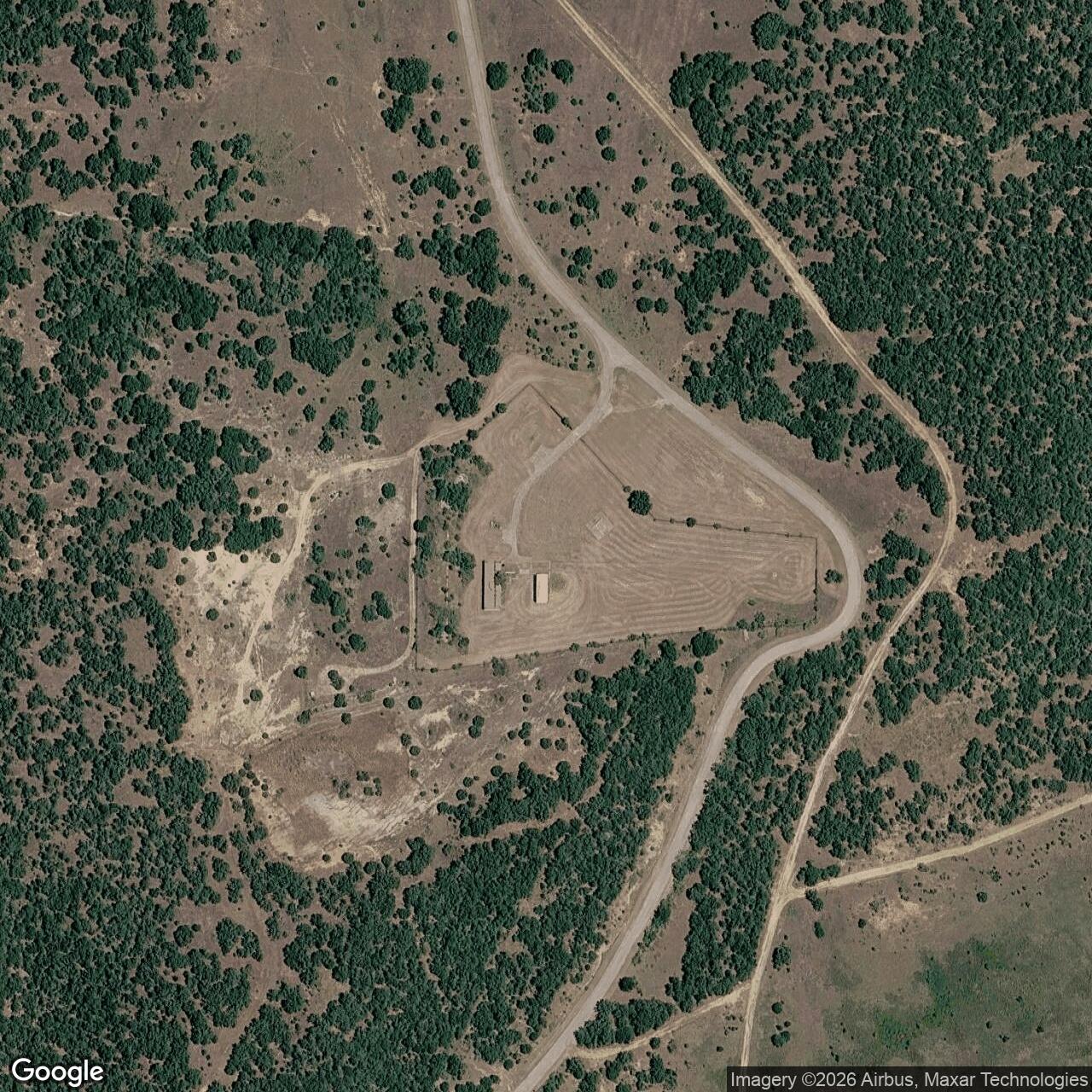
Nike Missile Site DF-70 IFC, Fort Wolters
Longitude: -98.0449042954394
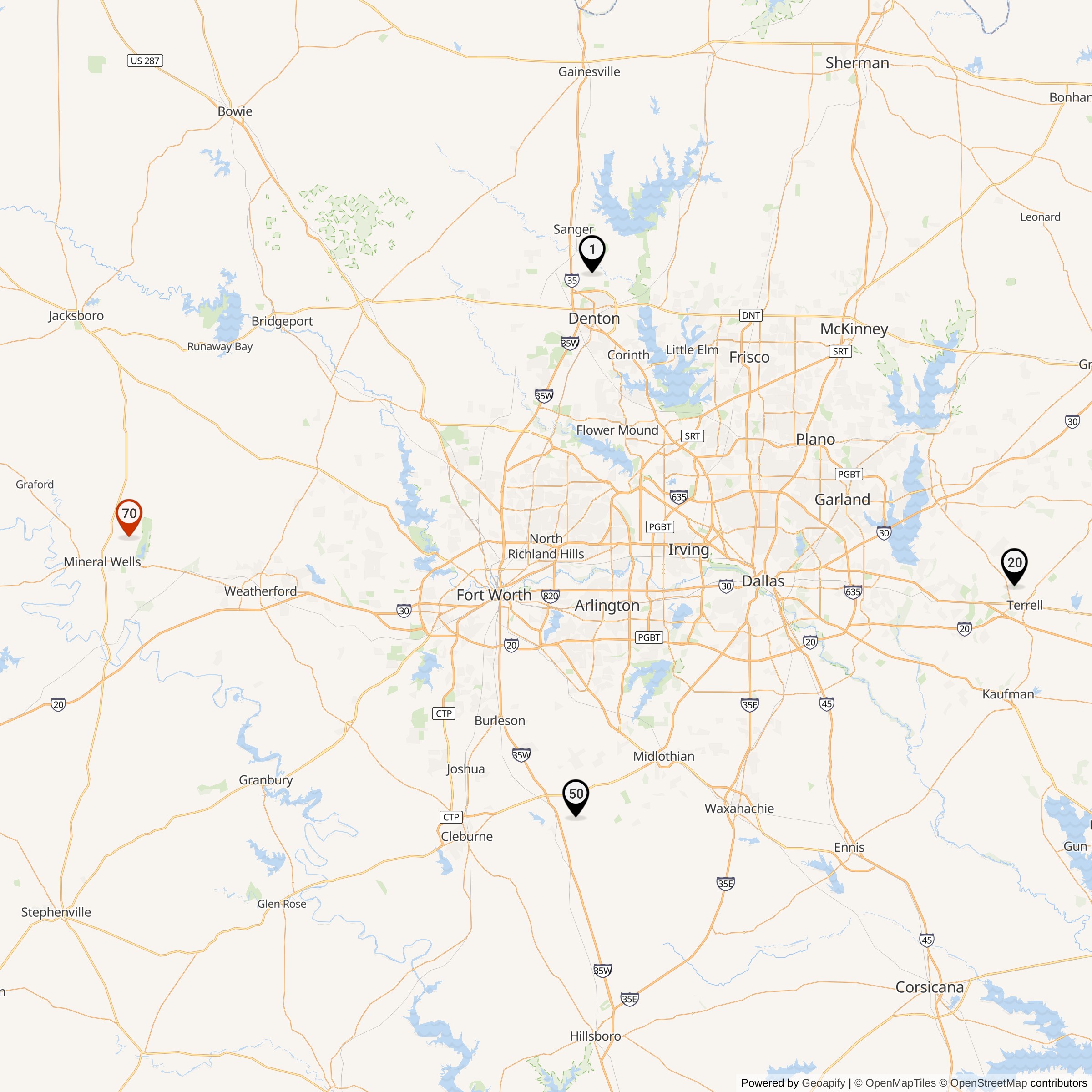
This location was part of the Dallas-Fort Worth Defense Area
Site ID: DF-70
This site controlled the missiles at the Launch Area located here.
Site Role: IFC
A typical Nike air defense site consisted of two separate parcels of land. One area was known as the Integrated Fire Control (IFC) Area. This site contained the Nike system's ground-based radar and computer systems designed to detect and track hostile aircraft, and to guide the missiles to their targets.
The second parcel of land was known as the Launcher Area. At the launcher area, Nike missiles were stored horizontally within heavily constructed underground missile magazines. A large, missile elevator brought the Nikes to the surface of the site where they would be pushed across twin steel rails to one of four satellite launchers.
Elaboration on how Nike worked here.
Missile Type: Ajax/Hercules
The Nike Ajax was the first in the Army's family of guided missiles, and the world's first operational, guided, surface-to-air missile system. Nike Ajax had a burnout speed of Mach 2.3, a range of 25-30 miles, and a ceiling of 65,000 feet.
Designed to carry either nuclear and/or high-explosive warheads, the Nike Hercules missile could attack supersonic aircraft operating at altitudes in excess of 150,000 feet and at a range of more than 87 miles.
Battery Type: single
Current site status: demolished
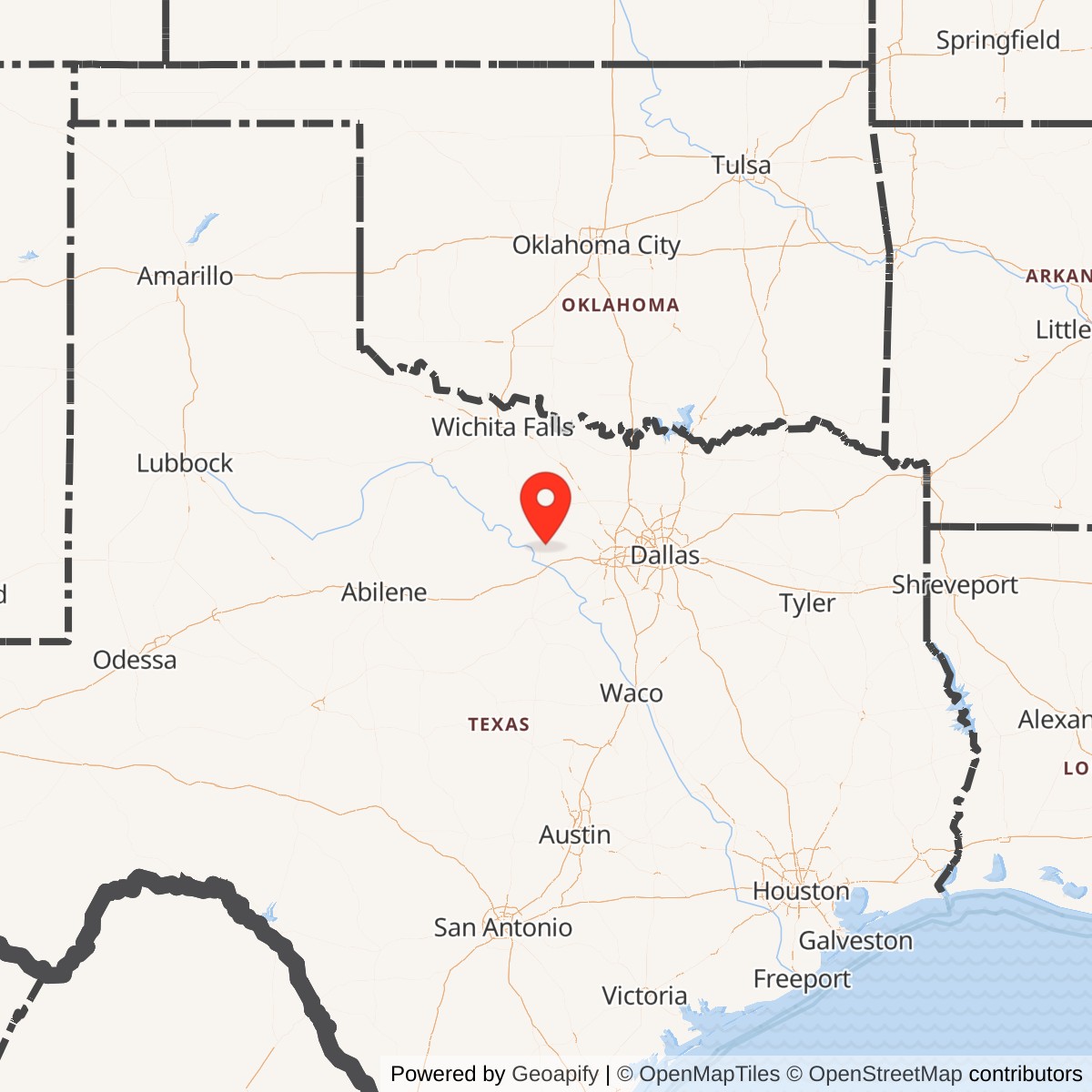
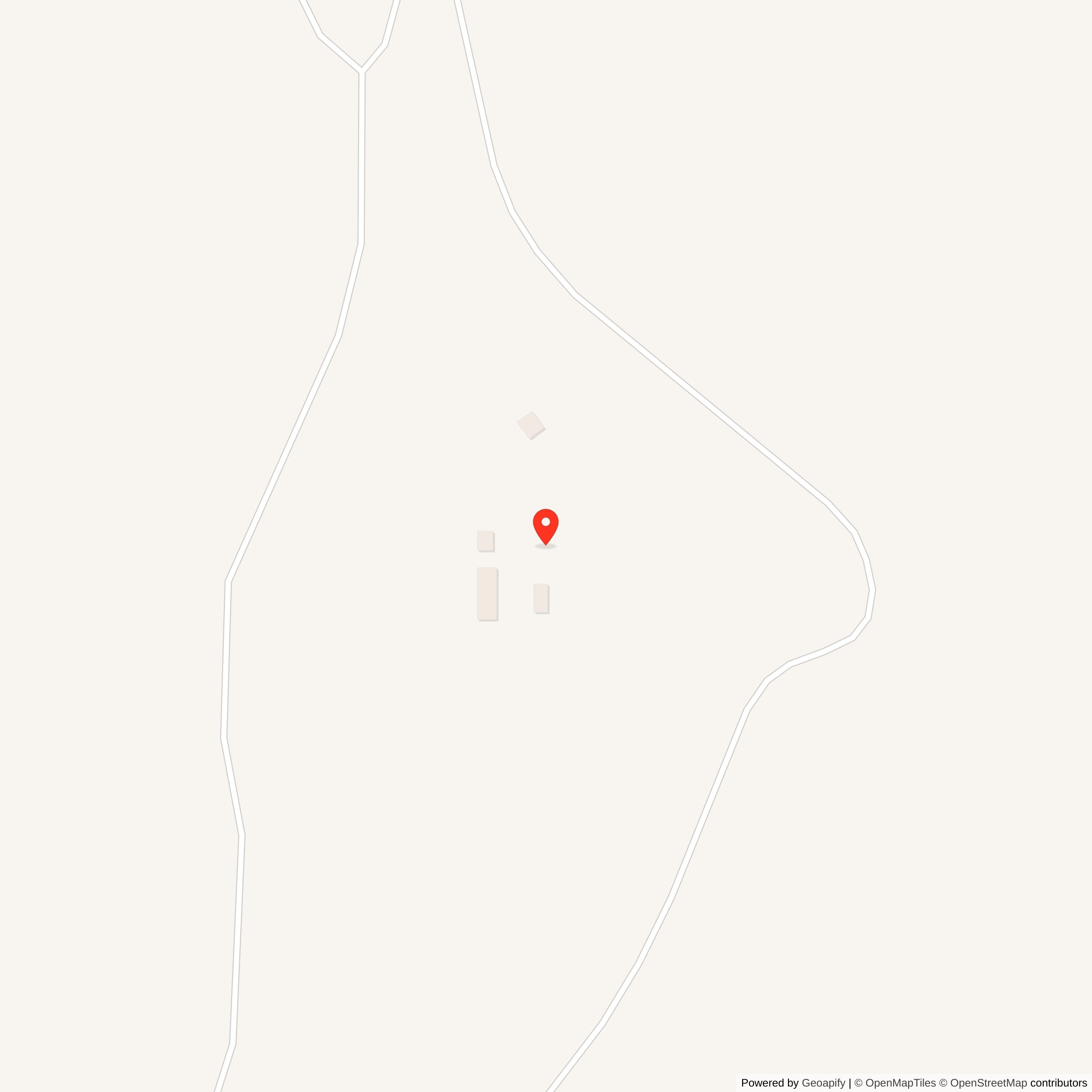
Nike Missile Site DF-70, also written in some later references as D-FW-70, was a former U.S. Army Nike Hercules air-defense battery at Fort Wolters near Mineral Wells, Texas. It was part of the Dallas-Fort Worth Defense Area, the four-site Nike Hercules network built in the late 1950s to defend the Dallas-Fort Worth metropolitan region, its defense-production facilities, transportation infrastructure, and nearby military installations during the Cold War. DF-70 is no longer an active Nike missile site. The best site-specific public listing records the DF-70 launch battery as activated in September 1960 and deactivated in October 1968. The broader Dallas-Fort Worth Nike defense is described in federal missile-history sources as operating from 1960 to 1968.
The site was located on the Fort Wolters reservation rather than on a separate rural property acquired only for Nike use. Fort Wolters itself stood northeast of Mineral Wells and occupied land in the Palo Pinto and Parker County area. The Texas Historical Commission marker notes that the installation's history reached back to the National Guard training ground, that it became Camp Wolters, then Wolters Air Force Base, then an Army helicopter-training installation, and that it also became the site of a Nike missile installation. Because DF-70 was placed inside that larger post, its later reuse history is tied more closely to Fort Wolters than to private redevelopment patterns seen at many other Nike sites.
DF-70 was not a conventional airfield, depot, or general training camp. It was a fixed surface-to-air missile battery made up of separated functional areas. The Integrated Fire Control area, or IFC, held the acquisition and tracking radars, fire-control equipment, communications, generators, and support structures needed to detect, track, and engage hostile aircraft. The launch area held the underground magazines, launchers, missile handling and assembly functions, warheading and security areas, fencing, and access roads. The two areas worked as a single battery: the IFC developed the fire-control solution and guided the missile after launch, while the launch area stored, maintained, raised, and fired the missiles.
Mission Evolution
DF-70 was built for one principal mission: to help defend the Dallas-Fort Worth region from Soviet long-range bomber attack. The Dallas-Fort Worth defense was established during the era when the Army was moving from the first-generation Nike Ajax system to the larger and more capable Nike Hercules system. Nike Ajax had been designed as a conventionally armed, radar-guided, point-defense missile. Nike Hercules was larger, solid-fueled, longer-ranged, and capable of carrying either a conventional or nuclear warhead. Its greater range and destructive power allowed a smaller number of batteries to cover large metropolitan, industrial, and military target areas.Dallas-Fort Worth was not defended simply because it was a major population center. Contemporary federal missile-history sources state that the four Nike Hercules sites were installed to defend Dallas and its defense-production facilities. The wider region also contained major aviation and military infrastructure, including Carswell Air Force Base, which supported bomber operations, and Fort Wolters, which became a major Army helicopter-training installation during the Vietnam era. Within that defensive geography, DF-70 occupied the western or west-northwestern sector of the Nike ring. DF-01 lay north of Denton, DF-20 northeast of Terrell, DF-50 southeast of Alvarado, and DF-70 at Fort Wolters.
The commonly listed DF-70 missile configuration is Nike 3D/18H/12L-U. In Nike shorthand, this indicates a Hercules battery with Type D underground magazines, eighteen Hercules missiles, and twelve universal launchers. Type D magazines were designed with increased access room for Ajax-or-Hercules use, while universal launchers were suited to Hercules-era operations. One secondary site-condition listing describes the DF-70 launch area as an intact double underground magazine, while the missile-type code normally reads as a three-magazine configuration.
Operational Role and Command Relationships
DF-70 operated as one part of an integrated regional air-defense system. The four Dallas-Fort Worth Nike Hercules sites were coordinated through command facilities at Duncanville Air Force Station. Federal missile-history sources state that missile defense for the Dallas-Fort Worth Nike sites was coordinated from a BIRDIE site collocated with Air Force tracking radars at Duncanville. BIRDIE, the Battery Integration and Radar Display Equipment system, helped integrate Nike battery operations with the regional air-defense picture.In operational terms, DF-70 was both local and regional. Locally, its crews maintained a secure missile battery on the Fort Wolters reservation. Regionally, it formed part of a coordinated air-defense network that depended on Air Force tracking radars, Army fire-control equipment, communications links, and centralized battery coordination. The battery's fire-control radars would have acquired and tracked assigned targets, calculated the engagement solution, tracked the missile after launch, and transmitted guidance commands. The launch crews would have maintained the missiles in storage, raised and positioned them for firing, and executed launches under the engagement solution generated by the fire-control system.
A primary Fort Wolters newspaper source identifies the Nike unit at the post in 1966 as Battery D, 4th Missile Battalion (Nike-Hercules), 562nd Artillery, with Captain Robert L. Gilbert as commanding officer. This is a strong source for the unit present at Fort Wolters in that period and fits the DF-70 site designation. The same Fort Wolters newspaper issue placed the battery among the regular units present at the installation alongside the Army Primary Helicopter School, engineer units, the Army hospital, and other post support organizations. The site therefore existed inside a much larger active Army post, not as a stand-alone rural missile battery separated from daily installation life.
Site Layout and Facilities
The DF-70 launch and IFC locations were separated across the north side of the Fort Wolters operational area. The launch coordinate is west of the IFC coordinate. That east-west separation is consistent with the Nike pattern: the fire-control radars needed an open, suitable radar position with line-of-sight relationships to both the sky and the launcher, while the launch area needed enough secure ground for magazines, launchers, missile handling, and explosive safety.Public airfield-history sources place the Nike battery just north of the Fort Wolters heliport. A January 1959 image is described as showing the Nike surface-to-air missile launch site DF-70 under construction, and the same source states that the Fort Wolters property included a Nike battery north of the helipad. Later imagery and site observations describe remains of the launchers still visible north of the heliport area. This physical relationship is important: the Nike site was embedded in a post that was simultaneously becoming one of the Army's principal rotary-wing training centers.
The launch area would have contained the hardened underground missile storage and handling facilities, launcher positions, missile assembly and test functions, generator and utility support, security fencing, access roads, and protected work areas. Unlike Atlas or Titan ICBM facilities, Nike launch areas did not fire missiles out of deep silos. Hercules missiles were stored horizontally in magazines and raised to the surface by elevators for handling and launch. The IFC/control area would have contained radar towers or pads, fire-control equipment, communications equipment, generators, administrative space, and related support structures.
Because the site was inside Fort Wolters, some support functions may have been less isolated than at off-post Nike batteries. Personnel could draw on the larger installation's roads, utilities, housing, medical, administrative, and security infrastructure. At the same time, the missile battery would have remained a controlled, fenced, and guarded weapons site because it handled nuclear-capable air-defense missiles.
The Fort Wolters setting gives DF-70 a broader significance than many small Nike batteries. The site's host installation began as a National Guard training ground and became Camp Wolters. During World War II, Camp Wolters was one of the Army's major infantry replacement training centers and served as a German prisoner-of-war camp. The Texas Military Department identifies Fort Wolters as a former U.S. military installation about four miles northeast of Mineral Wells, originally named Camp Wolters, used by the Army from 1925 to 1946, and at one time the largest infantry replacement training center in the United States.
After World War II, the post was deactivated for several years. It became Wolters Air Force Base in 1951 for Air Force engineer training, then returned to Army control in 1956. The Texas Historical Commission marker states that the installation became Camp Wolters Army Base in 1956 and was used for helicopter flight training with more than 1,000 helicopters stationed at three heliports. In 1963, the installation was designated Fort Wolters. It later became the U.S. Army Primary Helicopter Center/School, and by January 1, 1973, about 40,000 students had completed the twenty-week helicopter training program.
List of all Nike Installations in the Dallas-Fort Worth Defense AreaList of all Nike Installations in Texas