
Naval Outlying Landing Field Wagoner / Wagoner Field, California
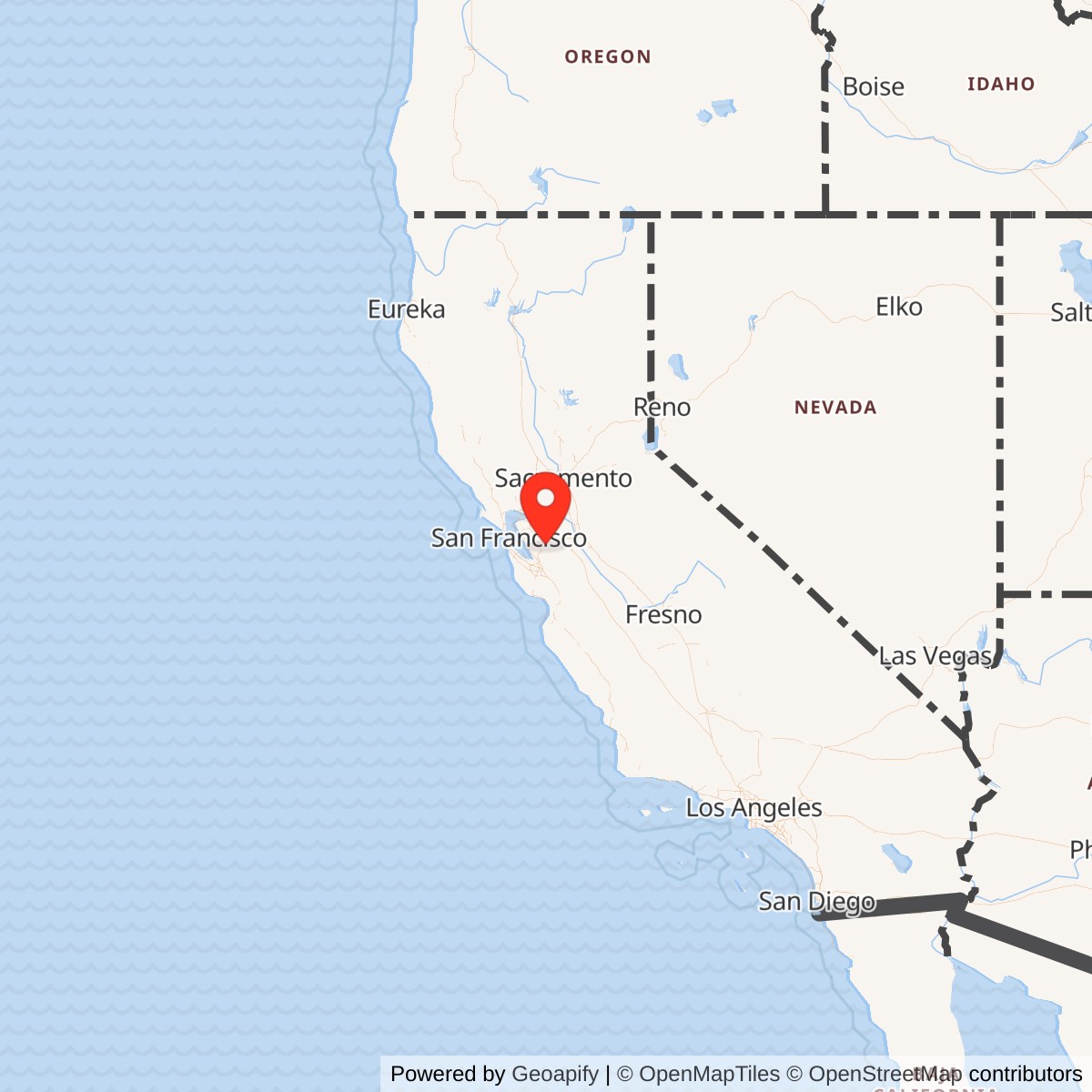
Longitude: -121.79
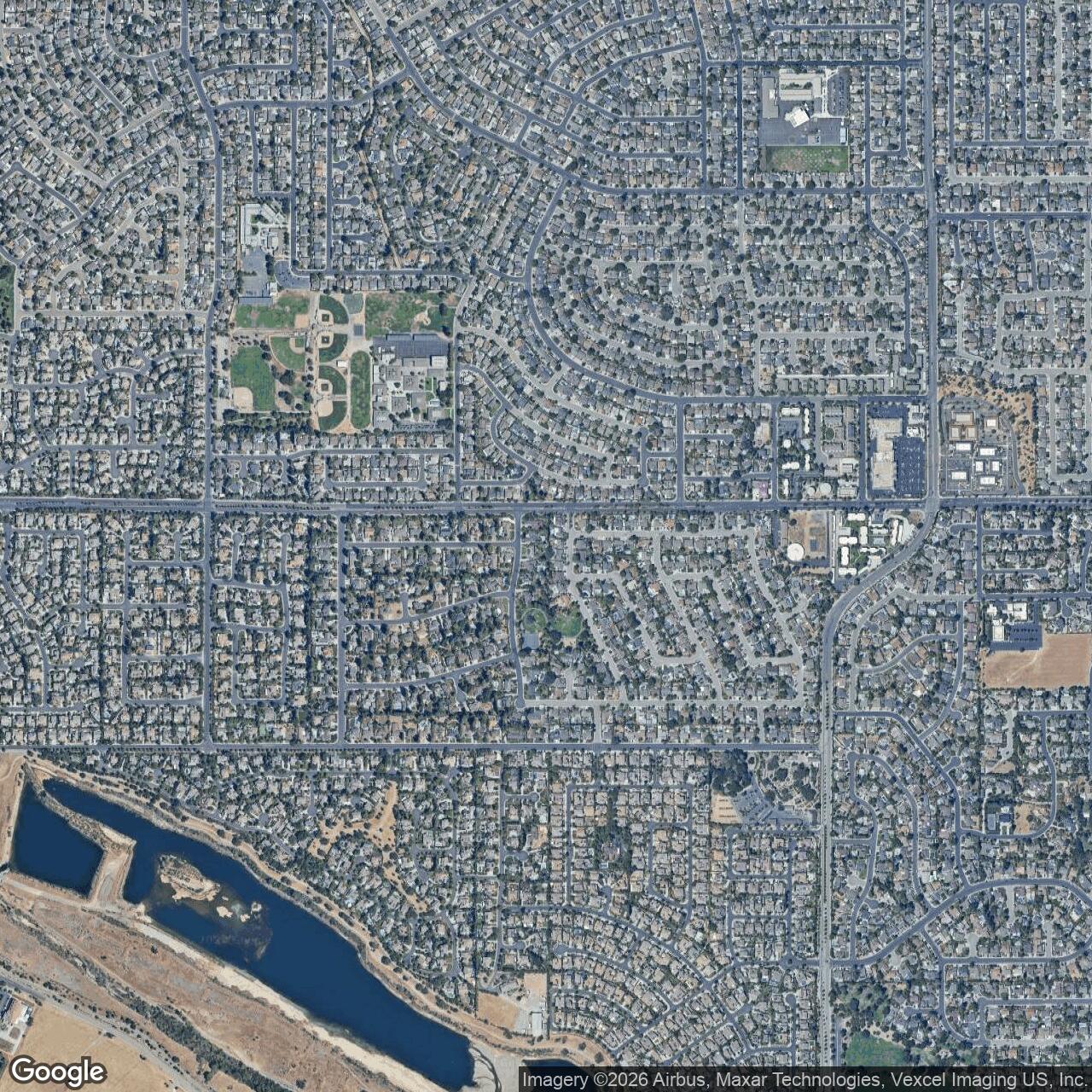
Current Role: Approximate former Wagoner-associated NAS Livermore outlying/alternate landing-field site near Livermore; no active Navy or aviation use identified. Airfield compilations place NOLF Wagoner at approximately 37.66, -121.79 with a short runway and later residential reuse, while U.S. Navy WWII activity lists identify Wagoner Field under Livermore alongside NAS Livermore and the Combat Aircrew Refresher Training Unit.
Wagoner is one of the most difficult entries in the NAS Livermore outlying-field group because its name sits on a fault line between two related stories. One story is clear and well documented: the Navy bought land in the Livermore Valley during World War II, built Naval Air Station Livermore, trained pilots there, and later transferred the former station into the federal atomic-energy system that became Lawrence Livermore National Laboratory. The other story is narrower and less visible: aviation-field compilations identify a Naval Outlying Landing Field Wagoner, or Wagoner Airport, near Livermore, associated with the NAS Livermore training network.
U.S. Naval Activities in World War Two lists "Wagoner Field" under Livermore along with Naval Air Station Livermore and the Combat Aircrew Refresher Training Unit. Abandoned & Little-Known Airfields separately lists NOLF Wagoner at Livermore with a short runway. Local and LLNL-oriented histories also use the Wagoner name because the main NAS Livermore site was built on land purchased from W. Gatzmer Wagoner. Those facts may describe overlapping names rather than a cleanly separate base. This history therefore treats Wagoner as a lightly documented Livermore-associated outlying or alternate landing-field.
Military Purpose and Use
Naval aviation training expanded rapidly during World War II, and the Bay Area's prewar and early-war airfields could not absorb the full training load without congestion. NAS Oakland and NAS Alameda were major naval aviation nodes, but they operated in increasingly busy airspace around the East Bay and San Francisco Bay. NAS Livermore gave the Navy inland space for primary and refresher aviation work. Its surrounding outlying fields gave student pilots and instructors room to practice landings, takeoffs, pattern work, and emergency procedures away from the traffic and infrastructure of the main station.Wagoner's role fits that system. If the NOLF Wagoner identification is read as a separate landing field, it was not a barracks-centered Navy base. It was a field element of the training system: a short runway or landing area used to support repeated practice operations. These outlying fields were deliberately simple. They normally had little support infrastructure, few permanent facilities, and very limited independent administrative identity. Their value came from location and usable landing surface, not from elaborate construction.
The field is generally associated with the 1943-1945 NAS Livermore outlying-field period. The opening and closing dates should therefore be treated as approximate operational dates.
Role in the Wider Military Network
Wagoner mattered only as part of the NAS Livermore network. During World War II the Navy built a layered aviation-training system across northern and central California. Major naval air stations handled administration, maintenance, instruction, housing, and command functions. Auxiliary stations and outlying landing fields absorbed specific parts of the flying load. In that system, small fields like Wagoner reduced pressure on the main runways and let training continue with fewer interruptions.NAS Livermore itself was tied to the larger East Bay naval aviation system. It was built inland to relieve congestion at naval air facilities near Oakland and Alameda, and it supported the training of thousands of wartime naval aviation personnel. The Combat Aircrew Refresher Training Unit listed at Livermore confirms that the station was not merely a storage field. It was part of the pipeline that converted wartime personnel into useful aircrew and kept pilots current for fleet service.
The outlying-field layer was essential because flight training was repetitive by design. A student did not learn carrier-era naval aviation by making a single landing. He learned by circling, touching down, taking off, correcting errors, and doing the same thing again under instructor supervision. Small outlying fields were the pressure valves that made that training tempo possible. Wagoner, whether a separate landing field or a named Livermore field component, belongs in that operational geography.
Facilities and Physical Layout
The physical evidence for Wagoner is limited. The working coordinate used here, approximately 37.66, -121.79, comes from airfield-history compilations rather than a surviving Navy plan or an active airport record. It should be read as an approximate site-center coordinate, not a surveyed boundary. Abandoned & Little-Known Airfields describes NOLF Wagoner as a short-runway Livermore field. Some secondary summaries describe a larger sod runway and a paved landing pad, but those details should be treated cautiously unless confirmed by stronger Navy or Bureau of Yards and Docks documentation.No active airport survives at the approximate coordinate. The former field area has been absorbed into the modern Livermore civilian landscape, and no active Navy use remains. This is consistent with the larger fate of many NAS Livermore outlying fields: once the wartime training emergency ended, the small landing fields lost their purpose, reverted to local control or private ownership, and were later erased by agriculture, gravel extraction, industry, roads, or residential development.
The name issue also affects mapping. The main NAS Livermore site, now Lawrence Livermore National Laboratory, lay farther east near East Avenue. Official LLNL cultural-resource material states that the laboratory area was originally purchased by the Navy for a World War II air station to support pilot training. EPA's Superfund profile for the LLNL main site states that the Navy allowed AEC occupation in 1950, that the AEC formally received the site in 1951, and that the site became a weapons-design and physics laboratory in 1952.
Closure and Postwar Reuse
The outlying-field function ended with the collapse of the wartime training requirement. After the war, the Navy's Livermore aviation infrastructure was reduced, and the main station entered a postwar transition that eventually led to transfer into the atomic-energy system. Small auxiliary and outlying fields had even less reason to survive. They could be closed, returned, sold, or absorbed into civilian development without leaving a major institutional trace.The approximate NOLF Wagoner site is now a non-aviation landscape. Airfield-history sources describe residential reuse, and no active airport, Navy installation, or preserved runway has been identified.
Chronology
- 1942 - The Navy built NAS Livermore inland from the crowded Oakland/Alameda aviation environment, on land associated with W. Gatzmer Wagoner and other Livermore Valley property.
- 1943 - NAS Livermore's outlying-field system was in use for wartime naval aviation training; NOLF Wagoner is generally associated with this period.
- 1943-1945 - Wagoner functioned, if treated as a separate outlying field, as a Livermore-associated practice landing field with minimal independent facilities.
- World War II - U.S. Naval Activities in World War Two listed Livermore, California with Naval Air Station, Wagoner Field, and the Combat Aircrew Refresher Training Unit, NAS.
- 1945 - The outlying-field role ended as the wartime training pipeline wound down.
- 1950 - The Navy allowed Atomic Energy Commission occupation of the former NAS Livermore main site.
- 1951 - The former NAS Livermore main site was formally transferred to the Atomic Energy Commission.
- 1952 - The former NAS Livermore main site became the University of California Radiation Laboratory, Livermore Branch, later Lawrence Livermore National Laboratory.
- Present - The approximate Wagoner outlying-field site has no active Navy or aviation use; the field survives mainly as a documented name in the NAS Livermore wartime aviation network.
Sources & References
- WEB Abandoned & Little-Known Airfields San Jose area NOLF Wagoner entry
- WEB HyperWar / Naval History and Heritage Command-derived list U.S. Naval Activities, World War Two, By State [California]
- WEB Lawrence Livermore National Laboratory Cultural Resources
- WEB Lawrence Livermore National Laboratory Our History
- WEB Lawrence Livermore National Laboratory Our History - 1950s
- WEB U.S. Environmental Protection Agency Lawrence Livermore Natl Lab, Main Site (USDOE), Superfund Site Profile
- WEB eLivermore.com Livermore Naval Air Station
- WEB Aerofiles Navy and Marine Flying Fields