
Gap-Filler Search Radar AN/FPS-18 Air Defense Radar
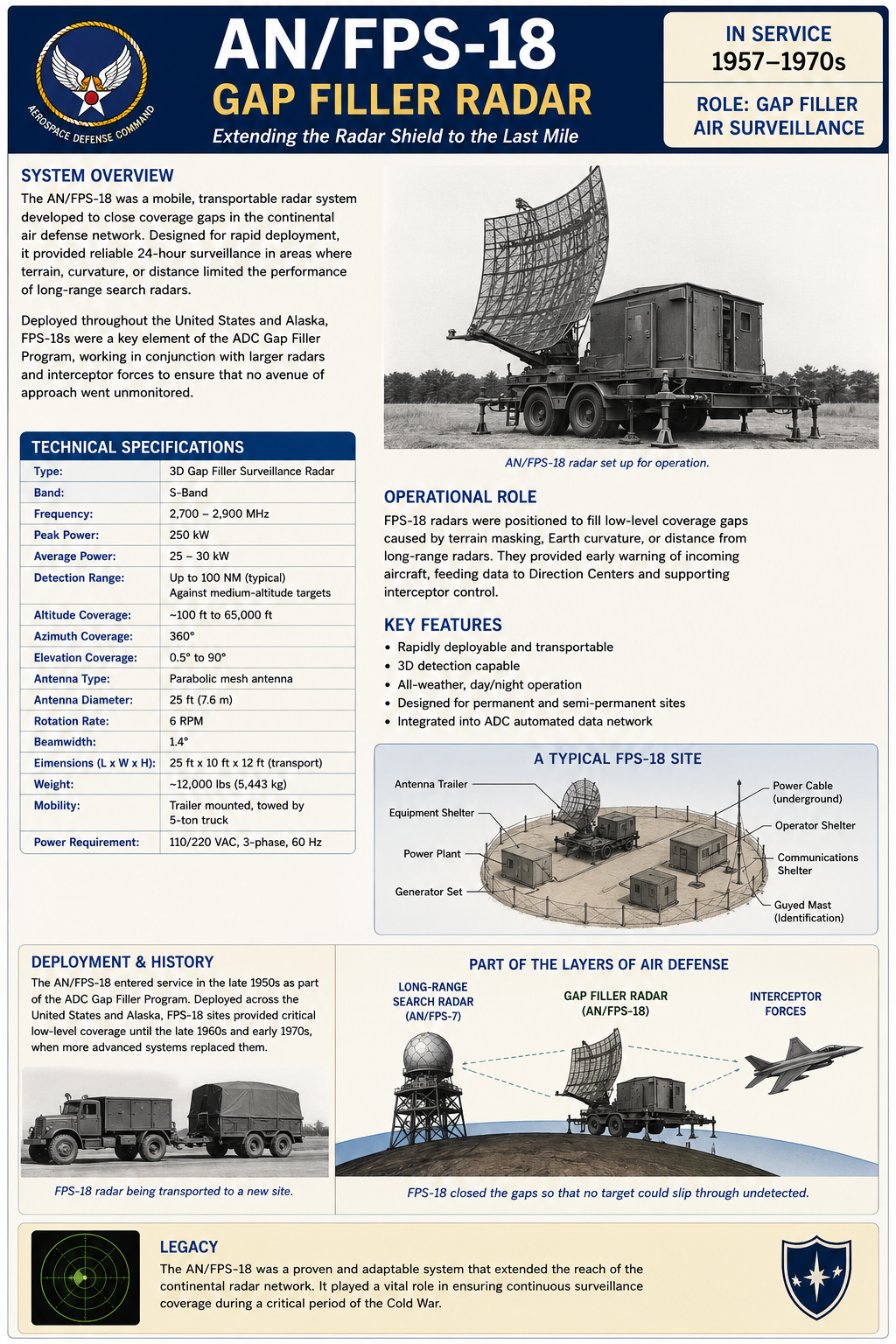
Common Name: Gap-Filler Search Radar
System Family: ADC/NORAD Gap-Filler Network; SAGE
Equipment Category: Fixed S-band gap-filler air-search radar
Frequency Band: S-band
Frequency MHz: 2700-2900 MHz tunable
Pulse width: Approximately 1 microsecond.
Pulse repetition frequency: Approximately 1,200 pulses per second nominal.
Peak Power: 1 MW peak
Average Power: 1.2 kW average
Radar Manufacturer: Bendix Aviation Corporation
Azimuth coverage: 360 degrees.
Primary Role: Low-altitude air-surveillance gap filling between long-range radar sites; unattended remote sensor feeding parent radar/control stations
Detection Range: 50 nmi handbook PPI maximum; F-86 benchmark about 35 nmi at 17,000 ft; AN/FST-1 remote presentation about 48 mi
Altitude Coverage: Search elevation approximately 0.5-30 degrees; handbook F-86 benchmark to 17,000 ft at about 35 nmi
Antenna Type & Dimensions: Shaped fan/cosecant-squared beam; approximately 1.4 degrees horizontal by 30 degrees vertical; OA-897A/FPS-14 antenna group
Antenna Rotation Rate: 5.33 rpm nominal
Transmitter & Receiver: Dual automatic coherent klystron transmitter/receiver channels; V87-B/C; normal and MTI receive paths; automatic failover; vertical/circular polarization
Power Requirements: 120/208 VAC, 60 Hz, 3-phase, 4-wire; approximately 60 kW maximum site requirement
Introduced: Production by 1956; operational deployment widespread by 1958-1959
Polarization: Vertical or circular, selectable.
Handbook maximum PPI range: 50 nautical miles.
Remote slowed-down video / coordinate presentation: Approximately 48 miles through the AN/FST-1 system.
Representative aircraft benchmark: The military handbook states that an F-86 could be detected within line of sight to about 35 nautical miles at 17,000 feet in the specified search volume.
Electrical service: 120/208-volt AC, 60 Hz, three-phase, four-wire; approximately 60 kW maximum site requirement.
Representative siting requirement: About one-half acre of high, clear terrain with an unobstructed horizon, according to the military handbook.
Range and coverage figures No single range number fully describes the AN/FPS-18. The 1965 military handbook gives a 50-nautical-mile maximum PPI range and separately provides the more operationally meaningful F-86 detection benchmark of about 35 nautical miles at 17,000 feet. NASA's later Goldstone engineering report describes approximately 90 kilometers of maximum radar information range and about 60 kilometers of expected F-86 detection under its reference conditions. The AN/FST-1 data-transmission system, meanwhile, represented returns within roughly a 48-mile remote display radius. Historical summaries that simply call the FPS-18 a 60- or 65-mile radar are therefore compressing several different measures into one number.
Retired: Principal USAF gap-filler phase largely ended 1968; ADC program accounting extends through 1970; later non-USAF reuse documented
Replaced: AN/FPS-14 at selected upgraded sites; otherwise purpose-built to fill coverage gaps in the long-range radar network
Replaced By: No universal one-for-one replacement; broad network phaseout. AN/FPS-74 modernization was planned but not confidently established as a broad field replacement
Associated Systems: AN/FST-1; AN/FSW-1; OA-947/FST-1; SAGE; Air Defense Command; NORAD gap-filler network
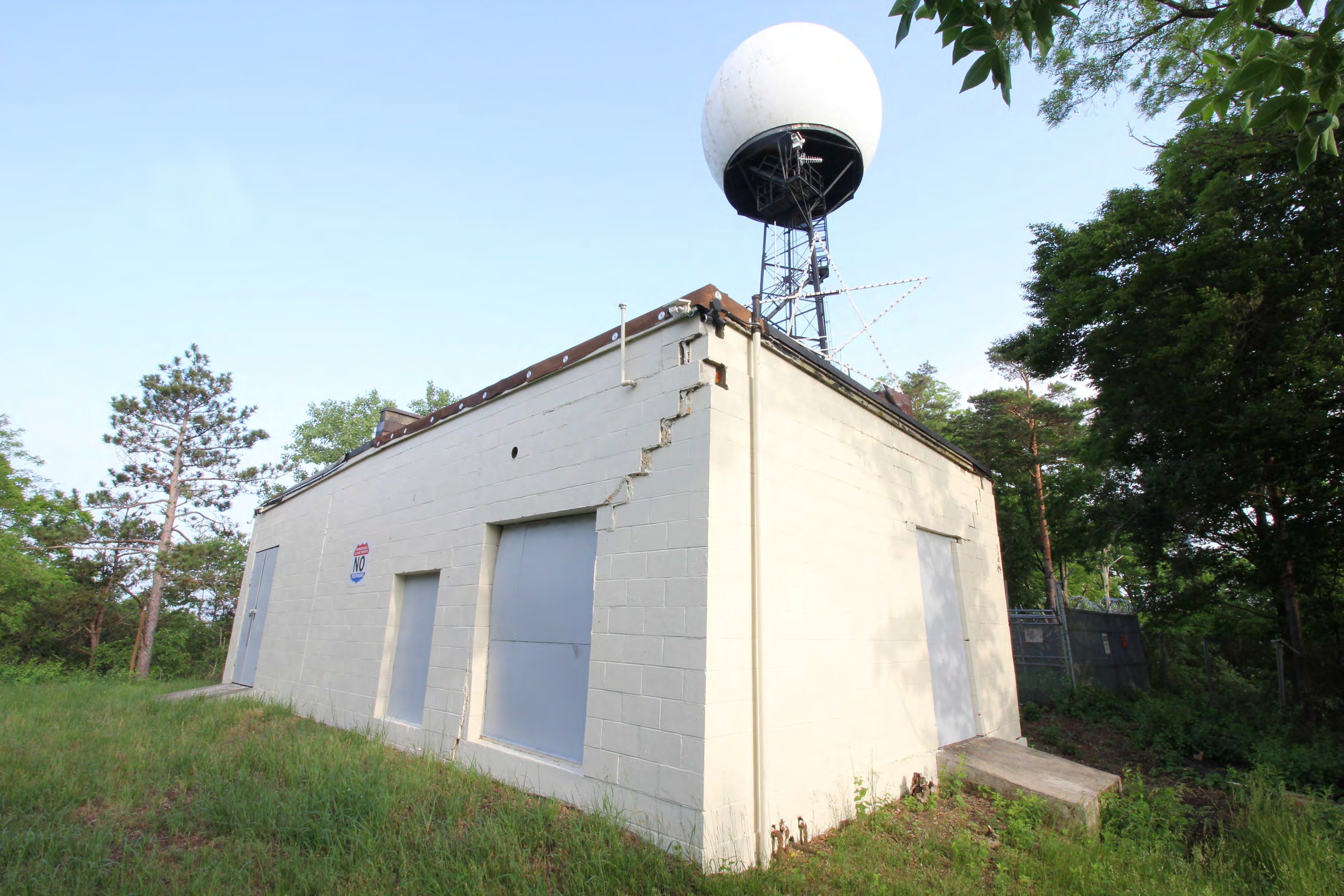
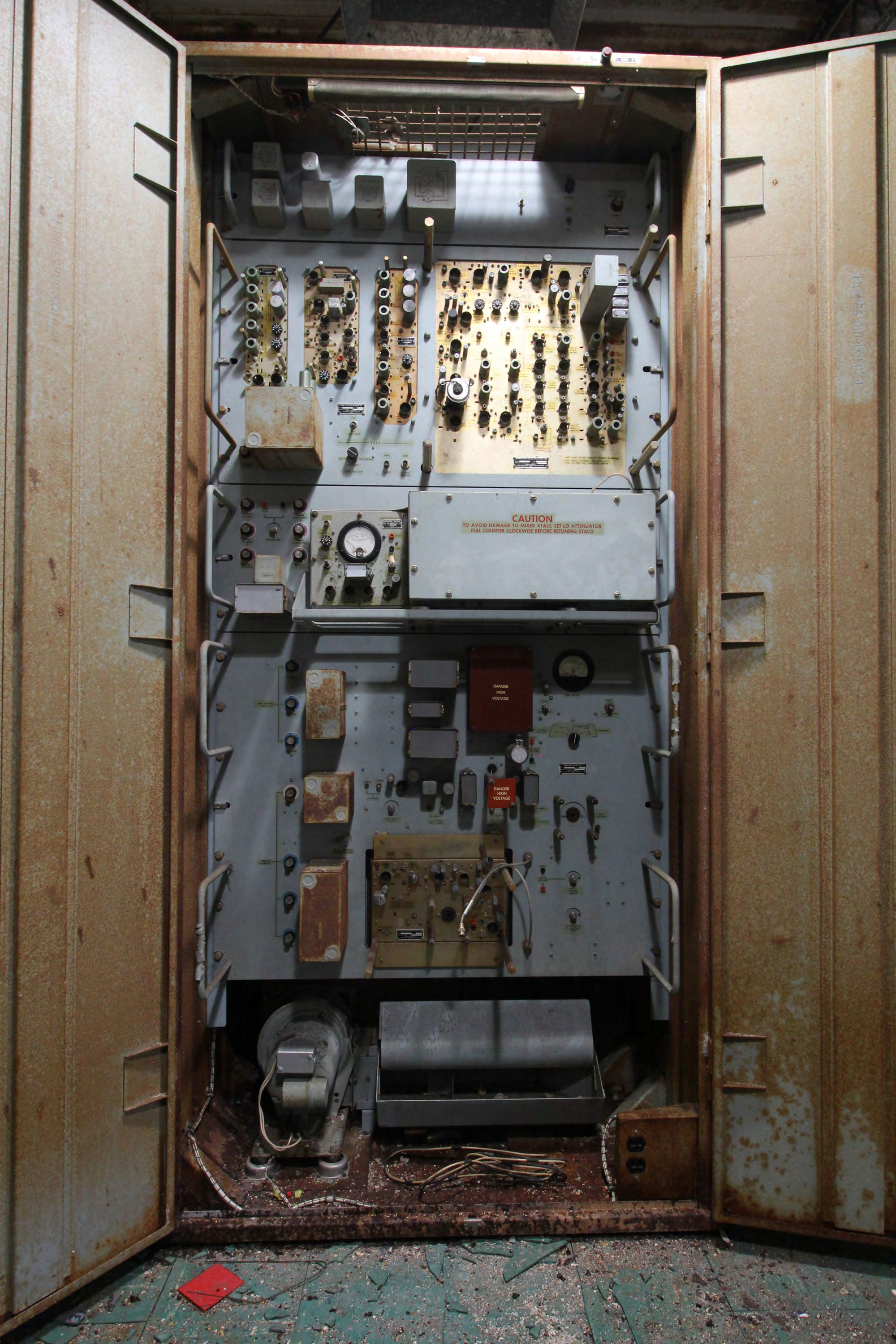
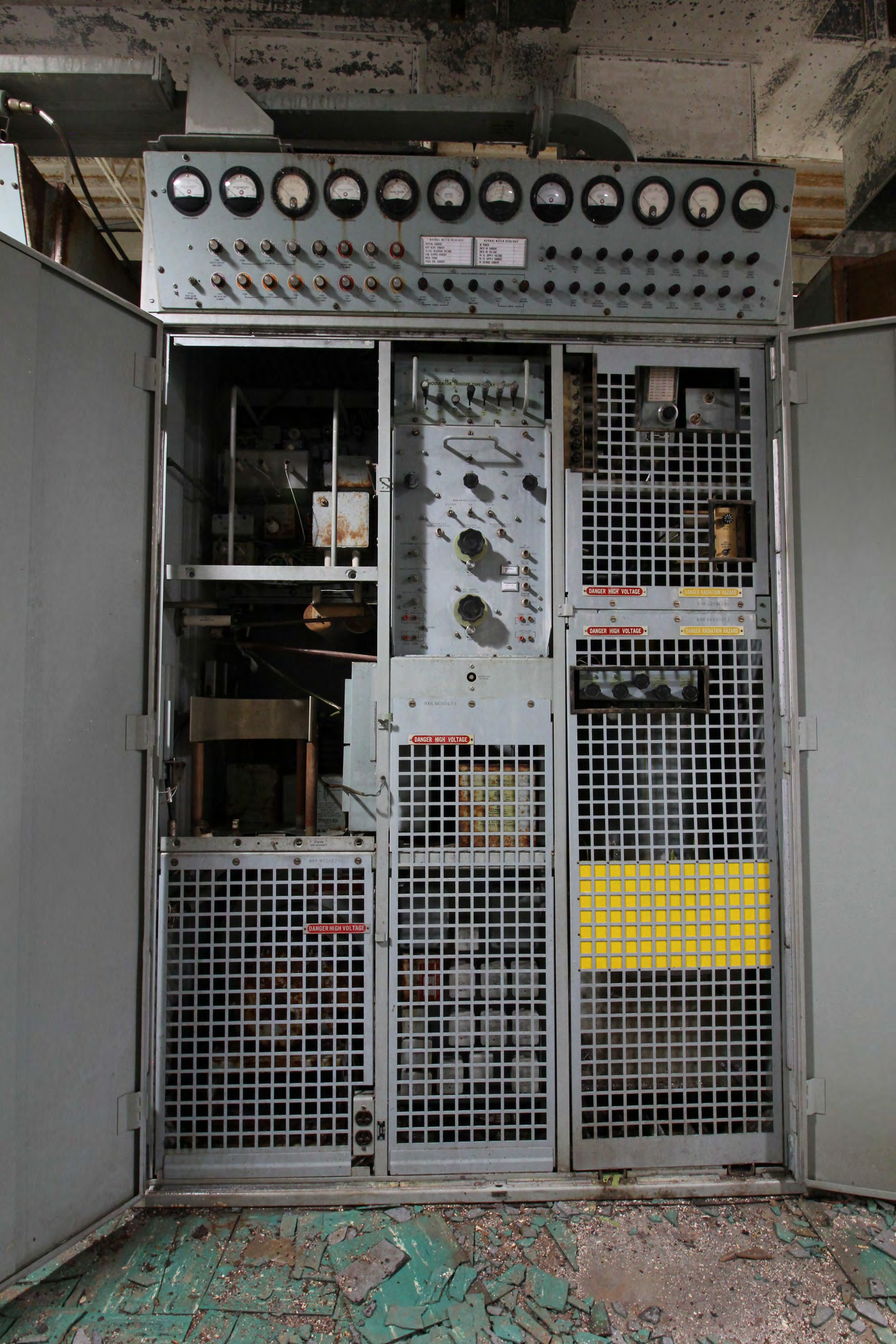
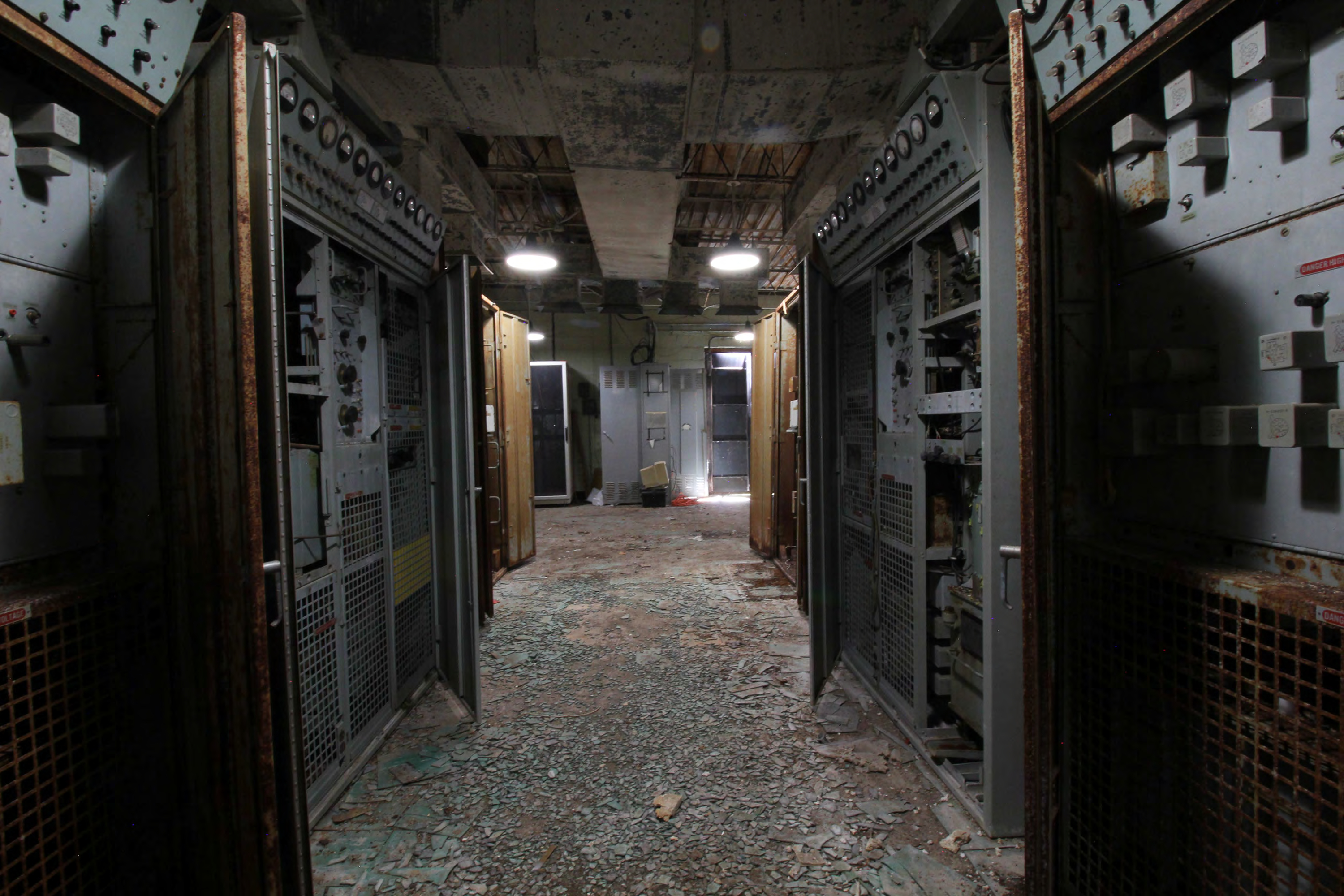
Preserved Examples: Saugatuck Gap Filler Annex / Mount Baldhead, Michigan, near-intact and NRHP-listed; former Engelhard, North Carolina set reused at NASA Goldstone, later removed; additional cabinets/components and site remains survive elsewhere
Designation and common name
The AN/FPS-18 did its most important work where the continental radar screen was weakest. It was a fixed, high-power S-band search radar designed to close the low-altitude holes that remained between the United States Air Force's larger long-range air-defense radar stations. Air Defense Command classified it as a short-range search radar and used it in small, usually unattended gap-filler annexes positioned where mountains, hills, Earth curvature, or the spacing of main radar stations could hide aircraft from the primary network. The set did not replace the long-range station. It extended that station's effective coverage downward and outward in selected sectors, then sent simplified radar information over telephone circuits to a parent control location.
Equipment type
The FPS-18 belonged to a family of Cold War gap-filler equipment that included the lower-powered AN/FPS-14 and the data and remote-control equipment needed to make isolated sites function with little or no permanent staff. Bendix built the radar as a rugged continuous-duty set with two complete transmitter-receiver channels, automatic transfer to the standby channel after a failure, built-in monitoring, and provisions for remote supervision. Those features were not conveniences added to an ordinary radar. They were central to the mission. A gap filler placed on a remote ridge had to keep operating without a crew sitting beside the display twenty-four hours a day.
Manufacturer
Bendix Aviation Corporation was the principal manufacturer associated with the AN/FPS-18. Bendix had extensive experience in radar, avionics, and automated air-defense equipment, and company historical material places implementation of the FPS-14/FPS-18 gap-filler concept in the middle 1950s, with production equipment coming off the line by 1956. The Air Force needed a large number of relatively compact radars quickly because the permanent long-range network could not by itself eliminate low-level coverage holes. Gap fillers offered a less expensive way to improve selected weak areas without constructing a fully manned long-range station at every location.The FPS-18 differed importantly from the magnetron-based FPS-14 in its transmitter design. Contemporary component advertising and later engineering recollections identify the FPS-18 as a klystron radar, with Varian supplying VA-87 family high-power klystron amplifiers for the program. The 1965 military handbook identifies V87-B or V87-C klystrons in the transmitter. Klystron operation supported the coherent signal characteristics needed for moving-target indication and was one reason the FPS-18 became the more capable member of the Air Force gap-filler pair. Bendix did not simply deliver a radar cabinet. The operational system depended on the antenna, tower, power equipment, data transmitter, remote-control circuits, and parent-site receiving equipment functioning as one integrated package.
Development and service dates
The AN/FPS-18 emerged during the mid-1950s expansion of the continental radar network. Bendix gap-filler production was underway by 1956, and operational FPS-18 deployments were widespread by 1958-1959 as Air Defense Command connected remote annexes to parent stations and SAGE. The system reached its greatest documented CONUS concentration around 1960, when ADC counted seventy operational FPS-18 gap fillers in a 131-site mixed network. The inventory then contracted and shifted as sites were upgraded, redesignated, or closed. The principal USAF gap-filler phase largely ended in 1968, although ADC's program accounting extends through 1970; a refurbished former Air Force FPS-18 entered NASA service at Goldstone in 1976.
Purpose and operational role
The strategic problem behind the FPS-18 was the radar horizon. A long-range radar placed on a hill could see high-flying aircraft at great distance, but terrain and the curvature of the Earth could still create blind areas close to the ground. Soviet bomber doctrine and the growing ability of aircraft to penetrate at lower altitude made those gaps increasingly important. Air Defense Command therefore surveyed the coverage of the national radar network and identified locations where small auxiliary radars could watch terrain corridors, valleys, coastal approaches, and spaces between main stations that otherwise remained weakly covered.The FPS-18 was a two-dimensional search radar. It measured target azimuth and range but did not independently determine altitude. Its broad vertical coverage let it illuminate aircraft through a substantial elevation sector, while a narrow horizontal beam provided directional resolution as the antenna rotated. When a target appeared in the gap-filler coverage, the radar's processed information was reduced to a form that could be carried over ordinary communications circuits to the parent air-defense station. There, operators could correlate the gap-filler return with tracks from long-range search and height-finding radars and pass the result into the wider command-and-control system.
How the system worked
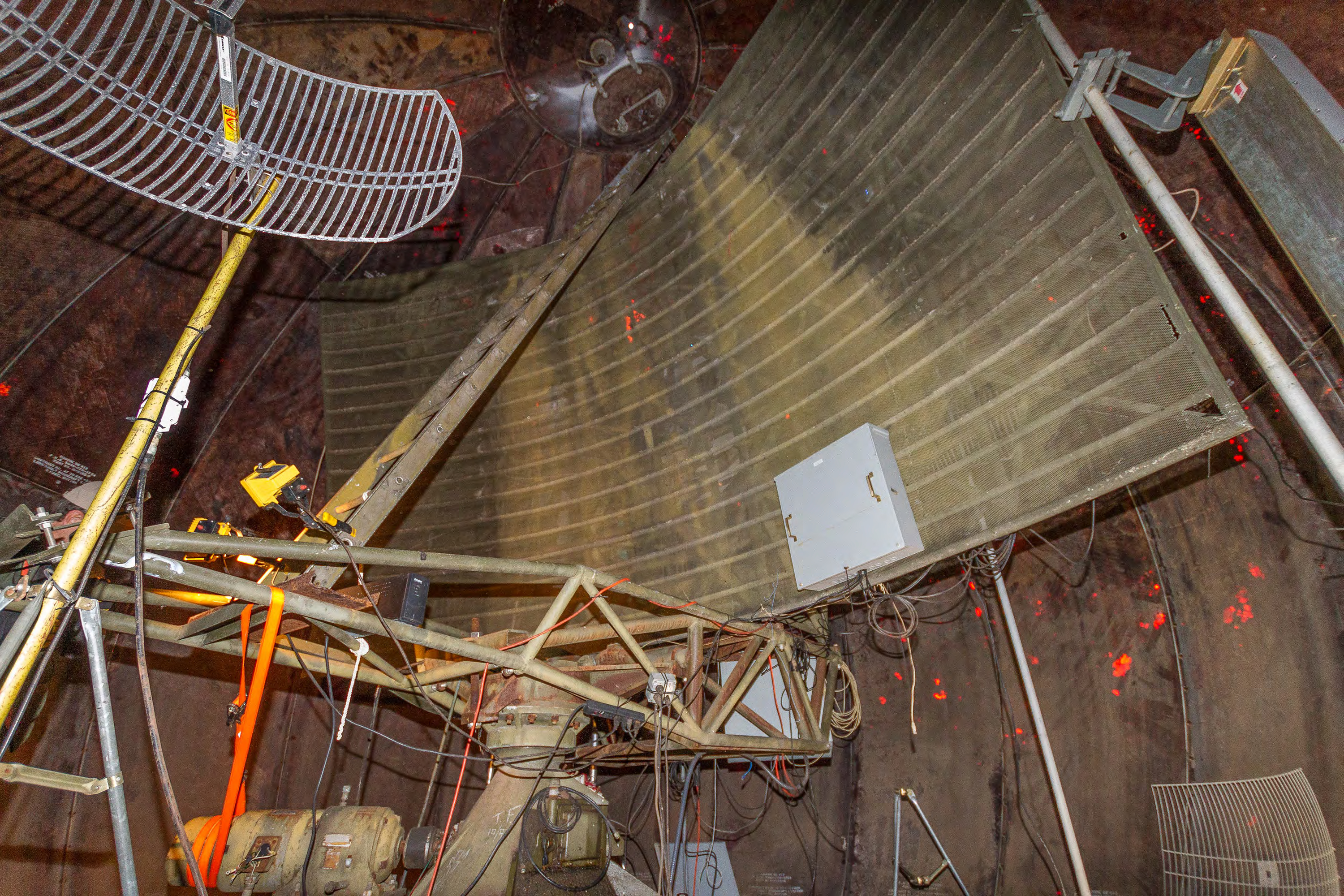
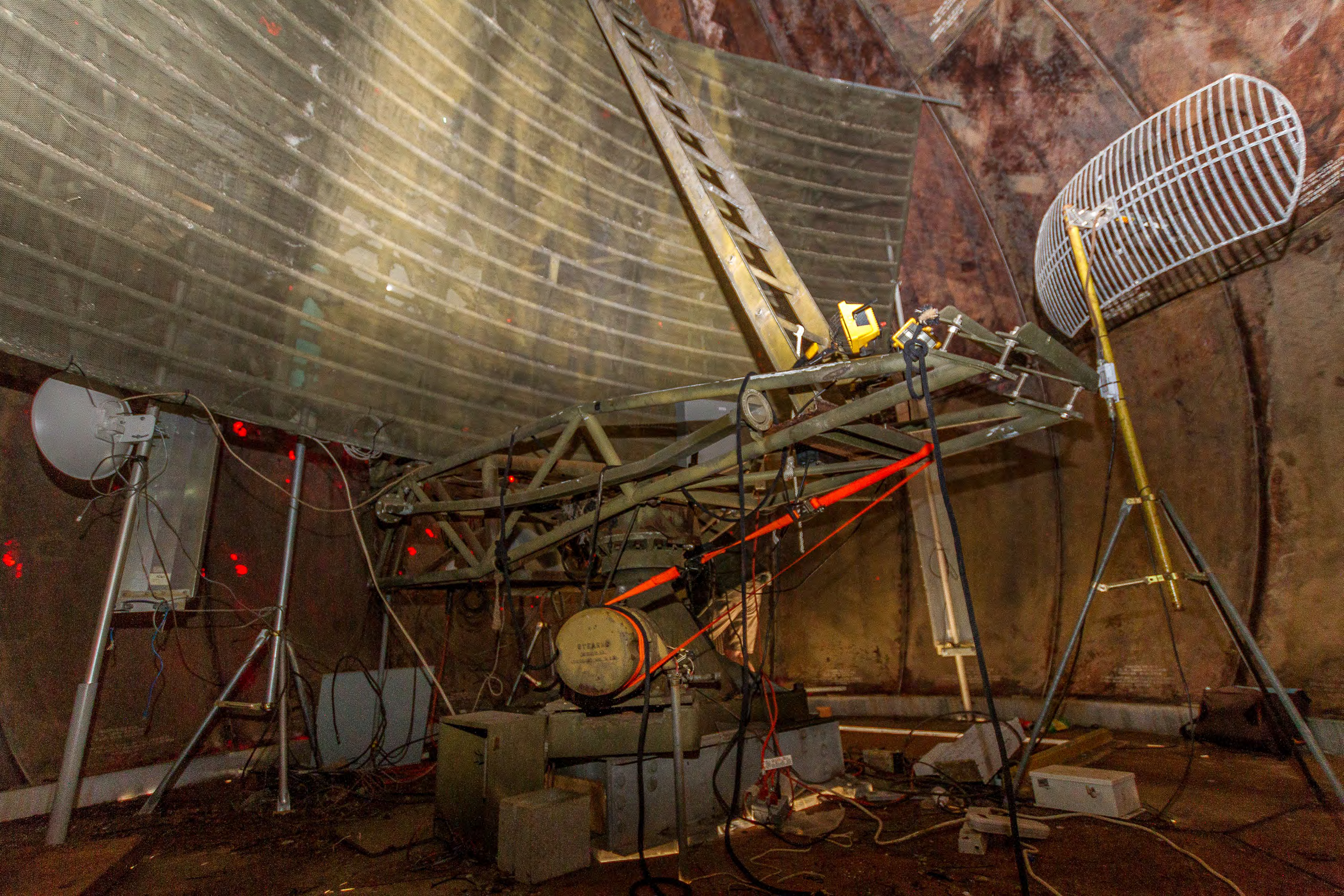
The FPS-18 transmitted short S-band pulses while its antenna rotated continuously through 360 degrees. Energy reflected from an aircraft returned to the antenna, passed through the receiver, and was converted into video showing the target's range from the site and the antenna azimuth at the instant of detection. The antenna pattern was intentionally broad in elevation and narrow in azimuth. That shape made sense for a gap filler because the radar needed to watch a volume of low-altitude airspace without mechanically scanning up and down or measuring precise target height. Height information, when required, came from other radars in the air-defense system.The receiver provided both normal and moving-target-indicator paths. Moving-target indication exploited the coherence of the transmitter system to suppress stationary or slowly changing ground clutter and make moving aircraft easier to see against terrain returns. Selectable circular polarization could reduce the effect of precipitation clutter, a useful feature for a radar expected to operate continuously in varied weather. The radar also contained a local seven-inch plan-position indicator primarily for maintenance. Its ordinary operational product was not a permanently manned local scope. The key product was processed target information sent away from the annex to the parent station.
Unattended operation, redundancy, and maintenance
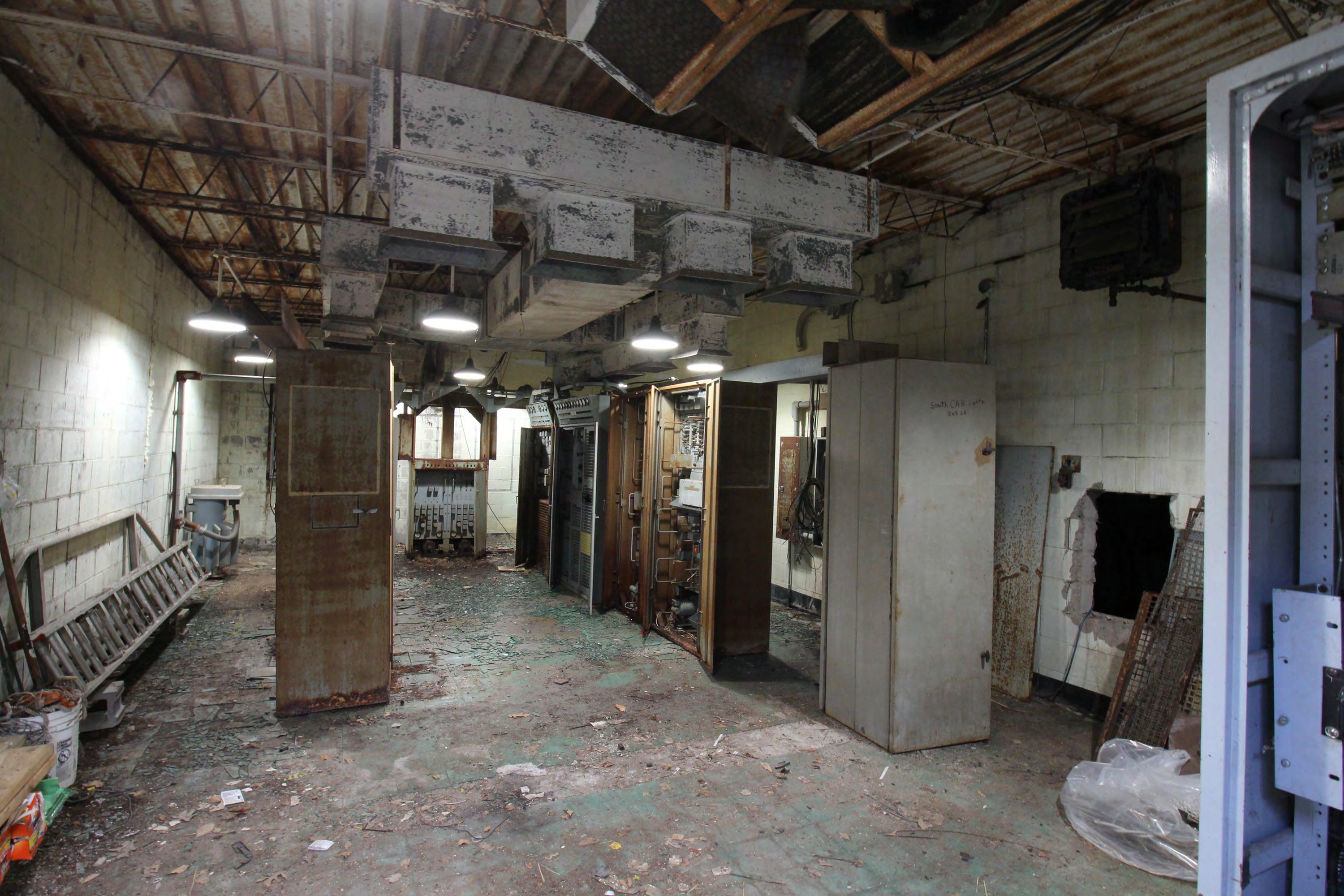
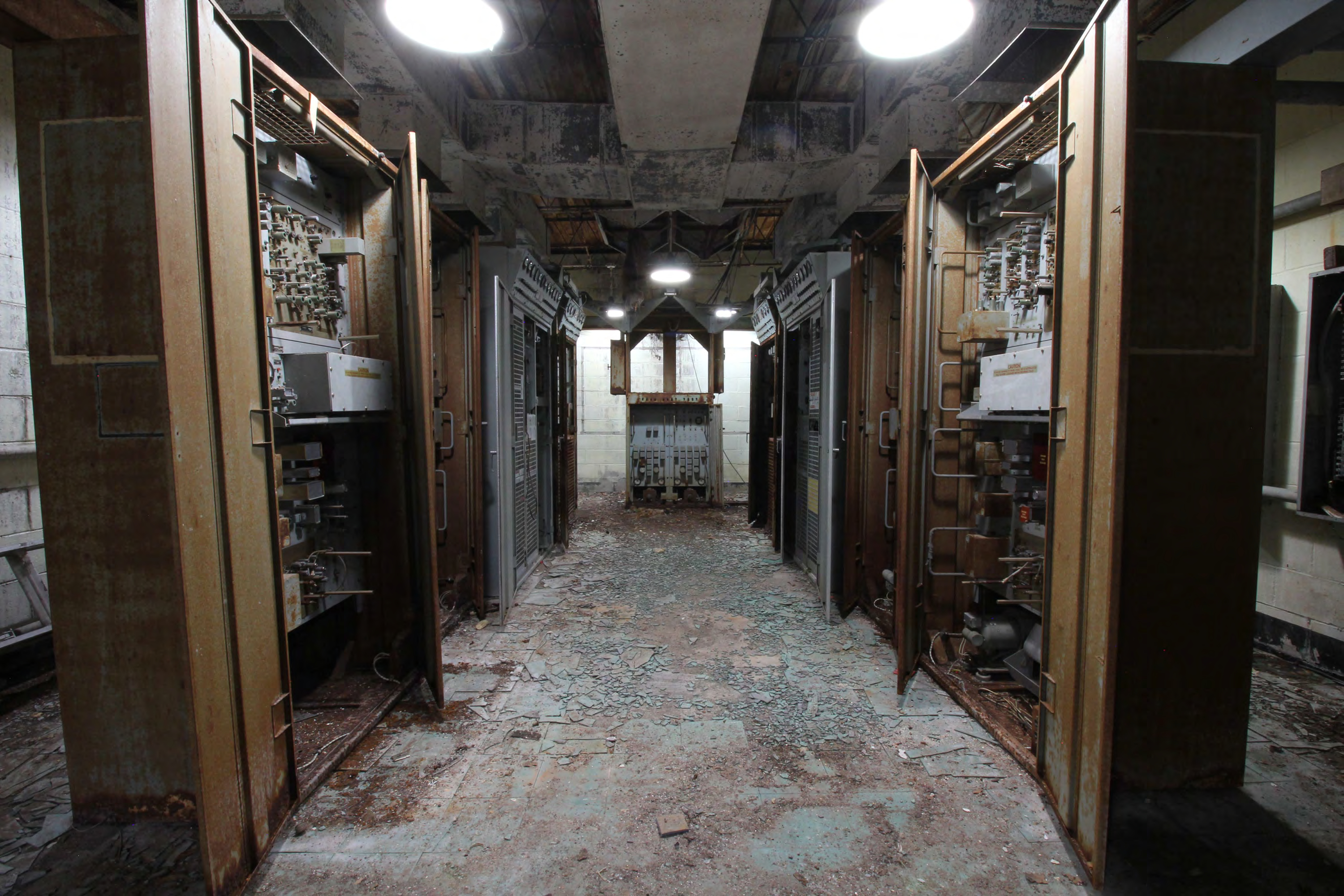
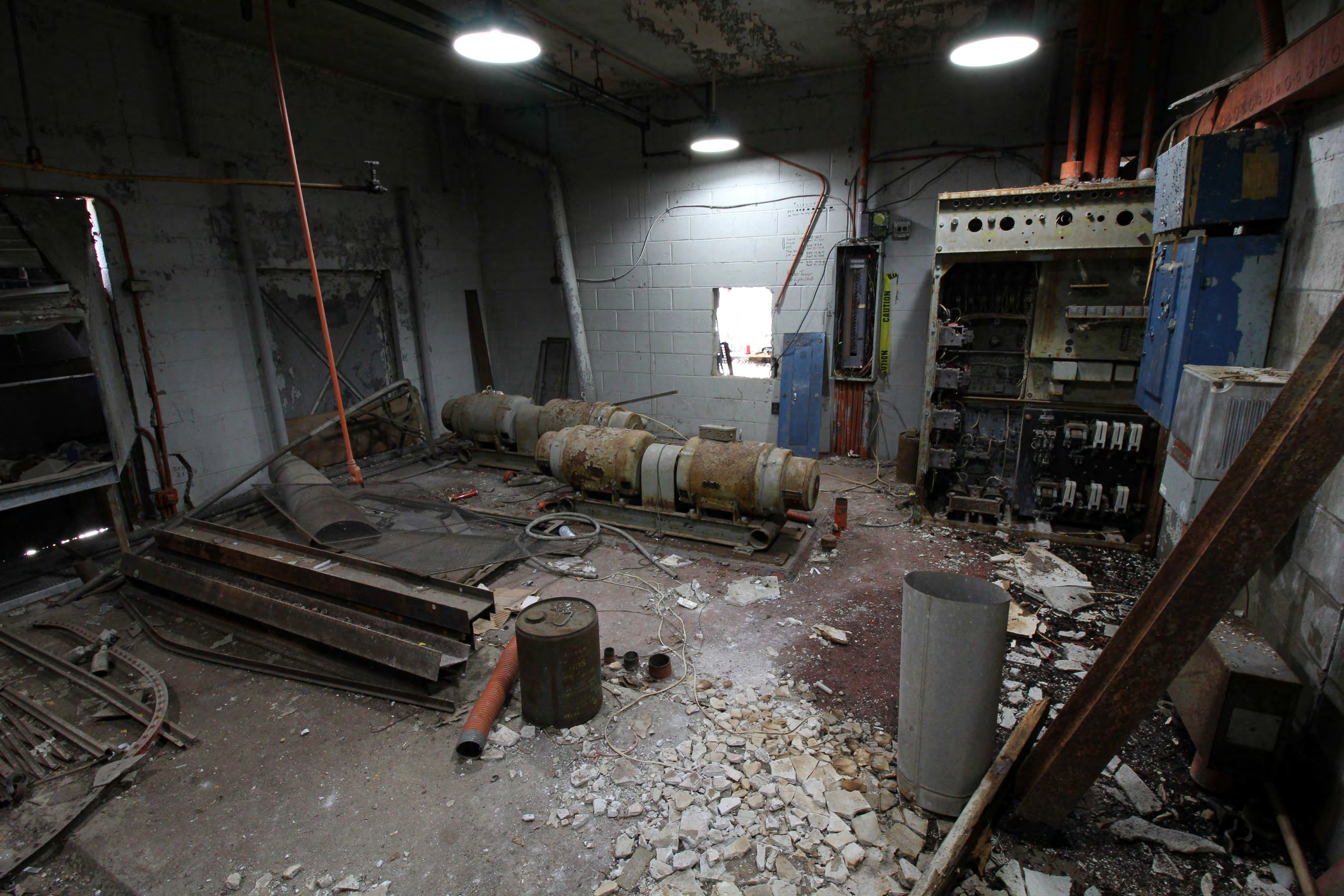
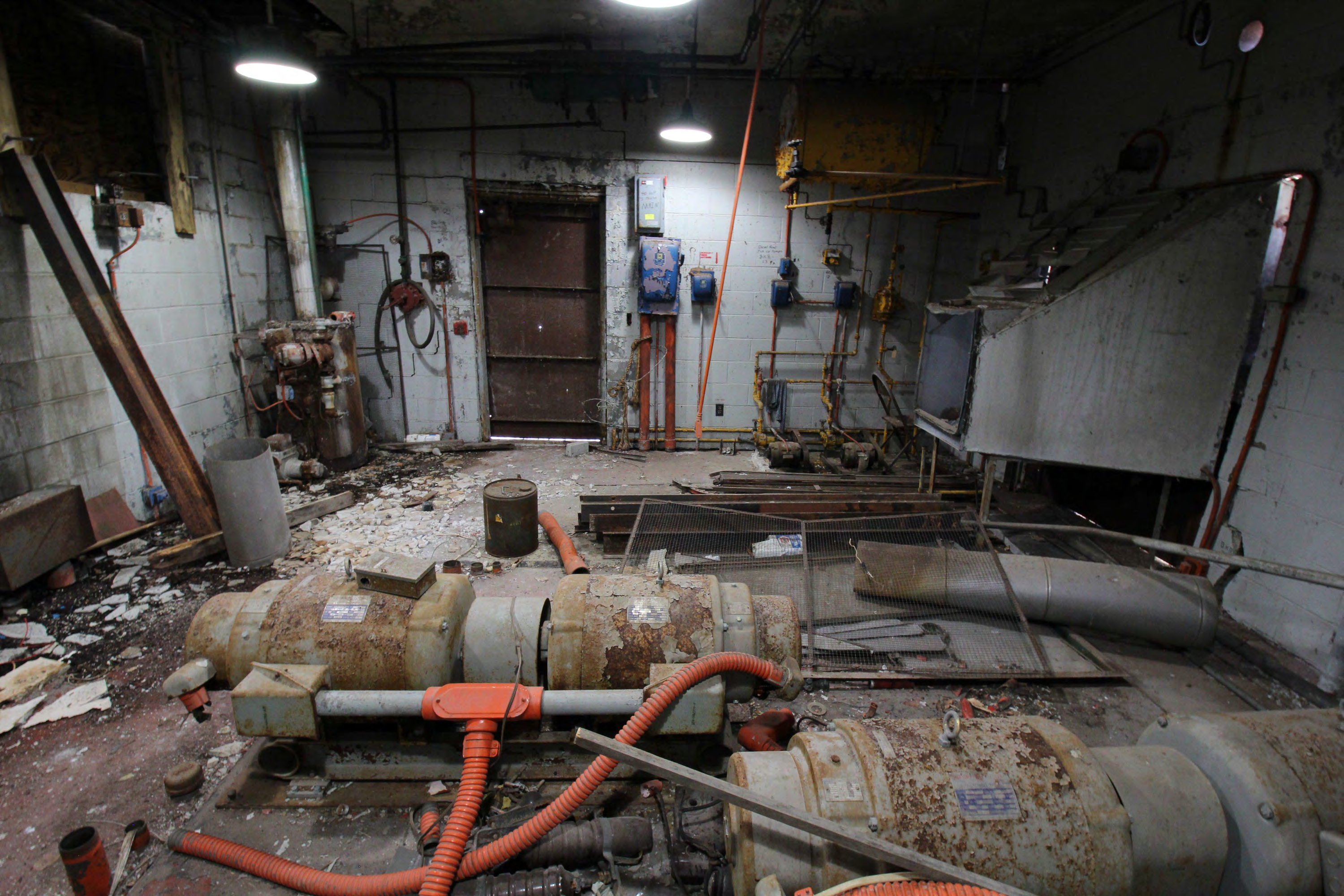
The FPS-18 was engineered around unattended service. Two substantially identical transmitter and receiver channels allowed the set to transfer automatically from the active channel to the standby channel if a monitored failure occurred. A radar performance monitor checked such parameters as transmitted power and receiver condition, while remote-status circuits told personnel at the parent station whether the annex was operating normally. NASA later emphasized that the basic Air Force design was intended to run continuously in severe conditions and, within its tactical service area, to require no adjustment for at least a week. That design philosophy reduced the need to keep radar operators and maintenance technicians permanently stationed at every remote annex.Unattended did not mean maintenance-free. The site still contained high-voltage transmitters, motor-generators, cooling and ventilation systems, waveguide, antenna drives, power-switching equipment, communications racks, and often an emergency generator. Technicians had to visit for preventive maintenance, fault correction, tube replacement, calibration, fuel, and building support. Automatic channel changeover bought time after a failure rather than eliminating human support. The gap-filler concept worked because the Air Force combined equipment redundancy, remote alarms, a limited local display, road access, and parent-station maintenance responsibility into an operating system suited to isolated sites.
AN/FST-1 coordinate-data transmission
The AN/FST-1 was the essential communications bridge between many FPS-18 gap fillers and the air-defense network. Instead of trying to send an ordinary high-bandwidth radar picture down a long telephone circuit, the FST-1 processed the radar video and encoded target information into a much more compact representation. The military handbook describes the system as dividing the coverage into 256 azimuth sectors and 64 range sectors. A barrier-grid storage tube retained information for the scan, and the equipment then read the stored target pattern in a form suitable for transmission over telephone-quality lines.This processing imposed a practical limit on the remote picture. The FST-1 represented radar information to approximately 48 miles, even though the radar itself could display or detect useful returns beyond that under some conditions. That distinction helps explain conflicting historical range figures. The gap filler was designed as part of a communications architecture rather than as a stand-alone local radar. Its tactical usefulness depended on getting enough target information to the control center, not on preserving every detail visible on a maintenance scope at the annex.
AN/FSW-1 remote control and monitoring
The AN/FSW-1 gave the parent station supervisory control over unattended gap fillers. MIT Lincoln Laboratory development reports describe a system intended to monitor alarms and operating status and to send remote-control commands over tone-multiplexed telephone circuits. Early system planning provided for one supervisory installation to handle several gap fillers, with dozens of status indications and control functions. Later NASA documentation of the FPS-18 system likewise describes remote command, alarm, and channel-selection functions carried by audio-frequency tones over ordinary communications lines.This arrangement meant that a long-range radar station could know whether its detached gap filler was transmitting, whether the normal or standby channel was active, and whether a fault required a maintenance trip. The parent station could also command selected functions remotely. Together the FPS-18, FST-1, and FSW-1 turned a small annex into a distributed sensor rather than an independent radar post. The equipment anticipated later networked sensing concepts in which the radar, the processor, the communications path, and the distant operator were physically separated but functioned as one weapon-support system.
Typical installation and physical layout
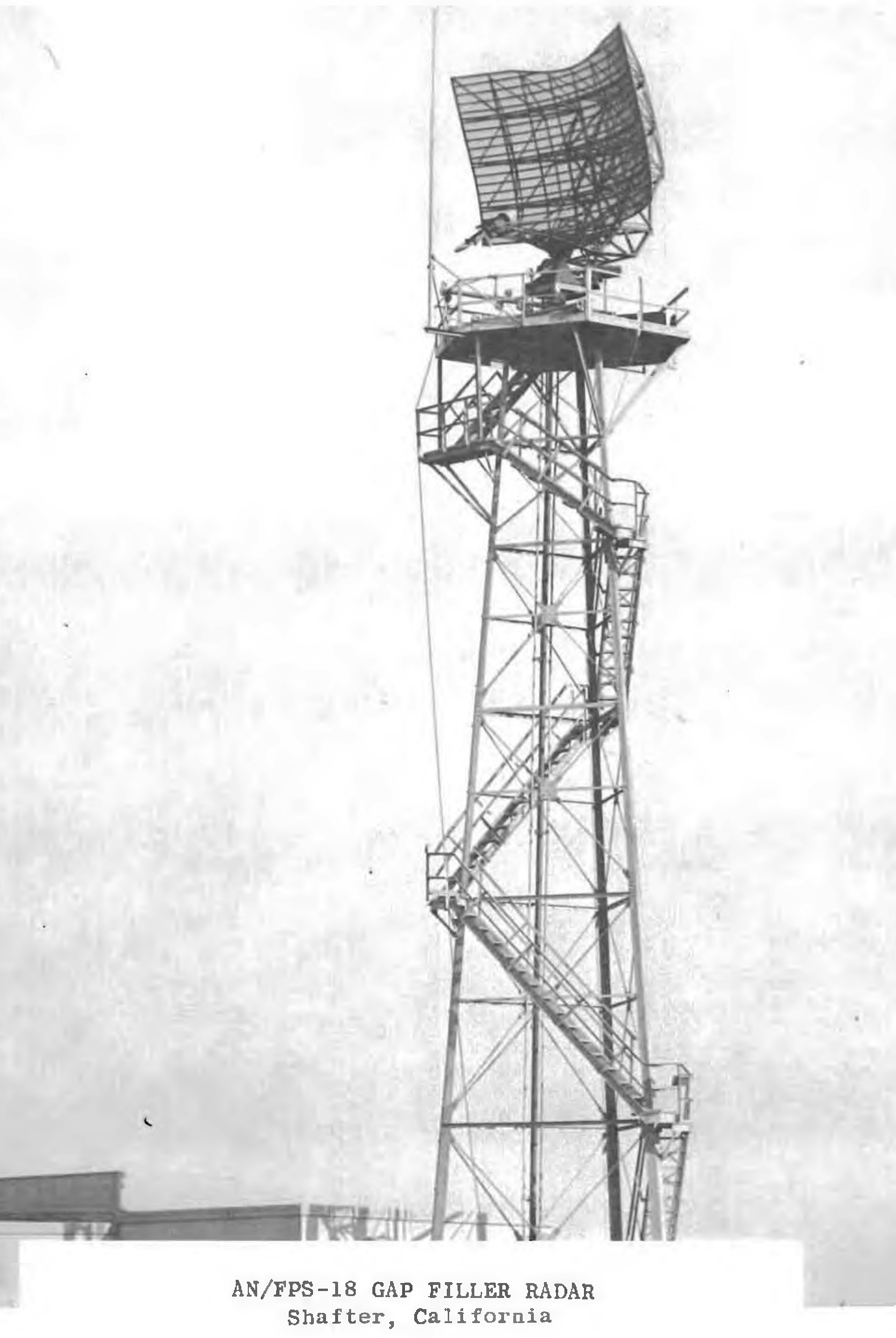
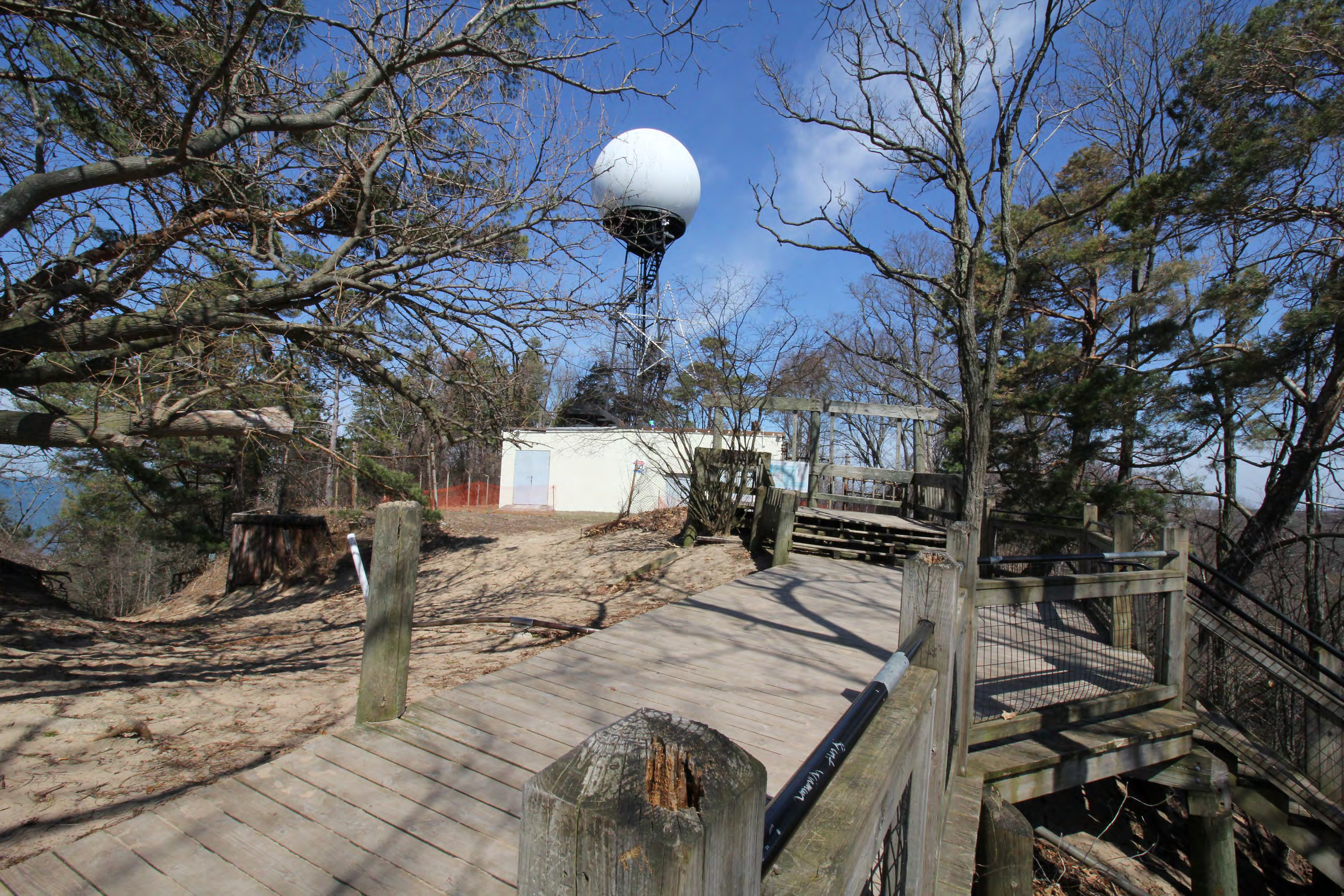
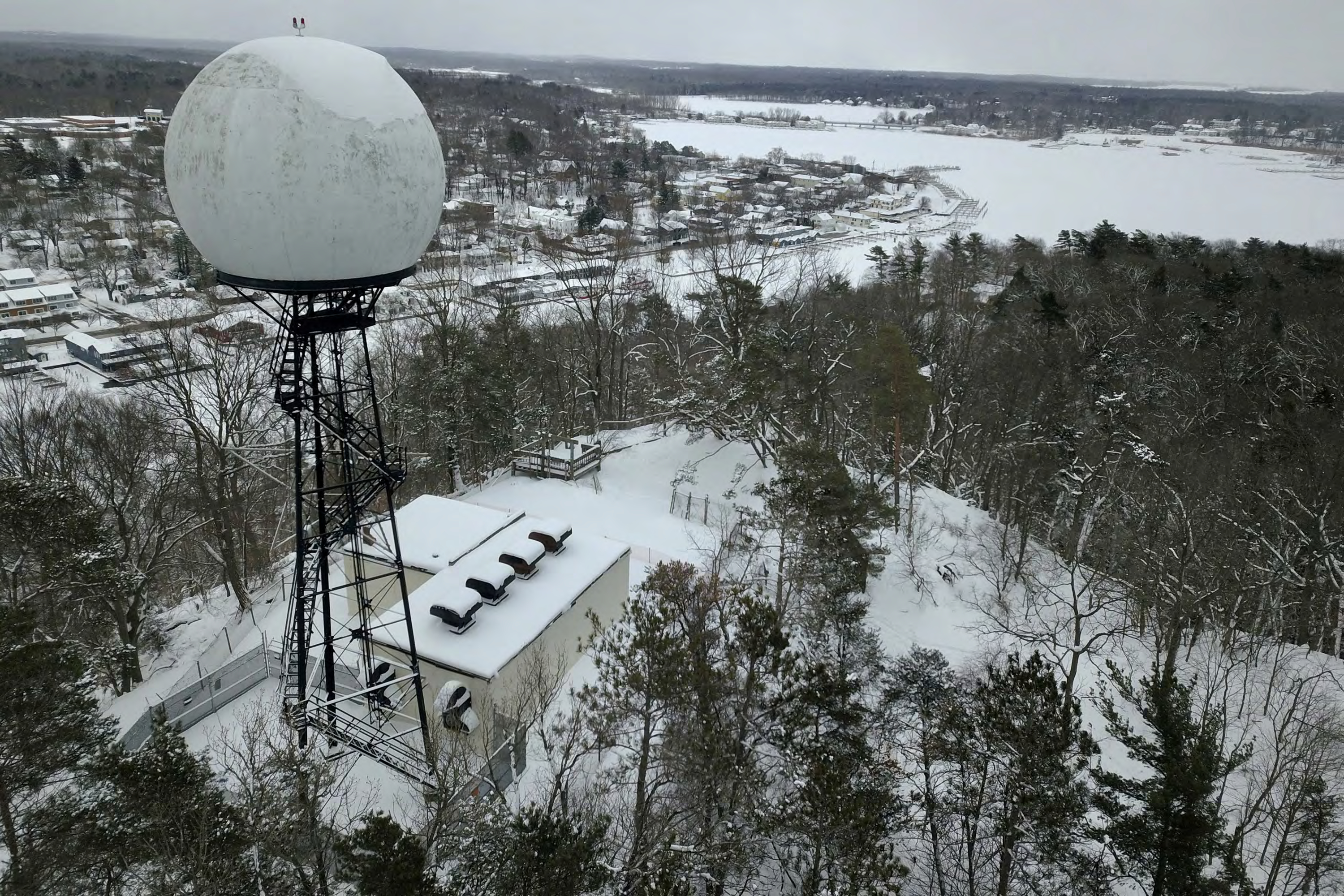
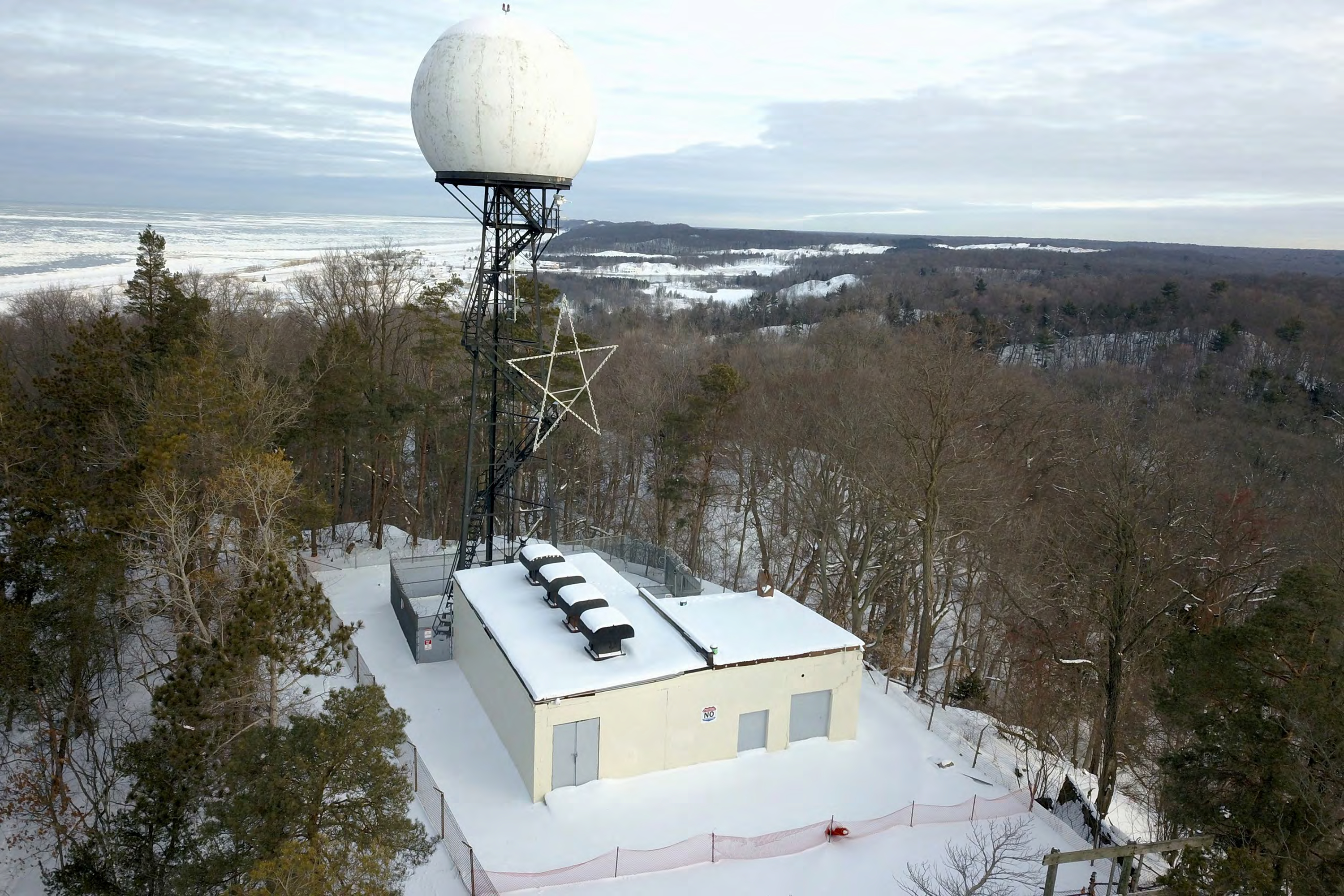
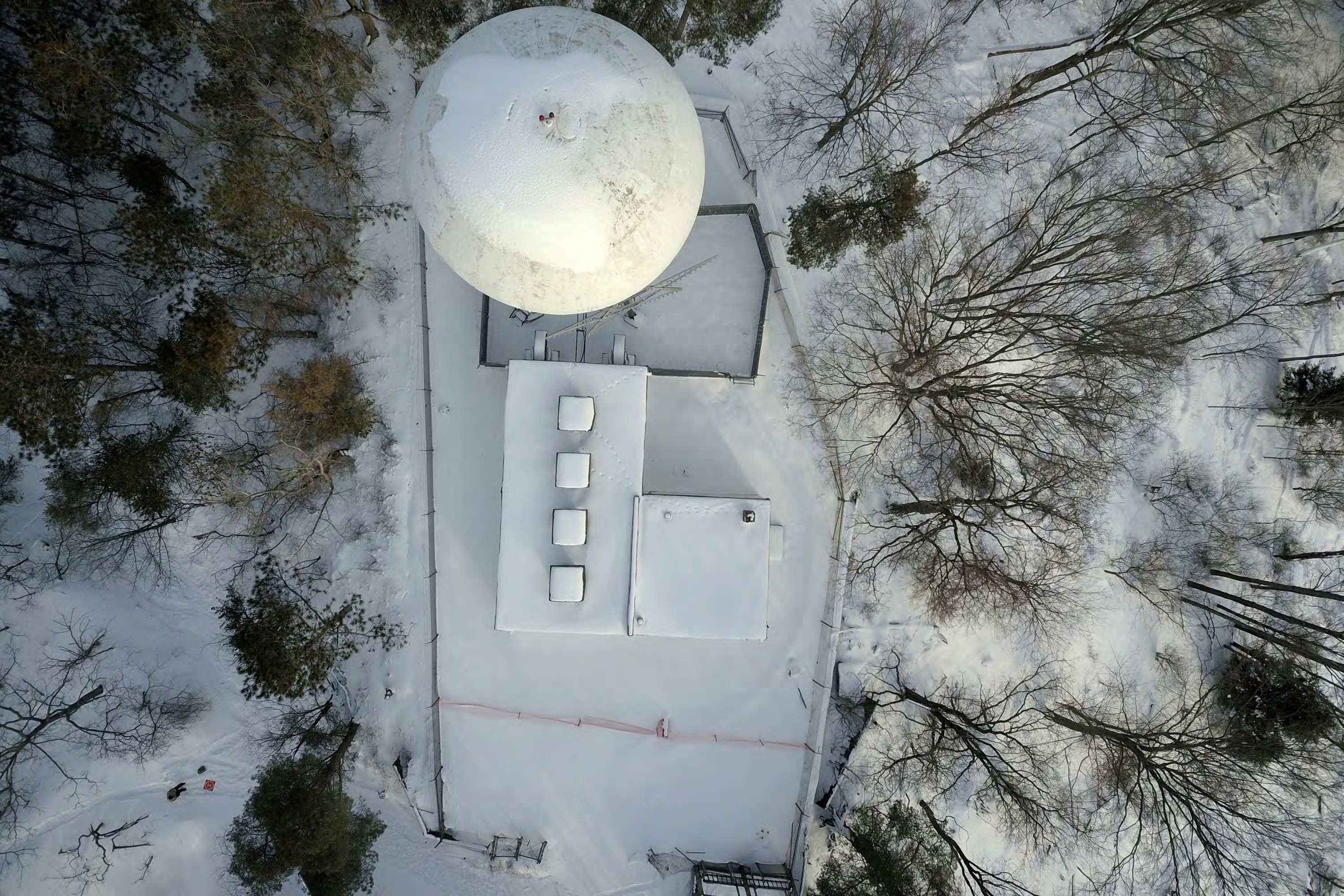
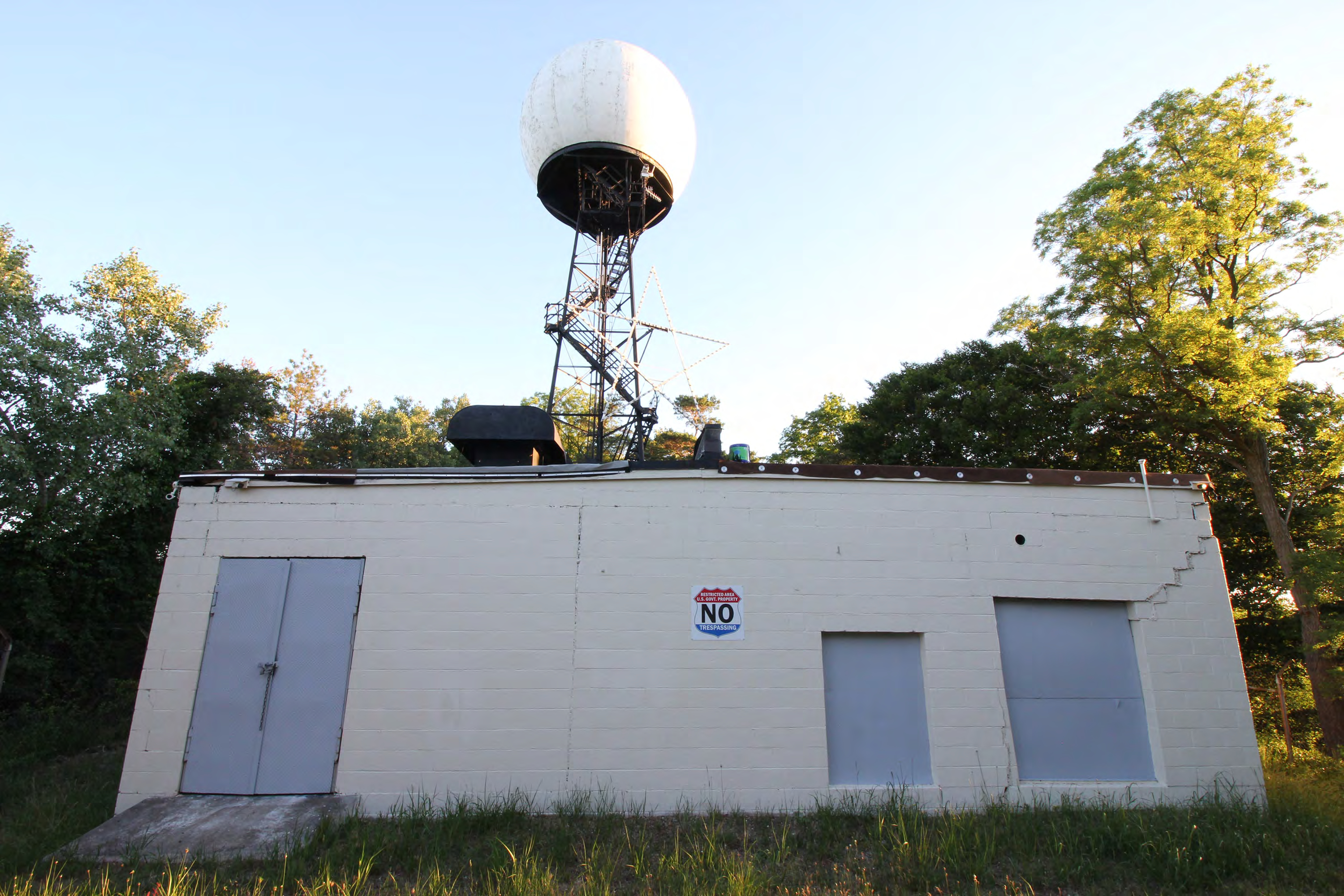
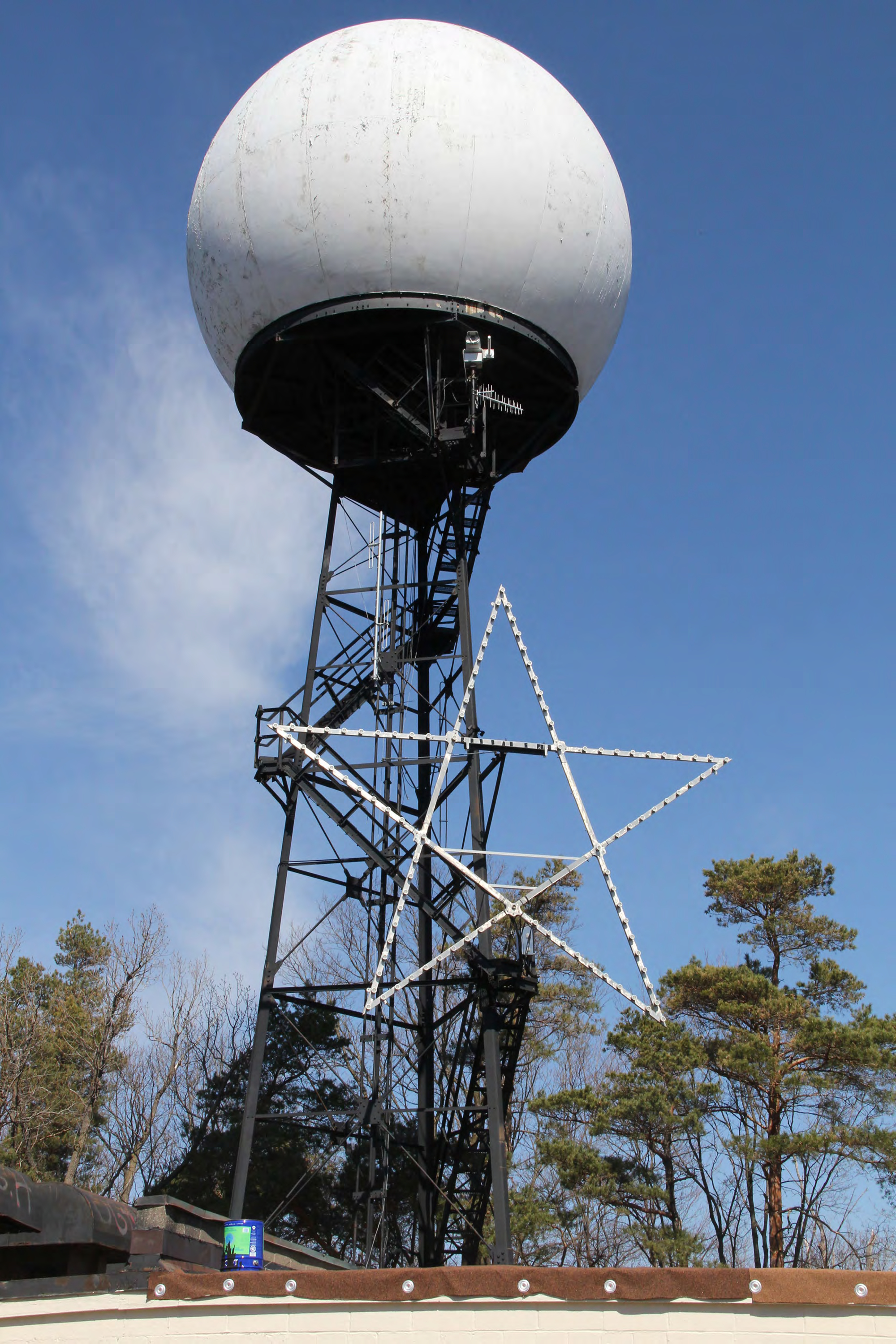
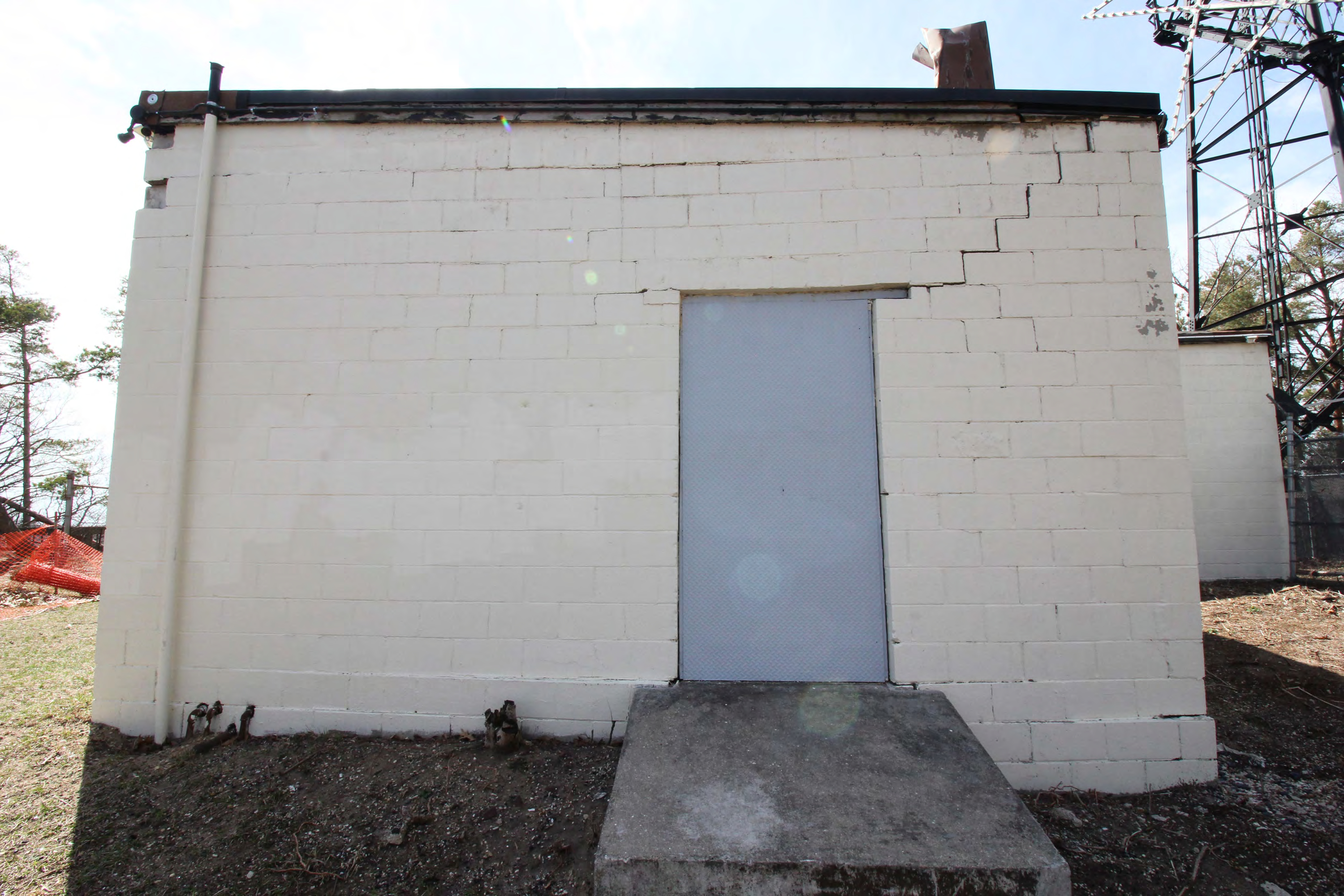
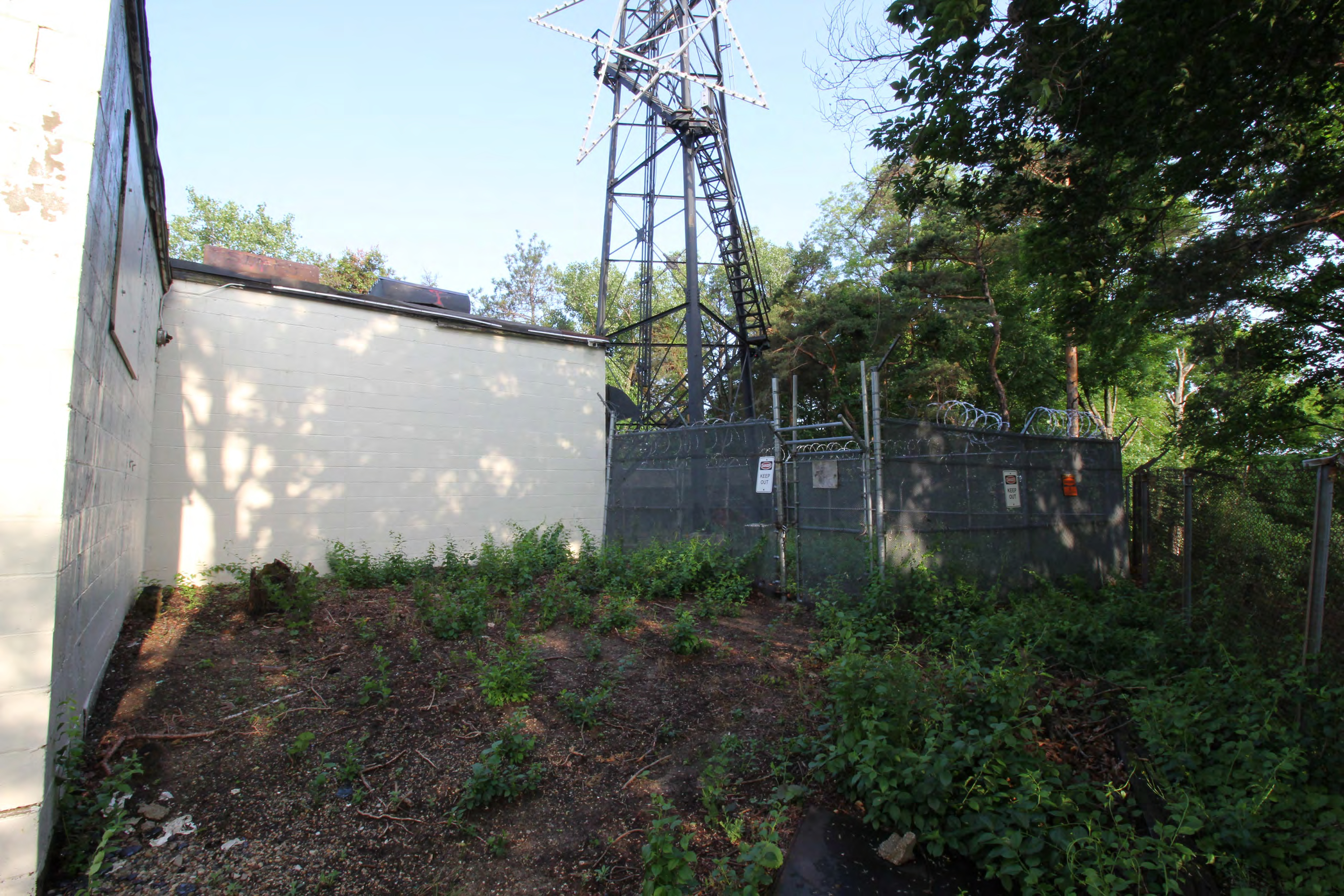
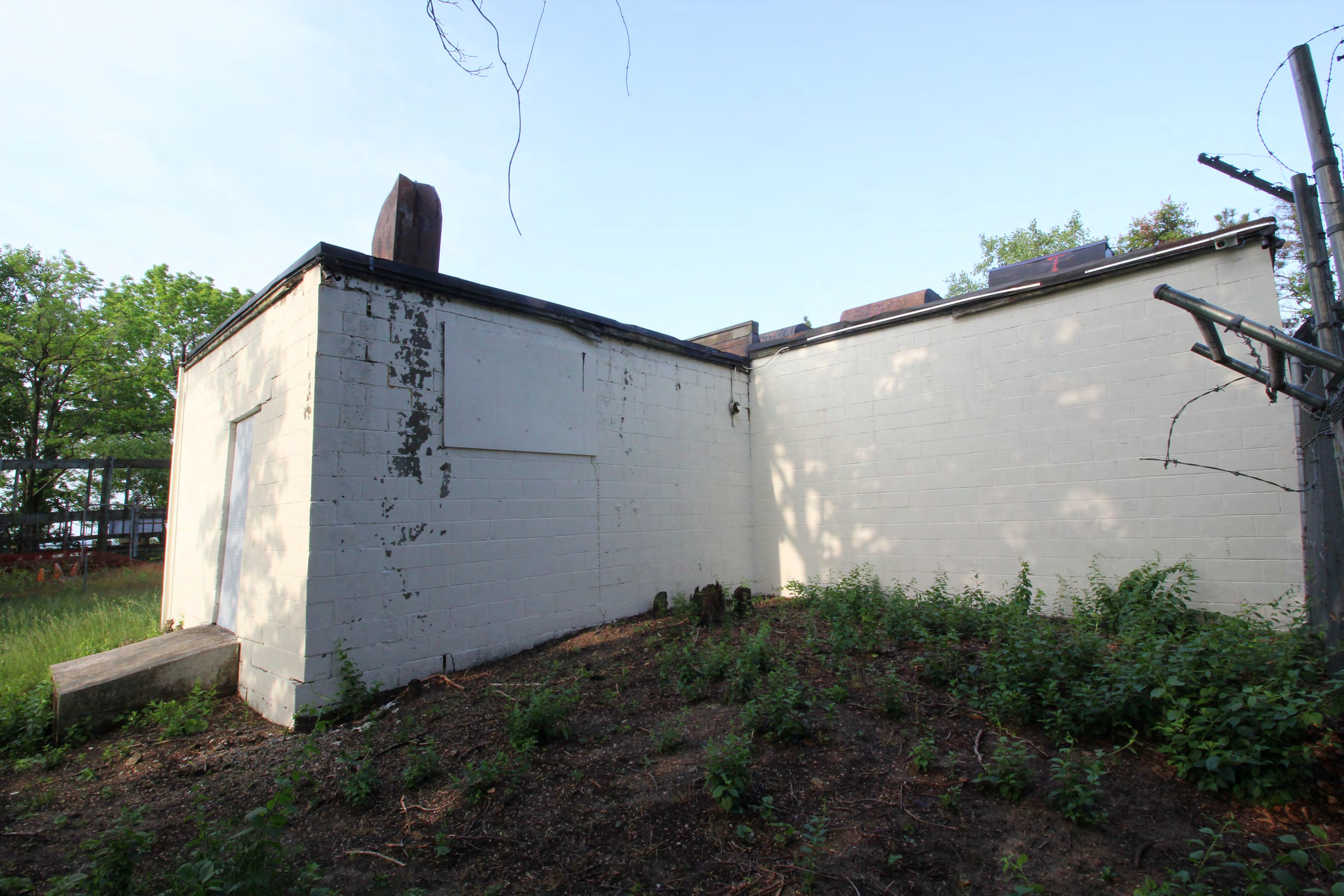
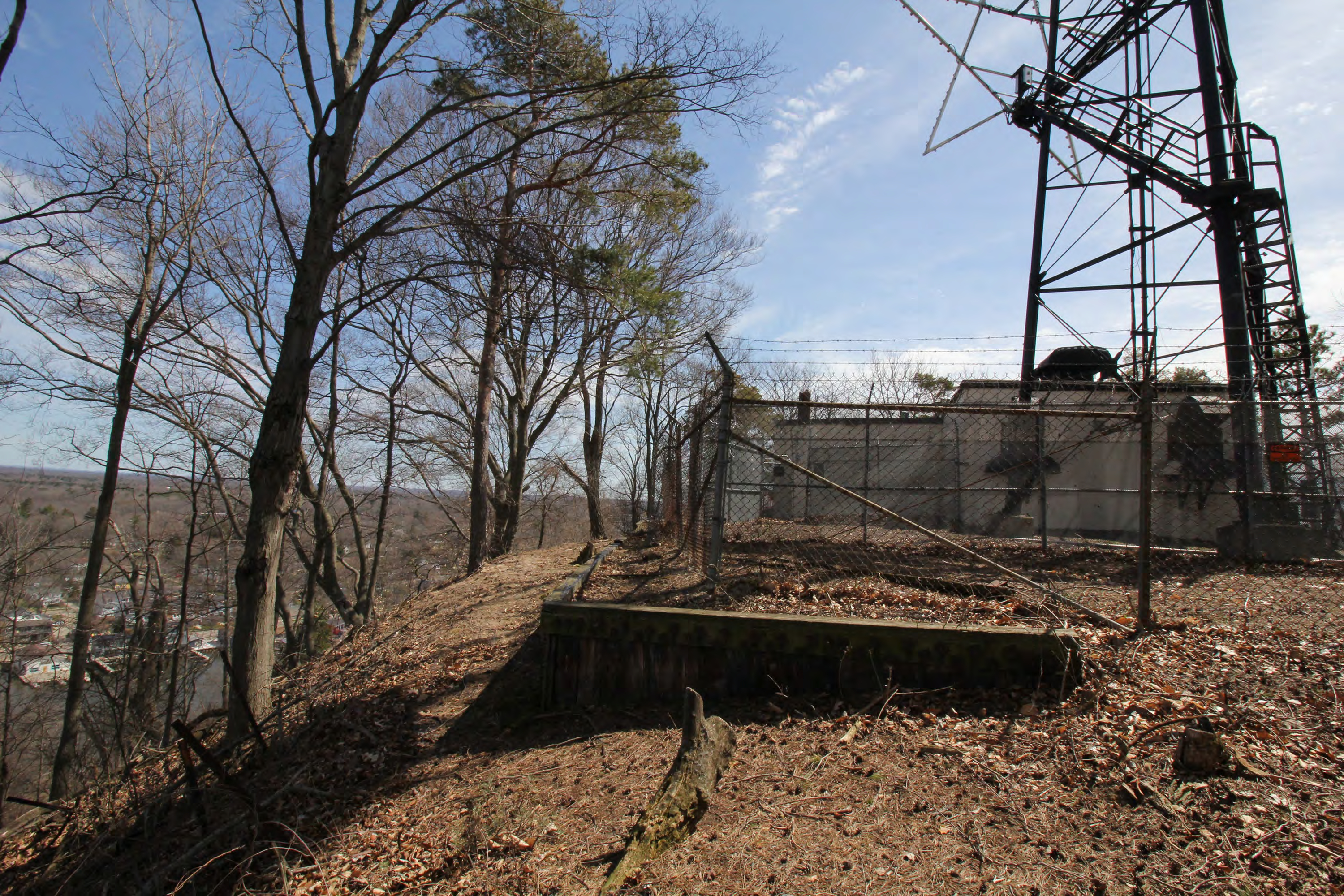
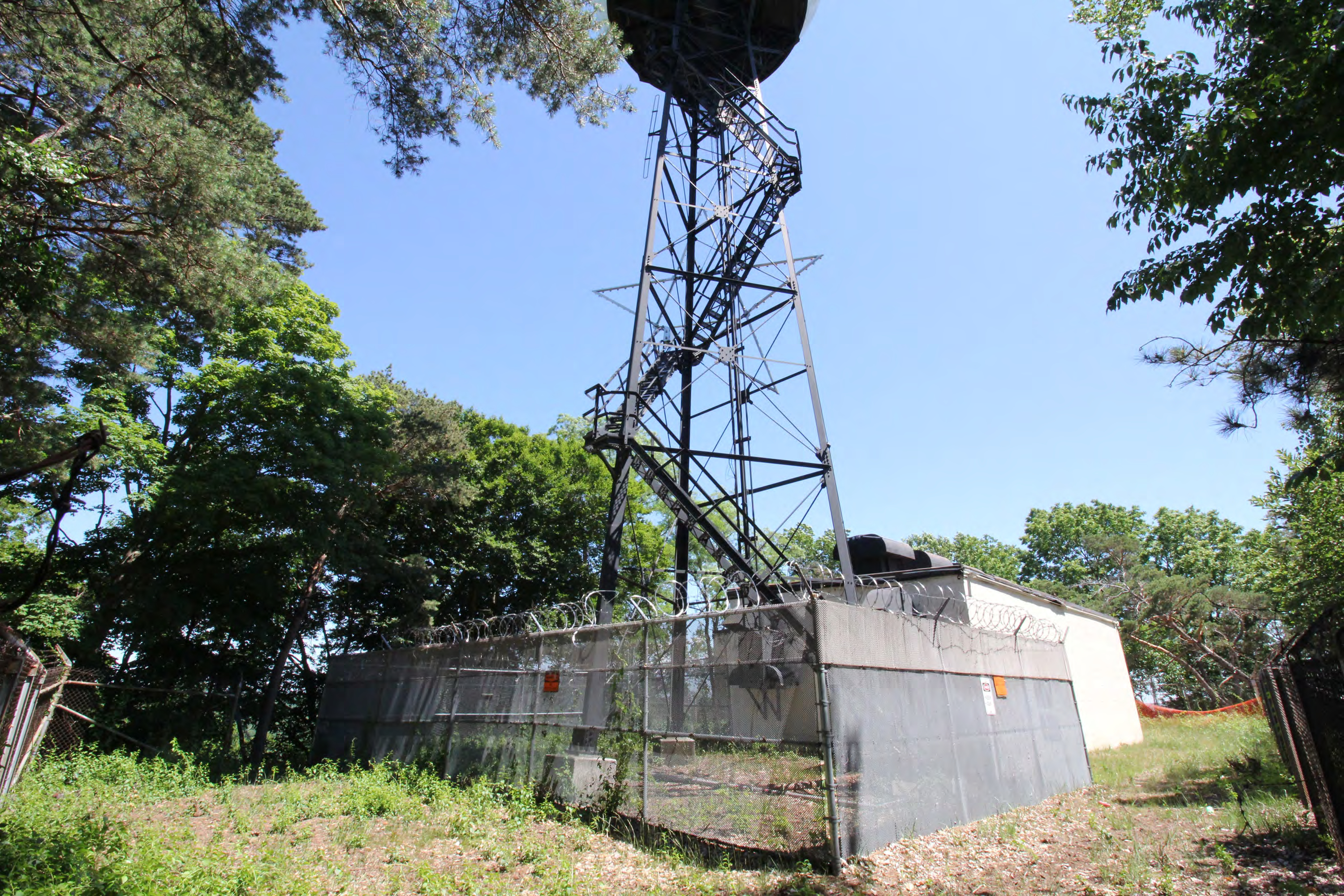
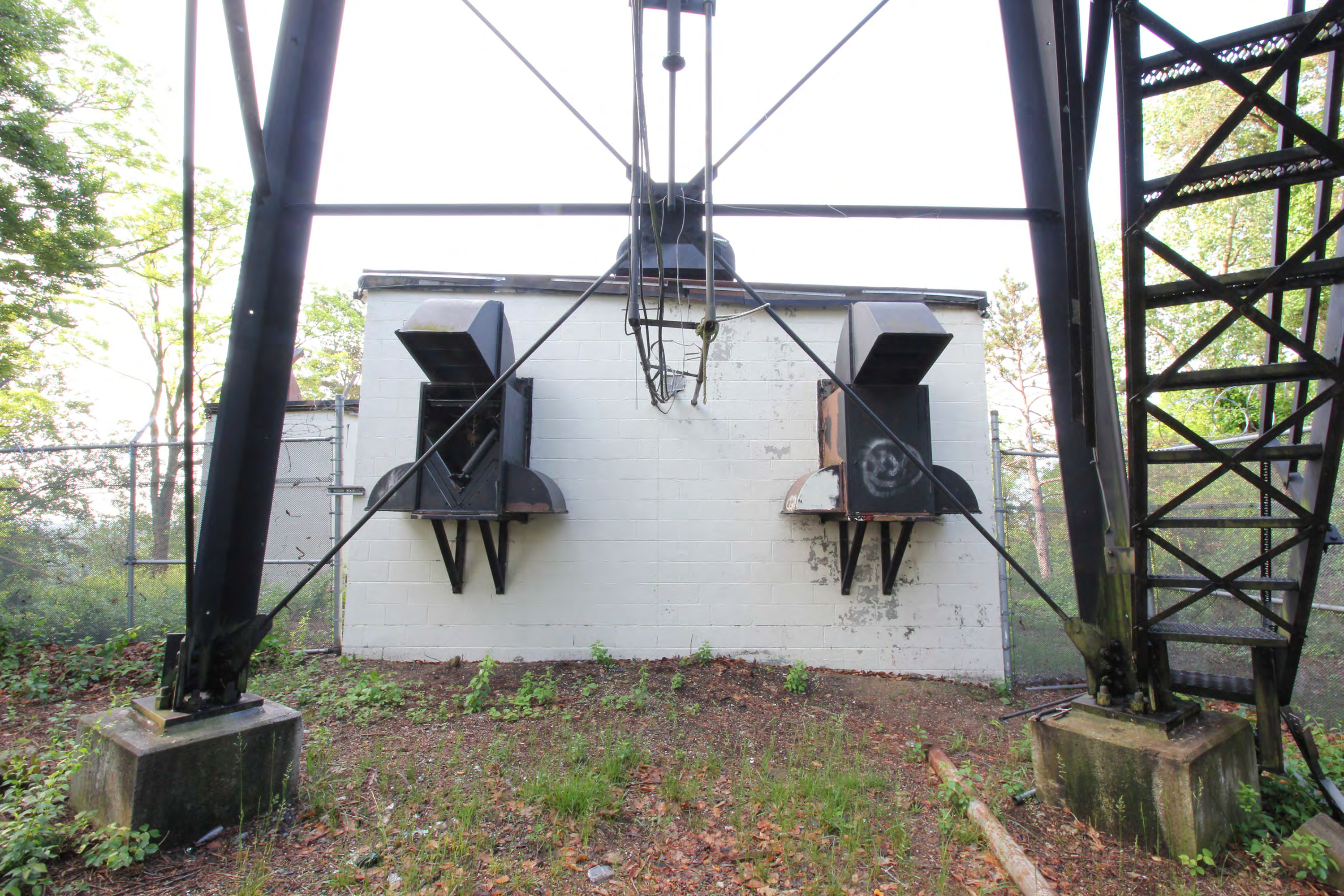
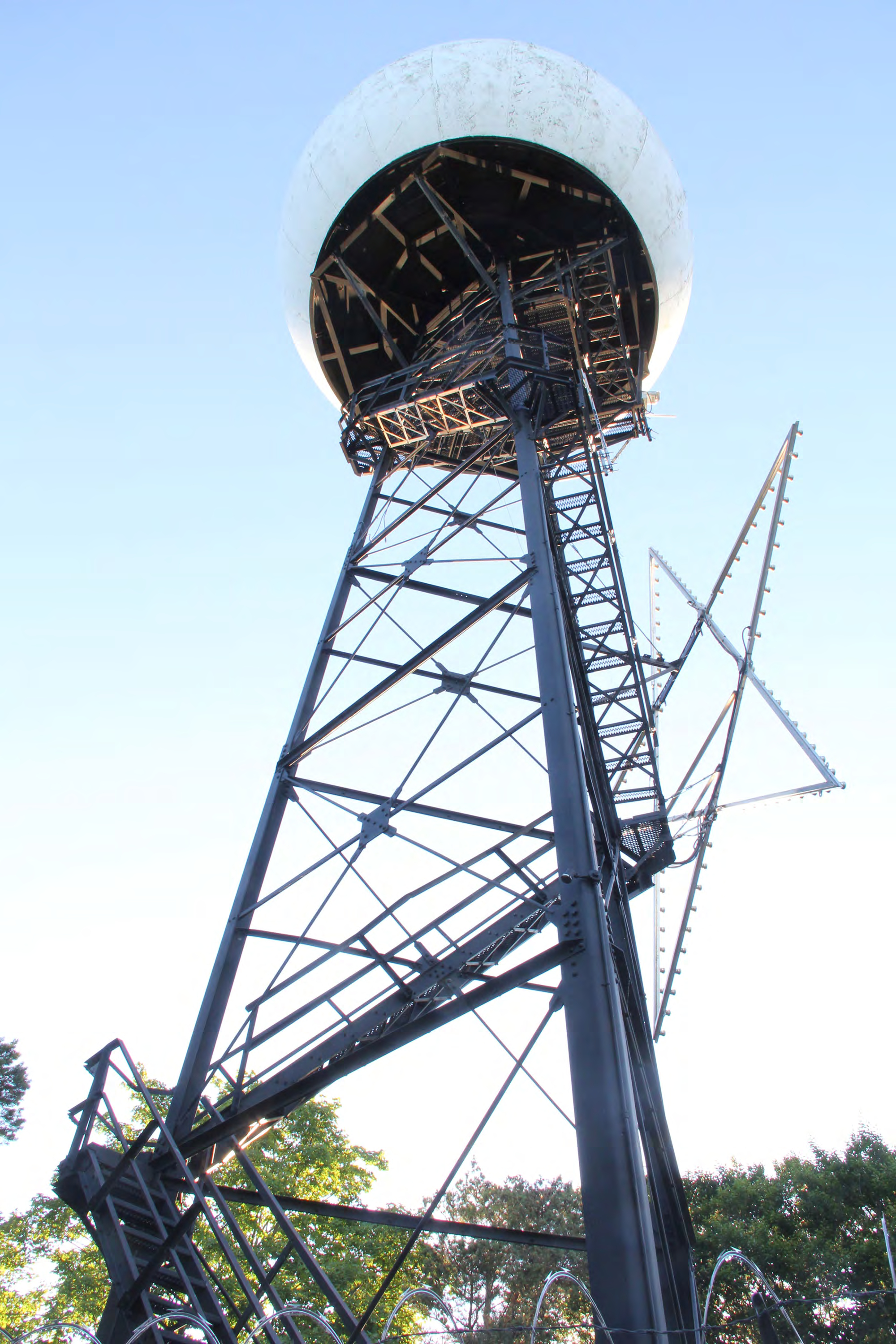
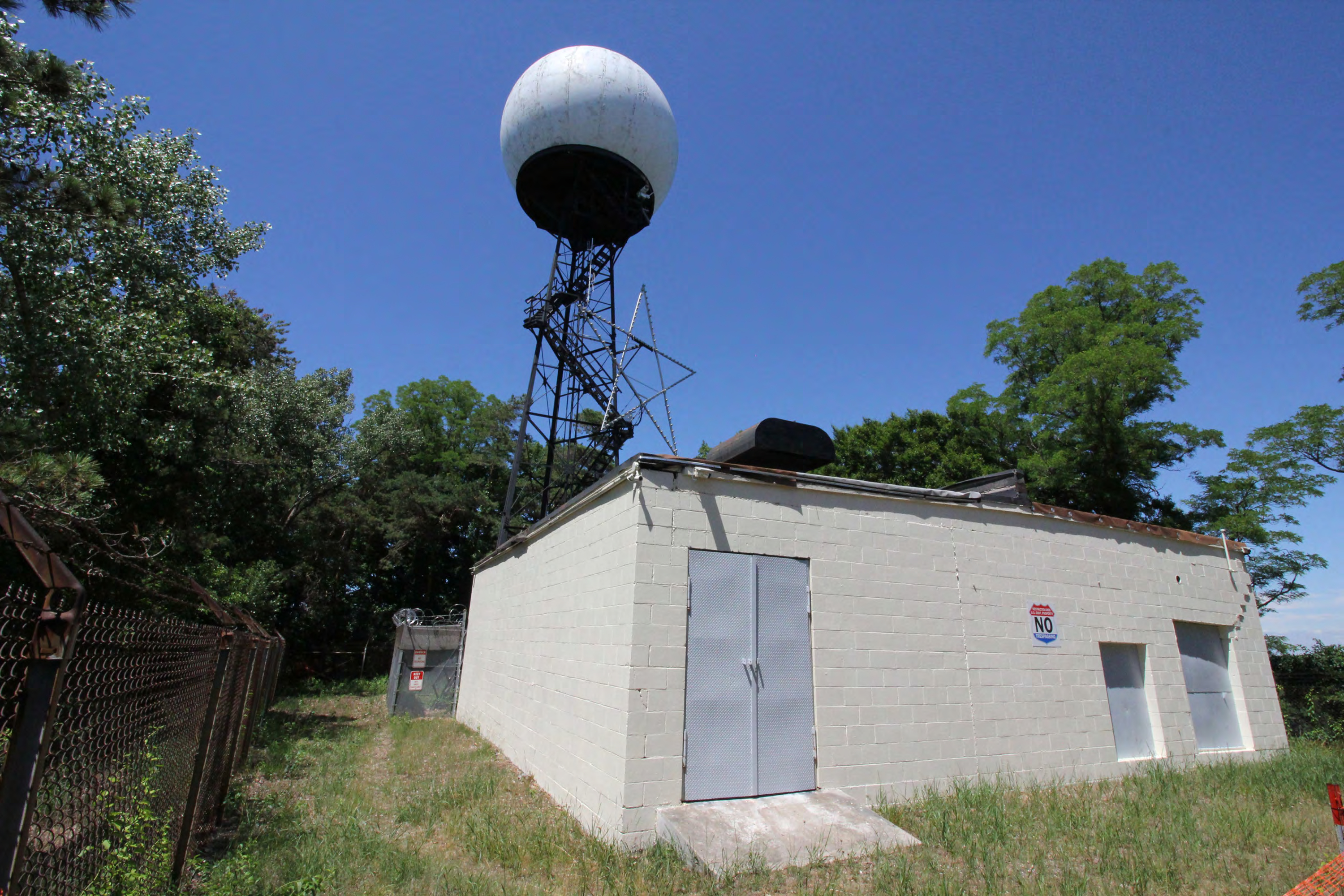
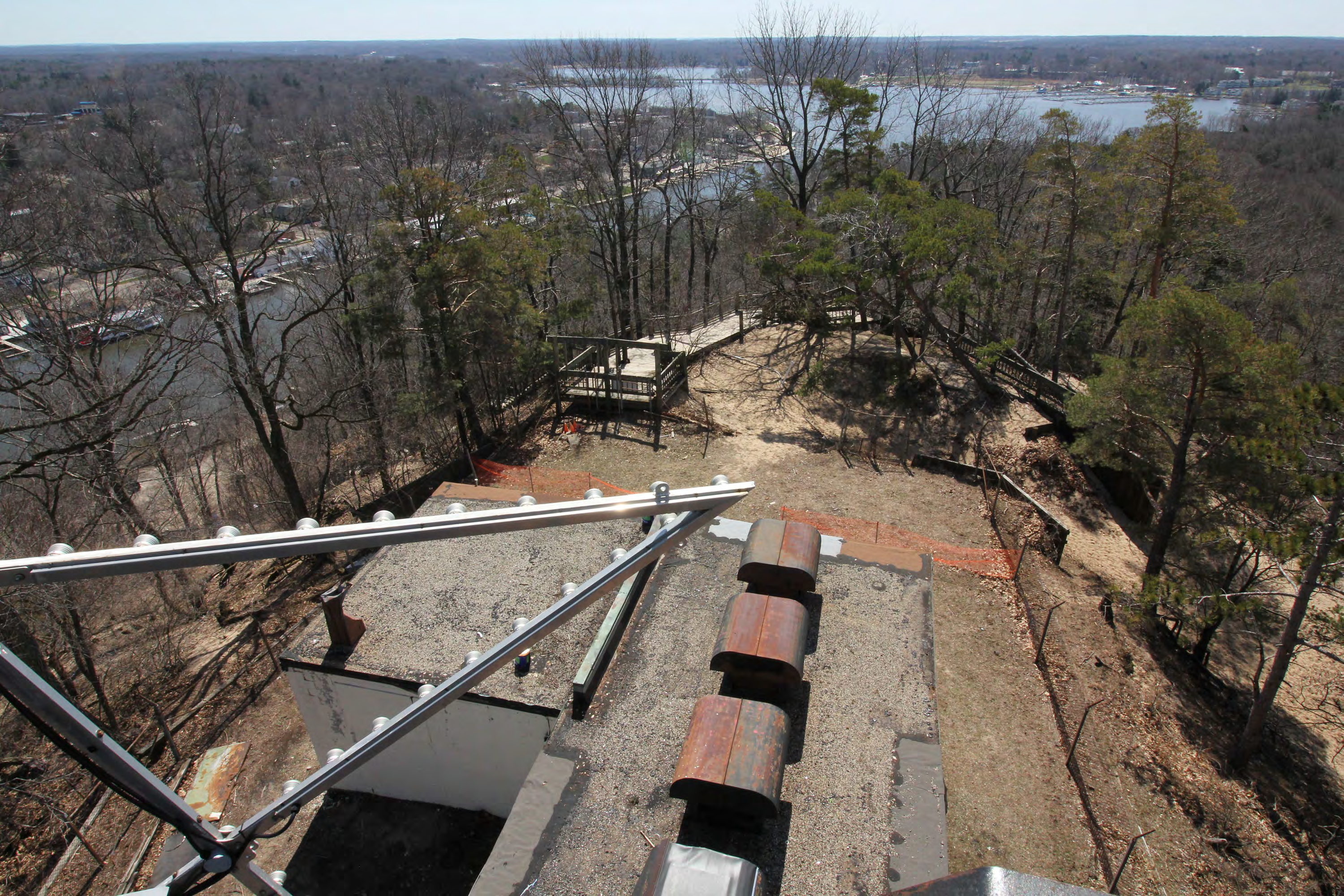
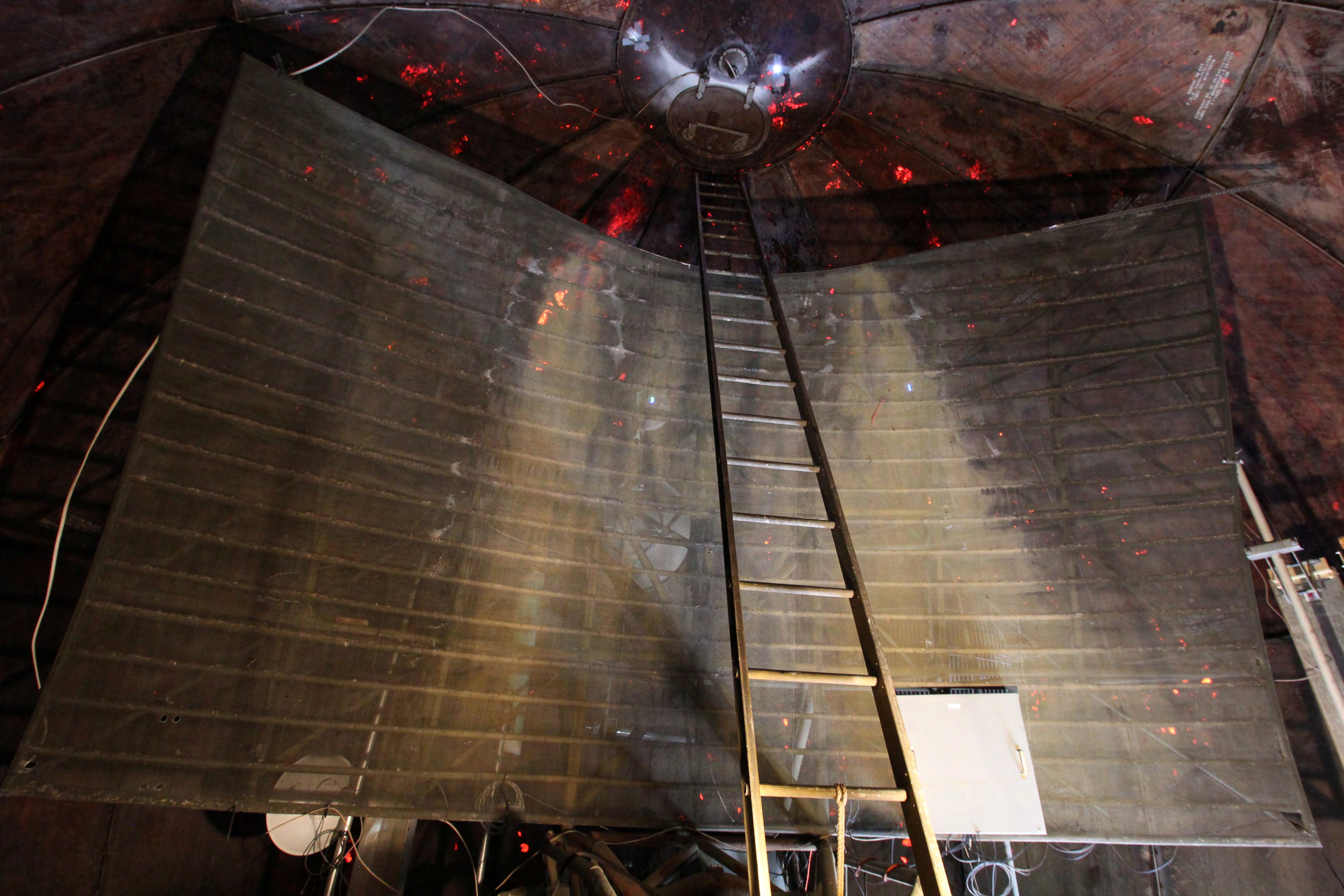
A typical FPS-18 gap-filler annex was far smaller than a full Air Force Station. The military handbook recommended roughly one-half acre of elevated, unobstructed ground, although actual government parcels could be larger because of access, fencing, generator space, slopes, and local real-estate conditions. The radar antenna normally stood on a steel tower beside a small equipment and generator building. The building housed the transmitter-receiver cabinets, power supplies, FST-1 and communications equipment, local maintenance display, electrical switchgear, and an emergency generating plant. A fenced perimeter, short access road, utility connection, and telephone line completed the basic installation.Tower height varied with local terrain rather than following one universal standard. At the surviving Saugatuck Gap Filler Annex in Michigan, the three-leg steel tower rises about 70 feet and supports an approximately 20-foot antenna deck beneath a roughly 26-foot fiberglass spherical radome. Other sites used different towers and some did not require the same radome arrangement. The preserved Saugatuck site is therefore a particularly valuable complete example, but its exact dimensions should not be treated as a template for every FPS-18 installation. The common principle was to elevate the antenna enough to clear nearby terrain and obtain the required low-altitude line of sight.
Integration with other systems
Gap fillers became most valuable when their returns entered the Semi-Automatic Ground Environment rather than remaining isolated at local scopes. SAGE fused radar observations from multiple sites and presented track information to direction centers responsible for identifying aircraft and directing interceptors. An FPS-18 annex extended the sensor picture into a local blind area. The parent radar station received the gap-filler data, operators or associated equipment correlated it with the main search picture, and the resulting track information could contribute to the SAGE air situation.The FPS-18 was therefore one component of a layered system. Long-range search radars supplied broad area coverage. Height finders supplied altitude information. Gap fillers watched selected low-altitude holes. Ground-to-air radio sites linked controllers with interceptor aircraft, while direction centers fused the data and assigned defensive action. NORAD depended on the combined network to provide warning and identification coverage across the continent. The importance of the FPS-18 lay precisely in its limited role. It was not expected to do everything a long-range station did. It existed to prevent a local deficiency from becoming a route through the national warning screen.
Variants and upgrades
The AN/FPS-18A was a closely related installation variant. The 1965 military handbook states that it was electrically and operationally identical to the FPS-18 but incorporated installation provisions for an additional tower type, requiring changes in such items as waveguide, harnesses, conduit, and mounting hardware. That description is important because the suffix did not indicate a wholly new radar performance standard. In field terms, an FPS-18A could perform the same basic gap-filler mission while fitting a different physical tower arrangement.The more important changes occurred around the radar rather than inside a radically new FPS-18 model. Site towers, radomes, generators, telephone circuits, FST-1 data equipment, and remote-control arrangements varied with local conditions and program phase. Air Defense Command also explored ECCM modernization through the FPS-74 concept. The source record is less clear on how widely that conversion actually reached operational sites. The modernization should therefore be discussed as a planned extension of the FPS-14/FPS-18 gap-filler family, not used to imply that every surviving FPS-18 was converted.
Systems it replaced / systems that replaced it
At some installations the FPS-18 directly replaced an FPS-14, as happened at Saugatuck. More broadly, neither set had a simple one-for-one predecessor because the gap-filler program itself was created to solve coverage deficiencies left by the long-range network. Temporary or mobile radars had filled some earlier needs, but the FPS-14/FPS-18 generation represented a purpose-built unattended solution. The FPS-18's greater transmitter power and coherent klystron system made it attractive where the Air Force wanted more capability than the simpler FPS-14 could provide.There was likewise no universal one-for-one radar that replaced the FPS-18 when the program ended. The Air Force initially considered modernization, including the FPS-74 concept, but the strategic solution ultimately was to reduce or eliminate many gap-filler sites rather than modernize all of them. Improved long-range coverage, changing SAGE architecture, revised bomber-defense requirements, and the increasing priority of ballistic-missile warning made the large detached gap-filler network less necessary. The successor was therefore as much a changed defense architecture as a particular radar model.
Known U.S. military locations using it
The following is the Air Defense Command snapshot for 30 June 1960. It records seventy operational CONUS AN/FPS-18 gap-filler sites. Locations and site designations are reproduced from the ADC historical table.- P-2A - Lockwood, California - FPS-18
- P-12B - Disston, Oregon - FPS-18
- P-12C - Placer, Oregon - FPS-18
- P-14B - Blue Mountain Lake, New York - FPS-18
- P-14C - Bangor, New York - FPS-18
- P-16A - Painesdale, Michigan - FPS-18
- P-17A - Elbow Lake, Minnesota - FPS-18
- P-17B - Bagley, Minnesota - FPS-18
- P-19A - Norway, Michigan - FPS-18
- P-19B - Two Creeks, Wisconsin - FPS-18
- P-19C - Brooks, Wisconsin - FPS-18
- P-20B - Emery, Michigan - FPS-18; the 30 June 1960 table appears as "Enery," but ADC's directory and later tables identify P-20B as Emery
- P-28D - Regan, North Dakota - FPS-18
- P-29C - Valley City, North Dakota - FPS-18
- P-29D - Middle River, Minnesota - FPS-18
- P-34E - Alpena, Michigan - FPS-18
- P-35C - Jim Falls, Wisconsin - FPS-18
- P-47B - Wilsey, Kansas - FPS-18
- P-49B - Oswegatchie, New York - FPS-18
- P-50B - Andes, New York - FPS-18
- P-59A - Shafter, California - FPS-18
- P-60C - Curlew, Washington - FPS-18
- RP-62A - Thompson, Ohio - FPS-18
- P-64A - Washington, Iowa - FPS-18
- P-65A - Topsfield, Maine - FPS-18
- P-66A - Grand Marais, Michigan - FPS-18
- P-67B - Richland Center, Indiana - FPS-18
- P-67D - Shelby, Michigan - FPS-18
- P-69B - Upson, Wisconsin - FPS-18
- P-70C - Vichy, Missouri - FPS-18
- P-72A - Garland, Kansas - FPS-18
- P-75A - Mason, Texas - FPS-18
- P-80B - Bridgewater, Maine - FPS-18
- P-81A - Dallas Center, Iowa - FPS-18
- P-81B - La Motte, Iowa - FPS-18
- P-81C - La Crescent, Minnesota - FPS-18
- P-82D - Madisonville, Kentucky - FPS-18
- M-89B - Big Springs, Texas - FPS-18
- M-89E - Sidney, Texas - FPS-18
- M-98A - Glendive, Montana - FPS-18
- M-98B - Brockway, Montana - FPS-18
- M-100A - Washougal, Washington - FPS-18
- M-100B - Philomath, Oregon - FPS-18
- M-111B - Barnesville, Georgia - FPS-18
- M-111E - Elberton, Georgia - FPS-18
- M-113A - Statesburg, South Carolina - FPS-18
- M-114B - Blythe Island, Georgia - FPS-18
- M-115B - Fort Bragg, North Carolina - FPS-18
- M-118A - Burns Junction, Oregon - FPS-18
- M-125A - Delhi, Louisiana - FPS-18
- M-127A - Quinn River Crossing, Nevada - FPS-18
- M-127B - Unionville, Nevada - FPS-18
- SM-132A - Big Falls, Minnesota - FPS-18
- SM-145A - Bradyville, Tennessee - FPS-18
- SM-151D - Moyie Springs, Idaho - FPS-18
- SM-156A - Gabbs, Nevada - FPS-18
- SM-157A - Janesville, California - FPS-18
- SM-157C - Hayfork, California - FPS-18
- SM-162C - Stone Cabin, Arizona - FPS-18
- SM-163A - Boulder City, Nevada - FPS-18
- SM-163B - Lathrop Wells, Nevada - FPS-18; the 30 June 1960 table appears as "Latarop Wells," while ADC's own directory identifies SM-163B as Lathrop Wells
- TM-177C - McIntosh, South Dakota - FPS-18
- TM-180A - Yreka, California - FPS-18
- TM-181B - Covered Wells, Arizona - FPS-18
- TM-187B - Comstock, Texas - FPS-18
- TM-188A - Carrizo Springs, Texas - FPS-18
- TM-189A - Delmita, Texas - FPS-18
- TM-189B - Laredo, Texas - FPS-18
- TM-191A - Riviera, Texas - FPS-18
- TM-192B - Schulenburg, Texas - FPS-18
This 1960 list is a dated operational snapshot, not a complete lifetime roster. ADC later commissioned additional FPS-18 installations, converted some FPS-14 sites, redesignated many locations from P-, M-, SM-, or TM-series identifiers to Z-series identifiers, and closed others. Later documented FPS-18 locations included Saugatuck, Michigan; Bunnell, Florida; Englehard, North Carolina; New Orleans, Louisiana; Gulfport, Mississippi; Carrabelle, Florida; Eglin AFB, Florida; Perry, Florida; Naples, Long Key, and Jupiter, Florida; Hermanville, Maryland; and other sites appearing in the later Z-site tables.
Operational history
Air Defense Command's gap-filler effort accelerated during the second half of the 1950s. NORAD and CONAD historical reporting described an ADC plan for hundreds of small unattended gap fillers using the FPS-14 and FPS-18. Funding and construction delays slowed the original schedule, but the network expanded rapidly. ADC historical tables show only a small number of operational gap fillers early in the program, then dozens by the end of 1957. The mixed FPS-14/FPS-18 network grew further as SAGE coverage expanded and engineers refined exactly where low-altitude holes remained.By 30 June 1960, ADC recorded 131 operational continental gap-filler sites. Seventy were equipped with AN/FPS-18 radars and sixty-one with AN/FPS-14s. That snapshot is one of the clearest measures of the FPS-18's importance. More than half of the operational CONUS gap fillers in that table used the Bendix set. The locations stretched from California and Oregon to Maine and Florida, with especially dense use across the Midwest, Southeast, Texas, and western mountain corridors. Each annex had a local tactical purpose, but collectively they formed a nationwide attempt to make low-altitude penetration more difficult.
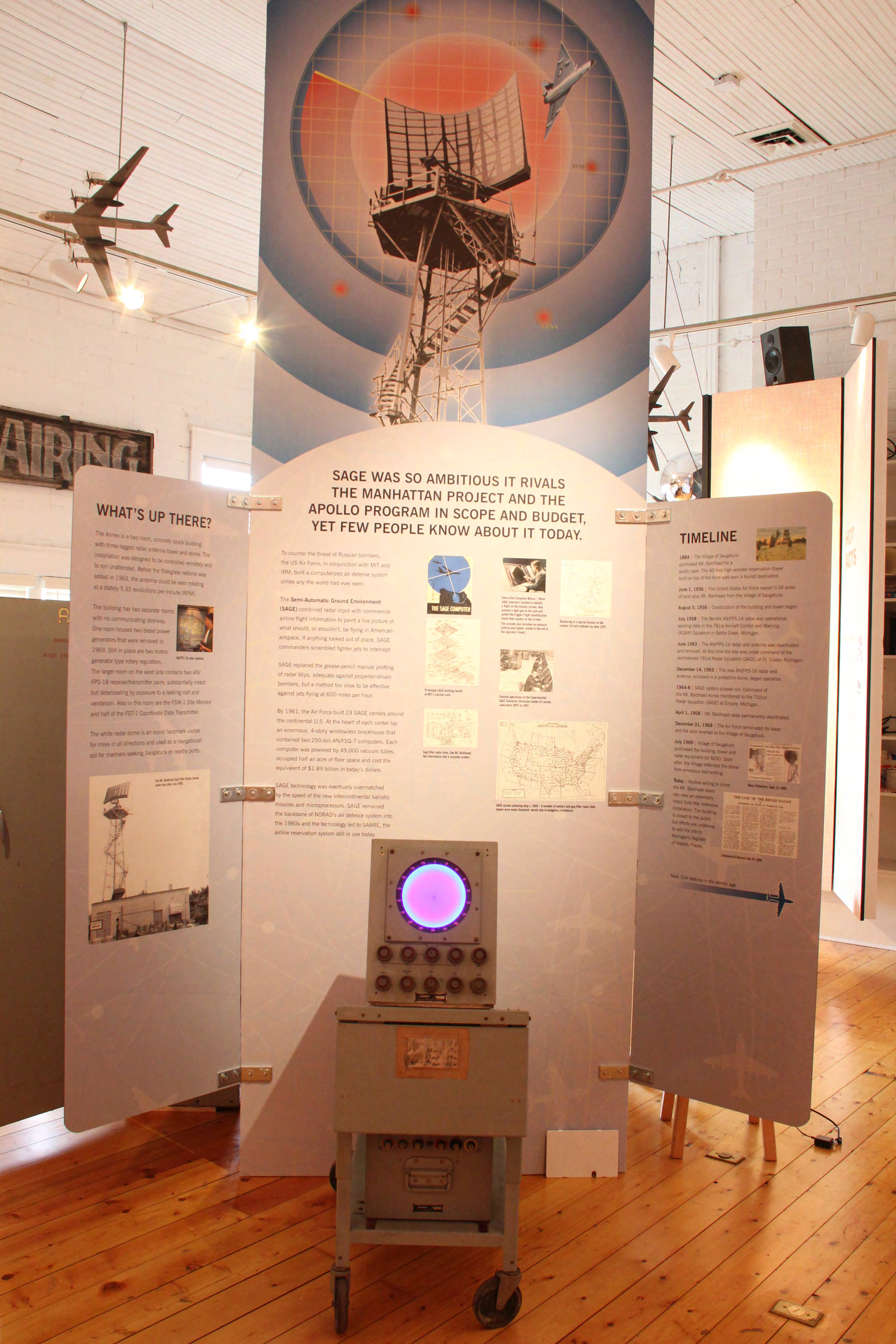
The inventory changed repeatedly after 1960. Some FPS-14 sites were upgraded to FPS-18, new locations entered service, and other annexes closed as the Air Force recalculated coverage requirements. Saugatuck, Michigan is a well-documented example. Its original FPS-14 was replaced by an FPS-18 that became operational in December 1963. Later ADC tables show FPS-18s concentrated increasingly in selected sectors, including southeastern and Florida approaches. The system remained useful, but the enormous gap-filler network envisioned during the peak bomber-defense period was already being reassessed as strategy, budgets, and the perceived Soviet threat changed.
Air Force planners also pursued a modernization path. NORAD history records a program to improve SAGE gap fillers through an AN/FPS-74 configuration, while ADC's equipment description characterized the FPS-74 as an ECCM modification of the FPS-14 or FPS-18. The modernization plan was repeatedly reduced, and specialist historical reconstruction indicates that the FPS-74 may never have been fielded on the scale anticipated. It is therefore safer to treat the FPS-74 as a planned or limited modernization concept associated with the FPS-18 family rather than as a confidently established universal replacement.
Decline of the gap-filler network
The strategic environment that created the FPS-18 changed quickly. During the 1950s, the central air-defense problem was the manned bomber, including the possibility of low-altitude penetration. By the 1960s, intercontinental ballistic missiles and submarine-launched missiles were becoming the dominant strategic warning problem. Bomber defense did not disappear, but the Air Force could no longer justify every component of the dense radar network at its earlier scale. Improvements in long-range radar, changes in interceptor forces, budget pressure, and the shift toward missile warning all worked against maintaining scores of tiny detached gap fillers.ADC statistics show the FPS-18 inventory contracting during the 1960s. By late 1967, one ADC operational table counted forty-five FPS-18 and twenty-three FPS-14 gap fillers, sixty-eight sites total. Many of the remaining FPS-18 locations protected selected eastern, southern, and Gulf Coast sectors. In March 1968, Air Defense Command ordered the broad termination of the gap-filler mission, and many annexes shut down on or about 1 April. The ADC historical volume labels the overall gap-filler program 1957-1970, reflecting administrative and residual program history, but the principal USAF FPS-18 air-defense phase was largely over by 1968.
Post-air-defense reuse: Engelhard to Goldstone
One AN/FPS-18 had an unusually well-documented second career after the Air Force gap-filler era. In 1975 NASA's Jet Propulsion Laboratory contracted with Bendix Field Engineering to remove an FPS-18 from the former Engelhard, North Carolina gap-filler site, refurbish it in Columbia, Maryland, and install it at the Goldstone deep-space complex in California. NASA needed an airspace-surveillance radar to support operations involving powerful optical and communications systems. The old Air Force radar was well suited because it was rugged, redundant, and designed for continuous unattended service.The refurbished FPS-18 began detecting aircraft at Goldstone in January 1976. Both transmitter-receiver channels were placed in service, the antenna and display system were adapted to the range-safety mission, and acceptance testing followed in the spring. NASA documentation gives 2835 MHz as the operating frequency for the Goldstone installation and retained the basic one-megawatt, 1200-pulse-per-second architecture. The transfer demonstrates that the FPS-18's engineering value outlasted its original doctrine. A radar built to close a Cold War air-defense gap could still serve decades later as a local airspace-safety sensor.
Preserved examples / surviving equipment
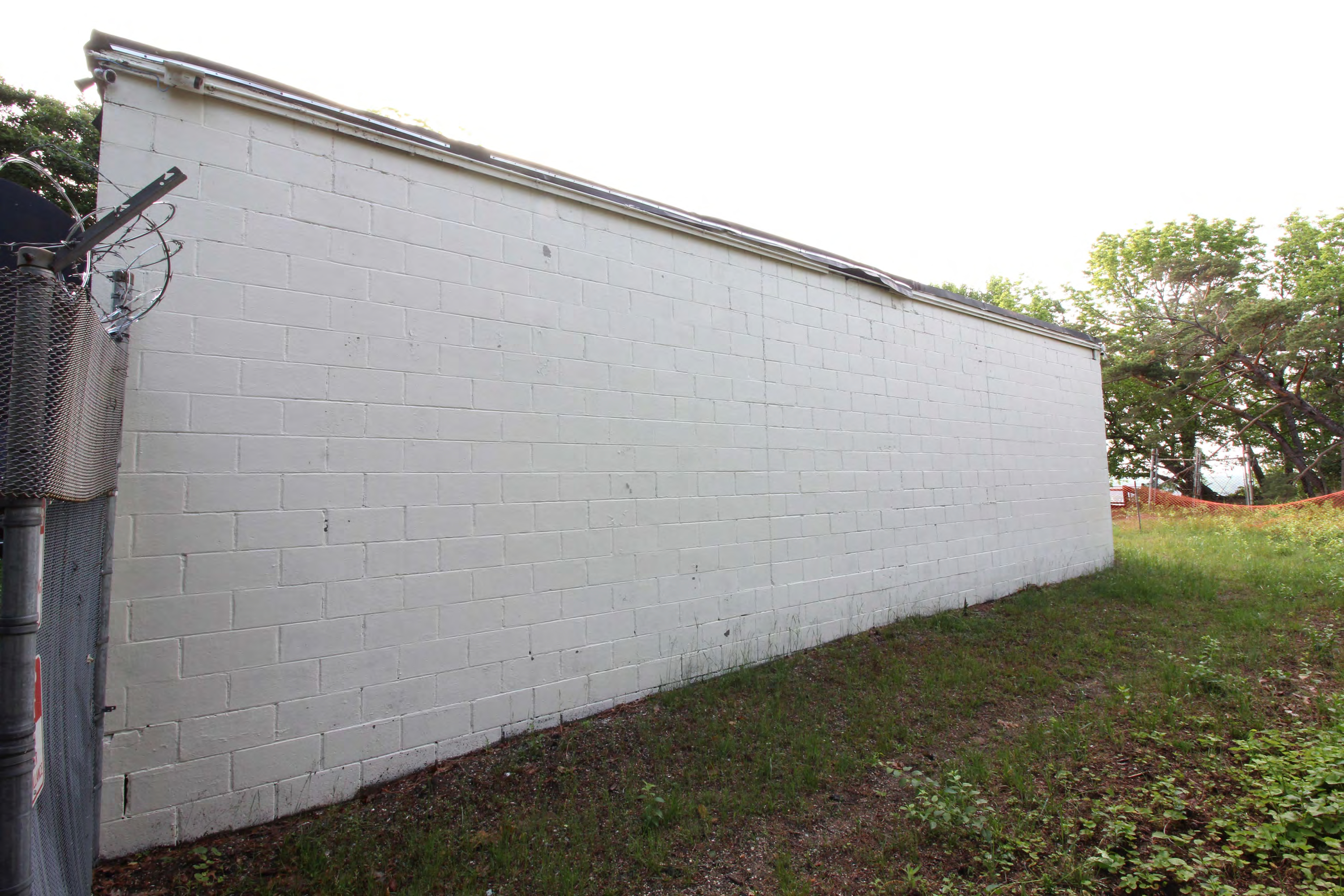
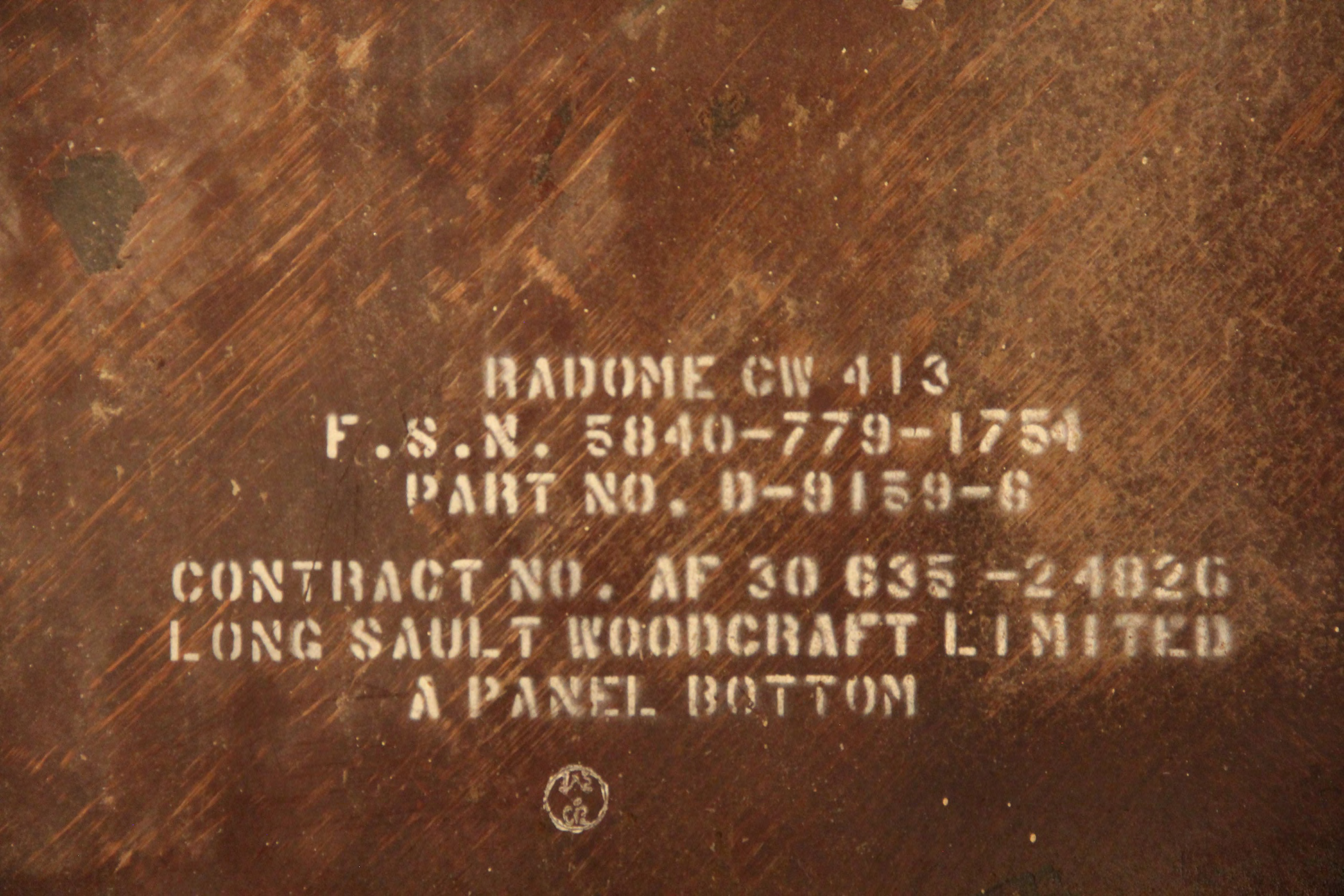
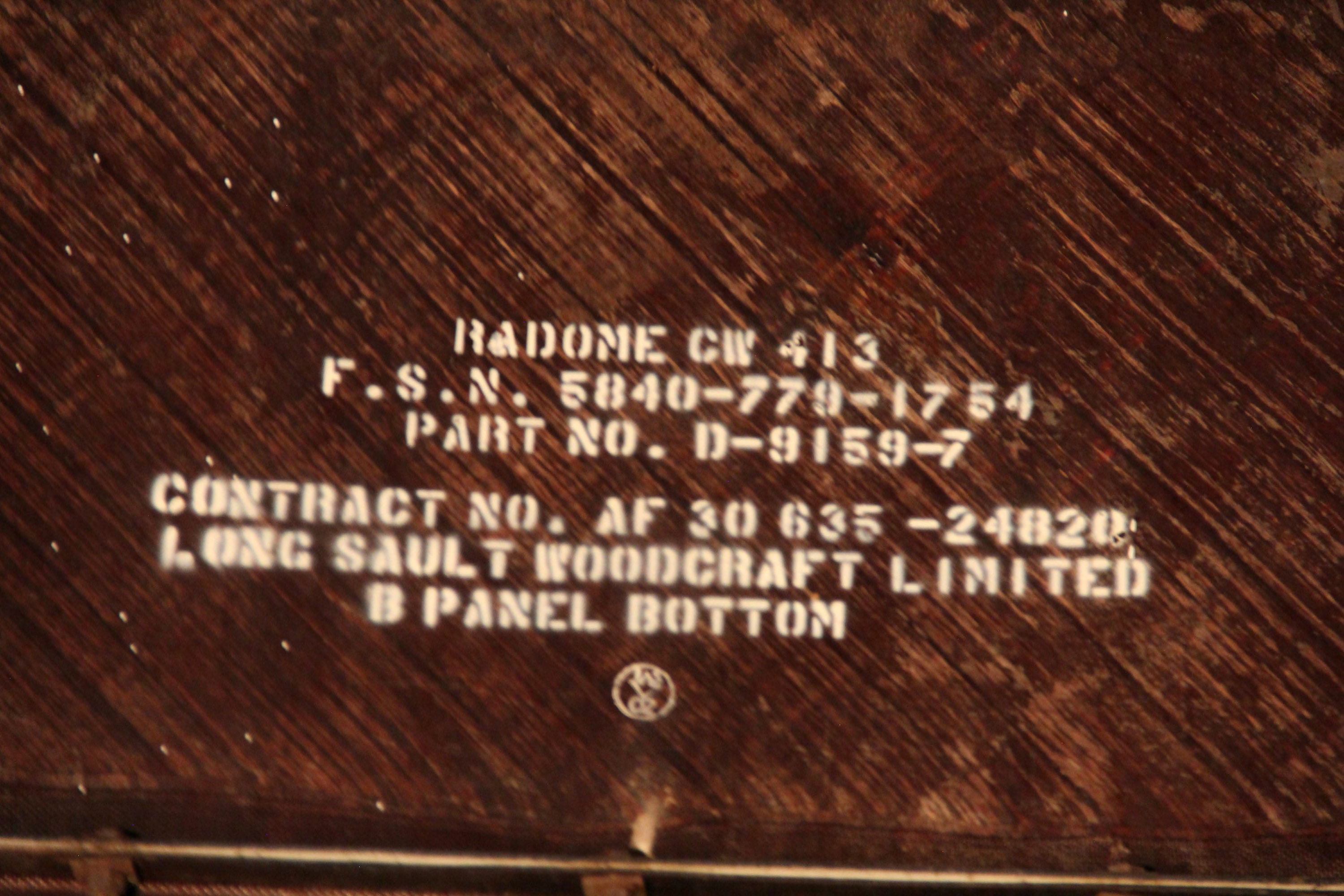
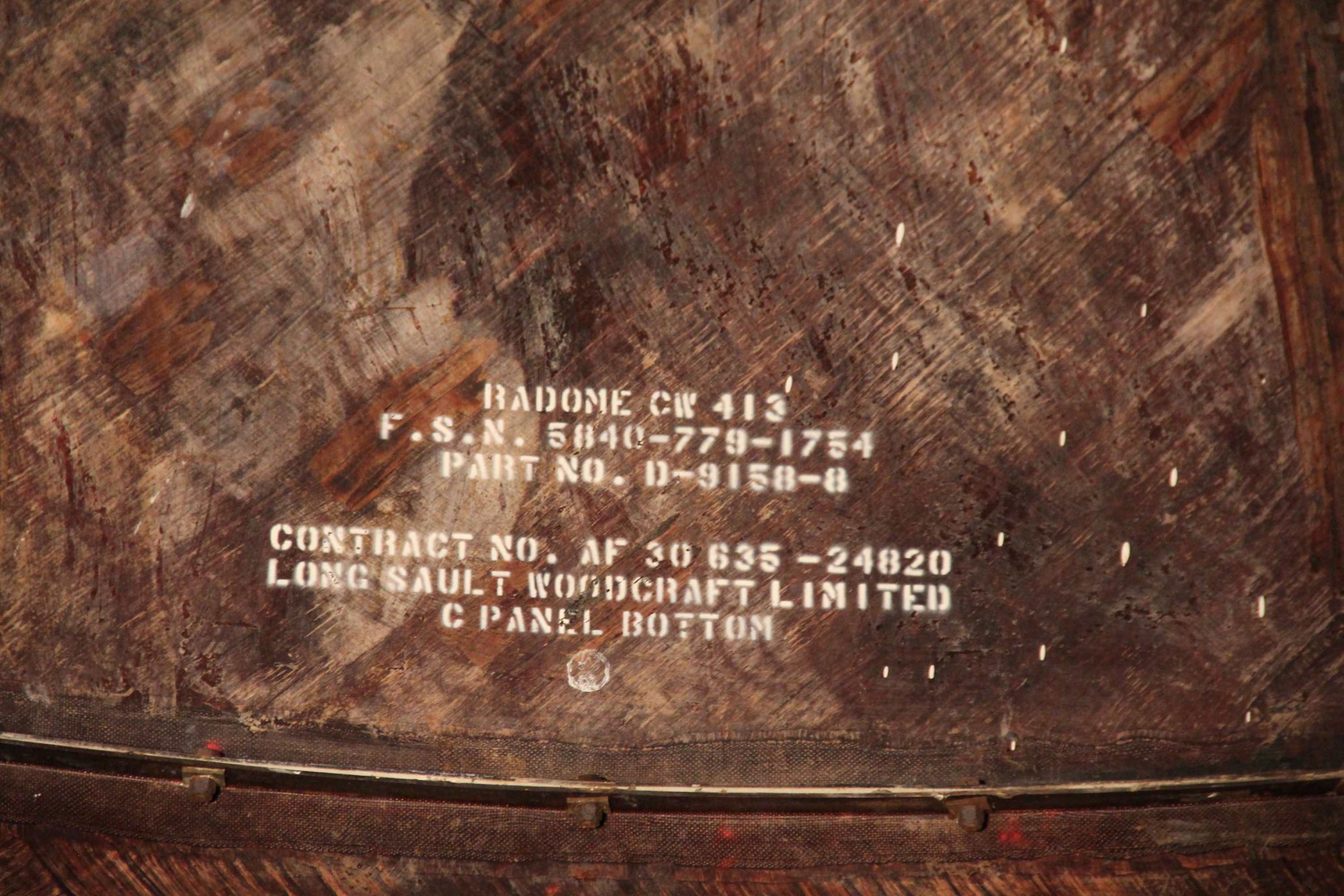
The most important surviving FPS-18 site is the former Saugatuck Gap Filler Annex on Mount Baldhead, Michigan. The site retains its equipment building, steel radar tower, spherical fiberglass radome, and an unusually complete collection of internal radar and support equipment. Its FPS-18 entered operation in December 1963 and remained until the Air Force ended the gap-filler mission in 1968. The property survived because it passed to local ownership and was used for other purposes rather than being completely stripped or demolished. It was listed in the National Register of Historic Places in 2022.The Saugatuck nomination is valuable not just because a tower survives. It documents the relationship between the building, generator room, equipment cabinets, tower, antenna deck, radome, and surrounding site. That physical completeness makes it possible to understand how the supposedly "unattended" radar actually worked as an installation. Other FPS-18 structures, towers, cabinets, and components survive at former gap-filler locations or in collections, but many sites lost their antennas and equipment soon after closure. Specialist radar-history sites and museum archives preserve additional photographs of Jeffersonville, Alma, Shafter, Engelhard, and other installations.
(Click the row for the site specific page and history)
| Site Name | State | Nearest Town |
|---|---|---|
| Shafter Gap Filler Annex | California | Shafter |
Chronology
- 1955 Air-defense planners and contractors were developing and implementing the unattended gap-filler concept that produced the AN/FPS-14 and AN/FPS-18 families.
- 1956 Bendix gap-filler production was underway, with AN/FPS-14 and AN/FPS-18 equipment coming off production lines during the expanding continental radar program.
- 1957 Air Defense Command accelerated operational deployment of its gap-filler network; NORAD/CONAD reporting counted 41 operational gap-filler sites by the end of the year across the mixed FPS-14/FPS-18 program.
- 1957-05 Contemporary electronics-industry reporting described Varian production of more than 1,000 VA-87 klystron amplifiers for Bendix-built AN/FPS-18 gap-filler radars.
- 1958 FPS-18 installations were entering operation at multiple ADC gap-filler sites, including Barnesville, Georgia; Burns Junction, Oregon; Thompson, Ohio; and Topsfield, Maine.
- 1960-06-30 ADC recorded 131 operational CONUS gap-filler sites, including 70 AN/FPS-18 sites and 61 AN/FPS-14 sites.
- 1960-10 The Air Force established a modernization program for SAGE gap fillers, later associated with the AN/FPS-74 concept and continued use of FPS-18 at selected non-SAGE locations.
- 1963-12-14 The replacement AN/FPS-18 at Saugatuck, Michigan became operational, replacing the site's earlier FPS-14.
- 1965 MIL-HDBK-162A / TM 11-487C-1 documented the AN/FPS-18 and AN/FPS-18A as fixed USAF search radars with dual channels, 2700-2900 MHz operation, approximately one-megawatt peak power, and remote gap-filler support equipment.
- 1965-11 Period photographs documented AN/FPS-18 gap-filler equipment and site infrastructure at Jeffersonville, Georgia.
- 1967-11-30 ADC operational statistics listed 45 AN/FPS-18 and 23 AN/FPS-14 gap-filler sites, 68 operational sites total.
- 1968-03-31 Air Defense Command issued termination direction for the broad gap-filler mission at surviving sites including Saugatuck.
- 1968-04-01 Many remaining ADC gap-filler annexes were deactivated as the continental low-altitude network was sharply reduced.
- 1970 ADC's historical accounting closes the formal Gap Filler Program period as 1957-1970, although the principal USAF FPS-18 operational phase had largely ended earlier.
- 1975-04-23 Jet Propulsion Laboratory awarded Bendix Field Engineering a contract to remove an AN/FPS-18 from Engelhard, North Carolina, refurbish it, and install it at Goldstone, California.
- 1976-01-10 The refurbished Goldstone AN/FPS-18 detected its first aircraft in the NASA range-safety role.
- 1976-01-17 Both transmitter-receiver channels of the Goldstone radar were operational.
- 1976-03 to 1976-04 NASA and Bendix completed acceptance and operational testing of the Goldstone FPS-18 installation.
- 2022 The former Saugatuck Gap Filler Annex, including its surviving FPS-18 equipment, tower, radome, and operations building, was listed in the National Register of Historic Places.
- Present The AN/FPS-18 survives principally through preserved equipment, former gap-filler structures, technical manuals, ADC records, and the unusually complete Saugatuck site.
Sources & References
- PDF Historical Data of the Aerospace Defense Command, 1946-1973 Primary ADC statistical source for radar descriptions, gap-filler inventories, operational dates, site designations, and the Shafter AN/FPS-18 photograph.
- PDF MIL-HDBK-162A / TM 11-487C-1, Electronic Communication Equipment Handbook, Radar Equipment, 15 December 1965 Primary military technical handbook for AN/FPS-18 and AN/FPS-18A specifications, functional description, components, siting, power, ranges, and related AN/FST-1 equipment.
- PDF Final Engineering Report for Goldstone Operations Support Radar, JPL Technical Memorandum 33-800 NASA engineering report documenting FPS-18 system operation, radar theory, specifications, refurbishment of the Engelhard set, Goldstone installation, and 1976 acceptance testing.
- PDF 1957 NORAD/CONAD Historical Summary, July-December 1957 Official command history documenting the planned unattended gap-filler network and the growth of operational sites during 1957.
- PDF 1962 NORAD/CONAD Historical Summary, January-June 1962 Official command history documenting planned gap-filler modernization, FPS-74 proposals, and continued FPS-18 use at selected sites.
- PDF MIT Lincoln Laboratory Biweekly Report, 20 May 1955 Contemporary technical report describing AN/FSW-1 remote supervisory control of unattended gap-filler radars over telephone lines.
- PDF Historical Data of the Aerospace Defense Command, 1946-1973 Source for ADC equipment classification, gap-filler program statistics, site rosters, operational dates, later Z-site inventories, and the historical AN/FPS-18 image at Shafter, California.
- PDF MIL-HDBK-162A / TM 11-487C-1, Electronic Communication Equipment Handbook, Radar Equipment Source for official AN/FPS-18 and AN/FPS-18A technical specifications, functional description, component weights, siting requirements, ranges, power, antenna characteristics, and AN/FST-1 relationship.
- PDF NASA Jet Propulsion Laboratory, Final Engineering Report for Goldstone Operations Support Radar, Technical Memorandum 33-800 Source for detailed AN/FPS-18 operating theory, redundancy, MTI and polarization, Goldstone specifications, and the Engelhard-to-Goldstone refurbishment and installation history.
- WEB NASA Technical Reports Server, Final Engineering Report for Goldstone Operations Support Radar Landing page and bibliographic source for the 1976 JPL technical memorandum.
- WEB Air Combat Command, Searching the Skies: The Legacy of the United States Cold War Defense Radar Program Source for national radar-network context, Bendix attribution, SAGE gap-filler mission, and FPS-18 place in the Cold War radar system.
- PDF North American Aerospace Defense Command / Continental Air Defense Command, 1957 Historical Summary Source for the early gap-filler construction program, planned network scale, funding delays, and 1957 operational growth.
- PDF North American Aerospace Defense Command / Continental Air Defense Command, 1962 Historical Summary Source for gap-filler modernization planning and the relationship among SAGE gap fillers, FPS-18 retention, and the proposed FPS-74 modernization.
- PDF National Register of Historic Places Registration Form, Saugatuck Gap Filler Annex / Mount Baldhead Radar Station Source for Saugatuck's 1963 FPS-18 installation, 1968 deactivation, preserved equipment, tower and radome dimensions, physical layout, and historic significance.
- WEB Michigan Economic Development Corporation / State Historic Preservation Office, Mount Baldhead Radar Listed in National Register of Historic Places Source for the 2022 National Register listing and current preservation status of the Saugatuck gap-filler site.
- WEB Saugatuck-Douglas History Center, Radar Tower Recognition Project Source for historical and current photographs of the preserved Mount Baldhead gap-filler site and local preservation history.
- WEB Canadian Military Communications and Electronics Museum, AN/FPS-18 Source for period photographs of Jeffersonville and Alma FPS-18 equipment and site components, and specialist technical/deployment context.
- WEB Radomes.org, AN/FPS-18 Equipment Specialist source for equipment photographs, radar-history notes, and surviving/reused FPS-18 components.
- WEB Radomes.org, Air Defense Command Gap Filler Sites Specialist source for gap-filler site listings, photographs, and representative site-layout material.
- WEB Radomes.org, Engelhard NC to Goldstone Operations Support Radar Specialist source for photographs and additional history of the FPS-18 removed from Engelhard and reused at NASA Goldstone.
- WEB Cape Blanco Heritage Society, Port Orford Air Force Station Gap Filler Annexes Local historical source for imagery and physical remains associated with Oregon gap-filler sites, including FPS-18 locations.
- WEB Bendix Field Engineering Corporation History Contractor-history source for Bendix involvement in the USAF gap-filler program and mid-1950s FPS-14/FPS-18 implementation.
- PDF Electronic Design, 15 May 1957 Contemporary industry source reporting Varian production of VA-87 klystron amplifiers for Bendix-built AN/FPS-18 radars.
- WEB Engineering and Technology History Wiki, Oral History of Guilfred "Guil" Vogt Engineering oral-history source distinguishing the magnetron FPS-14 from the klystron FPS-18 and discussing built-in test design for gap-filler radars.