Hessisch-Oldendorf Air Station, Germany
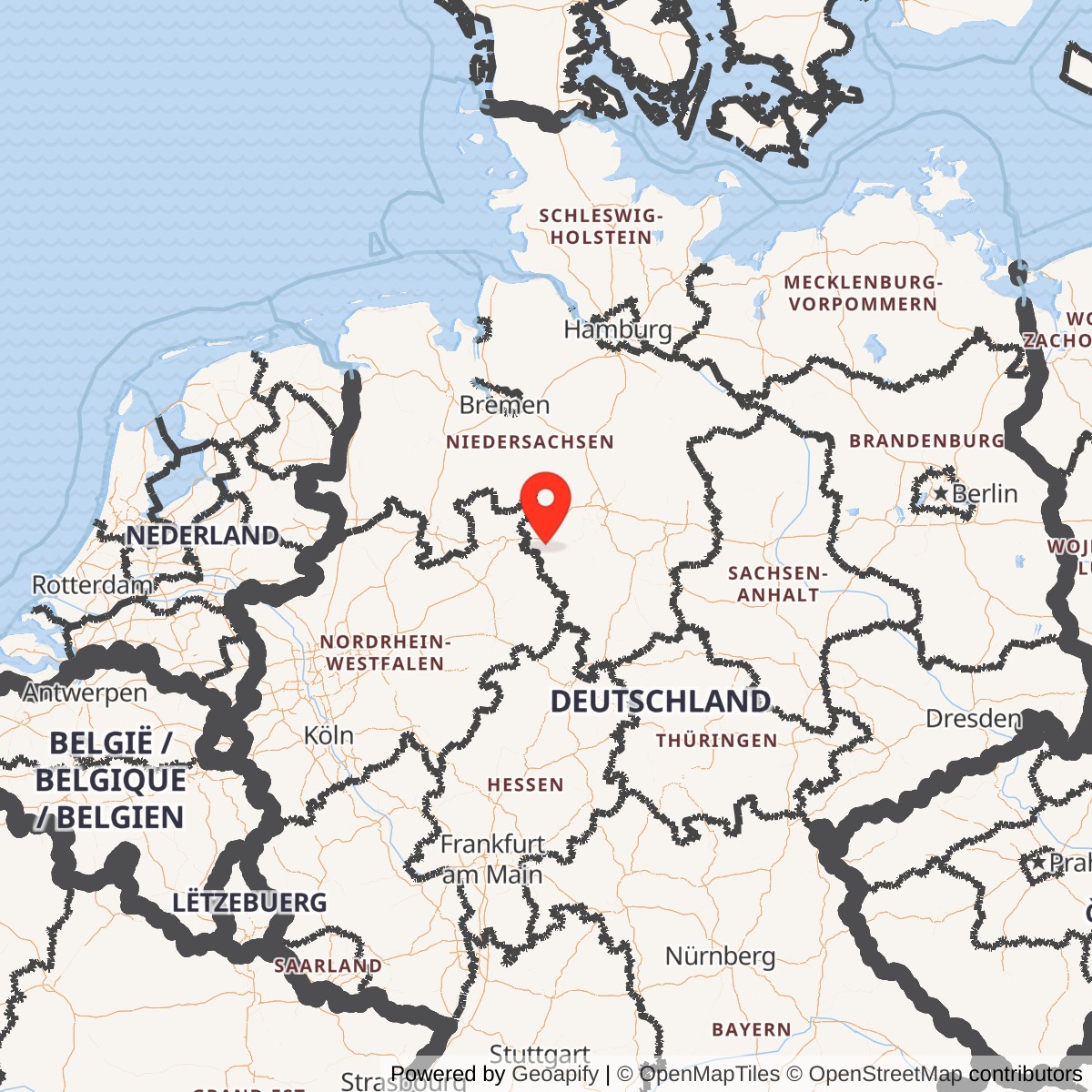
Longitude: 9.2469
Origin of current name: Named after the town of Hessisch-Oldendorf in the Federal Republic of Germany.
Date current name was assigned to base: May 21, 1976
Previous Names: Royal Netherlands AF Caserne, Hessisch-Oldendorf.
Date Established: May 21, 1976
Date Occupied: June 15, 1976
Base Units: 609th Tac Con Sq, 15 Jun 1976; 600th Cmbt Spt Sq, 20 Sep 1976.
Changes in Capability: An installation with no flying units. Under the 609th Tac Con Sq, station operated a Control and Reporting Post (CRP), and a computerized mobile radar that tied into the NATO Air Defense Ground Environment (NADGE) system for command and control of NATO aircraft on combat and training missions; as a northern extension of the 601st Tac Con Wg, the 609th Sq controlled installations of the 619th and 609th Tac Con Fits; the 600th Cmbt Spt Sq assumed responsibility for the base on 20 Sep 1976; it hosted the 600th Tac Con Gp and all tenant organizations, and provided base support for off-base installations of the 600th Tac Con Gp in the North German area. Major Commands to Which Assigned: USAFE, 21 May 1976.
Changes in Status: Closed 1991?
History:
Hessisch-Oldendorf Air Station was a former military airfield located near Hessisch Oldendorf in Lower Saxony, Germany. Established during the Cold War, it served primarily as a NATO facility used by U.S. and allied forces for radar and communication purposes until its deactivation.Built in the early 1950s amid expanding NATO defense infrastructure, Hessisch-Oldendorf Air Station was part of a network of radar and signal installations across West Germany. It supported Western Allied air defense monitoring and regional communication links during heightened East-West tensions.
The station functioned as a radar and relay site for U.S. Air Force and Bundeswehr operations, contributing to early-warning and airspace control systems. Personnel stationed there maintained radar arrays, communications equipment, and logistic facilities essential for NATO coordination across northern Germany.
Following the end of the Cold War and restructuring of NATO assets in the 1990s, the air station was deactivated. Some infrastructure was dismantled or converted to civilian use.