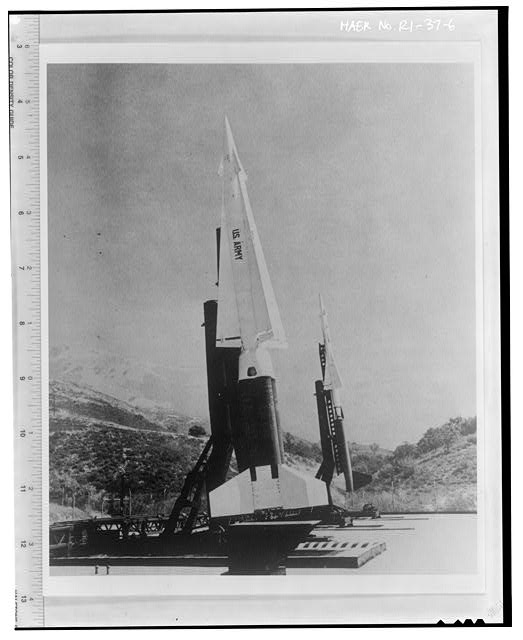
United States Army | Cold War air defense
Nike Missile System
Nike batteries formed the last line of missile defense around American cities, military bases, and other strategic areas. Explore the Ajax and Hercules missiles, the radar-guided system that controlled them, and the places where crews stood watch.
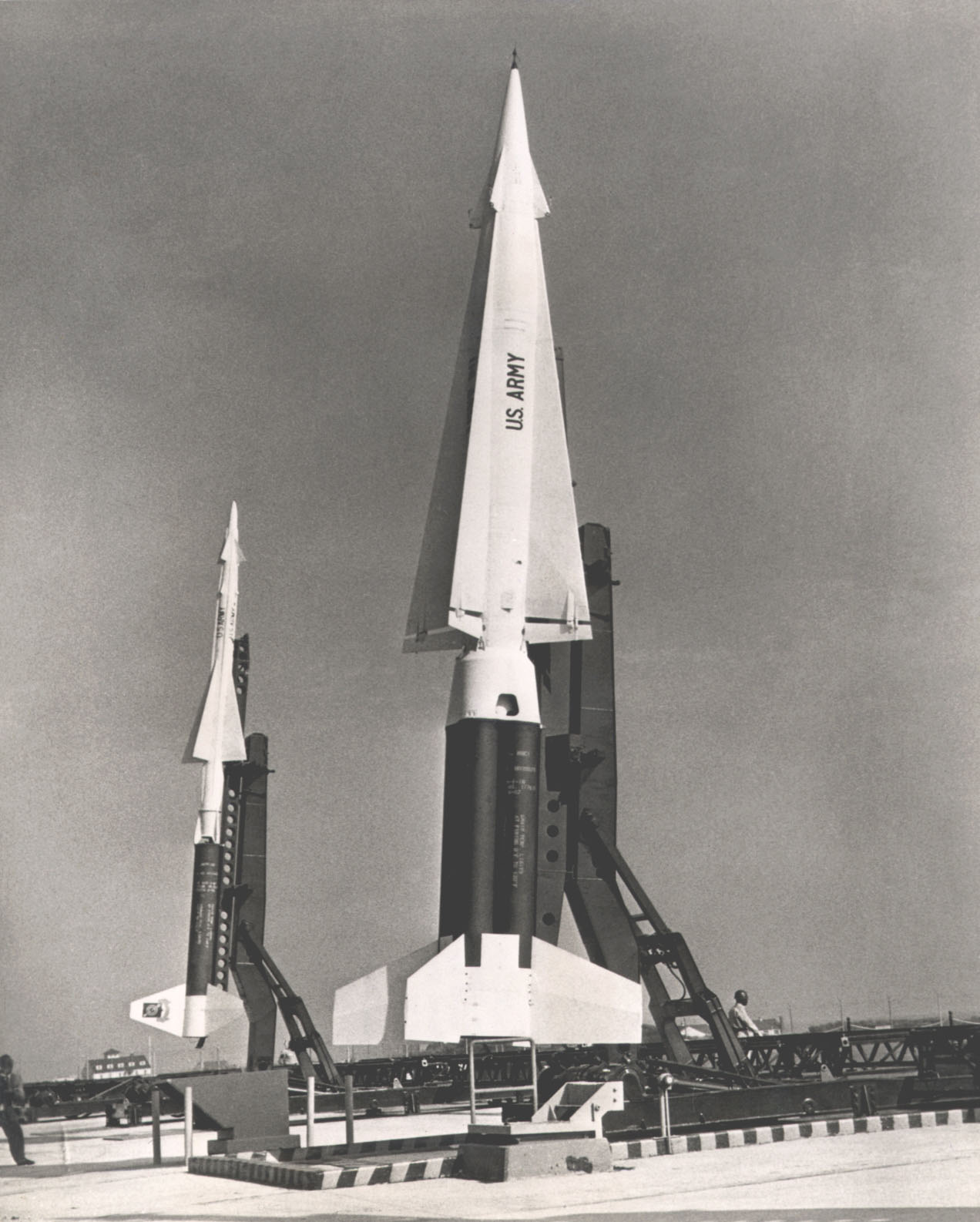
Nike Ajax and Nike Hercules. This comparative image appears on the existing Nike landing page.
Explore Nike Sites
Start with the national index, look up coordinates, or choose your state below.
Northeast
Defense sites from New England through New York, New Jersey, and Pennsylvania.
Mid-Atlantic and South
Sites protecting national, coastal, and military targets.
Midwest and Great Lakes
Urban and industrial defense areas across the central United States.
West and Pacific
Sites in Alaska, Hawaii, the Pacific Coast, and the Southwest.
Explore the Nike System
Learn about the missiles, how a battery worked, and the people who operated it.
The Missiles and the Network
Ajax and Hercules were fielded air-defense systems. Zeus belonged to a separate antimissile development effort.
Nike Ajax
Begin with the first deployed Nike missile, then examine its specifications and development history.
Explore Nike AjaxNike Hercules
Follow the improved missile through its development, technical characteristics, and service at former Ajax sites.
Explore Nike HerculesNike Zeus
Understand the related antimissile research program without confusing it with the fielded Ajax and Hercules site network.
Explore Nike ZeusHow a Nike Battery Worked
Follow a target from detection and tracking to the launcher area and missile flight.
History and Firsthand Record
Go deeper into development, daily work, period photographs, and related programs.
Images and Sources
Period photographs and additional reading on missiles, radar, launch sites, and crews.
Related Programs
Follow Nike's connection to other air-defense and antimissile work.
Early Nike Development Archive
Follow the original project studies, design decisions, and test sequence in greater detail.
Origins and Program Direction
The Army's first studies and the organization of the research program.
Design and Flight Tests
Component development and successive field-test programs through 1948.
The Defense Network Behind the Missiles
Nike was more than a missile. Each battery joined an Integrated Fire Control area, where radars and computers tracked aircraft and guided the weapon, to a separate launcher area where crews stored, raised, and prepared missiles. The distance between the two parcels helped the radar and launch equipment do their jobs and shaped the footprint of each installation.
Nike Ajax entered service first. Nike Hercules extended the system's reach and kept many defense areas active after Ajax retired. Both belonged to a layered national defense that also used early-warning radar, command centers, and fighter interceptors. The site histories show how that national system occupied very local landscapes, often near the cities it was built to defend.
The former locations now have different owners and uses. A site name may cover a launcher parcel, a control parcel, and sometimes separate support property. Use each location page as a historical guide, not as evidence of present access or a surveyed boundary.
Read the complete Nike system overview