
Royal Air Force Station Greenham Common, England
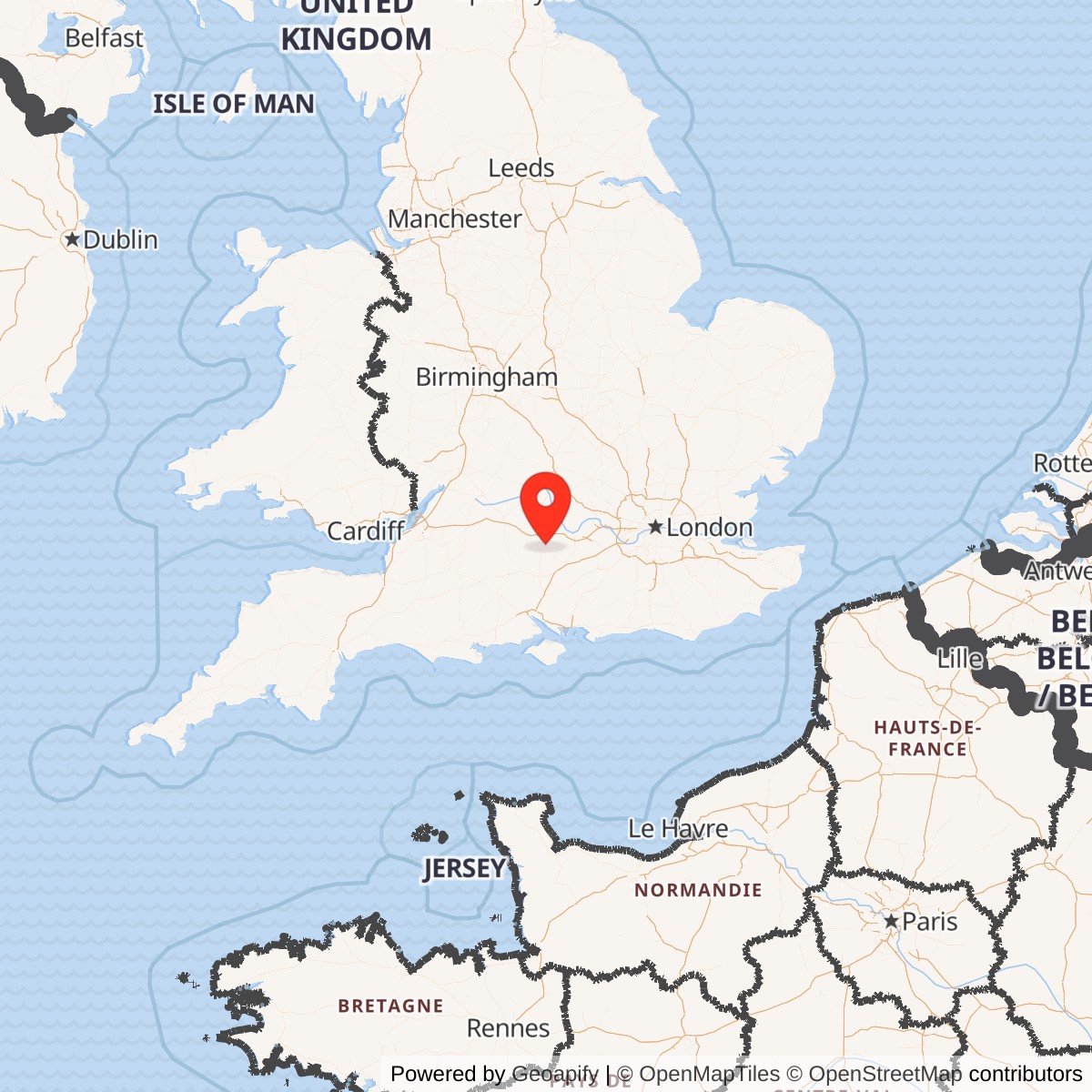
Longitude: -1.281
Origin of current name: Named after a thousand-acre tract of land of the same name situated south of Newbury, Berkshire, England.
Date current name was assigned to base: October 20, 1969
Previous Names: Greenham Common, unk; RAF Stn Greenham Common, AAF Stn 486, May 1941; Greenham Common. RAF, 16 Dec 1955; RAF Greenham Common Stor Anx, 1 Nov 1968.
Base Units: 81st Adrm Sq, 4 Nov 1943; 96th Stn Compl Sq, 8 Dec 1943; 306th Stn Compl Sq, 21 Feb 1944-16 Apr 1945. 7501st AB Sq, 21 May 1951; 3909th AB Gp (rdsgd 3909th Cmbt Spt Gp), 15 Sep 1953-30 Jun 1964. 7551st Cmbt Spt Sq (rdsgd 7551st Cmbt Spt Gp), 1 Nov 1968; OL A, 20th Tac Ftr Wg, 1 Jun 1976; Det 3, 20th Tac Ftr Wg, 25 Jun 1976; 7273d AB Gp, 1 Jan 1979; 501st Cmbt Spt Gp, 1 Oct 1982.
Changes in Capability: Tract known as Greenham Common acquired by British Air Ministry May 1941 and opened as satellite of Aldermaston RAF Station; operational control of base transferred to Andover RAF Station Dec 1942; USAAF assumed control 4 Nov 1943, hosting fighter and troop carrier aircraft, 1944-1945; served as glider staging area for Normandy invasion, 6 Jun 1944; most Greenham Common units transferred to France by Feb 1945, leaving only USAAF detachment; base reverted to RAF control Jun 1945, and served as RAF basic training center until closed in Jun 1946; as tensions of Cold War increased, RAF Greenham Common named a Reflex Action deployment base for SAC bombers and tankers; USAF occupied base 23 Apr 1951 and began major construction work on runways and taxiways, 21 May 1951; most of base facilities constructed 1951-1953; RAF assigned complete control of base to USAF Jun 1953; first SAC B-47 unit deployed from Davis-Monthan AFB to Greenham Common early 1954, but soon transferred to RAF Fairford because Greenham Common's runways could not support the weight of B-47s; runways reinforced 1954-1956, and base selected as deployment base for KC-97G tankers, Apr 1956; SAC bombers deployed to RAF Greenham Common 1956-1964; base inactivated and transferred to RAF control on 30 Jun 1964; activated as off-base U.S. installation of South Ruislip AS on 1 Jun 1968; established as NATO standby base and reopened to support relocation of USAF units transferring from French airfields, 1 Nov 1968; base responsible for RAF Welford area 20 Oct 1969-Jan 1977; RAF Upper Heyford assumed control over RAF Green-ham Common, 1 Jun 1976; 7273d AB Gp assumed control of Greenham Common on 1 Jan 1979, reinforcing runways, aprons and hardstands, renovating existing buildings and equipment required for the 501st Tac Msl Wg, which arrived in Jul 1982.
Changes in Status: RAF detached installation of Aldermaston RAF Stn, May 1941; USAAF primary installation (AAF Stn #486), 4 Nov 1943-25 Apr 1945. Activated as off-base installation of South Ruislip AS, 1 Jun 1968; primary installation and standby deployment base, 20 Oct 1969.
Base was Decommissioned on January 1, 1993
Current Role: Closed (redeveloped as public common/parkland)
History:
RAF Greenham Common was built in 1942 and quickly became a U.S. Army Air Forces base during World War II. It served as a troop carrier and transport airfield, supporting airborne operations and logistics missions across Europe. The base played a role in preparations for major operations such as D-Day, with aircraft launching from Greenham Common to deliver troops and equipment.After the war, the base returned to Royal Air Force control and was eventually placed in a standby or reserve status. However, with rising Cold War tensions in the late 1970s, Greenham Common was reactivated for use by the United States Air Force. In 1979, it was selected as a deployment site for NATO's ground-launched cruise missiles (GLCMs), part of a broader strategy to counter Soviet intermediate-range nuclear forces.
During the 1980s, Greenham Common became one of the most significant, and controversial, U.S. military sites in Europe. It hosted nuclear-capable cruise missiles operated by units such as the 501st Tactical Missile Wing. The base featured secure missile shelters and rapid deployment capabilities, allowing missiles to be dispersed quickly in the event of conflict.
The presence of nuclear weapons led to widespread public opposition, most notably the Greenham Common Women's Peace Camp, which became a symbol of anti-nuclear protest in the United Kingdom. Demonstrations and protests continued throughout the 1980s, drawing international attention and highlighting tensions surrounding nuclear deterrence policies during the Cold War.
Following the signing of the Intermediate-Range Nuclear Forces (INF) Treaty in 1987, cruise missiles were removed from Greenham Common. With the easing of Cold War tensions, the base was no longer needed for its nuclear role. The United States Air Force withdrew in 1992, and the airfield was subsequently closed.
Today, RAF Greenham Common has been returned largely to open land and public use, with much of the former airfield restored as common land and parkland. Some remnants of its military infrastructure remain, serving as a reminder of its role in both World War II and the Cold War nuclear standoff.
You can see many photos of this former base at Bunker Tours.