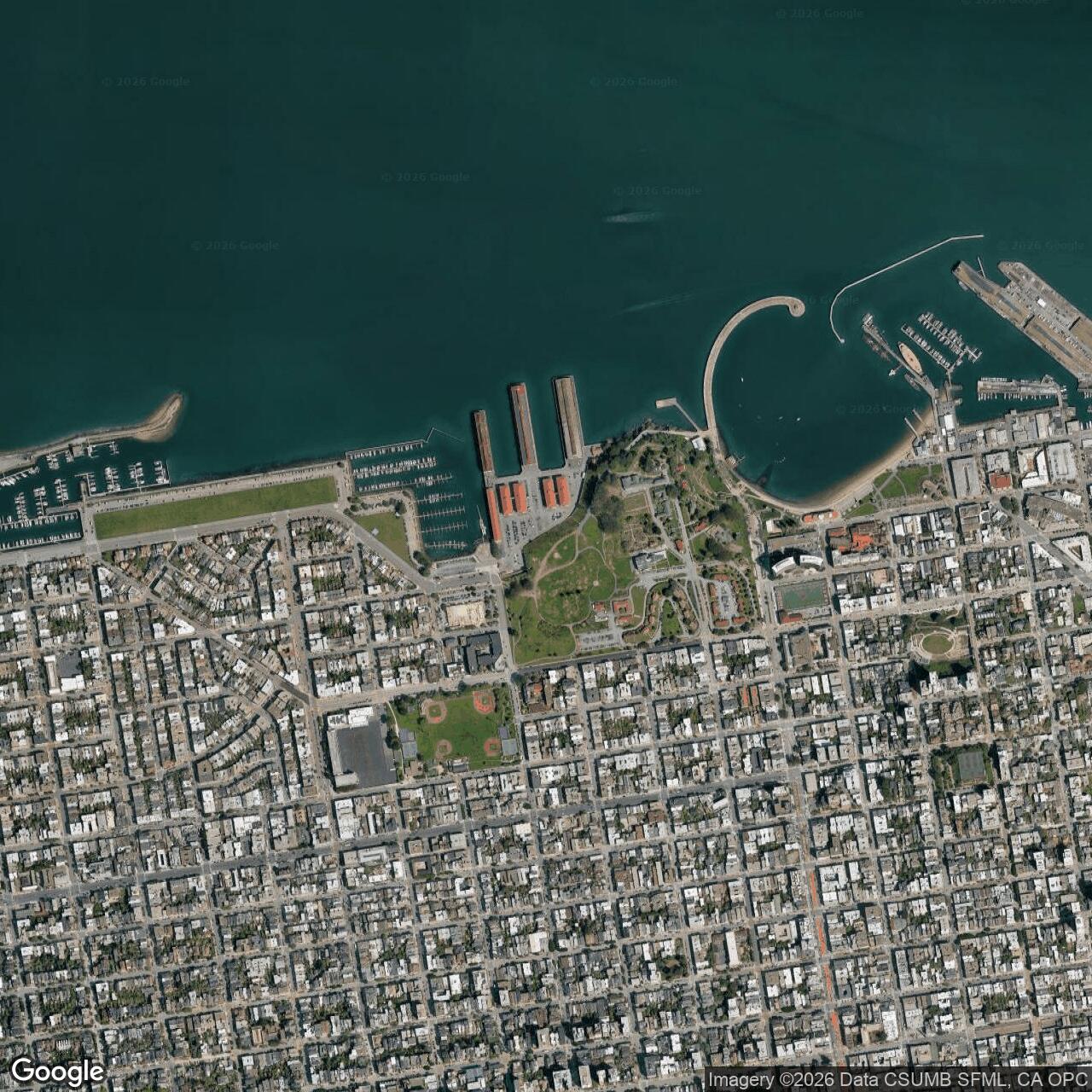
San Francisco Port of Embarkation Army Port, San Francisco California
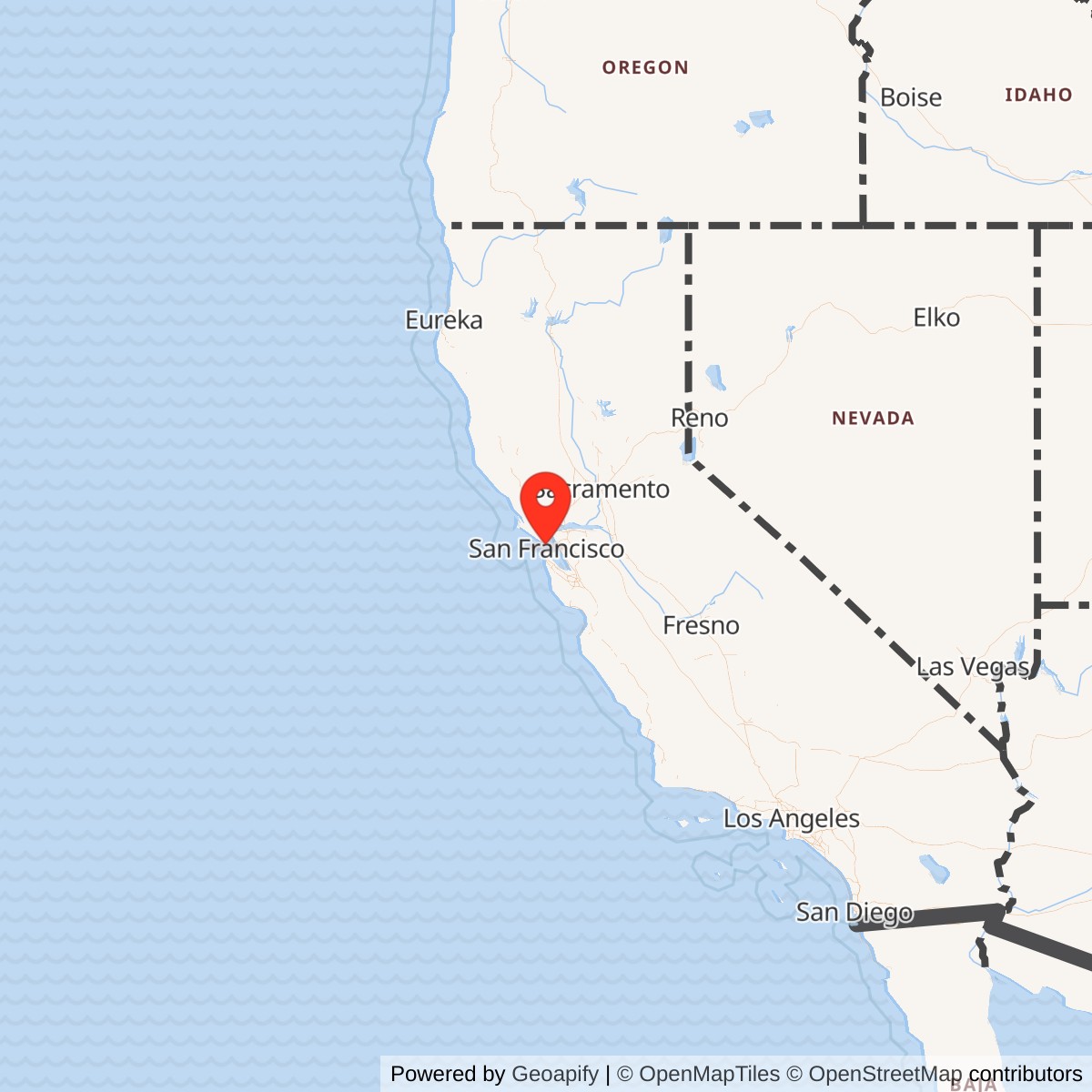
Longitude: -122.430815
Official Base Website: National Park Service Port of Embarkation
Current Role: Lower Fort Mason within Golden Gate National Recreation Area and Fort Mason Center for Arts & Culture; subordinate SFPE nodes have separate reuse histories including Oakland port redevelopment, Camp Stoneman redevelopment, and Angel Island State Park.
The San Francisco Port of Embarkation was the Army port command and Bay Area terminal system headquartered at Lower Fort Mason, formalized in 1932 after earlier Fort Mason depot/Army Transport Service operations. It coordinated Pacific troop and cargo movement through Fort Mason, Oakland Army Base/Oakland Army Terminal, Camp Stoneman, Fort McDowell, leased San Francisco waterfront piers, Alameda, Benicia, and related rail, ferry, warehouse, and shipping nodes. During World War II the port moved about 1,647,174 passengers and 23,589,472 measured tons of cargo into the Pacific; the named SFPE command was disestablished on 1955-10-01, while Fort Mason's remaining Army transportation role continued into the early 1960s.
The San Francisco Port of Embarkation was not a "base" in the narrow sense of a single fenced cantonment with one post boundary. It was a U.S. Army port command and transportation system anchored at Lower Fort Mason.
The Fort Mason waterfront became the core of the system because San Francisco was the Army's natural Pacific gateway. The Army first shipped men and supplies through San Francisco during the Spanish-American War in 1898, when the United States suddenly needed to support operations and garrisons in Hawaii, Guam, the Philippines, and other Pacific locations. After the 1906 San Francisco earthquake damaged private waterfront facilities, the War Department moved toward a permanent Army-controlled depot. Construction of piers, storehouses, seawalls, and rail connections at Lower Fort Mason began in 1910. By 1915, the depot included three long wharves, adjacent warehouses and sheds, a railroad tunnel under Fort Mason, and tracks running directly into the port area.
The named San Francisco Port of Embarkation emerged in 1932, when the Fort Mason transport operation and associated Bay Area facilities were designated as a port of embarkation. Its purpose was to coordinate Army ocean transportation to the Pacific, not merely to operate a pier. From Fort Mason, port staff supervised the movement of passengers, cargo, ships, freight cars, staging camps, replacement flows, and transport schedules. During World War II, the command became the nerve center of a much larger Bay Area logistics network. Its principal nodes included Fort Mason, the Oakland Army Base/Oakland Army Terminal, Camp Stoneman, Fort McDowell on Angel Island, and leased or supporting facilities along the San Francisco, Alameda, and Benicia waterfronts.
Mission Evolution
The mission began before the formal port-of-embarkation title. In the early twentieth century, Fort Mason shifted from harbor defense and Army administration toward Pacific transportation. The Army needed a controlled shipping point for Alaska, Hawaii, the Philippines, China, and Pacific island posts. The Fort Mason depot was designed so ships, warehouses, railroad cars, trucks, and passengers could work as one system. Cargo moved into warehouses and pier sheds; troop and supply ships tied up along the three wharves; trains reached the waterfront through the Fort Mason tunnel; and port staff coordinated loading so that delays at one pier did not paralyze the whole operation.
The 1932 designation formalized a system that had already become essential. The San Francisco Port of Embarkation gave the Army a named command responsible for Pacific troop and supply movement. Before World War II, that mission remained important but comparatively small. The port supported overseas Army posts, transported personnel and dependents, and moved supplies to far Pacific garrisons. By the late 1930s, however, Japanese expansion, the growth of American outposts in the Pacific, and U.S. mobilization rapidly increased the demand placed on the port.
Pearl Harbor transformed the port from an important regional terminal into a strategic lifeline. After 7 December 1941, ships and supplies intended for Hawaii and other Pacific destinations were suddenly recalled, redirected, reloaded, or rushed westward. Troops bound for one destination were temporarily stranded or reassigned. Freight arrived faster than the port could identify, store, prioritize, or load it. The crisis exposed Fort Mason's physical limits: the waterfront was confined, rail access was restricted, warehouses were insufficient, and the flood of railcars threatened to choke the Bay Area transportation system.
The solution was expansion and command control. The port extended across the Bay to Oakland, where there was room for rail yards, warehouses, piers, vehicle shops, and later a full Army base. Camp Stoneman was created inland at Pittsburg as the major troop-staging camp for Pacific embarkation. Fort McDowell retained important replacement, discharge, and debarkation functions. Additional piers, warehouses, and offices were leased or built. The port also developed stricter traffic-control systems so freight moved only under release and scheduling authority rather than simply being dumped at the waterfront.
After World War II, the port did not immediately disappear. It supported occupation forces and Pacific garrisons, then again became important during the Korean War. Troops and cargo still moved through the Bay Area, and Fort Mason retained an Army transportation role even as Oakland's larger facilities became increasingly important. The named San Francisco Port of Embarkation command was disestablished in 1955 and replaced by successor Army transportation-terminal command structures. The Fort Mason waterfront continued in military transportation use into the early 1960s before the Army left and the site eventually entered the Golden Gate National Recreation Area.
Operational Role
The San Francisco Port of Embarkation's operational role was to turn the Bay Area into a controlled military gateway. A port of embarkation did more than load ships. It coordinated the movement of troops and cargo from inland origins to staging areas, warehouses, piers, ships, overseas destinations, and return channels. It determined when freight could enter the port. It inspected and prepared equipment. It assigned cargo to ships. It coordinated rail, truck, ferry, and waterfront labor. It managed troop processing and final embarkation through subordinate camps and piers. It represented the Army aboard transports through transport commanders and shipboard administrative procedures.
At Fort Mason itself, operations centered on the piers, warehouses, rail tunnel, headquarters functions, and ship berths. The three long wharves allowed Army transport ships to lie alongside pier sheds while cargo moved from railcars and warehouses into ship holds. The system was built for speed. A loaded vessel needed to clear the pier so another ship could take its place. Perishable food, ammunition, vehicles, engineer equipment, medical supplies, office materials, clothing, and replacement parts all had to be identified, sorted, prioritized, and loaded in ways that would make sense when unloaded at distant and often primitive Pacific ports.
World War II pushed this system far beyond its peacetime scale. During the war, more than 4,000 freighter voyages and more than 800 troopship voyages left the San Francisco Port of Embarkation. NPS figures credit the port with moving about 1,647,174 passengers and 23,589,472 measured tons of cargo into the Pacific during the 45 months of war. That represented about two-thirds of all troops sent to the Pacific and more than half of all Army cargo moved through West Coast ports. The August 1945 outbound passenger count alone reached 93,986. Those numbers make the port one of the most consequential logistics installations in the Pacific war.
The port's early 1942 surge response is one of its most important operational episodes. The Bay Area was jammed with railcars, poorly marked cargo, shifting priorities, and urgent demands to reinforce Hawaii and Australia. Brigadier General Frederick Gilbreath, who had taken command shortly before Pearl Harbor, coordinated with civilian railroad and shipping leaders and pushed for strict control over rail inflow. In January 1942 the Army imposed an embargo on uncontrolled shipments into San Francisco. This did not mean the port stopped the war effort; it meant the port halted the flood long enough to clear cars, sort cargo, establish release procedures, and regain control. Within days the backlog eased, and the port could resume controlled inflow.
Expansion to Oakland was equally decisive. Fort Mason was too constricted to absorb the Pacific war by itself. Oakland offered land, rail access, warehouse capacity, and room for piers and shops. By late 1941 the Army already held hundreds of acres and extensive warehouse space in Oakland; during 1942, the Oakland branch added headquarters functions, warehouses, piers, repair facilities, and traffic-control capacity. The Oakland Army Base/Oakland Army Terminal eventually became larger than the Fort Mason headquarters. The existence of Oakland did not make SFPE less important. It shows that SFPE was a command network whose headquarters remained at Fort Mason while the heavy industrial logistics footprint grew elsewhere.
The port also depended on Camp Stoneman. Troops did not simply arrive at a pier and board ship. They required medical screening, records checks, equipment inspections, inoculations, final instructions, staging, short-term housing, and movement schedules. Camp Stoneman at Pittsburg became the great troop-processing installation for the SFPE system. Soldiers moved by rail to the camp, passed through final preparation, then moved by ferry and rail-water connections toward the embarkation piers. Fort McDowell on Angel Island also served replacement, discharge, and debarkation functions. Together, these posts made the port system work at human scale.
The port's work continued in reverse. Returning soldiers entered San Francisco Bay, passed under the Golden Gate Bridge, and moved through debarkation channels back into Army processing systems. The emotional memory of returning through fog, band music, and the San Francisco skyline became part of the port's postwar identity. Logistically, however, return movement was also a complex process: personnel had to be counted, sorted, medically screened, transported onward, discharged, reassigned, or staged for continued service.
Facilities and Physical Layout
The headquarters and most visible physical remnant of the San Francisco Port of Embarkation is Lower Fort Mason. Its essential elements were the three long wharves, pier sheds, large Army warehouses, railroad tunnel, rail spurs, seawalls, and headquarters/support buildings. The depot was designed as a port machine. Railroad cars could reach the waterfront; cargo could move into adjacent warehouses; ships could tie up at the wharves; and offices above the waterfront could supervise the entire process. The Mission Revival architectural style gave the complex a consistent appearance, but its function was industrial and military.
Fort Mason's geography was both an advantage and a limitation. The site sat on San Francisco Bay with direct access to the Golden Gate and Pacific routes. It was close to the city's rail and waterfront systems. But Lower Fort Mason was small and hemmed in by water, hills, the city, and existing structures. It could not expand indefinitely. That is why the wartime SFPE system cannot be understood only by standing at Fort Mason. The headquarters remained there, but the system spread outward.
Oakland became the major expansion node. Its port area provided rail yards, warehouses, open land, berths, shops, and later a full Army terminal installation. The Army could hold and repair vehicles, manage transcontinental rail shipments, build warehouses, and berth ships at a scale impossible at Fort Mason. Oakland's expansion was not a side note. It was the physical solution to the limits of the original Fort Mason port.
Camp Stoneman was the troop-staging component. Located inland at Pittsburg, it removed the mass of waiting soldiers from the cramped waterfront. It gave the port a place to process, house, brief, equip, and dispatch units and replacements before they moved to ships. Fort McDowell on Angel Island supported personnel flow, replacement, discharge, and debarkation. Leased piers at San Francisco, Alameda, Benicia, and other Bay Area points added flexibility. The system also depended on ferries, railroads, trucking, longshore labor, repair shops, administrative offices, and communications.
Units, Organizations, and Command Relationships
Before World War II, the port grew out of Army Transport Service and Quartermaster Corps responsibilities. The Quartermaster system had long managed Army supplies and transportation, including ships serving overseas posts. The Fort Mason depot inherited that world: ships, warehouses, supplies, passengers, animals, clothing, food, records, and overseas garrisons.
World War II changed the command structure. The scale of global war exposed the weakness of treating transportation as a secondary Quartermaster function. In 1942 the Army created the Transportation Corps and placed port operations inside a more specialized transportation system. SFPE became part of the Army's broader effort to centralize and professionalize movement control, shipping, cargo priorities, troop transportation, and port operations.
The port commander's staff included operating divisions, administrative services, technical services, overseas supply functions, water transportation functions, movement control, and support organizations. The Water Division grew from the old Army Transport Service and dealt with vessels, crews, conversions, loading, repairs, and ship operations. The Transportation Division handled inland movement within the port system. The Overseas Supply Division managed requisitions, priorities, policies, and shipment arrangements. Military police, medical, postal, signal, quartermaster, ordnance, engineer, finance, and civilian labor functions all supported the port's daily work.
Brigadier General Frederick Gilbreath is the central wartime commander associated with the port's 1941-1942 crisis response. His decisions to control freight inflow, work with civilian transportation executives, clear the rail backlog, and expand the port's system helped prevent a Pearl Harbor logistics emergency from becoming a prolonged paralysis. Later Transportation Corps and Army Service Forces structures continued to refine the port's operations as the Pacific war expanded.
Role in the Wider Military Network
The San Francisco Port of Embarkation was one of the Army's great logistical nodes in World War II. Its importance came from geography, timing, and theater structure. The Pacific war required long ocean distances, scattered island bases, underdeveloped ports, constant shipping shortages, and heavy coordination between Army and Navy campaigns. Supplies sent into the Pacific could not simply be pushed forward without planning; they had to be loaded in ways that matched ship availability, theater priorities, port capacity, and combat operations.
San Francisco's system supported both General Douglas MacArthur's Southwest Pacific Area and Admiral Chester Nimitz's Pacific Ocean Areas. It supplied garrisons, airfields, hospitals, engineer projects, combat divisions, and occupation forces. It moved soldiers, vehicles, ammunition, rations, medical supplies, construction materials, communications equipment, and all the less glamorous items required to keep an army functioning thousands of miles from home.
For periods between 1941 and 1944, the San Francisco Port of Embarkation also administered or influenced other West Coast ports, including Los Angeles, Portland, and Seattle. This temporary reach underscores the command's early-war importance. San Francisco was the mature Army Pacific port when war arrived, and other port commands grew around or out of the emergency.
The port system also belongs in the broader Bay Area military landscape. The Presidio, Fort Mason, Fort McDowell, Camp Stoneman, Oakland Army Base, Port Chicago, Mare Island, Alameda, Treasure Island, Hamilton Field, and other installations formed an enormous wartime military-industrial and transportation region. SFPE was the Army's organizing mechanism for much of the passenger and cargo movement through that region. Its work connected factories, depots, railroads, ships, staging camps, and Pacific battlefronts.
Current Status
The San Francisco Port of Embarkation no longer exists as an Army command. The named SFPE command was disestablished in 1955, and Fort Mason's remaining Army transportation role ended in the early 1960s. Lower Fort Mason is now part of Golden Gate National Recreation Area and is used by Fort Mason Center for Arts & Culture, nonprofit organizations, cultural institutions, restaurants, public events, and National Park Service interpretation. The former port buildings, piers, warehouses, and waterfront landscape remain among the best-preserved physical reminders of the Army's Pacific logistics system.
The subordinate sites have their own present-day statuses. Oakland Army Base is closed and reused through Port of Oakland and City of Oakland logistics redevelopment. Camp Stoneman is closed and largely redeveloped in Pittsburg. Fort McDowell is closed and preserved within Angel Island State Park. Fort Mason remains the interpretive anchor because the Army port buildings are still visible and publicly accessible.
Chronology
- 1898 The Army first shipped men and supplies to the Pacific through San Francisco during the Spanish-American War, establishing the city's importance as a Pacific military gateway.
- 1906 The San Francisco earthquake and fire destroyed or damaged private waterfront facilities and strengthened the case for a permanent Army-controlled shipping depot.
- 1910 Construction began at Lower Fort Mason on piers, storehouses, seawalls, and related depot facilities.
- 1912 Lower Fort Mason's major port buildings were under construction or coming into use, and Fort Mason was already serving as headquarters for Army Pacific transport activity.
- 1915 The Fort Mason depot was fully operational, with three long wharves, warehouses, pier sheds, rail connections, and a railroad tunnel under Fort Mason.
- 1932 The Fort Mason General Depot / Army transport operation was renamed and formalized as the San Francisco Port of Embarkation.
- 1939 As world war approached, the port's staff had already expanded, but the system remained far smaller than it would become after Pearl Harbor.
- 1940-1941 The Army began expanding beyond Fort Mason, especially into Oakland, because Lower Fort Mason had insufficient land, rail capacity, and warehouse space for a major Pacific war.
- 1941-12-07 The Japanese attack on Pearl Harbor triggered an emergency surge of cargo, ships, and troop movement through the Bay Area.
- 1942-01 Severe congestion in San Francisco led to strict Army traffic-control measures and a temporary embargo on uncontrolled shipments into the port.
- 1942 The port expanded its Oakland branch, developed stronger rail traffic controls, and moved toward a larger Bay Area system of piers, warehouses, staging areas, and support installations.
- 1942 Camp Stoneman was established at Pittsburg as the port's major troop-staging area for Pacific movement.
- 1942-06-29 The Office of the Chief of Transportation named Oakland an official SFPE branch.
- 1941-1944 For varying periods, the San Francisco Port of Embarkation administered or supervised other West Coast port activity, including Los Angeles, Portland, and Seattle.
- 1941-1945 During 45 months of war, the port moved about 1,647,174 passengers and 23,589,472 measured tons of cargo into the Pacific.
- 1945-08 The port logged its highest outbound passenger month, with 93,986 outbound passengers.
- 1945-1946 The port shifted from wartime outbound movement toward return, demobilization, occupation support, and postwar Pacific logistics.
- 1950-1953 The Korean War reactivated the port's importance for Pacific troop and cargo movement.
- 1955-10-01 The San Francisco Port of Embarkation command was disestablished and successor Army transportation-terminal structures took over Pacific terminal functions.
- 1962 Fort Mason's remaining Army transportation era ended, and the Army left the post.
- 1972 The San Francisco Port of Embarkation / Fort Mason area was recognized for its national historical significance as part of the preserved Fort Mason landscape.
- Present Lower Fort Mason is preserved within Golden Gate National Recreation Area and reused by Fort Mason Center for Arts & Culture, public programs, nonprofit organizations, and NPS interpretation.