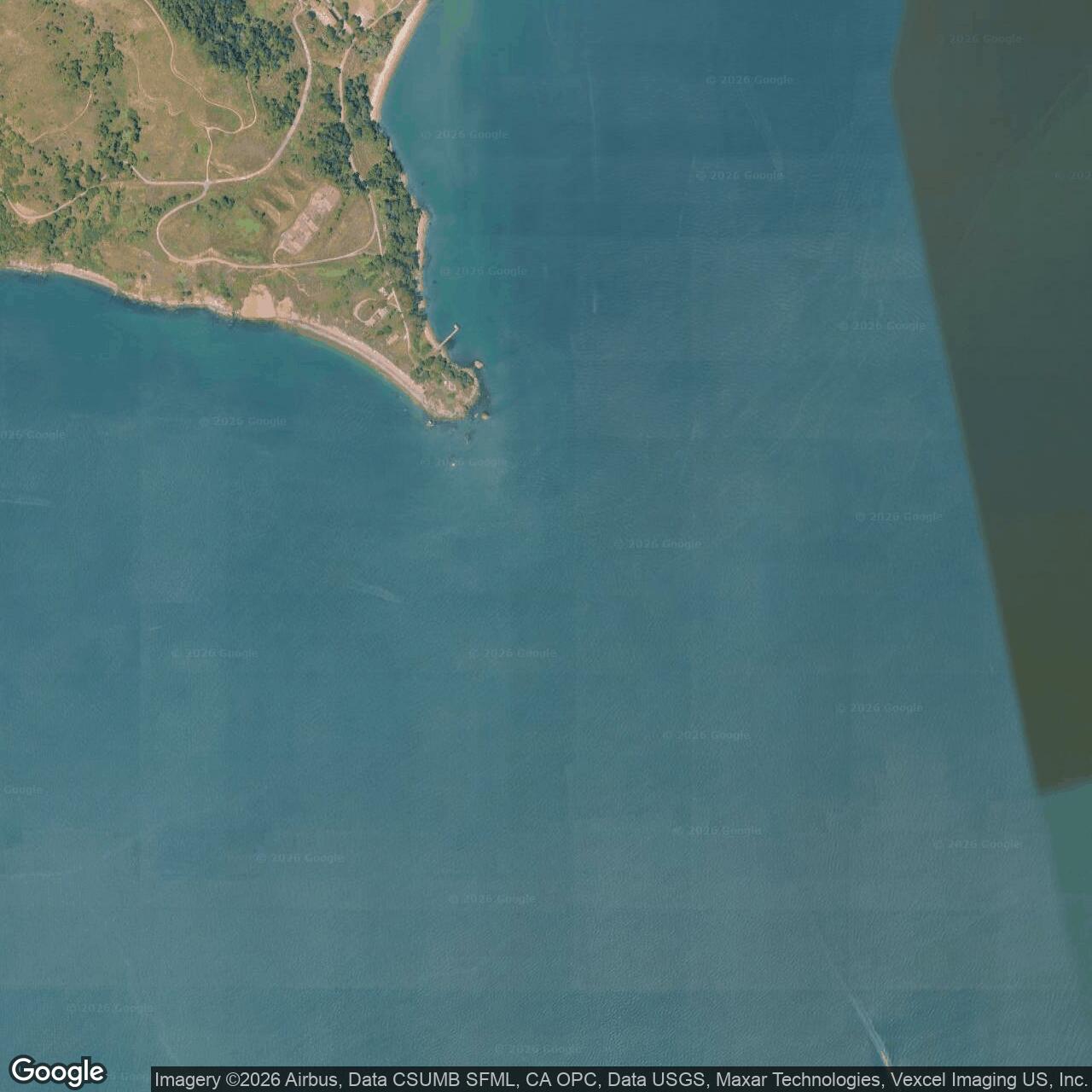
Fort McDowell Army Base, Angel Island California
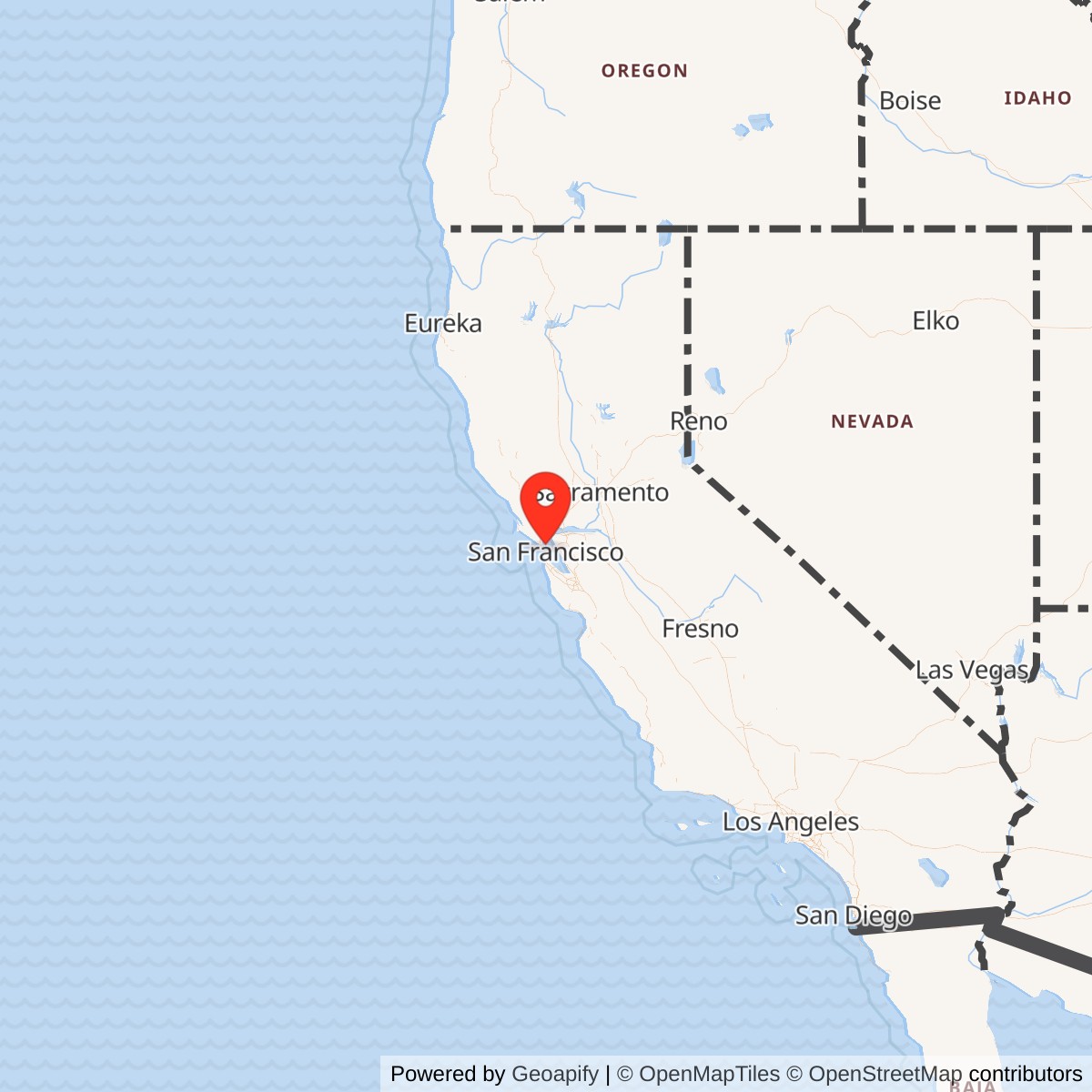
Longitude: -122.4167
Official Base Website: https://www.parks.ca.gov/?page_id=1307
Current Role: Angel Island State Park; East Garrison historic district, Camp Reynolds / West Garrison, former immigration station, trails, visitor facilities, and preserved military landscapes; limited Coast Guard use remains at Point Blunt outside the former Army post story.
Army presence began at Camp Reynolds on 1863-09-12; entire island was designated Fort McDowell in 1900, with the East Garrison developing from the 1899 detention camp into the West Coast recruit, casual, overseas replacement, discharge, and debarkation depot. Fort McDowell served major World War I and World War II personnel-processing roles, was part of the San Francisco Port of Embarkation system, temporarily used the former immigration station for enemy alien/POW processing, and was decommissioned on 1946-08-28. Later Nike missile use on Angel Island ran from 1954 to 1962 before the remaining federal land transferred to California State Parks.
Fort McDowell was the U.S. Army post on Angel Island in San Francisco Bay. Its identity is easy to misunderstand because the name changed meaning over time. The Army first occupied Angel Island during the Civil War, when Camp Reynolds was established on the west side of the island on September 12, 1863. In 1900 the Army formally renamed the post Fort McDowell, and the name applied broadly to Army holdings on Angel Island. During the twentieth century, however, everyday usage shifted. The old Civil War and frontier-era Camp Reynolds became West Garrison. The new Army complex on the east side of the island became East Garrison, and today that East Garrison is what most visitors mean when they say Fort McDowell.
The post was named for Major General Irvin McDowell, a Mexican War veteran, Civil War commander at First Bull Run, and later commander of the Department of the Pacific at the Presidio of San Francisco. The name therefore linked Angel Island to the command structure of the Pacific Coast Army as much as to the island itself. Fort McDowell was not primarily a gun fort in the same way Fort Point, Fort Winfield Scott, Fort Baker, Fort Barry, or Fort MacArthur were. Angel Island had coast-defense batteries, and its Civil War occupation began from the fear of Confederate naval or privateering threats to San Francisco Bay, but Fort McDowell's most distinctive long-term role was personnel movement. It received, processed, housed, medically screened, discharged, and redistributed soldiers moving between the continental United States and Pacific overseas posts.
That mission made Fort McDowell one of the most important Army transit posts on the West Coast. From the Spanish-American War and Philippine-American War through World War I, the interwar period, World War II, and demobilization, Angel Island functioned as a personnel hinge between San Francisco and the Pacific world. Troops going to Hawaii, the Philippines, China, and later the Pacific war zones passed through or were processed there. Soldiers returning from overseas posts for discharge, furlough, retirement, transfer, or medical attention also came through the island. In the 1920s and 1930s, California State Parks' official history says Fort McDowell handled the transfer of about 40,000 men per year, more than any other U.S. military post in those years.
Fort McDowell also had a custody and detention history. The island's former immigration station, famous for the detention and interrogation of Asian immigrants between 1910 and 1940, was returned to Army control after an August 1940 fire closed the federal immigration facility. During World War II that area became North Garrison and served as a temporary Army-controlled processing and detention location for enemy aliens and prisoners of war. Japanese, German, and Italian internees and POWs passed through the former immigration station under Army control before transfer to other sites. This custody layer is essential to the Fort McDowell story because the same island that moved soldiers overseas also confined civilians and prisoners caught in wartime national-security systems.
Fort McDowell as an Army post was decommissioned on August 28, 1946, and the War Department declared the island surplus soon afterward. The Department of the Interior assumed responsibility in 1948, and California State Parks began acquiring portions of the island in the 1950s. But the Army returned to Angel Island during the Cold War for a Nike Ajax missile site, with launchers near Point Blunt and fire-control radar on the summit then known as Mount Ida, now Mount Caroline Livermore. That Nike mission ended in 1962. In 1963, after the Nike base closed, East Garrison became part of Angel Island State Park. Fort McDowell is therefore closed as an Army installation, while its buildings and landscapes survive as part of a state park and historic cultural landscape.
Strategic Setting
Angel Island sits in the middle of San Francisco Bay, north of Alcatraz and east of the Marin Peninsula. Its military value came from three overlapping advantages. First, it was inside the bay, close to San Francisco, the Presidio, Fort Mason, Alcatraz, and the Golden Gate, yet separated from the mainland by water. That made it useful for defense, quarantine, detention, and controlled troop movement. Second, it stood on the sea route into the principal American port on the Pacific. Anyone moving soldiers or supplies by ship to or from Hawaii, the Philippines, China, Alaska, or the Pacific theater had to treat San Francisco Bay as a major gateway. Third, the island offered enough separate coves, hillsides, roads, and plateaus to support multiple federal functions at once: a west-side garrison, east-side recruit and discharge depot, north-side immigration station, quarantine station, coast-defense batteries, prisoner facilities, and later a missile site.
The island's military geography was not simple. Camp Reynolds / West Garrison occupied the more protected west side and preserved the older nineteenth-century post pattern: officers' quarters, barracks, chapel, bakery, storehouse, quartermaster structures, parade space, and support buildings. The East Garrison faced a different purpose. It grew out of a quarry and a detention camp, then became a planned early twentieth-century Army processing depot built with reinforced-concrete Mission Revival buildings. North Garrison occupied the former Immigration Station near China Cove. Point Blunt and the high summit later supported missile-era functions. Fort McDowell was therefore not a single compound, but an island-wide system whose parts were tied together by roads, piers, ferries, water transportation, utilities, and administrative control.
The island setting was both an asset and a burden. It helped the Army isolate contagious soldiers, enemy aliens, prisoners of war, immigrants, and later missile facilities. It also made every large movement more complicated. Soldiers, supplies, mail, food, laundry, medical cases, and civilians had to move by boat. During peacetime this gave Fort McDowell a distinctive overseas atmosphere. During World War II the same isolation became a bottleneck. HABS documentation notes that after Pearl Harbor, Fort McDowell had the only troop staging facilities in the immediate area but could accommodate only about 4,200 men. The Army therefore used temporary billets across the Bay Area until Camp Stoneman at Pittsburg became the main staging area for Pacific-bound troops in 1942. Fort McDowell remained important, but the island could not absorb the full wartime scale of the San Francisco Port of Embarkation by itself.
Mission Evolution
The Army's first Angel Island mission was defensive. In 1863, with concern that Confederate commerce raiders or sympathizers might threaten San Francisco Bay, the federal government established Camp Reynolds on the west side of the island. Artillery batteries were placed near the camp and at Points Stuart, Knox, and Blunt. The site was one layer in a growing harbor-defense system that included the Presidio, Alcatraz, Fort Point, and later the Endicott-era batteries around the Golden Gate and San Francisco Bay. This Civil War mission was not tested by a Confederate attack, but it gave the Army a permanent foothold on the island.
After the Civil War, Camp Reynolds became less a front-line battery post and more an Army staging and recruit depot. Soldiers moved through the island before assignment to western posts and campaigns. California State Parks describes the post as serving as a depot for recruits and as a staging area for troops serving in campaigns against Apache, Sioux, Modoc, and other Native peoples. This connection matters because Angel Island's picturesque location can obscure the larger nineteenth-century Army system in which recruits processed at San Francisco Bay might be distributed to frontier posts and campaigns across the West.
The Spanish-American War and the U.S. war in the Philippines changed Angel Island's role. In 1899 the Army established a detention camp near the eastern quarry to isolate and care for troops returning from overseas with possible contagious disease, especially smallpox. This was the beginning of the East Garrison story. The original East Garrison was not a grand post but a practical wartime health and personnel-control facility. It existed because a globalizing Army needed somewhere to receive men returning from tropical deployments, screen them, detain those who might spread disease, and prevent infected soldiers from moving directly into San Francisco or onward by rail.
In 1900 Camp Reynolds was renamed Fort McDowell. The East Garrison then grew from detention camp to discharge camp, and from discharge camp into a Depot of Recruits and Casuals. By 1905, California State Parks says about 87,000 men had passed through the new Fort McDowell facility on their way to and from the Pacific. That volume explains why the Army shifted attention from the old West Garrison to the east side. The older post was too constricted and too rooted in nineteenth-century building patterns to support the new mass-processing mission.
A major building program followed. From about 1905 to 1910 the East Garrison took form; from 1910 to 1914 the Army constructed a cohesive group of reinforced-concrete Mission Revival buildings. These included the large barracks commonly called the 600-Man Barracks, later known as the 1000-Man Barracks when wartime crowding pushed it beyond its designed capacity, a main mess hall, hospital, officers' quarters, noncommissioned officers' quarters, guardhouse, administration facilities, post exchange, and other support structures. HABS emphasizes that this building campaign reflected the Army's new concern with planning, consolidation, fireproofing, sanitation, and efficient post layout.
World War I brought the post to a new level of activity. Fort McDowell served as a recruit depot for men entering the Army and as a processing point for enlisted men returning from Hawaii and the Philippines. Western-state draftees also moved through the island. The Angel Island Conservancy states that about 4,000 men per month passed through Fort McDowell during this period. The post hospital and associated medical facilities expanded to handle recruits, casuals, and returning troops. The AMEDD historical account makes clear that by 1918 the hospital system included east-side and west-side facilities, a contagious-disease hospital, repaired older medical buildings, and improvised or adapted spaces needed to serve a constantly changing personnel population.
After World War I, Fort McDowell became the Overseas Discharge and Replacement Depot in 1922. This was not a dramatic battlefield mission, but it was vital. The United States still maintained important overseas Army commitments in the Pacific, especially in Hawaii and the Philippines. Soldiers leaving for those posts, and soldiers returning from them, needed to be counted, housed, medically inspected, paid, discharged, reassigned, or held pending transportation. Fort McDowell's interwar routine was the work of an Army administrative machine, but it was also one of the clearest examples of how the Army managed a Pacific empire from a continental port.
World War II transformed the post again. Fort McDowell became part of the San Francisco Port of Embarkation system together with Fort Mason, Oakland Army Terminal, and Camp Stoneman. The former Immigration Station became North Garrison in 1941, existing buildings were renovated, new barracks were built, and the East Garrison received additional temporary wartime structures. More than 300,000 soldiers were shipped to the Pacific Theater through Fort McDowell according to Angel Island Conservancy. During demobilization after victory, the movement reversed. HABS records that December 1945 was the busiest month in the post's history, with 23,632 men moving through Angel Island on their way home.
The Army closed Fort McDowell because the same island characteristics that once made it valuable now made it inefficient. The San Francisco Port of Embarkation was reorganized after the war, Camp Stoneman and mainland facilities could do much of the work more conveniently, and maintaining a full island post was expensive. On August 28, 1946, Fort McDowell was decommissioned and the remaining Transportation Corps soldiers were transferred to Camp Stoneman. The War Department declared the island and its installations surplus on September 20, 1946.
Operational Role
Fort McDowell's daily operational role was movement. Soldiers arrived from the mainland by ferry or transport, were assigned to barracks, inspected, fed, medically processed, equipped or relieved of equipment, placed on rosters, paid, discharged, assigned to units, sent to ships, or returned to civilian life. The island was a military sorting house. Its work was administrative, medical, logistical, and disciplinary rather than tactical, but it had a direct impact on the Army's ability to maintain overseas forces.
The recruit and casual mission required speed and control. A recruit depot received men who often had little military experience, placed them under Army authority, and prepared them for onward assignment. A casual depot handled soldiers not currently attached to a normal unit in transit: men returning from overseas, men awaiting reassignment, men leaving for duty, discharged soldiers, medical cases, and temporary detachments. This made Fort McDowell different from a combat-unit training camp. Its population was constantly changing. Men were not there primarily to form a permanent garrison. They were there because the Army needed a controlled port-of-entry and port-of-departure personnel system.
The post's medical role was inseparable from this movement function. The 1899 detention camp was created because the Spanish-American War and Philippine service generated a real fear of contagious disease. The later post hospital and contagious-disease facilities had to support recruits, casuals, medical department personnel, returning sick soldiers, and those requiring isolation. AMEDD's historical account of the World War I hospital describes not a quiet base dispensary but a post medical system adapted to high traffic, infectious-disease concerns, and changing wartime requirements.
Fort McDowell's mess and barracks operations were also operational systems in their own right. The large main mess hall and 600-Man Barracks were not architectural curiosities; they were the physical means by which the Army could feed and house hundreds or thousands of transient soldiers. During peak wartime use, the 600-Man Barracks became the 1000-Man Barracks in local memory because the Army had to crowd more men through the building than its nominal capacity allowed. In December 1945, during the heaviest demobilization month, the main mess hall served more than 310,000 meals, including tons of turkey for Christmas dinner. Those numbers reveal the scale of what a personnel depot did when the war ended: it turned ships full of returning soldiers into processed individuals heading home.
The port-of-embarkation role linked Fort McDowell to a much larger system. Fort Mason was the Army Transport Service and later San Francisco Port of Embarkation headquarters and cargo/passenger waterfront. Oakland Army Terminal handled major cargo operations. Camp Stoneman became the main staging area in 1942 because it had mainland space and rail access that Angel Island lacked. Fort McDowell remained useful because it already had processing infrastructure, water separation, barracks, mess halls, medical facilities, and administrative expertise. It was not the whole Pacific port system, but it was one of its human-processing pieces.
The former Immigration Station's wartime use added a darker operational layer. Once returned to the Army, the area became North Garrison. It was used for soldiers, detainees, enemy aliens, and prisoners of war. Densho Encyclopedia identifies Fort McDowell as a U.S. Army internment camp that held Japanese, German, and Italian immigrants from Hawaii, one Norwegian national, and a Japanese prisoner of war. Densho also notes that Fort McDowell held approximately 700 Issei deemed enemy aliens at the former Immigration Station during World War II, nearly 600 from Hawaii and close to 100 from the West Coast, along with around 80 German and Italian internees. These men were generally held temporarily before transfer to Department of Justice internment camps or other facilities. The site also held Japanese, German, and Italian POWs at various times.
That wartime custody mission connected Fort McDowell to two separate systems: the military personnel movement system and the wartime internal-security system. The former moved soldiers toward and away from combat. The latter held civilians and prisoners whom federal authorities classified as risks. Both systems used the island because it was isolated, controlled, and already equipped with barracks and security infrastructure. The result was a single Army post that could be a gateway for soldiers and a place of confinement for others at the same time.
Units, Organizations, and Systems
Fort McDowell's unit story is best understood by function rather than by combat regiment. The permanent garrison often consisted of depot recruit companies, transportation personnel, medical staff, quartermaster and administrative detachments, military police or guard personnel, and the support workers needed to operate an island post. During wartime surges, the number and type of personnel changed rapidly as the post received temporary detachments, trainees, casuals, returning soldiers, and specialized support units.
The post belonged to the Army's Pacific and West Coast command structure. In the nineteenth century it was tied to the Department of the Pacific and the coastal defenses of San Francisco Bay. The old Camp Reynolds / West Garrison contained Army barracks, officers' quarters, and support buildings used by the regular garrison. The east-side Depot of Recruits and Casuals reflected the Quartermaster Corps, Medical Department, Adjutant General, transportation, finance, signal, and administrative systems needed to process soldiers at scale.
In the early twentieth century, the Quartermaster Corps shaped the East Garrison's physical form. HABS documentation explains that the new Mission Revival concrete buildings reflected an Army move toward more planned, consolidated, and efficient post design. This is one reason Fort McDowell is architecturally important. The buildings were not random barracks; they were part of a planned Army response to the problem of moving large numbers of men through a constrained site.
During World War I, the Medical Department became especially visible. Fort McDowell's post hospital had to support recruit and discharge operations, contagious-disease concerns, and the movement of personnel to and from overseas duty. AMEDD's official history of military hospitals in the United States during World War I included Fort McDowell because the post hospital became a meaningful part of the Army's wartime medical infrastructure.
During World War II, Fort McDowell sat under the San Francisco Port of Embarkation system. The Transportation Corps and port authorities coordinated the movement of soldiers to and from the Pacific. Fort McDowell, Fort Mason, Oakland Army Terminal, and Camp Stoneman formed a functional network rather than a set of isolated posts. Soldiers might be staged or processed at one site, loaded through another, and moved by rail or ship through still others.
After the main post closed, the Cold War Nike site brought a different military organization to Angel Island. Angel Island Conservancy identifies the Nike battery as manned by Battery D, 9th Army Antiaircraft Artillery Regiment. The battery had three launching sections, each with four missile launchers, and used underground magazines with hydraulic elevators. The associated fire-control installation sat on the island's summit, where radar and control equipment could cover the Bay Area air-defense sector. This was not a continuation of Fort McDowell's recruit-depot mission, but it was a final Army use of the island before the military left in 1962.
Facilities and Physical Layout
Fort McDowell's physical layout is one of its most important historical features. The installation consisted of multiple named areas. Camp Reynolds / West Garrison preserved the nineteenth-century Army post. East Garrison embodied the early twentieth-century recruit and discharge depot. North Garrison occupied the former Immigration Station. Other areas contained batteries, roads, docks, quarries, utilities, and later missile infrastructure.
Camp Reynolds began as the Civil War post on the west side. It developed over decades into a small military village with officers' quarters, barracks, chapel, bakery, quartermaster stable, storehouse, hospital, and support buildings. HABS documentation for Camp Reynolds describes a remarkable surviving group of late-nineteenth-century officers' quarters and support structures. After the Army shifted activity to the East Garrison, West Garrison became secondary but remained part of the Fort McDowell system until the base closed.
The East Garrison began as a quarry and detention camp. The Army Corps of Engineers operated a stone quarry on the eastern side of Angel Island, and stone from the island was used for fortifications and buildings in the bay area. In 1899 the Army created the Detention Camp near this quarry. From there the site became a discharge camp, then a recruit depot. The initial buildings were wooden and often temporary. The later reinforced-concrete construction campaign gave the East Garrison its lasting character.
The East Garrison's main buildings included a massive barracks, a hospital, a main mess hall, officers' quarters, noncommissioned officers' quarters, guardhouse, administration building, finance and signal building, post exchange, support buildings, roads, retaining walls, parade ground, ballfield, and pier connections. The Mission Revival concrete buildings were arranged along curving roads that followed the hillside contours rather than on the older axial parade-ground model. HABS specifically notes that this arrangement demonstrated new Army planning ideas and that the surviving East Garrison remains a significant collection of early twentieth-century Army architecture.
The 600-Man Barracks was the dominant building. Its size reflected the recruit-depot mission: the Army needed to hold large numbers of men temporarily, not house one stable company for years. During wartime crowding it became known as the 1000-Man Barracks. The main mess hall was similarly scaled for mass feeding. Officers' Row, the hospital, and administrative buildings created a more complete institutional landscape around these mass-processing structures.
North Garrison was a different landscape with a different origin. The U.S. Immigration Station opened in 1910 as the West Coast's major federal immigration processing and detention facility. It was built for civilian immigration control, not Army use, but after the 1940 fire and relocation of immigration functions to San Francisco, the former station was returned to the Army. During World War II the Army renovated existing buildings and added barracks. The site then served military and detention functions under Fort McDowell. This physical reuse is historically important because it tied the Army post to the larger history of immigration restriction and wartime internment.
The Nike-era layout was separate again. The launch area was constructed near Point Blunt on the southeast corner of the island, while the fire-control and radar area occupied the summit of Mount Ida / Mount Caroline Livermore. Missile magazines were underground and launchers were raised by hydraulic elevators. The IFC site required radar, control vans, a generator building, ready room, and associated support facilities. About 100 men were stationed on the island, with enlisted men housed in the old Fort McDowell post hospital. Most Nike facilities were removed or are closed to visitors, and the summit was later recontoured as part of park restoration.
World War I Service
Fort McDowell's World War I story was not a combat story, but it was central to the Army's personnel system. The declaration of war in 1917 expanded the Army enormously, and Fort McDowell's existing recruit and casual mission placed it under immediate pressure. Men drafted in western states moved through the post, while soldiers returning from Pacific overseas stations continued to be processed there. The post's island location, barracks, mess hall, medical facilities, and administrative staff made it a natural receiving and forwarding point.
The Army Medical Department's Fort McDowell hospital history shows how war changed the post. A 150-bed contagious-disease hospital was built in 1918 on the west side. Older medical buildings were repaired and repurposed. The concrete hospital on the east side, originally left incomplete and converted for other uses, was turned back over to the Medical Department in April 1918. The hospital served recruiting activities, Medical Department recruits and casuals, and personnel who needed care while passing through the post.
This medical layer reflects the real hazards of mobilization. Recruit depots did not merely issue uniforms and orders. They concentrated men from many places, moved them through crowded barracks and ships, and risked spreading disease if medical controls failed. Fort McDowell's detention-camp origins made it especially suited to isolation and screening. During World War I, that older logic remained important.
After the Armistice, Fort McDowell helped handle the return and discharge of soldiers. Demobilization is often less visible than mobilization, but it required the same administrative machinery in reverse. Men had to be received, examined, paid, discharged, transferred, or sent onward. The post's later designation as the Overseas Discharge and Replacement Depot in 1922 formalized the role that World War I had amplified.
World War II Service
Fort McDowell's World War II service was the busiest phase in the post's history. The Pacific War turned San Francisco Bay into one of the nation's great military gateways. Fort Mason, Oakland Army Terminal, Camp Stoneman, and Fort McDowell formed an embarkation and debarkation system that moved men and materiel across the Pacific. Fort McDowell's specialty was human processing: casuals, replacements, returning soldiers, discharges, detainees, and temporary military populations.
The first problem was capacity. After Pearl Harbor, the Army needed to stage huge numbers of troops for overseas duty. HABS notes that Fort McDowell had the only troop-staging facilities in the immediate area and could accommodate about 4,200 men. That was useful, but not enough. Temporary billets were scattered across the Bay Area until Camp Stoneman became ready in May 1942 as the main staging area. Fort McDowell then continued as part of the system, processing many casual overseas replacements and returning troops.
The former Immigration Station became North Garrison in February 1941 according to HABS. Buildings were renovated, new barracks were constructed, and temporary facilities appeared at the East Garrison. The Army used every available institutional landscape on the island. What had once been separate immigration, military, and medical spaces became one wartime complex under Fort McDowell's administration.
Angel Island Conservancy states that more than 300,000 soldiers were shipped to the Pacific Theater through Fort McDowell. The exact meaning of that figure likely includes soldiers processed or staged through Fort McDowell as part of the broader port system rather than every soldier sailing directly from its piers. The number still captures the post's scale. Fort McDowell was not a picturesque backwater in World War II. It was a busy personnel node in the Pacific war.
The end of the war produced an even more dramatic surge. In December 1945, HABS records that 23,632 men moved through Angel Island on their way home. The main mess hall served 310,323 meals that month. The island received men who had been overseas, processed them, fed them, and moved them toward discharge or further assignment. For many soldiers, Fort McDowell was one of the last Army places they saw before returning to civilian life.
Enemy Alien and POW Processing
After the attack on Pearl Harbor, federal authorities arrested Japanese, German, and Italian noncitizens and other suspected enemy aliens. The former Immigration Station on Angel Island, already built for detention and isolation, became an Army-controlled holding point.
Densho identifies the site as Fort McDowell Internment Camp and describes it as a U.S. Army internment camp. It held Japanese, German, and Italian immigrants from Hawaii, one Norwegian national, and a Japanese prisoner of war. Densho states that approximately 700 Issei deemed enemy aliens were held at the former Immigration Station during World War II, including nearly 600 from Hawaii and close to 100 from the West Coast, as well as around 80 German and Italian internees. Most detainees were held only temporarily, often for one or two weeks, before transfer to Department of Justice camps or other facilities.
The Hawaii connection is especially important. Japanese immigrants arrested in Hawaii after Pearl Harbor were shipped to the mainland, and Angel Island was often their first stop in the continental United States. Some were elderly community leaders, teachers, journalists, businesspeople, religious figures, martial-arts instructors, or men who had maintained ties to Japan because immigration law had long prevented them from naturalizing. Densho notes that no incidents of sabotage or espionage were committed by Japanese Americans, including immigrants, during the war. The Fort McDowell detention history therefore belongs to the broader story of wartime civil liberties and the unjust suspicion placed on immigrant communities.
The same former detention rooms that once held Chinese immigrants under exclusion-era immigration law were used again to hold wartime internees. That continuity is stark. Angel Island had already been a place where federal law sorted people by nationality, race, class, health status, admissibility, and paperwork. During World War II, the Army adapted that detention landscape to a new national-security purpose. The voices preserved in later memoirs and exhibits describe crowded rooms, armed guards, intrusive inspection, uncertainty, and movement from one site of confinement to another.
Fort McDowell also held prisoners of war from Japan, Germany, and Italy. These POWs were part of a separate military custody system from civilian enemy alien internment, but the island's detention architecture made it useful for both. This multi-use custody role is one reason Fort McDowell's history cannot be reduced to troop processing alone. It was a gateway, but it was also a cage.
Closure, Nike Reuse, and Transfer to the State
Fort McDowell's Army post closed quickly after World War II because the post no longer fit the Army's needs. The reorganization of the San Francisco Port of Embarkation did not include Fort McDowell. Maintaining an island installation was expensive and inconvenient. Camp Stoneman and other mainland facilities could handle much of the work more efficiently. On August 28, 1946, the flag was lowered for the last time at the post, and Fort McDowell was decommissioned. The War Department declared the island and its installations surplus in September 1946.
The Department of the Interior assumed responsibility for Angel Island in 1948. California began acquiring parts of the island for park purposes in the 1950s, with the Quarantine Station area becoming a state park in 1954. But the military story was not over. The Cold War brought the Army back.
In 1954 a Nike Ajax missile site was installed on the island as part of the Bay Area air-defense network. Angel Island Conservancy states that the site was one of eleven Nike batteries built in the Bay Area and that it was placed on the southeast corner of the island behind Point Blunt. Battery D of the 9th Army Antiaircraft Artillery Regiment manned the battery. The site had three launching sections with four missile launchers each, underground magazines, and a mountaintop fire-control installation with radars, control vans, a generator building, and a ready room. About 100 soldiers were stationed on the island, some housed in the old Fort McDowell hospital.
The Nike mission was short-lived. The Nike Ajax system became obsolete as air-defense technology changed, and the Army abandoned the Angel Island battery in 1962. California State Parks' park-creation history states that in 1962 the Nike missile base on the south side of the island was deactivated and the Army once again left. In December 1962 the entire island was turned over to the State of California for park purposes, with the exception of the unmanned Coast Guard station on Point Blunt. HABS records that in 1963 the East Garrison became part of Angel Island State Park after the Nike base closed.
Current Status
Fort McDowell is closed as an Army installation. The site is now part of Angel Island State Park, administered by California State Parks. East Garrison survives as a historic district with major early twentieth-century Army buildings, open spaces, picnic and visitor facilities, and preserved ruins or adaptive-use structures. Camp Reynolds / West Garrison survives as one of the best places in the Bay Area to see a nineteenth-century Army post landscape. The former Immigration Station is preserved as a National Historic Landmark and museum landscape, with interpretation focused on immigration detention, exclusion, poetry, and wartime internment.
The current public landscape is more than a park with old buildings. It is a layered federal history site. Visitors can encounter Coast Miwok history, Spanish and Mexican era use, U.S. Army occupation, quarantine, immigration detention, Army recruit and discharge work, World War II internment, Nike missile remains, and state-park preservation all on one island. California State Parks and partner organizations interpret these layers through tours, museum spaces, signage, historic structures, trails, and public programs.
Fort McDowell's preservation is uneven, as expected for a large island post that was closed, declared surplus, reused, and exposed to marine weather for decades. Some structures are maintained or interpreted. Others are vacant, stabilized, or ruinous. That condition is part of the site's story. The Army built temporary wood structures, durable concrete buildings, roads, piers, and utilities for military purposes, not for indefinite public interpretation. The survival of so much fabric is historically valuable, but it also creates a continuing preservation challenge.
Chronology
- 1848 The United States took control of California, setting the stage for later federal military use of Angel Island.
- 1850-11-06 President Millard Fillmore reserved Angel Island for public purposes, including military use.
- 1863-09-12 Lieutenant John L. Tiernon / Tierson and Company B, 3rd U.S. Artillery, landed on the west side of Angel Island and established Camp Reynolds.
- 1863 Artillery batteries were built near Camp Reynolds and at Points Stuart, Knox, and Blunt as part of Civil War-era San Francisco Bay defense.
- 1866 Camp Reynolds became the Army's general depot for receiving and distributing new recruits in the West.
- 1888 The federal government authorized a quarantine station at Hospital Cove / Ayala Cove.
- 1890 Construction began on the quarantine station at Hospital Cove.
- 1898 The Spanish-American War and Philippine service greatly increased the need for troop reception, medical isolation, and discharge facilities on Angel Island.
- 1899 The Army established a detention camp near the quarry on the east side of Angel Island to isolate troops returning from the Philippines with possible contagious disease.
- 1900-04-04 Camp Reynolds / the Angel Island post was officially renamed Fort McDowell in honor of Major General Irvin McDowell.
- 1901 The East Garrison's role shifted from detention camp toward discharge camp and personnel processing.
- 1904 National Archives references cited in HABS identify the Depot of Recruits and Casuals at Angel Island by this period.
- 1905 California State Parks states that about 87,000 men had passed through the Fort McDowell facility on their way to and from the Pacific.
- 1907 Fort McDowell entered the period of greatest importance as a recruit, casual, discharge, and overseas-processing post.
- 1909 Major building work began at East Garrison using military prisoners from Alcatraz as labor.
- 1910 The Immigration Station opened on Angel Island, separate from the Army post but later tied to Fort McDowell's wartime North Garrison history.
- 1910 The major reinforced-concrete Mission Revival building campaign at East Garrison began.
- 1911 Construction of the large recruit barracks advanced, using experimental or unusual reinforced-concrete construction methods documented by HABS.
- 1914 The main features of the East Garrison building campaign were in place.
- 1917 After the United States entered World War I, Fort McDowell saw heavy use as a recruit depot and personnel-processing station.
- 1918 Fort McDowell was used as a debarkation and discharge point for returning troops.
- 1918-04-20 The east-side hospital building was formally returned to the Medical Department for hospital use.
- 1918 A 150-bed contagious-disease hospital was built on the west side.
- 1922 Fort McDowell became the Overseas Discharge and Replacement Depot.
- 1932 The San Francisco Port of Embarkation system included Fort McDowell's overseas replacement and discharge work along with Fort Mason and Army transport functions.
- 1940-08-12 A fire damaged the Angel Island Immigration Station administration building.
- 1940-11-05 Immigration processing relocated from Angel Island to San Francisco, and the former Immigration Station returned to federal military control.
- 1941-02 HABS records that the former Immigration Station became North Garrison of Fort McDowell as the Army expanded wartime facilities.
- 1941-12-07 The attack on Pearl Harbor made Pacific troop staging urgent and brought enemy-alien detention functions to the former Immigration Station under Army control.
- 1942 Japanese immigrants and other detainees from Hawaii and the West Coast passed through Fort McDowell / Angel Island before transfer to Department of Justice or other camps.
- 1942-05 Camp Stoneman became ready to serve as the main staging area for troops, reducing but not eliminating Fort McDowell's wartime personnel-processing role.
- 1942-1945 Fort McDowell served as a World War II San Francisco Port of Embarkation component and processed soldiers, enemy aliens, and prisoners of war.
- 1945-12 Fort McDowell had its busiest month, processing 23,632 returning men and serving more than 310,000 meals.
- 1946 Returning soldier flows continued but declined rapidly as demobilization advanced.
- 1946-08-28 Fort McDowell was decommissioned and remaining Transportation Corps soldiers transferred to Camp Stoneman.
- 1946-09-20 The War Department declared Angel Island and its installations surplus to the War Assets Administration.
- 1948 The Department of the Interior assumed responsibility for Angel Island.
- 1954 The quarantine-station area became a state park, while part of the island returned to military use for a Nike missile battery.
- 1954 The Army installed a Nike Ajax missile site on the southeast corner of Angel Island behind Point Blunt, with radar and fire-control facilities on the summit.
- 1962 The Nike missile base was deactivated, and the Army left Angel Island.
- 1962-12 The remaining federal land on Angel Island was turned over to the State of California for park purposes, except for the Coast Guard station at Point Blunt.
- 1963 East Garrison became part of Angel Island State Park after the Nike base closed.
- 1970 State park ranger Alexander Weiss discovered poems carved into the walls of the former Immigration Station detention barracks, helping spark preservation of that site.
- 1974 The Angel Island Immigration Station preservation movement helped secure stronger state historic-park recognition and interpretation of the immigration detention landscape.
- 2000 Save America's Treasures support helped restore the Angel Island Immigration Station.
- 2002-2003 HABS documentation of Fort McDowell / East Garrison recorded its buildings, layout, and historical significance.
- 2022 The Angel Island Immigration Museum and the "Taken From Their Families" exhibit expanded public interpretation of wartime internment and West Coast immigration history.
- Present Fort McDowell is closed as an Army installation; East Garrison, Camp Reynolds, and related historic landscapes are interpreted as part of Angel Island State Park.