
Naval Outlying Landing Field Spring Valley, California
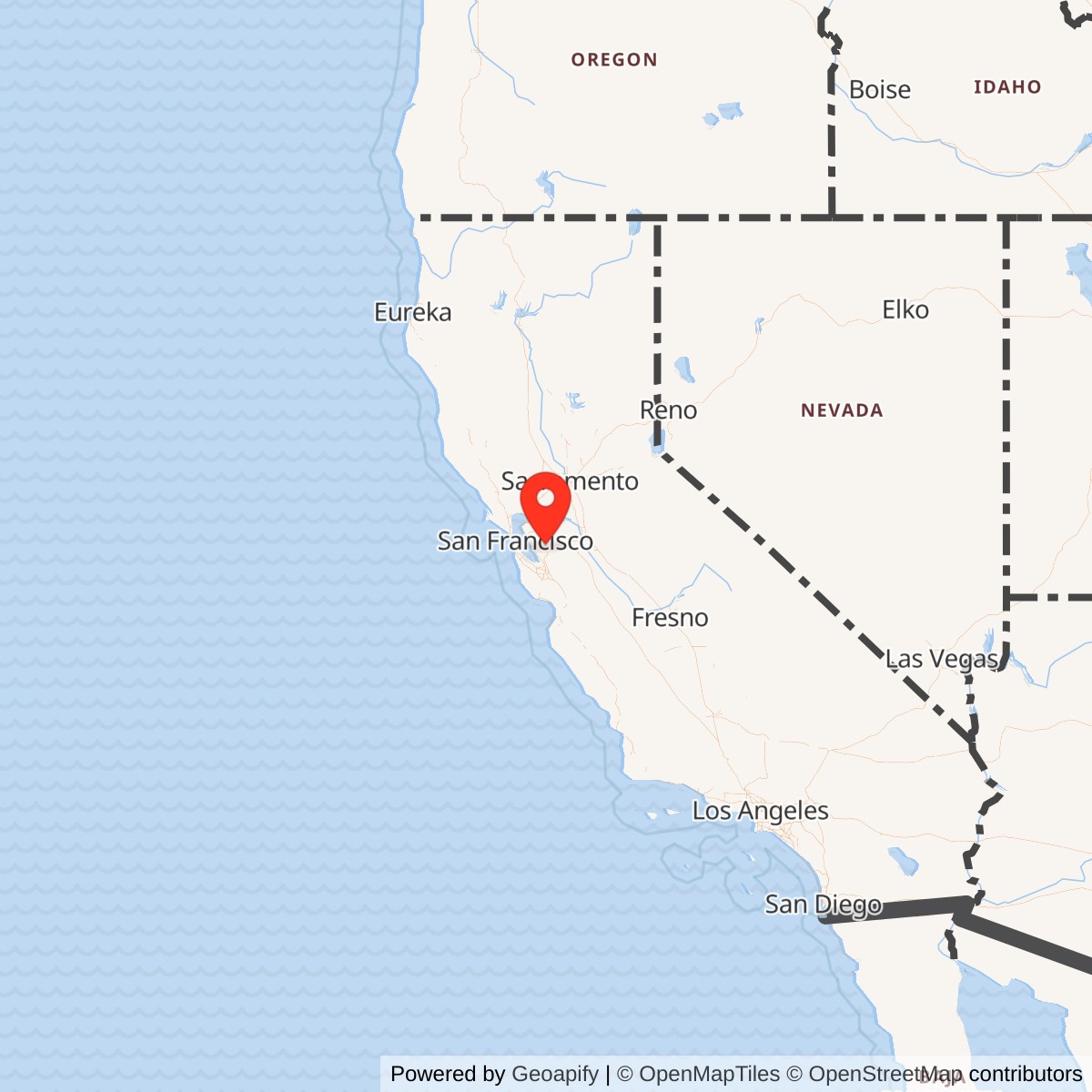
Longitude: -121.9
Current Role: Former NAS Livermore outlying landing field northwest of Pleasanton; documented in the 1944 Army/Navy Directory-derived listing at approximately 37.7, -121.9 with a 3,500-foot sod runway and also listed in NAS Livermore histories as Spring Valley Airport, 2.5 miles northwest of Pleasanton. Used as part of the Livermore primary-training OLF network, with one documented 1943 N2S mid-air collision at NAF 27309 / NOLF Spring Valley. No active Navy or airport use identified; later references describe the site as residential reuse.
Naval Outlying Landing Field Spring Valley was one of the small, workhorse satellite fields that made Naval Air Station Livermore function as a wartime training base. It was not a large naval air station, a repair depot, or a permanent fleet aviation post. It was a short-lived World War II landing field near Pleasanton, used to give student Navy pilots another place to practice the repetitive, risky, and essential work of takeoffs, approaches, landings, and traffic-pattern flying away from the main station.
That small role mattered. NAS Livermore was created because Oakland Municipal Airport and the Naval Reserve Aviation Base there could not absorb the wartime expansion of primary flight training. The new Livermore base, built in 1942 and commissioned as a naval air station in 1943, trained more than 4,000 aviation cadets before primary training ended in October 1944. The main station handled administration, housing, maintenance, and flight-line operations, but the outlying fields dispersed practice flying across the valley and nearby agricultural country. Spring Valley belonged to that training system.
Published outlying-field listings identify Spring Valley as a satellite for NAS Livermore, active during the 1943 to 1945 period, with a single 3,500-foot sod runway. The field is also listed as Spring Valley Airport, 2.5 miles northwest of Pleasanton. That combination of details points to a modest preexisting or locally known airfield that the Navy incorporated into its wartime training network. Unlike some former naval airfields, Spring Valley did not develop into a lasting municipal airport after the war. The available public sources describe the site as closed and later occupied by housing.
Evidence Limits
The evidence for Spring Valley is thinner than it is for the main NAS Livermore installation. The available sources identify the field, its relationship to NAS Livermore, its approximate location, its runway length and surface, and one documented aircraft accident there. They do not provide a known deed date, acreage figure, detailed construction history, or a complete postwar disposal file in the accessible sources found.
Mission and Use
Spring Valley's mission was to support Navy primary flight training. NAS Livermore operated Stearman N2S Kaydet and Naval Aircraft Factory N3N primary trainers during the height of its training mission. These aircraft were used to turn aviation cadets into basic military pilots before they moved on to more advanced aircraft and operational training. That process required many landings and takeoffs, and it could not all be concentrated safely on the main Livermore field.The outlying landing fields solved that problem. They created a distributed practice system around the main station. Student pilots could depart NAS Livermore, fly to an outlying field such as Spring Valley, practice landings or emergency procedures, and return without saturating the main traffic pattern. These fields also exposed cadets to simpler and less forgiving landing surfaces. Spring Valley's sod runway would have been well suited to the relatively light N2S and N3N trainers, but it also demanded basic stick-and-rudder skill, judgment about wind and surface condition, and constant attention to other student aircraft operating nearby.
Spring Valley was one of the Pleasanton-side outlying fields in the Livermore network. Nearby Cope Field and Rita Butterworth also served the same general training geography, while other outlying fields spread the system toward Tracy, Dublin, Fremont, Milpitas, and Livermore itself. The pattern reveals how the Navy used the Livermore-Amador Valley and adjacent agricultural lands as a practical training airspace. The main base was the hub, and the outlying fields were the spokes.
Role in the Wider Military Network
Spring Valley's importance comes from its place inside the wartime naval aviation training pipeline. After Pearl Harbor, the Navy needed pilots faster than its prewar facilities could produce them. Oakland's airspace and facilities were already crowded by 1941 and 1942, and Livermore was selected to relieve that pressure. NAS Livermore then became part of the broader West Coast naval aviation training system, connected administratively to Oakland, Alameda, and the Twelfth Naval District aviation network.Outlying fields such as Spring Valley were a practical answer to the scale problem. A primary training station could not function efficiently if every cadet, instructor, and trainer aircraft had to use the same main runway for every landing. By dispersing landing practice to multiple sod fields, the Navy increased traffic capacity, reduced congestion, and gave instructors more flexibility. Spring Valley therefore should not be judged by buildings or permanence. It was a temporary training utility, and that was exactly what the Navy needed.
The field also illustrates how wartime military aviation drew on civilian and agricultural landscapes. Many outlying fields were adapted from local airstrips, crop-dusting fields, barnstorming fields, or open pasture. Their military value was not architectural but geographic: open land, acceptable approaches, reasonable distance from the parent station, and enough surface to operate primary trainers. Spring Valley fit that pattern.
Site Design and Physical Plant
The available field listings describe Spring Valley as a 3,500-foot sod runway. No large permanent cantonment, hangar district, control tower, or long-term Navy support complex has been identified in the accessible sources used here. That is consistent with its role as a Naval Outlying Landing Field. Most of the support burden would have remained at NAS Livermore. Spring Valley likely needed only the minimum facilities required to mark, maintain, and safely use the landing area, with any detailed maintenance, fueling, medical, messing, administration, and barracks functions concentrated at the parent station.A sod runway was appropriate for primary trainers but also vulnerable to weather, surface irregularities, dust, and seasonal conditions. The airfield's simplicity reduced construction time and cost, which mattered during the emergency training buildup of 1942 and 1943. It also made postwar disappearance easier. Once Navy use ended, a simple sod field could be returned to private or local use, absorbed into agriculture, or eventually subdivided and developed with few obvious surviving aviation features.
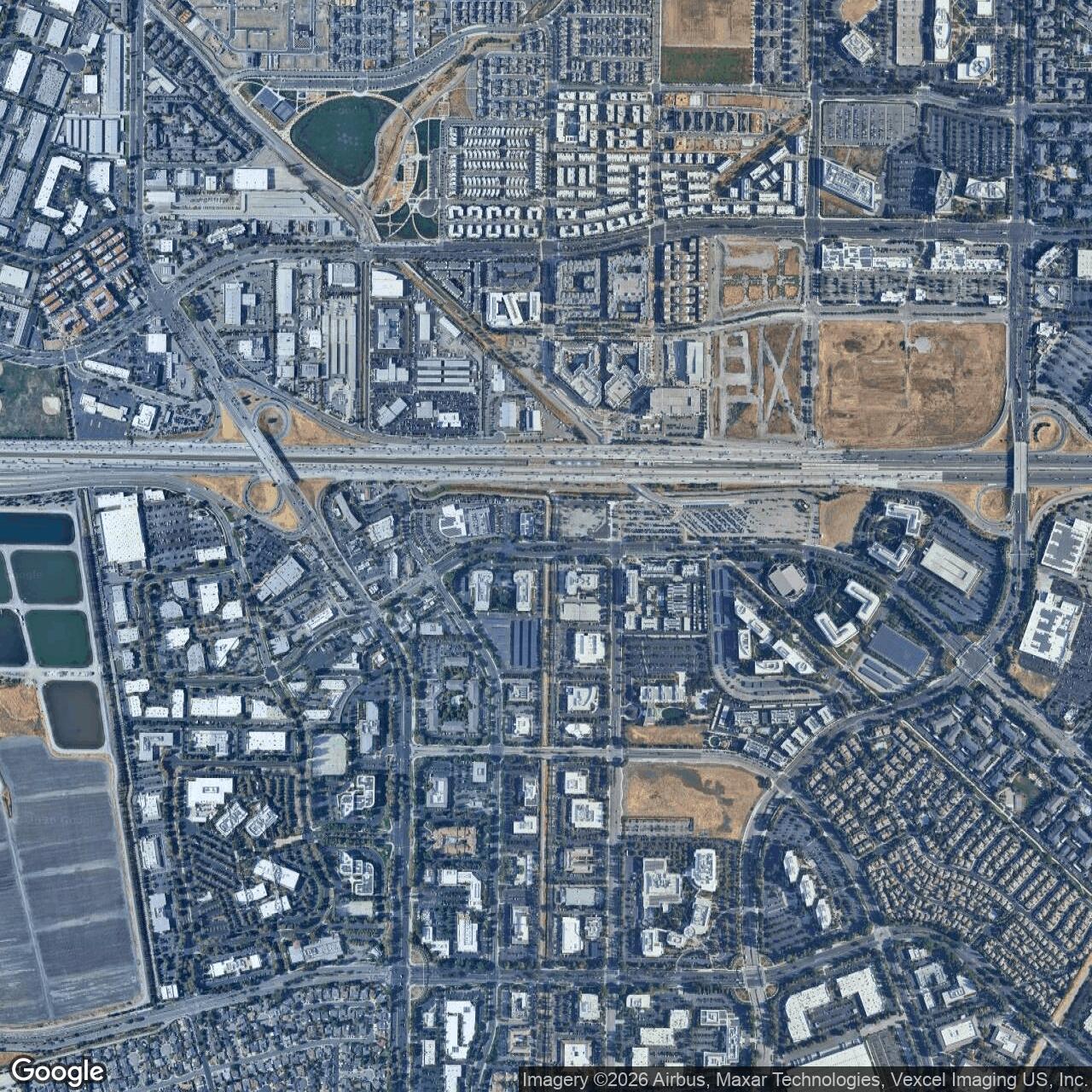
The former site is now described in later summaries as housing. That postwar redevelopment pattern is common among the Livermore outlying fields. Because Spring Valley did not become a permanent municipal airport, its physical military footprint appears to have been erased or heavily obscured by later land use.
Units, Aircraft, and Activity
No permanently assigned Spring Valley-specific squadron has been identified in the sources found. The field functioned as an outlying field of NAS Livermore rather than as an independent air station. The relevant operating community was the NAS Livermore primary training organization, its instructors, aviation cadets, and support personnel. The aircraft most closely associated with this phase of NAS Livermore were the Stearman N2S Kaydet and the Naval Aircraft Factory N3N, both basic trainers widely used in Navy primary training.NAS Livermore reached heavy training use in 1943. The California Military Department history states that by the beginning of 1943 the station was operating 144 Stearman N2S Kaydets and 15 Naval Aircraft Factory N3Ns, and that by the end of 1943 it had reached peak utilization with 234 Kaydets and 24 Timm N2T Tudors. A station running that many training aircraft needed multiple practice fields. Spring Valley was one of the places where that tempo touched the ground outside the main base.
One site-specific incident has been identified. Naval aircraft serial-number references record that on 7 December 1943, Stearman N2S-3 BuAer 4262, assigned to NAS Livermore, was damaged in a mid-air collision with N2S-3 BuAer 38162 at NAF 27309, NOLF Spring Valley, Pleasanton, California. The companion listing for BuAer 38162 describes that aircraft as crashing after the same mid-air collision. The accessible serial-number summary does not provide a full accident report, crew names, or casualty details.
Closure and Postwar Reuse
Spring Valley's Navy use appears to have ended with the broader shutdown of the NAS Livermore primary-training outlying-field network. Published field lists give the active period as 1943 to 1945. NAS Livermore itself shifted away from primary training in October 1944, when its last aviation cadets left and the station moved under NAS Alameda's Naval Air Center for fleet-unit servicing, storage, repair, and related work. The outlying fields that had supported repetitive primary-training landings were no longer as central once that mission ended.The field did not survive as an active airport. Later summaries describe the Spring Valley NOLF site as housing. No active Navy installation, public airport, FAA airport identity, or continuing aviation use was identified for the former field. Because the original field was apparently a simple sod runway without a large permanent Navy plant, later development likely removed most visible traces of the wartime airfield.
Chronology
- 1942 NAS Livermore was built east of Livermore to relieve overcrowding at Oakland-area naval aviation facilities.
- 1942-03-25 Training flights from Oakland began using the proposed Livermore field on a regular basis.
- 1943 NAS Livermore separated from Oakland and commissioned as a naval air station on June 1, 1943. Published outlying-field references place NOLF Spring Valley in use during the 1943 to 1945 period.
- 1943 Spring Valley functioned as one of the NAS Livermore outlying landing fields, with a 3,500-foot sod runway near Pleasanton.
- 1943-12-07 Naval aircraft serial-number references record a mid-air collision at NAF 27309 / NOLF Spring Valley involving Stearman N2S-3 BuAer 4262 and N2S-3 BuAer 38162.
- 1944-10-15 NAS Livermore's primary training mission ended when the last of more than 4,000 aviation cadets left the station.
- 1945 Published field listings place the end of Spring Valley's NOLF use in 1945.
- Postwar The former Spring Valley field did not continue as a known active airport. Later summaries describe the site as housing.
- Present Former NOLF Spring Valley is a closed World War II naval outlying landing field with no active Navy or aviation use identified.
Sources & References
- WEB Abandoned & Little-Known Airfields California: San Jose Area
- WEB California Military Department / MilitaryMuseum.org Historic California Posts: Naval Air Station, Livermore
- WEB U.S. Naval Activities, World War Two By State: California, Naval Historical Center copy hosted by HyperWar
- WEB Aerofiles Navy and Marine Flying Fields
- WEB Joe Baugher U.S. Navy and U.S. Marine Corps BuNos, Second Series
- WEB Crouze mirror of Joe Baugher U.S. Navy and U.S. Marine Corps Second Bureau Number Series