
Minuteman Launch Facility Q-02 (Quebec-02 LF), Chugwater Wyoming
Longitude: -104.866217
Site Type: Missile Launch Facility - Silo
A LF consists of a launcher and an associated launch facility support building (LFSB). All facilities are enclosed within a security fence. The sites average about 1.6 acres in size and holds one missile.
Missile Type: LGM-30B Minuteman I; LGM-30G Minuteman III; LGM-118A Peacekeeper
Parent Base: F.E. Warren AFB
Missile Wing: 90th Missile Wing; 90th Strategic Missile Wing during SAC era
Missile Squadron: 400th Missile Squadron / 400th Strategic Missile Squadron (former Peacekeeper-converted field; inactive after Peacekeeper retirement)
Current Site Use: Former Minuteman / Peacekeeper launch facility; part of the 50 former F.E. Warren Peacekeeper launch facilities selected for New START elimination; current parcel use and ownership require row-level parcel verification.
Site Ownership: Former U.S. Air Force / current ownership requires parcel-level verification
Accessible: No public access; do not enter without current owner permission; historical coordinates provided for mapping only.
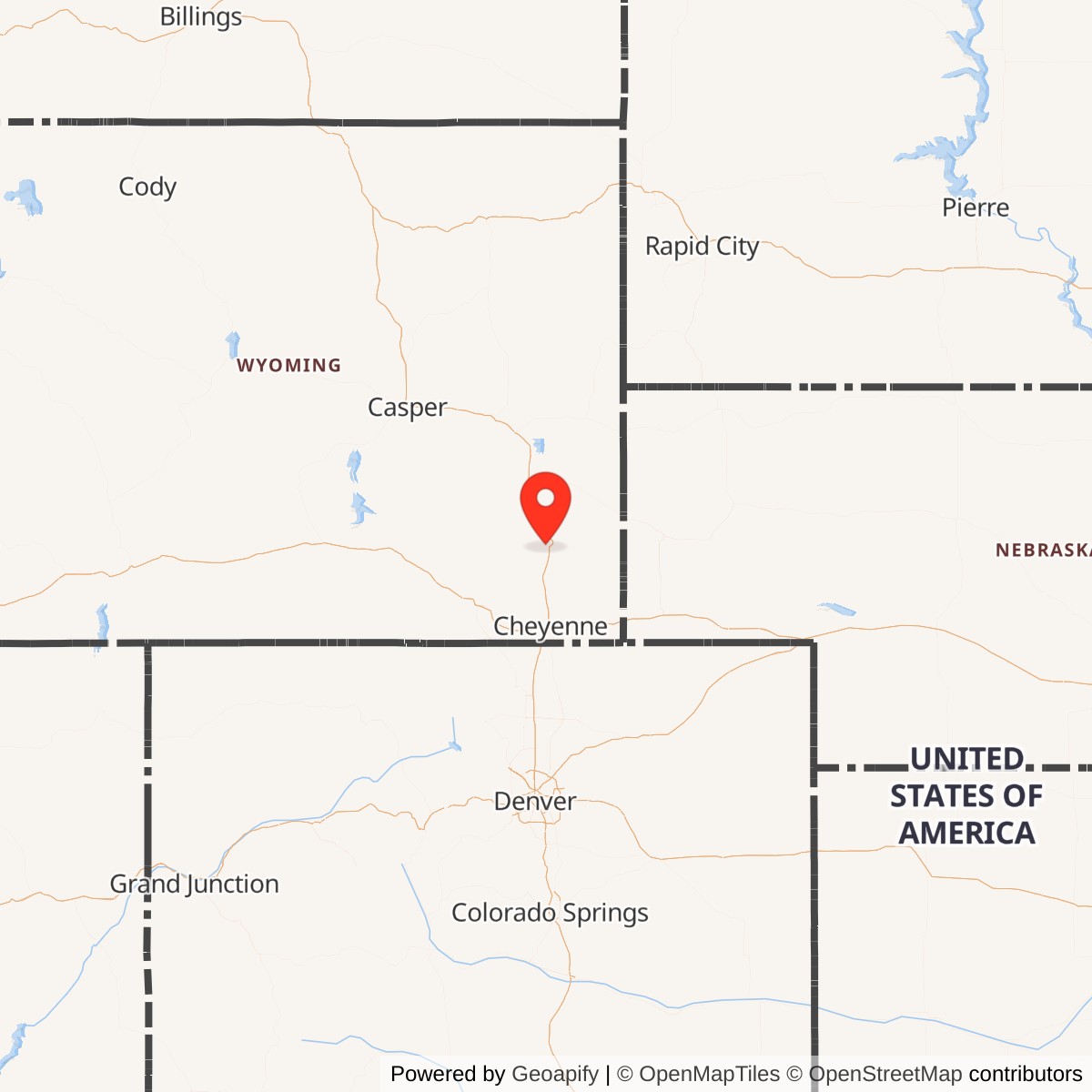
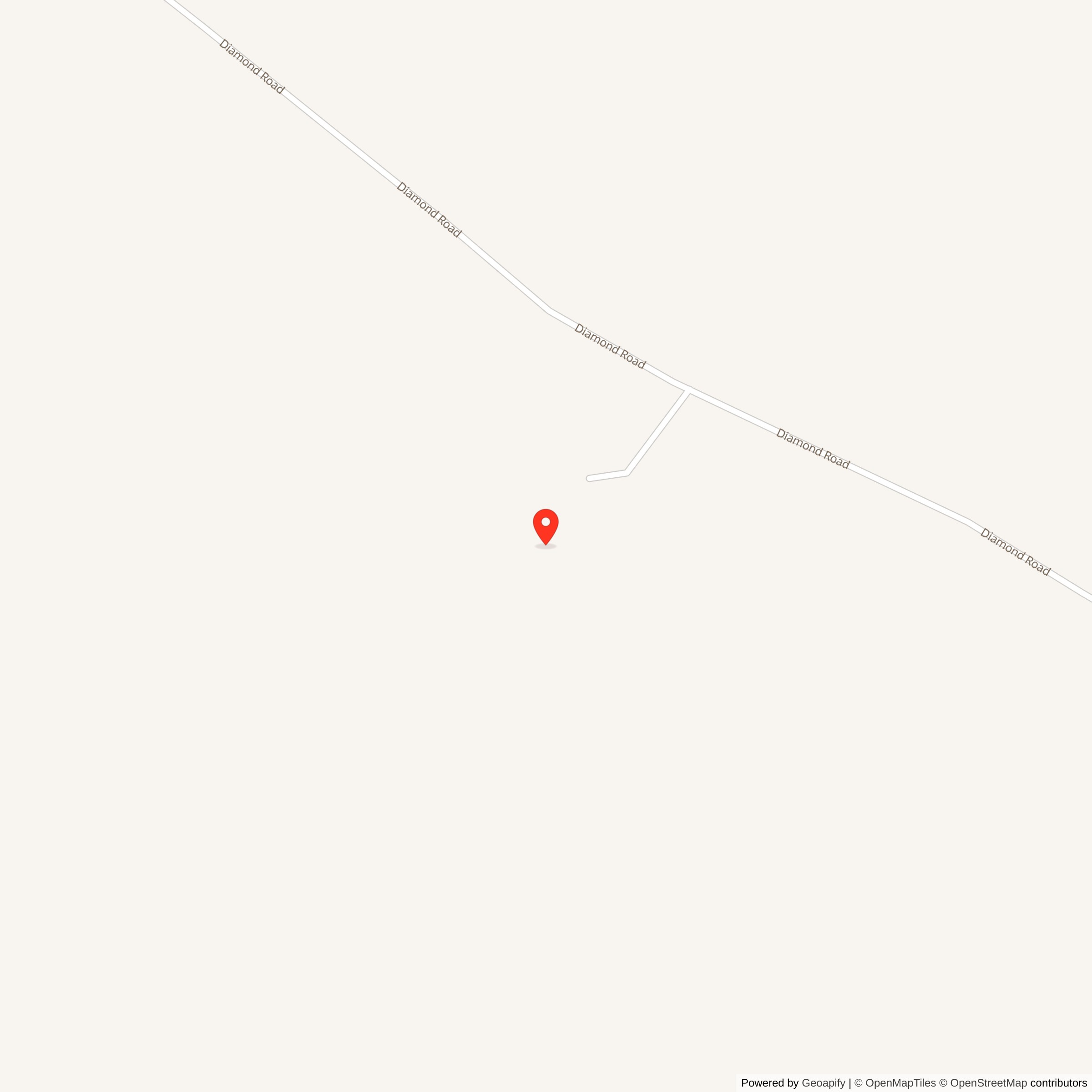
Q-02 is easy to overlook on the map: a former fenced launch-facility site a few miles west-northwest of Chugwater, Wyoming, one dot among the hundreds that once made F.E. Warren Air Force Base one of the densest nuclear landscapes in the United States. But Q-02 was not just another silo in Quebec Flight. During the Peacekeeper conversion, it became the first Quebec Flight launch facility documented as receiving a Peacekeeper launch canister, and it was one of the specific sites watched by peace activists as the MX / Peacekeeper debate moved from national policy into Wyoming ranch country.
Launch Facility Q-02 was an unmanned missile silo / Launch Facility in Quebec Flight, controlled from Q-01, the Quebec 01 Missile Alert Facility / Launch Control Facility. The site belonged to the F.E. Warren Air Force Base missile field, the 90th Strategic Missile Wing during the Strategic Air Command era, and the 400th Strategic Missile Squadron / later 400th Missile Squadron during the Minuteman and Peacekeeper years. It was originally built for LGM-30B Minuteman I, later served in the Minuteman III force, and was then converted for the LGM-118A Peacekeeper.
The site is located near Chugwater in Platte County, Wyoming. A public Peacekeeper site-photo listing identifies the same site as Francis E. Warren AF Missile Site Q-02, Permanent Installation Number 9230, Installation Location Code GHYK, at 41-45-54, 104-51-58. The coordinate identifies the former launch-facility area rather than the public highway or the Q-01 control site. Q-02 is inactive, decommissioned, and associated with the former Peacekeeper launch facilities selected for elimination under New START after Peacekeeper retirement.
Q-02 lay about 2.4 miles west-northwest of Chugwater, north of the preserved Quebec 01 control site and north of Cheyenne. The surrounding landscape is high-plains ranch and agricultural country, the kind of open ground that made the F.E. Warren missile field suitable for a dispersed ICBM system. The point of the system was not to concentrate missiles at the base itself, but to scatter unmanned launch facilities across wide distances and connect them to hardened underground launch-control centers through buried communications systems.
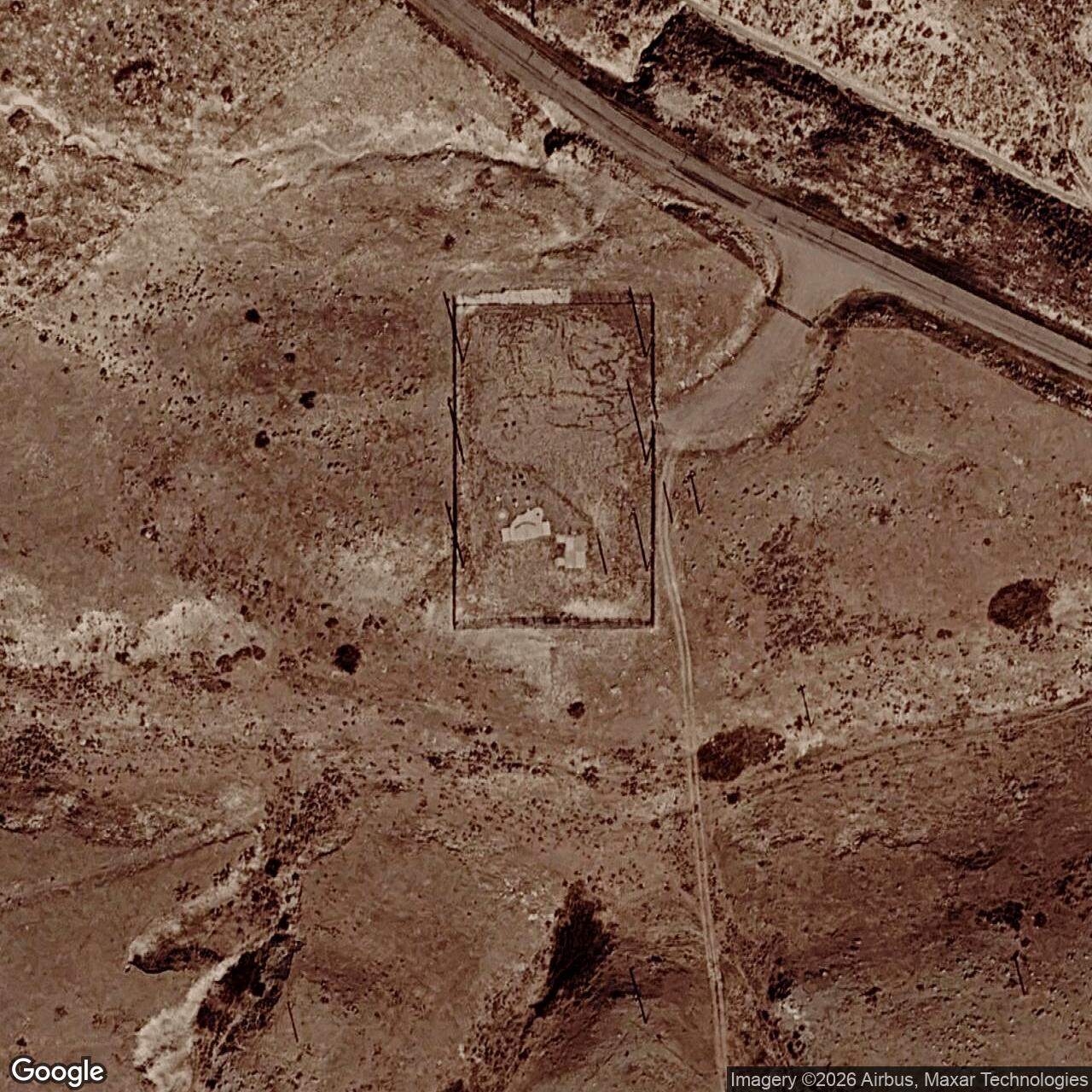
As a Minuteman and later Peacekeeper launch facility, Q-02 would have been normally unmanned. Missile combat crews worked in the underground Launch Control Center at Q-01, while security forces, maintenance teams, communications specialists, and other support personnel traveled to Q-02 when required. The launch facility's surface expression was intentionally modest: fencing, access, launch-facility hardstand and cover area, utilities, security-related equipment, and support features rather than a large aboveground military complex.
Public site photography from the former Peacekeeper field documents Q-02 by general exterior views and identifies the site's Air Force property codes. Those photographs are useful because former Peacekeeper launch facilities were later altered or eliminated for treaty purposes. They record the kind of plain, fenced rural installation that characterized many Minuteman-origin launch facilities before final disposal work changed the physical remains.
Q-02 is identified in Quebec 01 documentation as the first launch facility to receive a Peacekeeper launch canister. That detail matters because the Peacekeeper was not deployed in a new purpose-built missile field. It was forced into a political and engineering compromise: a new, larger, multiple-warhead missile placed inside modified Minuteman infrastructure. At Q-02, that national compromise became physical work at a specific Wyoming launch facility.
National Historic Landmark documentation for Quebec 01 notes that the installation of Peacekeeper missiles at F.E. Warren drew peace protesters and that activists monitored conversion activity at some launch facilities, including Q-02. WyoHistory.org likewise places the MX / Peacekeeper deployment in the context of local protest, rancher concerns, and broader anxiety over whether the missile's accuracy and multiple-warhead capability made it destabilizing. Q-02 therefore belongs not only to the engineering history of the missile field but also to the public-history story of how national nuclear strategy touched rural Wyoming communities.
Q-02 is inactive and decommissioned. It is not a public historic site like Q-01. Public access should not be assumed.
For the full Quebec Flight narrative, see Q-01 Missile Alert Facility / Launch Control Center
Chronology
- 1962-10-15 Morrison-Knudsen Company received the major construction contract for the F.E. Warren Minuteman facilities.
- 1963 Construction of F.E. Warren's Minuteman launch-control and launch-facility network was underway.
- 1965-06 The 400th Strategic Missile Squadron, including Quebec Flight, became operational.
- 1975 Minuteman III replaced Minuteman I at F.E. Warren; Minuteman II was not deployed at the base.
- 1982-11 President Ronald Reagan renamed MX as Peacekeeper and proposed deployment at F.E. Warren.
- 1986 Q-02 became the first Quebec Flight launch facility documented as receiving a Peacekeeper launch canister.
- 1986-12-22 Peacekeeper deployment in existing Minuteman silos achieved initial operational capability when the tenth missile at F.E. Warren was placed on alert.
- 1988 Fifty Peacekeeper missiles were in service at F.E. Warren.
- 1988 Activists monitored Peacekeeper conversion activity at some F.E. Warren launch facilities, including Q-02.
- 2002-10 Peacekeeper deactivation began.
- 2005-09-19 The Peacekeeper missile mission ended at F.E. Warren, with no Peacekeepers remaining on strategic alert in the 400th Missile Squadron.
- 2011-02-05 New START entered into force.
- 2013-08-23 F.E. Warren announced permanent elimination of fifty previously deactivated Peacekeeper launch facilities.
- 2014-12 The Air Force's public plan called for elimination of F.E. Warren Peacekeeper launch facilities by December 2014.
Read about the Peacekeeper Missile at F.E. Warren AFB
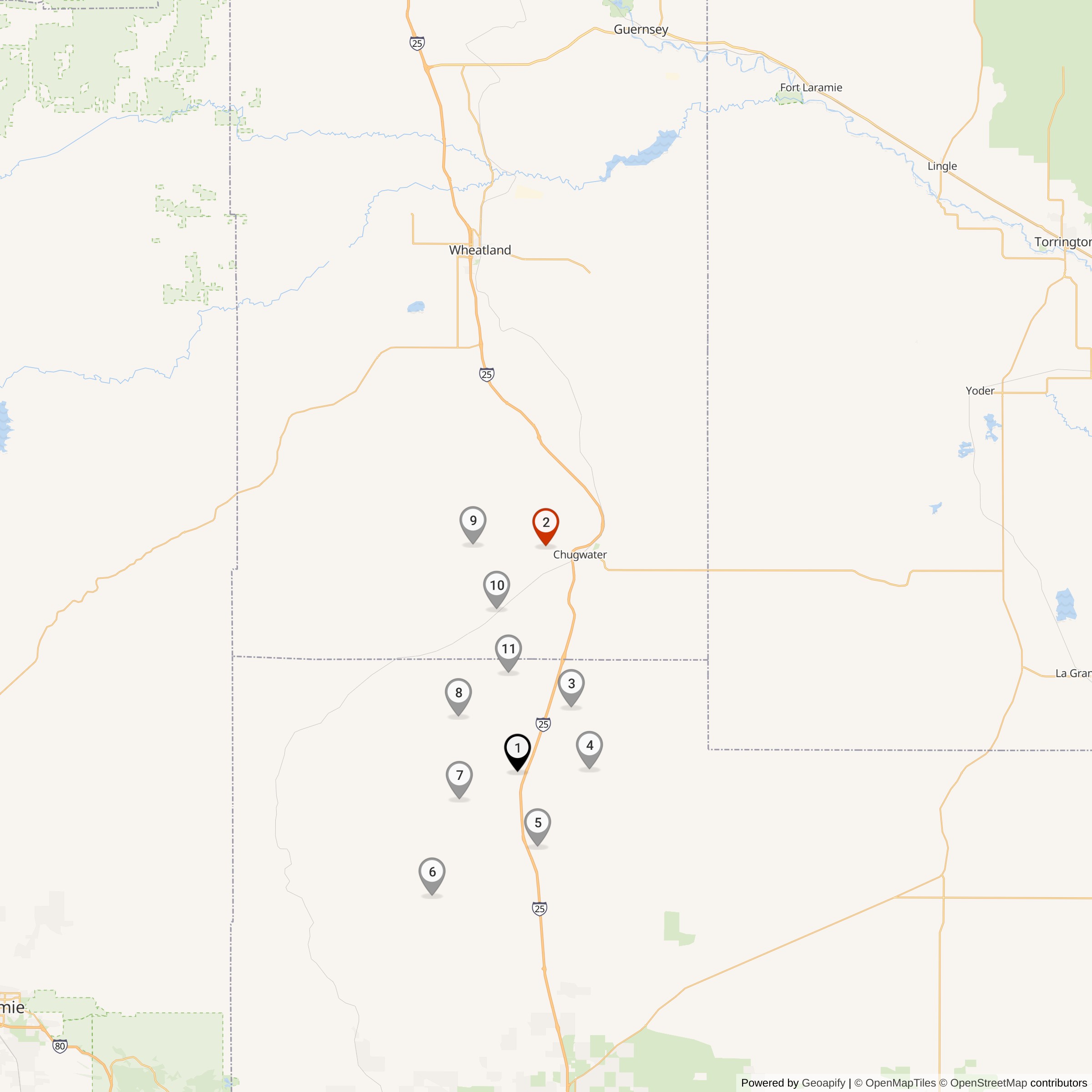
All Peacekeeper Missile Silo Locations
All Minuteman/Peacekeeper Missile Silo Locations