
Minuteman Launch Facility Q-09 (Quebec-09 LF), Chugwater Wyoming
Longitude: -104.962402
Site Type: Missile Launch Facility - Silo
A LF consists of a launcher and an associated launch facility support building (LFSB). All facilities are enclosed within a security fence. The sites average about 1.6 acres in size and holds one missile.
Missile Type: LGM-30B Minuteman I; LGM-30G Minuteman III; LGM-118A Peacekeeper
Parent Base: F.E. Warren AFB
Missile Wing: 90th Missile Wing; 90th Strategic Missile Wing during SAC era
Missile Squadron: 400th Missile Squadron / 400th Strategic Missile Squadron (Peacekeeper-converted former squadron)
Current Site Use: Former Minuteman / Peacekeeper launch facility; part of the 50 former F.E. Warren Peacekeeper LFs selected for New START elimination; current parcel use to verify.
Site Ownership: Former U.S. Air Force missile field property; post-elimination disposition may have offered parcel to adjacent landowners/government agencies/public auction; current ownership to verify.
Accessible: No public access confirmed; view only from public roads where legal; do not enter without permission.
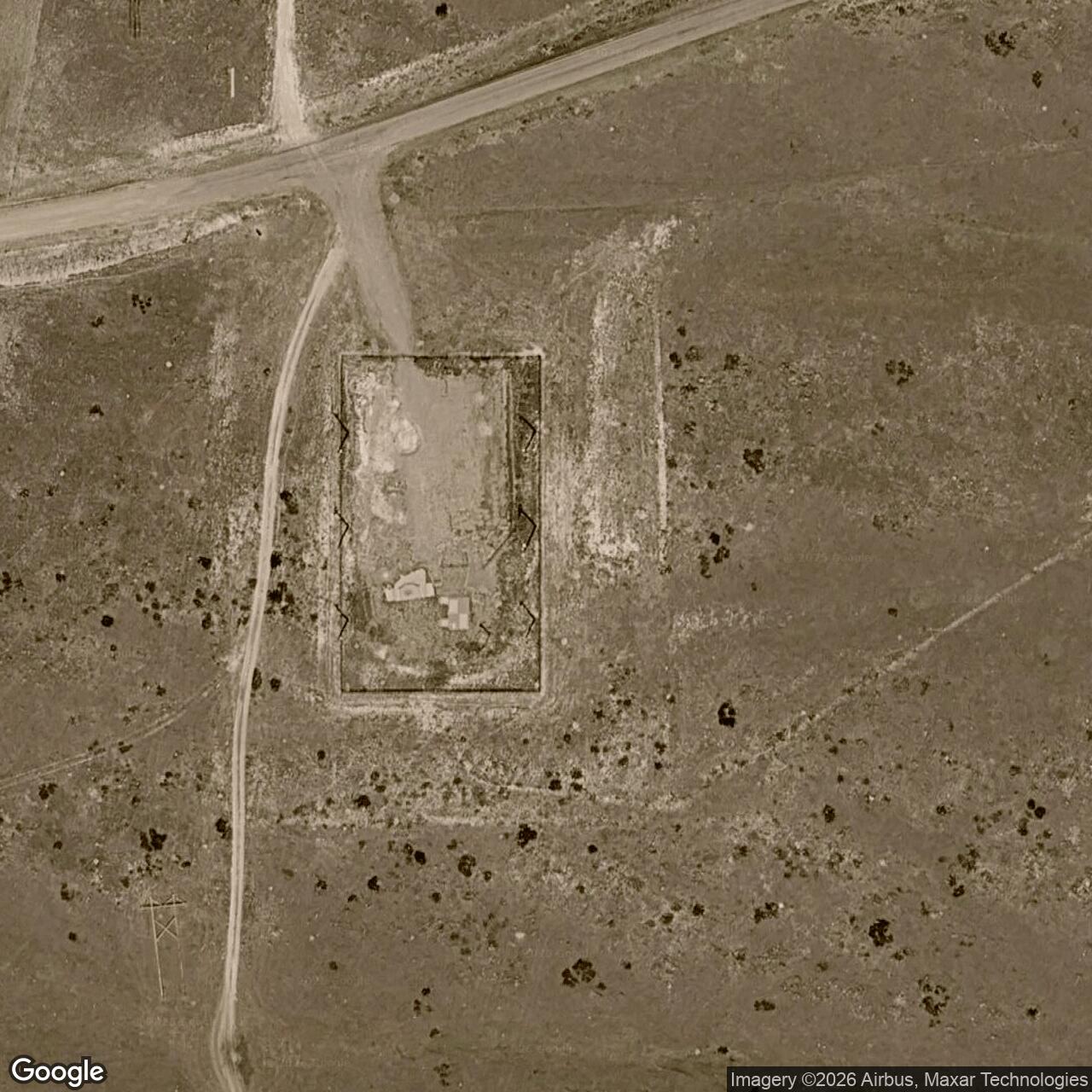
Q-09 was one of the quiet Peacekeeper silos: not a museum, not the famous Quebec Flight accident site, and not a control center with crew bedrooms and a blast-door story to tell. Its Cold War meaning sits in the surface details, a fence line, utility poles, a gravel approach, and a sealed launcher area on open Wyoming range. Places like Q-09 were the actual geography of the Peacekeeper program: ordinary-looking rural compounds built to hold one of the most powerful land-based nuclear missiles the United States ever deployed.
Launch Facility Q-09 was an unmanned missile silo / Launch Facility in Quebec Flight, controlled from Q-01, the Quebec 01 Missile Alert Facility / Launch Control Facility. The site belonged to the F.E. Warren Air Force Base missile field, the 90th Strategic Missile Wing during the Strategic Air Command era, and the 400th Strategic Missile Squadron / later 400th Missile Squadron during the Minuteman and Peacekeeper years. It was originally built for the LGM-30B Minuteman I, later served in the Minuteman III force, and was then converted for the LGM-118A Peacekeeper.
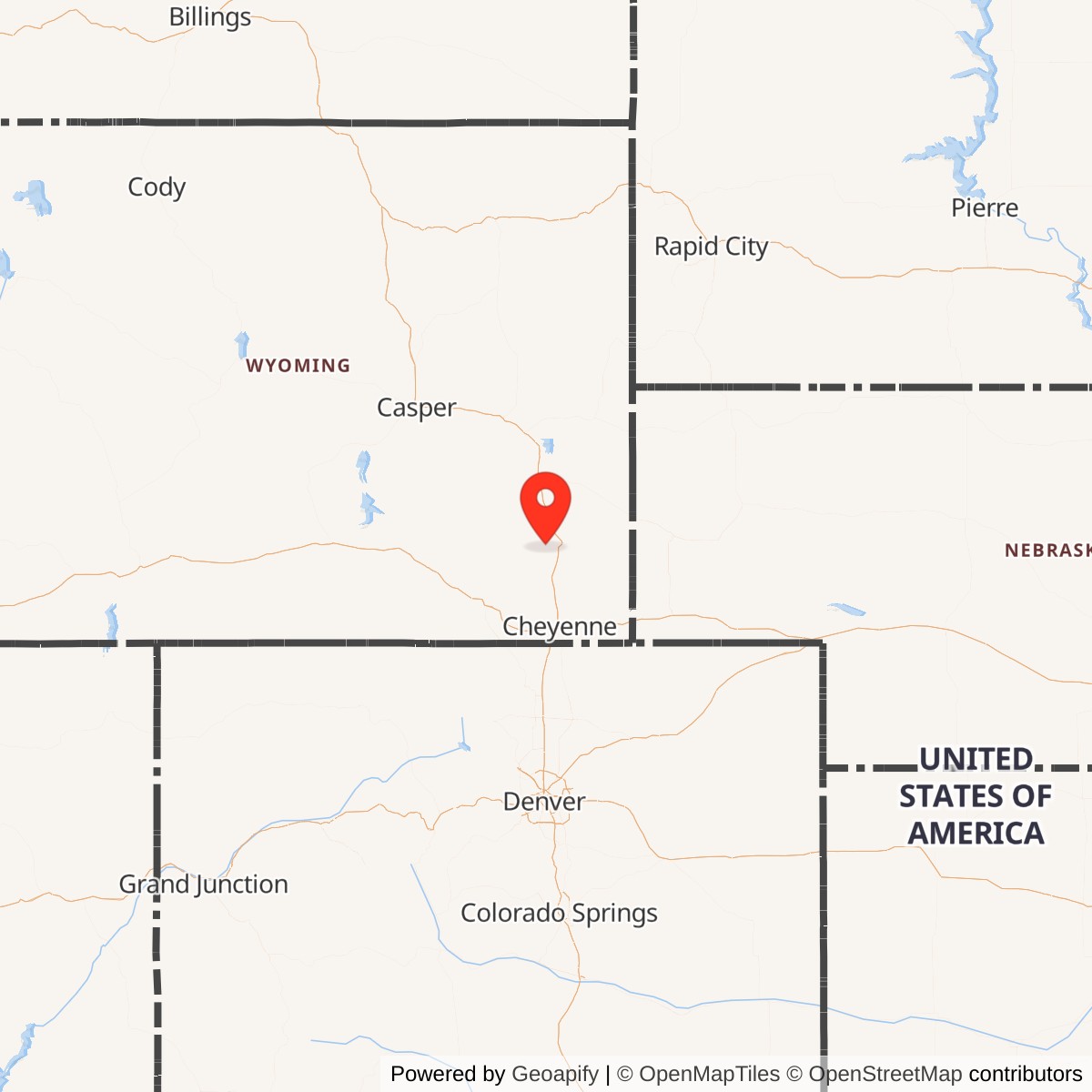
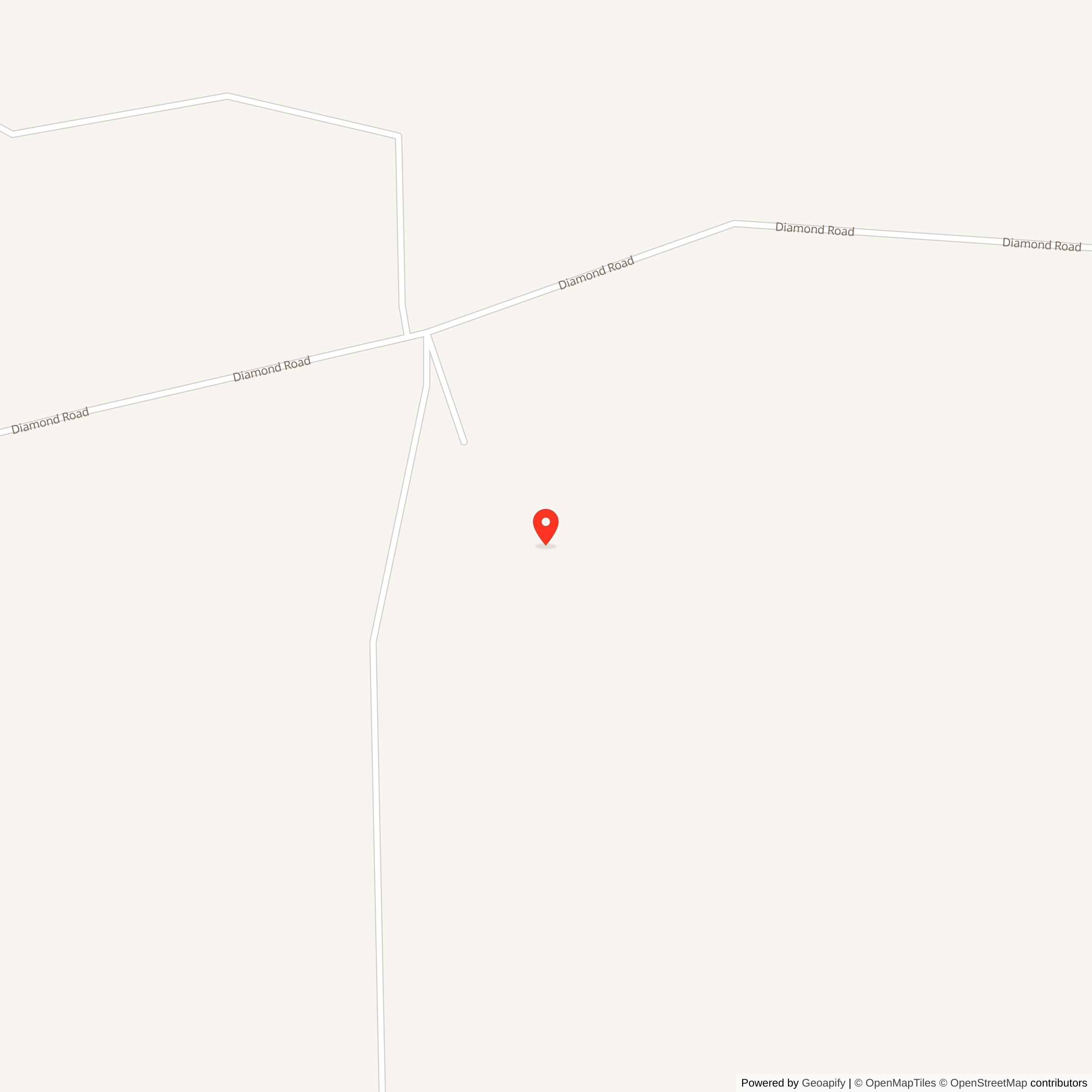
The site is located in Laramie County, Wyoming, west of Chugwater and north of Cheyenne.
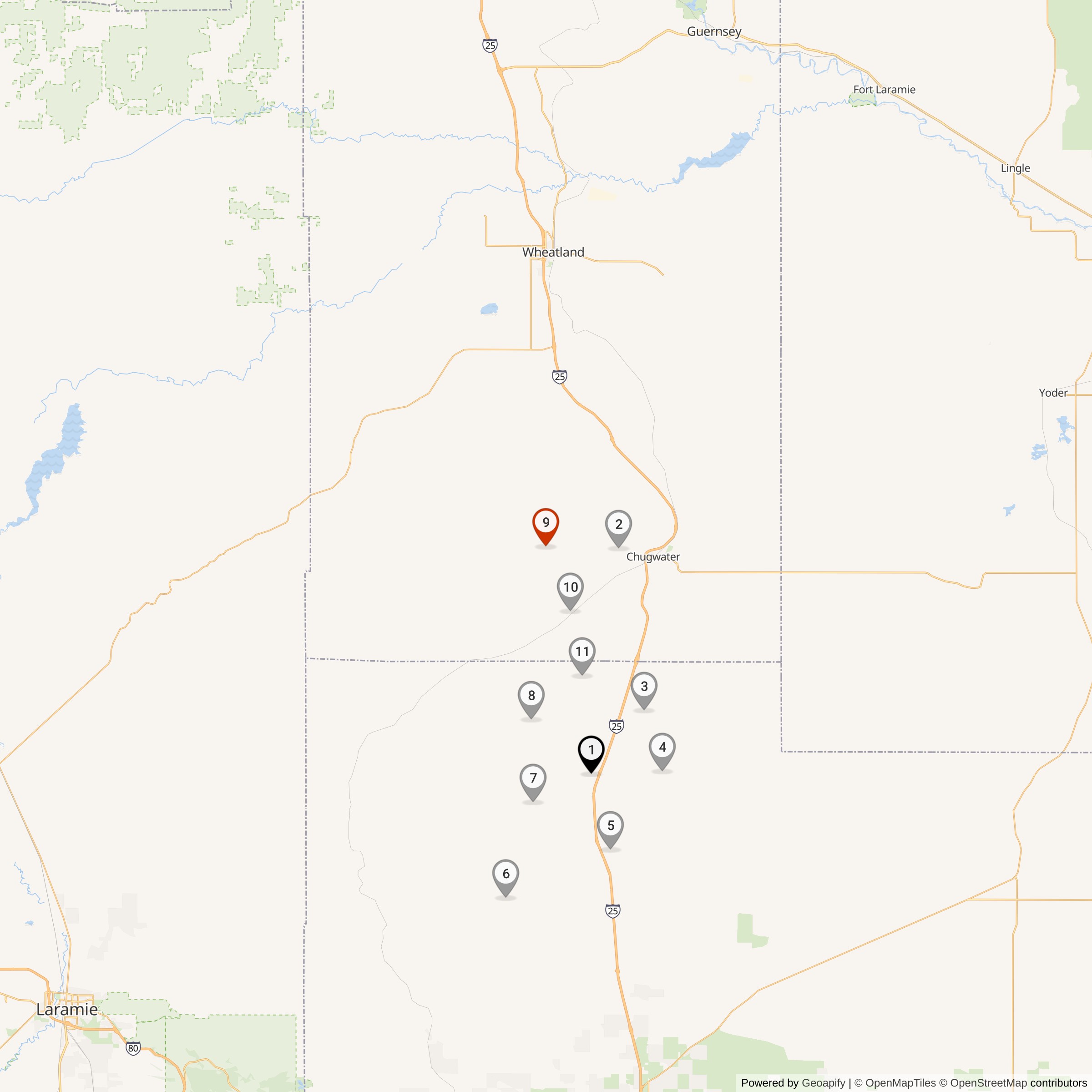
Q-09 lay in the high-plains missile landscape west of Chugwater, within the Quebec Flight group of former 400th Missile Squadron facilities. The setting was not accidental. Minuteman and Peacekeeper launch facilities relied on dispersal: each silo was set apart from the control facility and from other silos so that a single strike could not easily destroy the entire flight. The open ranchland and section-road geography of southeastern Wyoming gave the Air Force room to spread hardened launchers across a large missile field while tying them back to underground launch-control centers through hardened communications links.
As a Launch Facility, Q-09 was normally unmanned. Missile combat crews worked from the underground Launch Control Center at Q-01, while maintenance teams, security forces, communications personnel, and other specialists visited Q-09 as needed. The site itself was a hardened, fenced launch compound containing the belowgrade launcher structure and aboveground support features. It was not a crew residence or command post; that role belonged to the Q-01 Missile Alert Facility.
Public exterior photographs taken in 2013 show Q-09 as a fenced former Peacekeeper launch compound with a gravel access road, a gate, multiple utility and light poles, perimeter fencing, and visible surface launcher-support features inside the compound. The images show the kind of remaining surface fabric that makes former Peacekeeper launch facilities recognizable even after deactivation: a compact fenced pad, utility infrastructure, and a largely empty high-plains horizon. Those photographs are especially useful because ordinary Peacekeeper launch facilities were later subject to treaty-driven elimination and land-disposition actions.
Q-09 is inactive and decommissioned. It is not a public historic site like Q-01. It was one of the 50 former F.E. Warren Peacekeeper launch facilities addressed by post-Peacekeeper arms-control and disposal planning. Public Air Force reporting in 2013 stated that the United States had chosen to permanently eliminate 50 previously deactivated F.E. Warren Peacekeeper launch facilities under New START. The planned method for the Warren Peacekeeper launch facilities was to fill the silos with earth and gravel, after which land disposition could proceed through first-refusal rights, government-agency offering, or public auction.
For the full Quebec Flight narrative, see Q-01 Missile Alert Facility / Launch Control Center
Chronology
- 1965-06 The 400th Strategic Missile Squadron, including Quebec Flight, became operational with Minuteman IB missiles.
- 1974-09-03 The 90th Strategic Missile Wing removed its last Minuteman IB from alert status.
- 1975 Minuteman III replaced Minuteman I at F.E. Warren; Minuteman II was not deployed at the base.
- 1986 Peacekeeper conversion brought former Minuteman facilities in Papa, Quebec, Romeo, Sierra, and Tango Flights into the only operational Peacekeeper missile field.
- 1986-10-10 The 90th Strategic Missile Wing had the first strategically postured Peacekeeper site.
- 1986-12-16 F.E. Warren reached initial operating capability for Peacekeeper.
- 1988 Fifty Peacekeeper missiles were in service at F.E. Warren.
- 2002 Peacekeeper deactivation began as part of the post-Cold War nuclear-force drawdown.
- 2005-09-19 The Peacekeeper missile mission ended at F.E. Warren; no Peacekeepers remained on strategic alert in the 400th Missile Squadron.
- 2011-02-05 New START entered into force.
- 2013-07-13 Public exterior photographs documented Q-09's post-Peacekeeper surface condition.
- 2013-08-23 F.E. Warren announced permanent elimination of 50 previously deactivated Peacekeeper launch facilities.
- 2014-12 The Air Force's public plan called for elimination of F.E. Warren Peacekeeper launch facilities by December 2014.
Read about the Peacekeeper Missile at F.E. Warren AFB
All Peacekeeper Missile Silo Locations
All Minuteman/Peacekeeper Missile Silo Locations