
Minuteman Launch Facility Q-10 (Quebec-10 LF), Chugwater Wyoming
Longitude: -104.930710
Site Type: Missile Launch Facility - Silo
A LF consists of a launcher and an associated launch facility support building (LFSB). All facilities are enclosed within a security fence. The sites average about 1.6 acres in size and holds one missile.
Missile Type: LGM-30B Minuteman I; LGM-30G Minuteman III; LGM-118A Peacekeeper
Parent Base: F.E. Warren AFB
Missile Wing: 90th Missile Wing; 90th Strategic Missile Wing during SAC era
Missile Squadron: 400th Missile Squadron / 400th Strategic Missile Squadron (Peacekeeper-converted field)
Current Site Use: Former Minuteman / Peacekeeper launch facility; part of the 50 former F.E. Warren Peacekeeper launch facilities selected for New START-era elimination; current parcel-level reuse not verified.
Site Ownership: Former U.S. Air Force missile field property; post-elimination disposition may have passed through adjacent-landowner, government-agency, or public-auction process; current parcel ownership not verified.
Accessible: No public access confirmed; view only from public roads where legal; do not enter former LF or surrounding land without current owner permission.
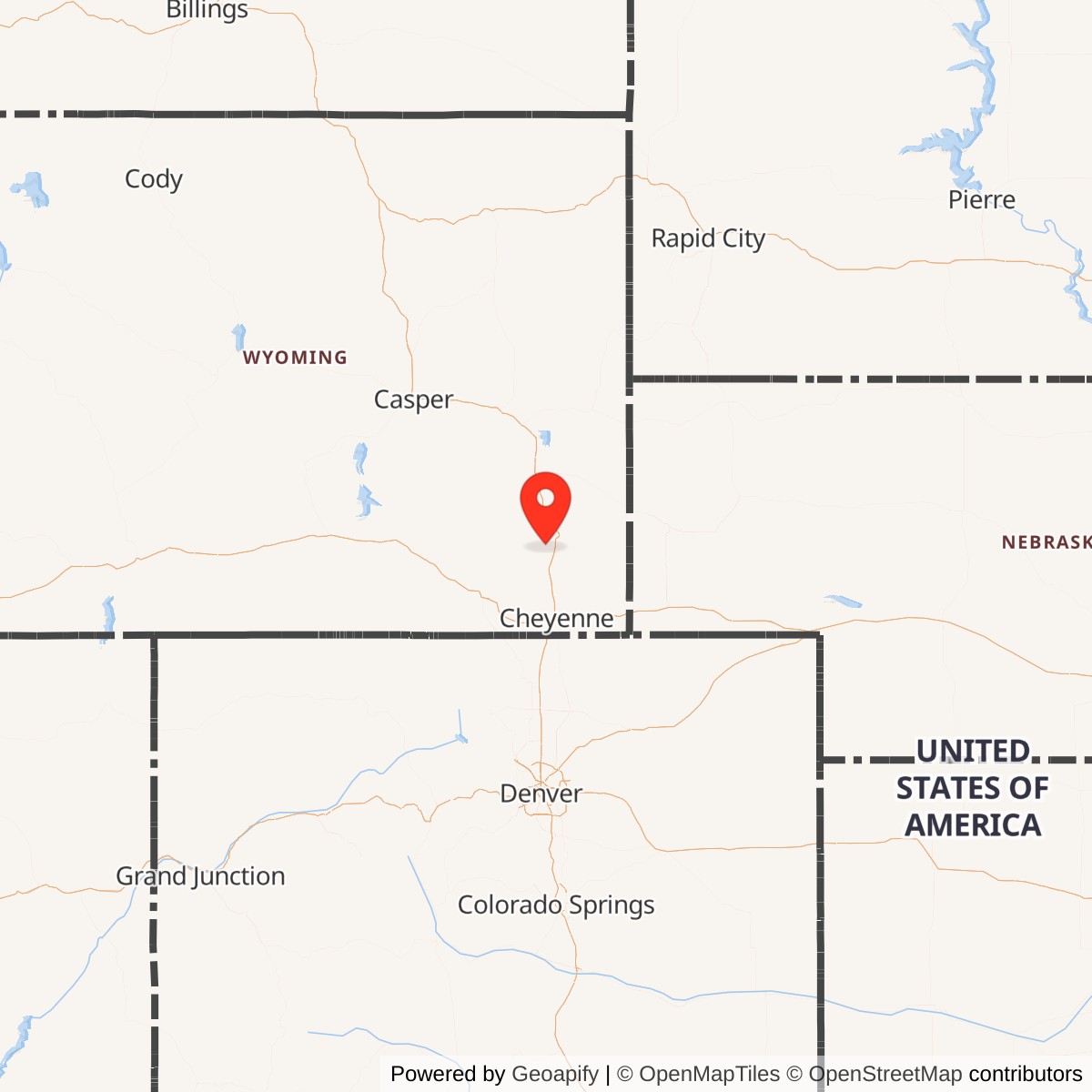
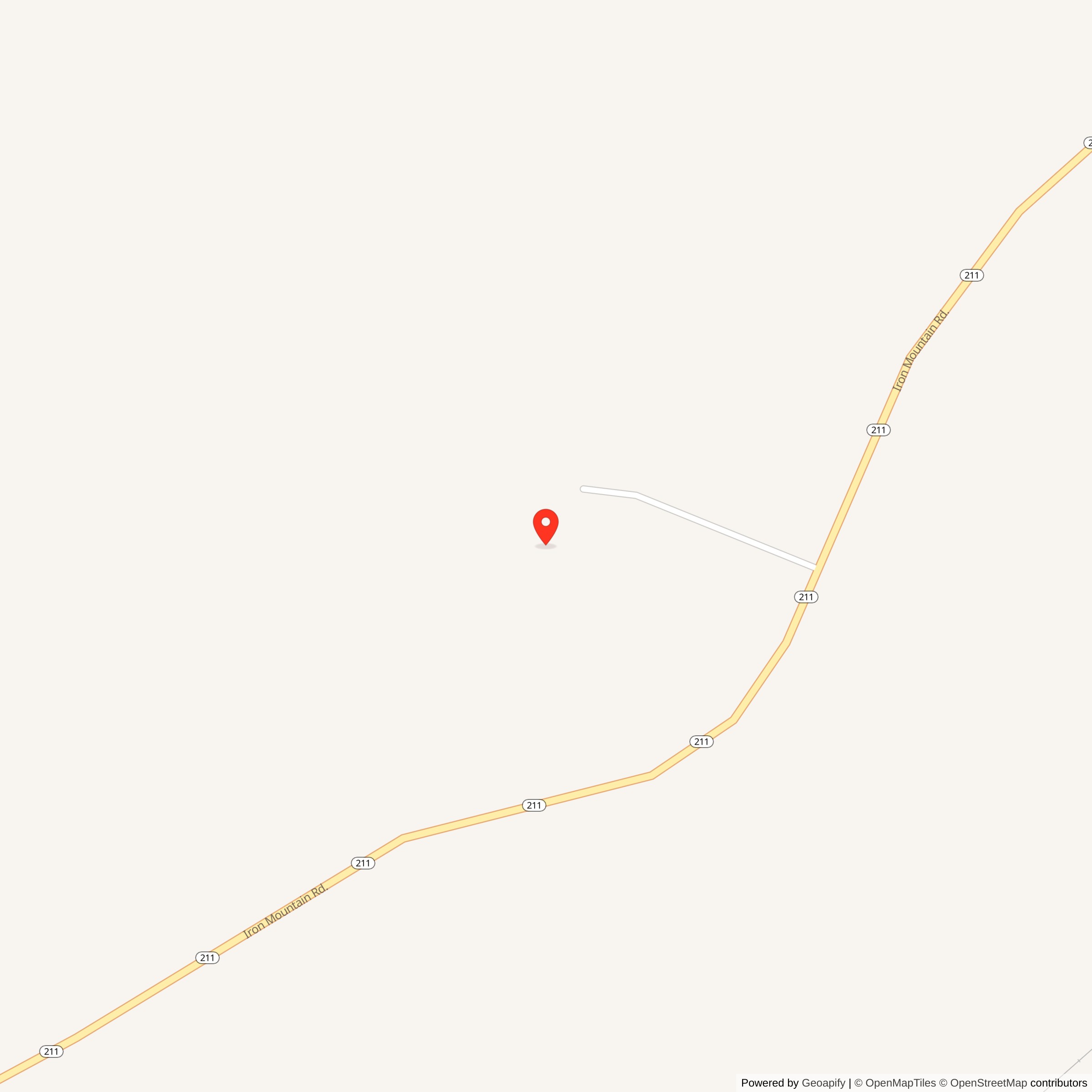
Q-10 is the Quebec Flight launch facility where the Peacekeeper story stops being abstract. On 1988-06-15, public Wyoming historical accounts report that an MX / Peacekeeper missile collapsed or dropped inside the Q-10 silo, triggered a missile-away indication, and exposed how much safety, maintenance discipline, and public confidence mattered inside a weapon system built to project certainty. Most former Peacekeeper silos are significant because they carried the last generation of U.S. land-based Cold War ICBM modernization. Q-10 is more specific: it is one of the few individual Peacekeeper launch facilities with a documented missile-system failure tied directly to its site.
Launch Facility Q-10 was an unmanned missile silo / Launch Facility in Quebec Flight, controlled from Q-01, the Quebec 01 Missile Alert Facility / Launch Control Facility. The site belonged to the F.E. Warren Air Force Base missile field, the 90th Strategic Missile Wing during the Strategic Air Command era, and the 400th Strategic Missile Squadron / later 400th Missile Squadron during the Minuteman and Peacekeeper years. It was originally built for LGM-30B Minuteman I, later served in the LGM-30G Minuteman III force, and was then converted for the LGM-118A Peacekeeper.
The site is in Laramie County, Wyoming, in the Chugwater / northern Cheyenne vicinity. Public Peacekeeper site-photo documentation identifies the same site as Francis E. Warren AF Missile Site Q-10, Permanent Installation Number 9232, Installation Location Code GHYT, at 41-42-13, 104-55-51.
Q-10 sat on open high-plains terrain north of Cheyenne and near the Chugwater area. Its rural location was not incidental. Minuteman and Peacekeeper launch facilities were dispersed across broad distances so that a single attack could not easily destroy the whole missile force. In the Warren field, that meant that ordinary ranch roads, low hills, fences, power lines, and farm or grazing landscapes became part of the geography of nuclear deterrence.
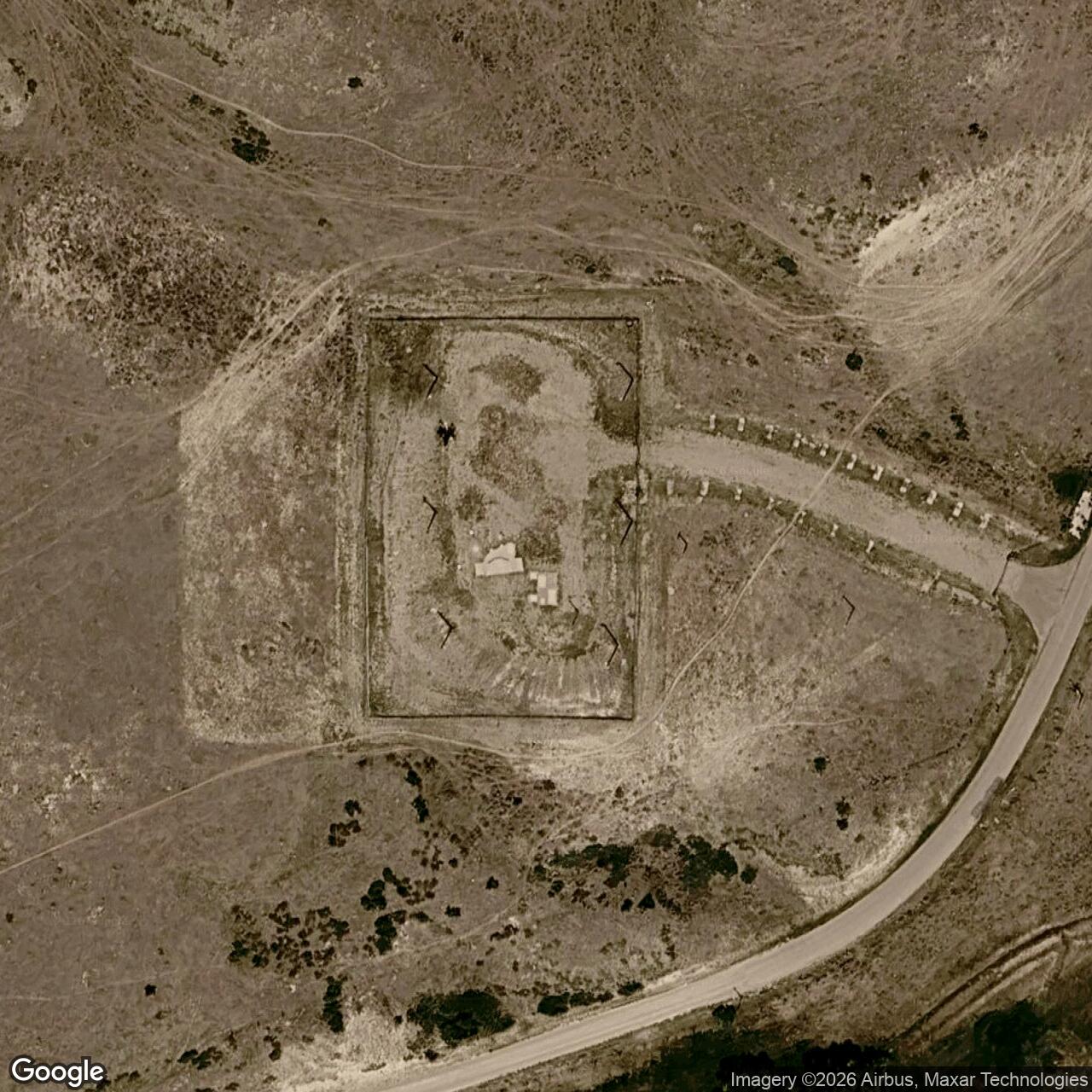
As a Launch Facility, Q-10 was normally unmanned. Missile combat crews served at the underground Launch Control Center associated with Q-01, while maintenance teams, security forces, communications specialists, and other support personnel visited Q-10 as required. The aboveground appearance was deliberately restrained: a fenced compound, access gate, service road, launcher area, utility poles, security lighting, and small site features associated with power, grounding, alignment, communications, and security. The operational core of the site was the hardened underground launcher and its connection to the command-and-control network.
Public photographs taken in July 2013 show Q-10 before or during the broader period when former Peacekeeper launch facilities were being eliminated. The images show a fenced rural launch-facility compound with a gate, internal access road, launch-facility mound, utility poles, and an azimuth marker post. These photographs are important because former Peacekeeper launch facilities were later filled, graded, sold, transferred, or otherwise altered after the missile mission ended.
Q-10 has documented site-specific significance because of the 1988 Peacekeeper weapon-system failure. WyoHistory.org's public account states that on 1988-06-15, only about 15 months after the missile had been sited, an MX missile collapsed in silo Q-10 on the Wyoming plains and triggered a missile-away indication in the control room. The same account explains that a missile-away light would normally indicate a proper launch sequence, while in other cases it could function as a warning that maintenance was required.
The reported failure involved a collapse of the skirt at the base of the missile due to a failed epoxy bond, causing the missile to drop six to eight inches within the silo. WyoHistory's account, drawing on contemporary reporting and an Air Force investigation report obtained under the Freedom of Information Act, further states that warning protocols associated with a missile-away indication should have prevented attempts to restore power, but that this information was not properly given to technicians, who attempted to restore power to the missile. The concern in the public account was not a nuclear detonation; rather, it was the risk of a serious non-nuclear missile accident, including possible ignition or contamination hazards in a nuclear-armed missile environment.
The U.S. Government Accountability Office did not publicly identify Q-10 by name in its 1989 Peacekeeper status report, but it did provide official confirmation that a Peacekeeper weapon-system failure had occurred in 1988 and that some missiles were not being put on alert pending Strategic Air Command evaluation of that failure. GAO noted that the details of the failure and the number of systems held off alert were classified, while SAC stated that all 50 Peacekeeper missiles could be put on alert if necessary.
The Q-10 failure matters because it punctured the clean public image of the Peacekeeper deployment at the exact level where the missile met the converted Minuteman infrastructure. The national debate over MX often focused on basing schemes, survivability, warhead counts, and arms-control policy. Q-10 shows another layer: the reliability of the physical missile in its launcher, the procedures followed by field personnel, the limits of public knowledge when details remained classified, and the local consequences of placing the most advanced U.S. ICBM into existing rural silos.
Q-10 is inactive and decommissioned.
For the full Quebec Flight narrative, see Q-01 Missile Alert Facility / Launch Control Center
Chronology
- 1963-01-23 Construction began for Quebec Flight facilities in the F.E. Warren Minuteman field, according to published Minuteman construction milestone data.
- 1964-06-03 Quebec Flight construction was completed, according to published Minuteman construction milestone data.
- 1965-04-26 Quebec Flight facilities were turned over to Strategic Air Command, according to published Minuteman construction milestone data.
- 1965-06 The 400th Strategic Missile Squadron, including Quebec Flight, became operational with Minuteman IB missiles.
- 1972 F.E. Warren began implementing the Minuteman force-modernization program that replaced Minuteman IB with Minuteman III.
- 1974-09-03 F.E. Warren removed its last Minuteman IB from alert status.
- 1975 Minuteman III replaced Minuteman I at F.E. Warren; Minuteman II was not deployed at the base.
- 1986 Peacekeeper conversion work brought Quebec Flight into the only operational Peacekeeper missile field.
- 1986-10-10 F.E. Warren had its first strategically postured Peacekeeper site.
- 1986-12-16 F.E. Warren reached initial operating capability for Peacekeeper.
- 1988 Fifty Peacekeeper missiles were in service at F.E. Warren.
- 1988-06-15 Public Wyoming historical accounts report that an MX / Peacekeeper missile collapsed or dropped within silo Q-10, triggering a missile-away indication and later safety-procedure concerns.
- 1988-12-31 GAO reported that 50 Peacekeeper missiles in Minuteman silos at F.E. Warren had been turned over to Strategic Air Command and full operational capability had been declared, while some missiles were not on alert pending evaluation of a 1988 Peacekeeper weapon-system failure.
- 1989-03-09 GAO published ICBM Modernization: Availability Problems and Flight Test Delays in Peacekeeper Program, confirming that details of the 1988 failure and the number of systems held off alert remained classified.
- 2002-10-04 The first Peacekeeper missile was deactivated.
- 2005-09-19 The Peacekeeper missile mission ended at F.E. Warren, with no Peacekeepers remaining on strategic alert in the 400th Missile Squadron.
- 2005-10 The 400th Missile Squadron was deactivated after the Peacekeeper mission ended.
- 2011-02-05 New START entered into force.
- 2013-07-13 Public site photography documented remaining Q-10 surface features before or during the broader launch-facility elimination period.
- 2013-08-23 F.E. Warren announced permanent elimination of 50 previously deactivated Peacekeeper launch facilities.
- 2014-12 The Air Force's public plan called for elimination of F.E. Warren Peacekeeper launch facilities by December 2014.
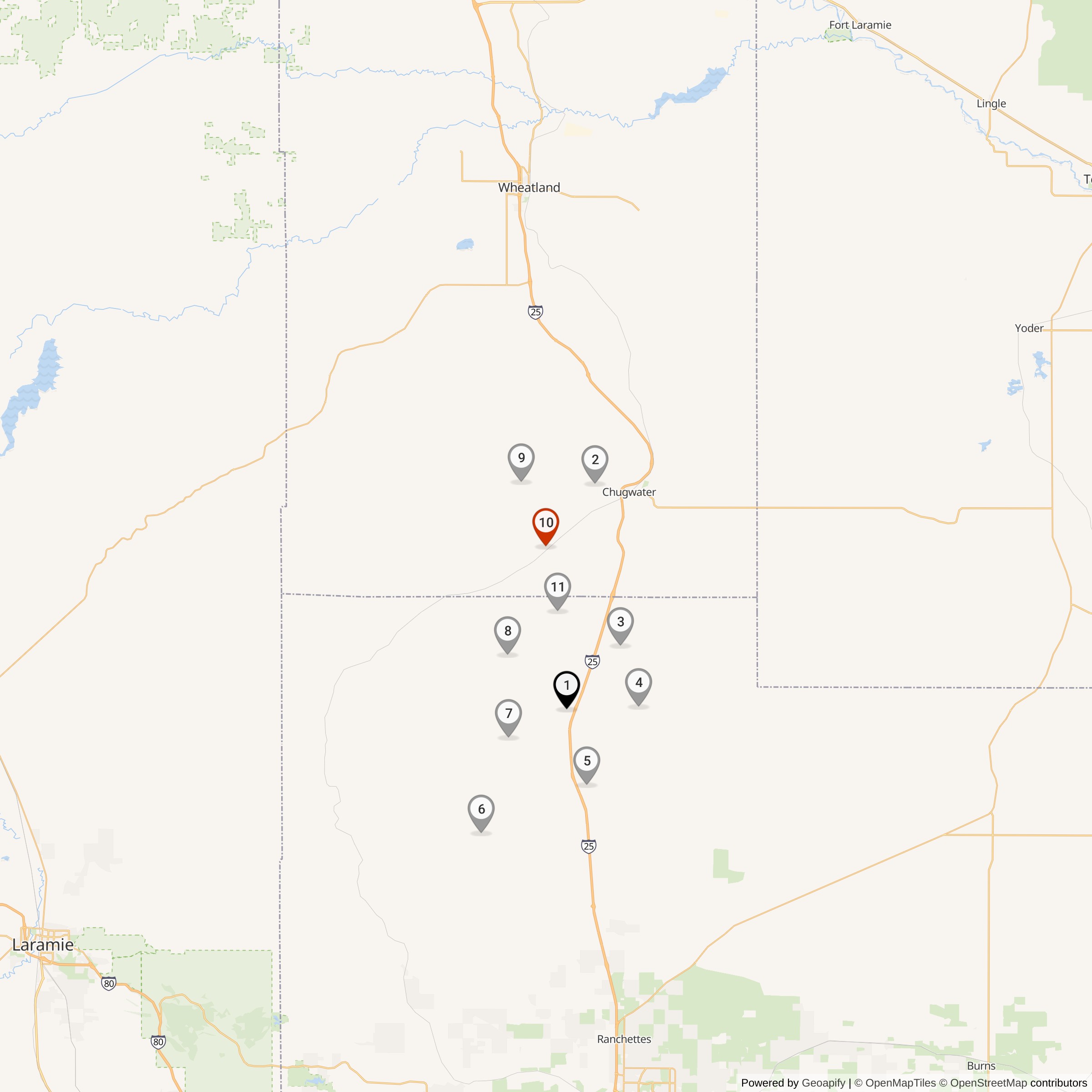
Read about the Peacekeeper Missile at F.E. Warren AFB
All Peacekeeper Missile Silo Locations
All Minuteman/Peacekeeper Missile Silo Locations