
Minuteman Launch Facility S-02 (Sierra-02 LF), Torrington Wyoming
Longitude: -104.209857
Site Type: Missile Launch Facility - Silo
A LF consists of a launcher and an associated launch facility support building (LFSB). All facilities are enclosed within a security fence. The sites average about 1.6 acres in size and holds one missile.
Missile Type: LGM-30B Minuteman I; LGM-30G Minuteman III; LGM-118A Peacekeeper
Parent Base: F.E. Warren AFB
Missile Wing: 90th Strategic Missile Wing; 90th Missile Wing
Missile Squadron: 400th Strategic Missile Squadron / 400th Missile Squadron
Permanent Installation Number: 9234
Installation Location Code: GHZH
Current Site Use: Former Minuteman / Peacekeeper launch facility; missile removed, site placed in caretaker status, then included in New START-era silo elimination/backfill/grading program; current parcel-level reuse not verified.
Site Ownership: Former U.S. Air Force missile field property; post-New START real-estate disposition/current ownership not verified from public parcel records.
Accessible: No public access confirmed; view only from public roads where legal; do not enter former LF or surrounding land without current owner permission.
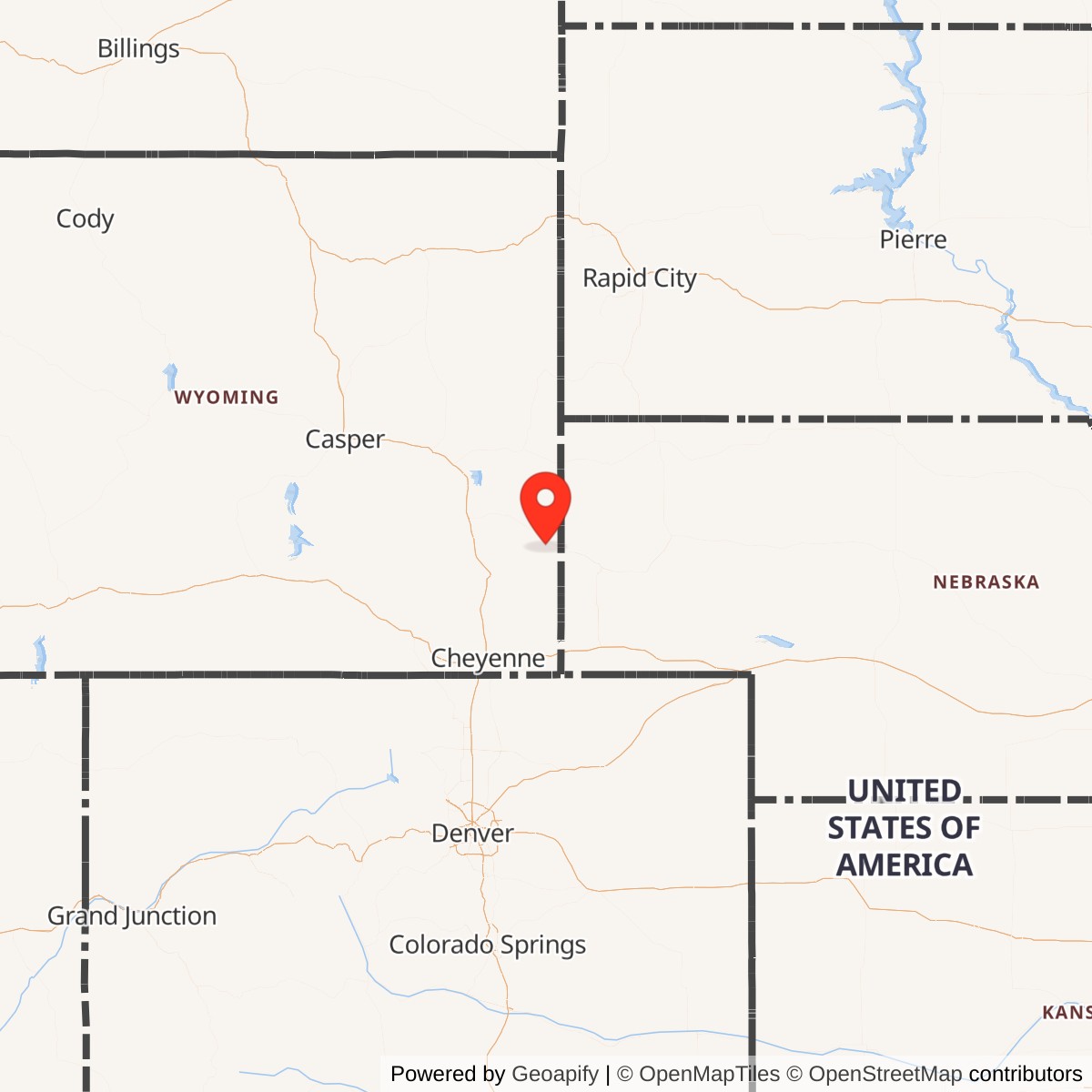
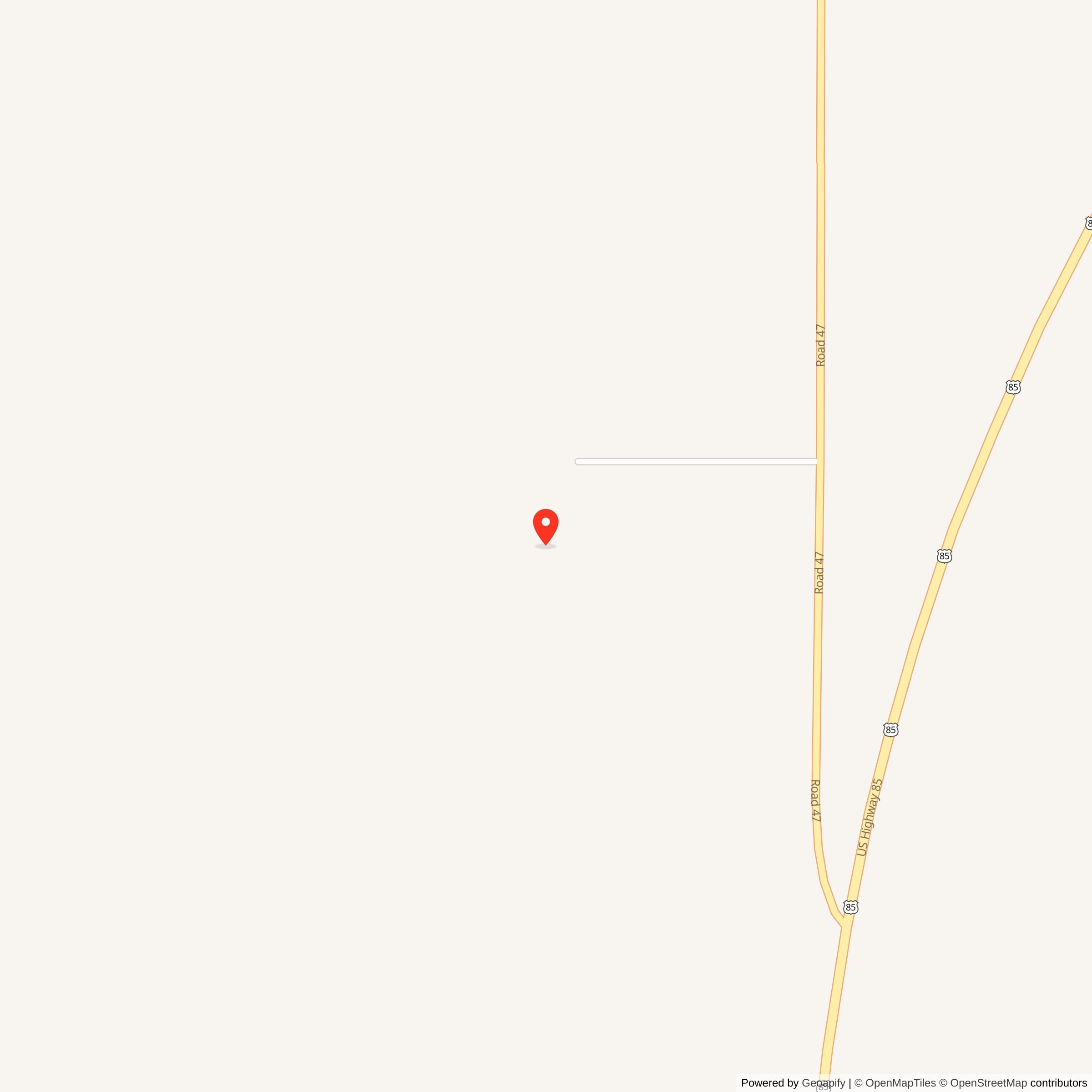
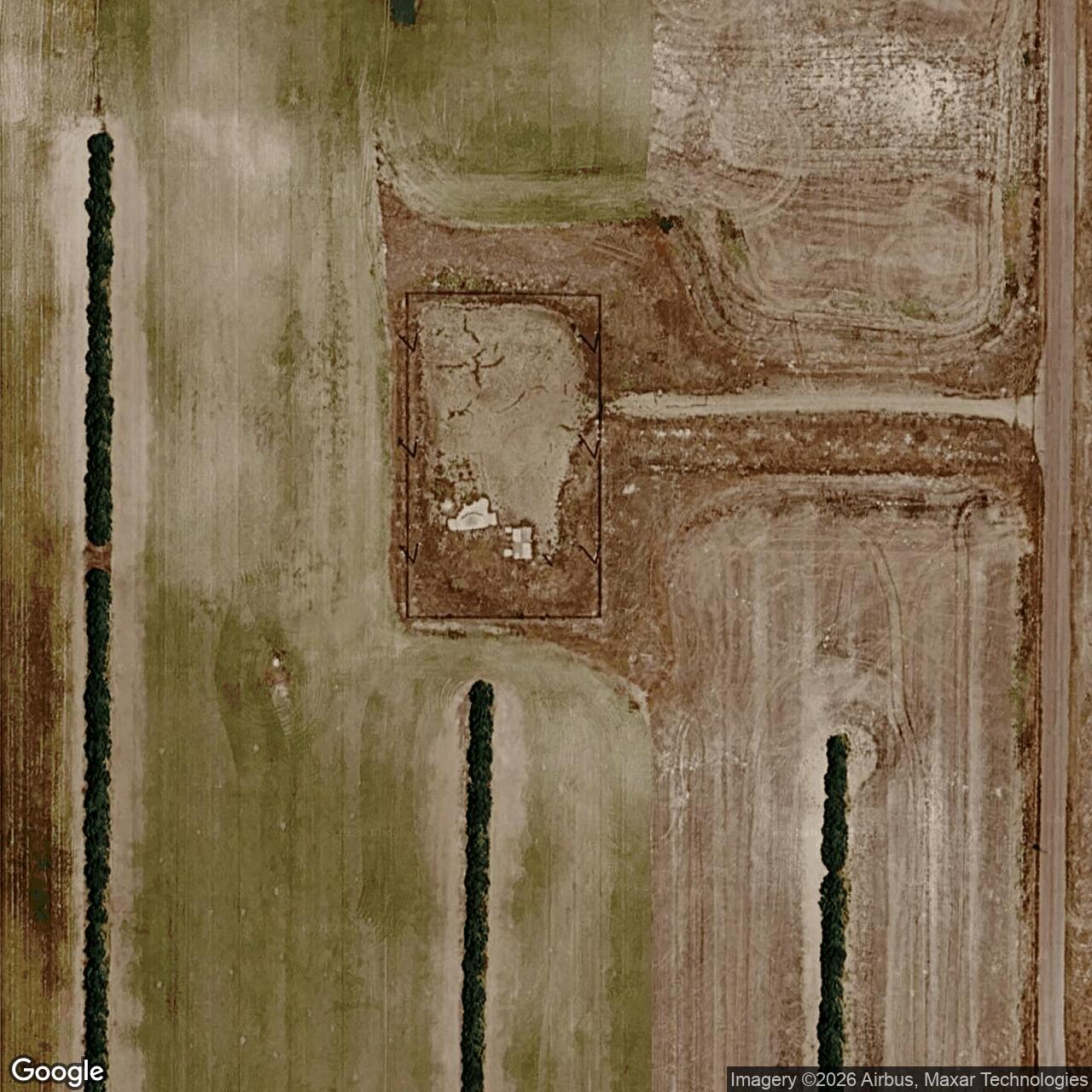
S-02 looked less like a monument than a warning hidden in plain sight: a fenced Cold War launch site set among irrigated fields and open Wyoming roads, close enough to Torrington to belong to a working agricultural landscape, but once tied by buried cable to a launch-control crew and to one of the most powerful ICBMs ever deployed by the United States. Its importance was not in what rose above the surface. It was in what the surface concealed, and in how that concealed weapon later had to be physically erased under arms-control rules.
Launch Facility S-02 was an unmanned missile launch facility assigned to Sierra Flight, controlled from the S-01 Missile Alert Facility / Launch Control Center in the F.E. Warren Air Force Base missile field. The site code is S-02.
S-02 belonged to the 400th Strategic Missile Squadron during the Strategic Air Command era and later to the 400th Missile Squadron lineage in the 90th Missile Wing. The site began as part of F.E. Warren's Minuteman force, was modernized as part of the Minuteman III field, and then was converted for the LGM-118A Peacekeeper missile. It is no longer an active missile site. The Peacekeeper alert mission ended on 2005-09-19, and S-02 was later included in the New START-era silo-elimination program for the 50 former Peacekeeper launch facilities at F.E. Warren.
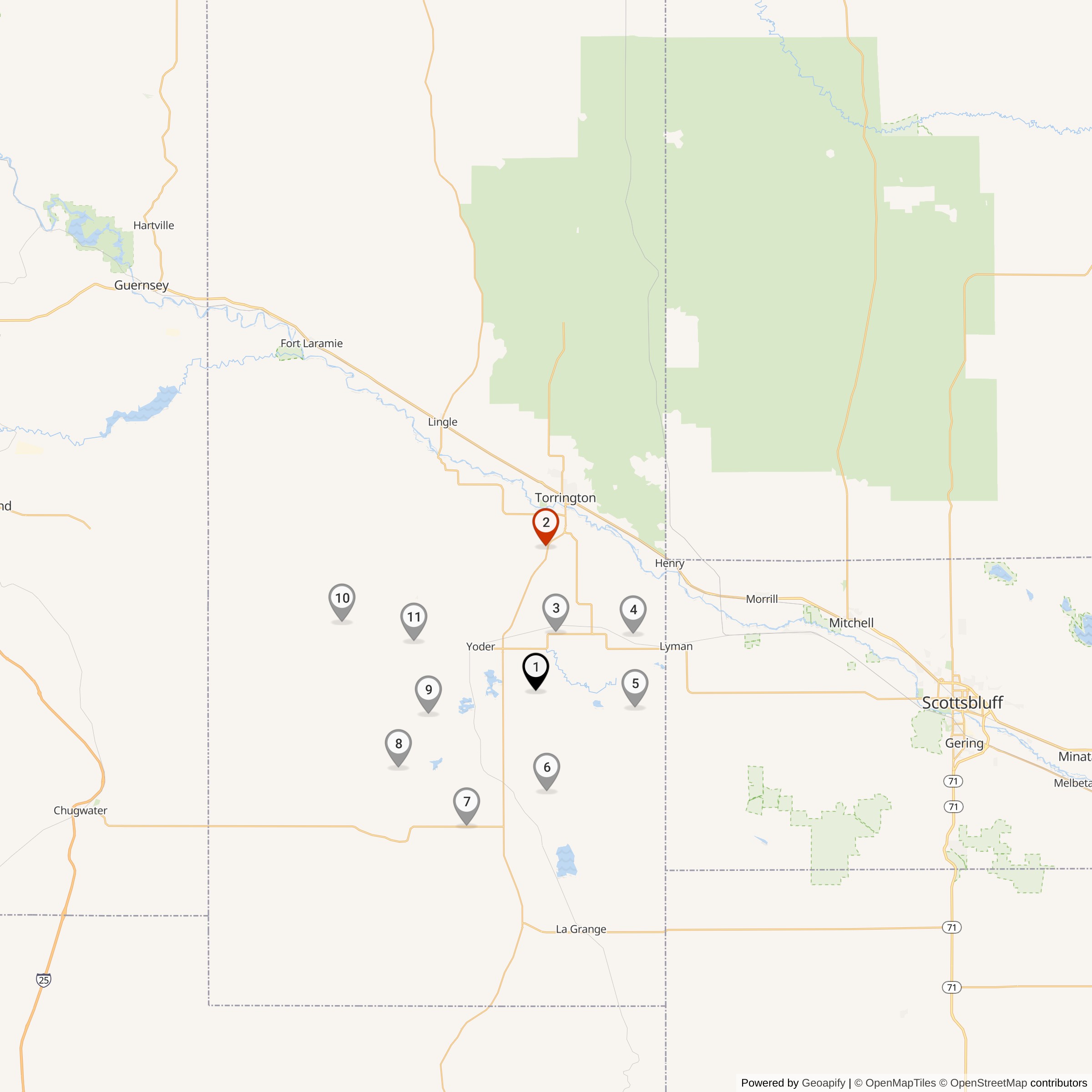
S-02 was one of the ten launch facilities assigned to S-01 and Sierra Flight. The Sierra Flight launch facilities were dispersed across the Yoder, Torrington, and surrounding Goshen County / Platte County high plains rather than clustered around the control facility. That spacing was central to the Minuteman basing concept: each silo was meant to be a separate target, and the launch-control function was buried at a separate MAF / LCC rather than placed at the silo.
The immediate setting of S-02 is agricultural. The 2000 Peacekeeper deactivation environmental impact statement described the area near S-02 as irrigated cropland southwest of Torrington in the North Platte River Valley. That matters because it places the launch facility not merely on an abstract missile map, but in a landscape of irrigation, crop production, groundwater concerns, county roads, and private land use. The visible launch-facility compound would have been the familiar Minuteman / Peacekeeper pattern: a fenced, unmanned site with a buried launch tube, launcher closure door, access features, a launch facility support building, security equipment, and utility systems associated with standby power and environmental control.
Public New START environmental documentation describes a typical launch facility as an unmanned, hardened underground silo with a launch tube, launcher closure door, and buried launch facility support building. For Peacekeeper launch facilities, the 2013 Final Environmental Assessment described average Peacekeeper LF sites as about 1.6 acres, with an interior roughly 90 feet deep, a 28-foot headworks section, and a 12-foot-diameter launch tube below the headworks.
The 2000 Final Environmental Impact Statement for Peacekeeper Missile System Deactivation and Dismantlement discussed existing groundwater nitrate concentrations in the Peacekeeper deployment area. Data were available for locations adjacent to several launch facilities, including S-02. The EIS stated that concentrations were highly variable and that most concentrations decreased from the 1970s to the 1990s, but near S-02, described as irrigated cropland southwest of Torrington in the North Platte River Valley, concentrations had generally increased over time.
The EIS was evaluating Peacekeeper deactivation and dismantlement impacts, and the S-02 nitrate note appears in a broader discussion of groundwater, agricultural settings, aquifer sensitivity, and potential short-term nitrogen additions from demolition. It does not by itself prove that missile operations caused the nitrate trend near S-02.
The Peacekeeper system was retired after the Cold War as U.S. strategic-force requirements changed and arms-control limits reduced the role of multiple-warhead ICBMs. The 400th Missile Squadron's Peacekeeper mission ended on 2005-09-19, when an Air Force public release stated that no Peacekeeper ICBMs remained on strategic alert in the 400th
After Peacekeeper deactivation, public environmental documents describe the former Peacekeeper launch facilities as empty and in caretaker status. Deactivation activities included removal of missiles and salvageable items, draining fluids from fueling, coolant, and hydraulic systems, removal of electrical filters, switches, and power-supply batteries, and securing the gates. Hazardous materials such as fuels, oils, lubricants, coolants, filters, capacitors, and equipment containing PCBs were reported removed from the launch facilities. Fuel tanks and small aboveground tanks were described as removed or closed in place in accordance with state and federal regulations.
New START gave S-02 its final documented missile-site chapter. The 2013 Final Environmental Assessment for Minuteman III and Peacekeeper Silo Elimination evaluated dismantlement of 50 Peacekeeper ICBM launch facilities and five associated MAFs assigned to F.E. Warren AFB. The EA explained that the launch facilities were subject to treaty verification, including a visible dismantlement process and a 60-day observation period after dismantlement of the headworks, before the remainder of the silo would be filled and the site graded. It also stated that following dismantlement and grading at Wyoming launch-facility and MAF locations, real-estate interests at those sites would be terminated.
For the full Sierra Flight narrative, see S-01 Missile Alert Facility / Launch Control Center
Cronology
- 1963-07-01 - The 90th Strategic Missile Wing was activated at F.E. Warren AFB.
- 1964-07-01 - The 400th Strategic Missile Squadron was organized during F.E. Warren's Minuteman expansion.
- 1965-06 - F.E. Warren's Minuteman field reached full operational status at the wing level; S-02 is treated as part of that mid-1960s operational Minuteman field.
- 1973-11 - The 400th Strategic Missile Squadron became the first all-Minuteman III squadron at F.E. Warren.
- 1975 - F.E. Warren's public wing history places replacement of Minuteman I by Minuteman III in 1975; S-02 is treated as part of that modernized Minuteman III field before Peacekeeper conversion.
- 1982-11-22 - President Ronald Reagan announced plans to deploy the MX / Peacekeeper missile at F.E. Warren.
- 1984-07 - Construction began for Peacekeeper support facilities at F.E. Warren.
- 1986-01-23 - The 400th Strategic Missile Squadron began phasing out Minuteman III missiles in preparation for Peacekeeper deployment.
- 1986 - Peacekeeper became operational at F.E. Warren, with the first 10 missiles deployed there according to F.E. Warren's public Peacekeeper fact sheet.
- 1988 - F.E. Warren's public wing history states that 50 Peacekeeper missiles were brought on alert in modified Minuteman III silos.
- 1988-12-30 - Public DoD inventory sources list the 90th Strategic Missile Wing's 400th Strategic Missile Squadron conversion to Peacekeeper as complete on this date.
- 2000 - The Final Environmental Impact Statement for Peacekeeper Missile System Deactivation and Dismantlement discussed groundwater nitrate data near S-02 and described the site as irrigated cropland southwest of Torrington in the North Platte River Valley.
- 2005-09-19 - The Peacekeeper alert mission ended at F.E. Warren; Air Force public releases stated that no Peacekeeper ICBMs remained on strategic alert in the 400th Missile Squadron.
- 2011-02-05 - New START entered into force, setting treaty deadlines that shaped elimination of deactivated silos and associated alert facilities.
- 2013-03 - The Final Environmental Assessment for Minuteman III and Peacekeeper Silo Elimination evaluated dismantlement of 50 Peacekeeper launch facilities and five MAFs assigned to F.E. Warren AFB.
- 2013-08 - Air Force Global Strike Command reported that elimination of F.E. Warren's former Peacekeeper launch facilities had begun.
- 2018-02-04 - New START's elimination deadline applied to the selected deactivated silos and associated alert facilities.
Read about the Peacekeeper Missile at F.E. Warren AFB
All Peacekeeper Missile Silo Locations
All Minuteman/Peacekeeper Missile Silo Locations