
Minuteman Launch Facility S-04 (Sierra-04 LF), Lyman Nebraska
Longitude: -104.094514
Site Type: Missile Launch Facility - Silo
A LF consists of a launcher and an associated launch facility support building (LFSB). All facilities are enclosed within a security fence. The sites average about 1.6 acres in size and holds one missile.
Missile Type: LGM-30B Minuteman I; LGM-30G Minuteman III; LGM-118A Peacekeeper
Parent Base: F.E. Warren AFB
Missile Wing: 90th Strategic Missile Wing; 90th Missile Wing
Missile Squadron: 400th Strategic Missile Squadron / 400th Missile Squadron
Permanent Installation Number: 8704
Installation Location Code: GHZK
Current Site Use: Former Minuteman / Peacekeeper launch facility; missile removed, site placed in caretaker status, later included in New START silo-elimination program
Site Ownership: Former U.S. Air Force missile field property; post-New START real-estate interests expected to be terminated after dismantlement/grading; current parcel ownership not verified
Accessible: No public access confirmed; view only from public roads where legal; do not enter without owner permission
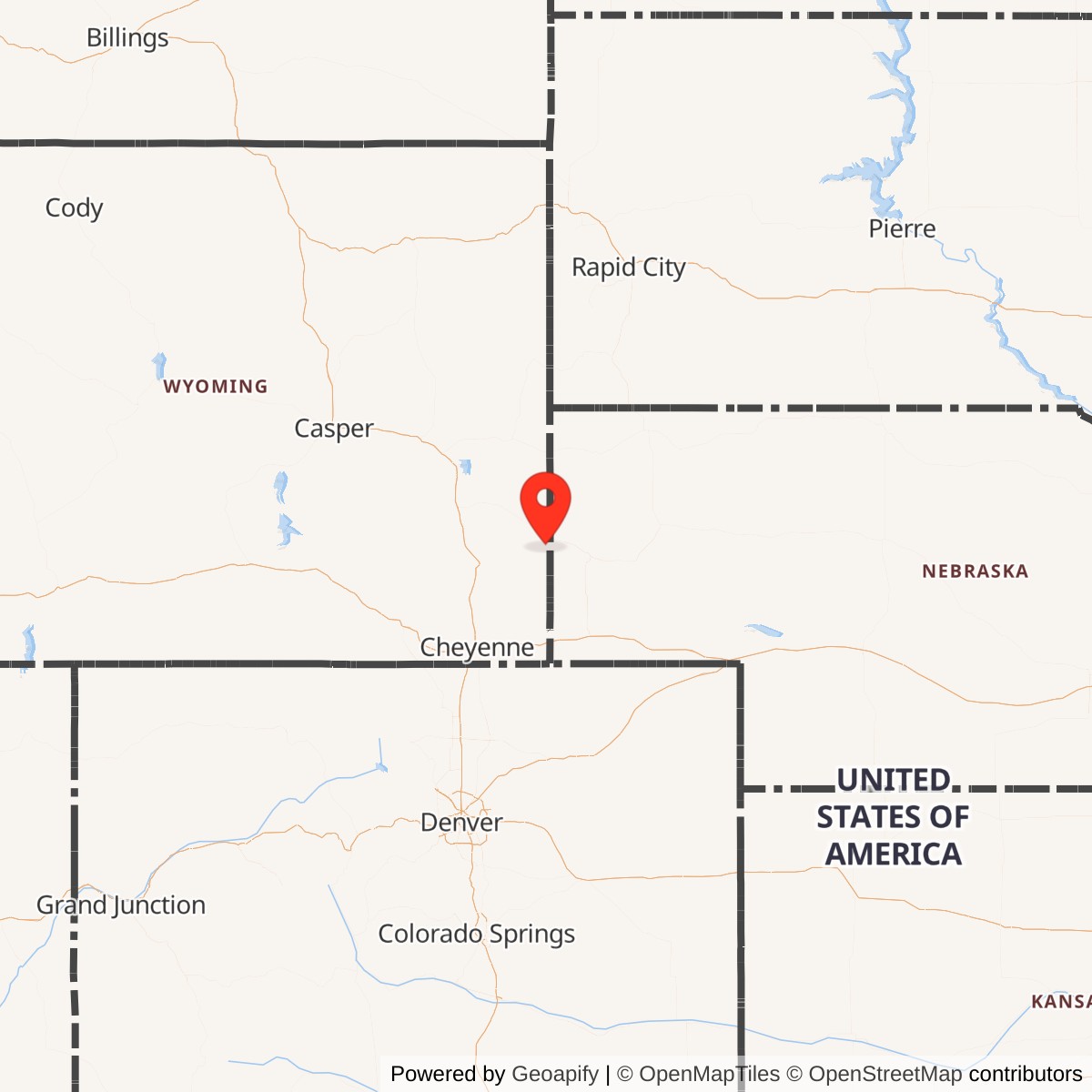
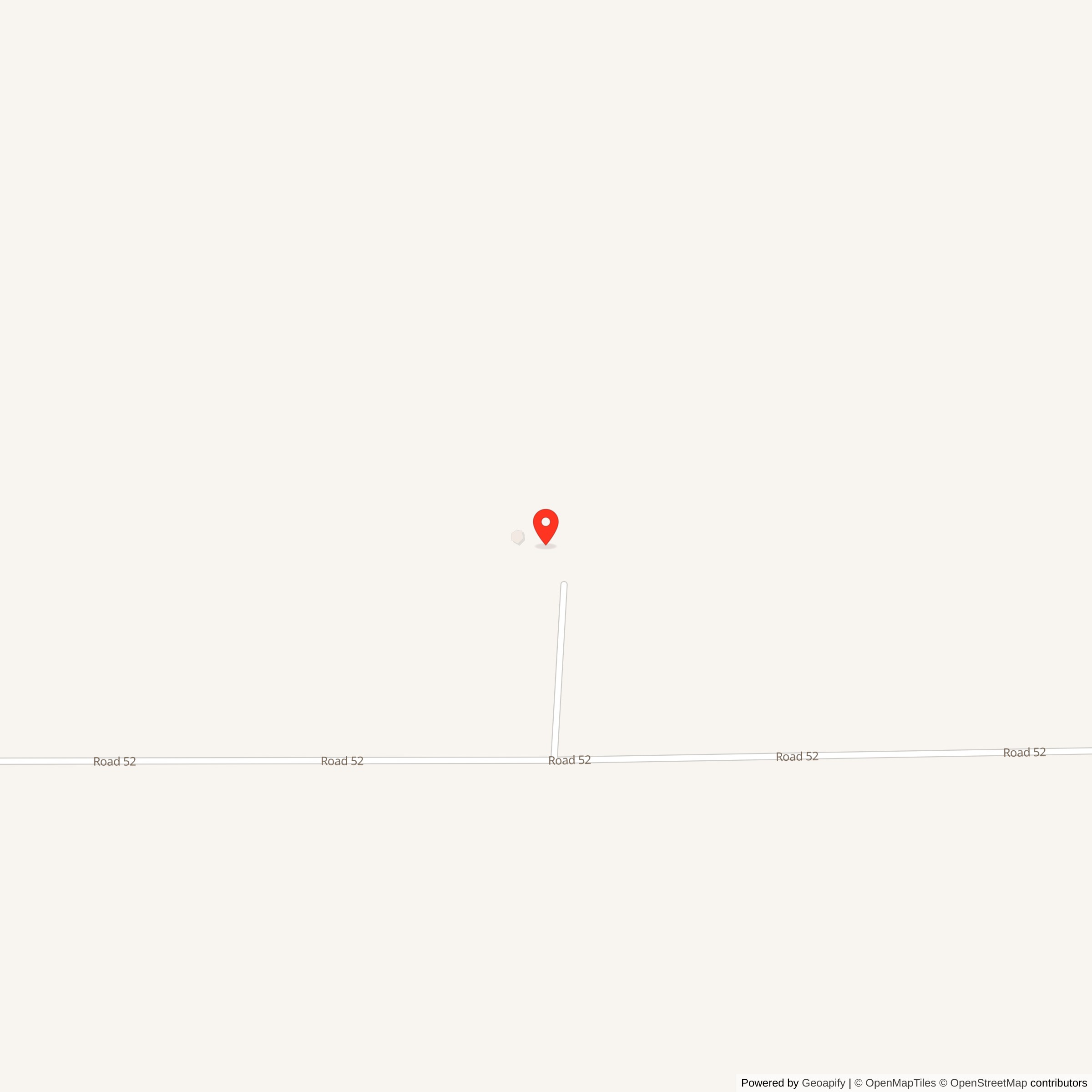
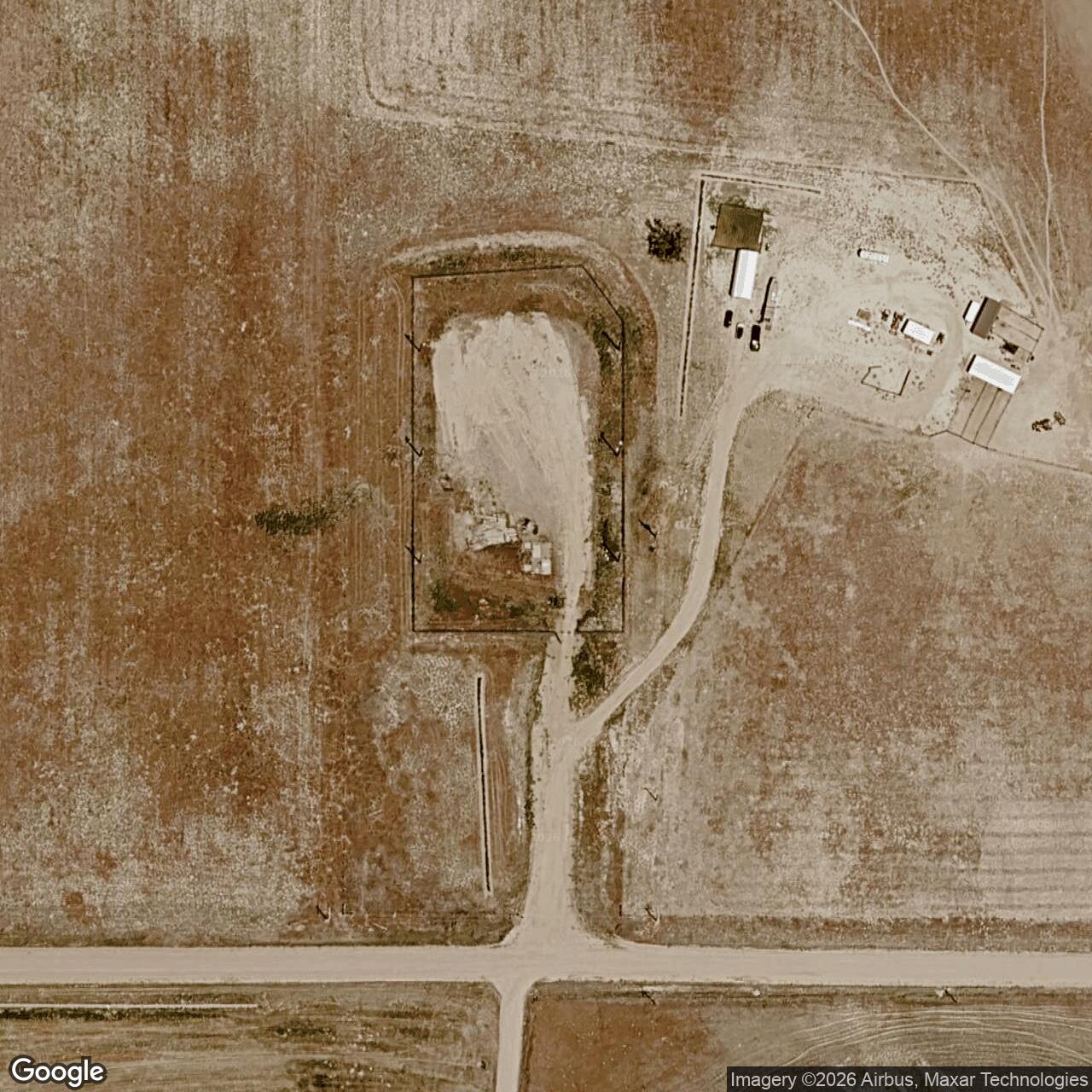
S-04 sat in the kind of place the Minuteman system was designed to use: open farm-and-ranch country where a nuclear missile site could be reduced, on the surface, to a fenced compound, an access road, a few hardened features, and a coordinate on a map. Its importance was underground. During the Cold War and the Peacekeeper years, S-04's job was not to look dramatic. Its job was to stay quiet, dispersed, hardened, connected to Sierra Flight's launch-control crew, and ready as part of a deterrent force whose success was measured by never firing.
Launch Facility S-04 was an unmanned missile launch facility assigned to Sierra Flight in the F.E. Warren Air Force Base missile field. Its parent control site was the S-01 Missile Alert Facility / Launch Control Center. The launch-site coordinate listing places S-04 about 10.4 miles east of Yoder, Wyoming. The 2013 Final Environmental Assessment for Minuteman III and Peacekeeper Silo Elimination identifies Lyman as about two miles from S-4; Lyman is closer than Yoder but lies across the state line in Nebraska.
S-04 belonged to the 400th Strategic Missile Squadron during the Strategic Air Command era and later to the 400th Missile Squadron lineage in the 90th Missile Wing. It began as part of F.E. Warren's LGM-30B Minuteman I force, was later part of the base's LGM-30G Minuteman III field, and then was converted for the LGM-118A Peacekeeper missile. It is no longer an active missile site. The Peacekeeper strategic-alert mission ended on 2005-09-19, when the Air Force announced that no Peacekeeper ICBMs remained on strategic alert in the 400th Missile Squadron.
S-04 was one of ten launch facilities assigned to S-01 and Sierra Flight. Sierra Flight occupied a spread of rural launch sites in southeastern Wyoming near Yoder, Torrington, Hawk Springs, Lyman, and surrounding parts of Goshen County and neighboring counties. That dispersion was central to the Minuteman concept. Launch facilities were separated from one another and from their launch-control center so that a single attack could not destroy an entire flight.
The 2000 Final Environmental Impact Statement for Peacekeeper Missile System Deactivation and Dismantlement provides unusually specific environmental context for S-04. It places S-04 among the Peacekeeper launch facilities located within the Goshen Hole Lowlands, a landscape tied to the widened North Platte River system and the erosion of the Brule-Arikaree Formation. The same EIS states that preconstruction geologic cores were drilled to 130 feet and that, where shale or siltstone occurred, the shallowest occurrence in the Peacekeeper field was at LF S-4, where shale or siltstone appeared at about four feet. The EIS also identifies stock and domestic wells within roughly one-quarter mile of S-4 and a palustrine wetland about one-eighth mile northeast of the site.
A typical launch facility in the former Peacekeeper group consisted of a launcher and launch facility support building inside a security fence. The 2013 environmental assessment states that Peacekeeper launch-facility sites averaged approximately 1.6 acres, with an interior about 90 feet deep, a 28-foot headworks section, and a 12-foot-diameter launch tube below the headworks.
The Peacekeeper system was retired after the Cold War as U.S. strategic-force requirements changed and arms-control limits reduced the role of multiple-warhead ICBMs. Air Force public reporting stated that Peacekeeper deactivation began in October 2002 and that the final phase came in September 2005. On 2005-09-19, the Peacekeeper mission ended at F.E. Warren, and a missile combat crew officer at Papa-01 confirmed that no Peacekeeper ICBMs remained on strategic alert in the 400th Missile Squadron.
The 2013 Final Environmental Assessment for Minuteman III and Peacekeeper Silo Elimination gives the best public description of what happened to former Peacekeeper launch facilities such as S-04 after missile retirement. The assessment states that Peacekeeper missiles within the former 400th Missile Squadron had been removed, that previous deactivation activities included removal of missiles and salvageable items, that fluids had been drained from fueling, coolant, and hydraulic systems, and that electrical filters, switches, and power-supply batteries had been removed. After deactivation, gates were secured and each launch facility was placed in caretaker status.
New START then shaped the physical end of the site as a missile launch facility. The 2013 assessment evaluated dismantlement of 50 Peacekeeper launch facilities and five MAFs assigned to F.E. Warren AFB. Launch-facility dismantlement could include explosive implosion or backfill. Under the described process, the silo door would be removed, dismantled, or destroyed; the headworks would be dismantled or destroyed; the silo and launch facility support building would be filled with debris, gravel, or earth; and the site would be graded. New START verification required the launch facility to remain visible during dismantlement and open for a 60-day observation period after the headworks were dismantled before final filling and grading.
For the full Sierra Flight narrative, see S-01 Missile Alert Facility / Launch Control Center
Site Chronology
- 1963-07-01 - The 90th Strategic Missile Wing was activated at F.E. Warren AFB.
- 1964-07-01 - The 400th Strategic Missile Squadron was organized during F.E. Warren's Minuteman expansion.
- 1965-06 - F.E. Warren's Minuteman field reached full operational status at the wing level; S-04 is treated as part of that mid-1960s operational Minuteman field.
- 1973 - F.E. Warren began converting its Minuteman force from Minuteman I to Minuteman III; the 400th Strategic Missile Squadron became the first all-Minuteman III squadron in the wing.
- 1974-09-03 - The 90th Strategic Missile Wing removed its last Minuteman IB from alert status.
- 1982-11-22 - President Ronald Reagan announced plans to deploy the MX / Peacekeeper missile at F.E. Warren.
- 1984-07 - Construction began for Peacekeeper support facilities at F.E. Warren.
- 1986-01-23 - The 400th Strategic Missile Squadron began phasing out Minuteman III missiles in preparation for Peacekeeper deployment.
- 1986-10-10 - The 90th Strategic Missile Wing recorded its first strategically postured Peacekeeper site.
- 1986-12-16 - The 90th Strategic Missile Wing reached initial operating capability for the Peacekeeper system.
- 1988 - F.E. Warren's public wing history states that 50 Peacekeeper missiles were brought on alert in modified Minuteman III silos.
- 2005-09-19 - The Peacekeeper alert mission ended at F.E. Warren; Air Force public releases stated that no Peacekeeper ICBMs remained on strategic alert in the 400th Missile Squadron.
- 2007-06 - The 2013 silo-elimination environmental assessment bibliography lists a Toltest, Inc. Tank Closure Report for Launch Facility Sierra-4, F.E. Warren AFB, Wyoming.
- 2011-02-05 - New START entered into force, setting treaty deadlines that shaped elimination of deactivated silos and associated alert facilities.
- 2013-03 - The Final Environmental Assessment for Minuteman III and Peacekeeper Silo Elimination evaluated dismantlement of 50 Peacekeeper launch facilities and five MAFs assigned to F.E. Warren AFB.
- 2013-08 - Air Force Global Strike Command reported that elimination of F.E. Warren's former Peacekeeper launch facilities had begun.
- 2018-02-04 - New START's elimination deadline applied to selected deactivated silos and associated alert facilities.
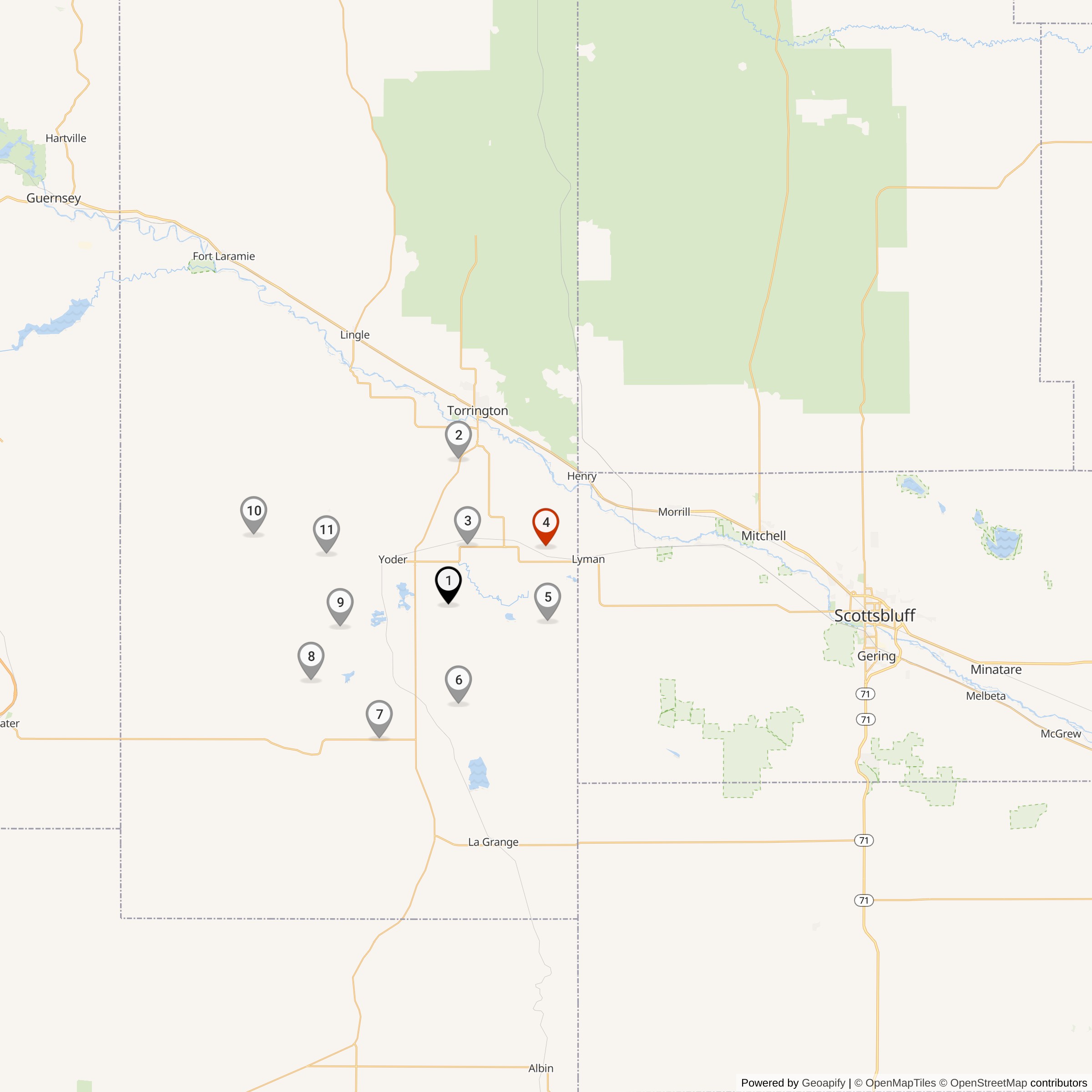
Read about the Peacekeeper Missile at F.E. Warren AFB
All Peacekeeper Missile Silo Locations
All Minuteman/Peacekeeper Missile Silo Locations