Nike Missile Site PH-32 IFC, Evesham New Jersey
Longitude: -74.889
This location was part of the Philadelphia Defense Area
Site ID: PH-32
This site controlled the missiles at the Launch Area located here.
Site Role: IFC
A typical Nike air defense site consisted of two separate parcels of land. One area was known as the Integrated Fire Control (IFC) Area. This site contained the Nike system's ground-based radar and computer systems designed to detect and track hostile aircraft, and to guide the missiles to their targets.
The second parcel of land was known as the Launcher Area. At the launcher area, Nike missiles were stored horizontally within heavily constructed underground missile magazines. A large, missile elevator brought the Nikes to the surface of the site where they would be pushed across twin steel rails to one of four satellite launchers.
Elaboration on how Nike worked here.
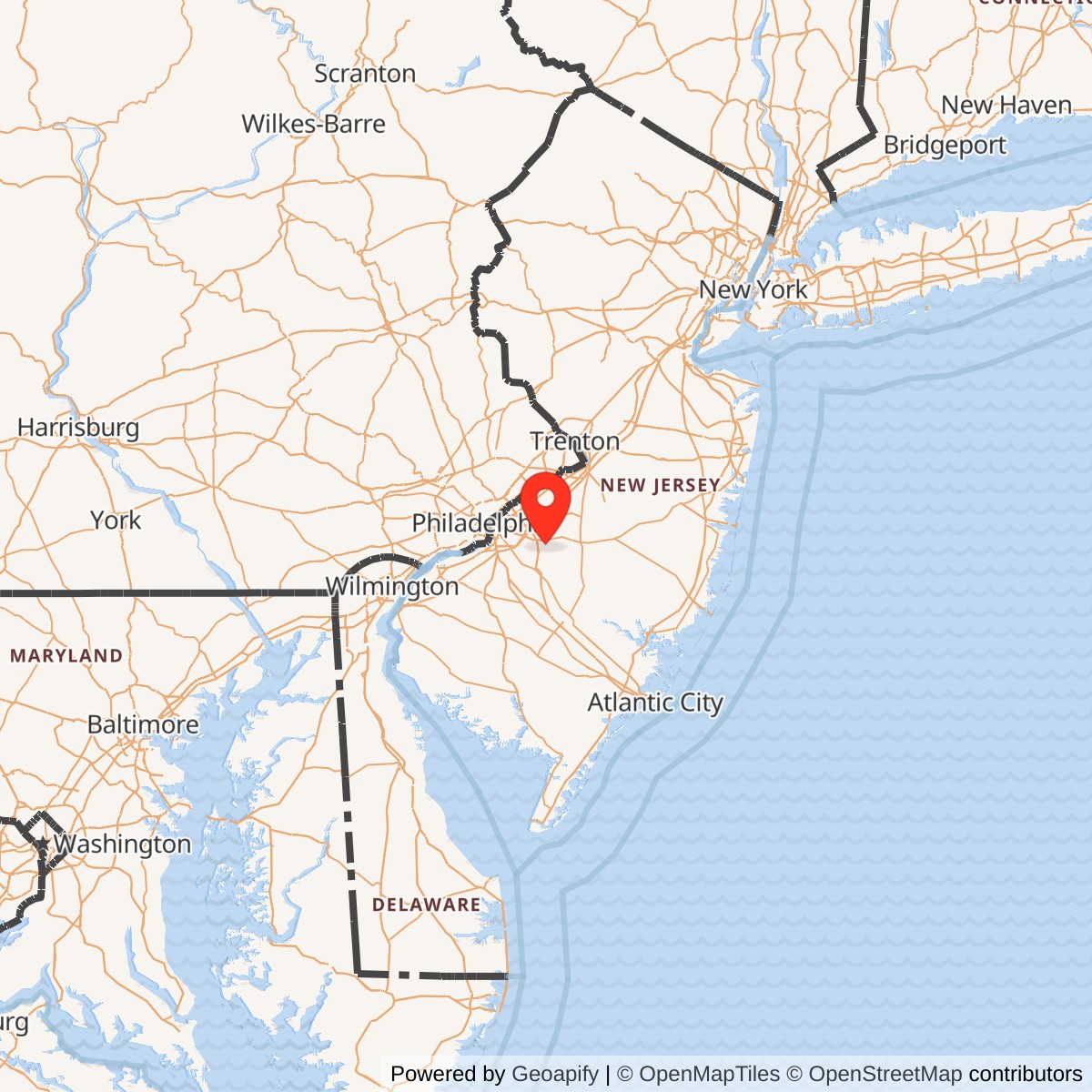
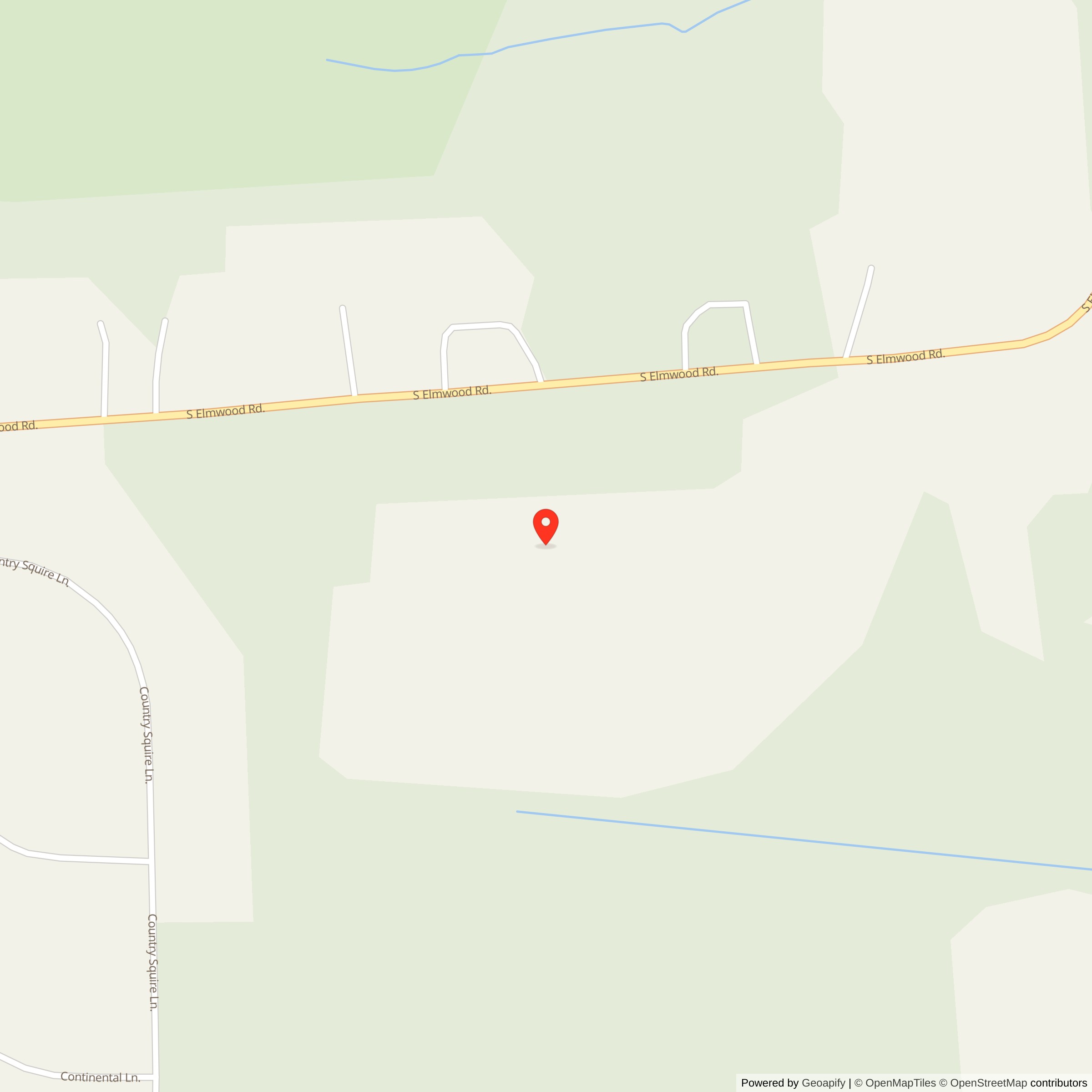
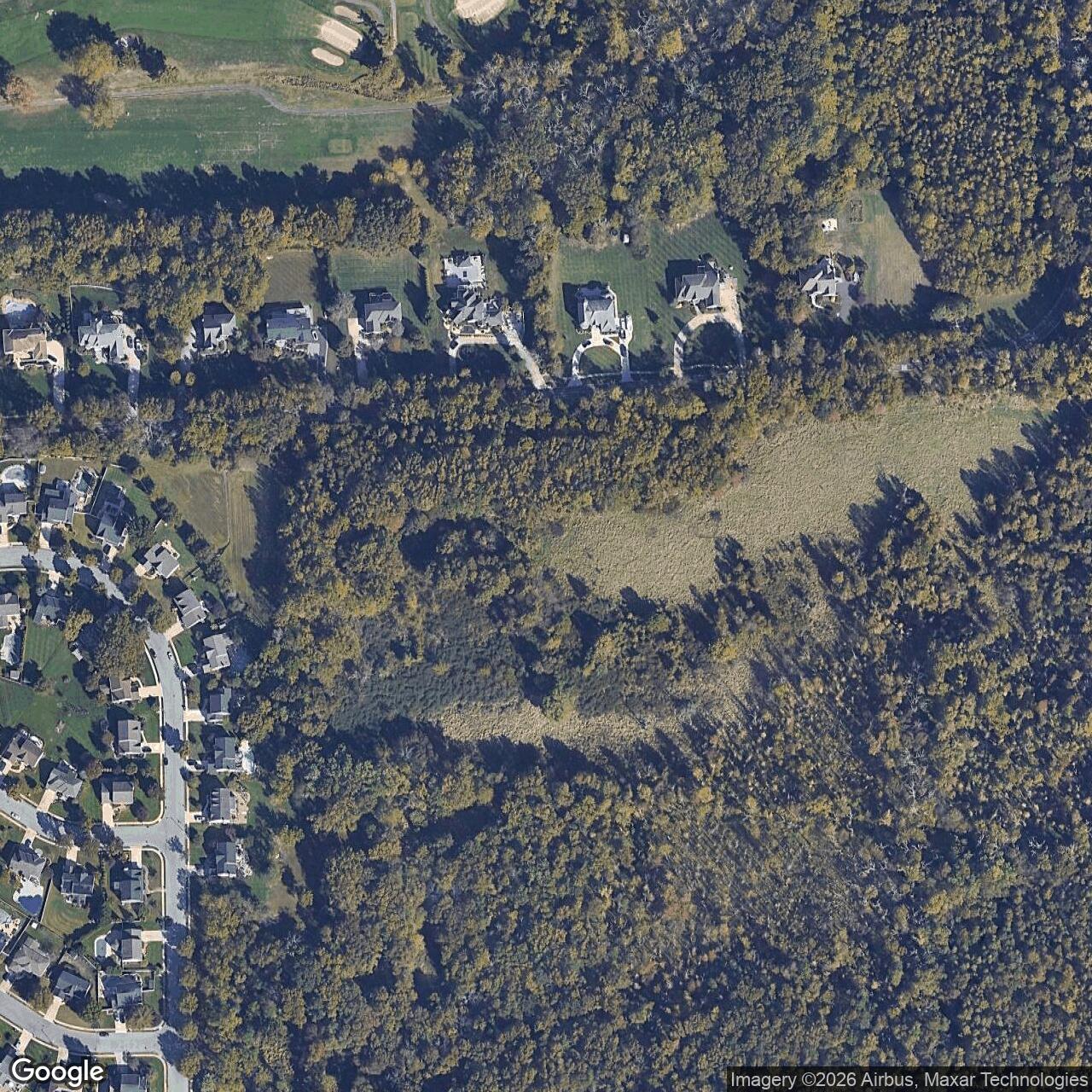
Nike Missile Site PH-32 was a U.S. Army Nike Ajax air-defense missile battery in the Philadelphia Defense Area. The site was located in Evesham Township near Marlton, New Jersey, on the eastern side of the defensive ring around Philadelphia and Camden. It was one of the New Jersey Nike batteries built to defend the Philadelphia metropolitan region, its port and transportation infrastructure, nearby military facilities, and the broader industrial corridor from Soviet bomber attack during the early Cold War.
It was an Ajax-only Nike battery, active from 1956 to 1963 in the federal Nike site inventory. Some local summaries describe the base as opening on July 1, 1955, which likely reflects the initial Army activation or construction/occupancy period before full operational listing. The site was not converted to Nike Hercules. It closed when the Philadelphia Defense Area was reduced from its dense Ajax pattern to a smaller number of longer-range Hercules sites.
History
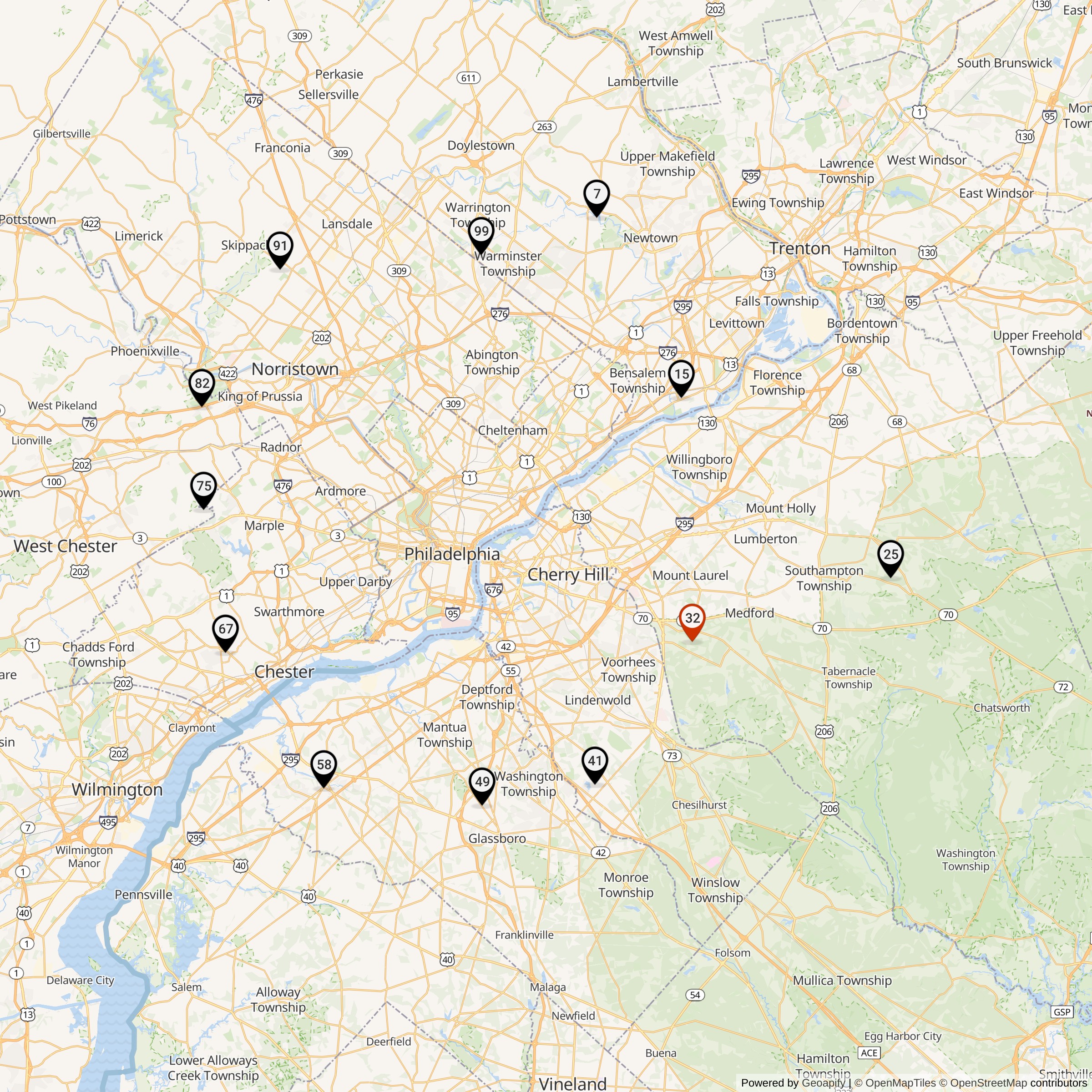
PH-32 belonged to the Cold War Nike missile network built around Philadelphia. The Philadelphia Defense Area was created because the region contained a major city, the port and industrial belt along the Delaware River, transportation connections, shipbuilding and manufacturing capacity, and military installations whose loss would have mattered in a major war. In the early 1950s, U.S. planners feared that Soviet long-range bombers armed with nuclear weapons might attack American cities and industrial targets. The Army's Nike batteries were intended to serve as the final, ground-based guided-missile layer of that defense system.The Philadelphia ring included batteries in both Pennsylvania and New Jersey. On the New Jersey side, PH-32 at Marlton helped cover the eastern and southeastern approaches to the Philadelphia-Camden region. It operated within the same regional system as the larger Lumberton PH-23/25 double site, the Berlin/Clementon PH-41/43 site, PH-49 at Pitman / Mantua Township, and PH-58 at Woolwich / Swedesboro. Together, these New Jersey batteries formed an important part of the outer shield protecting Philadelphia from aircraft approaching across South Jersey or from the Atlantic side.
PH-32 was smaller than the later Hercules-capable double sites. It had two Nike Ajax magazines rather than the larger three- or double-battery configurations seen at some other sites. Its smaller size, Ajax-only design, and location help explain why it was not retained after Nike Hercules modernization reduced the need for as many individual batteries.
Site Layout
PH-32 followed the standard Nike design with two separated operational areas: an Integrated Fire Control area and a launcher area.The Integrated Fire Control area was the radar and guidance side of the battery. It was located approximately one-half mile north of Tomlinson Mill Road, on or near Kettle Run Road. This area contained the acquisition radar, target-tracking radar, missile-tracking radar, fire-control electronics, communications equipment, generator support, and operating buildings needed to detect and guide an engagement.
The launcher area was located northeast of Tomlinson Mill Road. It contained the missile storage magazines, launchers, launcher-control equipment, paved handling surfaces, security fencing, and support buildings. The federal inventory lists PH-32 as Nike 2B/30A/8L-A, meaning it had two Type B magazines, a listed Ajax missile capacity of 30, and eight Ajax launchers. Local accounts generally describe two magazines and a varying on-site missile count, often between sixteen and twenty missiles at a given time. The difference likely reflects the distinction between theoretical site capacity, operating inventory, and local memory of what was usually stored or visible.
The two areas were separated because of Nike's command-guidance design. The IFC area needed a radar position with sufficient line-of-sight, while the launcher area needed secure land for magazines, launchers, safety clearances, and missile-handling operations. The areas functioned as one battery through communications, target tracking, missile tracking, and launch-control procedures.
Nike Ajax System
PH-32 used the Nike Ajax missile, the Army's first operational guided surface-to-air missile. Nike Ajax replaced the earlier antiaircraft-gun concept with a radar-guided missile system intended to engage high-flying bomber aircraft before they reached their targets.The Ajax missile was stored horizontally in underground magazines. During drills or alert procedures, launcher crews raised missiles to the surface on elevator platforms, moved them along rails, and positioned them on launchers. The missile itself did not independently search for a target. Instead, the ground-based radar and computer system tracked both the incoming aircraft and the missile, calculated the intercept point, and sent steering commands to the missile in flight.
Nike Ajax was an important technological step, but it also had limitations. It was shorter-ranged than Nike Hercules, carried conventional warheads, and was optimized for the earlier 1950s threat model of individual bomber interception. When the larger, longer-range, nuclear-capable Nike Hercules entered the Philadelphia Defense Area, fewer batteries were needed. That change directly affected PH-32.
Mission and Operation
PH-32's mission was to protect the Philadelphia-Camden region from hostile aircraft approaching from the east and southeast. It was one part of a larger regional system, not an isolated missile base. The battery's radar and missile crews trained to receive target information, acquire and track aircraft, prepare missiles, and execute launch procedures under command authority.The site likely housed or supported more than one hundred personnel during portions of its service life, according to local accounts. The work was technical and repetitive: maintaining radars, generators, communications lines, missiles, launchers, magazines, vehicles, fences, security systems, and the living or administrative spaces needed for a functioning Cold War missile battery.
PH-32 never fired a missile in combat. Its purpose was deterrent and defensive readiness. The battery existed so that, in the event of an attack, it could be brought to alert, assigned a target, and ordered to fire as part of the Philadelphia Defense Area's integrated air-defense network.
Relationship to the Philadelphia Defense Area
The Philadelphia Defense Area originally included twelve Nike sites. PH-32 was one of the Ajax-era batteries in that ring. The New Jersey side of the system included Lumberton, Marlton, Berlin/Clementon, Pitman/Mantua, Gibbsboro/Pedricktown command facilities, and Woolwich / Swedesboro. Pennsylvania-side sites included Richboro, Bristol / Newportville / Croydon, Chester / Media, Edgemont / Delaware County, Paoli / Valley Forge, Worcester / Center Square, and Warrington / Eureka.In the early 1960s, the Army modernized selected Philadelphia batteries with Nike Hercules. Hercules had greater range and altitude performance and could carry nuclear warheads intended to destroy bomber formations rather than only single targets. This reduced the number of batteries needed to defend the same region. PH-32 was not selected for Hercules conversion. It closed in 1963 along with other Ajax-only Philadelphia-area sites.
This makes PH-32 an example of the first generation of Philadelphia Nike defense rather than the later Hercules phase. Its active life was brief, but it captured the core pattern of the mid-1950s missile defense buildup: permanent local missile batteries placed around cities, often in rural or suburban communities that later absorbed, reused, or erased the sites.
Deactivation
PH-32 was deactivated in 1963. The closure followed the shift from Nike Ajax to Nike Hercules in the Philadelphia Defense Area. Local summaries describe PH-32 and seven other Philadelphia-region batteries closing when Hercules deployment made fewer sites necessary.After deactivation, the site was sold to Burlington County for $32,000 and was used as the Burlington County Civil Defense Center. That reuse was historically appropriate: a Cold War missile site became a Cold War civil-defense property. The intended mission was emergency coordination in the event of attack, though later accounts indicate that the site was often used more for storage and local-government purposes than as a fully developed civil-defense headquarters.
Post-Closure Use and Current Condition
PH-32 went through several post-military uses and ownership changes. After Burlington County use, different portions of the property were associated with civil-defense storage, fire and police training, school use, and a target range. Later, the property was purchased by developers. One development proposal would have placed the Spring Run neighborhood on the former control area and a school on the former launch area. That specific project did not proceed as originally planned.All buildings at the site were reportedly demolished in 1977. During the 1980s, water contamination near the former base was identified as a health concern. In the mid-1990s, the former control area was sold to another developer and became the Briarwood residential development. Older Nike site inventories describe the control area as obliterated and in private ownership, with housing planned or built.
The launch area survived in a more partially intact form for longer. Federal and Nike site inventories describe the launch area as partially intact and associated with the Evesham Board of Education. Evesham Township later cleared illegal dumping and demolition debris from the former launch area in 2002. More recent public discussions and exploration accounts indicate that the remaining visible military features have been heavily altered or removed, with development and municipal changes continuing to obscure the former base landscape.
List of all Nike Installations in the Philadelphia Defense AreaList of all Nike Installations in New Jersey