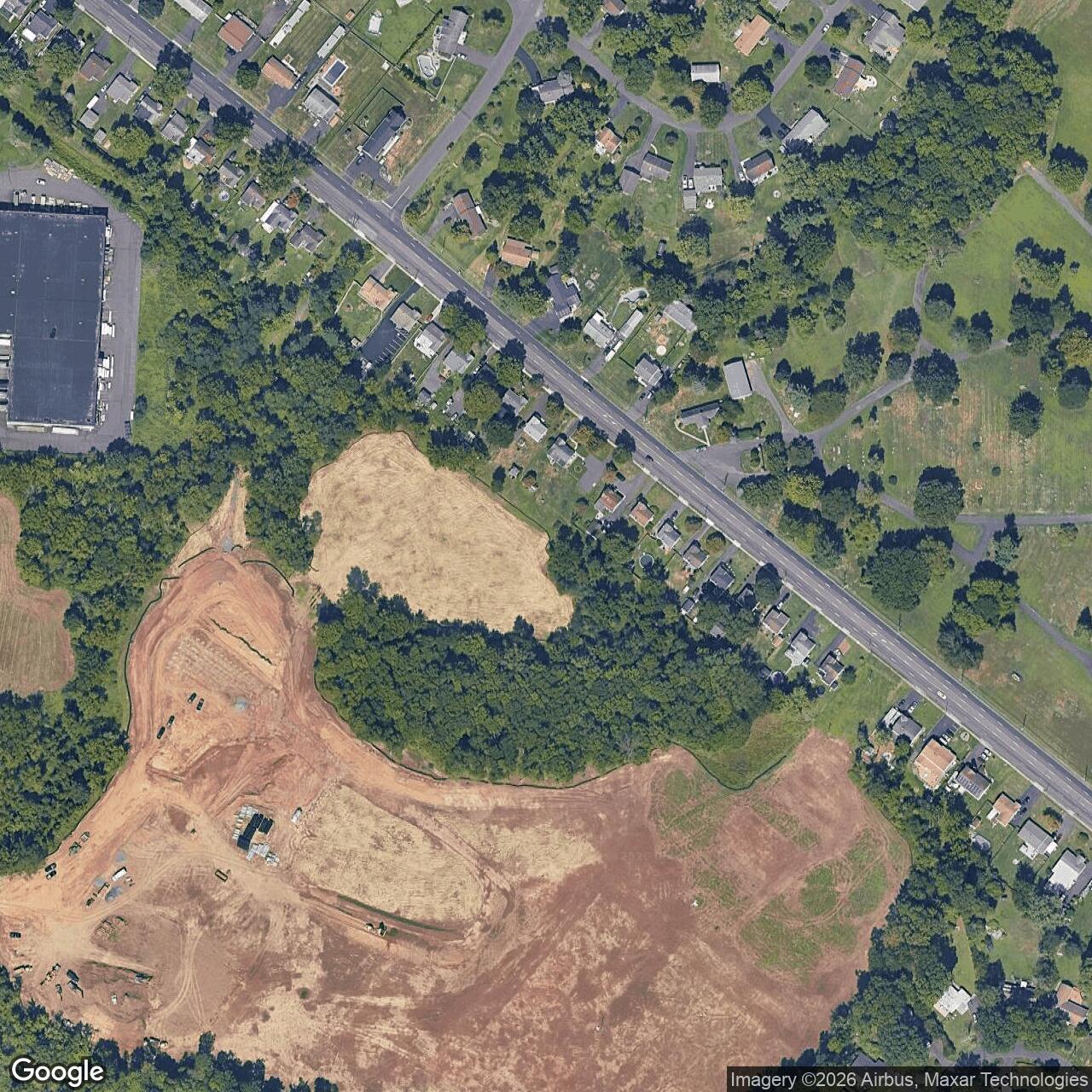
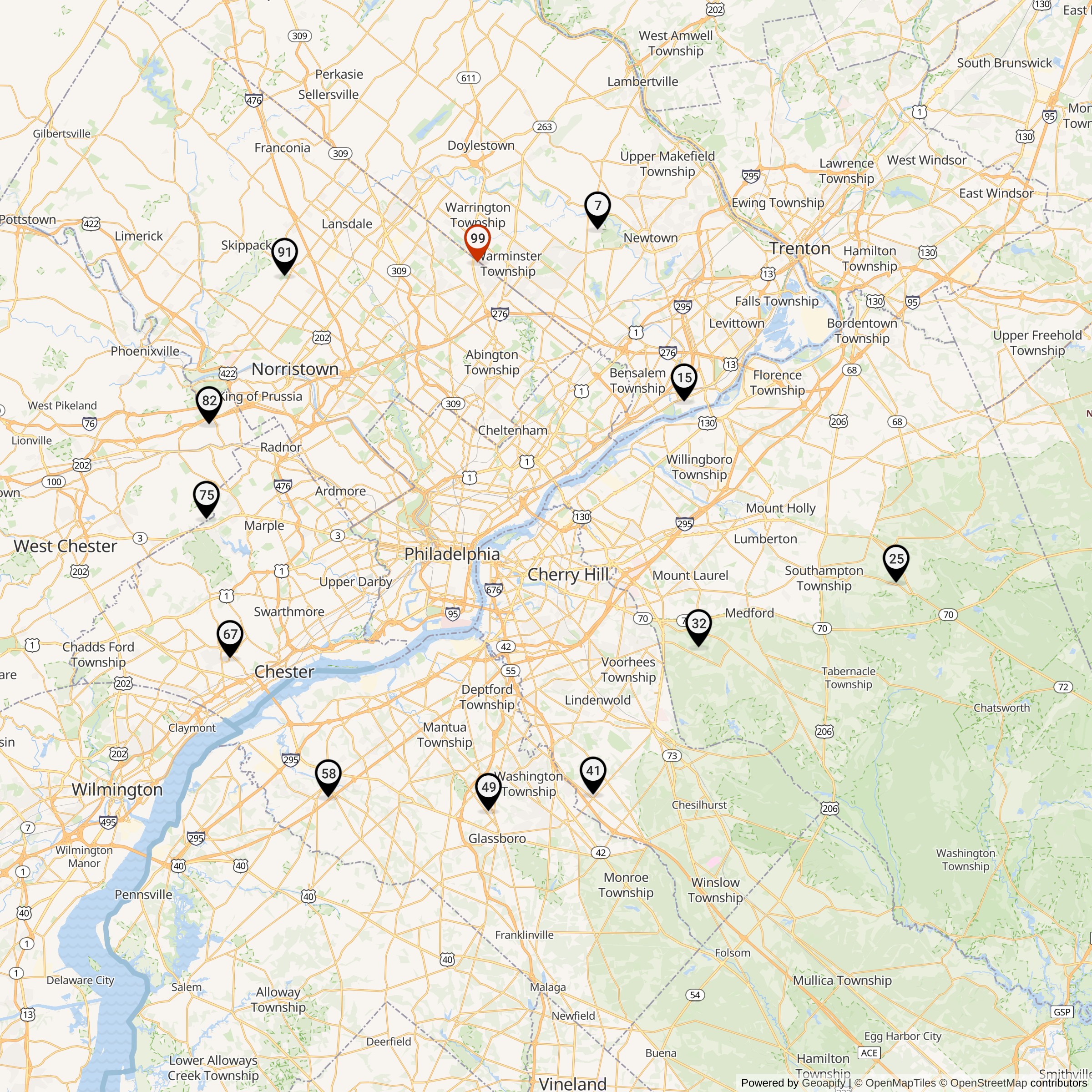
Nike Missile Site PH-99 Launcher, Warrington Pennsylvania
Longitude: -75.1342
This location was part of the Philadelphia Defense Area
Site ID: PH-99
The missiles at this Launch Area were controlled by the Integrated Fire Control site located here.
Site Role: Launcher
A typical Nike air defense site consisted of two separate parcels of land. One area was known as the Integrated Fire Control (IFC) Area. This site contained the Nike system's ground-based radar and computer systems designed to detect and track hostile aircraft, and to guide the missiles to their targets.
The second parcel of land was known as the Launcher Area. At the launcher area, Nike missiles were stored horizontally within heavily constructed underground missile magazines. A large, missile elevator brought the Nikes to the surface of the site where they would be pushed across twin steel rails to one of four satellite launchers.
Elaboration on how Nike worked here.
Date Site Converted to Hercules Missile: 1963
Nike Hercules were more powerful and nuclear capable missiles. Many locations originally built for the Ajax were later modified and upgraded to the newer Hercules.
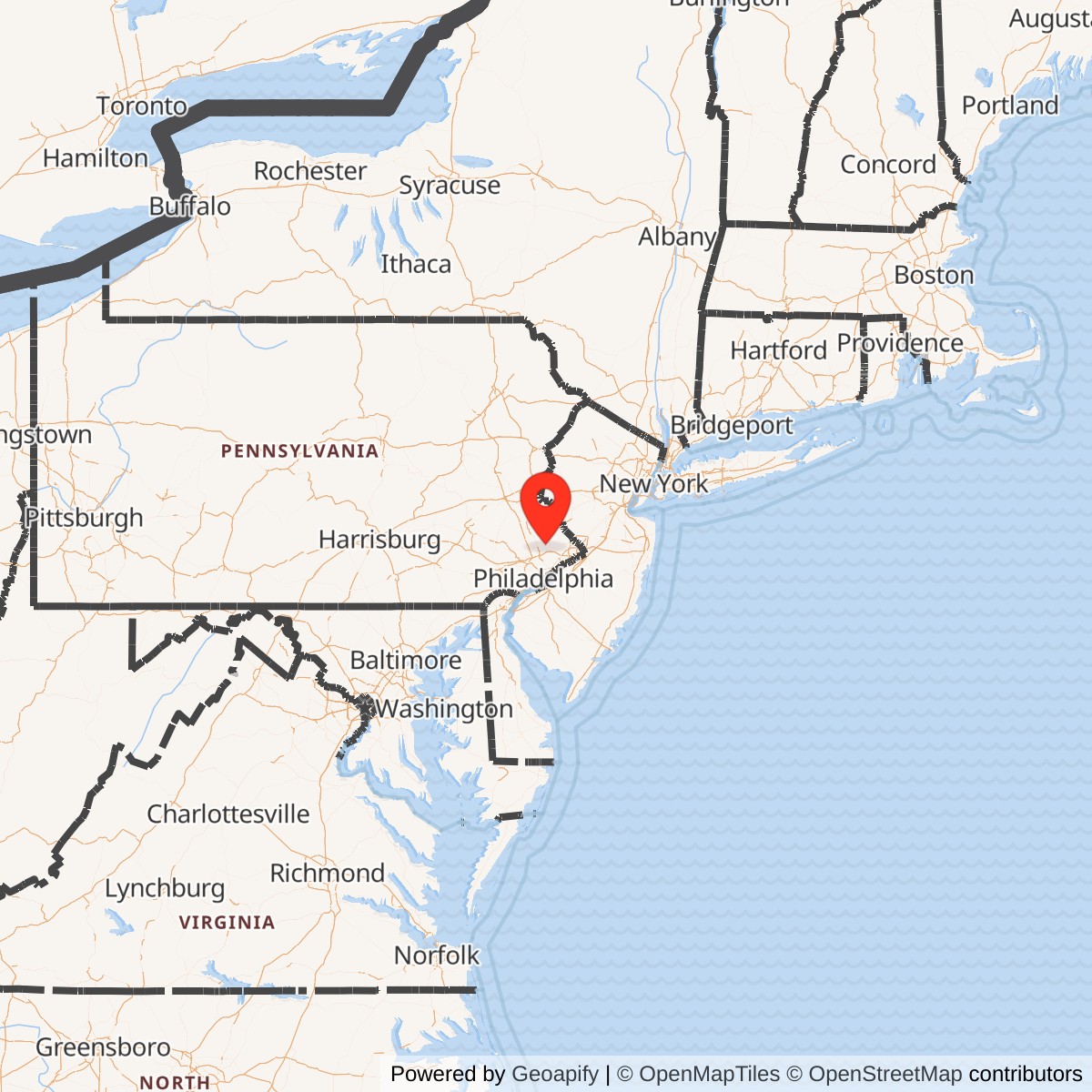
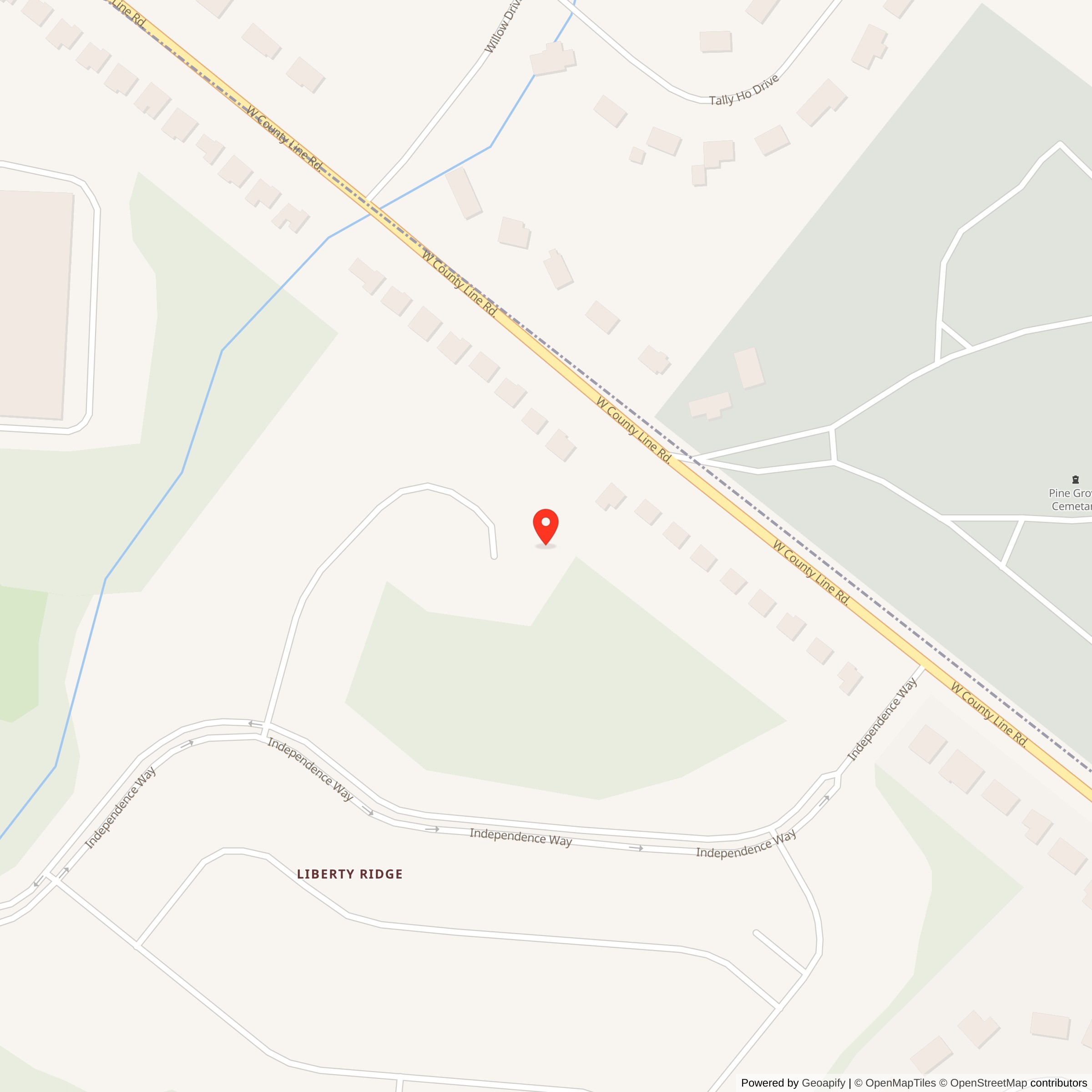
Nike Missile Site PH-99 was a U.S. Army Nike air-defense missile battery in the Philadelphia Defense Area. The site was located in Warrington Township, Bucks County, Pennsylvania, in the Warrington / Eureka area northwest of Philadelphia and north-northwest of the former Naval Air Station Willow Grove. It is normally listed as PH-99, Warrington / Eureka. Some later site lists and environmental references use the expanded form PH-97/99, reflecting the fact that this was a double or enlarged Nike installation rather than a small single-battery Ajax site.
It was active from 1956 to July 1971. During its operating life it began as a Nike Ajax site and was then upgraded to Nike Hercules. It was one of only two Pennsylvania-side Philadelphia Defense Area sites, PH-75 and PH-99, retained and upgraded for Hercules service after most of the Philadelphia Ajax-only sites were closed between 1961 and 1963.
Today, the former Nike property is part of Warrington Township's park system, including Igoe Porter Wellings Memorial Field / Upper Nike Park and John Paul Park at Lower Nike.
History
The Philadelphia Nike defense network grew out of the Korean War and early Cold War expansion of continental air defense. In the early 1950s, before Nike missiles were fielded, Philadelphia was protected by conventional antiaircraft gun batteries positioned approximately six to seven miles from the center of the city. Those batteries reflected a World War II-style method of air defense: guns around the urban core, supported by radar warning, searchlights in earlier practice, and manual command coordination. As jet aircraft, nuclear weapons, and the perceived Soviet bomber threat changed the strategic problem, the Army moved from gun defenses to guided missiles.In the mid-1950s, the Philadelphia District of the U.S. Army Corps of Engineers supervised construction of a ring of twelve Nike Ajax missile sites around Philadelphia. The sites averaged roughly twenty-five miles from Center City and were intended to create a defensive belt around the city, the Delaware Valley, the Delaware River industrial corridor, the port, military facilities, transportation nodes, and the wider Philadelphia-Camden-Wilmington region. On the Pennsylvania side of the Delaware River, the sites included PH-07 at Richboro, PH-15 at Newportville / Croydon, PH-67 at Chester / Media, PH-75 at Edgemont / Delaware County, PH-82 at Valley Forge / Paoli, PH-91 at Worcester / Center Square, and PH-99 at Warrington / Eureka. New Jersey-side Philadelphia Defense Area sites included PH-25 at Lumberton, PH-32 at Marlton, PH-41/43 at Berlin / Clementon, PH-49 at Pitman, and PH-58 at Swedesboro. Headquarters facilities for the Philadelphia Nike defenses were located at Swarthmore.
PH-99 occupied the northern and northwestern arc of the Philadelphia Defense Area. Its Warrington location placed it outside the dense urban core but close enough to the Philadelphia region to engage enemy bomber formations approaching from the north or northwest. The site also lay near the former Naval Air Station Willow Grove, a military airfield that made the surrounding area strategically significant in the Cold War landscape. Like other Nike sites, PH-99 required two separated but interdependent pieces of terrain: a radar and fire-control site with suitable visibility and an open launch site where missiles could be stored underground and brought to the surface for firing.
When PH-99 first entered service in 1956, it operated Nike Ajax missiles. Nike Ajax was the Army's first operational surface-to-air guided missile. The Army deployed Nike Ajax beginning in 1954 as the last line of defense for major American cities, military installations, and industrial centers. Ajax was command-guided by ground radar and computer equipment. A target-tracking radar followed the enemy aircraft, a missile-tracking radar followed the missile, and ground-based computing equipment generated steering commands to bring the missile toward its intercept point. The missile carried high-explosive fragmentation warheads and was designed to destroy high-flying enemy aircraft before they reached the defended target.
PH-99 was not a small single launcher point. It was recorded as a double or expanded Nike site. The published Nike inventory lists the missile type / configuration as Nike 4B, 2C / 36H, 60A / 22L-UU. In the Nike inventory key, B and C refer to missile-storage magazine types; A refers to Ajax missiles; H refers to Hercules missiles; L refers to launchers; U refers to universal launchers; and UU refers to double universal launchers. In practical terms, the published configuration means that PH-99 had a large Ajax-era capacity and a later Hercules capacity, with universal launchers suitable for the upgraded missile system. This double-site character is why some later lists use the combined PH-97/99 designation.
The Army upgraded PH-99 to Nike Hercules during the late 1950s. Appendix D of Mary T. Cagle's History of the Nike Hercules Weapon System lists PH-99 among converted defense sites in the Philadelphia Defense Area. The appendix records a Hercules conversion construction period of April 1958 to June 1959 and a Hercules operational date of 25 April 1959. Because PH-99 was a double site and Appendix D uses parenthetical notation for some partial battery-site entries, that conversion listing should be read as a Hercules conversion record rather than as the full site-capacity listing. The broader Nike site inventory gives the full PH-99 missile configuration as 4B, 2C / 36H, 60A / 22L-UU.
The conversion to Nike Hercules changed both the military capability and the public meaning of PH-99. Nike Hercules was larger, solid-fueled, longer-ranged, and able to carry either high-explosive or nuclear warheads. It could reach targets at greater range and altitude than Ajax and could engage massed bomber formations more effectively. The Hercules upgrade allowed the Army to close many Ajax-only batteries while retaining a smaller number of more powerful batteries. In the Philadelphia Defense Area, PH-75 and PH-99 were the Pennsylvania-side sites upgraded to Hercules. On the New Jersey side, PH-25, PH-41/43, and PH-58 also formed part of the Hercules-era defense.
The shift to Hercules explains why PH-99 remained active after the other Pennsylvania Ajax-only sites were closed. PH-07, PH-15, PH-67, PH-82, and PH-91 did not continue as long-term Hercules batteries. Most of the remaining Ajax-only Philadelphia sites were deactivated from 1961 to 1963. PH-75 stayed active until 1968, and PH-99 remained on duty until July 1971. By the final decade of its service, PH-99 was one of the remaining northern anchors of the Philadelphia Defense Area.
Operationally, PH-99 belonged to a wider command-and-control network rather than acting alone. Nike batteries were designed to receive warnings and engagement orders from higher air-defense command posts. In Philadelphia, command-and-control functions were hosted by a Missile Master facility at Pedricktown, New Jersey. Missile Master coordinated fire among multiple Nike batteries so that the defense area could assign targets and avoid having several batteries engage the same aircraft while other attackers passed through. This mattered especially after Hercules reduced the number of batteries but increased individual missile range. Each remaining site, including PH-99, covered a wider arc of the defended region.
The site also belonged to the social landscape of Cold War Bucks County. A Nike battery brought a restricted military reservation, young soldiers, radars, launch magazines, security fencing, motor pools, communications gear, and missile-handling procedures into a suburban and semi-rural community. The site was near farms, roads, townships, and later residential development. For most civilians, the Nike system was visible mainly as guarded land, radar towers, warning signs, Army vehicles, and a small military population. The exact operational details, especially after the arrival of nuclear-capable Hercules missiles, were not public in the way they can be discussed today.
A site-specific veteran note preserved in the Nike site literature captures this point directly. A former participant observed that children using the later park would have no idea that, for years, young men had spent two or three years of their lives there defending the area during the height of the Cold War. That observation is especially useful for interpreting PH-99 today. The land now looks like a park, but the park pattern overlays a missile battery that once formed part of a national air-defense system.
By the late 1960s and early 1970s, PH-99's military purpose was fading. Nike Ajax and Nike Hercules were designed primarily to intercept manned aircraft. They did not solve the much larger problem posed by intercontinental ballistic missiles and submarine-launched ballistic missiles. As the strategic threat shifted away from mass bomber raids and toward ballistic missile attack, continental Nike defenses became less relevant. Budget pressure from the Vietnam War, changing technology, and strategic arms-control realities all contributed to the decline of ARADCOM's fixed Nike network.
PH-99 was deactivated in July 1971. Its closure ended the last Pennsylvania-side Nike Hercules operation in the Philadelphia Defense Area. The deactivation did not erase the site immediately. Like many Nike installations, the property passed through federal disposal and FUDS processes, and portions of the former military landscape remained visible for decades in roads, fill patterns, fence lines, foundations, and the broad geometry of the former launch and control areas.
Site Layout and Operation
PH-99 followed the standard Nike site pattern but at a larger, double-site scale. A Nike missile battery had an Integrated Fire Control area and a Launch area. The IFC contained radar and command equipment. The launcher contained the missiles, magazines, launch rails, maintenance and assembly structures, and launch-control equipment. Administrative and support functions could be located at or near either complex.The IFC / control area for PH-99 was north of Folly Road in the area later associated with Warrington Township parkland, Igoe Porter Wellings Memorial Field, Upper Nike Park, and Twin Oaks Summer Camp in older site notes. The control area would have contained acquisition radar, target-tracking radar, missile-tracking radar, radar-control equipment, battery-control equipment, generators, communications cabling, support buildings, and radar towers or pads.
In Nike Ajax operation, the acquisition radar detected incoming aircraft. The battery commander and crew then used identification procedures to determine whether the aircraft was friendly or hostile. Once a target was assigned, the target-tracking radar followed the enemy aircraft, the missile-tracking radar locked onto the selected missile, and the ground computer calculated the intercept. After launch, the system sent command guidance signals to steer the missile toward the target and detonate the warhead at the calculated intercept point. In Hercules operation, the same basic ground-command concept remained, but upgraded radars and equipment supported the larger missile, longer engagement range, and nuclear-capable mission.
The launch area for PH-99 was on the lower side of Folly Road, now associated with John Paul Park at Lower Nike. Older site notes place the launch area on the west side of Folly Road and describe it as the Warrington Township Lower Nike Site. The current township park page identifies John Paul Park at Lower Nike at 301 Folly Road and explicitly notes that it was once a Nike base, a working military missile silo, later closed and dedicated to the township.
The launcher area would have been the most physically distinctive portion of the battery. Nike missiles were stored horizontally in underground reinforced-concrete magazines. Each magazine had elevators to bring missiles to the surface. Once raised, missiles were rolled or pushed along rails to launchers. A launch-control trailer and generator facilities supported the firing section. The site would also have included security fencing, lighting, access roads, ready buildings, missile assembly and maintenance facilities, warhead and fuze handling areas, fuel or oxidizer safety provisions in the Ajax period, and later Hercules missile-handling infrastructure.
Because PH-99 was a double or enlarged site, it had more magazines and launch capacity than a small Ajax-only battery. The published inventory records 4B and 2C magazine types, 60 Ajax missiles, 36 Hercules missiles, and 22 launchers listed as double universal. That is a large PH-series configuration, consistent with its long service life and its role as one of the retained Hercules sites around Philadelphia.
Post-Closure and Current Status
After PH-99 was deactivated in July 1971, the former military land moved into civilian and public reuse. The official Nike inventory lists both the control site and launch site as FDS, meaning the sites passed through Formerly Used Defense Site processing after leaving active military control.The strongest current public reuse is Warrington Township parkland. The former upper / control side is associated with Igoe Porter Wellings Memorial Field and Upper Nike Park. Warrington Township's current park listing identifies Igoe Porter Wellings Memorial Field at 3095 Bradley Road, off Folly Road, with 16.8 acres and an establishment date of 1980. It also identifies Upper Nike Park at 300 Folly Road, with 8.9 acres, soccer fields, picnic tables, a walking path, a pavilion, and public restrooms. The township notes that Igoe Porter Wellings Memorial Field is named for three Warrington servicemen who died serving their country.
The former lower / launch side is now John Paul Park at Lower Nike. Warrington Township lists John Paul Park at Lower Nike at 301 Folly Road, across from IPW Park, with 23.7 acres and an establishment date of 1997. The township's description states that John Paul Park at Lower Nike once was the Nike Base, a working military missile silo, and that it has since been closed and dedicated to the township. Its current amenities include a band stand, basketball court, trail entrance, grills, nature blind, pavilions, playground, public restrooms, roller hockey rink, sand volleyball court, and bike repair station.
Older Nike site notes document the transition. A December 2001 note stated that a marker had been dedicated in 2000 near the parking lot at IPW Park. The same note described the Lower Nike Park area as mostly obliterated, with the fence line largely intact and little visible remaining except possible filled or overgrown magazine-related traces. A November 2002 note described the control area as a developed park with plans for Nike-awareness displays. The same source noted that the launch area was being covered with fill, that the magazines were partially visible at the time, and that only one small brick well-pump house remained in the woods.
List of all Nike Installations in the Philadelphia Defense AreaList of all Nike Installations in Pennsylvania