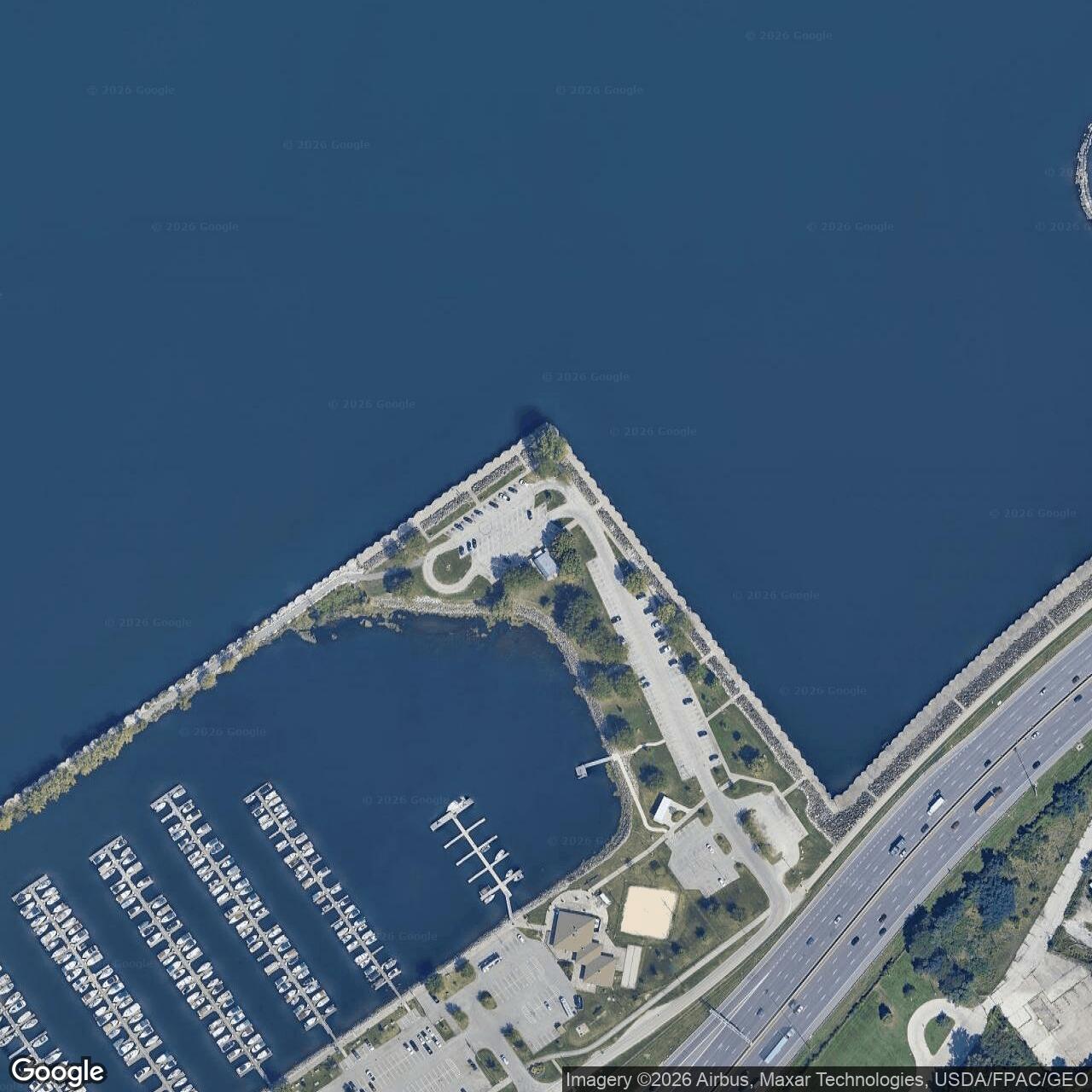
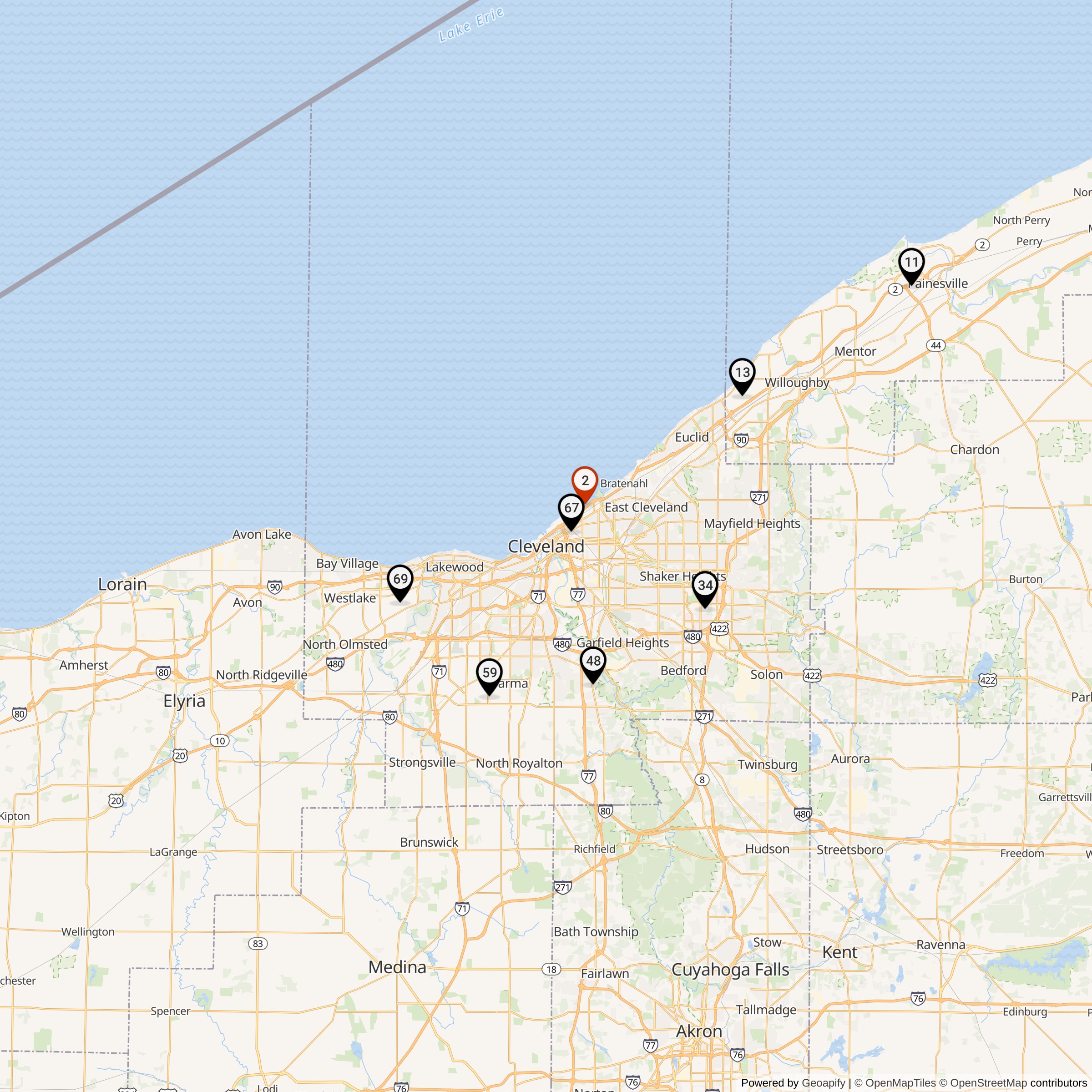
Nike Missile Site CL-02 IFC, Bratenahl Ohio
Longitude: -81.6486680364446
This location was part of the Cleveland Defense Area
Site ID: CL-02
This site controlled the missiles at the Launch Area located here.
Site Role: IFC
A typical Nike air defense site consisted of two separate parcels of land. One area was known as the Integrated Fire Control (IFC) Area. This site contained the Nike system's ground-based radar and computer systems designed to detect and track hostile aircraft, and to guide the missiles to their targets.
The second parcel of land was known as the Launcher Area. At the launcher area, Nike missiles were stored horizontally within heavily constructed underground missile magazines. A large, missile elevator brought the Nikes to the surface of the site where they would be pushed across twin steel rails to one of four satellite launchers.
Elaboration on how Nike worked here.
Missile Type: Ajax/Hercules
The Nike Ajax was the first in the Army's family of guided missiles, and the world's first operational, guided, surface-to-air missile system. Nike Ajax had a burnout speed of Mach 2.3, a range of 25-30 miles, and a ceiling of 65,000 feet.
Designed to carry either nuclear and/or high-explosive warheads, the Nike Hercules missile could attack supersonic aircraft operating at altitudes in excess of 150,000 feet and at a range of more than 87 miles.
Battery Type: single
Date Site Converted to Hercules Missile: November, 1958
Nike Hercules were more powerful and nuclear capable missiles. Many locations originally built for the Ajax were later modified and upgraded to the newer Hercules.
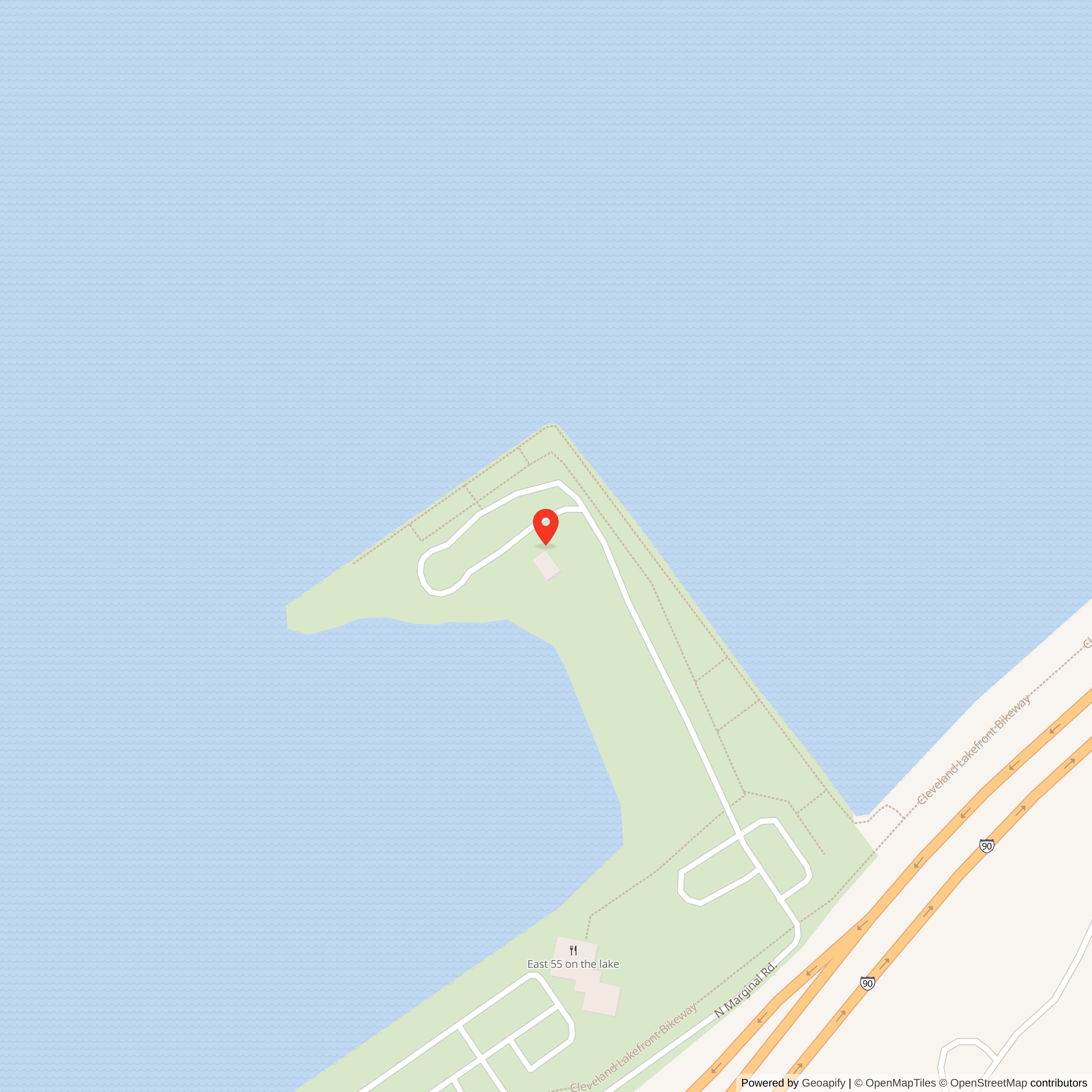
The U.S. Army prevailed over village council protests in its determination to build a Nike missile-launching base at Bratenahl, acquiring thirty-five acres at the west end of the village. In 1956, the Liberty Holden estate at 8907 Lake Shore Boulevard was transferred to the U.S. Government and razed. The Bratenahl base, housing 122 military personnel, was activated in February 1957. It consisted of the launcher area with underground storage for 20 Ajax missiles and 12 launchers, generator, acid-storage buildings, and fueling area. The control area, one-half mile from the launch area, consisted of a mess hall, administration building, barracks, radar tower, and control van. In November 1958, eighteen of the more sophisticated Hercules missiles replaced the Ajax missiles.
CL-02 was one of only three Cleveland Defense Area sites, along with CL-11 (Painesville) and CL-69 (Lordstown), converted to Nike Hercules. In 1968, the Cleveland Defense Area merged with Detroit's, and in June 1971, the three remaining Hercules batteries including CL-02 were deactivated.
The launcher was demolished in 1973. The U.S. Navy Consolidated Data Center (CDC) was then built on the thirty-five acres of the former Army Nike site, the first "from the ground up" naval computer and communications facility. Groundbreaking was March 16, 1973. The CDC was named the Rear Admiral Isaac Campbell Kidd Computer Center, after the first flag officer to die in World War II, a native Clevelander killed at Pearl Harbor on December 7, 1941 when the Japanese sank his ship, the USS Arizona.
It is currently the home of the Defense Contract Management Command.
List of all Nike Installations in the Cleveland Defense AreaList of all Nike Installations in Ohio