Nike Missile Site CL-69 IFC, Lordstown Ohio
Longitude: -81.8606079783617
This location was part of the Cleveland Defense Area
Site ID: CL-69
This site controlled the missiles at the Launch Area located here.
Site Role: IFC
A typical Nike air defense site consisted of two separate parcels of land. One area was known as the Integrated Fire Control (IFC) Area. This site contained the Nike system's ground-based radar and computer systems designed to detect and track hostile aircraft, and to guide the missiles to their targets.
The second parcel of land was known as the Launcher Area. At the launcher area, Nike missiles were stored horizontally within heavily constructed underground missile magazines. A large, missile elevator brought the Nikes to the surface of the site where they would be pushed across twin steel rails to one of four satellite launchers.
Elaboration on how Nike worked here.
Missile Type: Ajax/Hercules
The Nike Ajax was the first in the Army's family of guided missiles, and the world's first operational, guided, surface-to-air missile system. Nike Ajax had a burnout speed of Mach 2.3, a range of 25-30 miles, and a ceiling of 65,000 feet.
Designed to carry either nuclear and/or high-explosive warheads, the Nike Hercules missile could attack supersonic aircraft operating at altitudes in excess of 150,000 feet and at a range of more than 87 miles.
Battery Type: single
Date Site Converted to Hercules Missile: November, 1958
Nike Hercules were more powerful and nuclear capable missiles. Many locations originally built for the Ajax were later modified and upgraded to the newer Hercules.

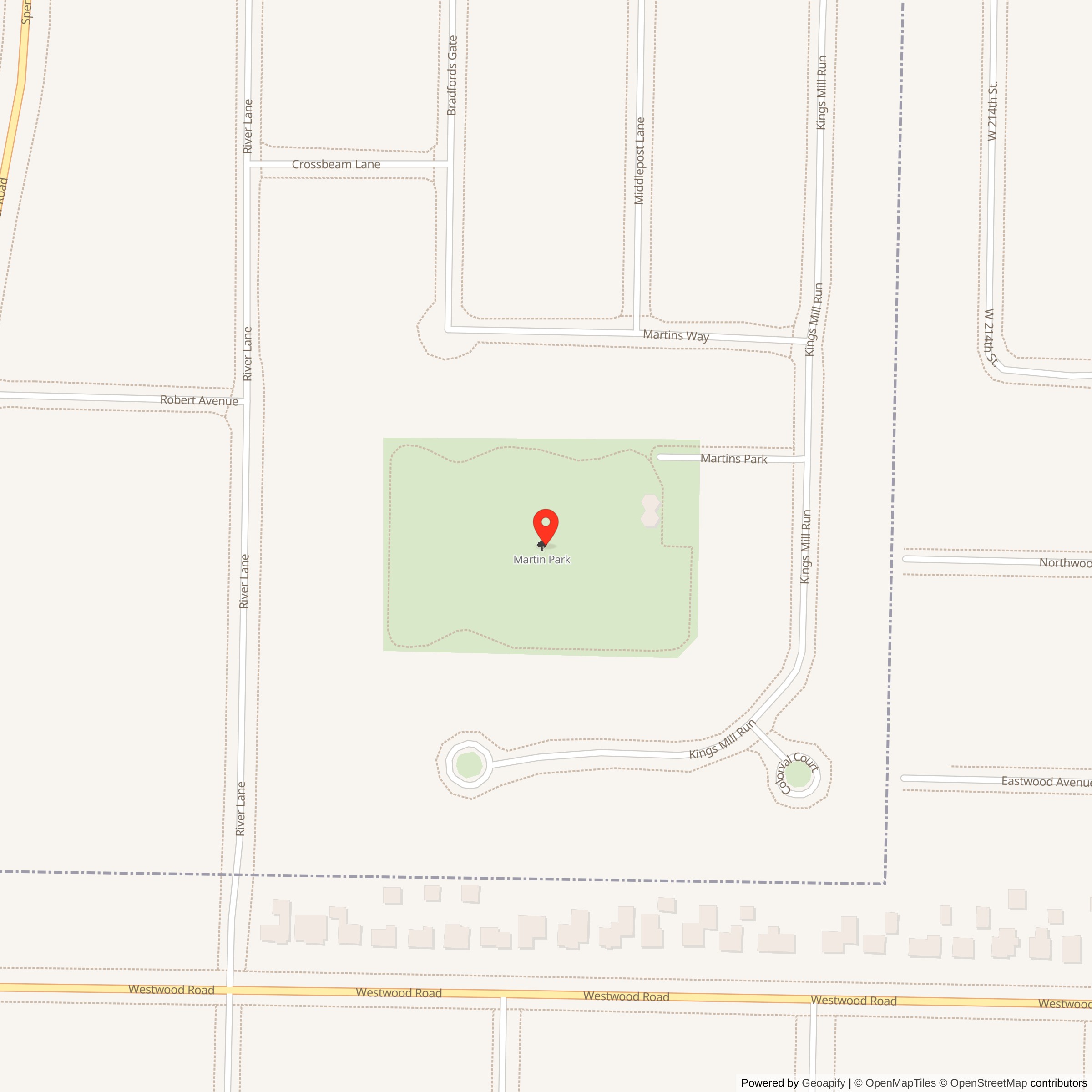
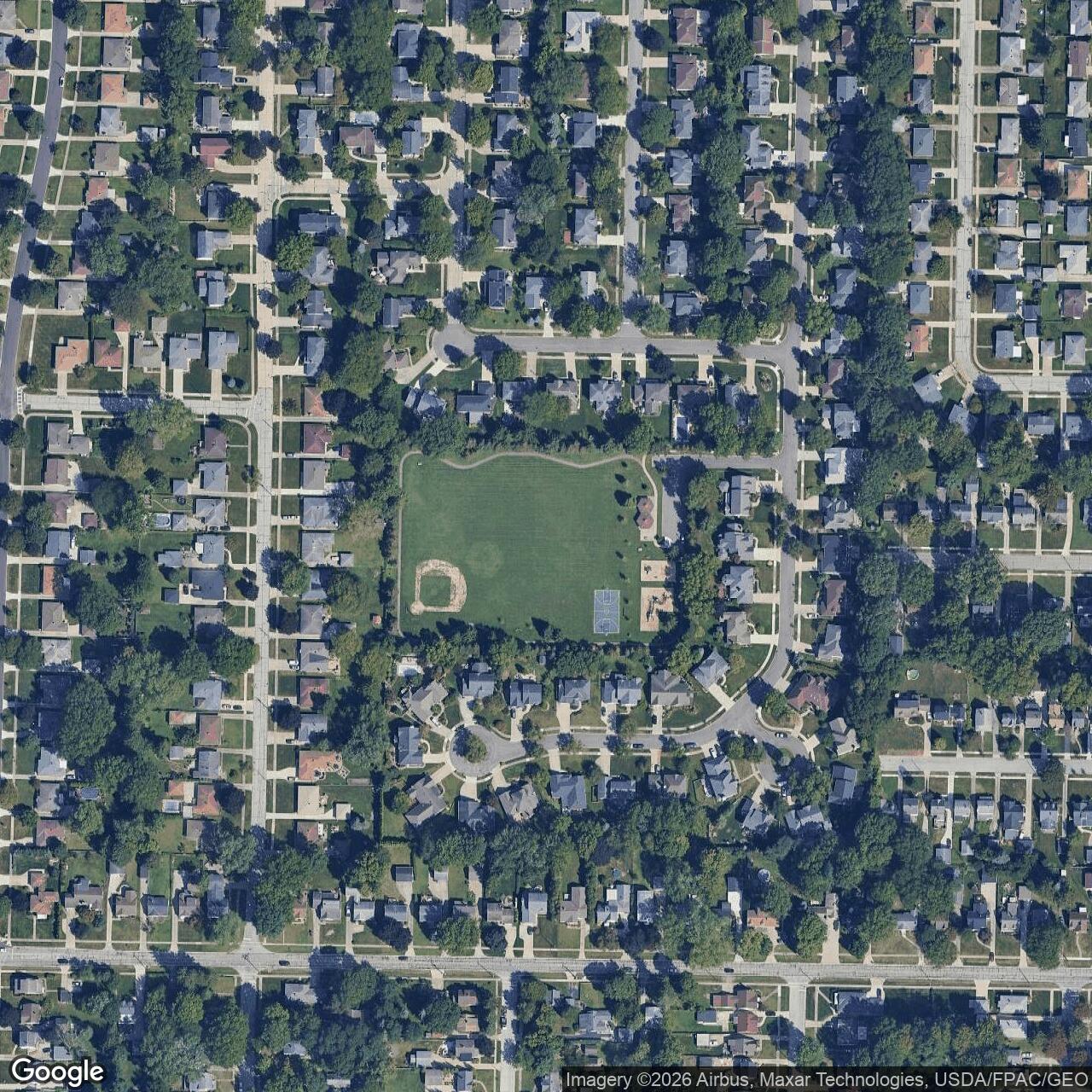
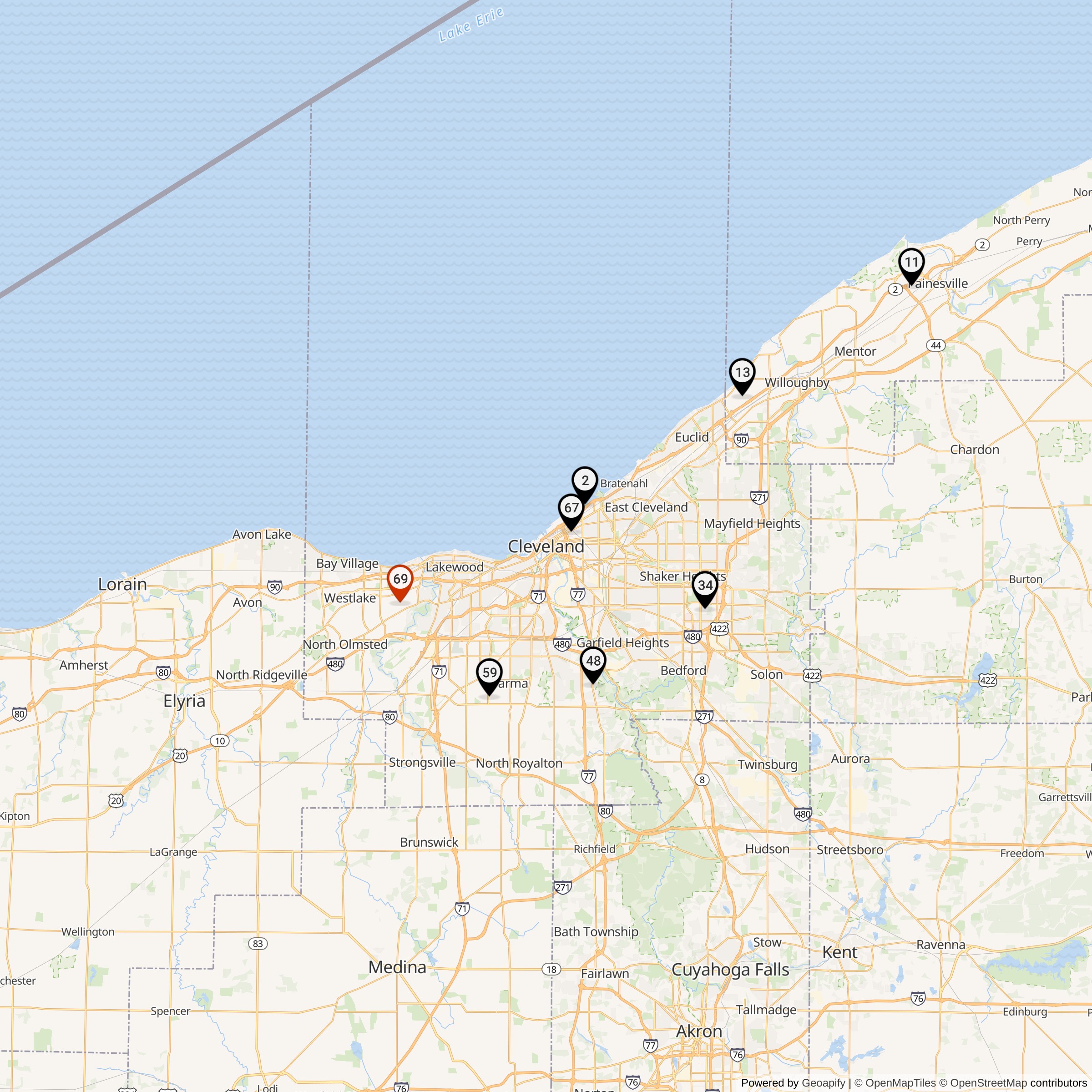
Nike Site CL-69 was a U.S. Army Nike air-defense missile battery in the Cleveland Defense Area. It is often listed in Nike references as CL-69, Lordstown Military Reservation / Fairview Park, but Cleveland local-history sources place the site in the Rocky River-Fairview Park / Westlake-Fairview Park area, with the control area at 21700 Westwood Avenue and the launcher near the Westlake-Fairview Park border.
It was activated in July 1956, converted to Nike Hercules in November 1958, and deactivated in June 1971.
Units that served at CL-69
CL-69 was manned first by Regular Army air-defense units and later by the Ohio Army National Guard. Reported unit sequence:- July 1956-1957: HHB, 508th U.S. Army
- July 1956-September 1958: Battery D, 351st U.S. Army
- September 1958-August 1961: Battery D, 1st Battalion, 68th U.S. Army
- August 1961-February 1963: Battery C, 3rd Battalion, 65th U.S. Army
- February 1963-June 1971: Battery C, 1st Battalion, 137th Ohio Army National Guard
History
Nike Site CL-69 was part of the ring of Nike missile bases built to defend Cleveland during the Cold War. Cleveland's Nike network was constructed in the mid-1950s as part of the national air-defense system, intended to protect major urban and industrial regions from Soviet bomber attack. Case Western Reserve University's Encyclopedia of Cleveland History summarizes the Cleveland Nike system as a 1955-1971 network built at seven sites in Cuyahoga County, with an eighth in Lake County, at a reported cost of $12 million.CL-69 occupied the western side of that defense pattern. Its mission was to intercept hostile aircraft approaching the Cleveland industrial region from the west or northwest before they could reach the city, Lake Erie shoreline, port facilities, aircraft and steel-related industry, and other strategic targets. Like other Nike batteries, it was not an independent "base" in the large-post sense; it was a fixed missile battery made up of a launcher area, an Integrated Fire Control area, and associated support facilities.
The original weapon at CL-69 was the Nike Ajax, the Army's first operational guided surface-to-air missile. The Army began deploying Nike Ajax in 1954 around key urban, military, and industrial areas; by 1958, nearly 200 Ajax batteries had been deployed around U.S. cities and important installations. The Ajax system relied on acquisition radar, target-tracking radar, missile-tracking radar, and a ground-based computer that generated steering commands for the missile.
CL-69 was later upgraded to the larger and more capable Nike Hercules. The Hercules program was designed as the second-generation Nike system, able to use many Ajax support components while adding greater range, altitude, and the ability to carry either high-explosive or nuclear warheads. For CL-69, the reported Hercules conversion date was November 1958. Appendix D of the History of the Nike Hercules Weapon System also lists CL-69 among converted defense sites, with three Type B magazines and a Hercules operational date of 28 February 1959.
After conversion, CL-69's reported armament and facility configuration was 30 Nike Ajax missiles / 18 Nike Hercules missiles, three Type B magazines, and 12 universal launchers. The standard Nike code explains that "B" magazines were Ajax/Hercules-capable magazines requiring modification for Hercules, while "U" indicated universal launchers.
Site Layout and Operation
Like other Nike batteries, CL-69 was split between the Integrated Fire Control area and the launcher area. The control area held the radar and guidance equipment used to detect, identify, track, and engage targets. The launcher area held the missiles, magazines, launch rails, launch-control equipment, generators, assembly/maintenance functions, and security perimeter. Redstone Arsenal's Nike history describes the standard Nike battery as having an administrative area, IFC area, and launch area, with the IFC and launcher separated by at least 1,000 yards and often more than a mile, while remaining within line-of-sight of one another.For CL-69 specifically, the launch area is reported at 41.45467, -81.87282, and the site used HIPAR radar. HIPAR, the High-Power Acquisition Radar, was part of the Improved Hercules-era radar package used to detect targets at greater range.
The underground magazines were the defining physical feature of the launcher area. In a typical underground Nike launch area, each magazine stored missiles horizontally below grade and used an elevator to raise missiles to the surface, where crews manually pushed them along rails to launchers. At CL-69, the later park reuse preserved enough of that layout that photo documentation identifies tennis courts built over the magazine pits, remaining exclusion fencing, berms, parking areas, and the former access road.
Deactivation and Post-Closure Use
CL-69 remained in service longer than most of Cleveland's Ajax-only batteries because it was one of the Cleveland sites upgraded to Hercules. The Cleveland Defense Area was merged with Detroit's in 1968, and the remaining Cleveland Hercules batteries were deactivated in June 1971. Case Western's history likewise notes that all Cleveland Nike bases had closed by 1971.After closure, CL-69 was converted to civilian use. The launcher area became Tri-City Park, and Nike reference listings identify the control area as park and housing. The surviving physical traces appear to be mostly landscape and infrastructure remnants rather than an intact military installation: berms, fencing, access-road traces, and the magazine-pit area incorporated into park facilities.
List of all Nike Installations in the Cleveland Defense AreaList of all Nike Installations in Ohio