
Camp Shoemaker / Naval Training and Distribution Center Shoemaker, Dublin California
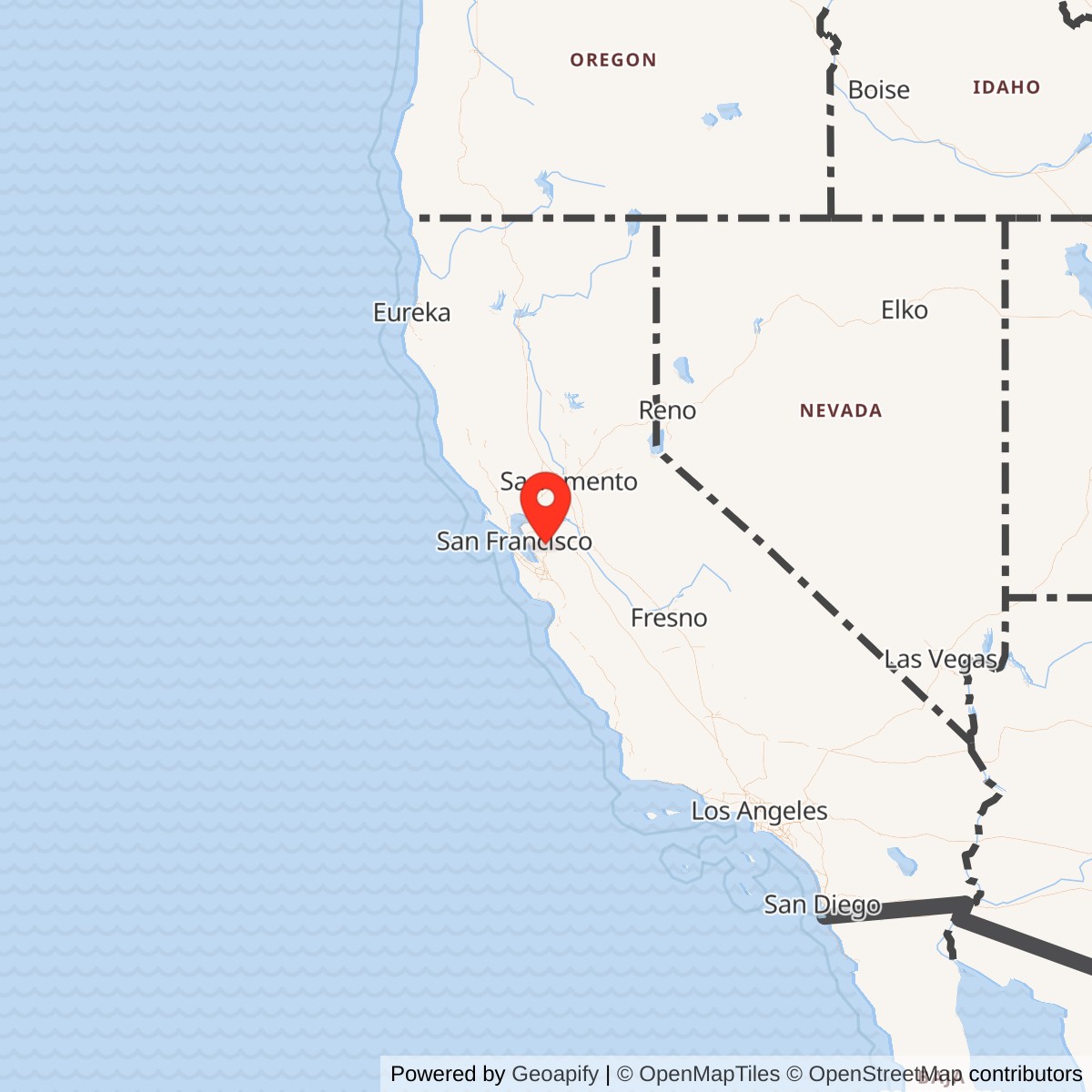
Longitude: -121.8822222
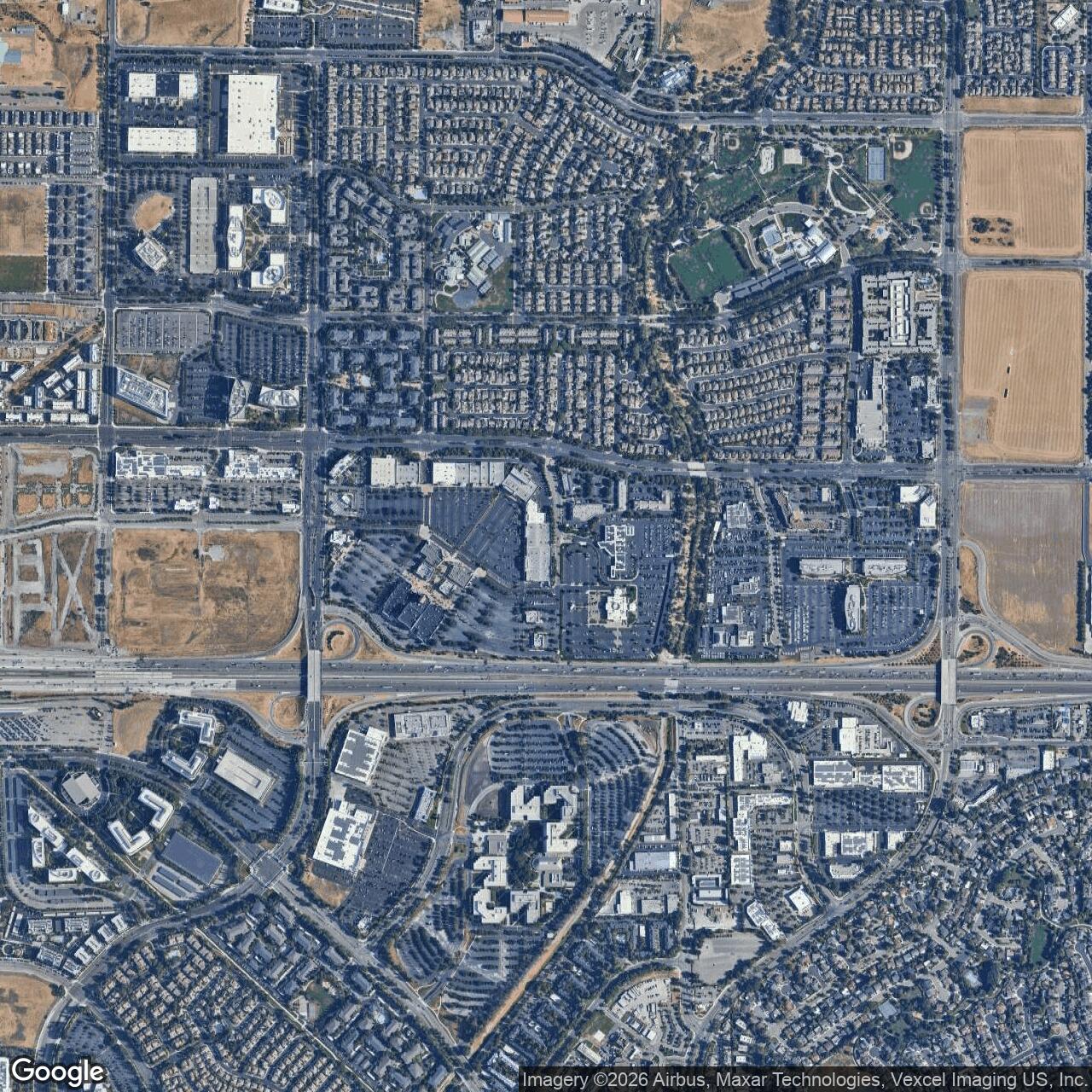
Current Role: Former Navy camp site now heavily reused, including Alameda County Santa Rita Jail, Alameda County Sheriff's training areas, transportation corridors, and Dublin/Pleasanton redevelopment.
Camp Shoemaker was the Navy's high-speed personnel machine in wartime Dublin. It did not launch aircraft, build ships, or defend a harbor. Its job was more intimate and more relentless: receive sailors and other naval personnel, classify them, pay them, medically process them, discipline some of them, separate others, and push huge drafts of men and women toward their next duty station or back toward civilian life. During the last two years of World War II, a sailor could pass through Shoemaker for a few hours, a few days, or several weeks, but the station's purpose was always the same. It turned individual service members into orderly movements through a global Navy.
The camp was one of the three adjacent wartime Navy bases known locally as Fleet City. Camp Parks lay to the west along Dougherty Road and served the Navy Construction Battalions, the Seabees. Shoemaker Naval Hospital lay to the east along Tassajara Road and treated sick and wounded naval personnel. Camp Shoemaker stood between them and served the fleet as a naval personnel distribution, receiving, training, separation, and administrative center. The City of Dublin's historic summary identifies Fleet City as Camp Parks, Camp Shoemaker, and Shoemaker Naval Hospital, with Camp Shoemaker active from 1943 to 1946 as the Navy personnel distribution and separation center. The public Fleet City marker describes the broader 3,396-acre Navy acquisition and identifies Camp Shoemaker as the U.S. Naval Personnel and Distribution Center with disbursing responsibility for 32,000 men and women.
Camp Shoemaker should not be treated merely as a sub-area of Camp Parks. The two installations were side by side, shared the Fleet City identity, and later became entangled in the Parks Air Force Base and Parks Reserve Forces Training Area story, but their wartime missions were different. Camp Parks was the western Seabee replacement and recuperation depot. Camp Shoemaker was the transient-personnel and distribution center. Shoemaker Naval Hospital was the medical installation. Together they made a landlocked Navy city in the Tri-Valley, a place where personnel returning from the Pacific, preparing for the Pacific, or being separated from wartime service moved through an inland administrative system built at almost industrial scale.
Mission Evolution
The Navy built Fleet City because the Pacific War required more than ships, ports, and air stations. It required a dependable stateside personnel pipeline close to San Francisco Bay, Oakland, Alameda, Treasure Island, Mare Island, Port Chicago, and the great West Coast embarkation routes. The Dublin area offered large ranch and agricultural tracts, rail and highway connections, and enough open land to build quickly without fitting a major base into an already dense port city. The Navy purchased thousands of acres in what was then rural Alameda County and turned the landscape into a temporary military city.The Camp Shoemaker personnel mission appears most clearly in the history of the Receiving Barracks. A 1945 Naval Training and Distribution Center yearbook states that on 1943-05-15 the activity that later became the Receiving Barracks component was commissioned as the U.S. Navy Personnel Distribution Center, Pleasanton, California. It was later renamed the U.S. Naval Receiving Barracks. From its first weeks, it was working before the physical plant was finished. About fifty officers and 400 enlisted men moved into unfinished buildings sprawled over 689 acres that had recently been pasture. Roads, buildings, and recreation facilities were incomplete, yet the first drafts of men began arriving and the station launched its mission as a way station for Navy men on the way to the fleet.
The mission changed in scale and organization in 1944. On 1944-04-13, the Navy organized the naval activities in the Amador Valley under a single administrative command, the U.S. Naval Training and Distribution Center, Shoemaker, California. That command included the Construction and Replacement Depot at Camp Parks, the U.S. Naval Hospital, the U.S. Naval Disciplinary Barracks, and the Receiving Station. This is why the name can be confusing. Camp Shoemaker was the place most directly associated with receiving, distribution, and separation, while the U.S. Naval Training and Distribution Center at Shoemaker became the umbrella command for the linked Fleet City activities.
By late 1944, the mission had become enormous. The Receiving Station's turnover for its first month and a half was 2,531 received and 910 transferred. By 1945, the yearbook described that as less than a day's work. On 1944-09-30 alone, the station received 2,223 personnel and transferred 2,495. Monthly turnover was said to be in the vicinity of 50,000. The complement rose to 250 officers and 2,430 enlisted personnel, with some departments working three shifts to keep records, orders, pay, transportation, and drafts moving. The Navy expected the station to provide facilities for approximately 30,000 transient personnel when a new unit then nearing completion entered operation.
During the closing phase of the war, Camp Shoemaker shifted from forward distribution to separation and discharge. San Ramon Valley Historical Society material summarizes the early and late war pattern: at the beginning of World War II, Navy personnel often went to Camp Shoemaker after basic training for two to six weeks before being sent to the Pacific; at the end of the war, personnel returning from the Pacific passed through the area while awaiting discharge. Local summaries record that in 1946 the camp was separating 1,000 to 1,500 sailors per day and that total personnel handled reached roughly 1.5 million. Even if individual counts vary by source and counting method, the pattern is clear. Camp Shoemaker became one of the Navy's major West Coast demobilization gates.
Operational Role
Camp Shoemaker's operational role was personnel movement. The Navy's fighting strength depended not only on ships at sea, but on the administrative ability to move sailors from boot camp to ships, from hospitals to replacements, from overseas duty to leave, and from wartime service into separation. Shoemaker was built for that middle space. It was a receiving station, a classification and assignment center, a pay and disbursing hub, a temporary barracks city, a recreation center, a medical screening node, a discipline and brig facility, and a separation station.The work was precise and repetitive. A sailor arrived with orders, a seabag, a pay account, a health record, and an uncertain next destination. The station had to receive him, assign barracks space, feed him, verify records, examine him, process pay and allotments, issue or modify orders, transfer records, move baggage, and place him on the right outbound draft. The yearbook noted that disbursing officers paid about a million dollars a month on pay days, in addition to making thousands of allotments and receiving and transferring pay accounts for transient personnel. This was not background paperwork. Without it, personnel did not reach ships, pay accounts did not follow sailors, families did not receive allotments, and returned veterans did not move through separation.
Shoemaker's receiving function was also emotional. The 1945 yearbook described TADCEN as the last American post for men fresh from training and headed overseas, and as the first stateside post for men returning from abroad or overseas shore duty. That made the camp a place of anticipation, impatience, relief, anxiety, and transition. Service members were between worlds. Some were headed to the Pacific. Some had survived combat and were waiting for reassignment. Some were being separated and were about to become civilians again. The camp's routines, mail calls, liberty passes, recreation buildings, medical exams, and pay lines all served that transient condition.
Camp Shoemaker also had a training and reclassification dimension. The name Naval Training and Distribution Center was not decorative. Personnel could be held for reclassification, additional instruction, administration, or further orders. Local wartime news references from 1945 describe sailors arriving at the receiving station for reclassification and further assignment after long overseas service. This function was essential in a wartime Navy whose manpower needs changed constantly. Men returning from one billet might not simply go back to the same kind of duty. They could be evaluated, reclassified, reassigned, or separated depending on health, rating, experience, Navy requirements, and the approaching end of the war.
The camp's separation role was especially intense after V-J Day. Discharge was a massive operation. Personnel needed physical checks, service-record review, pay settlement, travel arrangements, paperwork, and final administrative action. The Fleet City marker's reference to disbursing responsibility for 32,000 men and women captures the scale of that financial and personnel workload. Local historical accounts remembering 1,000 to 1,500 sailors discharged per day in 1946 show how rapidly Shoemaker shifted from feeding the war to unwinding it.
Personnel, Daily Life, and the Human Scale
Camp Shoemaker's daily life looked more like a crowded temporary city than a remote training camp. The Receiving Station's planned facilities reveal the scale. The 1945 yearbook described three mess halls, each with capacity for 10,000 per meal; two theaters seating 2,000 each; two additional theaters seating 1,000 each; forty-four bowling alleys; forty pool tables; four swimming pools; a drill hall large enough for five basketball games at one time; sixteen outdoor basketball courts; ten tennis courts; a regulation baseball diamond; two football fields; nine softball diamonds; and five indoor recreation buildings. These amenities were not luxuries added to a quiet post. They were crowd-control, morale, and readiness infrastructure for tens of thousands of transient personnel.The recreation program gave Fleet City a public identity beyond paperwork. The Receiving Station was home to the Fleet City Bluejackets football, baseball, and basketball teams. The City of Dublin's interpretive planning material identifies the Fleet City Bluejackets football team as racially integrated at a time when naval service units were segregated during World War II. That detail gives the sports story more significance than ordinary base entertainment. The teams, bands, dances, theaters, and athletic grounds created morale inside the camp, but they also reflected larger tensions and possibilities within the wartime Navy.
Women served in the Fleet City system as well. City of Dublin material emphasizes Shoemaker Naval Hospital as one of several Navy installations where women were accepted as enlisted and officer personnel, and San Ramon Valley Historical Society material notes that WAVES were assigned to Camp Parks, Camp Shoemaker, and Shoemaker Hospital, mainly in administrative, service, and medical staff jobs. Their presence mattered because a personnel center depended on clerical, medical, communications, and administrative labor. The camp's mission was built around records, orders, health screening, disbursing, and movement. Women's Navy service made that system function.
Liberty connected Camp Shoemaker to the Bay Area. Sailors went to Oakland and San Francisco, took buses or trains, and moved through the local civilian landscape on passes. The old Southern Pacific branch line and regional roads tied Fleet City to ports, shipyards, receiving stations, and entertainment districts. This mattered operationally and socially. The camp was inland, but it was not isolated. It was a short administrative step from the Navy's Bay Area network and a short emotional step from the home-front world that transient sailors were leaving or re-entering.
Port Chicago Connection
Camp Shoemaker also belongs in the history of the Port Chicago disaster and its aftermath. On 1944-07-17, the Port Chicago Naval Magazine explosion killed 320 men and caused the worst home-front disaster of World War II. The catastrophe exposed unsafe ammunition-loading practices, racial segregation, and unequal treatment of African American sailors. Camp Shoemaker entered that story not as the explosion site, but as one of the places where surviving sailors were moved, questioned, confined, and processed after the disaster.The City of Dublin's Camp Parks History Center management plan states that at Camp Shoemaker, 253 enlisted African American dock workers who refused to return to munitions-loading duty after the Port Chicago disaster were jailed and interrogated in the Camp Shoemaker brig. Other published accounts of the Port Chicago case describe more than 250 sailors being questioned at Camp Shoemaker after the work stoppage, with fifty later becoming known as the Port Chicago 50. The exact count can vary depending on whether a source is counting men initially transferred, men questioned, men charged, or men later convicted, but the camp's role is clear. Camp Shoemaker was part of the Navy's disciplinary and legal response to the refusal to resume ammunition loading under the same dangerous conditions.
This history gives Camp Shoemaker a much larger civil-rights significance than its bland administrative title suggests. The personnel center that moved sailors toward ships and separation also held men whose case became a symbol of racial injustice in the wartime Navy. The City of Dublin interpretive plan places the Port Chicago story in the same framework as WAVE service, segregated naval service units, and the integrated Fleet City Bluejackets, arguing that Fleet City reflected both the ideals Americans fought for and the inequalities they faced at home. On 2024-07-17, the Secretary of the Navy announced the full exoneration of the remaining defendants from the 1944 Port Chicago general and summary courts-martial. That modern exoneration makes the Camp Shoemaker brig part of a living memory issue rather than only a wartime administrative footnote.
Facilities and Physical Layout
Camp Shoemaker occupied the middle of the Fleet City landscape. The public Fleet City marker states that Camp Parks lay along Dougherty Road, Shoemaker Naval Hospital lay along Tassajara Road, and Camp Shoemaker lay in between. City of Dublin planning material describes the historic Camp Parks/Fleet City location as covering the area between today's Dougherty Road on the west and Tassajara Road on the east. A 1945 Receiving Station history places the early Receiving Barracks component on 689 acres of former pasture, while the public Fleet City marker describes the larger Navy acquisition as 3,396 acres. The best way to interpret these numbers is that 689 acres refers to the Receiving Station component, while 3,396 acres refers to the larger Fleet City purchase and adjacent installations.The camp's layout reflected speed and scale. It was built quickly on rural land using wartime temporary construction. Barracks, mess halls, administration buildings, roads, recreation structures, theaters, pools, drill halls, disbursing facilities, medical screening spaces, and disciplinary facilities all had to be placed and activated fast enough to receive personnel before the base was fully complete. The yearbook's description of officers and enlisted staff moving into unfinished buildings shows the pressure of wartime construction. The Navy did not wait for a polished installation to open. It opened the station because the personnel pipeline needed it.
The built environment also had specialized nodes. The Receiving Station needed personnel buildings, records spaces, orders and transmittal sections, disbursing offices, transient record vaults, medical processing areas, barracks, mess halls, post exchange and ship's service facilities, pass and liberty control, and transportation areas. The brig and disciplinary barracks were part of the same overall command environment. The scale of recreation facilities also suggests how the Navy managed thousands of people who were not assigned to stable permanent units. In a transient camp, the risk was idle crowding. Recreation, sports, theaters, mail, and liberty all helped manage that problem.
Few physical remains survive as obvious Camp Shoemaker structures. San Ramon Valley Historical Society material states that Camp Shoemaker closed in 1946, that the Navy deeded land to Alameda County, and that the Santa Rita Jail was built. It also notes that a photograph of the Iron Horse Trail near Dublin Boulevard showed only a palm tree and gate remnants as visible traces. City of Dublin materials identify former Fleet City structures and relocated pieces as interpretive resources, including an officer's recreation building from Camp Shoemaker now at the San Joaquin River Club. The broader lesson is typical of temporary World War II bases: they were enormous in human memory and almost deliberately fragile in architecture.
Units, Organizations, and Systems
The main organization was the U.S. Naval Training and Distribution Center, Shoemaker, California. Its 1944 organization placed multiple Amador Valley naval activities under one administrative command, including Camp Parks, the Naval Hospital, the Disciplinary Barracks, and the Receiving Station. Commodore Otto M. Forster commanded the center in 1945, and Commander John M. Bloom served as executive officer according to the yearbook. Their biographies in the 1945 publication show that Shoemaker drew senior officers with sea and shore experience to manage a major wartime shore establishment.The Receiving Station was the operational heart of Camp Shoemaker's personnel function. It handled transient personnel, orders, pay, medical processing, and outbound drafts. Its staff grew from the initial fifty officers and 400 enlisted personnel to a large complement of officers and enlisted personnel working in departments, some on three-shift schedules. The station's personnel sections, disbursing offices, medical processing center, and barracks administration formed the practical machinery of the camp.
The U.S. Naval Disciplinary Barracks or brig function was another important part of the Shoemaker system. It is most visible historically because of the Port Chicago aftermath, but it also reflects a broader truth about a huge transient personnel center. Large numbers of sailors passing through a base meant the Navy needed confinement, discipline, guard, and legal processing capacity.
The Fleet City athletic system, especially the Fleet City Bluejackets, also deserves mention as a morale and public-facing organization. Sports teams were not combat units, but they helped shape the camp's identity, drew public attention, and represented a rare integrated feature within an otherwise segregated naval service environment.
Closure and Postwar Reuse
Camp Shoemaker closed in 1946 as the Navy rapidly demobilized after World War II. The Secretary of the Navy disestablished the three Fleet City facilities at the end of the war, and the land moved into a confusing but important sequence of leases, transfers, reuse, demolition, and new military or civilian functions. City and local history sources record that from 1946 to 1951 the Navy leased land to Alameda County for use as a rehabilitation center and that Santa Rita County Jail became operational in 1947. San Ramon Valley Historical Society material states that Camp Shoemaker closed in 1946, the Navy deeded land to Alameda County, and the Santa Rita Jail was built.The reuse pattern did not preserve Camp Shoemaker as a Navy landscape. Wartime buildings were dismantled, auctioned, moved, or destroyed. Dublin's historical timeline notes that in 1947 the War Assets Administration started selling old buildings at Camp Parks and Camp Shoemaker through public auctions. Quonset huts and wooden buildings went into local reuse across the region. What had been a dense Navy administrative city quickly became a source of surplus material and land for county, federal, and later municipal purposes.
The broader former Fleet City area then entered the Parks Air Force Base era, the Army standby era, civil-defense and radiological testing activities, Job Corps use, and the eventual development of Parks Reserve Forces Training Area. Camp Shoemaker's specific footprint, however, became most closely associated with Alameda County's correctional and sheriff training uses. The U.S. Army Corps of Engineers identifies a Camp Shoemaker Burn Pit area located on the Alameda County Sheriff's Training Center and a Hickman Road Sanitary Fill Area used for motorcycle training by the Alameda County Sheriff's Office. Those environmental investigation areas show that the former camp still has a physical and regulatory afterlife even where Navy buildings have disappeared.
Role in the Wider Military Network
Camp Shoemaker's importance comes from its place in several larger systems. First, it was part of the Navy's Pacific personnel pipeline. The San Francisco Bay Area contained shipyards, depots, ammunition ports, supply centers, receiving stations, training activities, hospitals, and embarkation routes. Shoemaker linked those institutions to individual sailors. Men could arrive from boot camp, return from the Pacific, recover from overseas duty, or be routed to the fleet. Without stations like Shoemaker, ships and naval bases would have lacked the administrative ability to receive the right people at the right time.Second, Camp Shoemaker was part of Fleet City. Its relationship with Camp Parks and Shoemaker Naval Hospital was not incidental. Camp Parks handled Seabee replacement, recovery, and redeployment. Shoemaker Naval Hospital handled medical care. Camp Shoemaker handled receiving, distribution, training, discipline, and separation. The three installations formed a combined West Coast support organism for the Navy. City of Dublin planning material notes that on any particular day in 1945 approximately 70,000 U.S. Naval, Marine, and Coast Guard personnel lived at Camp Parks, Camp Shoemaker, and Shoemaker Naval Hospital. That figure places Fleet City among the largest temporary military communities in the wartime Bay Area.
Third, Camp Shoemaker belonged to the social history of the wartime Navy. The base touched women in uniform, segregated African American service units, integrated athletics, Port Chicago legal injustice, postwar demobilization, and the return of millions of servicemen and women to civilian life. It was not only an administrative center. It was one of the places where the Navy's manpower, race, gender, morale, and discipline systems intersected.
Finally, Camp Shoemaker belongs to the military geography of postwar Dublin. The closing of the Navy installation did not erase federal influence. The same land and adjoining facilities later supported Santa Rita Jail, Parks Air Force Base, civil-defense experiments, Army Reserve training, Job Corps uses, and environmental remediation. Fleet City helped transform rural Amador Valley into a landscape of military, county, and suburban development. The Navy left after 1946, but the land-use consequences continued for generations.
Current Status
Camp Shoemaker is closed as a Navy installation. Its wartime buildings are largely gone, and the site is no longer recognizable as a coherent naval personnel center. The historical feature coordinate places the former camp in the Dublin/Pleasanton area of Alameda County, while the former installation's broader footprint now includes county, public-safety, correctional, transportation, commercial, residential, and open-space uses.The most visible successor associations are Alameda County's Santa Rita Jail and Sheriff's Office training properties, along with surrounding Dublin and Pleasanton redevelopment. The U.S. Army Corps of Engineers' Former Parks AFB FUDS work identifies Camp Shoemaker-related environmental areas on Alameda County Sheriff's Training Center land and nearby sheriff training uses. The City of Dublin's interpretive work, including the Dublin Camp Parks Military History Center and the historic Camp Parks entrance sign project, preserves the larger Fleet City memory even though Camp Shoemaker itself lacks the intact architectural presence of a preserved fort.
Chronology
- 1942 The Navy began transforming rural land in the Dublin, Pleasanton, and Amador Valley area into the linked wartime installations later known as Fleet City.
- 1943 Camp Shoemaker opened as part of Fleet City, serving as a Navy personnel distribution and separation center.
- 1943-05-15 The activity later known as the Receiving Barracks component was commissioned as the U.S. Navy Personnel Distribution Center, Pleasanton, California.
- 1943 The Personnel Distribution Center was later renamed the U.S. Naval Receiving Barracks.
- 1944-04-13 The Navy organized the Amador Valley naval activities, including Camp Parks, the Naval Hospital, the Disciplinary Barracks, and the Receiving Station, under the U.S. Naval Training and Distribution Center, Shoemaker, California.
- 1944-07-17 The Port Chicago Naval Magazine explosion killed 320 men and set in motion the events that led to the Port Chicago work stoppage and courts-martial.
- 1944-08 More than 250 African American sailors connected to the Port Chicago work stoppage were questioned, confined, or processed through Camp Shoemaker's disciplinary system, depending on source and status.
- 1944-09-30 The Receiving Station recorded one day of extraordinary turnover, with 2,223 personnel received and 2,495 transferred according to the 1945 yearbook history.
- 1945 The Receiving Station yearbook described monthly turnover in the vicinity of 50,000 personnel and a staff complement that had grown to 250 officers and 2,430 enlisted personnel.
- 1945 Camp Shoemaker was functioning as a major transient, reclassification, receiving, and separation center for Navy personnel moving to or from the Pacific.
- 1946 Camp Shoemaker was decommissioned or closed as part of the Navy's postwar demobilization of Fleet City.
- 1946 Local accounts state that the camp separated roughly 1,000 to 1,500 sailors per day during the discharge surge.
- 1946-1951 The Navy leased former Fleet City land to Alameda County for use as a rehabilitation center.
- 1947 Santa Rita County Jail became operational on former Fleet City/Camp Shoemaker-associated land.
- 1947 The War Assets Administration began selling former Camp Parks and Camp Shoemaker buildings through public auctions.
- 1951 The broader former Camp Parks/Fleet City area entered the Parks Air Force Base era during the Korean War.
- 1959 The broader installation area transferred to Army standby status under Sixth Army jurisdiction.
- 1980 Parks Reserve Forces Training Area became the active Army Reserve successor on part of the former Fleet City landscape.
- 2024-07-17 The Secretary of the Navy announced the full exoneration of the remaining defendants from the 1944 Port Chicago general and summary courts-martial.
- Present Camp Shoemaker remains a closed former Navy installation. Its site is now part of a heavily reused Dublin/Pleasanton area landscape associated with Alameda County facilities, sheriff training properties, Santa Rita Jail, transportation corridors, redevelopment, and Fleet City historical interpretation.
- Visual and Reference Resources
- The strongest compact source for the Fleet City relationship is the City of Dublin's Historic Camp Parks Entrance Sign and Guard Shack page, which identifies Camp Parks, Camp Shoemaker, and Shoemaker Naval Hospital, and gives their basic wartime roles and dates. The City of Dublin Camp Parks History Center management plan is more detailed and is especially useful for interpreting Fleet City as a combined military and social landscape. The U.S. Army Corps of Engineers Former Parks AFB FUDS page is the best concise official source for the postwar environmental and current-use footprint, including the Camp Shoemaker Burn Pit area on Alameda County Sheriff's Training Center land.
- For the internal operation of Camp Shoemaker, the most useful source is the 1945 U.S. Naval Training and Distribution Center yearbook material reproduced by GG Archives. It includes the history of the Receiving Station, staffing, turnover, recreation facilities, medical processing, and the command structure. Local historical society material from San Ramon Valley Historical Society and the Camp Parks history PDF help explain the local memory of Camp Shoemaker, the discharge surge, demolition, Santa Rita reuse, WAVE service, and the disappearance of most physical remains. The public Fleet City marker and Seabee Foundation marker page provide accessible photo and marker references.
Sources & References
- WEB City of Dublin Historic Camp Parks Entrance Sign & Guard Shack
- WEB City of Dublin Camp Parks History Center Management Plan
- WEB Military OneSource, Camp Parks installation overview https://installations.militaryonesource.mil/in-depth-overview/camp-parks
- WEB Former Parks Air Force Base FUDS https://www.spk.usace.army.mil/Missions/Military-Projects/FUDS/Former-Parks-AFB/
- WEB U.S. Naval Training & Distribution Center, Shoemaker, California, 1945 https://www.ggarchives.com/Military/NavyArchives/TransientPersonnel/ShoemakerCA-LifeAtTADCEN-1945.html
- WEB U.S. Naval Training & Distribution Center Yearbook, Shoemaker, California, 1945 https://www.ggarchives.com/Military/NavyArchives/Books/NavalReceivingStation-TriningAndDistributionCenter-Vol27-1945.html
- WEB A History of Camp Parks https://www.ghostsofdublin.com/assets/assets/pdf/resources/Camp%20Parks%20History.pdf
- WEB Camp Parks During World War II, March 2014 https://srvhistoricalsociety.org/histnewsletters/srvhs2014mar.pdf
- WEB Fleet City https://readtheplaque.com/plaque/fleet-city
- WEB 1943 Fleet City 1946 https://www.hmdb.org/m.asp?m=94022
- WEB Camp Parks Marker, Shoemaker, California https://seabee.org/heritage/memorials/camp-parks-marker-shoemaker-ca/
- WEB Camp Shoemaker (historical), Alameda County, California https://california.hometownlocator.com/maps/feature-map,ftc,3,fid,2110995,n,camp%20shoemaker.cfm
- WEB Alameda County place names list, GNIS-derived coordinates https://sfgenealogy.org/doku.php?id=alameda_county:databases:place_names
- WEB Secretary of the Navy Exonerates 256 Defendants from 1944 Port Chicago General and Summary Courts-martial https://www.navy.mil/Press-Office/Press-Releases/display-pressreleases/Article/3841792/the-secretary-of-the-navy-exonerates-256-defendants-from-1944-port-chicago-gene/