Nike Missile Site D-06 IFC, Utica Michigan
Longitude: -83.0594178039188
This location was part of the Detroit Defense Area
Site ID: D-06
This site controlled the missiles at the Launch Area located here.
Site Role: IFC
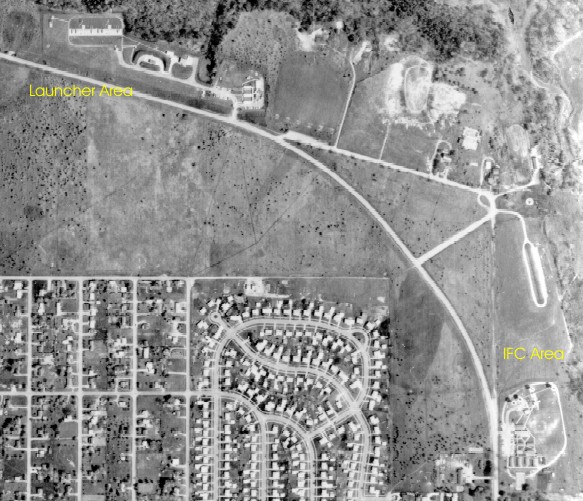
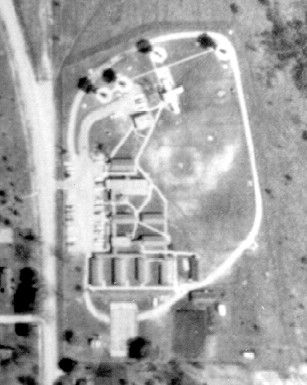
A typical Nike air defense site consisted of two separate parcels of land. One area was known as the Integrated Fire Control (IFC) Area. This site contained the Nike system's ground-based radar and computer systems designed to detect and track hostile aircraft, and to guide the missiles to their targets.
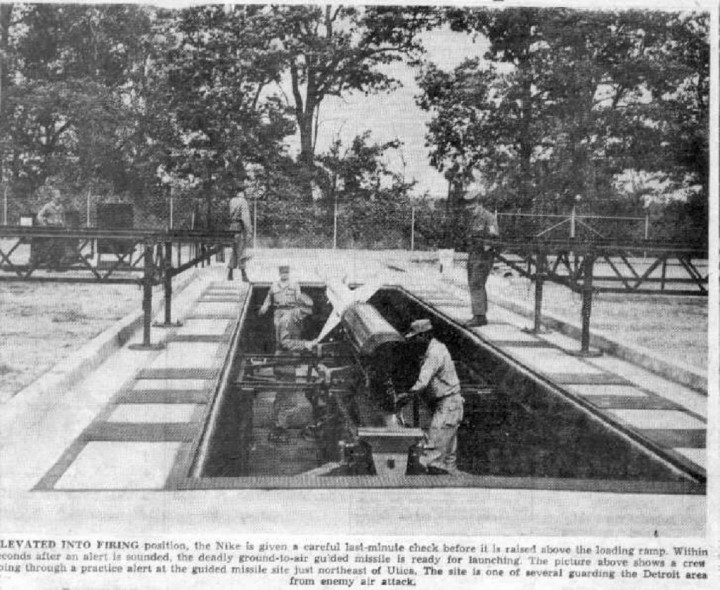
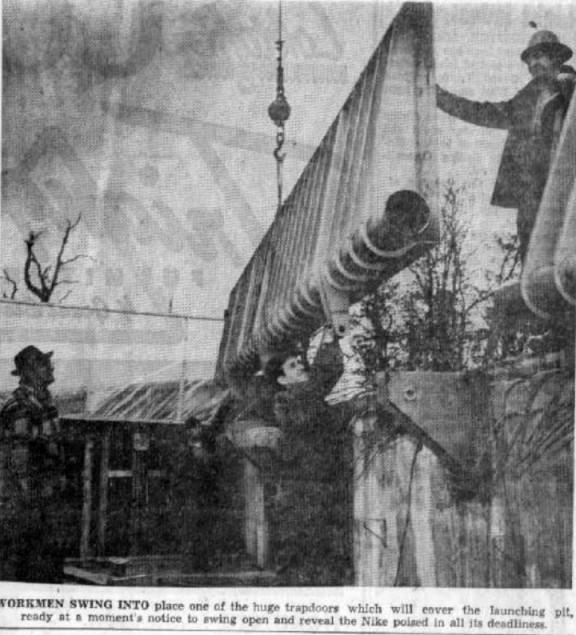
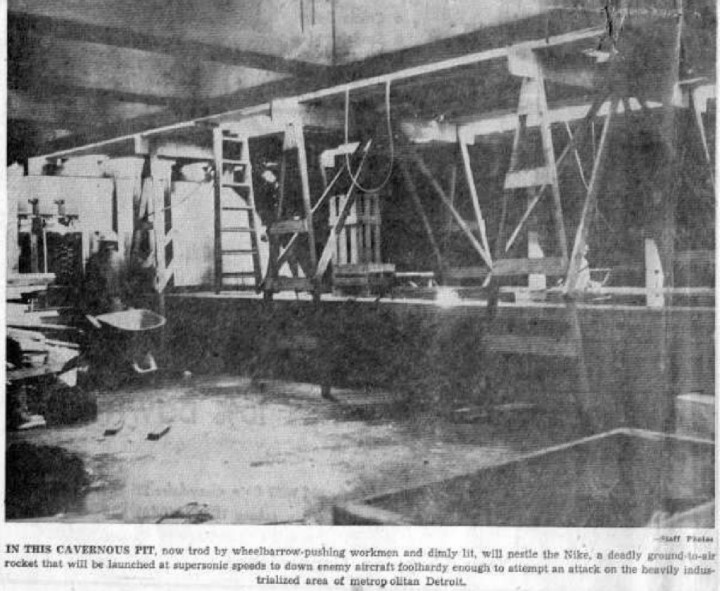
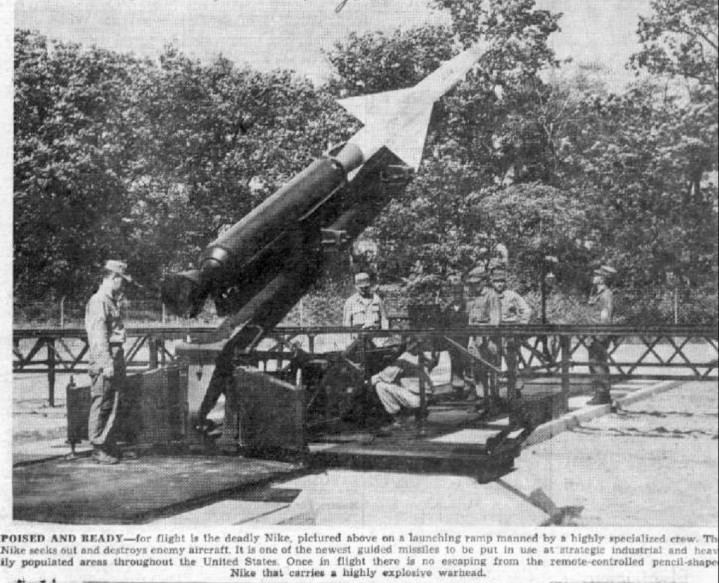
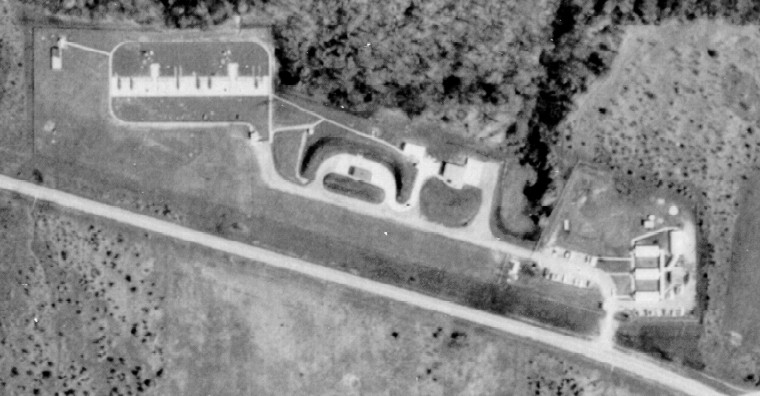
The second parcel of land was known as the Launcher Area. At the launcher area, Nike missiles were stored horizontally within heavily constructed underground missile magazines. A large, missile elevator brought the Nikes to the surface of the site where they would be pushed across twin steel rails to one of four satellite launchers.
Elaboration on how Nike worked here.
Missile Type: Ajax/Hercules
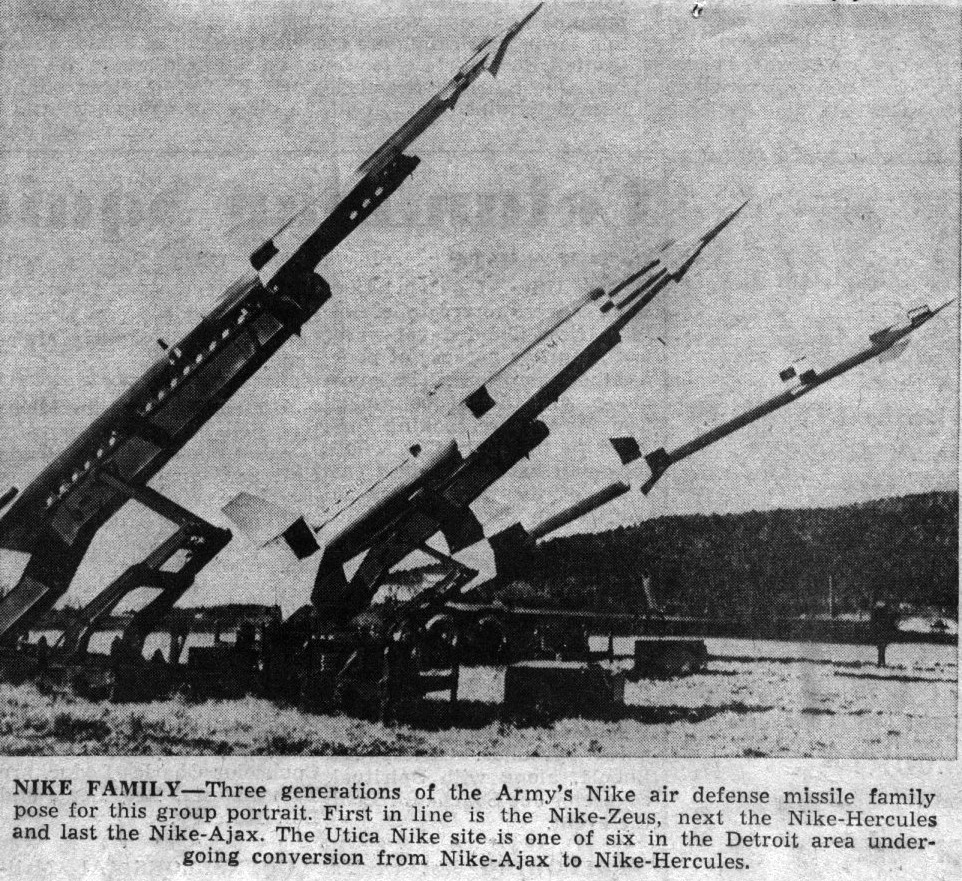
The Nike Ajax was the first in the Army's family of guided missiles, and the world's first operational, guided, surface-to-air missile system. Nike Ajax had a burnout speed of Mach 2.3, a range of 25-30 miles, and a ceiling of 65,000 feet.
Designed to carry either nuclear and/or high-explosive warheads, the Nike Hercules missile could attack supersonic aircraft operating at altitudes in excess of 150,000 feet and at a range of more than 87 miles.
Battery Type: single
Date Site Converted to Hercules Missile: October, 1961
Nike Hercules were more powerful and nuclear capable missiles. Many locations originally built for the Ajax were later modified and upgraded to the newer Hercules.
Current site status: redeveloped
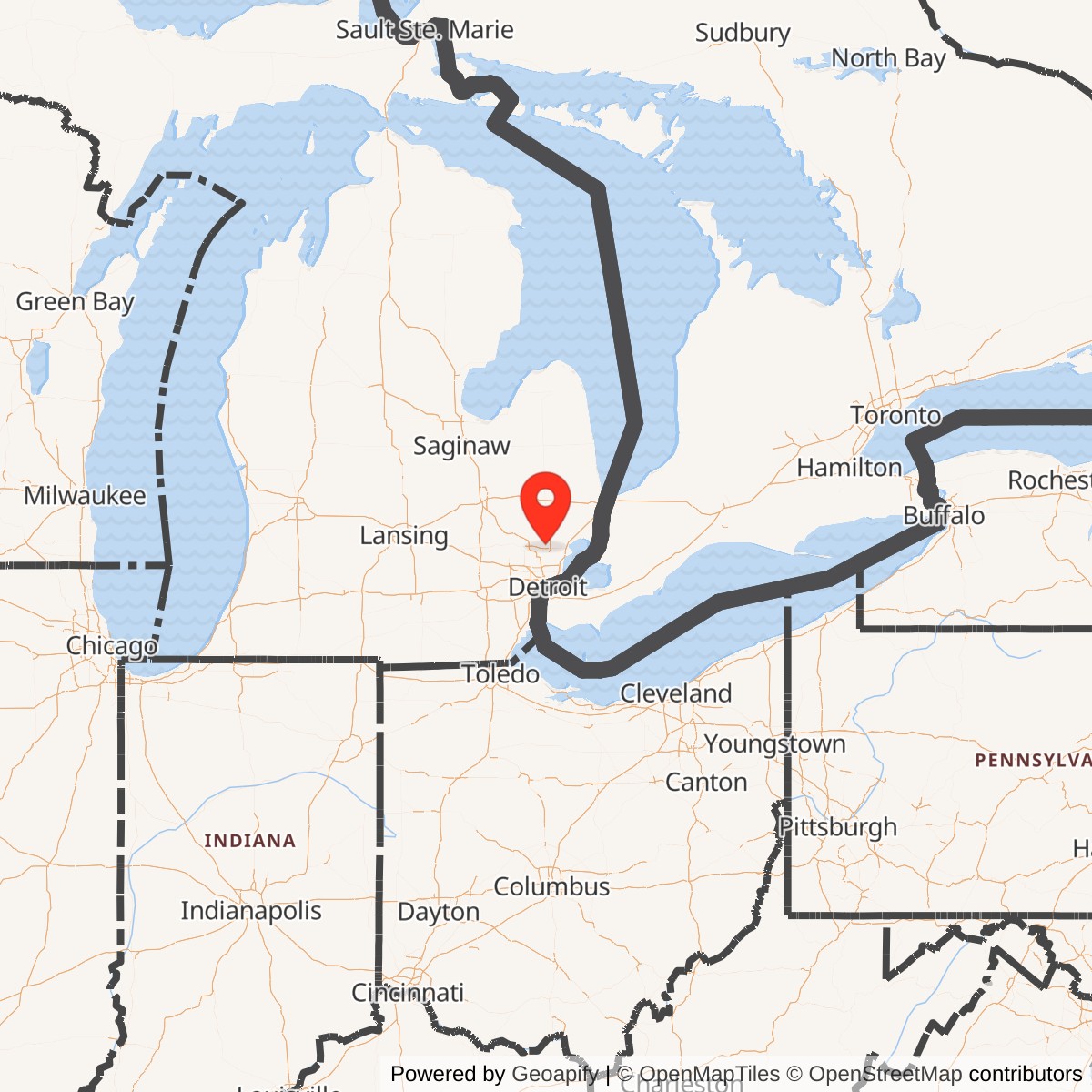
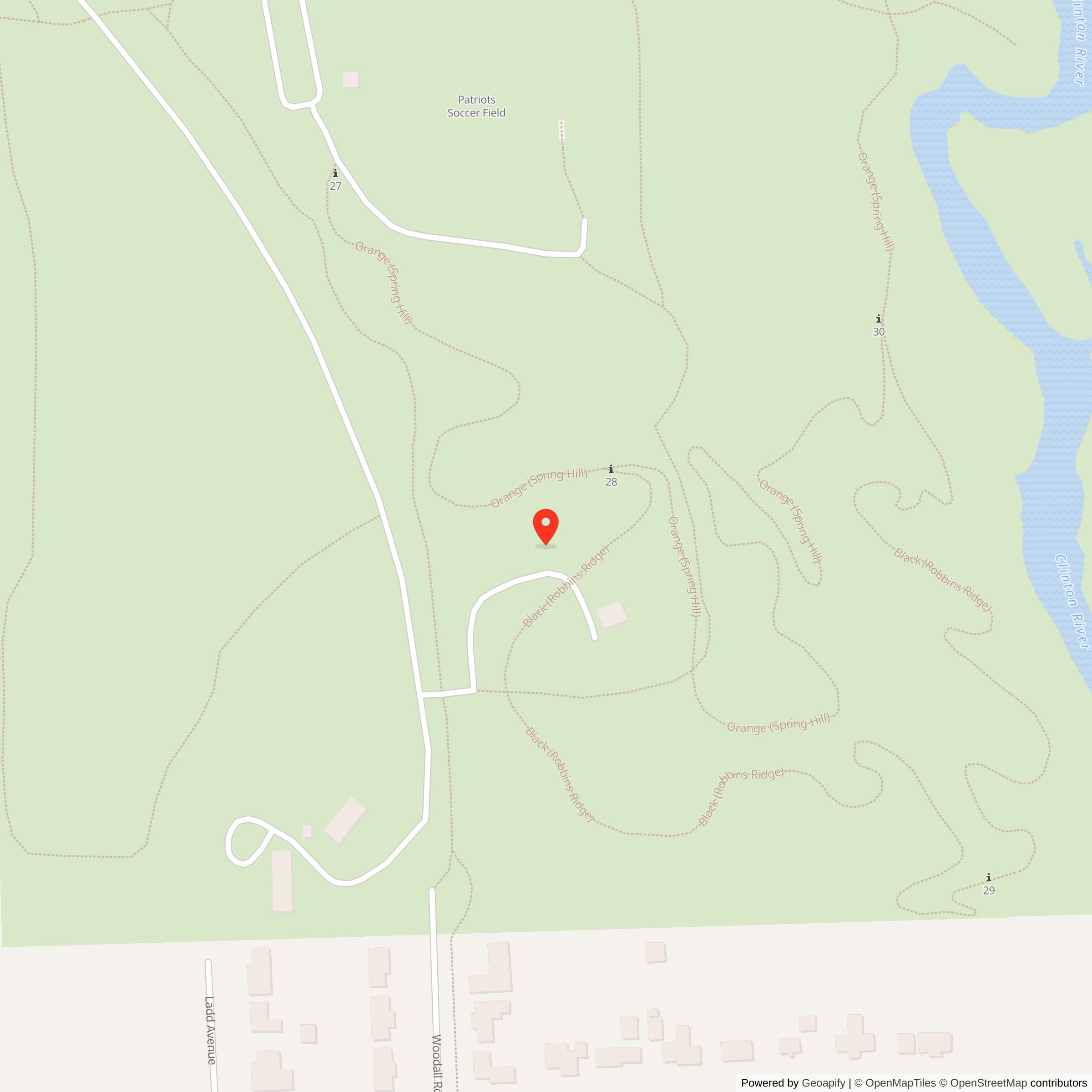
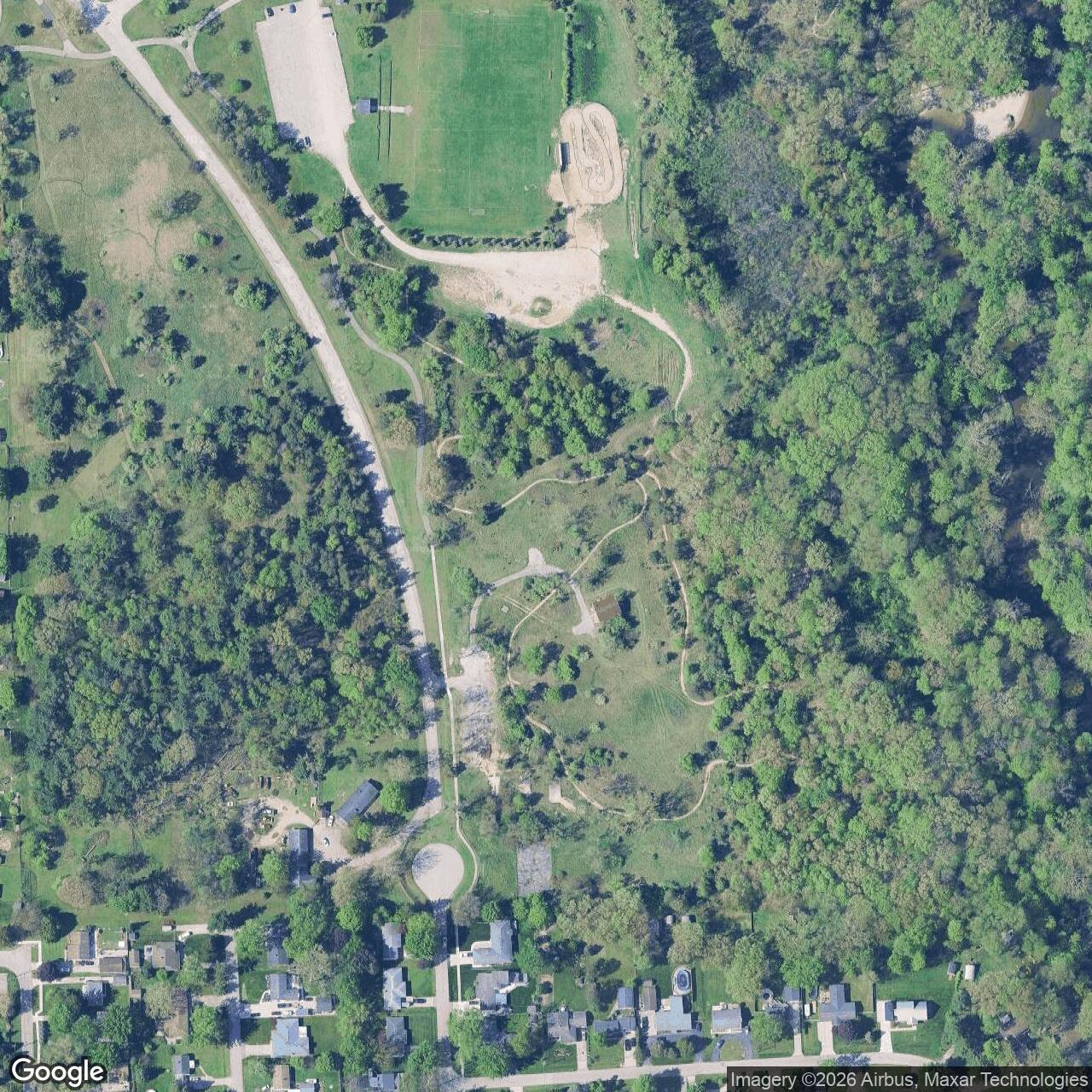
Nike Site D-06 occupied two separated military parcels on former Spring Hill Farm land in what is now River Bends Park in Shelby Township, north of Utica in Macomb County, Michigan. The former launch area lies near the Burgess-Shadbush Nature Center, while the former Integrated Fire Control area is on another part of the park along the old Woodall Road corridor. The two operational areas were separated by roughly 1,000 yards, the distance needed to give the radar crews a clear view of the missiles after launch.
A nature center, trails, and woodland now cover ground where two underground magazines once held a battery of Nike missiles. Most of D-06 has been softened by reuse and vegetation, but the Cold War landscape has not disappeared. A Hercules-era power building remains in park storage use. Concrete radar pads, an octagonal radar-tower footing, barracks foundations, a basketball court, and the foundation of the Ajax fuel-mixing building still mark the former battery. Together they reveal the two halves of a weapons system that protected metropolitan Detroit for nearly two decades.
D-06 entered the Army's active-site inventory in 1955, was publicly dedicated as an operational Ajax battery in October 1957, converted to Nike Hercules in 1960-61, and passed to the Michigan Army National Guard in 1963. It remained on alert until April 1974. That made Utica one of only three Detroit-area Hercules batteries, along with D-58 and D-87, to survive until the final 1974 round of closures.
Why Utica and Detroit Mattered
The Detroit Defense Area guarded far more than a city center. Detroit and its suburbs contained automobile plants, tank and aircraft production, steel and chemical facilities, transportation corridors, military installations, and the industrial knowledge that had made southeastern Michigan the "Arsenal of Democracy" during World War II. In the early Cold War, American planners treated this concentration of population and productive capacity as a likely target for Soviet long-range bombers.Shelby Township records describe fifteen Nike bases ringing Detroit. The ring placed batteries on approaches around the metropolitan area so that their radars and missiles could engage hostile aircraft before the bombers reached the industrial core. D-06 stood on the northeastern side of that ring. It was a tactical firing battery, not an isolated missile field: its control and launch crews worked within the Detroit area's broader warning, command, and target-assignment network. Missile defense coordination for the area was centered at Selfridge Air Force Base, first through Missile Master and later Missile Mentor equipment.
The mission was defense against aircraft. Nike Ajax and Nike Hercules were surface-to-air weapons designed primarily to stop bomber formations. Neither system gave Detroit an effective defense against the intercontinental ballistic missiles that became the dominant strategic threat during the 1960s. That change in the threat, along with cost and changing national priorities, eventually made the Nike ring obsolete.
Construction and Early Ajax Service
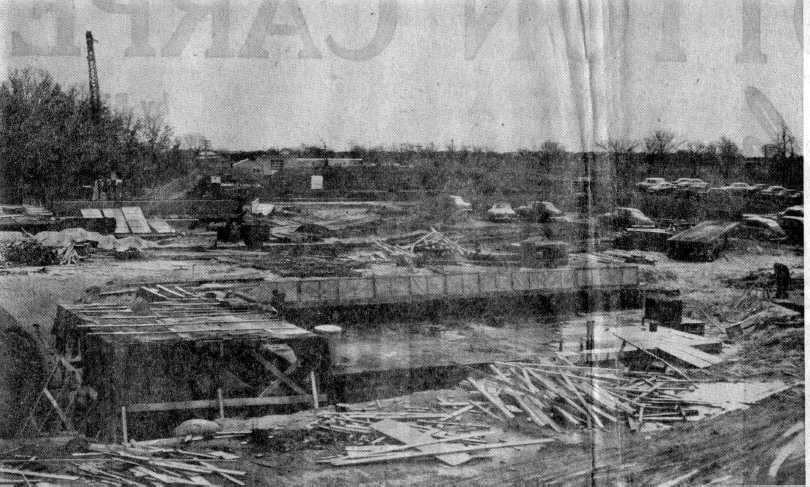
The Army leased sections of the state-owned Spring Hill Farm property in 1954. Construction began in 1955, and the national Army inventory counts D-06 as active from that year. Shelby Township's local history adds an important distinction: the Army dedicated the completed, operational battery in October 1957. The two dates describe different milestones rather than a contradiction. The first marks the beginning of the site's active military period; the second marks the formal dedication of the finished Ajax installation.Like most permanent Nike batteries, D-06 was divided into a launch area and an Integrated Fire Control, or IFC, area. At the launch area, missiles were stored horizontally on rails inside buried concrete magazines. Elevator platforms raised them to the surface, where crews moved them onto launchers and prepared them for firing. The Ajax installation also required a fuel-mixing building protected by earth berms because Nike Ajax used hazardous liquid fuel and an oxidizer in addition to its solid-propellant booster. Launch-support and command buildings and troop quarters stood east of the magazine area.
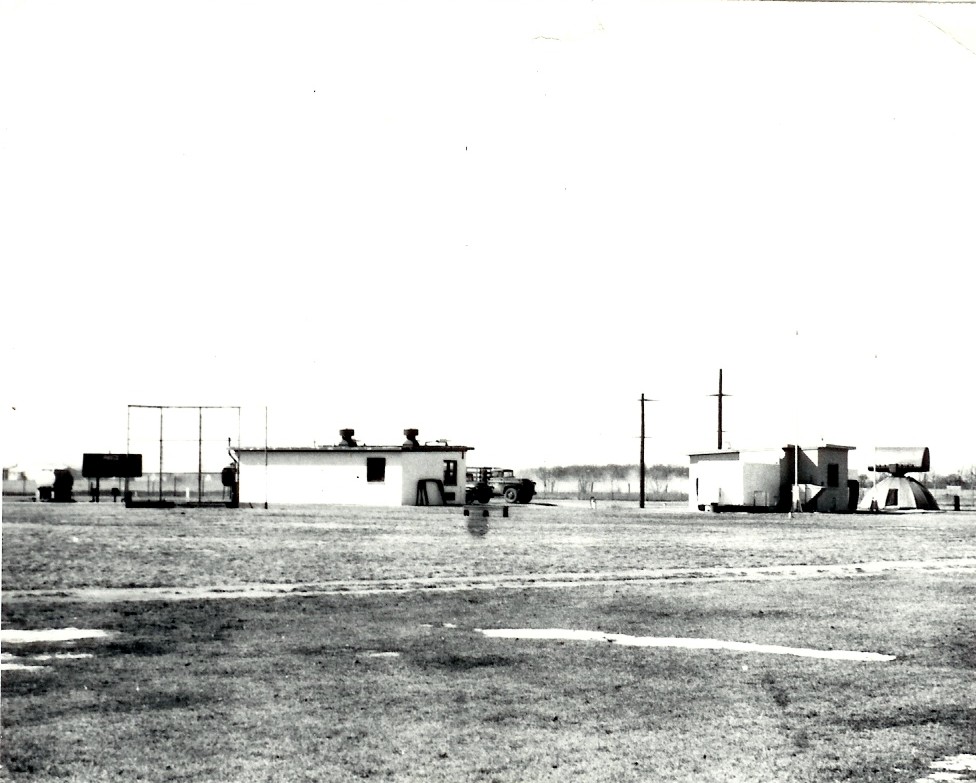
The IFC area was the battery's eyes and calculating center. Its acquisition radar searched for targets; tracking radars followed the selected aircraft and the outgoing missile; and analog computing equipment continuously calculated the intercept. The IFC crew transmitted steering commands to the missile during flight. When the geometry was right, the system issued the command to detonate the warhead near the target. D-06 is specifically documented as using a LOPAR, or Low-Power Acquisition Radar. Photographs of the IFC in 1959 show the generator building, interconnecting corridor, and LOPAR across the battery's recreation field.
At its Ajax dedication, D-06 was armed with twenty Nike Ajax missiles. Ajax was the Army's first operational guided surface-to-air missile system. Its speed and guided intercept capability represented a major change from the antiaircraft guns that had defended American cities during World War II, but an Ajax warhead was intended to destroy a single aircraft or a closely positioned target. A battery therefore depended on disciplined crews, reliable radars, accurate tracking, and repeated engagements if a bomber formation approached.
Configuration and Decoded Meaning
The compact Army inventory notation for D-06 is "Nike 2B/12H,20A/8L-U." Read in plain language, it describes the physical magazine plant, the documented missile allowance, and the launcher arrangement:2B means two B-type underground missile magazines. B-type magazines were designed for Ajax and could accept Hercules after modifications, particularly changes associated with the larger missile and its handling equipment.
20A means a documented capacity or allowance of twenty Nike Ajax missiles during the Ajax phase.
12H means twelve Nike Hercules missiles during the Hercules phase. The larger Hercules reduced the number of missiles the two magazines could accommodate.
8L-U means eight universal launchers. These launchers could handle either Ajax or Hercules, allowing the converted battery to operate the newer missile without retaining a separate Ajax-only launcher set.
This configuration makes D-06 a two-magazine converted battery, not a site with twelve silos or eight underground launch cells. The missiles were stored in two shared magazines, brought up on elevator platforms, and assigned to eight surface launchers. The numbers describe equipment and authorized missile quantities, not necessarily the number of missiles present on every day of the site's service.
Hercules Conversion
Nike Hercules gave D-06 a longer reach, greater altitude, improved performance against faster targets, and a solid-fueled missile that was operationally easier to maintain than Ajax. Hercules was also nuclear-capable, allowing a single warhead to attack a bomber formation rather than only one aircraft. The sources establish the system's nuclear capability, but they do not independently establish the warhead load actually stored at D-06 on a particular date. The safest site-specific conclusion is that Utica operated the Hercules system and the equipment required for it, without assuming details of warhead custody that the available records do not document.The Army's Hercules conversion appendix places construction at D-06 from October 1960 through April 1961 and gives October 1961 as the formal date of operation with Hercules missiles. A Detroit-area site history lists April 1961 as the conversion date, evidently reflecting completion of the main construction work. Shelby Township's history says Hercules replaced Ajax in 1962, a reasonable local rounding of the transition into the following service year. Taken together, the records show a phased change: physical conversion in late 1960 and early 1961, formal Hercules operation in October 1961, and a fully established Hercules mission by 1962.
Conversion affected both halves of the battery. The B-type magazines and elevators required alterations for the much larger missile. Universal launchers replaced or superseded Ajax-only handling arrangements. At the IFC, new radar and electronic equipment supported the Hercules engagement sequence. The power building that survives in River Bends Park dates from this Hercules-era work, and the octagonal radar-tower footing is another visible trace of the upgraded system.
Units and Daily Readiness
Three successive organizations are documented at Utica:1955 to September 1958: Battery B, 516th U.S. Army unit.
September 1958 to February 1963: Battery B, 3rd Battalion, 517th U.S. Army unit.
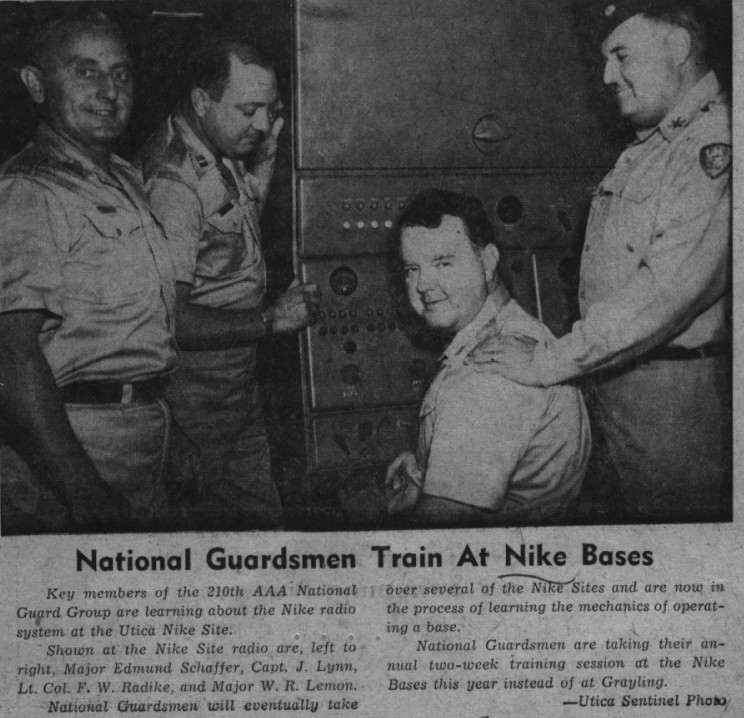
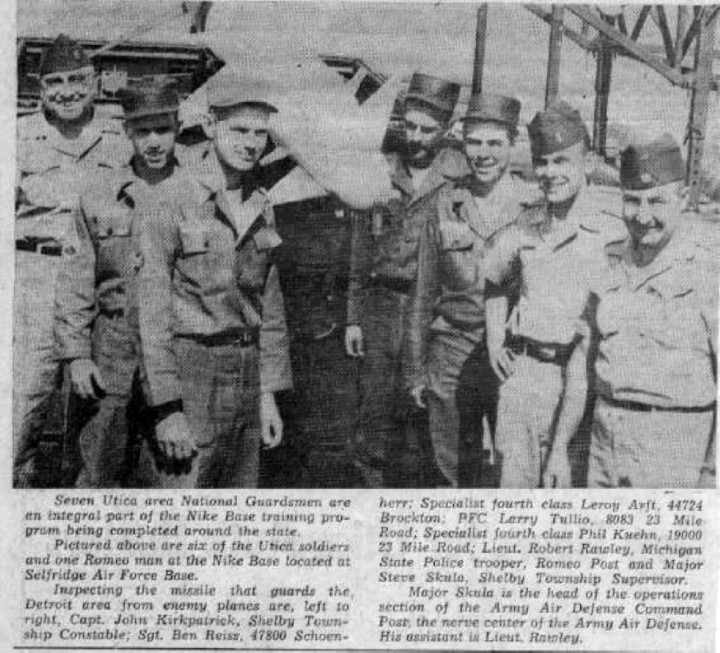
February 1963 to April 1974: Battery A, 1st Battalion, 177th Artillery, Michigan Army National Guard.
The 1963 transfer to the Michigan Army National Guard was part of a wider change across the Detroit defenses. It did not turn D-06 into a ceremonial or reserve-only property. Guard crews assumed a live air-defense mission and maintained the same demanding alert responsibilities as the active Army organizations they replaced.
Nike readiness depended on coordinated specialists in both areas. IFC personnel operated and maintained radar, computer, identification, and communications equipment. Launch-area personnel inspected missiles, tested circuits, maintained elevators and launchers, handled propellants during the Ajax years, and kept selected weapons ready to rise from the magazines. Power-generation, security, supply, food service, administration, and equipment maintenance were essential to keeping the battery on duty. Training could rehearse the complete engagement sequence without firing a missile, while actual launches and qualification exercises occurred at designated firing ranges away from the Detroit suburbs.
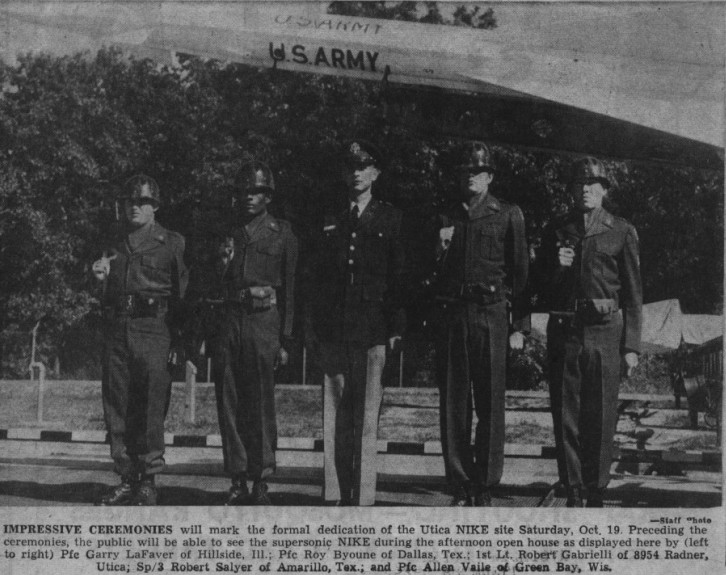
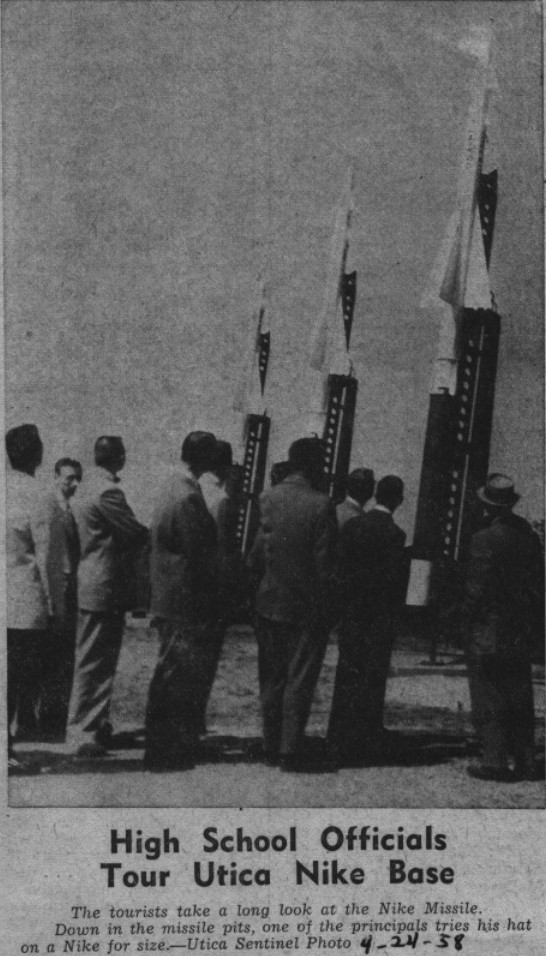
The surviving basketball court is a small but useful reminder that D-06 was also a workplace. Soldiers and Guardsmen spent long alert shifts amid generators, radar consoles, fences, and hardened missile structures. Recreation fields, barracks, and routine maintenance occupied the hours between exercises and alerts. The site's local photo archive preserves views of construction, dedication, Guardsmen, training, missile equipment, and community visits, giving the human side of the battery a documentary record that many Nike sites lack.
Role in the Wider Military Network
D-06 was one node in a layered air-defense system. Early warning could come from distant radar stations and Air Defense Command networks. Within the Detroit Defense Area, command facilities at Selfridge coordinated target assignments so that adjacent batteries did not waste missiles on the same aircraft or leave another approach uncovered. Once D-06 received or developed a target, its local IFC radars and computer controlled the engagement and its launch crew provided the missile.The Army converted six Detroit-area batteries from Ajax to Hercules between 1958 and 1961: D-06, D-16, D-26, D-58, D-61, and D-87. By April 1974, only D-06, D-58, and D-87 remained. Utica's long service therefore traces the full arc of the continental Nike program around Detroit: rapid Ajax construction in the 1950s, Hercules modernization, National Guard operation, and final withdrawal as the bomber-defense mission lost priority.
Closure and Post-Military Reuse
The Army deactivated D-06 in April 1974. Crews filled the underground magazines and bunkers, leveled the protective berms around the Ajax fuel-mixing area, and demolished most military buildings. The Army returned the larger property to the jurisdiction of the Michigan Department of Natural Resources. Federal property records also document the later release of easement interests and the transfer of a small launch-support and barracks parcel to the Utica Community School District in 1983.The school district reused some remaining launch-support buildings as classrooms, an unusually direct conversion of a missile site to a civic purpose. Those buildings were demolished shortly after 2000. The wider property became part of River Bends Park, shifting the landscape from restricted military ground to public recreation and environmental education.
The former battery also entered the federal Formerly Used Defense Sites record, where it is identified as the former Utica Nike Missile Site. That record reflects the federal government's continuing responsibility to evaluate environmental and safety issues at former defense properties.
Current Condition
The D-06 landscape is now distributed across River Bends Park rather than preserved as a complete museum installation. Near the Burgess-Shadbush Nature Center, the former missile-magazine area has been filled and covered. The foundation of the Ajax fuel-mixing building can still be seen near the replica Pioneer Cabin, but the earth berms and most launch-support structures are gone.The IFC area retains more legible surface remains. Shelby Township reports that the Hercules-era power building still stands and is used by the Parks, Recreation and Maintenance Department for storage. Visitors can identify concrete radar pads, the octagonal footing of the Hercules radar tower, barracks foundations, and the old basketball court. These are ruins and reused structures rather than a restored battery, but their relationship still conveys how the control area functioned.
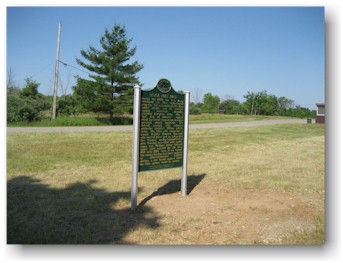
A Michigan State Register of Historic Places marker recognizes both the D-06 Nike site and Spring Hill Farm. That pairing captures the property's unusual sequence: state institutional farmland, leased Cold War missile battery, and public park. D-06 survives less through an intact weapon system than through a readable landscape, community photographs, official local interpretation, and the memories of the active Army and Michigan National Guard personnel who kept the battery ready.
Chronology
- 1954 - The U.S. Army leases sections of Spring Hill Farm from the State of Michigan for a Nike battery.
- 1955 - Construction begins. The Army's national inventory begins D-06's active-service period. Battery B, 516th U.S. Army unit, is the first documented organization.
- October 1957 - The Army publicly dedicates the completed operational D-06 battery, armed with twenty Nike Ajax missiles.
- September 1958 - Battery B, 3rd Battalion, 517th U.S. Army unit, assumes the mission.
- October 1960 to April 1961 - Construction converts the two B-type magazines and related equipment for Nike Hercules.
- April 1961 - A Detroit-area site history records the physical Hercules conversion date.
- October 1961 - The Army conversion appendix records D-06 as operational with Hercules missiles.
- 1962 - Shelby Township's local history dates the completed Ajax-to-Hercules replacement to this year.
- February 1963 - Battery A, 1st Battalion, 177th Artillery, Michigan Army National Guard, assumes the D-06 alert mission.
- April 1974 - D-06 is deactivated, one of the last three operating Hercules batteries in the Detroit Defense Area.
- June 1976 - Federal property records document conveyance of an easement interest to the State of Michigan.
- 1983 - A small former launch-support and barracks parcel is conveyed to the Utica Community School District; surviving buildings are adapted for classroom use.
- Shortly after 2000 - The former school-used launch-support buildings are demolished.
- Present - The former launch and IFC areas lie within River Bends Park. Selected foundations, radar pads, the IFC power building, the radar-tower footing, and the basketball court remain identifiable.
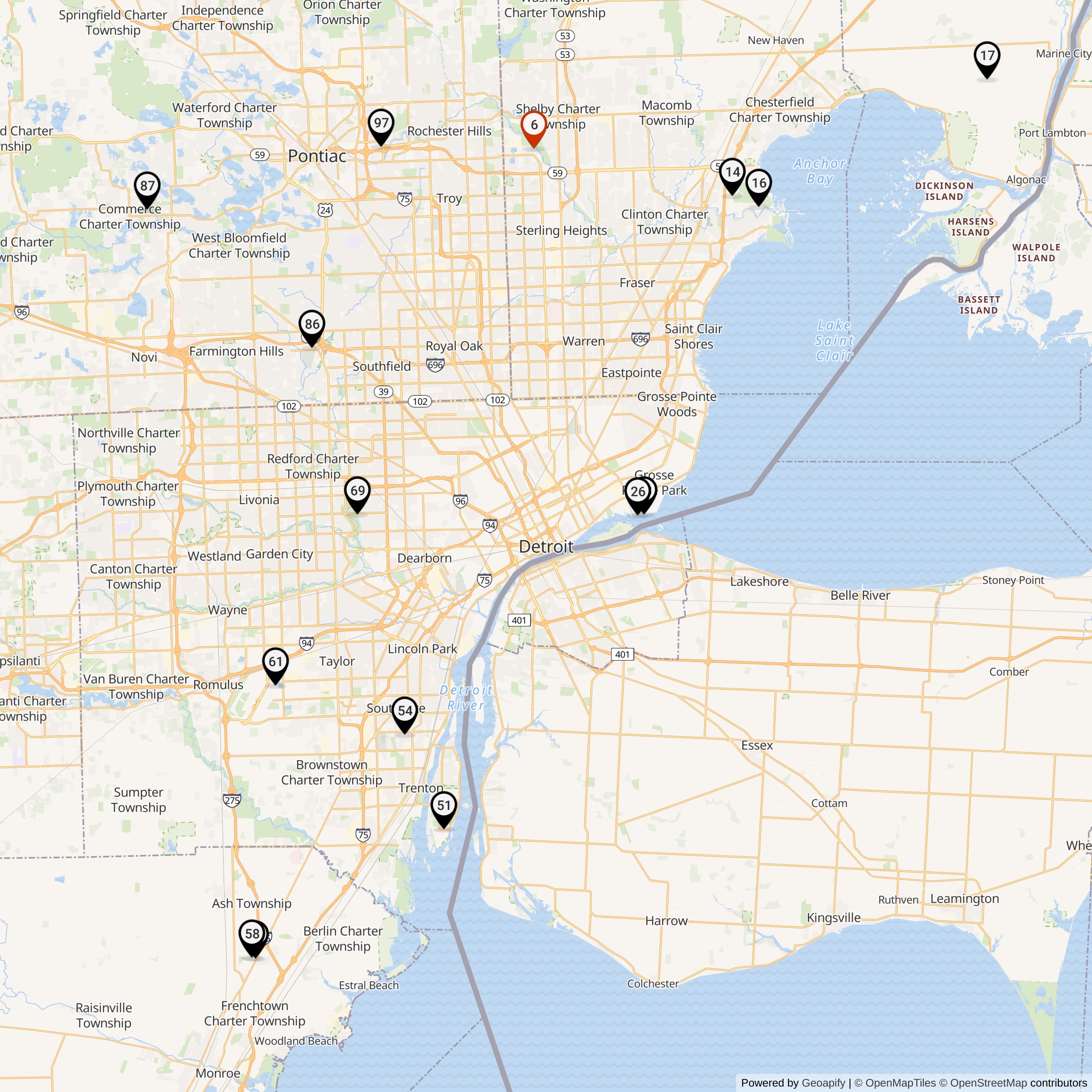
List of all Nike Installations in Michigan
Sources & References
- WEB Shelby Township, Shelby Township's historic Utica D-06 Nike Missile Site Primary local source for the lease, construction, dedication, site layout, Hercules-era changes, closure, reuse, surviving features, and historical marker.
- WEB Shelby Township, Utica D-06 Nike missile base photos & documents Primary local photograph and document archive.
- PDF Defend and Deter: The Legacy of the United States Cold War Missile Program Source for the Detroit Defense Area context, conversion list, 1974 survivors, active-service dates, and the coded D-06 configuration.
- WEB Michigan Technological University, Military History of the Upper Great Lakes, Nike Missile Defense System, Site D-06 Secondary source for Spring Hill Farm, the site plan, military context, later land transfers, and images.