Nike Missile Site D-58 IFC, Carleton / Newport Michigan
Longitude: -83.35999015658
This location was part of the Detroit Defense Area
Site ID: D-58
This site controlled the missiles at the Launch Area located here.
Additional description and photos of this site.
Site Role: IFC
A typical Nike air defense site consisted of two separate parcels of land. One area was known as the Integrated Fire Control (IFC) Area. This site contained the Nike system's ground-based radar and computer systems designed to detect and track hostile aircraft, and to guide the missiles to their targets.
The second parcel of land was known as the Launcher Area. At the launcher area, Nike missiles were stored horizontally within heavily constructed underground missile magazines. A large, missile elevator brought the Nikes to the surface of the site where they would be pushed across twin steel rails to one of four satellite launchers.
Elaboration on how Nike worked here.
Missile Type: Hercules
The Nike Ajax was the first in the Army's family of guided missiles, and the world's first operational, guided, surface-to-air missile system. Nike Ajax had a burnout speed of Mach 2.3, a range of 25-30 miles, and a ceiling of 65,000 feet.
Designed to carry either nuclear and/or high-explosive warheads, the Nike Hercules missile could attack supersonic aircraft operating at altitudes in excess of 150,000 feet and at a range of more than 87 miles.
Battery Type: single
Date Site Converted to Hercules Missile: July 2, 1959
Nike Hercules were more powerful and nuclear capable missiles. Many locations originally built for the Ajax were later modified and upgraded to the newer Hercules.
Current site status: demolished
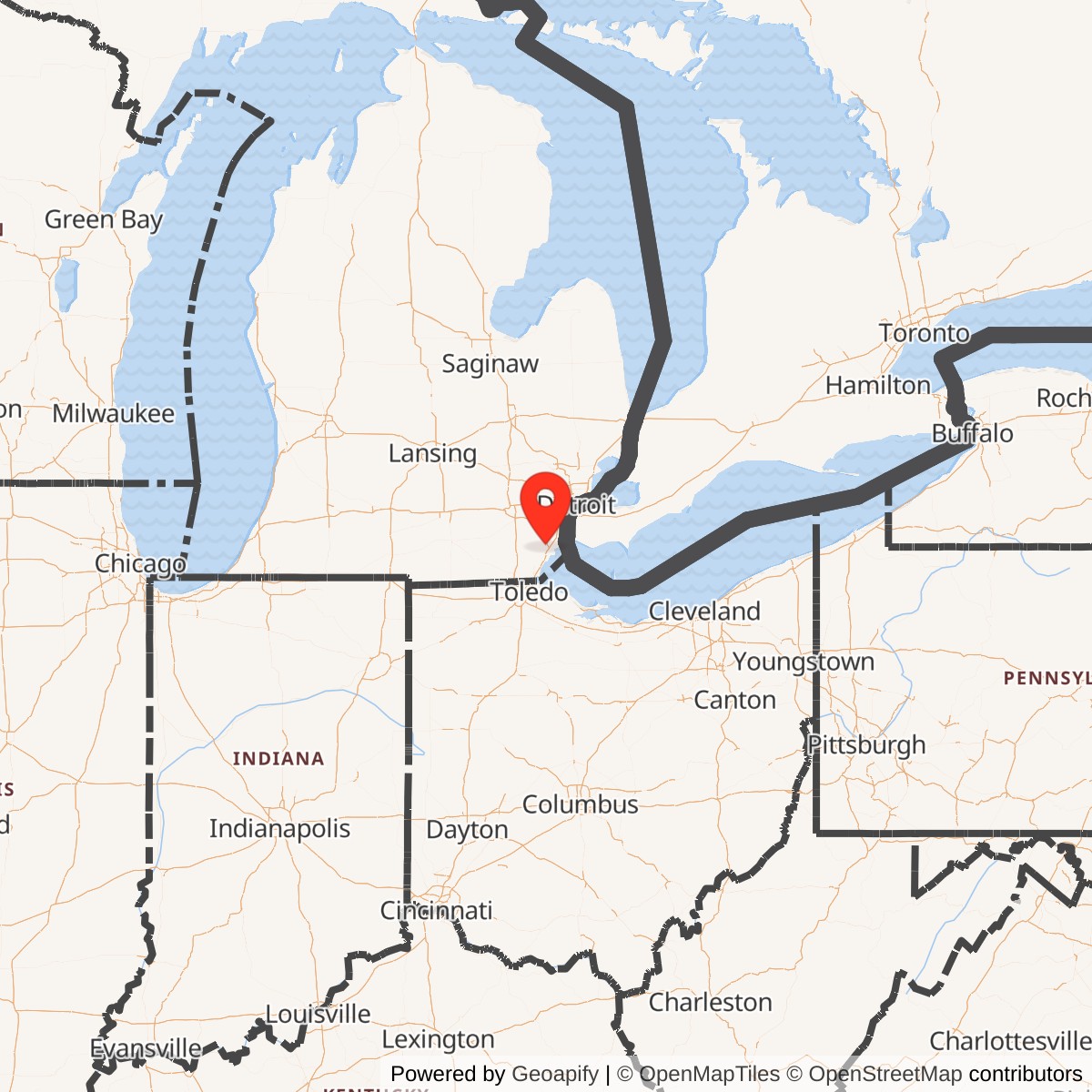
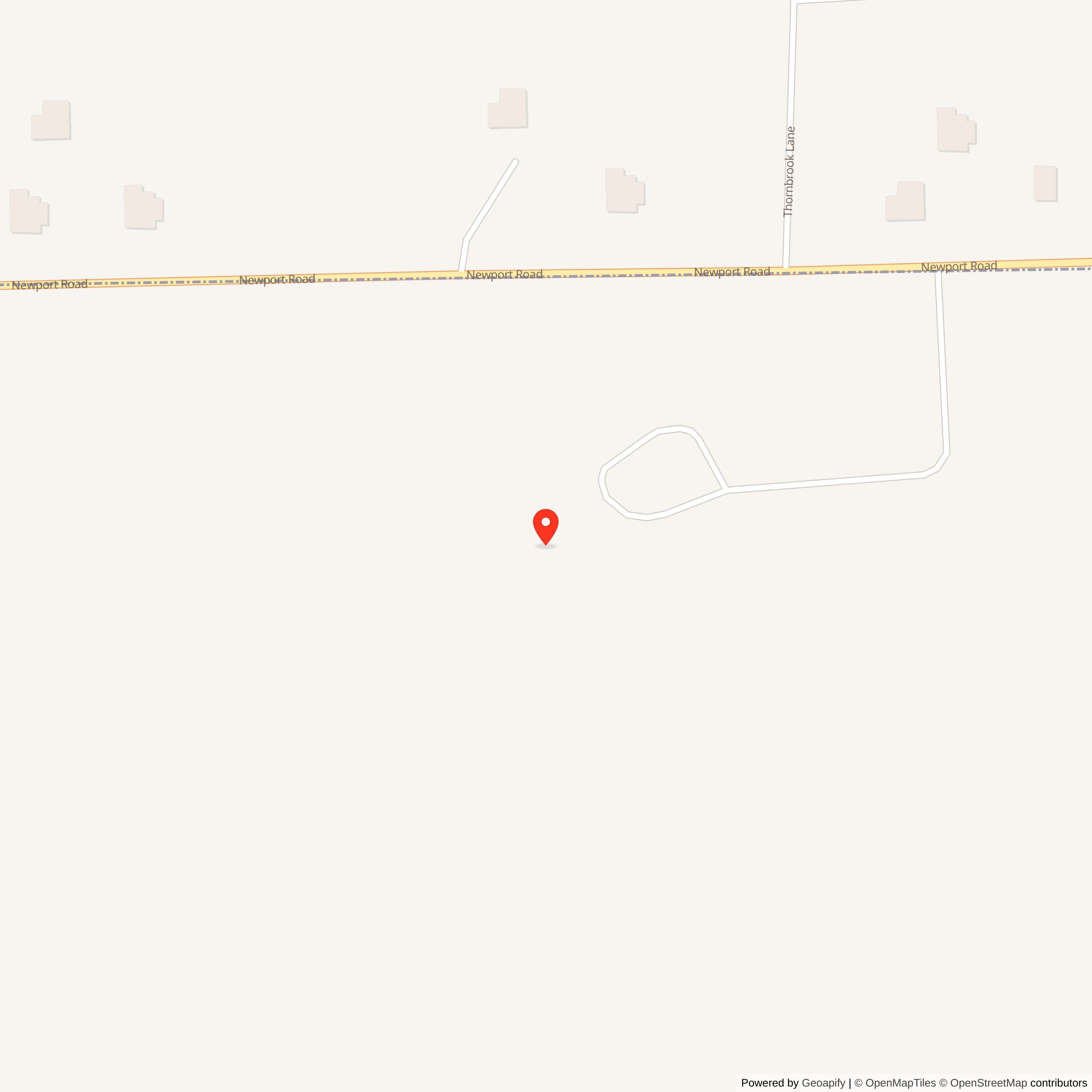
Few Cold War missile sites inherited as much earlier history as D-57/58. On the same Monroe County tract, the United States first trained Navy pilots, briefly housed German prisoners of war, allowed a local high school to use former military buildings, and then constructed one of Detroit's largest Nike batteries. The result was not a normal single site. D-57 and D-58 had separate fire-control missions but shared a six-magazine double launch plant. D-57 remained an Ajax battery and closed in 1963. D-58 converted to Hercules, passed to the Michigan Army National Guard, and stayed ready until 1974. By the 1990s, federal historians considered the complex Michigan's best surviving Nike installation. Cleanup and a major twenty-first-century industrial redevelopment later changed that conclusion, leaving a history that must be reconstructed from archival photographs, old military buildings, recreation land, housing, and the footprint of a modern distribution center.
Nike D-57/58 stood in Frenchtown Township, Monroe County, south of Detroit and near the communities of Carleton and Newport. The combined installation occupied the former Newport naval aviation property around Newport and Telegraph roads. Contemporary and later records alternately called it the Newport Nike Battery, Carleton Nike Battery, Monroe Nike Base, D-57, D-58, or D-57/58.
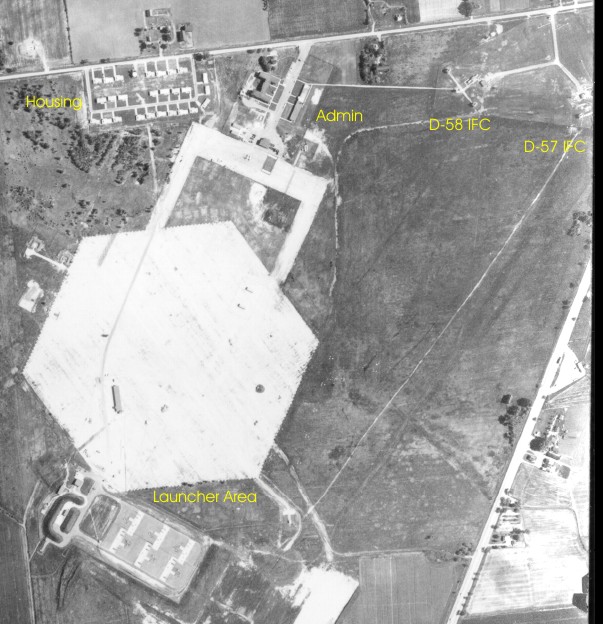
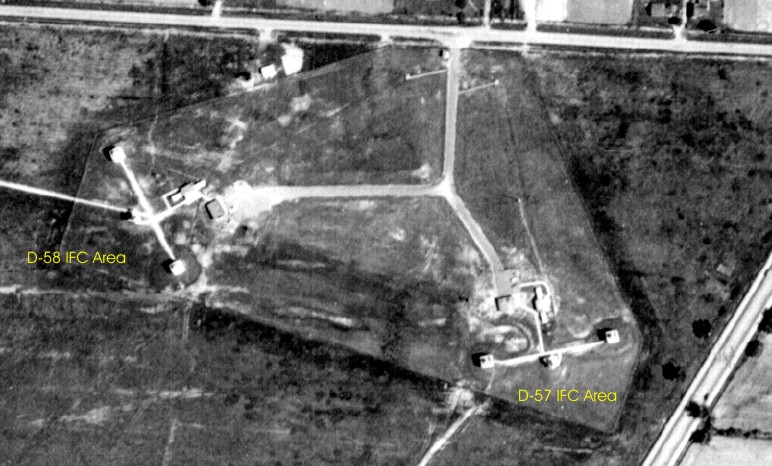
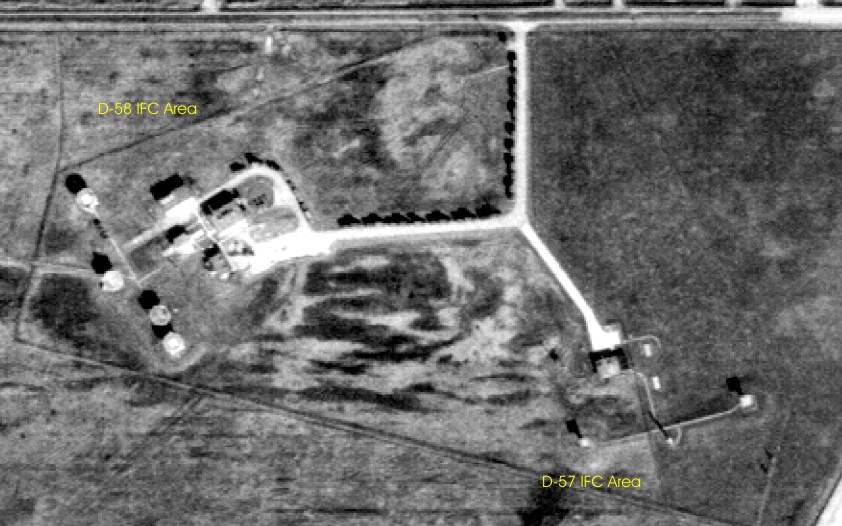
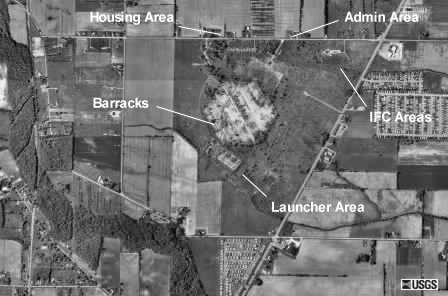
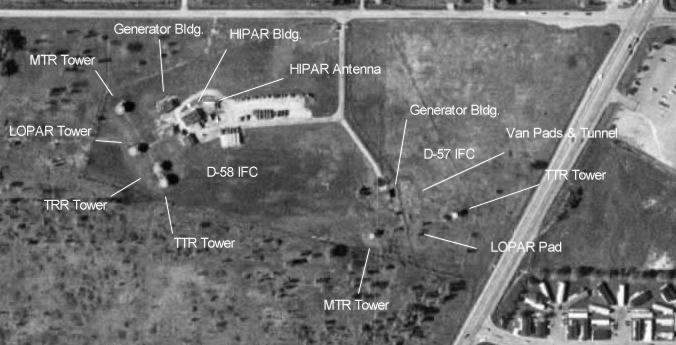
The installation had three operational components. D-58 was the western Integrated Fire Control position along the south side of Newport Road. D-57 was the adjacent eastern IFC. Their shared double launch area lay southwest of the two control positions in the former airfield landscape. The two IFCs were close enough to form one physical control property, but each had the radar, computer, power, and communications functions needed to conduct a separate engagement.
That arrangement explains the combined site code. D-57 and D-58 were not merely two names for one battery, and they were not fully independent sites with separate launch properties. They were two battery missions linked to one enlarged launcher complex and a shared administration and support landscape.
The location was strategic. Monroe County lay along the southern approach to the Detroit industrial region. Aircraft coming across Lake Erie or the lower Detroit River could threaten automobile plants, steel mills, chemical works, transportation corridors, power facilities, and the metropolitan population. The later Enrico Fermi nuclear generating station stood within the wider coverage area, but it should not be described as the reason D-57/58 was selected. The Army chose and activated the site before that plant became an operating target. D-57/58 was built principally as part of the metropolitan Detroit defense ring.
The Naval Airfield Before Nike
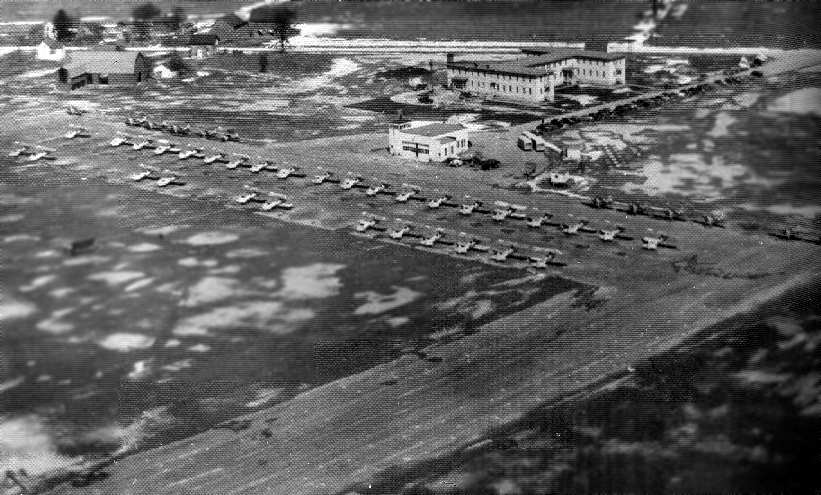
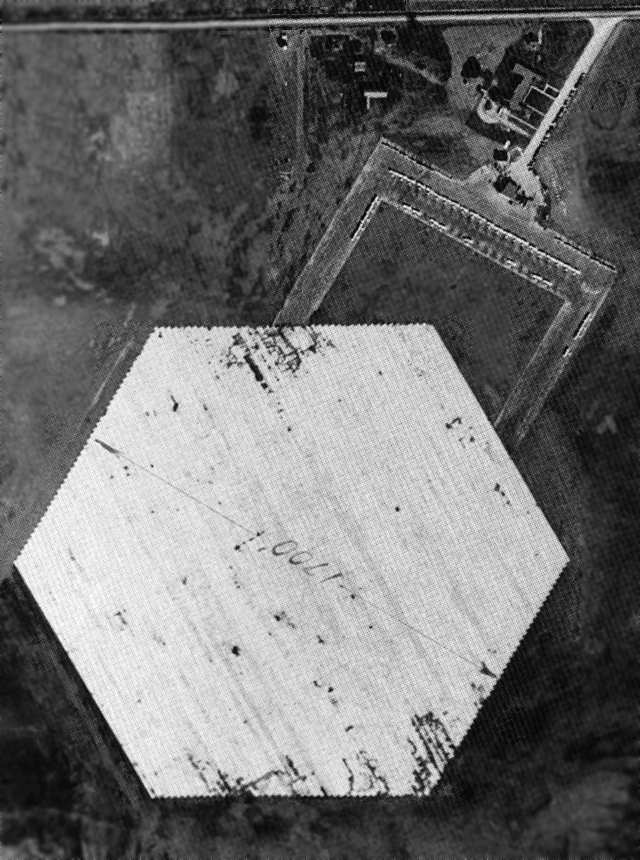
The federal history of the property began during the Second World War. The government acquired approximately 480.72 acres in 1942 from William G. Vetter. The Newport aviation facility was associated with the Grosse Ile naval air training system and served as an emergency landing and training field for Navy pilots. Its most recognizable aviation feature was a broad hexagonal paved landing area rather than a conventional set of long crossing runways.The exact historical title varies among sources. Newport Naval Air Station, Newport Naval Air Facility, Newport Naval Outer Landing Field, and Newport naval air station all appear. The scale and subordinate relationship to Grosse Ile favor describing it as a Newport naval aviation field or outer landing facility. Its military role is clear even where the name is not: Navy pilots used the field for training and emergency landing during the war.
The property also briefly held German prisoners of war in 1945 and 1946. A large H-shaped building that had served naval administration and barracks functions was adapted for the prisoners. After the Navy's flying mission ended, Airport Community High School used parts of the former military property from 1947 through 1953. This sequence gave the Army an unusual inheritance. It received not only open federal land but also aviation pavement, utility systems, offices, barracks, shops, a hangar or radar-related building, pump houses, storage, and other structures that could be adapted for Nike support.
The Navy transferred the acreage and eighteen structures to the Army in 1954, according to the Historic American Engineering Record narrative. An older Formerly Used Defense Sites summary instead says the property transferred for Nike use in 1956. Those dates can coexist if 1954 marks interservice transfer and 1956 marks a later property-accounting or development milestone. They should not be collapsed into a single undocumented event.
Army construction occurred in stages. The HAER study says thirty-three structures were erected during Army use from 1956 through 1962. D-57's specialized history nevertheless gives January 1955 activation, while D-58's gives 1955 without a month. As at several early Nike sites, land transfer, initial activation, permanent construction, unit arrival, and final buildout did not occur on one date.
Why the Army Built a Double Battery
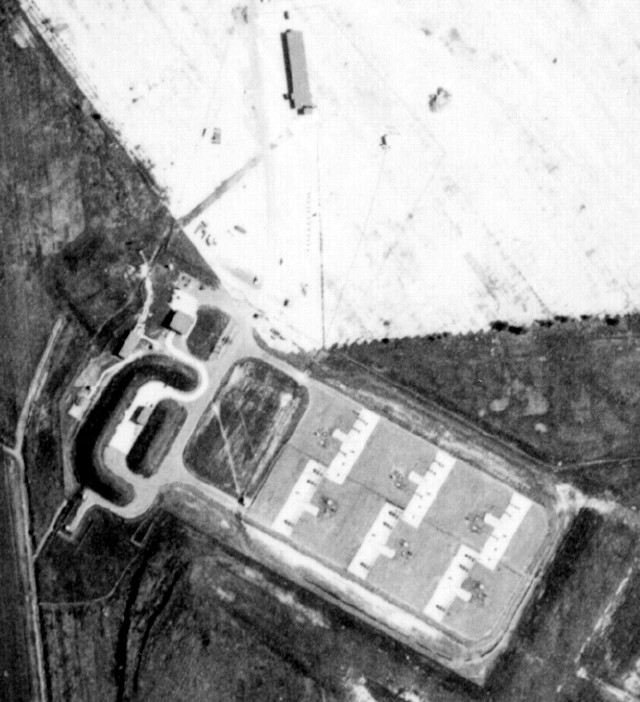
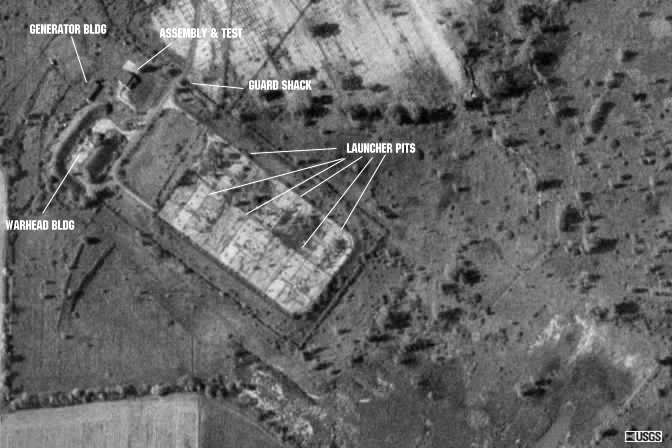
A single standard Ajax battery often had one IFC, three underground magazines, and twelve surface launchers. D-57/58 doubled the basic launch arrangement. The common launcher contained six B-type underground magazines, divided into northern and southern halves. Historic descriptions say one group of pits faced east and the other faced west. Twenty-four launch positions supported the two battery missions.Separate IFCs were necessary because Nike guidance depended on ground equipment throughout an engagement. Each mission needed acquisition radar, target-tracking radar, missile-tracking radar, an analog computer, command and communications equipment, and trained operators. A shared launcher could provide missiles to two firing batteries, but a single radar and computer set could not reliably develop two independent target and missile tracks at the same time.
The double layout also allowed the Army to modernize one half without forcing the other to follow the same schedule. D-57 continued as Ajax. D-58 received Hercules modifications, new radar capability, and universal launch equipment. For several years, one combined launch property therefore supported both first-generation Ajax and longer-range Hercules operations.
Physical Layout
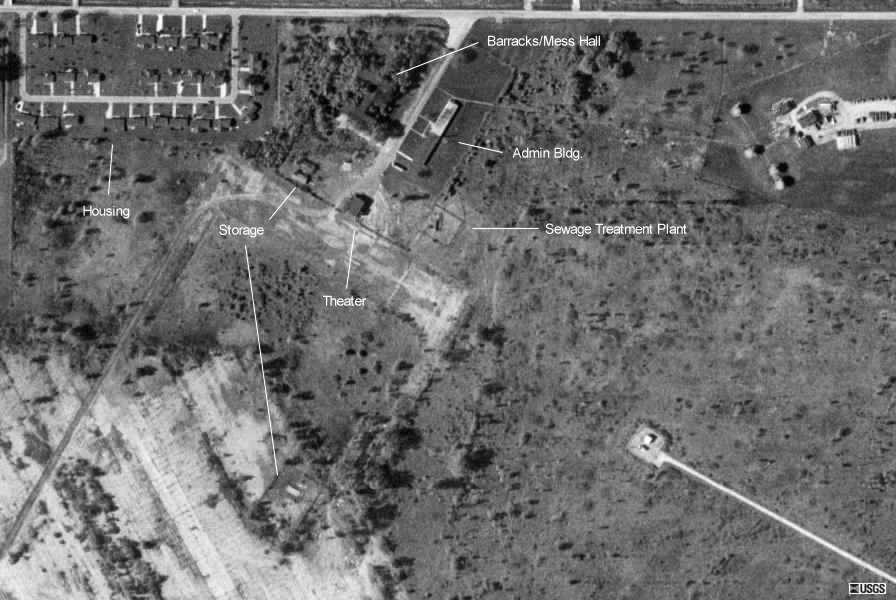
The documented installation contained three principal zones: the dual control area, the shared launch area, and the administration, housing, and mess-hall area inherited partly from the Navy. The 1994 HAER survey counted thirty-six structures within the documented complex. It assigned thirteen to the control area, twelve to the launcher, and eleven to the administration and former-airfield zone.The two IFCs stood beside each other within approximately 18.75 fenced acres. The eastern position was D-57. Its documented remains included missile-tracking and target-tracking radar towers, an acquisition-radar position, generator support, van pads, and corridor foundations. The specialized D-57 record identifies LOPAR, the low-power acquisition radar used with Ajax.
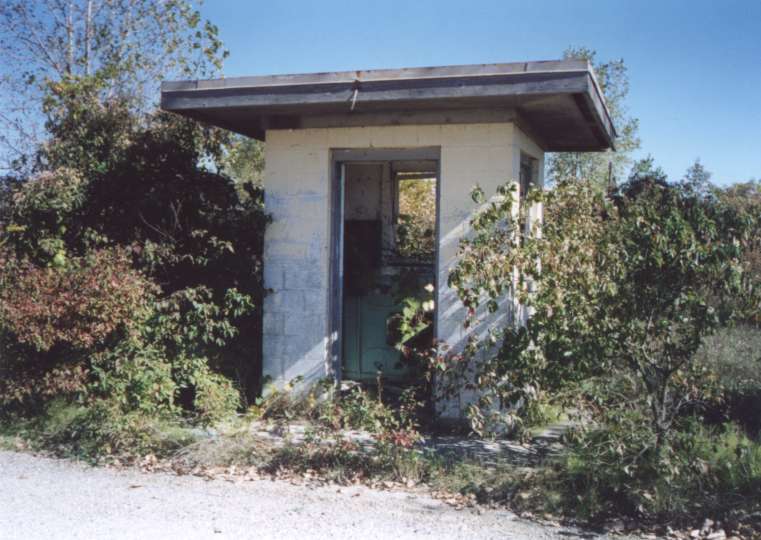
The western position was D-58. Because this half converted to Hercules, it developed the more elaborate radar plant. HAER documented target- and missile-tracking positions, acquisition radar, LOPAR, a HIPAR building, generator and electrical buildings, a corridor building, a guard shack, van hardstands, concrete walkways, and connecting roads. HIPAR, the high-power acquisition radar, increased search and discrimination capability for the Hercules mission.
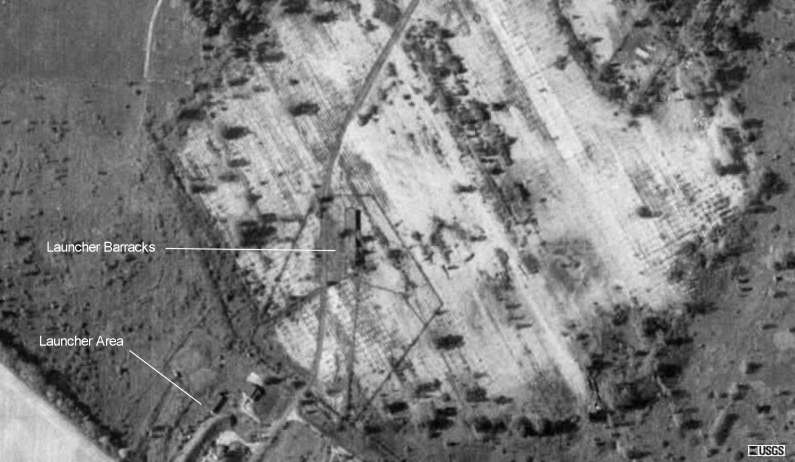
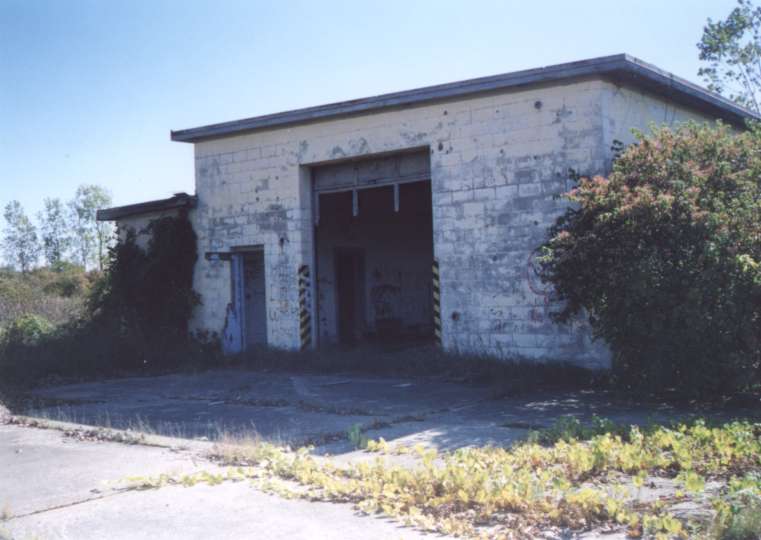
The shared launcher occupied approximately 10.48 fenced acres. Six underground Type B magazines stored missiles horizontally below grade. Elevators raised them to the surface, where crews moved them to launchers and elevated them for firing. The launch property also included a missile assembly and test building, warheading building, generator building, enlisted barracks, guard shacks, roads, handling paths, and blast-deflection structures.
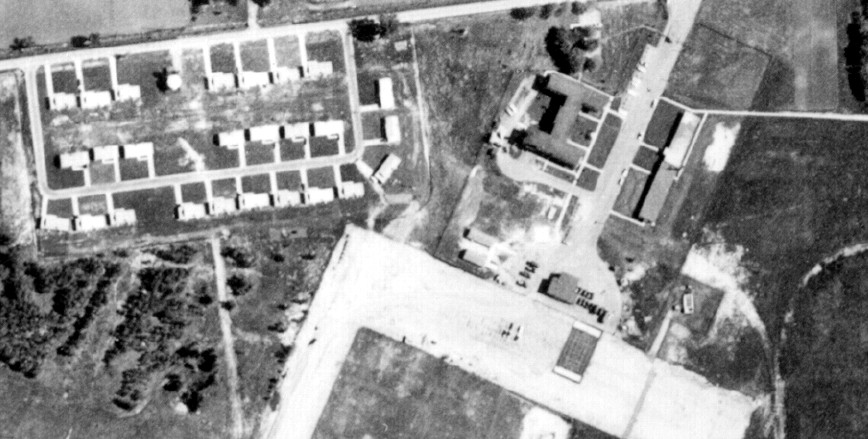
The six-sided Navy landing pavement remained immediately north of the firing sections. The Army placed launcher barracks on part of the former aviation surface. This made the site's layered history visible even during Nike service: soldiers walked and drove across pavement created for wartime pilot training while maintaining guided missiles designed for the nuclear age.
The separate administration and support zone covered about 6.65 fenced acres in the HAER account. It included the H-shaped administration and mess complex, storage and paint buildings, sewage treatment, a theater converted from a Navy hangar or radar facility, pump houses, and a guard shack. The H-shaped building served an extraordinary sequence of users: Navy personnel, German prisoners, high-school students, and Army missile crews. During the Nike period it supported headquarters, mess, supply, stockade, post exchange, and other administrative functions.
Configuration
The combined configuration is: D-57: Nike 3B/30A/12L-A; D-58: Nike 3B/18H,30A/12L-UAD-57's code means three B-type underground magazines, an allowance of thirty Nike Ajax missiles, and twelve Ajax launchers. The final A indicates Ajax launch equipment. D-57 did not convert to Hercules.
D-58's code means three B-type underground magazines, an allowance of eighteen Nike Hercules missiles and thirty Nike Ajax missiles in the mixed-era inventory, and twelve launchers described by the UA suffix. UA means a mixture of universal and Ajax launchers, conventionally half of each. Universal launchers could handle Hercules as well as Ajax, while the remaining Ajax positions were not automatically Hercules-capable.
Together, the two halves formed a six-magazine, twenty-four-launcher double plant.
Type B magazines were designed for Ajax storage and could be modified to accommodate Hercules handling requirements. That physical adaptability does not mean every B magazine at D-57 was converted. Only the D-58 half has a documented Hercules mission. The D-57 magazines continued to serve Ajax until that battery closed.
D-57: The Ajax Half
The history gives January 1955 as D-57's activation and February 1963 as its closure. Headquarters and Headquarters Battery, 504th Antiaircraft Artillery Missile Battalion is listed from January 1955 through September 1958. Battery B, 504th appears from 1957 through September 1958. The gap between site activation and the firing battery's listed 1957 start may reflect incomplete unit data, a staged move from temporary facilities, or the difference between headquarters and operational battery records.In September 1958, Headquarters and Headquarters Battery and Battery B were redesignated or succeeded by elements of the 2nd Missile Battalion, 517th Artillery. They remained through February 1963. The change coincided with Army-wide reorganization under the Combat Arms Regimental System. It did not create a new physical battery.
D-57 used LOPAR and the Ajax guidance equipment at the eastern IFC. Its three B magazines and twelve Ajax launchers formed one half of the shared plant. It received no documented HIPAR or Hercules conversion. When D-57 closed in February 1963, its radar mission ended and its launcher half ceased normal alert operation, while D-58 continued from the same combined property.
D-58: Conversion to Hercules
D-58's unit record begins less neatly. The history page gives 1955 activation, but Battery D, 504th is listed only from June 1957 through September 1958. Battery D, 2nd Missile Battalion, 517th then operated from September 1958 to February 1963. No reviewed source explains the difference between the 1955 site date and the 1957 firing-battery date.Hercules modernization began during Regular Army operation. The Hercules weapon history lists D-58 as a three-B-magazine conversion project with construction from June through October 1958. It gives July 2, 1959 as the date the site became operational with Hercules missiles. The specialized D-58 page summarizes the conversion as June 1959. July 2 is the more precise official milestone and is used in the history, while the secondary date is preserved as a rounded value.
Conversion required more than exchanging missiles. Hercules was larger and heavier than Ajax. Elevators and handling systems required modification. Universal launchers were installed or adapted. Electrical, test, maintenance, and warhead procedures changed. The IFC received equipment appropriate to the new engagement mission, including HIPAR. Crews had to qualify on different missile, launcher, radar, computer, and maintenance procedures while the Detroit defense system continued to demand alert coverage.
The D-58 code retains both Ajax and Hercules allowances. That does not establish that the battery always stored thirty Ajax and eighteen Hercules missiles simultaneously after conversion. Inventory notation describes a designed or authorized configuration across a changing period. Actual on-hand numbers depended on readiness, maintenance, depot movement, training, and the phase of conversion.
The Hercules system was capable of using conventional or nuclear warheads, but no reviewed site-specific record establishes the exact number, type, custody dates, or alert status of nuclear warheads at Newport. The installation should be described as a Hercules battery with nuclear-capable system architecture, not as a confirmed nuclear stockpile with invented quantities.
How Ajax and Hercules Worked
Both Nike Ajax and Nike Hercules were command-guided weapons. Neither relied on an autonomous seeker to find a target after launch. The ground battery remained part of the engagement from detection through intercept.Acquisition radar searched for aircraft and helped the crew bring an assigned target into the local tracking system. A target-tracking radar followed the aircraft. After launch, a separate missile-tracking radar followed the missile's beacon response. An analog computer continuously compared the two tracks, calculated an intercept, and generated steering commands. The IFC transmitted those commands by radio. At the computed point, the system sent the burst command.
This method made the two IFCs indispensable. Even though D-57 and D-58 shared a launch landscape, each needed a complete engagement chain. The eastern IFC could track and guide an Ajax launched from the D-57 half. The western IFC could manage an Ajax or Hercules engagement from the D-58 half. Communications connected each control crew with launcher personnel and higher headquarters.
Ajax used a solid booster and liquid-fueled sustainer. Its fueling and oxidizer work demanded protective equipment and careful handling. Hercules used solid propellant in both booster and sustainer stages, reducing some liquid-fuel hazards while introducing a larger missile, different maintenance requirements, and a more powerful engagement capability. Its greater range and altitude allowed fewer Hercules sites to cover territory that had required a denser Ajax ring.
Regular Army and Michigan Guard Service
In February 1963, the surviving D-58 mission passed to Battery C, 1st Missile Battalion, 177th Artillery of the Michigan Army National Guard. The timing coincided with D-57's closure. HAER describes the Newport battery as transferred to the Guard in February 1963, but operationally the statement applies to the continuing D-58 Hercules half rather than to a revived D-57 Ajax mission.Guard operation was not a weekend-only readiness posture. Battery C had to maintain radar surveillance capability, missiles, launch equipment, communications, electrical systems, security, and trained crews under the same continental-defense mission. Personnel balanced Guard status with a weapon system that could not be allowed to deteriorate between drills.
The workforce extended well beyond the soldiers visible beside launchers. IFC operators maintained acquisition, target, and missile tracks. Computer technicians calibrated analog circuits. Launcher crews inspected elevators, rails, launchers, missiles, cables, and test sets. Radar, generator, communications, vehicle, and facility specialists kept the site functioning. Missile and warhead teams followed strict accountability and safety procedures. Guards protected the control and launch compounds, while cooks, clerks, medics, supply personnel, and leaders supported continuous operations.
The dedicated site material identifies Louis Peyton as a launcher crewman from 1957 to 1960 and Phillip Hewitt as a warhead technician from February 1969 to January 1970. These entries are not a complete roster, but they connect the large technical landscape to individual service across both the Regular Army and Guard periods.
Daily Readiness at Newport
Most days were defined by maintenance, test, drill, and alert rather than missile firing. Radar crews checked alignment and practiced acquiring aircraft. Computer personnel verified engagement solutions. Launcher crews tested elevators and launchers, inspected missiles, and maintained the storage sections. Communications teams checked the circuits linking the IFCs, launcher, and regional command. Security personnel controlled entrances to the three operating zones.The double site made coordination unusually important. Shared roads, administration, assembly support, utilities, and launcher security had to serve two battery missions. During the mixed Ajax-Hercules years, equipment and procedures differed between halves. A launcher crew could not assume that a D-57 Ajax task and a D-58 Hercules task used identical handling, testing, or alert steps.
Exercises could reproduce most of an engagement without firing over Monroe County. A simulated warning or target assignment arrived from the defense-area command system. An IFC acquired and tracked a practice aircraft. The computer generated an intercept solution. Launcher crews reported missile status and practiced the firing sequence. Live qualification firings occurred at authorized ranges rather than across populated southeastern Michigan.
D-57/58 never fired at an enemy aircraft. That does not make its service uneventful. Its deterrent value depended on the credible ability to engage a bomber with little warning. Repetitive maintenance was the operational mission because a failure discovered during an actual raid would be too late to correct.
Role in the Wider Military Network
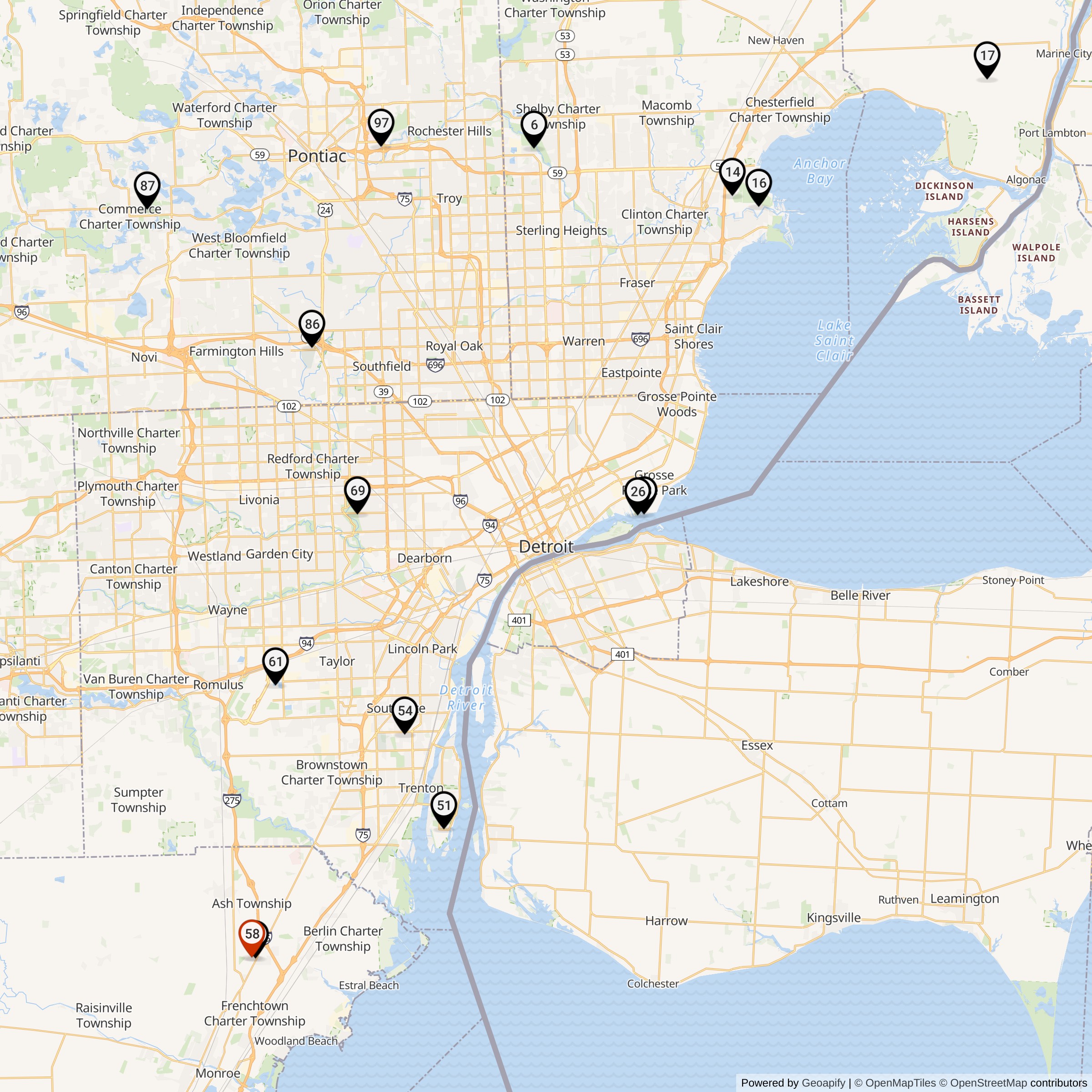
D-57/58 occupied the southern arc of the Detroit Defense Area. It overlapped with D-51 on Grosse Ile, D-54/55 at Riverview, D-61 near Wayne County Airport, and other batteries around the metropolitan ring. D-58's Hercules conversion extended the reach of the southern defense and helped make the nearby Ajax-only sites unnecessary.This relationship became explicit in February 1963. D-51 and D-54/55 closed, and D-57 also ended, while the longer-range D-58 continued. The Army could consolidate a formerly dense Ajax network around fewer Hercules batteries without abandoning southern coverage.
Regional command improved in 1960 when Missile Master became operational at Selfridge. The system displayed tracks and helped commanders assign targets among batteries. It did not guide missiles from Selfridge. Once D-57 or D-58 received an assignment, the local IFC still had to acquire the target, track missile and aircraft, compute the intercept, and transmit guidance commands.
D-58 became one of Detroit's final three Hercules positions. Defend and Deter identifies D-06, D-58, and D-87 as the batteries that remained active until April 1974. Their simultaneous closure marked the end of the fixed Army Nike mission around Detroit.
The nearby Fermi generating station later became part of the region's strategic-industrial landscape. Photographs from the old launcher show its cooling towers in the distance. It is reasonable to say D-58's engagement zone contributed to defense of the lower Detroit and Monroe County corridor, including later critical infrastructure. It is not reasonable to claim that the 1942 property acquisition or 1955 Nike activation was undertaken specifically for a nuclear plant that was not yet operating.
Why D-58 Survived Until 1974
D-58 had reportedly been scheduled to close in 1969, but it continued for another five years. Its Hercules capability, southern location, existing federal property, Guard staffing, and integration into the reduced Detroit network all favored retention. The larger strategic picture was nevertheless moving against fixed Nike batteries.Nike was designed principally for defense against bomber aircraft. By the late 1960s and early 1970s, intercontinental ballistic missiles had become the dominant strategic threat, and a local Hercules ring could not provide a comprehensive defense against them. Bomber tactics and electronic countermeasures also evolved. The cost of maintaining aging radars, computers, missiles, magazines, utilities, security, and staffing had to be weighed against other defense priorities.
In April 1974, D-58 closed with the remaining Detroit Hercules batteries. Missiles and sensitive radar equipment were removed. The launchers, buildings, pavement, underground magazines, foundations, utilities, fences, housing, and inherited Navy structures remained as a large disposal problem.
Disposal
The former property changed hands in stages. The older FUDS summary says most of the D-57/58 tract passed to private ownership in the mid-1980s. It also identifies Frenchtown Commons housing, private Wellington Loh property, an approximately 35.8-acre Michigan National Guard training tract, a small Federal Aviation Administration parcel, and an 84-acre Monroe County park. Ownership and uses later changed again.HAER documented the site in 1994 because it retained an exceptional collection of Cold War structures. The survey called D-57/58 Michigan's best surviving Nike battery and an intact example of a dual installation. It produced an overall twenty-five-image record, separate IFC and launcher studies, measured descriptions, photo captions, and views of the radar towers, HIPAR building, van pads, generators, magazine structures, barracks, warhead and assembly buildings, guard shacks, administration complex, theater, pump houses, roads, and former airfield pavement.
That designation describes the site as it appeared in the early 1990s. It is not a present-condition statement.
Federal Cleanup and Demolition
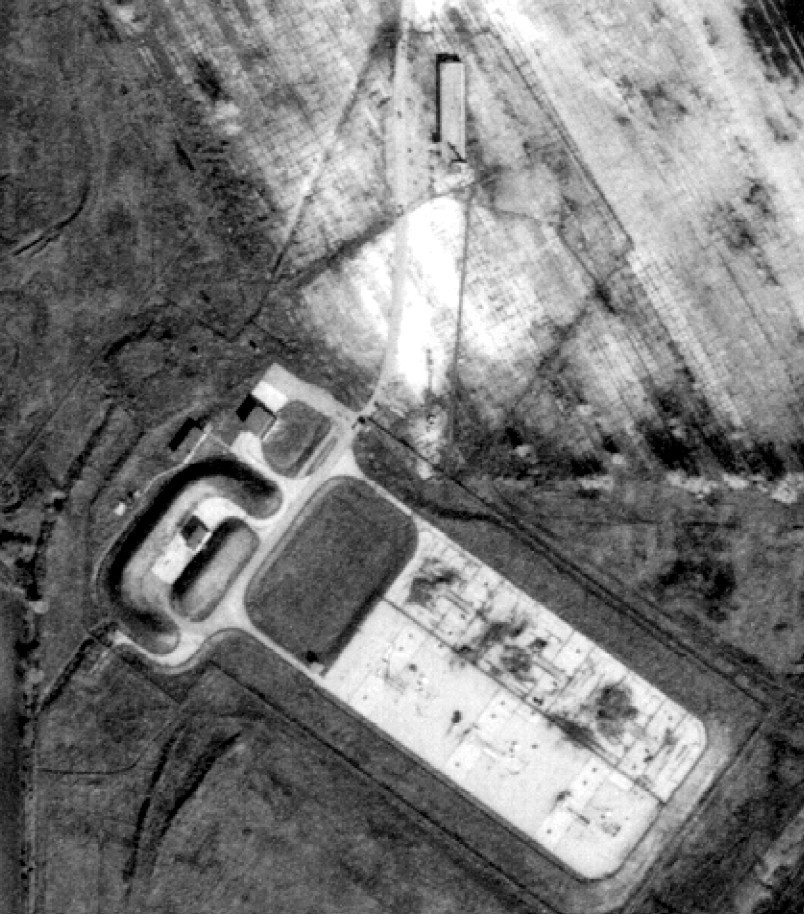
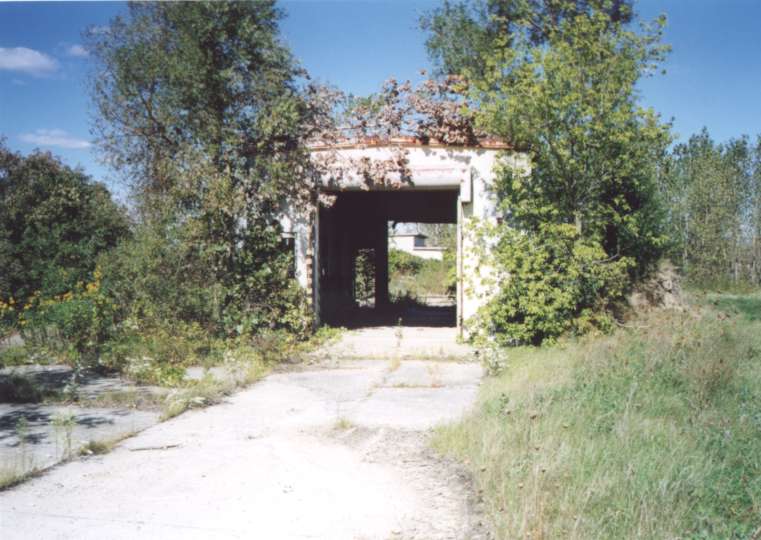
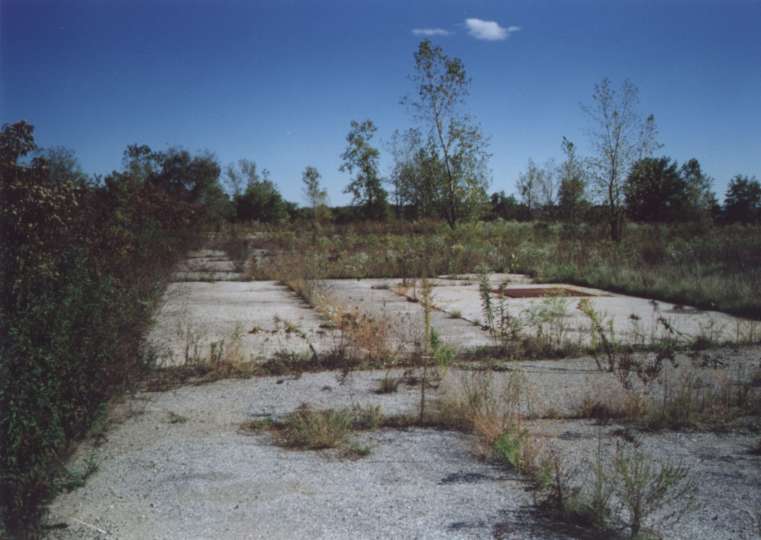
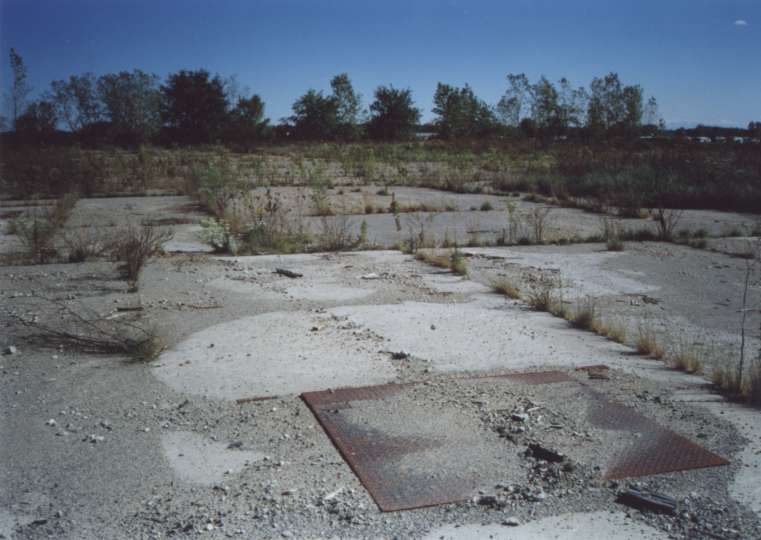
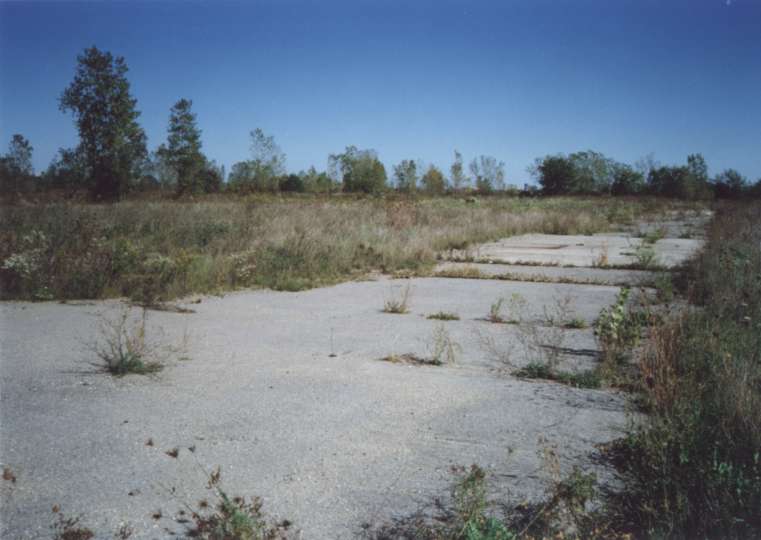
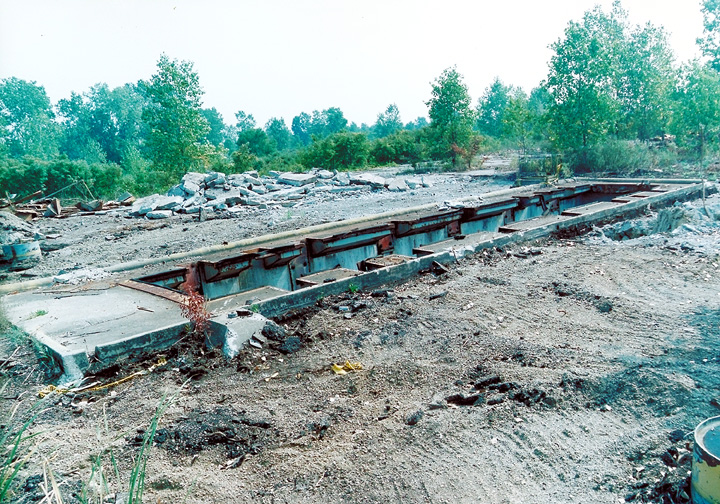
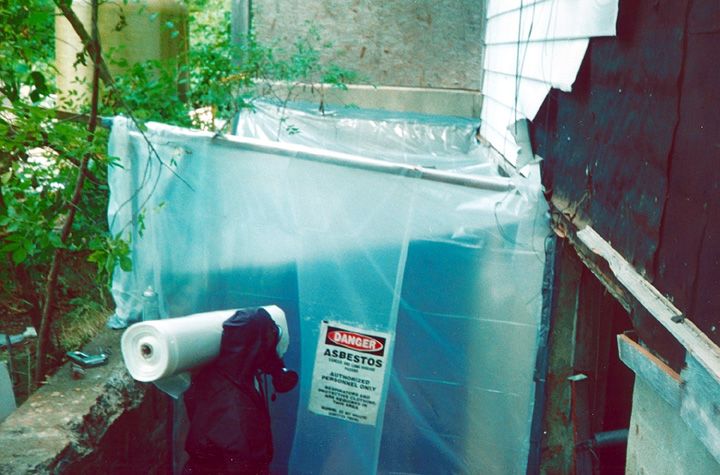
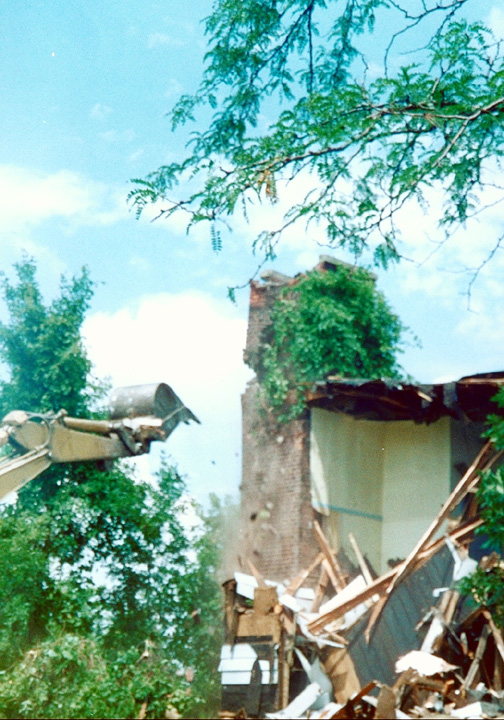
The former installation entered the Formerly Used Defense Sites program as E05MI0116. The 2001 General Accounting Office tables record separate building demolition and debris removal, containerized or hazardous-material work, and environmental investigation projects. Building demolition and debris work occurred during the 1990s, with some phases completed by 1997.U.S. Army Corps of Engineers photographs provide direct evidence. One image dated August 22, 1996 shows demolition of a former underground missile-storage structure. October 31, 1996 photographs document asbestos abatement in a mechanical room and demolition of the mess hall. These images explain why the specialized site pages, updated after HAER, say the missile pits had been demolished.
The sequence resolves an apparent contradiction. HAER found the magazines intact and cleared of debris in 1994. Corps cleanup photographs show demolition in 1996. Later observers found surviving support buildings and disturbed launcher remains, but not the complete six-magazine plant recorded by HAER.
The GAO tables are historical program snapshots. One environmental project was still shown under investigation in 2001. A later public database derived from Department of Defense records lists NIKE D-57/58 Newport with three hazardous-site entries and an overall response-complete status. That later category indicates completion of the recorded federal response, not preservation of the structures and not a guarantee that every environmental or land-use question is impossible.
Nike Park and Residential Reuse
Monroe County converted approximately eighty-four acres of the former federal property into Nike Park. The current county facilities page identifies it as an active park in Frenchtown Township. It lists four soccer fields, accessible play equipment, pathways, picnic pavilions, grills, open space, horseshoe pits, parking, a model-aircraft flying area, and a dog-training area.The county page inaccurately calls the predecessor a World War II Nike missile base. Nike did not operate during the Second World War. The property was then a Navy aviation field; the Army missile mission came later. The park name preserves the postwar battery, while the county description compresses two different military eras.
Other former-base acreage became residential property, including Frenchtown Commons and former military housing. The specialized history says a small subdivision incorporated the old housing area. These uses demonstrate why the former 480.72-acre installation cannot be described by one owner or one present condition.
Ford Industrial Redevelopment
The largest recent transformation began in 2020. InSite Real Estate acquired a 263-acre property at 8335 North Telegraph Road on the former Nike base and arranged a long-term Ford Motor Company lease. Contemporary development reporting described a one-million-square-foot automotive-parts distribution center planned for completion in the fourth quarter of 2021, with extensive loading docks, vehicle access, and employee parking. Ford later referred to the operation as its Frenchtown High Velocity Redistribution Center.The industrial project returned the former military tract to Detroit's automotive economy, the very industrial system Nike had been positioned to defend. That is a striking continuity, but the physical consequences are substantial. A million-square-foot building, grading, utilities, roads, parking, drainage, and logistics yards can erase or isolate earlier foundations and landscape relationships.
The development report describes the 263 acres as the former Nike Missile Base, but it does not provide a component-by-component archaeological inventory. This history therefore does not assert that every D-57 or D-58 IFC feature, launcher support building, and former Navy structure was removed in the same construction phase. It does establish that older descriptions of an abandoned, heavily overgrown, partially intact site cannot be carried forward as present condition without new parcel-level documentation.
Current Component Conditions
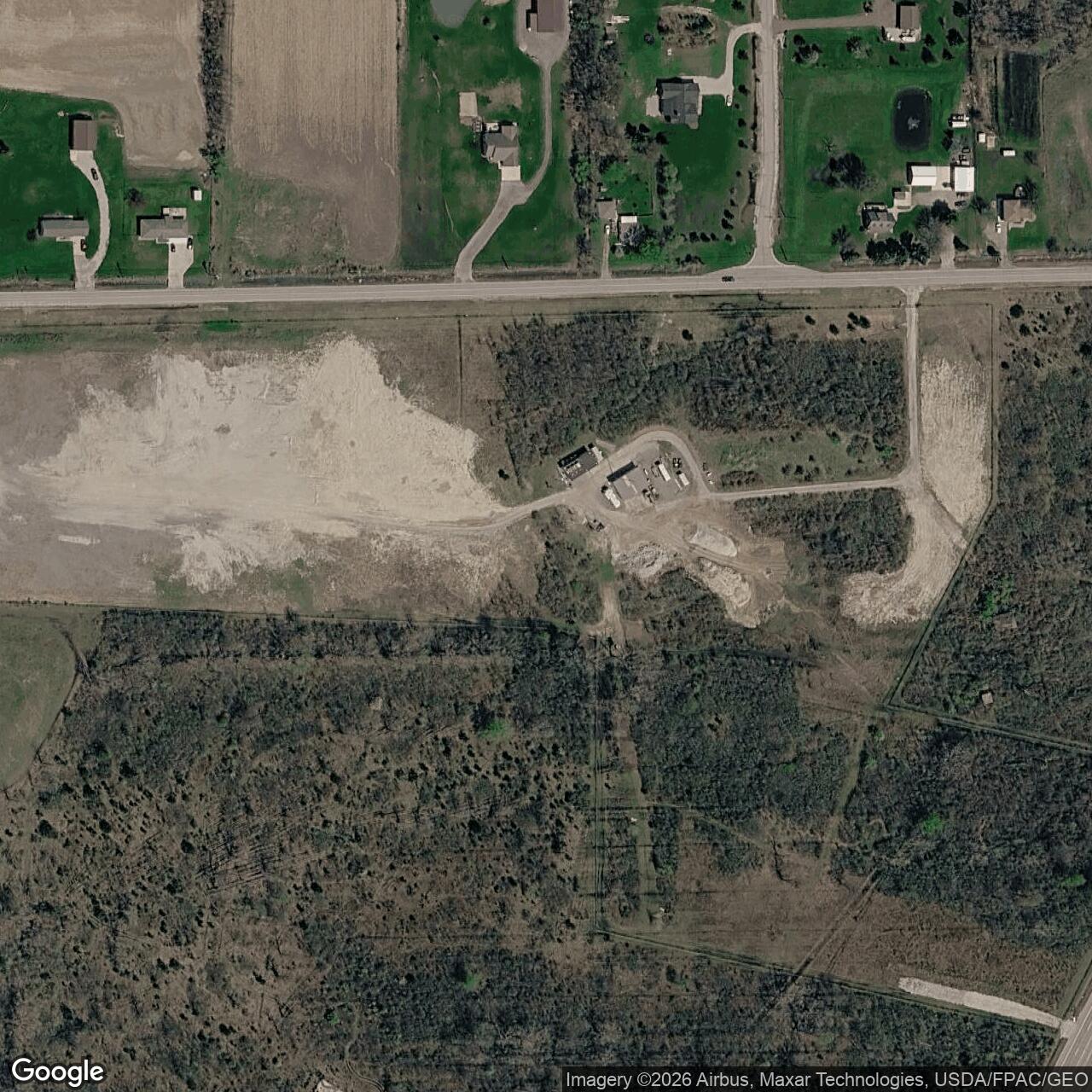
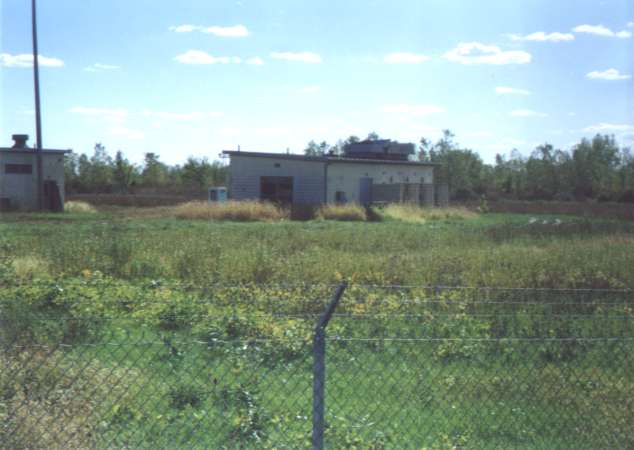
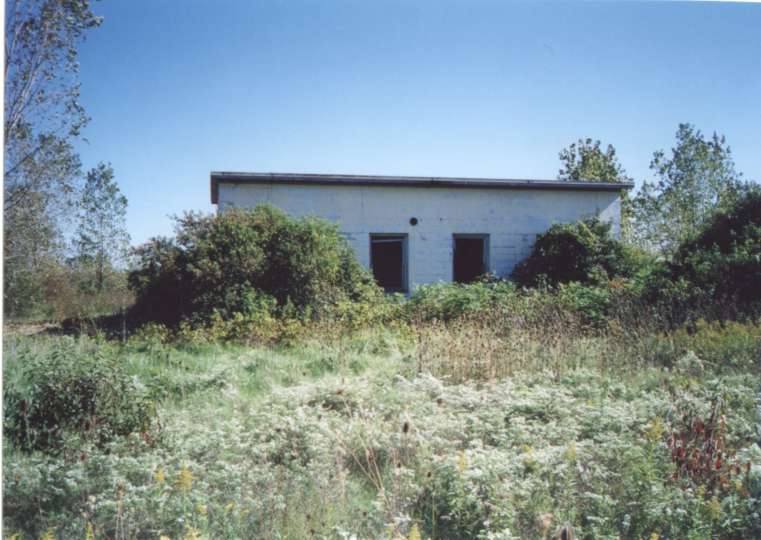
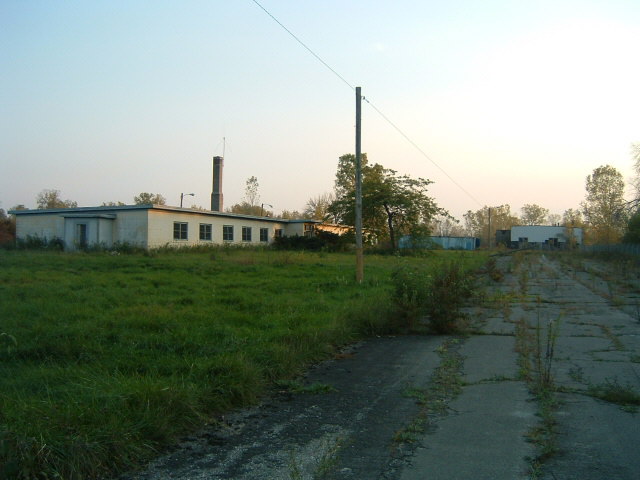
The D-57 and D-58 IFCs occupied the eastern part of the former military landscape near Telegraph and Newport roads. HAER documented extensive radar and technical remains there in 1994. Later historical pages still described towers, generator structures, van pads, a HIPAR building, and corridor foundations. The 2020 to 2021 industrial redevelopment transformed a large former-base tract at that intersection. Current survival of individual IFC features has not been established by a post-construction architectural survey.The shared launcher lay southwest of the IFCs. Its six magazines were recorded intact in 1994 and then demolished during the 1996 cleanup. Support buildings survived into the 2000s in deteriorated condition according to dated observer photographs. Later private redevelopment affected the larger former-base landscape, but the reviewed sources do not provide a current structure-by-structure launcher inventory.
Nike Park remains an active public property on former-base acreage, but it should not automatically be equated with the exact launcher or IFC footprints. The park, residential land, industrial center, and former military parcels are parts of one much larger historic installation. Parcel boundaries and archaeological survival require current county records or authorized field survey.
Chronology
- 1942 The federal government acquires approximately 480.72 acres for a Newport naval aviation training and emergency-landing field associated with Grosse Ile.
- 1942-1945 Navy pilots use the Newport field. The hexagonal landing pavement and support buildings establish the physical landscape later inherited by the Army.
- 1945-1946 German prisoners of war are housed briefly in a former Navy administration and barracks building.
- 1947-1953 Airport Community High School uses portions of the former naval property.
- 1954 The Navy transfers the acreage and eighteen structures to the Army according to the HAER history. A later FUDS summary uses 1956 as the Nike transfer year.
- January 1955 D-57 is listed as activated. Headquarters and Headquarters Battery, 504th begins its recorded association with the site.
- 1955 D-58 receives a general activation year, although its listed firing-battery chronology begins in 1957.
- 1956-1962 The Army constructs approximately thirty-three structures while developing and expanding the Nike installation.
- 1957-September 1958 Battery B, 504th operates D-57 according to the dedicated history. Battery D, 504th is listed at D-58 from June 1957.
- June-October 1958 Official Appendix D records construction for the D-58 Hercules conversion.
- September 1958 D-57 Battery B and D-58 Battery D transition to the 2nd Missile Battalion, 517th Artillery during Army reorganization.
- July 2, 1959 D-58's operational date with Hercules missiles.
- 1960 Missile Master becomes operational at Selfridge, improving regional target assignment while local guidance remains at D-57 and D-58.
- February 1963 D-57 closes. The surviving D-58 Hercules mission transfers to Battery C, 1st Missile Battalion, 177th Artillery, Michigan Army National Guard.
- 1969 D-58 is reportedly scheduled to close but remains in operation.
- April 1974 D-58 closes with Detroit's other final Hercules batteries. Missiles and sensitive radar equipment are removed.
- Mid-1980s Much of the former property passes into private ownership.
- 1988 The HAER history records demolition of a former officers' quarters building.
- 1994 Historic American Engineering Record teams document D-57/58 as Michigan's best surviving dual Nike battery, producing overall, IFC, and launcher studies.
- August 22, 1996 An Army Corps photograph records demolition of an underground missile-storage structure.
- October 31, 1996 Corps photographs document mechanical-room asbestos abatement and mess-hall demolition.
- By 1997 GAO's later inventory lists major 1990s building-demolition and debris-removal work as complete, while another environmental project remained under investigation in the 2001 snapshot.
- 1999 A Michigan Department of Natural Resources grant supports accessible recreation, paths, and parking improvements at Monroe County's Nike Park.
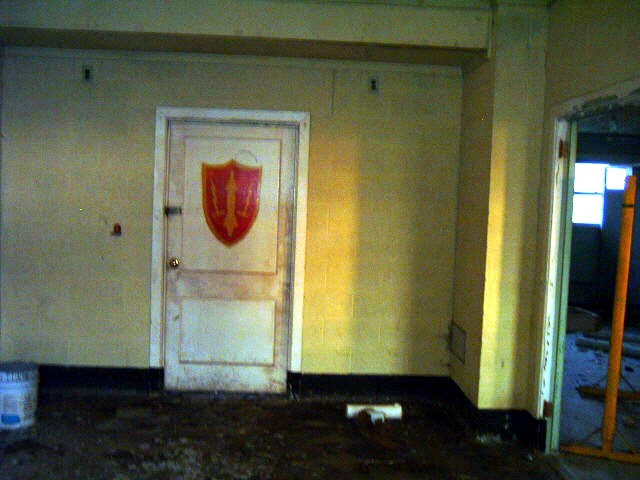
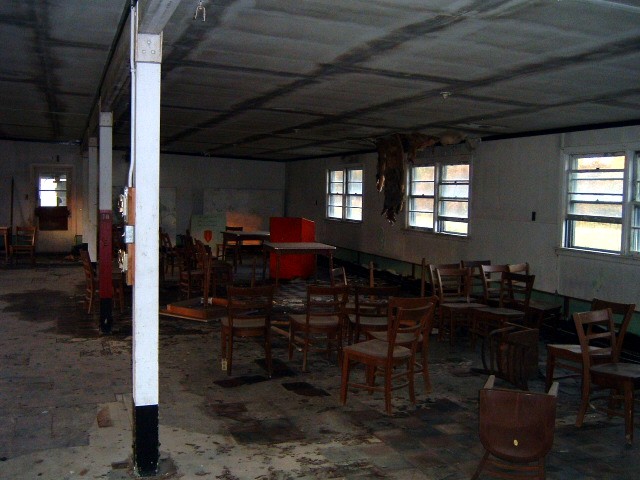
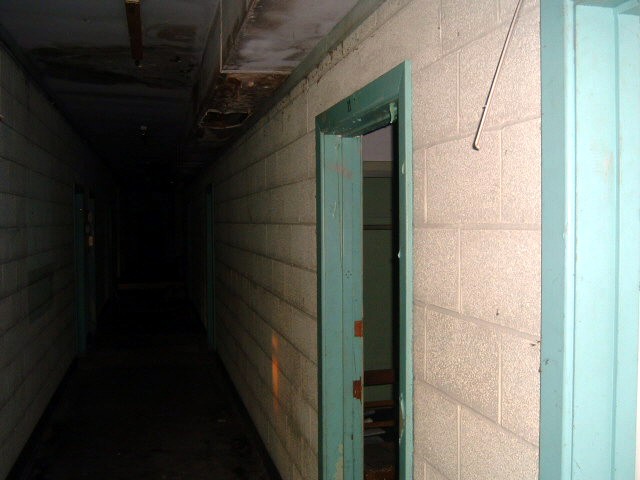
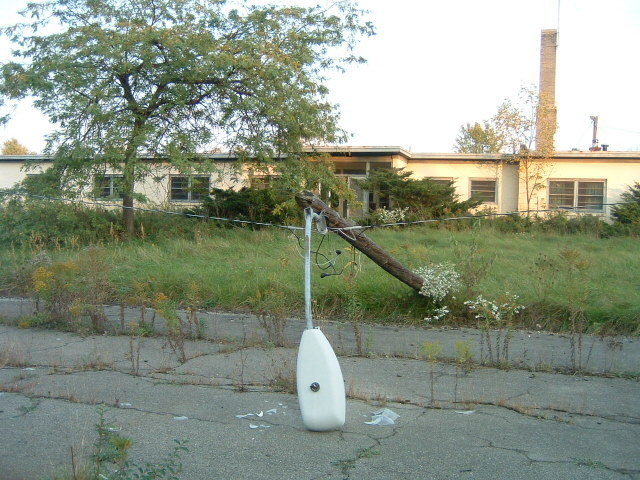
- 2007 Dated observer photographs show surviving but heavily vandalized and overgrown launcher, administration, and support structures. These images do not describe present condition.
- 2020 InSite acquires a 263-acre former-base property at Telegraph and Newport roads and begins development of a Ford parts-distribution center.
- Fourth quarter 2021 Contemporary plans call for completion of the one-million-square-foot Ford facility. Later employment material identifies the Frenchtown High Velocity Redistribution Center as an operating parts-redistribution site.
- Present Nike Park remains an active Monroe County recreation property. The larger former base is divided among industrial, residential, park, and other ownerships. Department of Defense-derived cleanup data lists NIKE D-57/58 Newport as response complete. Exact survival of individual Nike features after redevelopment remains unverified.
List of all Nike Installations in Michigan




Sources & References
- PDF Defend and Deter: The Legacy of the United States Cold War Missile Program Source for the Detroit Defense Area, shared-double-launch and separate-control identity
- WEB Library of Congress, Historic American Engineering Record Newport NIKE Missile Battery D-57/58
- WEB Ed Thelen, Nike Missile Locations, Michigan Secondary cross-check for the combined site designation and compressed configuration.
- WEB Monroe County, Nike Park Current official source for public park ownership, recreation amenities, and reuse.
- WEB U.S. General Accounting Office, Formerly Used Defense Sites inventory tables for Michigan, 2001 Historical program snapshots for FUDS E05MI0116, 1990s building demolition, debris removal.
- WEB ProPublica, Bombs in Your Backyard, Michigan Secondary presentation of Department of Defense cleanup data listing NIKE D-57/58
- WEB Ford Motor Co. Industrial Project Lands Financing, December 23, 2020 Source for InSite's 263-acre acquisition, former-Nike-base identity, Ford lease and industrial layout.
- WEB Abandoned and Little-Known Airfields, Michigan, Southern Detroit Area Secondary source for the Newport aviation predecessor, later aerial comparisons, Nike reuse, and 1996 Corps demolition image.