Nike Missile Site D-97 IFC, Auburn Heights Michigan
Longitude: -83.2223922643713
This location was part of the Detroit Defense Area
Site ID: D-97
This site controlled the missiles at the Launch Area located here.
Site Role: IFC
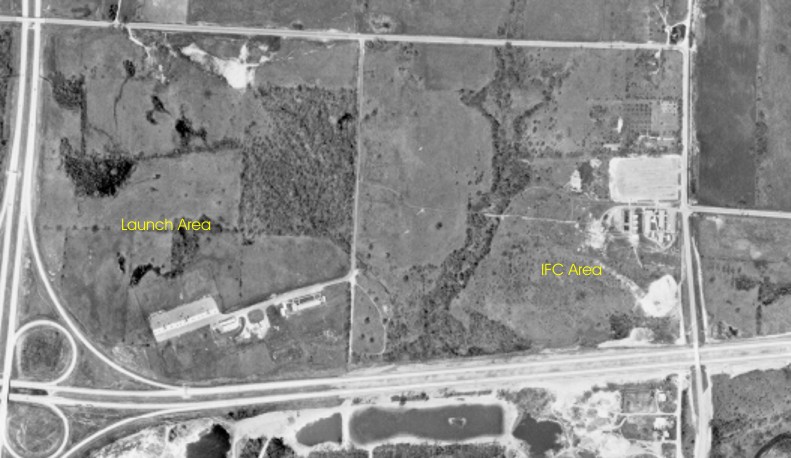
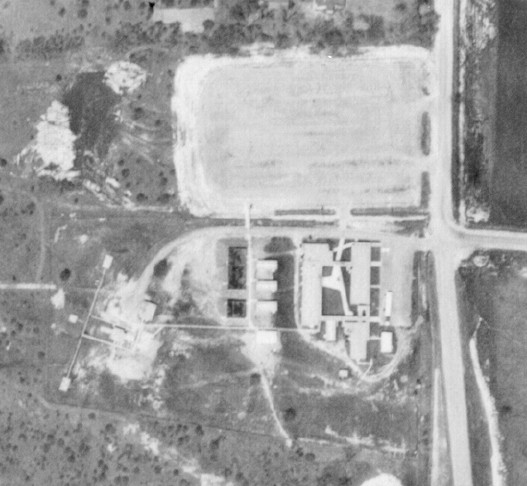
A typical Nike air defense site consisted of two separate parcels of land. One area was known as the Integrated Fire Control (IFC) Area. This site contained the Nike system's ground-based radar and computer systems designed to detect and track hostile aircraft, and to guide the missiles to their targets.
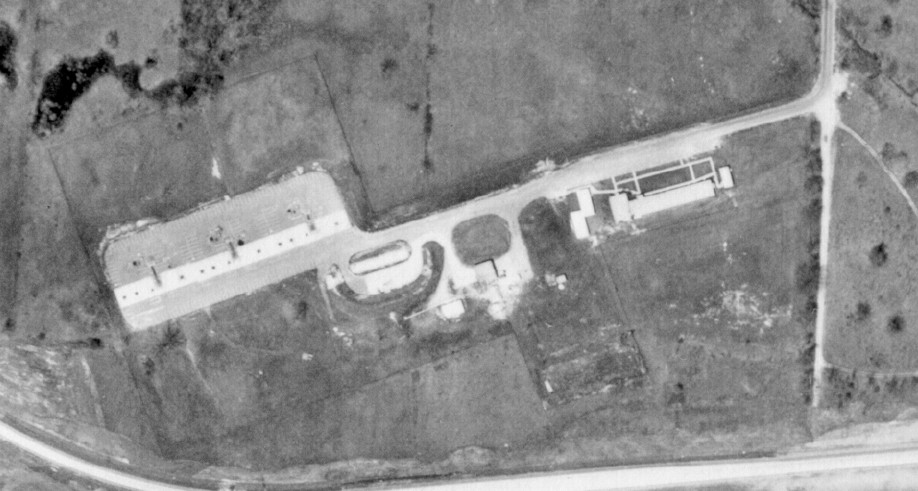
The second parcel of land was known as the Launcher Area. At the launcher area, Nike missiles were stored horizontally within heavily constructed underground missile magazines. A large, missile elevator brought the Nikes to the surface of the site where they would be pushed across twin steel rails to one of four satellite launchers.
Elaboration on how Nike worked here.
Missile Type: Ajax
The Nike Ajax was the first in the Army's family of guided missiles, and the world's first operational, guided, surface-to-air missile system. Nike Ajax had a burnout speed of Mach 2.3, a range of 25-30 miles, and a ceiling of 65,000 feet.
Designed to carry either nuclear and/or high-explosive warheads, the Nike Hercules missile could attack supersonic aircraft operating at altitudes in excess of 150,000 feet and at a range of more than 87 miles.
Battery Type: single
Date Site Converted to Hercules Missile: 1960
Nike Hercules were more powerful and nuclear capable missiles. Many locations originally built for the Ajax were later modified and upgraded to the newer Hercules.
Current site status: unknown
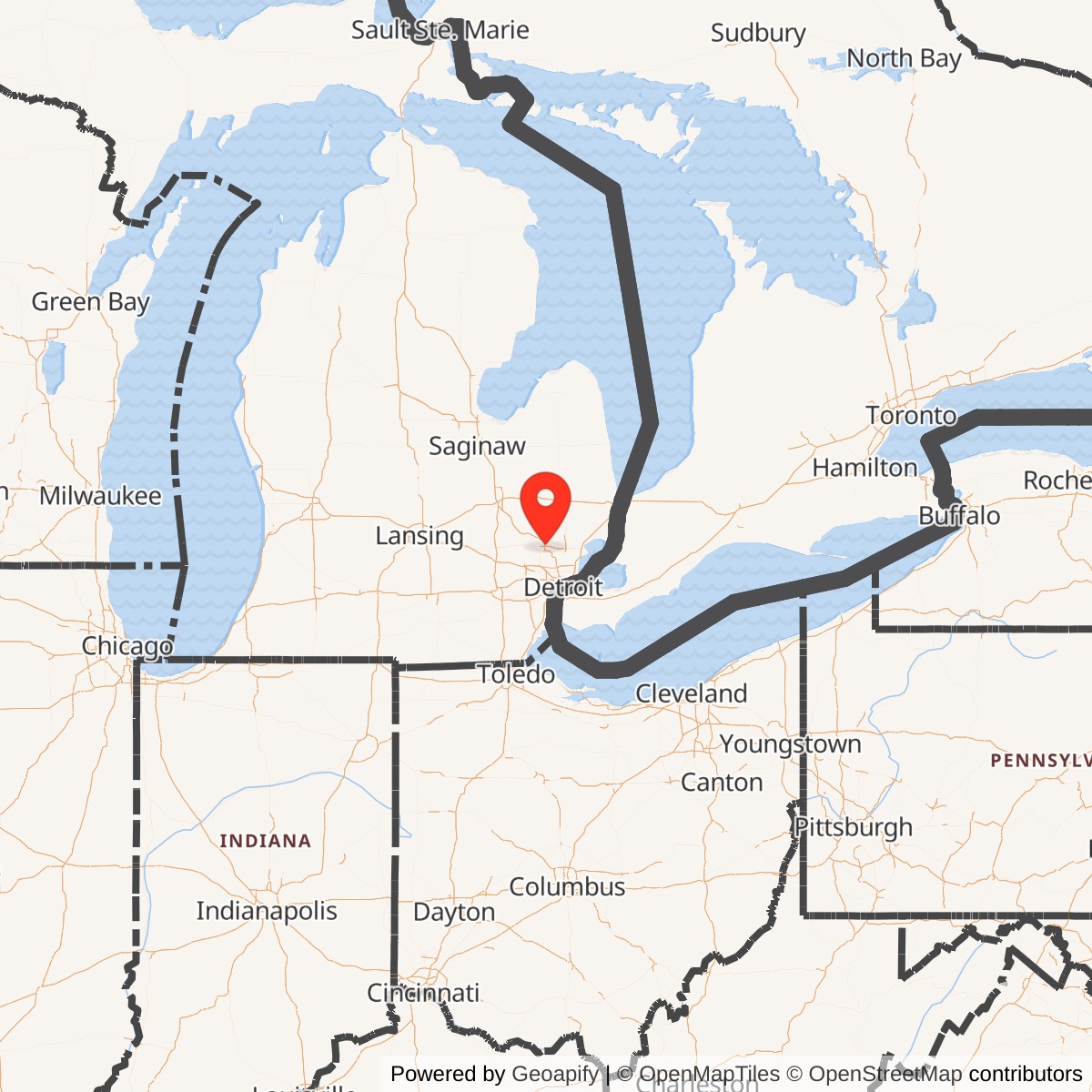
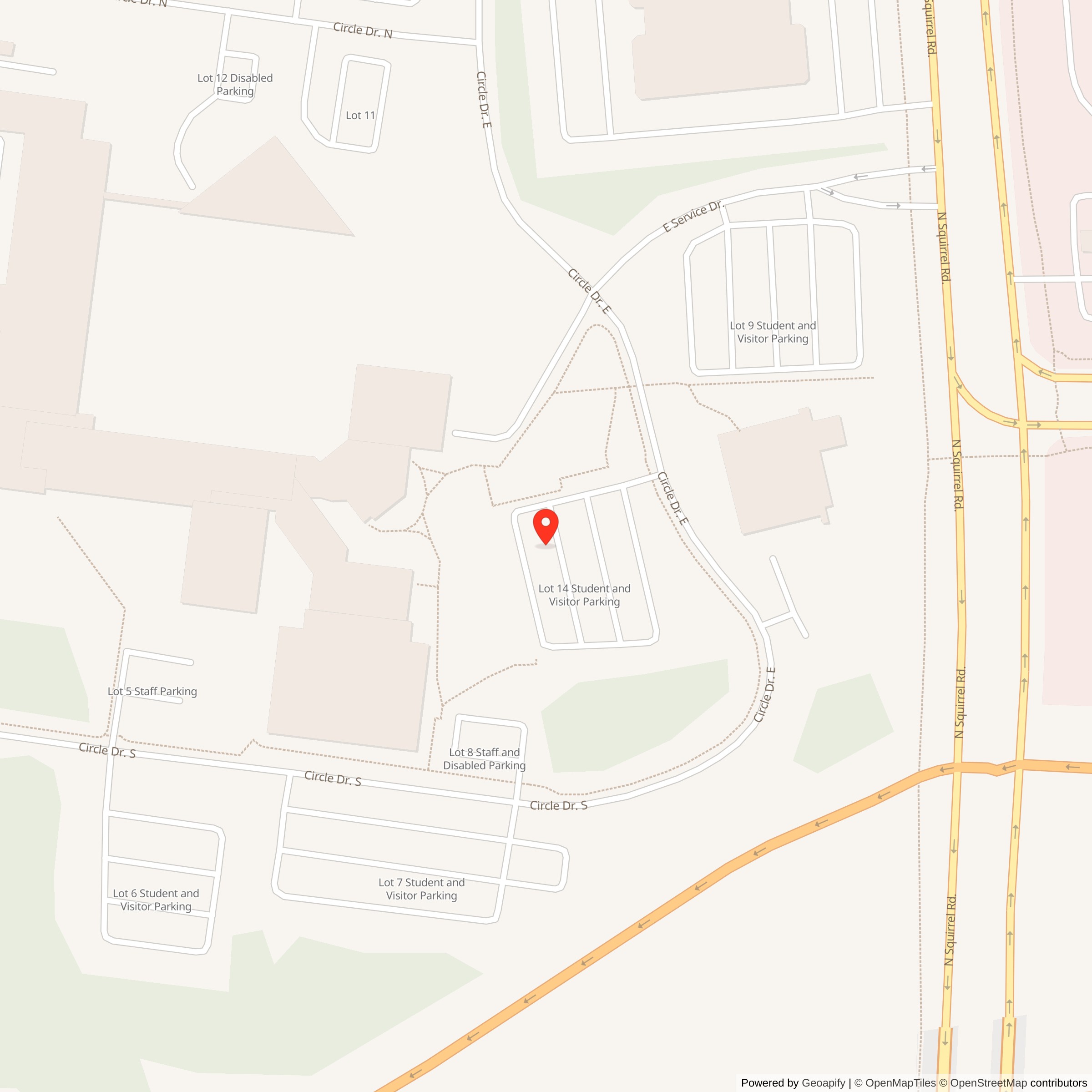
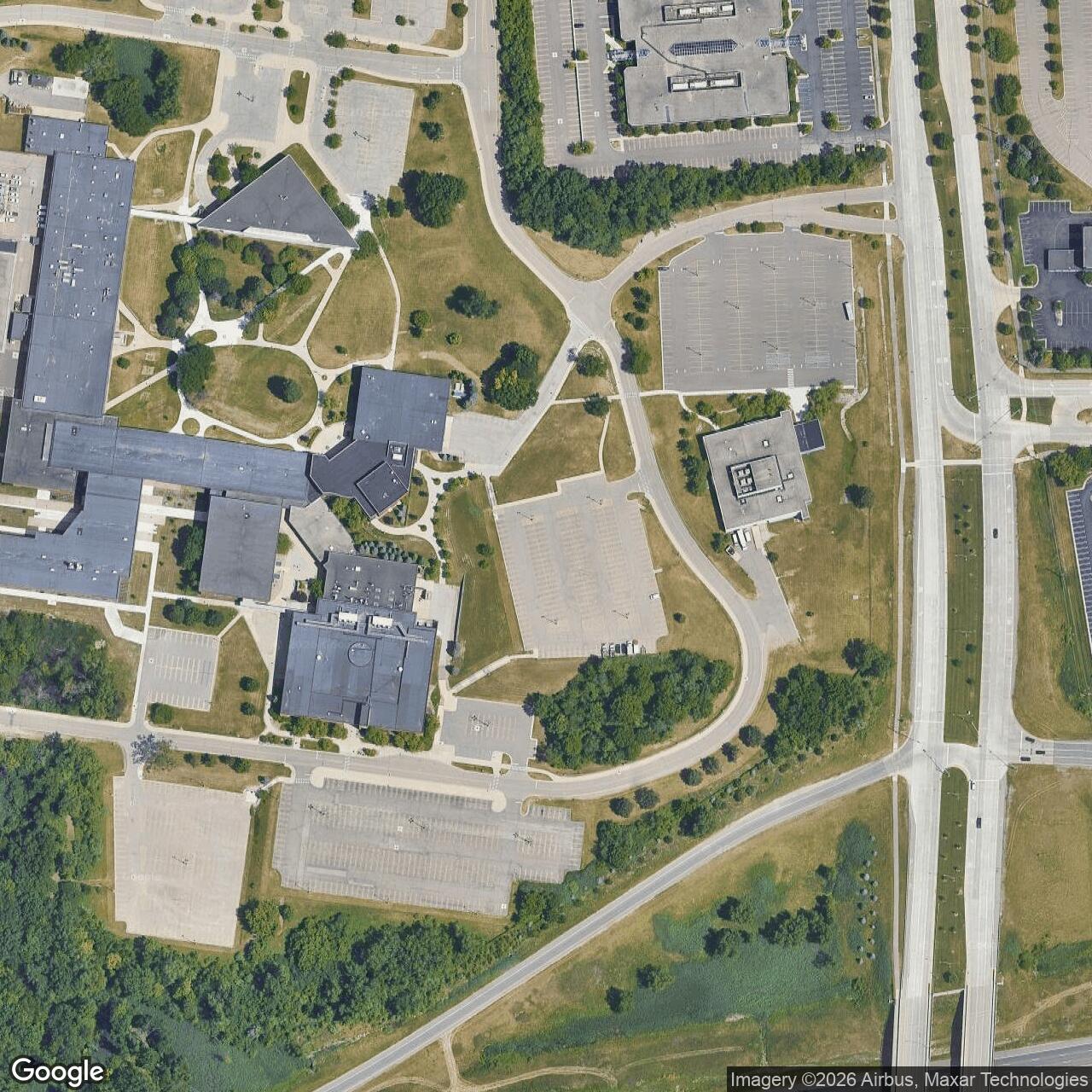
The most consequential conversion at D-97 did not replace Nike Ajax with Nike Hercules. It replaced a guarded missile battery with a community college. The Army closed the Ajax installation in February 1963. Oakland County voters created Oakland Community College in June 1964, the college acquired the former base that year, and students began taking classes at the Auburn Hills campus in September 1965. In roughly two and a half years, land prepared to intercept hostile bombers became a place for public education.
That rapid reuse makes D-97 distinctive within the Detroit Defense Area. It was neither a long-lived Hercules battery nor a property that remained abandoned for decades. D-97 served during the first generation of metropolitan missile defense, operated only Nike Ajax, and closed as the Army consolidated the Detroit ring around fewer Hercules sites. The college then refurbished existing buildings while developing a modern campus. Military structures gradually disappeared, yet the old division between radar control and missile launching still helps explain the landscape.
D-97 also preserves a human account unusually rich in operational detail. Harry Otto, assigned to Battery D of the 516th Antiaircraft Artillery Missile Battalion in 1956 and 1957, remembered buried communications cable, underground magazines, elevators, launch rails, diesel generators, frequent alerts, and a continuously staffed installation. His recollections turn an inventory code into a working place. They also help correct two persistent misconceptions: D-97's magazines were not vertical strategic-missile silos, and the site's later Ajax replacements were not evidence of a Hercules conversion.
Location and Site Identity
Nike D-97 stood in Oakland County at the community historically called Auburn Heights, within the area now known as Auburn Hills. Period Army inventories use Auburn Heights. The City of Auburn Hills timeline places the base on Featherstone Road, and Oakland Community College now identifies the reused property as its Auburn Hills campus. These names represent changing local geography and institutional usage, not separate missile installations.Auburn Heights is the historically appropriate defense-area label. Auburn Hills is the current municipality and the name by which the college campus is known. The difference matters because searches using only the modern name can miss period records, while searches using only Auburn Heights can make the site seem to belong to a vanished or unrelated place.
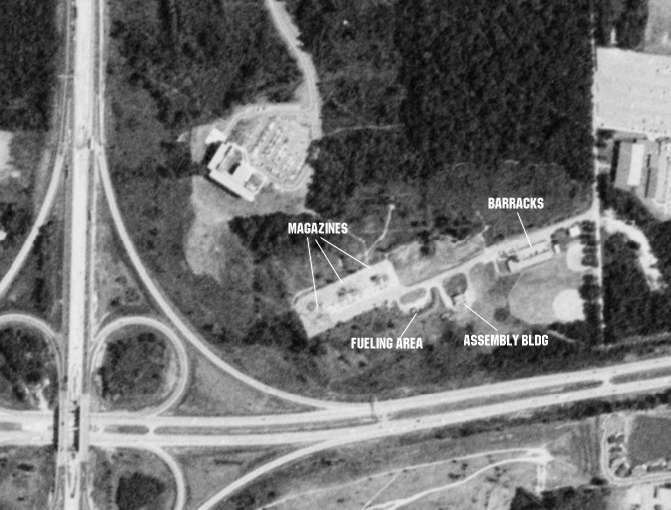
D-97 followed the standard separated Nike layout. Its Integrated Fire Control area, or IFC, contained the acquisition and tracking radars, guidance computer, control vans or buildings, generators, administration, barracks, mess, security, and support functions. The launcher component contained the underground missile magazines, elevators, surface launchers, assembly and test facilities, fueling functions, and its own security and support structures. Dedicated communications connected the two properties so that they operated as one battery.
Why Auburn Heights Mattered
D-97 occupied the northern sector of the Detroit Defense Area. Its mission was not limited to the immediate Auburn Heights community. Detroit was one of the country's most important industrial target complexes. Automobile plants could produce military vehicles, engines, and other defense materiel. Steel, machine-tool, chemical, aviation, electrical, and ordnance facilities supported national mobilization. Railroads, highways, airports, power systems, Great Lakes shipping, and the Detroit River connected those factories to a continental production network.Cold War planners feared that Soviet long-range bombers could attack this system with conventional or nuclear weapons. The Army therefore placed a ring of Nike batteries around metropolitan Detroit and Selfridge Air Force Base. A battery near Auburn Heights could contribute to the northern and northwestern approaches while overlapping adjacent batteries at Commerce, Southfield, Utica, and other points in the ring.
The location also reflected Nike engineering. Radar needed a relatively open view of the sky. The launcher required enough land for underground magazines, surface launchers, access roads, fuel-handling and assembly facilities, security setbacks, utilities, and safe internal movement. Separating the IFC from the launcher reduced the chance that one attack or accident would disable both halves. The developing edge of Oakland County offered the necessary space while remaining close to roads, power, labor, and the defended urban area.
The surrounding transportation landscape changed during D-97's final years. Auburn Hills' official timeline dates construction of Interstate 75 through Pontiac Township to 1962 and 1963. The expressway arrived as the Army was closing the battery. That infrastructure, together with metropolitan growth, helped turn a once-peripheral defense site into a well-connected campus location.
Construction and Activation
The official national inventory in Defend and Deter records D-97 as active from 1955 through February 1963. Auburn Hills' municipal timeline likewise states that the Nike base opened in 1955. No reviewed primary record fixes a more precise operational day or month.Opening a Nike site was a process rather than a single ceremony. Engineers first secured and graded land, built roads and utilities, excavated and waterproofed magazines, installed elevators and rails, erected buildings, mounted radar equipment, and connected the two components. Army technical teams then aligned radars, tested generators and communications, accepted launch equipment, received missiles, trained crews, and demonstrated operational readiness. Construction completion, unit arrival, missile issue, and full alert status could occur on different dates.
D-97's official configuration was `Nike 1B,2C/30A/12L-A`. The code places it among the substantial three-magazine Ajax batteries built for the early Detroit ring. Unlike nearby D-87 at Commerce or D-06 at Utica, D-97 was not selected for conversion to Nike Hercules. Its entire operational history belonged to the Ajax era.
The site nevertheless evolved while it operated. Equipment was repaired, exchanged, and upgraded. Units were redesignated or replaced. Radar and communications procedures changed as the regional command network matured. Roads and metropolitan development altered the surrounding setting. Ajax-only does not mean technologically frozen. It means that the battery never received the larger Hercules missile and its associated launcher and radar conversion.
Physical Layout and Operation
The IFC was the battery's sensing, calculation, and guidance component. Low-Power Acquisition Radar, usually abbreviated LOPAR, searched the surrounding airspace. Once a target was selected, target-tracking radar followed the aircraft. Missile-tracking radar followed the outgoing Nike Ajax. An analog computer continuously compared the two tracks, calculated an intercept, transmitted steering commands to the missile, and sent the burst command at the calculated point.This was command guidance. Ajax did not independently find its target. The missile depended on the ground system and on continuous coordination between the IFC and launcher. The battery therefore functioned as a distributed machine. Radar operators, plotting and control personnel, electronics technicians, launcher crews, generator operators, communications specialists, guards, mechanics, cooks, clerks, and leaders all contributed to readiness.
The launcher held one B-type and two C-type underground magazines. These were horizontal storage and handling rooms, not narrow vertical silos. Missiles rested below grade on rails. When required for testing, maintenance, or alert configuration, a missile could be moved onto an elevator, raised to the surface, transferred along rails, and placed on a launcher. The surface compound included twelve Ajax launch positions associated with the three magazines.
Nike Ajax used a solid-fuel booster and a liquid-fueled sustainer with a hazardous oxidizer. Missiles therefore required specialized fueling, neutralization, protective equipment, careful handling, and trained crews. The launcher included an assembly and test function, fuel-handling areas, generators, maintenance spaces, roads, hardstands, security fencing, and support buildings. An operational Nike site was far more than the underground magazines that later observers often called silos.
The IFC and launcher had to remain in constant communication. Harry Otto recalled buried cable between operational parts of D-97. The cable carried information and control signals needed to coordinate radar tracking, launch preparation, and firing. Backup generation mattered because a power interruption could disable a guidance system whose electronics, radars, communications, elevators, and support equipment all depended on reliable electricity.
Configuration and Decoded Meaning
The official D-97 configuration is:Nike 1B,2C/30A/12L-A
The `1B,2C` portion means one B-type and two C-type underground missile-storage magazines. The letters identify magazine design variants. They do not describe separate sites or separate batteries. Together, the three magazines formed one D-97 launcher complex.
The `30A` portion records an allowance or designed capacity of thirty Nike Ajax missiles. It should not be treated as a daily inventory count. Missiles could be absent for maintenance, modification, inspection, training, or depot work. The code establishes the planned scale of the battery and confirms that the site used Ajax.
The `12L-A` portion records twelve launcher positions configured for Nike Ajax. Those were surface launch positions associated with the underground magazines. It does not mean twelve vertical silos, and it does not mean that twelve missiles always stood exposed and ready.
There is no Hercules notation in the D-97 code. The official inventory calls the system Ajax, gives a February 1963 closure, and lists no Hercules conversion. The dedicated D-97 records likewise describe an Ajax battery. D-97 therefore had no documented nuclear-capable Hercules mission. Nike Ajax carried conventional fragmentation warheads intended to damage an aircraft by detonating near it.
The configuration also helps interpret Harry Otto's recollection that crews received upgraded missiles, disassembled older missiles, shipped components, and assembled replacements. That activity occurred during his 1956 and 1957 service, years before D-97 closed. It demonstrates equipment turnover within the Ajax program. It does not establish that Hercules operated at Auburn Heights.
Unit Succession
The best available site-specific chronology begins with Battery D, 516th Antiaircraft Artillery Missile Battalion. Harry Otto's service account directly places him in that unit at D-97 from late spring 1956 until December 1957. Secondary site records associate the same battery with the Auburn Heights installation from 1955 into 1958.The Army reorganized air-defense artillery repeatedly in the late 1950s. Compressed unit tables and later transcriptions associate D-97 briefly with Battery D, 18th Antiaircraft Artillery Missile Battalion in 1958, followed by Battery D, 4th Missile Battalion, 3rd Artillery from approximately September 1958 until the February 1963 closure. The Army's Nike historical study also contains a unit table that links the 18th battalion and the 4th Missile Battalion, 3rd Artillery to the Auburn Heights sequence.
This broad succession is credible, but the exact transfer dates deserve archival confirmation. Unit redesignation, personnel reassignment, organizational transfer, and assumption of tactical responsibility did not necessarily occur on the same day. The secondary web record is more precise than the legible primary evidence reviewed here. Future work should compare station lists, general orders, morning reports, unit histories, and Detroit command records before treating every reported month as definitive.
The organizational changes did not create new missile sites. They changed the firing unit responsible for the same D-97 properties and Ajax mission. The slugs, map points, and physical identities therefore remain constant across the unit succession.
Harry Otto and Life on Alert
Harry Otto's recollections, published by the Jefferson City News Tribune in 2022, provide a rare veteran-centered view of D-97. Drafted in late 1955, he completed basic training at Fort Leonard Wood and transferred to Battery D, 516th Antiaircraft Artillery Missile Battalion at Auburn Heights in late spring 1956. He remained there until leaving the Army in December 1957.Otto maintained diesel generators that supplied backup electrical power. The assignment placed him at a critical supporting node. Radar, communications, launch-control circuits, magazine elevators, lighting, alarms, and other equipment could not be allowed to fail simply because commercial power was interrupted. Generator readiness was part of weapon readiness.
He remembered a continuously operating base staffed by more than one hundred people. His description included battery headquarters, a mess hall, barracks, recreation hall, and motor pool. Those details are important because modern observers often reduce Nike sites to concrete launch pads. The battery was also a workplace and temporary home, with military administration, meals, maintenance, recreation, training, guard duty, and shift changes surrounding the tactical equipment.
Otto described missiles stored underground, rails that moved them, doors that opened at ground level, and elevators that raised them to the surface. His account matches the official three-magazine configuration and the standard Ajax launcher process. It also makes clear why the common term silo is misleading. D-97's missiles lay horizontally in magazine rooms and were raised for movement to surface launchers.
Frequent alerts shaped daily service. During an alert, crews had to reach stations quickly, establish communications, power and check equipment, prepare missiles and launchers, and follow authentication and engagement procedures. Many alerts were exercises or responses to uncertain tracks. Their repetition was the mechanism by which a complex team remained capable of acting under extreme pressure.
Otto's account of handling replacement missiles also shows the maintenance burden behind readiness. Missiles were not permanently sealed monuments. Components required inspection, replacement, testing, and shipment. Crews worked with hazardous propellants, high voltage, heavy lifting machinery, vehicles, generators, and sensitive electronics. D-97 never fired in combat, but the absence of combat launch did not make the work passive or risk-free.
An Ajax-Only Battery in a Changing Defense Ring
D-97 entered service when the Army believed a dense ring of relatively short-range Ajax batteries was necessary. Within a few years, Nike Hercules changed that calculation. Hercules was larger, longer-ranged, solid-fueled, and capable of carrying conventional or nuclear warheads. Converting selected sites allowed the Army to cover broader sectors with fewer batteries.Auburn Heights was not selected for that investment. The exact reason is not stated in the reviewed D-97 record, and it should not be reduced to a single speculative explanation. Conversion decisions considered tactical geometry, land, construction feasibility, radar coverage, urban encroachment, cost, command relationships, and the desired shape of the post-Ajax network.
D-97 continued to contribute during the transition. Nearby D-87 at Commerce became operational with Hercules in October 1959. D-06 at Utica and other selected sites also gained the newer missile. Ajax-only batteries remained relevant while conversions occurred and while the regional network adjusted. By February 1963, however, D-97's mission had been absorbed by the reorganized Hercules ring and the wider continental defense system.
The closure date also coincided with a strategic shift. Intercontinental ballistic missiles increasingly threatened the United States on trajectories that Nike Ajax and Nike Hercules were not designed to defeat. Manned bombers remained a concern, but the balance between cost, capability, and threat had changed. Closing D-97 reflected both the local rationalization of Detroit defenses and the national movement away from the earliest Nike architecture.
Role in the Wider Military Network
D-97 was a local firing battery inside a regional and continental air-defense network. Its IFC could acquire a target, track it, calculate an intercept, and guide a missile, but the battery did not operate in isolation. Detroit's Army Air Defense Command Post at Selfridge coordinated the missile ring, first through Missile Master and later through improved command equipment. Higher-level control assembled the regional tactical picture, assigned or coordinated targets, and reduced the risk that multiple batteries would waste missiles on the same aircraft.The command post did not replace D-97's local guidance function. Once an engagement was assigned, D-97's radars and computer still tracked the target and missile, generated steering commands, and controlled the intercept. The launcher still had to prepare and fire a serviceable Ajax. The network combined centralized coordination with distributed execution.
Air Force warning and fighter-control systems formed another layer. Long-range radar and the Semi-Automatic Ground Environment network detected, identified, and tracked aircraft before they entered local Nike range. Interceptor aircraft and surface-to-air missiles served complementary roles. If bombers penetrated or evaded the fighter screen, Nike batteries protected the target area at shorter range.
D-97's placement near the northern metropolitan edge overlapped the coverage of other Detroit batteries. Overlap was intentional. Weather, terrain, equipment failure, electronic interference, approach direction, and the geometry of a particular engagement could make one site better positioned than another. A ring of batteries also prevented a single successful strike from opening an undefended corridor.
The installation depended on national logistics and technical systems. Ajax missiles, boosters, warheads, radar parts, vacuum tubes, test equipment, fuel-handling material, vehicles, and communications equipment moved through Army supply channels. Crews trained at specialized schools and conducted live service practice at controlled ranges rather than firing over Auburn Heights. Depot repair, engineering support, inspections, and standardized readiness evaluations linked the local battery to the larger Army Air Defense Command.
The human network was equally important. D-97's soldiers worked with the Detroit command post, neighboring batteries, regional maintenance and supply organizations, Air Force warning units, civilian utilities, contractors, and local authorities. The battery's meaning lies in this connectivity. It was not an isolated cluster of concrete. It was one node in a layered system designed to make an attack on Detroit difficult and uncertain.
Closure in February 1963
Defend and Deter gives February 1963 as D-97's closing month. The official configuration remained Ajax to the end. No reviewed evidence supports a later Hercules phase or an operational extension beyond February.Closure required more than sending the firing unit away. The Army had to remove missiles, warheads, propellants, classified material, radar and guidance equipment, launch hardware, vehicles, communications equipment, records, and reusable supplies. Facilities had to be secured, transferred, demolished, or prepared for disposal. Underground structures and specialized fuel-handling areas complicated the property process.
The battery closed during construction of Interstate 75 through the surrounding township. Military disengagement and metropolitan development therefore occurred together. A site chosen less than a decade earlier for separation and open land was becoming part of a highway-connected suburban corridor.
The February 1963 date should be understood as the end of the operational firing mission, not necessarily the final day of federal possession or physical activity. Deactivation, equipment removal, property transfer, cleanup, and later disposal could continue after tactical closure. The college's 1964 purchase provides the next firm public milestone.
From Missile Base to Community College
Oakland County voters established and funded Oakland Community College on June 8, 1964. The college acquired three campus properties that year, including the former Army Nike base at Auburn Hills. It opened the Auburn Hills and Highland Lakes campuses in September 1965 with 3,860 students. Existing structures were refurbished to support the first classes.The timeline is striking. Students arrived only thirty-one months after the recorded operational closure. D-97 therefore avoided the long vacancy that damaged many former Nike sites. Reuse gave the property a public purpose and made practical use of roads, utilities, buildings, and cleared land created for the battery.
The conversion also represents a broader postwar transformation in Oakland County. The same population growth, highway expansion, industrial change, and suburban development that reduced the suitability of some military parcels created demand for accessible higher education. The former defense installation offered a ready site near the new transportation network.
Early campus reuse did not preserve D-97 as a museum. Buildings were adapted because they were useful. As enrollment, academic programs, accessibility standards, technology, and campus design changed, military structures were altered or replaced. That is a normal pattern of adaptive reuse. It preserves continuity of public ownership and function while making the original physical plant harder to read.
Oakland Community College completed its Combined Regional Emergency Services Training facility, known as CREST, at Auburn Hills in 2004. In 2026 the college renamed the operation the OCC Emergency Services Academy. Current college planning places renovation and expansion of the academy in the design phase. The former missile-base landscape therefore continues to support public-safety training, a reuse that is different from air defense but still centered on coordinated emergency response and technical readiness.
What Happened to the IFC
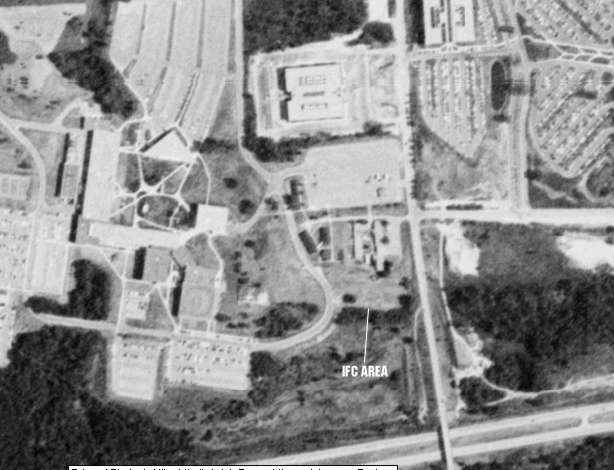
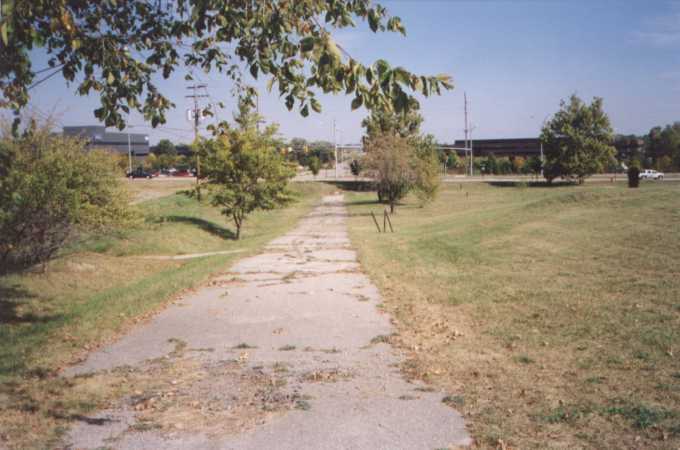
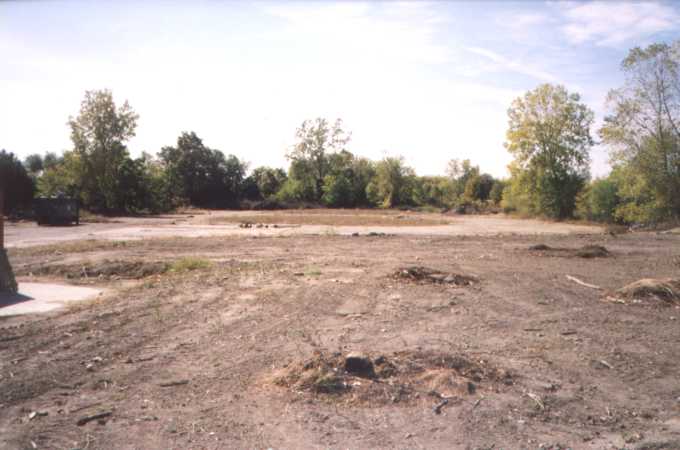
The official national inventory compresses the control-site condition to "Obliterated; Oakland Community College." That summary correctly captures the broad outcome but loses the sequence. The college initially reused existing base structures, then redeveloped the campus over many years. The original radar, guidance, and tactical-control equipment was removed during deactivation. Military and early campus buildings did not all disappear at once.Field observers writing in 1999 reported that the IFC buildings had been demolished and that an access road and scattered debris remained. Those observations are useful evidence for the late twentieth-century condition. They are not a current survey. Subsequent campus construction, paving, landscaping, utility work, and building projects may have changed or removed traces that were visible then.
The current condition is best described as an active college campus occupying the former IFC property. No verified Nike radar or control building remains above ground. Modern academic buildings, roads, parking, landscaping, and utilities define the site. The official Oakland Community College history confirms the former-base identity, while the college archives preserve records of the institution's early development.
Future research should compare Army as-built drawings with early OCC site plans and building records. That work could identify which military structures were refurbished, how long they survived, and which modern campus features overlap the radar, command, cantonment, and utility areas. Without that overlay, a current building should not be labeled as a reused Nike structure merely because it stands within the former IFC tract.
What Happened to the Launcher
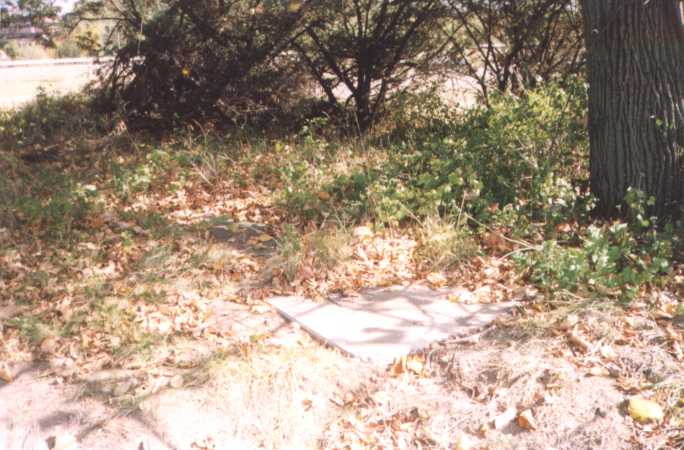
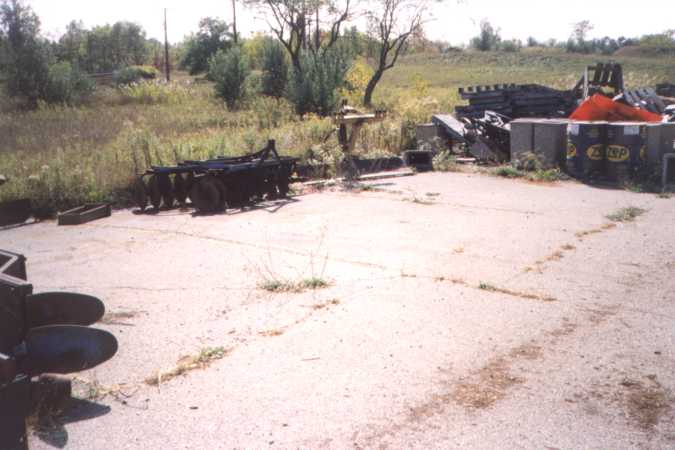
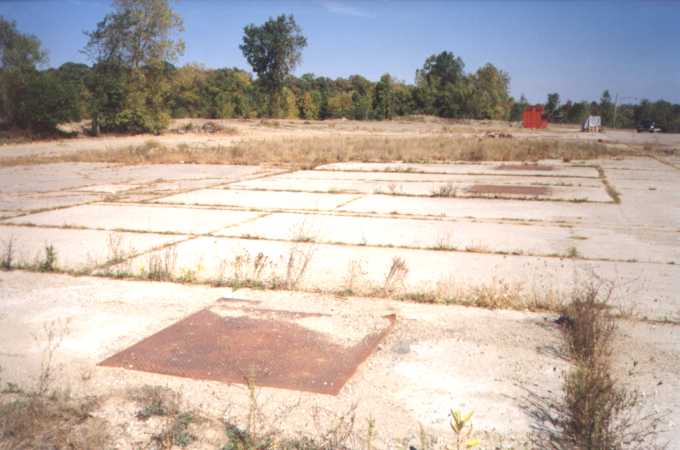
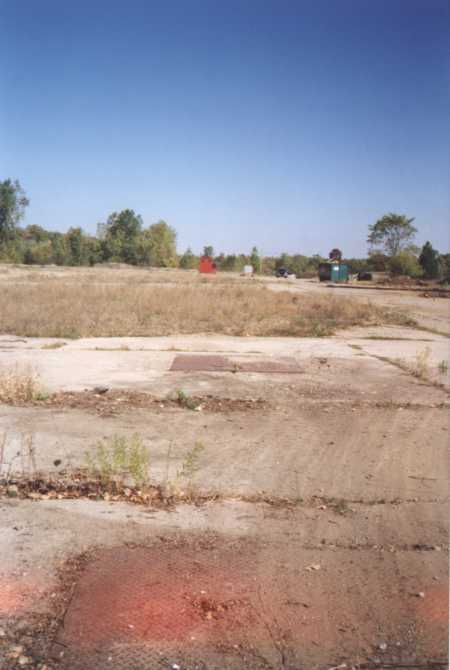
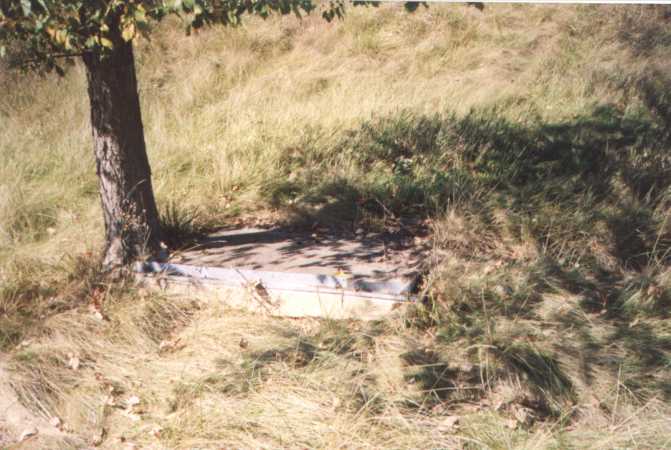
The launcher had a different post-service path. Older field reports describe the magazines as filled and the original buildings as demolished. Observers in the late 1990s reported concrete launch pads, blast-deflector plates, rail mounts, a fueling berm, a winch boom, an acid-fueling pit, roads, foundations, and discarded electrical panels. These details describe a partially legible industrial landscape after the missile equipment had gone.An October 2007 observer reported that an emergency medical center had been built over the launcher area, reportedly in 2004, with only a few deflector plates still visible behind it. Oakland Community College independently states that CREST was completed in 2004. Taken together, the two records strongly suggest that emergency-services development overlapped the former launcher tract.
The current condition is an active college and emergency-services training environment. No operational magazine, elevator, launch rail, fueling facility, or Nike support building has been verified above ground. The older reports of pads, deflectors, rails, pits, and berms must remain time-qualified. Campus development may have removed, buried, covered, or incorporated individual features.
Environmental Investigation and FUDS Status
The Department of Defense identifies former D-97 as a Formerly Used Defense Site. Older Corps of Engineers inventory material lists the Oakland Community College property under FUDS project number E05MI0120 with building demolition or debris removal and hazardous, toxic, or radioactive waste project categories. Michigan's July 2026 Superfund project-assignment list still includes Nike D-97 Oakland Community College in Auburn Hills under state and federal coordination.The Department of Defense's fiscal-year 2025 cleanup-status table identifies the D-97 property by federal facility identifier MI59799F227200. It lists two Installation Restoration Program projects, no Military Munitions Response Program projects, and a projected final response complete date in fiscal year 2037. The table reports costs through fiscal year 2024 and projected costs from fiscal year 2025 to completion.
Those program entries require careful interpretation. Active FUDS status means investigation, response, documentation, monitoring, or closeout work remains within the federal program. It does not by itself establish a present exposure, an immediate hazard, unexploded ordnance, or unsafe campus use. The table's zero MMRP projects is also significant: the current summary does not list a separate military-munitions response project at D-97.
A 2014-era sustainable-remediation presentation described a supplemental site inspection and a Green and Sustainable Remediation checklist at D-97 as near completion. That document records progress at one stage. It did not close every project at the property, as shown by the later federal and Michigan listings. The history therefore distinguishes completion of a particular investigation task from final property-wide response completion.
The environmental record is part of D-97's continuing history because Ajax operations used fuels, oxidizers, solvents, petroleum products, generators, maintenance shops, vehicles, batteries, and other materials.
Current Component Conditions
The former D-97 IFC is integrated into Oakland Community College's Auburn Hills campus. The Nike radar, guidance, and tactical-control equipment is gone, and no original IFC building has been verified as surviving above ground. Modern academic buildings, roads, parking, utilities, and landscaping occupy the setting. Older reports of an access road or debris are historical observations and are not assumed to describe 2026 conditions.The former D-97 launcher is also within the campus environment, in the area associated by historical observers with the emergency-services complex completed in 2004. Original launcher buildings were demolished, the magazines were reported filled, and no operational Nike feature survives. Some pads, deflector plates, rail mounts, fuel-handling traces, and foundations were reported between the late 1990s and 2007, but their present survival has not been verified.
The college remains active and is planning renovation and expansion of the Emergency Services Academy.
Chronology
- 1954-1955 Land acquisition, design, construction, equipment installation, unit preparation, and acceptance occur within the broader development of Detroit's first Nike Ajax ring. Exact D-97 milestones within this interval require the Detroit District construction and property records.
- 1955 D-97 opens at Auburn Heights. The official inventory and the City of Auburn Hills timeline agree on the year. Battery D, 516th Antiaircraft Artillery Missile Battalion is the first site-specific firing organization identified in the reviewed record.
- Late spring 1956 Harry Otto arrives at D-97 after basic training. He maintains diesel backup generators and serves with Battery D, 516th Antiaircraft Artillery Missile Battalion.
- 1956-1957 Otto recalls continuous staffing, frequent alerts, buried communications cable, underground magazines and elevators, Ajax missile replacement work, and a base with headquarters, barracks, mess, recreation, motor-pool, and support functions.
- December 1957 Otto leaves the Army. His dated service provides direct evidence that the 516th battalion still operated D-97 through late 1957.
- 1958 Secondary unit records place Battery D, 18th Antiaircraft Artillery Missile Battalion at Auburn Heights during part of the year. Around September, Battery D, 4th Missile Battalion, 3rd Artillery assumes or is redesignated into the D-97 mission. Exact transfer dates remain subject to primary-order verification.
- 1959 Nearby selected Detroit batteries continue or complete conversion to Nike Hercules. D-97 remains an Ajax-only installation with one B-type and two C-type magazines, thirty-missile allowance, and twelve Ajax launch positions.
- 1962-1963 Interstate 75 is constructed through Pontiac Township near the site, changing the surrounding access and development pattern during D-97's final operational period.
- February 1963 D-97 ends operational service. Missile, radar, guidance, classified, and reusable equipment is removed as the Army consolidates the Detroit defense around fewer Hercules batteries.
- June 8, 1964 Oakland County voters establish and fund Oakland Community College.
- 1964 Oakland Community College purchases three campus properties, including the former Auburn Heights Nike base. Existing military structures are refurbished for educational use.
- September 1965 Oakland Community College opens its Auburn Hills and Highland Lakes campuses with 3,860 students. The former missile base begins its long civilian life as a public college.
- Late 1990s Field observers report the IFC buildings demolished. At the launcher, filled magazines and removed buildings coexist with reported pads, deflectors, rails, fuel-handling traces, roads, foundations, and scattered equipment. These are dated observations, not a current inventory.
- 2001 A federal FUDS inventory lists Oakland Community College / D-97 under project number E05MI0120.
- 2004 Oakland Community College completes the Combined Regional Emergency Services Training facility. Later field reporting places this development over or immediately within the former launcher setting.
- October 2007 A field observer reports only limited launcher traces behind the emergency medical or training development. Exact feature survival is not professionally surveyed in the reviewed record.
- 2014 era A sustainable-remediation presentation records a supplemental site inspection and Green and Sustainable Remediation review at D-97 as nearing completion. This is one stage in the continuing property program.
- Fiscal year 2025 The Department of Defense cleanup-status table lists D-97 with two active Installation Restoration Program projects, no Military Munitions Response Program project, and projected final response completion in fiscal year 2037.
- 2026 Oakland Community College renames CREST as the OCC Emergency Services Academy. Renovation and expansion are in design. Michigan's July 2026 project list continues to identify Nike D-97 Oakland Community College under federal and state cleanup coordination.
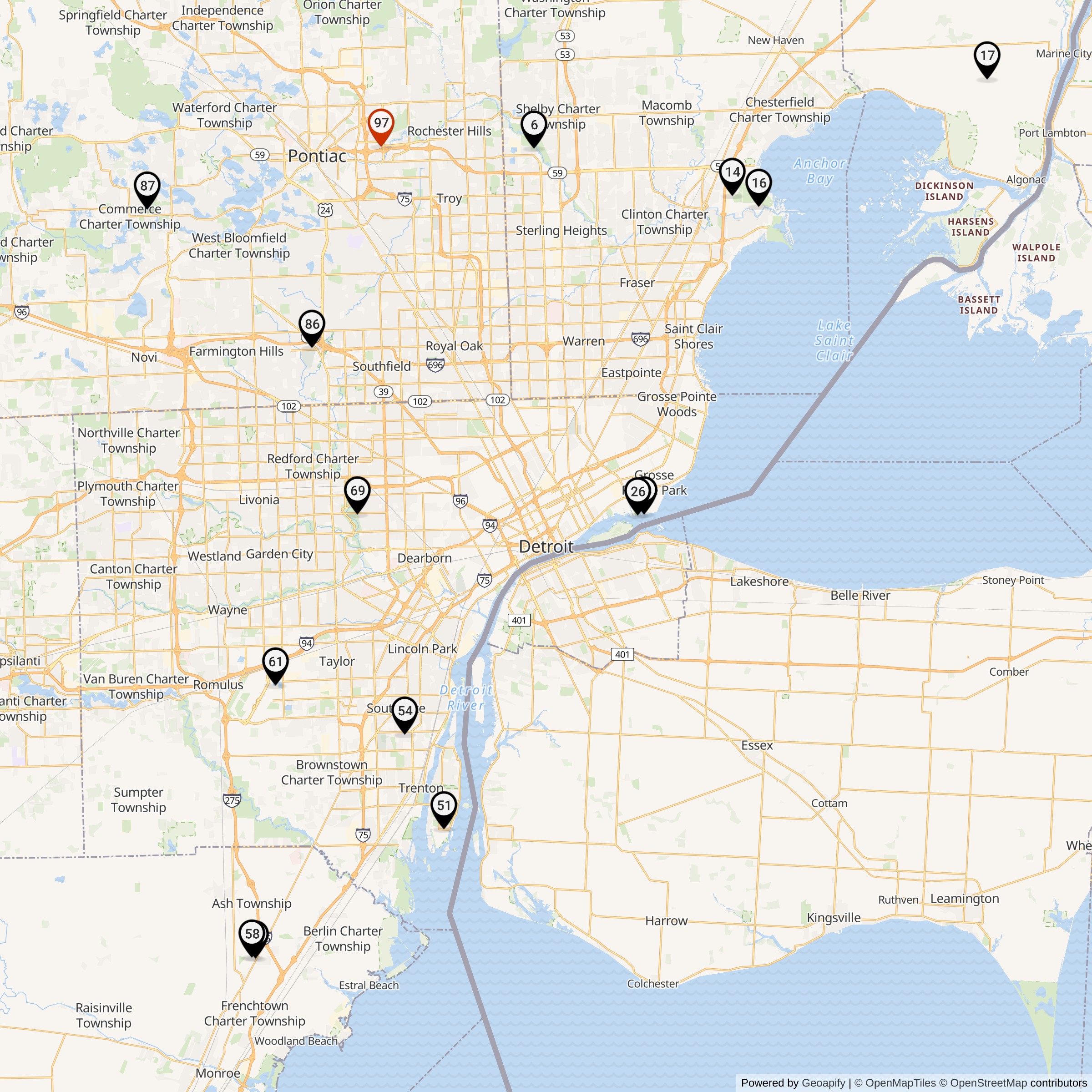
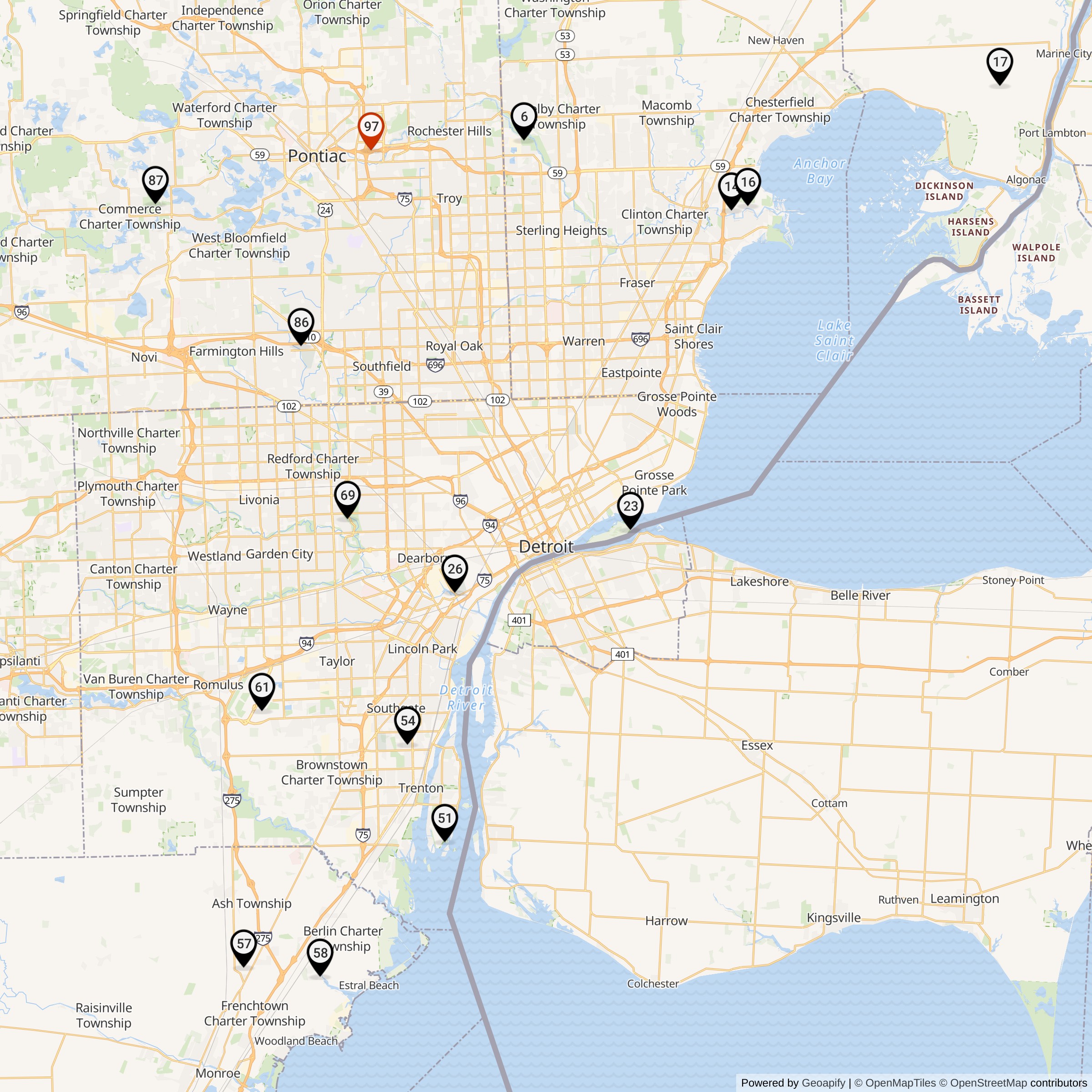
List of all Nike Installations in Michigan
Sources & References
- PDF Defend and Deter: The Legacy of the United States Cold War Missile Program (39.9 MB) - Official national context and inventory entry for D-97
- PDF U.S. Army Toxic and Hazardous Materials Agency. Nike Missile System Sites in the United States (3.2 MB) - National system history, unit evidence, and property references
- PDF City of Auburn Hills. Auburn Hills Timeline. ( MB) - Local confirmation that the Nike base opened on Featherstone Road in 1955
- PDF U.S. Army Corps of Engineers. Formerly Used Defense Sites Inventory, Michigan ( MB) - Historical listing of D-97 / Oakland Community College under project number E05MI0120
- WEB Oakland Community College. College History. - Official institutional chronology for the college establishment
- WEB Jefferson City News Tribune. "Osage County veteran drafted during Cold War, worked with Nike missiles," March 21, 2022 - Harry Otto's D-97 service
- WEB Ed Thelen Nike locations archive, Michigan section. - Time-qualified field observations for the D-97 IFC and launcher