Nike Missile Site D-87 IFC, Commerce / Union Lake Michigan
Longitude: -83.472279189711
This location was part of the Detroit Defense Area
Site ID: D-87
This site controlled the missiles at the Launch Area located here.
Site Role: IFC
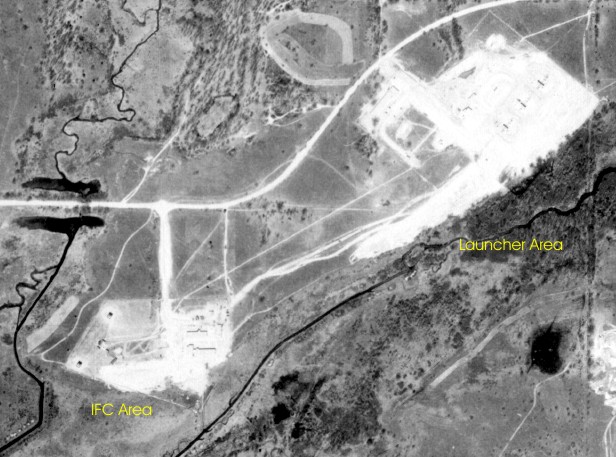
A typical Nike air defense site consisted of two separate parcels of land. One area was known as the Integrated Fire Control (IFC) Area. This site contained the Nike system's ground-based radar and computer systems designed to detect and track hostile aircraft, and to guide the missiles to their targets.
The second parcel of land was known as the Launcher Area. At the launcher area, Nike missiles were stored horizontally within heavily constructed underground missile magazines. A large, missile elevator brought the Nikes to the surface of the site where they would be pushed across twin steel rails to one of four satellite launchers.
Elaboration on how Nike worked here.
Missile Type: Ajax/Hercules
The Nike Ajax was the first in the Army's family of guided missiles, and the world's first operational, guided, surface-to-air missile system. Nike Ajax had a burnout speed of Mach 2.3, a range of 25-30 miles, and a ceiling of 65,000 feet.
Designed to carry either nuclear and/or high-explosive warheads, the Nike Hercules missile could attack supersonic aircraft operating at altitudes in excess of 150,000 feet and at a range of more than 87 miles.
Battery Type: single
Date Site Converted to Hercules Missile: October 12, 1959
Nike Hercules were more powerful and nuclear capable missiles. Many locations originally built for the Ajax were later modified and upgraded to the newer Hercules.
Current site status: partially intact
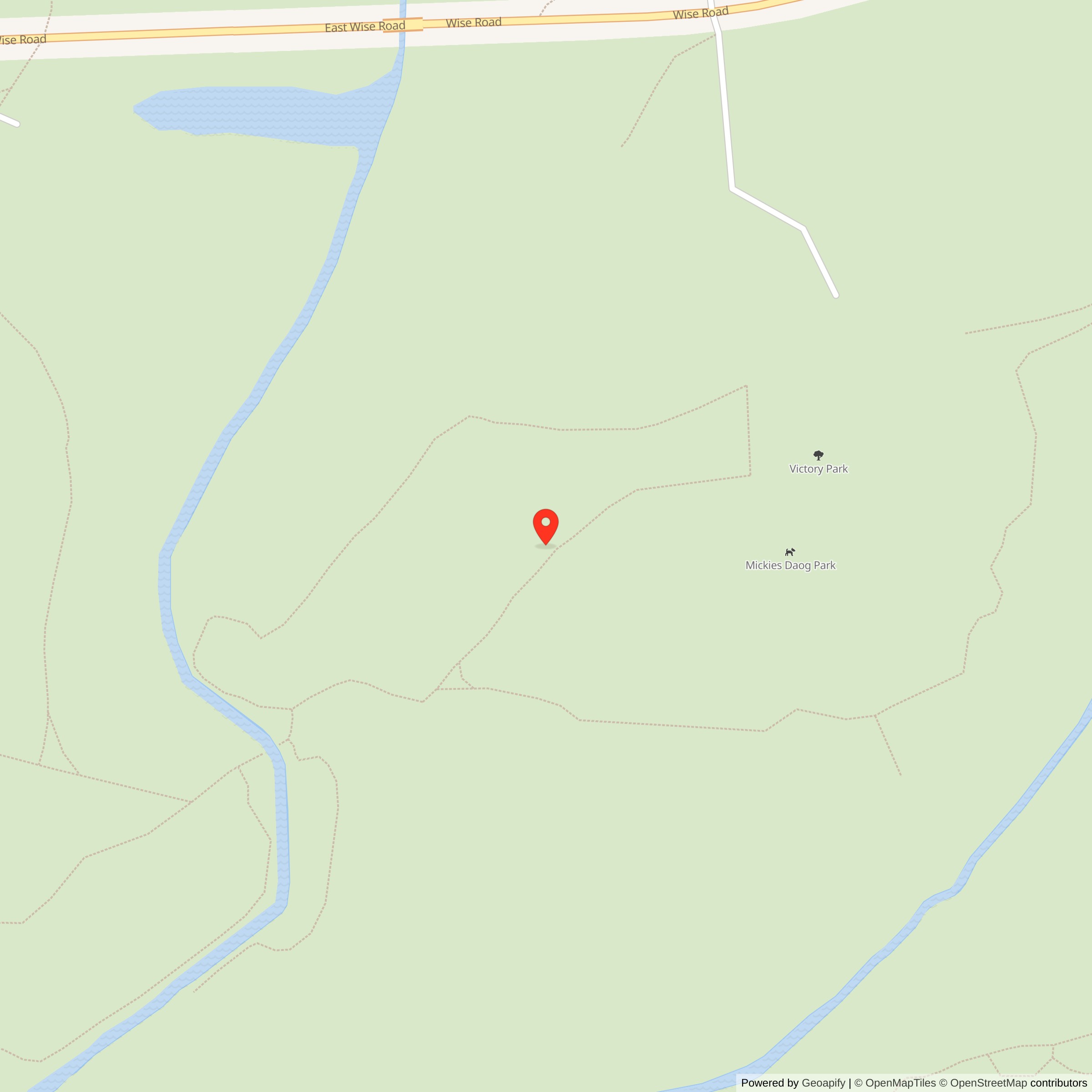
The land where D-87 once waited for Soviet bombers is now called Victory Park. The name is an unexpectedly fitting afterlife for a weapon system named for Nike, the Greek goddess of victory. Yet the more important contrast is chronological. D-87 entered service with Detroit's first generation of Nike Ajax batteries in January 1955, converted to Nike Hercules in 1959, and remained on alert until April 1974. It was both one of the defense area's earliest operational sites and one of its final three survivors.
That long service gave D-87 two distinct military lives. The Ajax battery began with liquid-fueled missiles, thirty-missile capacity, and a dense ring of neighboring sites. The Hercules conversion added a larger solid-fueled missile, High-Power Acquisition Radar, improved electronic-countermeasures capability, and a nuclear-capable mission. As most Detroit Nike sites closed, D-87's greater range allowed it to cover more territory from the metropolitan fringe. By the final years, Commerce shared the remaining Detroit mission with D-06 at Utica and D-58 at Newport.
The installation also had a remarkably legible post-military life. Michigan had owned the surrounding recreation land before the Army arrived and leased approximately sixty-six acres to the Department of Defense. After closure, the state reused buildings as Camp Proud Lake and for youth programs. The launcher was demolished around 1994. The IFC survived longer, only to be damaged by abandonment, vandalism, and fire before Commerce Township acquired the land and removed the remaining military buildings in 2012. The former parcels are now public parkland. Their history survives through roads, foundations, subsurface traces, photographs, archives, and the stories of soldiers such as Michael Willie, who ran launch control there in 1968 and 1969.
Location and Site Identity
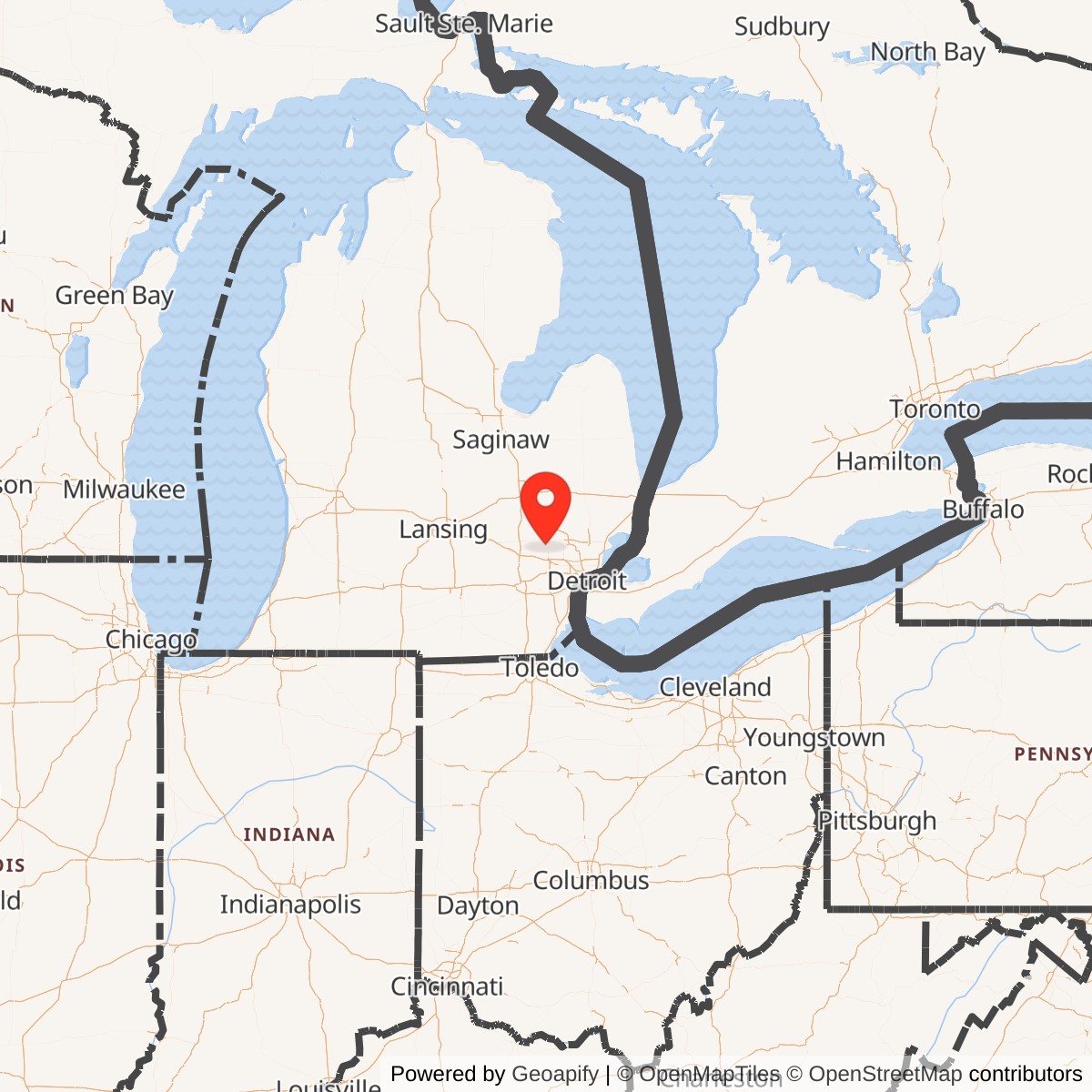
Nike D-87 stood south of Wise Road in Commerce Township, Oakland County, Michigan, near the community historically identified as Union Lake. Period and later sources call it Commerce, Commerce Township, Commerce/Union Lake, or Union Lake. These are alternate place labels for the same Nike battery, not separate installations.The IFC occupied the western part of the installation, south of Wise Road and just east of Carroll Lake Road. The launcher lay farther east, also south of Wise Road. The dedicated D-87 history describes the separation as approximately one mile.
Why Commerce Township Mattered
D-87 occupied the northwestern arc of the Detroit Defense Area. Its mission was not to defend Union Lake alone. Detroit and its suburbs formed one of the most strategically important industrial regions in North America. Automobile plants could produce military vehicles and engines. Steel, chemical, electrical, machine-tool, aviation, and ordnance facilities supported national mobilization. Railroads, highways, airports, power networks, Great Lakes shipping, and the Detroit River tied those factories to a continental production system.Air-defense planners expected a hostile bomber force to approach the metropolitan target complex from more than one direction. A battery on the northwest fringe could help intercept aircraft before they reached the dense industrial core. D-87 overlapped with D-86 at Southfield, D-06 at Utica, D-97 near Auburn Heights, and the other batteries encircling Detroit, Selfridge, the river corridor, Wayne County Airport, and the downriver plants.
Commerce Township was still comparatively rural when the Army built D-87. That landscape offered room for underground magazines, secure perimeters, radar line-of-sight, access roads, utilities, and separation between the IFC and launcher. It also allowed the battery to stand far enough from the urban core to engage approaching bombers while remaining integrated into the Detroit command network.
The setting mattered again after closure. Because the Army had leased state recreation land rather than permanently transforming a dense urban parcel, the property could return to conservation, youth programming, and public outdoor recreation. D-87's afterlife was therefore shaped by the same woods, open ground, wetlands, and streams that had made the location attractive for a dispersed missile battery.
Construction and Activation
The Michigan Department of Natural Resources' Proud Lake Recreation Area planning history states that the state leased approximately sixty-six acres to the Department of Defense in the 1950s for D-87. National Archives at Chicago finding aids identify Detroit District drawings for "Commerce Nike, Site D-87, 1954-1956" in Record Group 77, box 85. Together, those records place land control and construction in the 1954-1956 period.The dedicated site chronology and Detroiturbex history give January 1955 as the operational activation date. The official Defend and Deter inventory records the opening year as 1955.
Building an Ajax battery required far more than pouring three concrete rooms. Engineers graded access roads and fenced compounds; excavated and waterproofed underground magazines; installed elevators, rails, doors, launchers, electrical distribution, drainage, fuel-handling facilities, and utilities; erected radar mounts and control buildings; and connected the two components by dedicated communications. Soldiers then had to accept equipment, align radars, test launch circuits, establish security, receive missiles, and demonstrate readiness.
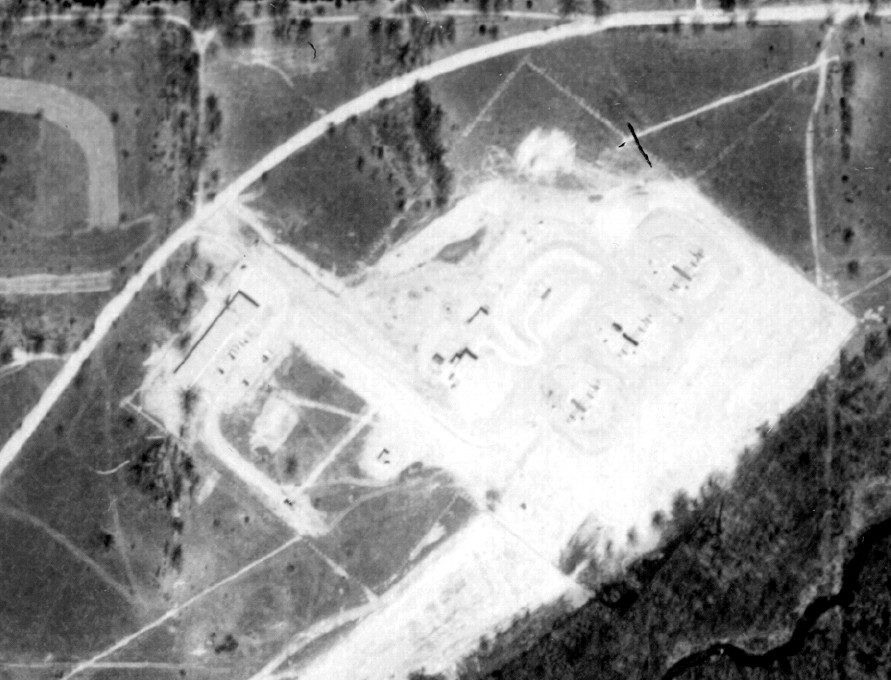
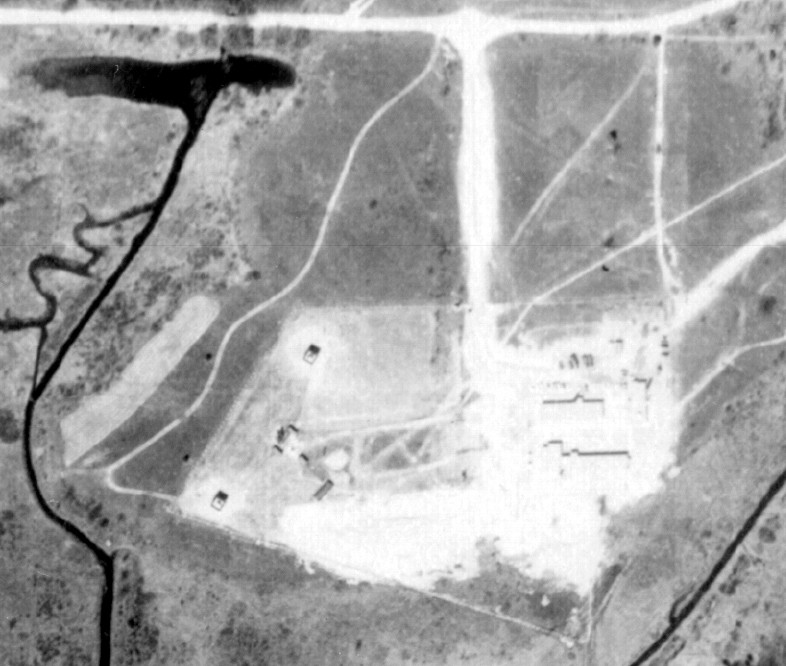
The D-87 photographic record includes 1956 aerial views of the complete installation, the launcher, and the IFC. These are especially valuable because they show the site near the beginning of operations, before Hercules conversion added the larger radar and altered launch equipment. The National Archives box should contain the most authoritative plans for reconstructing the original construction sequence and property limits.
Physical Layout
D-87 followed the standard separated Nike pattern. The IFC was the radar, computation, command, and guidance half. The launcher was the storage, assembly, maintenance, fueling, and firing half. Dedicated wire or radio links allowed them to function as one weapon system.In the Ajax period, the IFC used acquisition radar to search for aircraft, a target-tracking radar to follow the selected target, and a missile-tracking radar to follow the outgoing missile. An analog computer compared target and missile tracks, calculated the intercept, transmitted steering commands through the missile-tracking radar, and issued the burst command when the missile reached the calculated lethal point.
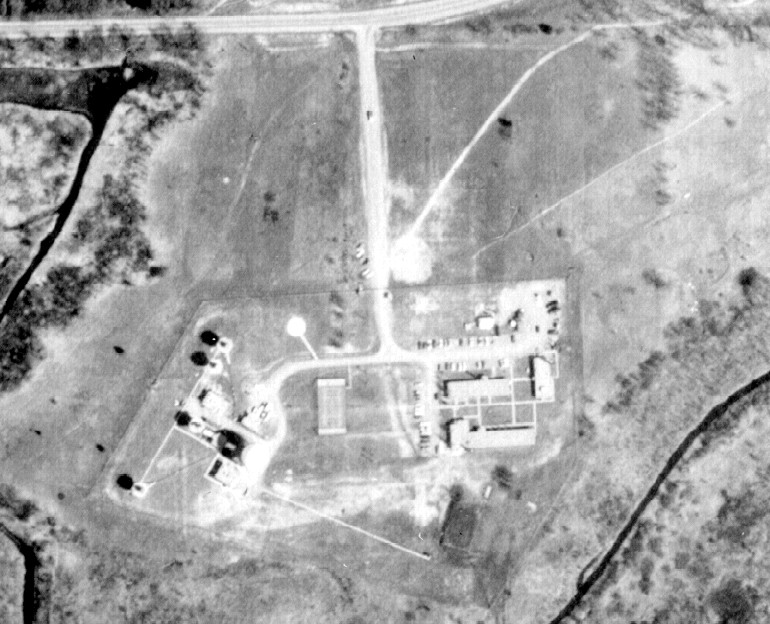
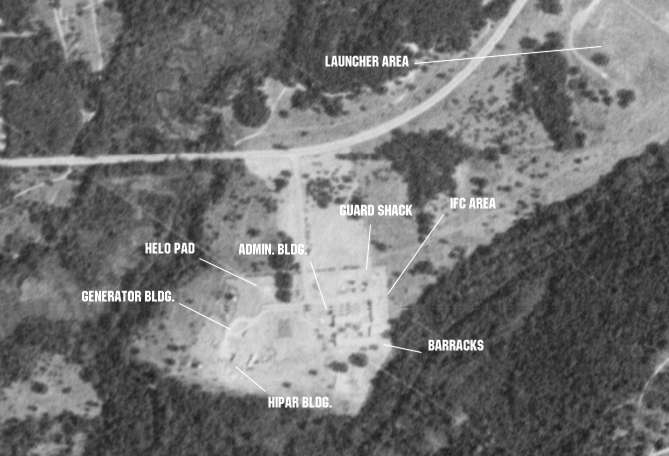
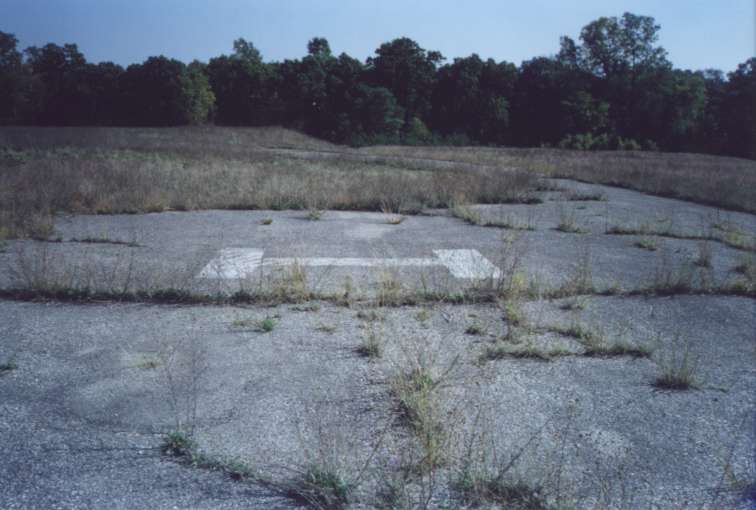
The IFC also contained far more ordinary facilities. Later photographs (see below) identify a guard shack, administration building, barracks, generator building, radar equipment structures, parking and internal roads, and a helicopter landing pad. Later Hercules equipment included a High-Power Acquisition Radar, or HIPAR, on a substantial platform. A 1967 aerial shows the Hercules-era radar additions, including the target-ranging capability used against electronic jamming.
The launcher contained one B-type and two C-type underground magazines. Each magazine was a horizontal storage-and-handling structure with an elevator, not a vertical strategic-missile silo. Missiles were stored below grade on rails. Crews raised a missile to the surface, moved it along rails, and positioned it on a surface launcher. The launcher compound also required an assembly and test building, generator and control functions, security, access roads, and missile-handling pavement.
Ajax used a liquid-fueled sustainer and a corrosive oxidizer. Fueling and neutralization therefore required specialized equipment, protective earthworks, strict procedures, and trained crews. Hercules used solid fuel and removed much of that liquid-fuel hazard, but the larger missile demanded launcher and elevator modifications, different handling equipment, new electronics, and stronger acquisition and tracking capability.
Configuration and Decoded Meaning
The corrected D-87 configuration is: Nike 1B,2C/18H,30A/12L-U,(10L-H)The `1B,2C` portion means one B-type and two C-type underground missile-storage magazines. The letters identify construction variants within the Nike magazine family. They do not indicate separate batteries. Together the three magazines formed one D-87 launcher complex.
The `30A` portion records the site's Ajax allowance or capacity of thirty missiles. It should not be read as proof that thirty Ajax missiles were present every day. Missiles could be absent for maintenance, inspection, depot work, training, or transition. It does establish the designed Ajax scale of the battery.
The `18H` portion records eighteen Nike Hercules missiles in the later configuration. The Ajax and Hercules numbers describe successive system eras, not a normal combined inventory of forty-eight operational missiles.
The `12L-U` portion records twelve Universal launch positions. Universal launchers were adapted to support the Ajax-to-Hercules transition. The parenthetical `(10L-H)` means that ten launcher positions were converted or equipped for Hercules operation. The dedicated site record independently describes twelve Universal launchers with ten converted for Hercules, matching the official shorthand.
Hercules was nuclear-capable as well as conventionally capable. Open sources describing D-87 and the Detroit system associate the late battery with nuclear air defense, but the configuration code by itself does not document the exact warhead inventory on a particular date. This history therefore describes D-87 as a nuclear-capable Hercules battery. It does not assign a specific number, yield, or storage schedule without a site warhead record.
The Ajax Years and Early Units
The dedicated D-87 unit chronology identifies Battery D, 504th Antiaircraft Artillery Missile Battalion as the first firing organization, from January 1955 through June 1957. The Army historical unit table in the U.S. Army Toxic and Hazardous Materials Agency's Nike overview also associates the 504th battalion's Battery D with Commerce during the early period.In June 1957, Battery C, 18th Antiaircraft Artillery Missile Battalion assumed the site. That unit operated D-87 through the Army's 1958 artillery reorganization. In September 1958, the firing organization became Battery C, 4th Missile Battalion, 3rd Artillery. The redesignation did not create a new missile base. It changed the unit name while the same physical D-87 installation continued its mission.
Ajax readiness was labor-intensive. Launcher crews inspected elevators, rails, launchers, cable connections, generators, missiles, boosters, and the hazardous fueling system. IFC crews aligned radars, maintained vacuum-tube electronics, checked communications, and practiced simulated engagements. Security personnel guarded the magazines and controlled access. Mechanics, supply soldiers, cooks, clerks, and leaders supported an around-the-clock alert mission.
The battery did not fire live missiles over Commerce Township for practice. Former D-87 soldier Michael Willie told WDET that no missile was fired from the operational site while he served there. Nike units conducted live annual service practice at controlled missile ranges, while day-to-day home-station training relied on tests and simulated engagements. The absence of a combat launch does not mean the battery was inactive. Deterrence depended on the credible ability to launch if an authenticated order arrived.
Conversion to Nike Hercules
D-87 was selected for Hercules conversion as the Army reduced the dense Ajax ring to fewer, longer-range batteries. The official conversion appendix gives the strongest chronology. It lists D-87 with one B and two C magazines, construction from June 1958 through August 1959, and an operational-with-Hercules date of October 12, 1959.Those milestones explain a common date discrepancy. The dedicated D-87 page gives "August 1959" as the Hercules conversion date. That month matches the end of listed construction. Detroiturbex broadly states that the site was upgraded in 1959. The official table separates physical construction completion from operational acceptance.
Conversion work affected both components. At the launcher, crews and contractors adapted elevators, rails, launchers, missile-control connections, assembly and maintenance equipment, and handling areas for the much larger Hercules. Ten of the twelve Universal positions received Hercules capability. At the IFC, the improved system added HIPAR and other electronics for longer-range acquisition and resistance to electronic countermeasures.
Hercules changed the strategic character of the battery. It was larger, faster, solid-fueled, and longer-ranged than Ajax. Its nuclear capability was intended to break up bomber formations and compensate for radar limitations when several aircraft appeared as one target cluster. Its range also permitted the Army to close nearby Ajax-only sites while retaining coverage from Commerce, Utica, and Newport.
Hercules-Era Unit Succession
Battery C, 4th Missile Battalion, 3rd Artillery operated through the construction period and the October 1959 Hercules acceptance milestone. The dedicated chronology carries the unit to December 1960.Battery C, 3rd Missile Battalion, 517th Artillery then operated D-87 from December 1960 through September 1972. This long assignment covered most of the battery's Hercules life. It also means D-87 remained a Regular Army site while some other Detroit batteries transferred to Michigan Army National Guard units.
In September 1972, Battery C, 2nd Battalion, 3rd Air Defense Artillery assumed the final assignment and continued through April 1974. The title reflects the Army's later air-defense artillery nomenclature. The installation remained the same Commerce battery even as organizations were redesignated or replaced.
D-87 is sometimes described as a Michigan Army National Guard battery because the Guard operated several Detroit sites and two of the three final batteries were Guard-associated. The reviewed D-87 unit sequence, however, identifies U.S. Army organizations through closure.
Life on Alert
Michael Willie's account gives D-87 a human voice. He served at Union Lake in 1968 and 1969 and ran launch control. He described his job as ensuring communication between the launcher and radar area and summarized the responsibility with dark humor: he had the ability to "light the candle." His recollection captures how a seemingly routine communications task sat inside a chain that could culminate in the launch of a nuclear-capable missile.Willie also described the underground magazine as a large concrete room with rails and an elevator. The doors opened at the surface, and the elevator raised missiles for positioning or service. His account corrects the common mental image of a narrow vertical silo. D-87's magazines stored missiles horizontally and supported multiple surface launch positions.
Secondary accounts sometimes repeat that only eleven people were stationed at D-87. That number is not credible as the total complement of a continuously operating Hercules battery with launcher, radar, maintenance, security, administration, communications, and support functions. It may refer to a particular crew, shift, section, or interview sample.
Alert duty mixed repetition with consequence. Radar operators practiced target acquisition and tracking. Missile crews performed electrical and mechanical checks. Maintenance soldiers kept specialized equipment within tolerance. Guards controlled entry and patrolled sensitive areas. Officers and controllers trained on rules requiring authenticated orders and coordinated action between the IFC and launcher.
The work was dangerous even without combat. Ajax fueling exposed early crews to corrosive and toxic materials. Elevators, heavy missiles, high voltage, hydraulic equipment, rotating machinery, ladders, radar radiation, and winter ice all created hazards. Hercules removed the Ajax liquid-fuel process but introduced a much larger missile and the security demands of a nuclear-capable system.
Role in the Wider Military Network
D-87 was a local firing battery inside a regional and continental air-defense network. Its IFC could acquire, track, and guide an engagement, but target identification and allocation were coordinated through the Detroit Army Air Defense Command Post at Selfridge. Missile Master, and later Missile Mentor, assembled a broader tactical picture and helped prevent several batteries from engaging the same target unnecessarily.The higher command post did not guide D-87's missile directly in place of the local IFC. It assigned or coordinated targets. D-87's own radars still tracked the selected aircraft and missile, its computer calculated the intercept, and its crews executed the engagement sequence.
The Detroit Nike system also depended on Air Force warning and control. Long-range radar sites and the Semi-Automatic Ground Environment network detected and identified aircraft before they reached local Nike range. Interceptor aircraft and surface-to-air missiles were complementary layers. If hostile bombers penetrated the fighter screen, batteries such as D-87 formed the close-in missile defense of the metropolitan target complex.
D-87's northwestern position overlapped neighboring coverage. When D-86 and D-97 closed, Hercules range allowed Commerce to assume more responsibility for that sector. By 1974, only D-06, D-58, and D-87 remained active in the Detroit Defense Area. The official Defend and Deter history identifies those three as the last Detroit Hercules batteries.
The site thus represented a transition from many short-range Ajax positions to a smaller number of powerful Hercules sites. It also represented a strategic limit. Nike Hercules was designed primarily against aircraft and had only restricted capabilities against certain short-range ballistic missiles. It could not protect Detroit from a large intercontinental ballistic missile attack. As the Soviet threat shifted from bomber formations toward ballistic missiles, the mission's national priority declined.
Why D-87 Closed
The official national inventory and the D-87 unit chronology support April 1974 as the end of operational service. The dedicated D-87 page gives November 1974, and some later summaries repeat that month. The reviewed sources do not supply a November order or explain the difference.April fits the national closure of the remaining continental Nike Hercules batteries outside Alaska and Florida. It also matches the end of the final D-87 firing-unit assignment. November may reflect property administration, equipment removal, formal deactivation paperwork, a later ceremony, or a copied error.
D-87 did not close because one component suddenly failed or because the site had fired its missiles. It closed because the national air-defense system had changed. Soviet ballistic missiles posed a threat Hercules could not defeat on a continental scale. Bomber defenses were reduced. The Safeguard antiballistic-missile program followed a different architecture. Budget pressures and the end of the original ARADCOM mission eliminated the remaining fixed batteries.
Closure required removal of missiles, warheads, propellants, classified electronics, radar antennas, communications gear, vehicles, records, and reusable equipment. Buildings and concrete remained because the state owned the surrounding land and the facilities had potential nonmilitary uses. The former battery then began a second life within the Proud Lake recreation landscape.
Return to Michigan and Camp Reuse
The state had leased the D-87 acreage to the Department of Defense. A later Army environmental-history appendix lists D-87 in Oakland County as NARP, meaning not Army real property. That code documents real-estate status, not an environmental cleanup finding.Michigan Department of Natural Resources planning history describes the former site as part of the Proud Lake Recreation Area and associates the reused property with the Young Adult Conservation Corps and Camp Proud Lake. Secondary site histories place the camp conversion in 1984. Buildings originally designed for Army administration, barracks, dining, power, and technical support could be adapted for youth programming more readily than the underground launcher could.
The reuse record has overlapping names. Camp Proud Lake appears in state and site histories. A 1999 field account calls the IFC property Camp Oakland and describes a low-security alternative-sentencing program for juvenile offenders associated with Oakland County. Later summaries say the former base served as a day camp and alternative juvenile-offender program after 2002. These may represent successive programs, informal naming, or administrative overlap. Precise dates and operators require state and county records.
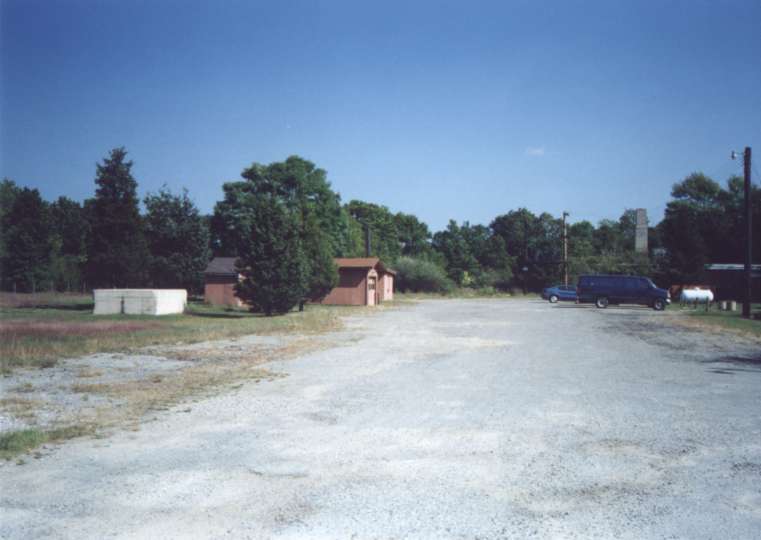
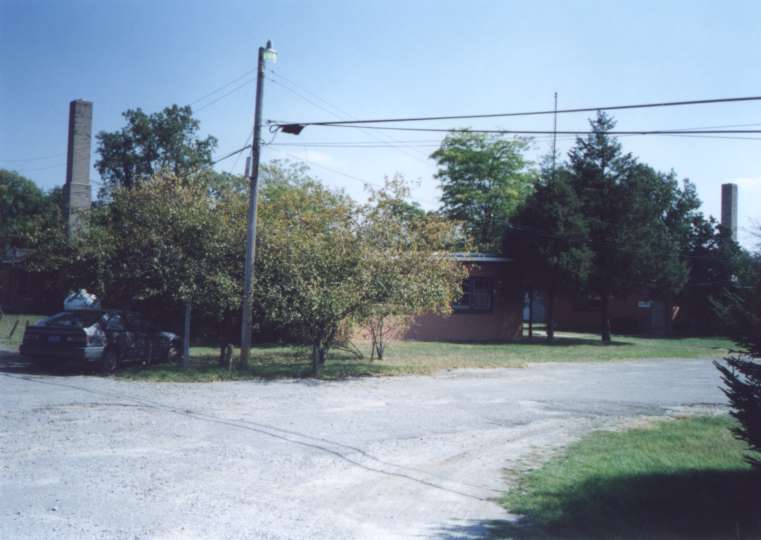
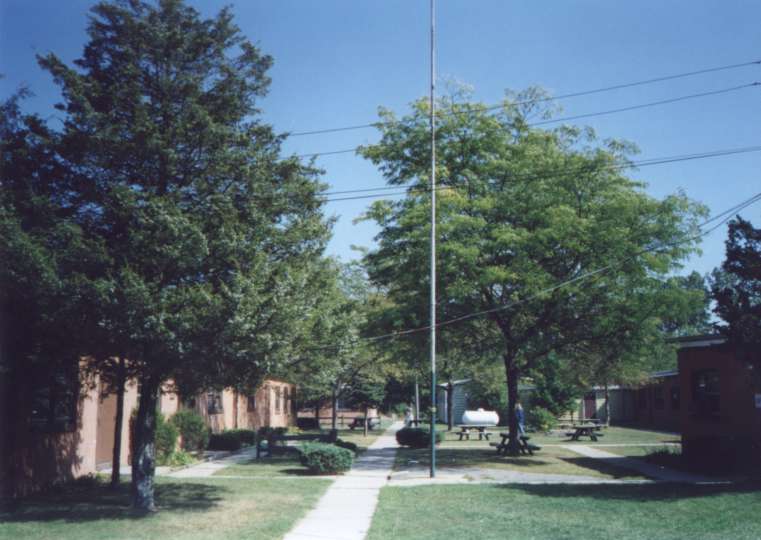
The important physical distinction is clear. The western IFC retained many buildings during the camp era, including the administration and barracks buildings, generator and HIPAR equipment buildings, guard shack, internal roads, and helicopter pad. Field observers in 1999 and 2002 reported the compound as substantially intact and in active reuse, although some technical structures stored miscellaneous equipment rather than serving their original purpose.
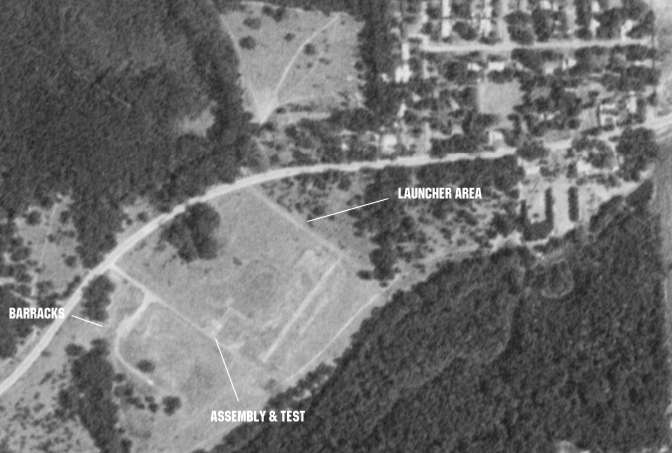
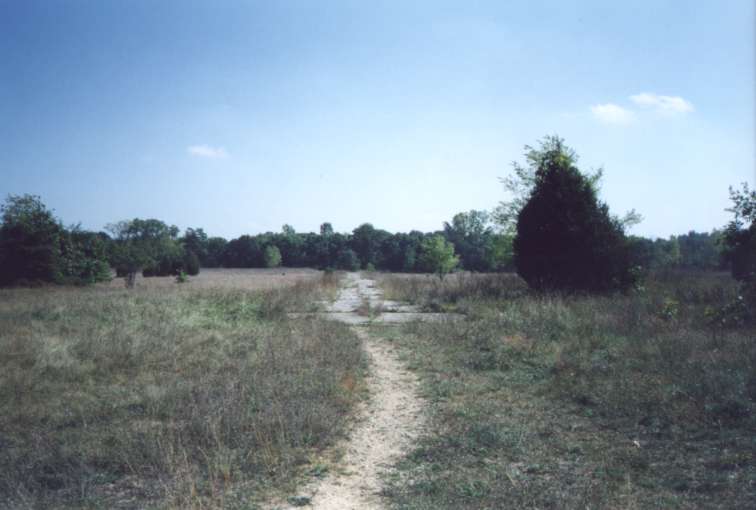
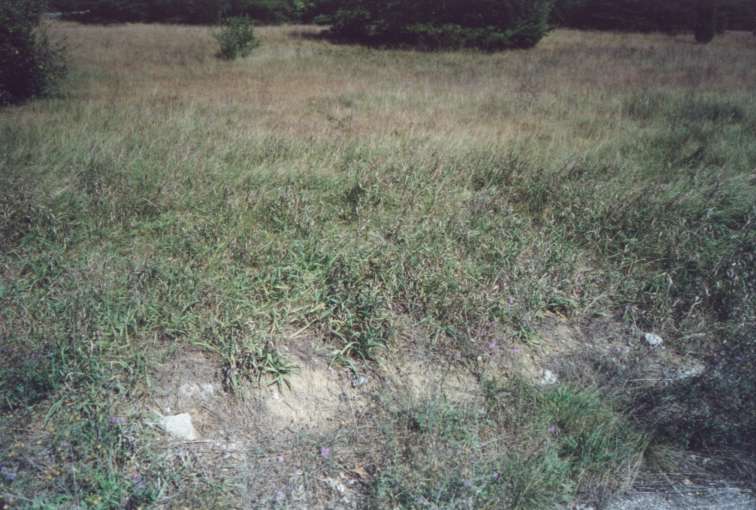
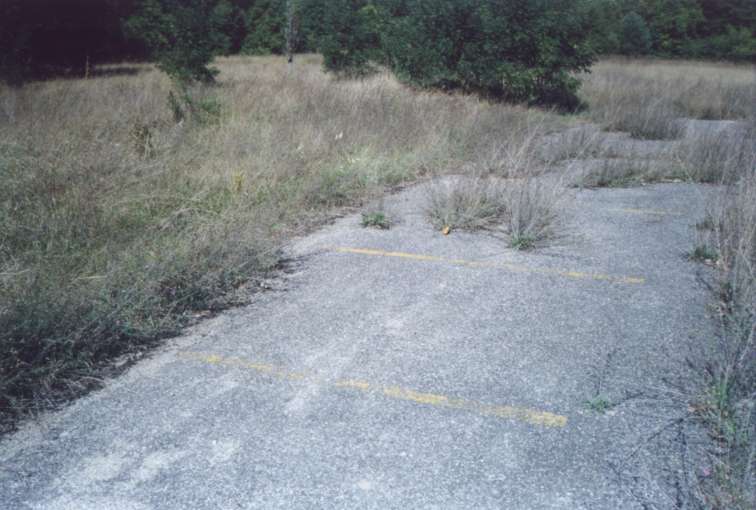
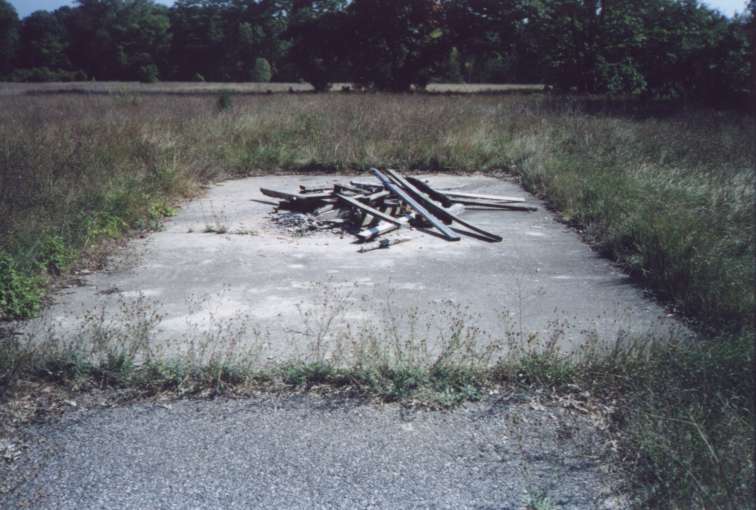
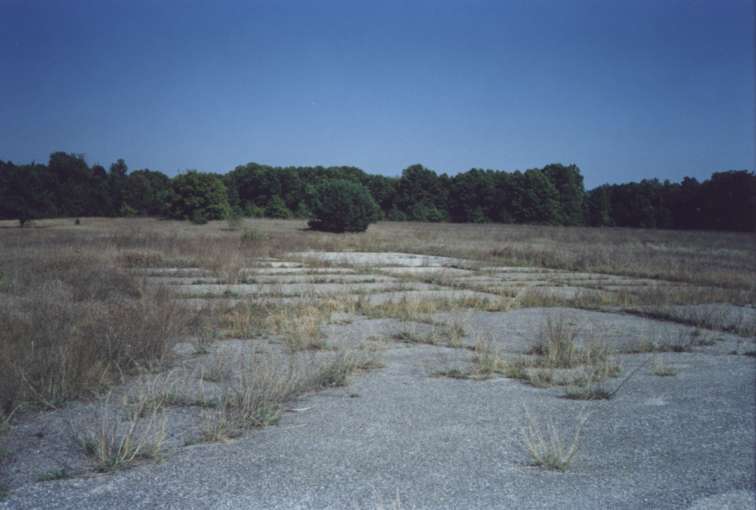
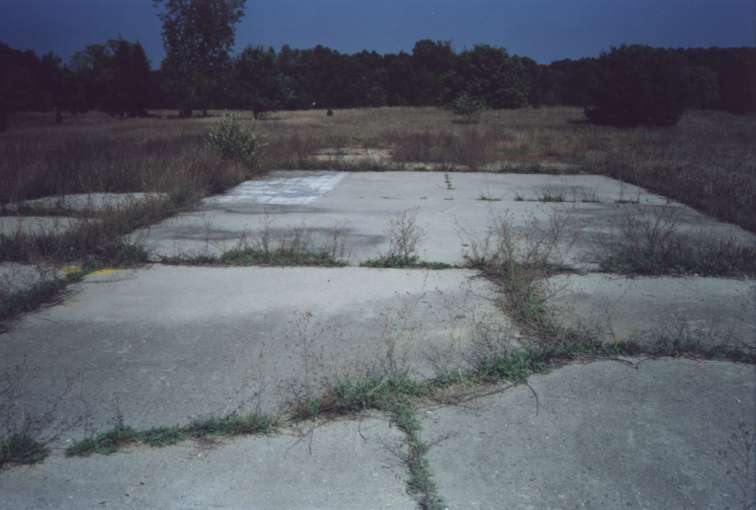
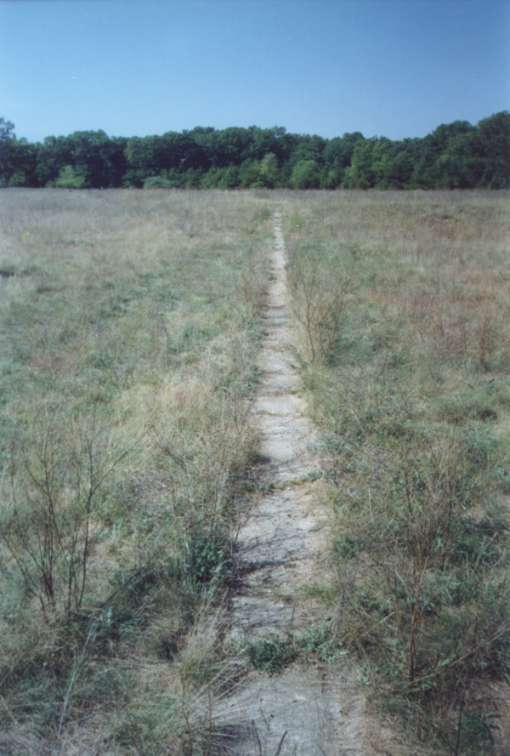
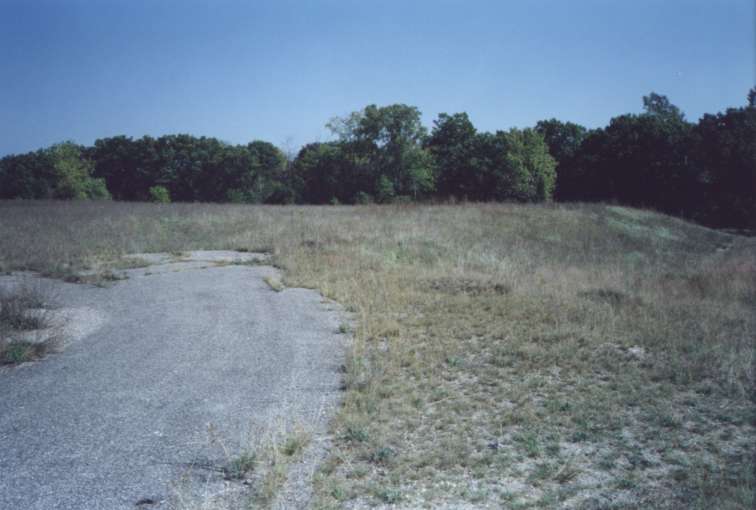
The eastern launcher did not share that level of survival. The dedicated history and Detroiturbex state that its launcher buildings and magazine complex were demolished around 1994. Later observers found an open tract with sections of asphalt road, concrete sidewalks, ventilation pipes, and foundations, including the assembly-and-test building foundation. Some accounts say magazines were filled with concrete before final demolition. The exact sequence should be checked against DNR and Corps of Engineers project files.
Abandonment, Fire, and Demolition
The camp and youth-program era ended by approximately 2008 or 2009. The IFC then stood vacant and vulnerable. Detroiturbex photographs document damaged but recognizable administration, barracks, cafeteria, generator, radar-support, recreation, and helicopter-pad features.A suspicious fire in June 2010 damaged several buildings. There were later reported repeated arson fires and open trespass.
Commerce Township acquired the larger Wise Woods and Victory Park property from the Michigan Department of Natural Resources in 2012 for public outdoor recreation. A township park history identifies 2012 as the acquisition year. Secondary reporting gives a purchase price of approximately $2.8 million for 502 acres. The township named the southern portion south of Wise Road Victory Park.
The township removed the remaining former IFC buildings in 2012. A September 2013 update confirms that the local government obtained a demolition grant and removed what remained the previous summer. The demolition ended the period when D-87 possessed a readily recognizable Nike cantonment and radar-support complex.
The result was not complete historical erasure. Roads, grading, foundations, buried utilities, concrete fragments, possible subsurface structures, the helicopter-pad trace, and a remaining power pole were reported afterward. Their survival has changed as the park has developed.
Victory Park
Commerce Township's official Victory Park history says the property includes the former Nike missile site, woods, open fields, streams, wetlands, and informal trails. Deed restrictions emphasize conservation and wildlife habitat while allowing active outdoor recreation in and around the former Nike area.The township's long-term plan has included trails, open space, soccer fields, a playground, splash pad, pavilion, restrooms, parking, and a dog park. Current township records show active development of the dog park and pavilion area during 2024 and 2025. These improvements give D-87 a public life very different from both the missile battery and the later fenced camp.
The park's military past still affects planning. In April 2022, the Parks and Recreation Committee discussed archaeological review and the need to locate above- and below-ground Nike structures. Staff were seeking site plans from the Corps of Engineers to narrow the survey area. In April 2025, the township approved an ASTI Environmental subsurface investigation at Victory Park for sinkhole mitigation.
The sinkhole investigation is evidence that subsurface conditions matter to current park management. It is not proof of contamination, a surviving missile magazine, unexploded ordnance, or a particular Nike-caused hazard. Likewise, archaeological interest does not establish that a feature is intact. Professional reports and as-built drawings are needed before connecting a depression, void, pipe, or buried concrete mass to a specific D-87 structure.
Current Component Conditions
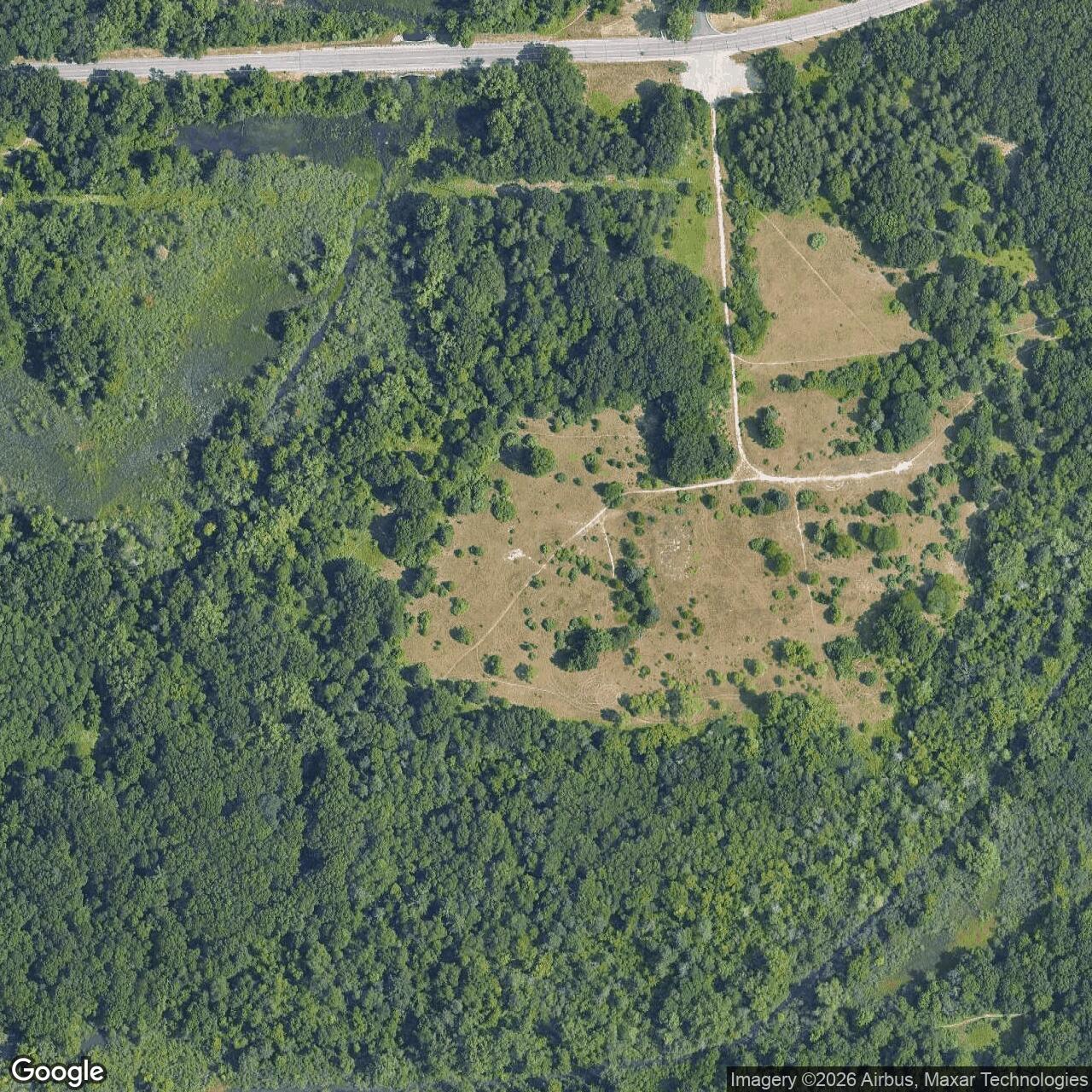
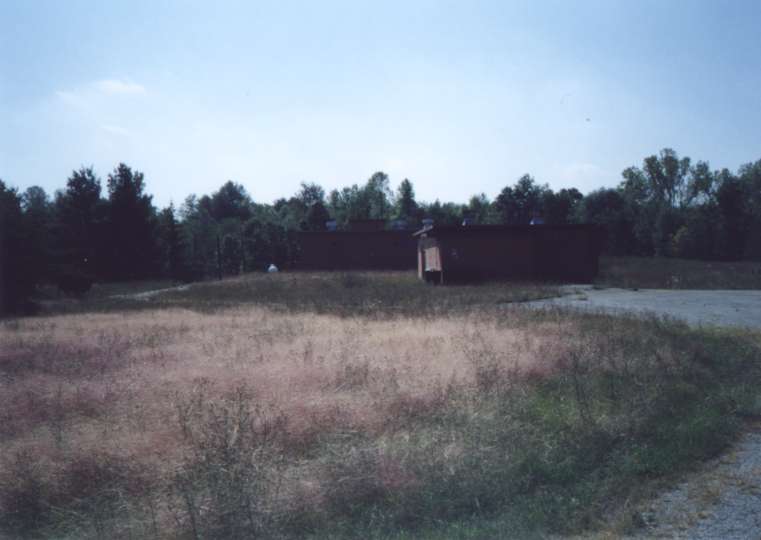
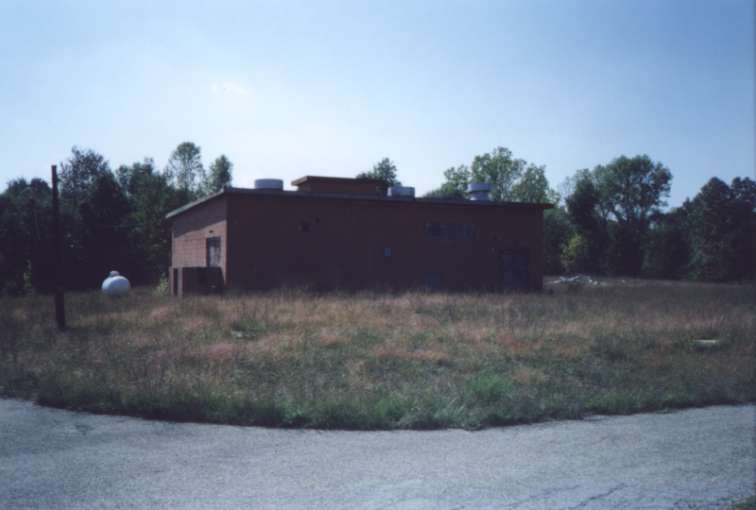
The former D-87 IFC lies in the western portion of Victory Park south of Wise Road, east of Carroll Lake Road. The Army radar and command equipment is gone. The camp-reused administration, barracks, generator, HIPAR equipment, guard, and support buildings survived into the early twenty-first century but were damaged by vandalism and fire and demolished in 2012. Public parkland, trails, open ground, and recreation development now occupy the setting. Surface traces such as roads, slabs, the helicopter-pad marking, utilities, or a power pole have been reported at different times, but no complete 2026 feature survey has been reviewed.The former D-87 launcher lies farther east within Victory Park. The three-magazine missile plant and launcher structures were demolished around 1994. Older field reports documented foundations, pavement, sidewalks, ventilation pipes, and road traces after demolition. Current park construction and subsurface investigation mean those older observations cannot be assumed unchanged. No operational launcher, elevator, magazine access, missile-support building, or launch pad has been verified as surviving above ground.
Both components are now township recreation property rather than Michigan DNR or Army property. The official township history supersedes the national table's stale `FDS` condition shorthand and older descriptions of an almost-intact DNR-owned IFC.
Chronology
- 1954-1956 Detroit District records identify Commerce Nike Site D-87 drawings for this period. Michigan leases approximately sixty-six acres of state recreation land to the Department of Defense. Construction, equipment installation, unit preparation, and acceptance occur within this broader interval.
- January 1955 D-87 begins operational service with Nike Ajax. Battery D, 504th Antiaircraft Artillery Missile Battalion begins the first site-specific unit assignment recorded by the dedicated chronology.
- 1956 Aerial photographs document the complete site, launcher, and IFC during the early Ajax period.
- June 1957 Battery C, 18th Antiaircraft Artillery Missile Battalion assumes the D-87 firing mission.
- June 1958 Hercules conversion construction begins according to the official conversion appendix.
- September 1958 Army reorganization redesignates the firing unit as Battery C, 4th Missile Battalion, 3rd Artillery.
- August 1959 The official conversion table records the end of D-87's Hercules construction period. This is the likely basis for the common "August 1959 conversion" shorthand.
- October 12, 1959 D-87 becomes operational with Nike Hercules according to the official converted-site table.
- December 1960 Battery C, 3rd Missile Battalion, 517th Artillery assumes the D-87 mission according to the dedicated site chronology.
- 1967 An aerial photograph documents the Hercules-era IFC with HIPAR and additional radar equipment.
- 1968-1969 Michael Willie serves at Union Lake and operates launch control. His later oral-history interview describes communications between the radar and launcher components and the underground magazines.
- September 1972 Battery C, 2nd Battalion, 3rd Air Defense Artillery assumes the final D-87 assignment.
- 1973 A period image documents the launcher in the foreground and IFC radar equipment in the background near the end of operational service.
- April 1974 D-87 ends operational service with the remaining continental Nike closures. Defend and Deter and the unit chronology support this month.
- November 1974 A dedicated secondary page gives this later deactivation month. No reviewed order reconciles it with the better-supported April operational endpoint.
- Post-1974 The property returns to state control within the Proud Lake recreation landscape. Missile, radar, warhead, and sensitive equipment is removed.
- 1984 Secondary histories place the opening of Camp Proud Lake at the former site. Michigan planning history associates the property with Young Adult Conservation Corps and camp use.
- June 6, 1988 Dated aerial imagery in the dedicated D-87 collection documents the former launcher and IFC during the post-military reuse period.
- Around 1994 The launcher buildings and magazine complex are demolished or filled. Foundations, pavement, sidewalks, pipes, and road traces remain visible in later field reports.
- By 1999 A field account describes the IFC as Camp Oakland, a juvenile alternative-sentencing or assistance facility on state recreation land. It documents substantial IFC survival and the already-demolished launcher.
- September 2002 A field observer reports the IFC buildings in good condition and reused for camp functions, with radar-support and generator buildings used for storage.
- Around 2008-2009 Camp or juvenile-program use ends, leaving the IFC vacant.
- June 2010 A suspicious fire damages several former IFC buildings after a period of vandalism and trespass.
- 2012 Commerce Township acquires Wise Woods and the future Victory Park from the Michigan Department of Natural Resources for public outdoor recreation. Remaining former IFC buildings are demolished with grant assistance.
- 2014 The township completes a long-term master plan for Wise Woods and Victory Park, emphasizing trails and passive recreation with active facilities in the former Nike area.
- August 24, 2015 WDET publishes Michael Willie's D-87 recollections and describes the former base as open, overgrown land with paths and a helicopter-pad trace.
- April 25, 2022 Commerce Township parks officials discuss archaeological survey needs and seek D-87 above- and below-ground plans from the Army Corps of Engineers.
- April 8, 2025 The township approves professional subsurface investigation at Victory Park for sinkhole mitigation.
- 2024-2025 Township records document dog-park, parking, pavilion, lighting, water, and related improvements in Victory Park.
- Present Both former D-87 components are public recreation land within Victory Park. The IFC buildings and launcher plant are gone. Roads, foundations, utilities, grading, or buried traces may survive, but their identities and current conditions require professional verification.
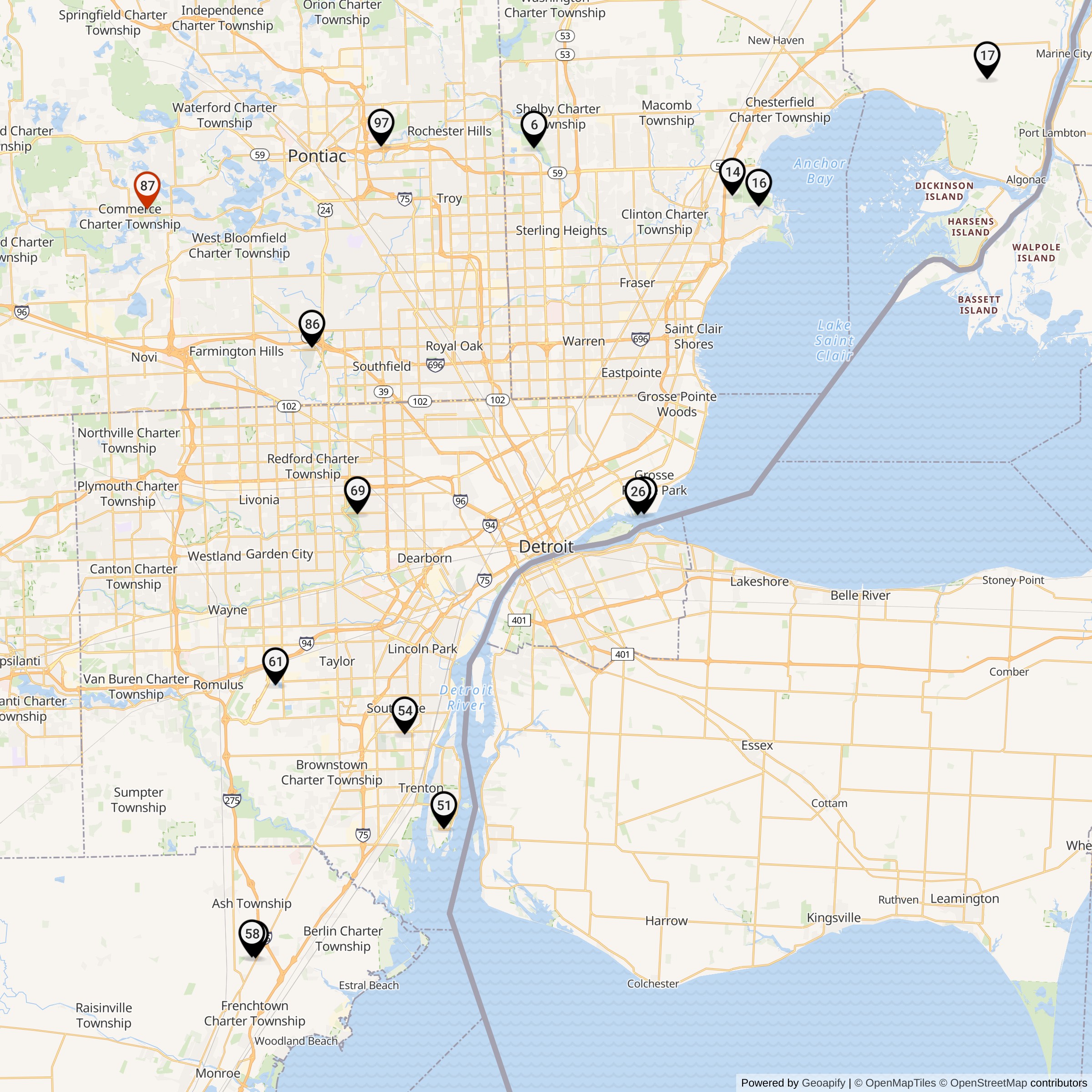
List of all Nike Installations in Michigan
Sources & References
- PDF Defend and Deter: The Legacy of the United States Cold War Missile Program (39.9 MB)The official national history identifies D-87 as a Detroit Defense Area battery at Commerce/Union Lake
- PDF U.S. Army Missile Command, History of the Nike Hercules Weapon System (5.98 MB) Ajax-to-Hercules engineering context, radar and launcher changes
- PDF U.S. Army Toxic and Hazardous Materials Agency, Historical Overview of the Nike Missile System (3.2 MB)The report's real-estate appendix identifies D-87 in Oakland County as not Army real property
- WEB National Archives at Chicago, Nike Missile Sites finding aid Record Group 77 identifies Detroit box 85 as "Commerce Nike, Site D-87, 1954-1956."
- PDF Michigan Department of Natural Resources, Proud Lake Recreation Area General Management Plan Official state planning history for the Defense Department lease, D-87 identity, and Camp Proud Lake / Young Adult Conservation Corps reuse.
- WEB Charter Township of Commerce, Victory Park Official source for the 2012 township acquisition
- PDF Charter Township of Commerce, Parks and Recreation Committee Minutes, April 25, 2022 Documents the archaeological-survey discussion and the search for plans showing above- and below-ground D-87 structures.
- PDF Charter Township of Commerce, Board Synopsis, April 8, 2025 Documents approval of ASTI Environmental's subsurface investigation for sinkhole mitigation at Victory Park.
- PDF Charter Township of Commerce, Board Minutes, April 8, 2025 Documents approval of ASTI Environmental's subsurface investigation for sinkhole mitigation at Victory Park.
- WEB Detroiturbex, Nike Missile Site D-87 Site-specific secondary history and photographic record
- WEB WDET, Laura Herberg, CuriosiD: When Detroit Was Armed with Missiles, August 24, 2015 Principal published oral-history source for Michael Willie's 1968-1969 D-87 service
- WEB Michigan Technological University, Military History of the Upper Great Lakes, Secondary synthesis and post-demolition photograph source.