
Naval Outlying Landing Field Gelderman, California
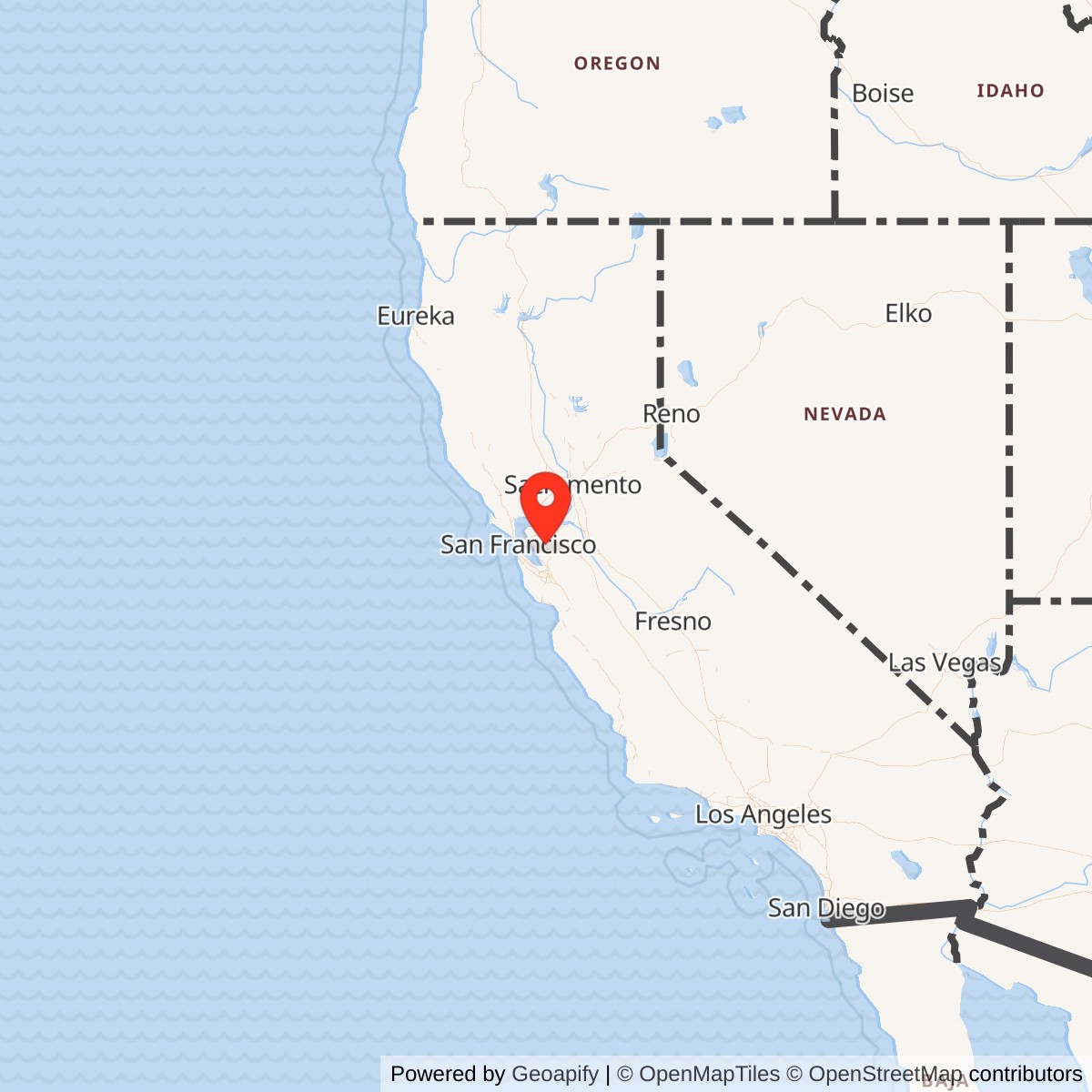
Longitude: -121.95
Current Role: Former NAS Livermore outlying landing field north of Dublin / San Ramon; documented in the 1944 Army/Navy Directory-derived list as NOLF Gelderman with a 2,200-foot sod runway at 37.75, -121.95. General current reuse is residential/non-aviation; no active Navy or airport use identified.
Naval Outlying Landing Field Gelderman was one of the smallest but most revealing pieces of Naval Air Station Livermore's World War II training system. It was not a full naval air station, and the available record does not show a major independent command, permanent barracks district, hangar line, or postwar Navy aviation career. Gelderman was a wartime sod outlying landing field. Its value came from one thing the Navy desperately needed during 1943 and 1944: more places where inexperienced pilots could practice the basic act of getting an airplane safely onto and off the ground.
The field was located north of Dublin, in the San Ramon-side landscape east of the Bay Area. Airfield-history research citing the 1944 U.S. Army and Navy Directory of Airfields identifies NOLF Gelderman as a Navy outlying landing field attached to NAS Livermore, with a 2,200-foot sod runway. That short runway and its rural location define the installation's identity. It was a simple training field, built or adapted for primary aircraft and repeated landing practice rather than heavy operational aircraft.
Gelderman belonged to a wider cluster of Livermore-associated fields whose names often came from local property owners, older civil airstrips, or rural landmarks. These fields were scattered across Milpitas, Pleasanton, Dublin, Tracy, Fremont, Livermore, and the surrounding valleys. Their wartime purpose was to extend the capacity of the parent station. Livermore could not safely absorb every training approach, touch-and-go, and emergency practice landing on the main field alone. Gelderman helped distribute that traffic.
Mission and Military Role
Gelderman's mission was to support primary flight training from NAS Livermore. The parent station handled command, administration, aircraft concentration, maintenance, and the main training infrastructure. Gelderman provided an auxiliary landing surface where students and instructors could practice away from the most congested traffic at the parent station.That mission may sound modest, but it was central to how wartime aviation training actually worked. Student pilots needed repetition. They needed to fly patterns, judge altitude, manage airspeed, correct drift, recover from poor approaches, and learn what a landing field looked like from the cockpit under changing light and wind. A single busy training base could not provide unlimited room for that work. Outlying landing fields were the pressure valves that kept the whole system moving.
Gelderman's 2,200-foot sod runway suggests a field intended for light primary trainers and simple landing practice. It was one of the shorter fields in the Livermore outlying network, shorter than Abel, Brown, Brown-Fabian, Cope, Linderman, Rita Butterworth, Spring Valley, and the older Livermore field. That does not make it marginal. It means Gelderman filled a specific role as a short, local, rural landing surface suitable for basic aircraft and instructor-supervised practice.
The field also reduced risk at the system level. World War II training accidents were common because large numbers of inexperienced pilots were learning under time pressure. Every landing completed at a smaller satellite field reduced the load on the parent station's main traffic pattern. It also gave instructors more space to teach basic judgment without forcing every student into the same crowded approach environment.
Gelderman's period of greatest utility was almost certainly the primary-training era at NAS Livermore. Airfield-history research states that Livermore trained thousands of candidate pilots during that role and that, by 15 October 1944, declining pilot demand caused the station to lose its training function and shift toward supporting operational carrier-based units and transient aircraft. The small sod OLFs were products of the training mission, and their importance declined as that mission wound down.
Site Design and Facilities
The available evidence identifies Gelderman as a sod outlying field with a single 2,200-foot runway. No source used for this focused history documents permanent hangars, a paved runway, a large apron, enlisted barracks, independent headquarters, hospital, fuel farm, ammunition storage, or major station utilities at the site. That absence is consistent with the field's NOLF purpose.A field like Gelderman did not need to look like Alameda, Oakland, Moffett Field, or even NAS Livermore. Its military purpose was the landing area itself. Wartime outlying fields commonly relied on graded or selected turf, boundary markings, windsocks or field signals, minimal support structures, and access roads. The parent station supplied most of the maintenance, personnel, and administrative depth. The satellite field supplied room.
Gelderman's 2,200-foot runway made it one of the smallest documented Livermore OLFs. That limitation would have mattered operationally. The field was best suited to light training aircraft and basic landing work, not larger carrier aircraft or sustained operational staging. A short sod runway could be affected by rain, dust, surface roughness, maintenance, and seasonal conditions, but it could also be created quickly and used intensively during good weather.
The recorded location north of Dublin also helps explain the field's utility. It lay close enough to NAS Livermore for daily training use, but far enough from the main station to spread aircraft around the local airspace. It also sat within a broader East Bay training geography that included Cope, Rita-Butterworth, Spring Valley, Heath, Abel, and other small fields. The system did not depend on any single satellite alone. It depended on the network.
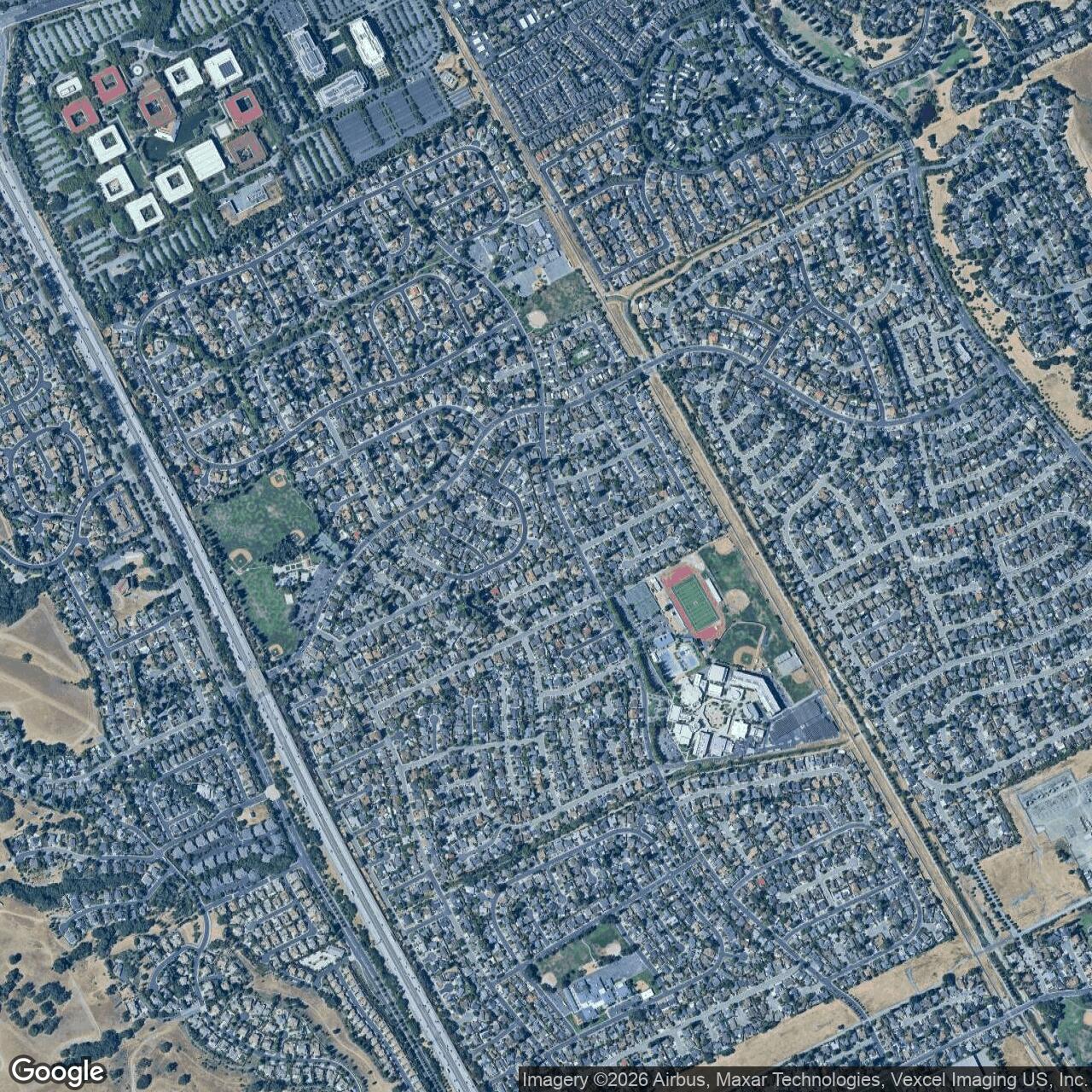
Because Gelderman was a sod field, physical traces were likely vulnerable from the beginning. Once Navy use ended, runway markings could vanish, turf could be returned to agriculture or graded for development, and later roads or housing could erase the field's outline. Airfield-history summaries describe the site as residentially reused in the San Ramon area.
Role in the Wider Military Network
Gelderman only makes sense inside the NAS Livermore and Bay Area naval aviation network. Naval aviation training in the early war placed heavy pressure on Oakland-area facilities. Livermore was developed inland to provide more room for primary training, but the main station itself still required satellites. The result was a dispersed local system of outlying landing fields tied to one parent air station.The 1944 directory-derived list identifies twelve Livermore sod outlying fields: Abel, Cope, Brown, Brown-Fabian, Gelderman, Heath, Lindeman, Livermore, Mays School, Rita-Butterworth, Spring Valley, and Wagoner. The Navy's World War II California activity list separately identifies Naval Air Station Livermore, Wagoner Field, and a Combat Aircrew Refresher Training Unit at Livermore. Together, those sources show that Livermore was not a single isolated airfield. It was a training node with a surrounding field network.
Gelderman was one of the smaller pieces of that network, but small pieces mattered. A training station's capacity was limited not only by aircraft and instructors, but also by airspace, landing surfaces, taxi delays, and safe separation. Satellite fields let the Navy schedule training in parallel. Instead of stacking every student around the parent field, instructors could move practice to multiple locations.
That distributed model also connected the Navy to the rural East Bay. Local fields, private properties, farms, and open spaces were temporarily folded into the Navy's wartime training landscape. Gelderman's name itself suggests that the field was tied to a local property or preexisting airfield identity rather than a purpose-built permanent federal station. That was typical of quickly assembled wartime aviation infrastructure.
The field's strategic role was therefore indirect but real. Gelderman did not launch combat missions from California to the Pacific. It helped train the aviators and sustain the training tempo that made those combat missions possible later in the pipeline. In that sense, it was part of the hidden ground infrastructure behind naval air power.
Postwar Reuse and Current Status
Gelderman's Navy use appears to have ended with the decline and closure of NAS Livermore's wartime training system. Unlike some former military fields that became public airports, Gelderman appears to have disappeared into non-aviation reuse.
Chronology
- 1942 Naval aviation training pressure around Oakland helped drive the development of NAS Livermore as an inland primary-training station.
- 1942 Primary training shifted from Oakland to Livermore by the end of the year, increasing the need for nearby outlying landing fields.
- 1943 NAS Livermore was commissioned, and its outlying-field network supported the station's training load.
- 1943 Gelderman entered wartime Navy use as one of the NAS Livermore outlying landing fields north of Dublin.
- 1944 The U.S. Army and Navy Directory of Airfields, as preserved in airfield-history research, listed NOLF Gelderman at Dublin, California, with a 2,200-foot sod runway at approximately 37.75, -121.95.
- 1944 NAS Livermore operated at high wartime tempo, with its surrounding sod outlying fields supporting primary flight-training capacity.
- 1944-10-15 NAS Livermore lost its primary-training function as pilot demand declined and the station shifted toward support for operational carrier-based aircraft and transient naval aviation.
- 1945 Navy use of the Livermore outlying-field system wound down as World War II training requirements declined.
- Post-1945 No active postwar Navy mission or long-term public airport successor has been identified for Gelderman in the sources used for this focused history.
- Present The former NOLF Gelderman site is a closed former naval outlying landing field in the Dublin / San Ramon area, with no active Navy or aviation use identified and general residential reuse reported in public airfield-history summaries.
Sources & References
- WEB Abandoned & Little-Known Airfields, Abandoned & Little-Known Airfields: San Jose area NAS Livermore and Livermore outlying-field discussion
- WEB U.S. Naval Activities, World War Two, By State [California] Naval Historical Center transcription hosted by HyperWar
- WEB Aerofiles Navy and Marine Flying Fields
- WEB Aerofiles California Airports
- WEB California State Military Museum / MilitaryMuseum.org Historic California Posts Naval Air Station, Livermore
- WEB eLivermore.com Livermore Naval Air Station photograph and local-history page