
Naval Outlying Landing Field Brown, Tracy California
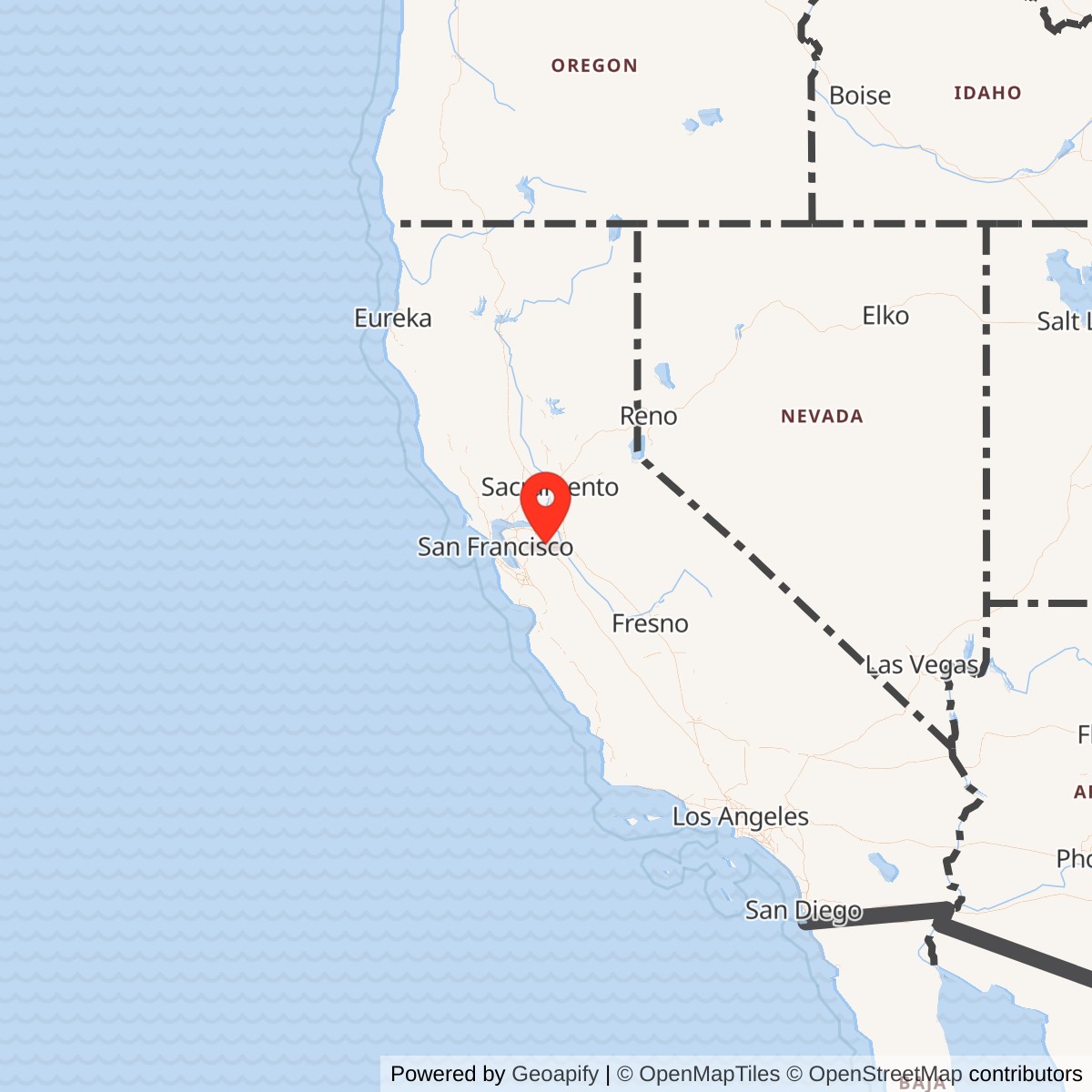
Longitude: -121.56
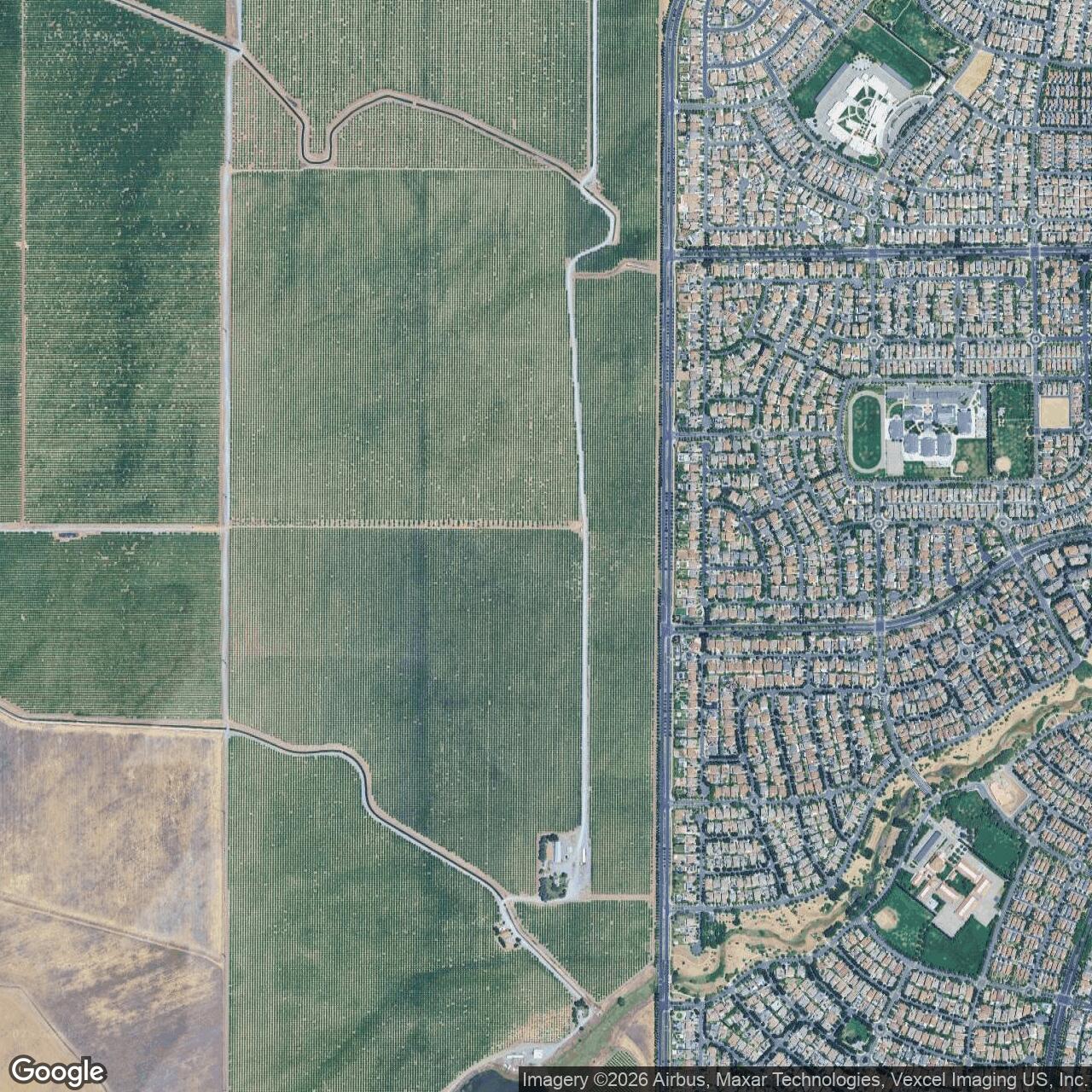
Current Role: Former NAS Livermore outlying landing field near Tracy; documented in the 1944 Army/Navy Directory-derived list as NOLF Brown with a 4,000-foot sod runway at 37.78, -121.56. No active Navy or aviation use identified; present landscape appears to be rural/agricultural.
Naval Outlying Landing Field Brown was one of the smallest but most revealing pieces of the Bay Area's World War II naval aviation training landscape. It was not a full naval air station, not a depot, and not a long-term shore establishment with a large permanent plant. It was a wartime outlying landing field tied to Naval Air Station Livermore, established so student naval aviators could practice the basic, dangerous, repetitive work of takeoffs, approaches, landings, and pattern flying away from the congestion of the main station.
The field was located in the Tracy area of San Joaquin County. Airfield-history research citing the 1944 U.S. Army and Navy Directory of Airfields identifies it as "NOLF Brown," a Navy outlying landing field with a 4,000-foot sod runway. That same directory-derived list places Brown among twelve NAS Livermore outlying fields, all sod fields, and distinguishes Brown from nearby Brown-Fabian, which was listed separately with a longer 6,300-foot runway. That distinction is important because later secondary summaries sometimes blur Brown and Brown-Fabian. The best working interpretation is that Brown and Brown-Fabian were related Tracy-area fields in the same Livermore training network.
Brown's identity was therefore functional rather than architectural. It was a landing surface, a coordinate in a training network, and a piece of open land converted into naval aviation capacity during a national emergency. Its importance came from the same thing that makes many outlying landing fields easy to overlook today: it existed to absorb routine training traffic. A student pilot could practice again and again at Brown without tying up Livermore's main field or mixing every landing attempt with heavier station traffic. The field's simple sod surface and rural setting gave it value precisely because the Navy needed dispersed, quickly available practice fields more than it needed another expensive permanent base.
Mission and Military Role
Brown's mission was primary flight-training support for NAS Livermore. During World War II the Navy faced an enormous demand for new pilots, and the training pipeline depended on repetition. Takeoff and landing practice consumed runway time, produced risk, and required open space. A main air station could not handle all of that traffic by itself. Outlying landing fields solved the problem by distributing flight operations across a wider landscape.NAS Livermore was developed in 1942 as part of the Navy's answer to crowded Bay Area training conditions. The parent station east of Livermore held the command, instruction, administrative, and aircraft-support functions. Outlying fields like Brown provided the simpler landing surfaces where the core physical skill of flying could be practiced. The Naval Historical Center's state-by-state World War II activity list identifies Naval Air Station Livermore, Wagoner Field, and a Combat Aircrew Refresher Training Unit at Livermore, while airfield-history documentation fills out the broader network of smaller associated fields, including Brown.
At Brown, the likely day-to-day activity was not glamorous, but it was essential. Student pilots would have used the field for approaches, landings, takeoffs, touch-and-go style practice, and emergency-field familiarization. The 4,000-foot sod runway was long enough for the training aircraft associated with early naval flight instruction, but the field did not need the full infrastructure of a large air station. Its wartime value lay in runway availability, open approaches, and reduced interference from other aircraft.
The field's open Tracy-area setting also reduced risk. Primary students made mistakes. They bounced landings, overshot, drifted in crosswinds, misjudged approaches, and needed repeated supervision. A rural outlying field gave the Navy a more forgiving training environment than a crowded main base. In that sense, Brown was part of the hidden safety and throughput system behind naval pilot production. It helped turn flight time into skill.
Site Design and Facilities
The available evidence points to Brown as a minimal-support field with a single sod runway. The 1944 Army/Navy Directory-derived listing gives NOLF Brown a 4,000-foot runway at Tracy. No source located identifies a large permanent cantonment, hangar complex, barracks area, fuel farm, magazine, or independent station headquarters at Brown. That is consistent with its designation as an outlying landing field rather than an auxiliary air station.The site should therefore be interpreted as a wartime landing strip, probably marked, maintained, and controlled as part of NAS Livermore's flight-training operations, but not developed as a self-contained naval installation. Its physical plant was the landing area itself. Any support functions would likely have been limited and subordinate to the parent air station. Aircraft, instructors, maintenance, administration, and student management centered on Livermore, while Brown provided the open landing surface.
Brown's rural San Joaquin County location was part of its design logic. The Tracy-area landscape offered level agricultural land, fewer obstacles, and lower population density than the immediate Bay shoreline. Those characteristics made it well suited for temporary wartime aviation use. They also explain why the field left little visible footprint. A sod runway could be returned to agriculture, erased by grading, or absorbed into rural land use far more quickly than a paved auxiliary air station.
The Brown and Brown-Fabian distinction is the main site-design caution. The directory-derived listing gives Brown a 4,000-foot sod runway at 37.78, -121.56 and Brown-Fabian a 6,300-foot runway. Because both are Tracy-area fields, both served the same parent network, and some secondary pages discuss them together, it is easy to collapse them into one site. For historical inventory purposes, the separate coordinates and runway lengths justify keeping them distinct.
Role in the Wider Military Network
Brown only makes sense as part of the NAS Livermore outlying-field system. Airfield-history research states that Livermore had twelve outlying fields to assist its primary training mission: Abel, Cope, Brown, Brown-Fabian, Gelderman, Heath, Linderman, Livermore, Mays School, Rita Butterworth, Spring Valley, and Wagoner. These fields formed a dispersed training web around the parent station. Each field was small by itself, but together they gave Livermore enough runway capacity to train pilots at wartime pace.That network reflected a standard Navy training strategy. The main station concentrated command, aircraft support, instruction, and personnel services. The outlying fields spread out high-volume landing practice. This reduced traffic conflicts, improved scheduling, and gave instructors more options when weather, ground condition, or congestion affected one field. In a system made of sod strips, local conditions mattered. Wet ground, dust, wind, or maintenance needs could make one field less useful on a given day, so having multiple nearby fields created resilience.
Brown's Tracy-area position also shows how wide the Livermore network became. The training system was not limited to the city of Livermore or the immediate valley around the parent station. It reached west toward Pleasanton and Dublin, south toward Warm Springs and Milpitas, and east into the Tracy area. That geography turned a large part of the East Bay and adjacent San Joaquin Valley into a temporary naval aviation training landscape.
The field also connects to the broader Pacific war. Most students who moved through the Navy's primary and follow-on aviation pipeline did not remain in California. They went onward to advanced training, operational units, carriers, patrol squadrons, and combat theaters. Brown did not launch combat missions overseas, but it supported the training sequence that produced the pilots who did. Its role was indirect, but direct combat aviation depended on exactly this sort of stateside infrastructure.
Postwar Reuse and Current Status
Brown's naval use appears to have ended with the wartime training mission in 1945. Unlike some former naval fields that became long-lived municipal airports or later military installations, Brown has no clearly documented postwar aviation successor. The site is best described as a closed former Navy outlying landing field, with no active Navy role and no active airport use identified.The present landscape at the recorded coordinate is rural and agricultural in character.
Chronology
- 1942 Naval Air Station Livermore was developed as a Bay Area naval aviation training station, relieving pressure on earlier Oakland-area naval aviation facilities.
- 1943 Brown entered wartime Navy use as one of the outlying landing fields associated with NAS Livermore.
- 1944 The U.S. Army and Navy Directory of Airfields, as preserved in airfield-history research, listed NOLF Brown at Tracy, California, with a 4,000-foot sod runway at approximately 37.78, -121.56.
- 1944 The same directory-derived listing identified Brown and Brown-Fabian separately, supporting treatment as two distinct Tracy-area outlying fields.
- 1944-10-15 NAS Livermore's primary training function declined as pilot demand changed, and the station increasingly served operational carrier-based units and transient naval aircraft.
- 1945 Navy use of the Livermore outlying-field network wound down as wartime training requirements declined.
- Post-1945 Brown did not continue as a documented active Navy installation and appears to have returned to rural or agricultural land use.
- Present The former NOLF Brown site is a closed former naval outlying landing field near Tracy, with no active Navy or aviation use identified in the sources used here.
Sources & References
- WEB Abandoned & Little-Known Airfields, Abandoned & Little-Known Airfields: San Jose area NAS Livermore and Livermore outlying-field discussion
- WEB Aerofiles, Navy and Marine Flying Fields Brown NOLF listing
- WEB U.S. Naval Activities, World War Two, By State [California] Naval Historical Center transcription hosted by HyperWar