
Naval Outlying Landing Field Lindeman / Linderman Airport, Tracy California
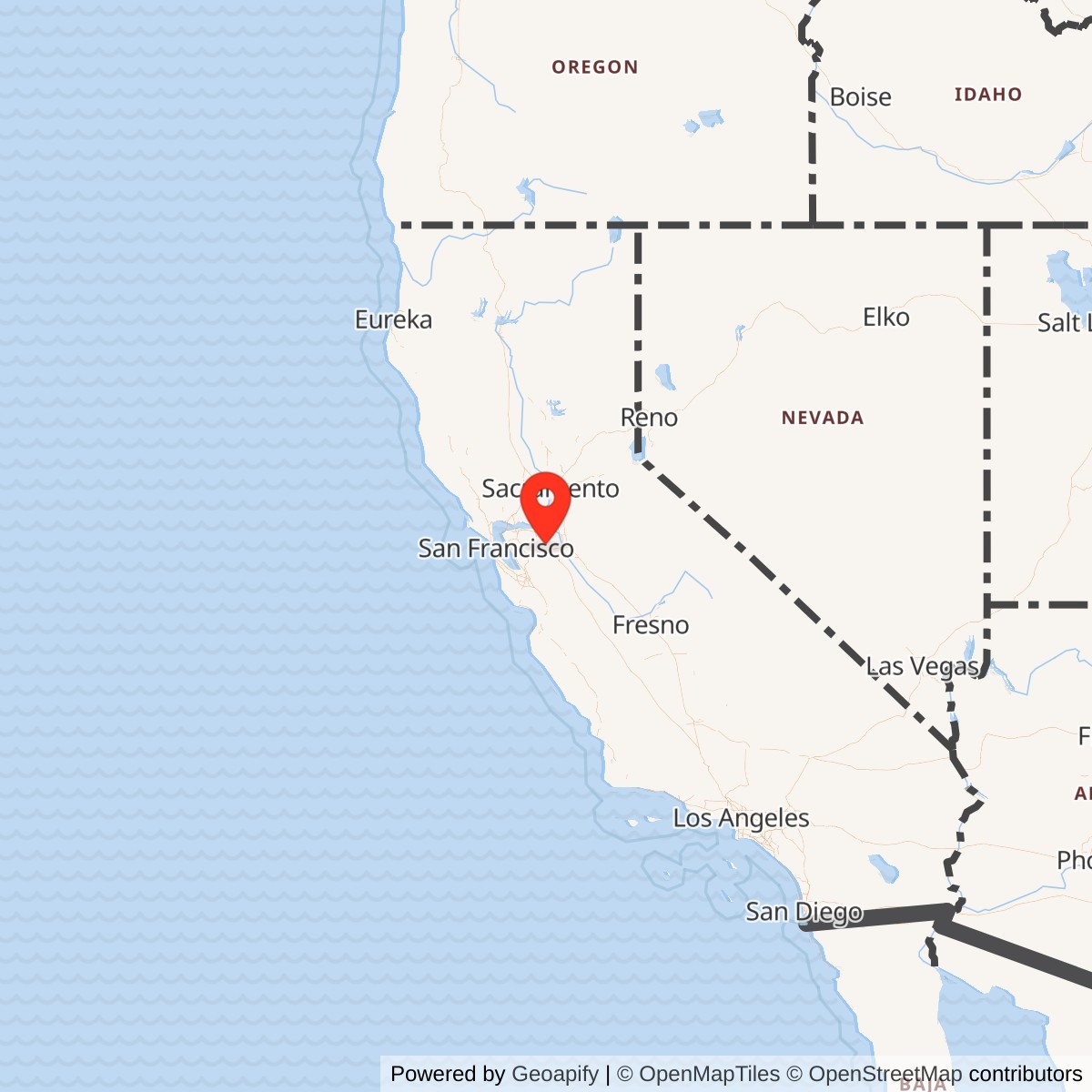
Longitude: -121.57
Current Role: Former NAS Livermore outlying landing field near Tracy; documented in the 1944 Army/Navy Directory-derived listing as NOLF Lindeman with a 3,900-foot sod runway; also appears in later airfield references as Linderman Airport.
Naval Outlying Landing Field Lindeman was one of the small, temporary satellite airfields that made NAS Livermore work as a wartime training station. It was not a full naval air station, and it was not designed to carry its own large administrative or maintenance community. Its value was simpler and more practical: it gave Navy student pilots and instructors another open landing surface where they could repeat approaches, landings, takeoffs, and pattern work without crowding the main Livermore field.
The site was listed in the 1944 U.S. Army and Navy Directory of Airfields as NOLF Lindeman, a NAS Livermore outlying field at Tracy, California, with a 3,900-foot runway and coordinates given as approximately 37.8, -121.57. The name also appears in secondary airfield references as Linderman Airport, which appears to preserve either a variant spelling, a local property or airfield name, or a later interpretation of the same wartime field. Because the 1944 directory-derived listing uses Lindeman while later aviation-history indexes often use Linderman, both names should be retained as aliases.
Lindeman's importance lies in the way it reveals the scale and texture of naval aviation training in the Bay Area during World War II. NAS Livermore could not train thousands of pilots efficiently by relying only on its main landing mat. It needed a constellation of nearby fields spread across the Livermore, Pleasanton, Dublin, Fremont, and Tracy areas. Lindeman was one of those working parts: a modest sod runway, probably with little permanent infrastructure, whose purpose was to absorb flight repetitions and reduce congestion at the parent station.
Mission and Operational Role
The mission of NOLF Lindeman was elementary but essential. It supported primary flight training and related wartime aviation operations by serving as a satellite landing field for NAS Livermore. Student pilots in primary trainers needed to practice the basics over and over: entering the traffic pattern, judging height and speed, touching down on unpaved surfaces, correcting alignment, taking off again, and doing it safely while other students were doing the same work nearby. Every outlying field in the Livermore system existed to make that repetition possible.NAS Livermore itself was created because Oakland's Naval Air Reserve Base and municipal-airport environment became too crowded for the growing wartime training load. By the end of 1942, primary training had moved from Oakland to Livermore, and Livermore was commissioned as a Naval Air Station in 1943. Once that happened, the new station required a ring of auxiliary fields. Airfields Freeman's Livermore account identifies twelve sod outlying fields associated with the station: Abel, Cope, Brown, Brown-Fabian, Gelderman, Heath, Lindeman, Livermore, Mays School, Rita Butterworth, Spring Valley, and Wagoner. Lindeman belonged to that training system.
The outlying-field mission also explains why Lindeman was probably austere. A 3,900-foot sod runway did not require the full infrastructure of a base. The Navy's need was not for hangars, barracks, warehouses, or command complexes at every satellite site. It needed land, grading, a usable landing surface, basic markings, access, and operational control from the parent station. In wet weather, sod fields could become unreliable, and the Navy considered hard-surface improvements for at least some Livermore satellites. But the training program at Livermore was already short-lived enough that major permanent investment in every OLF did not make sense.
The timing was compressed. Livermore's primary-training mission peaked in 1944 and then declined as the Navy's demand for new pilots changed. Airfields Freeman records that on October 15, 1944, NAS Livermore lost its primary training function and became a base for operational carrier-based units. That change reduced the need for the outlying-field network. Lindeman therefore appears to have been a wartime-only training field, active principally during the 1943-1945 period and closed or abandoned after the war.
Site Design and Physical Layout
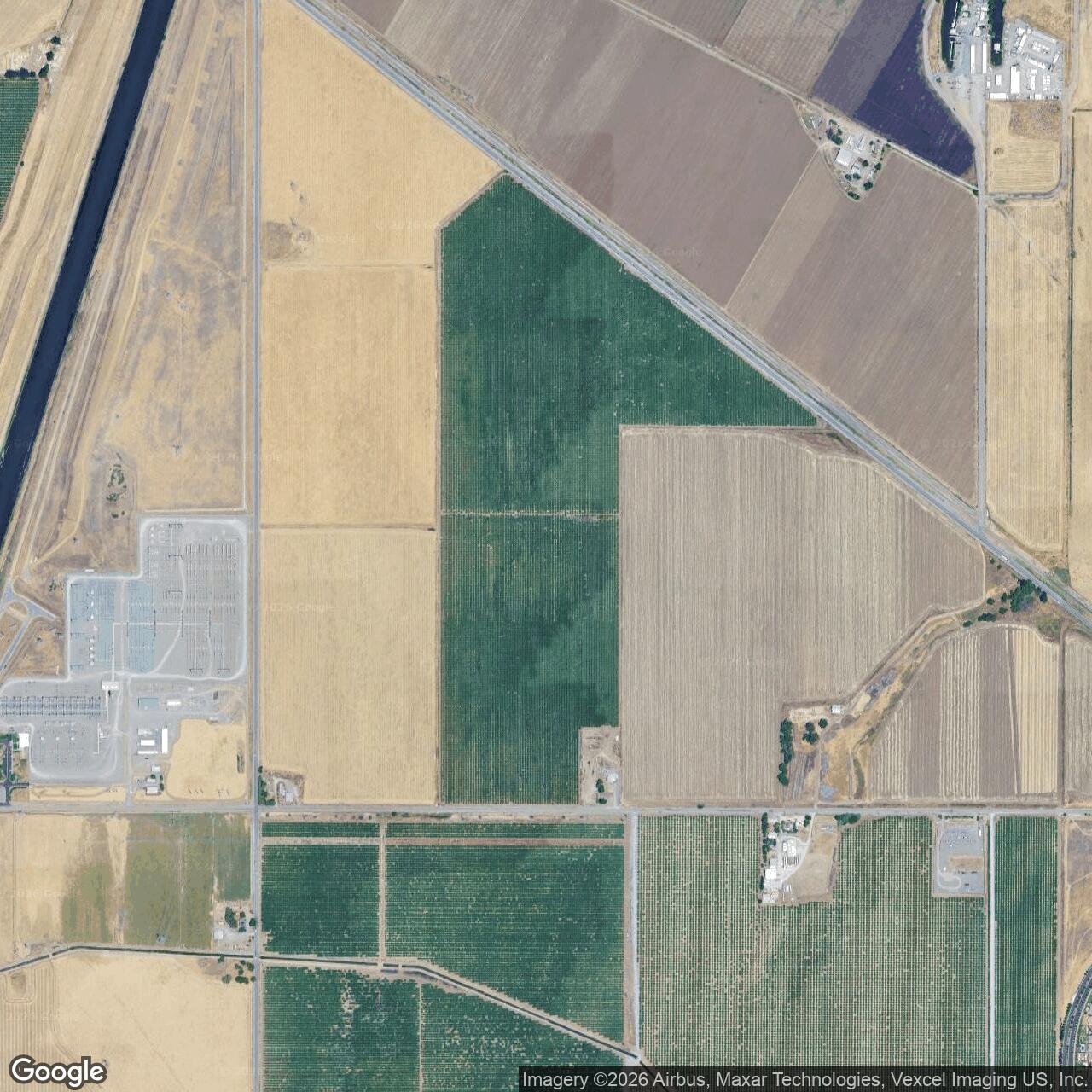
The only clearly documented physical feature of NOLF Lindeman in readily available public sources is its runway. The 1944 directory-derived listing describes it as a 3,900-foot runway at Tracy. Aerofiles identifies it as a satellite for NAS Livermore with a single 3,900-foot sod runway and dates its Navy use to 1943-1945. That description fits the broader Livermore OLF pattern. These fields were generally simple landing areas, often created from existing private, agricultural, crop-dusting, barnstorming, or emergency fields, and then adapted for Navy training.The Tracy-area location placed Lindeman east of the main Livermore training complex, close enough for practical training use but far enough away to add airspace and pattern capacity. It should be interpreted as a landing surface within a dispersed training grid rather than as a self-contained station. Unlike NAS Livermore, which had a large paved landing mat, hangars, barracks, and support buildings, Lindeman was a satellite strip. Its physical importance was its runway and its position in the larger system.
Role in the Wider Military Network
NOLF Lindeman should not be evaluated as a standalone base. Its meaning comes from the wider NAS Livermore and Bay Area naval aviation network. The Navy's World War II California activity list identifies Livermore as a Naval Air Station, lists Wagoner Field separately, and identifies a Combat Aircrew Refresher Training Unit at NAS Livermore. Airfields Freeman's account explains that Livermore began as a solution to the congestion at Oakland and that by the end of 1942 primary training had relocated from Oakland to Livermore. The outlying fields, including Lindeman, were the operational release valves that made that training load manageable.This was a common Navy solution during World War II. A main station handled administration, maintenance, barracks, command, and heavier support. Outlying landing fields handled repetitive flight operations. That arrangement reduced traffic density, let students practice away from the main runway environment, and allowed a single station to train far more aviators than its primary field could safely support alone. Lindeman's modest runway is therefore best understood as a small but necessary node in a larger wartime aviation machine.
Its association with Tracy also matters geographically. NAS Livermore's outlying fields stretched well beyond the immediate city of Livermore into surrounding agricultural valleys. The Navy was using the open land of the East Bay and northern San Joaquin Valley as a training landscape. Lindeman was part of that temporary wartime conversion of civilian and agricultural space into a naval aviation training system.
Current Status
NOLF Lindeman is no longer an active Navy or civil airport installation. The available public references identify it as a World War II satellite field used from roughly 1943 to 1945, with a single sod runway, and do not document a continuing military function after the war. The Navy's broader Livermore training mission ended rapidly after 1944 as primary training declined, and the parent station itself was deactivated after the war before the site was later reused for the national laboratory complex.
Chronology
- 1942 The Navy's Oakland training environment became increasingly crowded, pushing the service to develop Livermore as a new primary-training location.
- Late 1942 Primary naval flight training had moved from Oakland to Livermore.
- 1943 Livermore was commissioned as a Naval Air Station, and its outlying-field network supported the station's wartime training mission.
- 1943-1945 NOLF Lindeman / Linderman Airport operated as a NAS Livermore satellite field near Tracy, California.
- 1944 The U.S. Army and Navy Directory of Airfields listed NOLF Lindeman as a NAS Livermore outlying field at Tracy, California, with a 3,900-foot runway and coordinates approximately 37.8, -121.57.
- 1944-10-15 NAS Livermore lost its primary-training function and shifted toward operational carrier-based units, reducing the need for the full primary-training OLF network.
- 1945 NOLF Lindeman was apparently closed or abandoned as the wartime training system contracted.
- Present The site is a former closed naval outlying landing field with no identified active airport successor.
Sources & References
- WEB Abandoned & Little-Known Airfields, California: San Jose Area Livermore NAS section and NAS Livermore outlying-field list
- WEB Navy and Marine Flying Fields, Aerofiles Lindeman NOLF, Tracy CA
- WEB U.S. Naval Activities, World War Two, by State, California Livermore entry